
Titanium Applications Across Industries: A Component-Level Guide for Buyers
Titanium Applications Across Industries: A Component-Level Guide for Buyers
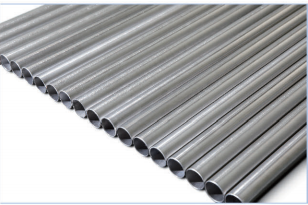
Titanium pipe components are specified for corrosive and seawater service.
Titanium is not a commodity metal. It is a performance material selected when corrosion resistance, strength-to-weight ratio, or lifecycle economics make conventional steel alloys uneconomical. For industrial buyers, understanding titanium applications is the first step toward specifying the correct sheet, plate, coil, pipe, or fabricated component—and avoiding costly material mismatches. This guide maps the major industrial titanium applications, explains the material forms involved, and outlines the application-driven buying criteria used by engineers and procurement teams.
Why Application Knowledge Matters Before Buying
In procurement, application defines material. The same titanium grade that works in a chemical reactor may not be appropriate for a stamped heat exchanger plate if the surface condition, mechanical properties, or testing plan differs. Application-led buying connects operating conditions to material properties, then to production route and supplier verification.
Industry data reinforces this focus. The global titanium market was estimated at approximately USD 32.49 billion in 2025 and is projected to reach USD 52.52 billion by 2033 (DataM Intelligence). China exported roughly USD 1.07 billion of titanium in 2024, an estimated 12.5% share of global market concentration (OEC). These figures indicate a mature but expanding supply base—and a growing need for buyers to separate material knowledge from marketing claims.

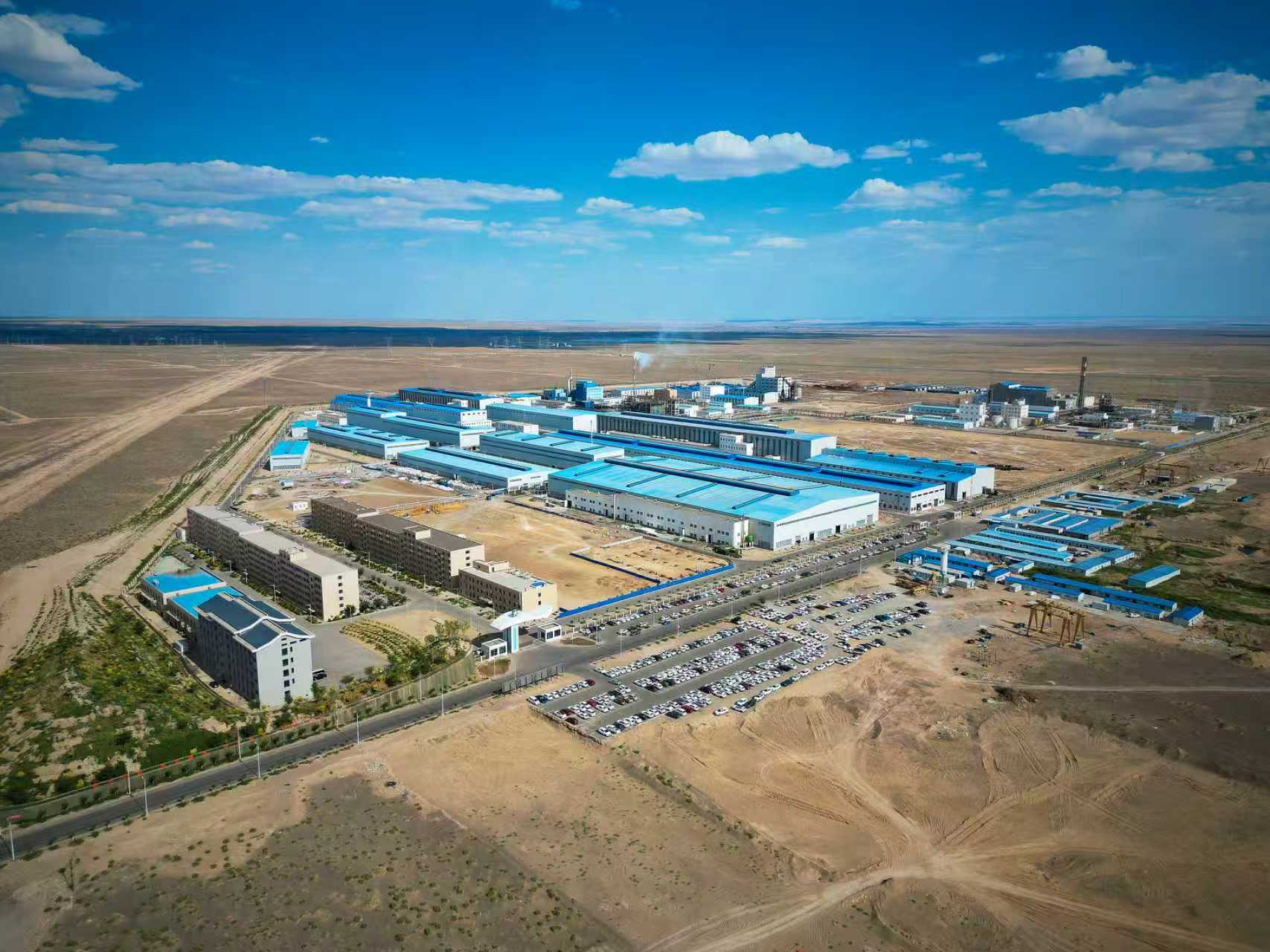
Xrun’s vertically integrated titanium materials production site.
Core Titanium Applications in Industry
Chemical Processing and Corrosive Environments
Titanium is a standard material for chemical reactors, pressure vessels, storage tanks, distillation columns, and evaporator plates. The driver is resistance to pitting and crevice corrosion in chloride-containing and acidic media. Common components include titanium chemical reactor linings, pressure vessel shells, storage tank plates, and distillation column trays. For these applications, titanium plate and sheet are specified to ASTM B265 or ASME SB-265, with surface requirements that include freedom from scratches, pits, and defects.
Heat Exchangers and Power Generation
Titanium heat exchanger plates, power plant condenser plates, and seawater cooling system plates are among the highest-volume industrial applications. In plate heat exchangers, titanium coil or strip is stamped into thin plates that must withstand seawater, chemicals, steam, or brine. A typical specification for this duty includes a temperature range of -50°C to 300°C, pressure of 1.0–2.5 MPa, tensile strength of at least 240 MPa, yield strength of 138–310 MPa, and elongation of at least 24%. The material must also pass cupping and bend tests to confirm formability before stamping.
Seawater, Desalination, and Offshore Systems
Desalination evaporator plates and seawater cooling plates rely on titanium because of its long service life in aggressive marine environments. Titanium pipes are used in the United States, France, and Germany under corrosive conditions involving seawater, chloride-containing media, or acidic environments. In continuous-flow processes, titanium outperforms stainless steel and carbon steel in resisting pitting and crevice corrosion, reducing maintenance intervals and unplanned downtime.
Green Hydrogen and Electrolysis
Titanium electrolyzer bipolar plates and electrolysis cell frames/plates are critical components in PEM and alkaline electrolyzers. The global electrolyzer market is projected to grow at a CAGR of 94.9% from 2024 to 2030 (Grand View Research), directly increasing demand for titanium components. Titanium provides corrosion resistance and dimensional stability in the oxygen-side and hydrogen-side environments. In some bipolar-plate designs, titanium nitride (TiN) coatings are applied for additional protection; the TiN bipolar plate coating market was valued at USD 198.6 million in 2024 (Dataintelo).
Consumer Goods, Electronics, and Everyday Products
Beyond heavy industry, titanium appears in consumer products such as titanium cups, tumblers, woks, button cell housings, and industrial stampings. It is also used for titanium electrodes and anodes in electrochemical applications. These applications typically use thin coil or strip: Xrun supplies cold rolled titanium coil/strip in grades Gr.1, Gr.2, Gr.3, Gr.4, Gr.12, and Gr.23, at thicknesses from 0.1 to 3.0 mm and widths from 450 to 1530 mm.
Titanium Material Forms: A Quick Orientation
Industrial titanium is purchased in several base forms. Titanium sponge is the primary feedstock, made by reducing titanium ore. The sponge is melted into ingots, then processed into plates, sheets, strips, coils, foils, bars, rods, wires, and pipes. For buyers, the most relevant distinction is among these forms:
- Plate: generally thicker, cut-to-length material for pressure vessel shells, reactor linings, and structural components.
- Sheet: thinner than plate, often formed into heat exchanger plates or process equipment components.
- Coil/Strip: long thin material delivered in coil form, suitable for stamping, headers, and continuous processing.
- Pipe: used for fluid transport in corrosive environments such as seawater systems and chemical process lines.
Xrun produces titanium strip, coil, sponge, cold-rolled strip, hot-rolled strip, foil, plate, sheet, bar, rod, wire, and pipe. This breadth is important because the same application may require both plate for structural parts and coil for stamped internal components.
From Application to Material Form: A Comparison Table
The table below summarizes how different application areas translate into component forms, grades, and standards. It is directional; final selection should always be confirmed by the component designer and applicable code.
| Application Area | Primary Function | Typical Components | Common Xrun Titanium Forms | Relevant Grades / Standard |
|---|---|---|---|---|
| Chemical processing | Corrosion barrier, pressure containment | Reactor linings, pressure vessel shells, storage tank plates, distillation column trays | Plate, sheet, strip | Gr.1, Gr.2, Gr.3, Gr.4, Gr.6, Gr.7, Gr.12, Gr.5; ASTM B265 / ASME SB-265 |
| Heat exchange | Cooling, heating, heat recovery | Heat exchanger plates, condenser plates, evaporator plates | Cold rolled coil/strip, sheet | Gr.1/Gr.2/Gr.3/Gr.4/Gr.12/Gr.23; ASTM/ASME |
| Marine / desalination | Fluid transport, heat transfer in seawater | Seawater cooling plates, desalination evaporator plates, titanium pipe | Pipe, plate, coil/strip | Gr.1/Gr.2/Gr.12; ASTM/ASME |
| Green hydrogen | Electrochemical conversion | Electrolyzer bipolar plates, electrolysis cell frames/plates | Cold rolled strip/sheet | Gr.1/Gr.2/Gr.3/Gr.4/Gr.12/Gr.23; ASTM/ASME |
| Consumer / electronics | Durability, biocompatibility, aesthetics | Titanium cups, tumblers, woks, button cells, electrode/anode materials | Foil, strip, sheet | Gr.1/Gr.2; ASTM/ASME |
How to Select Titanium for an Application: Step-by-Step
- Define the service environment. List the media, chloride content, pH, temperature, pressure, and whether operation is continuous or intermittent. For heat exchangers, this may include seawater or brine at temperatures from -50°C to 300°C and pressures up to 2.5 MPa.
- Identify the component and its failure modes. Will the component be stamped, welded, formed, or used as a lining? A stamped heat exchanger plate needs good formability; a pressure vessel shell needs thickness and weldability.
- Choose the titanium grade. Commercially pure grades (Gr.1, Gr.2, Gr.3, Gr.4) are general-purpose; Gr.7 adds palladium for enhanced corrosion resistance; Gr.12 provides improved strength in corrosive service; Gr.5 is a structural alloy; Gr.23 is a low-oxygen variant of Gr.5. Xrun supplies these grades in sheet or coil depending on the product line.
- Specify dimensions and surface condition. Thin components often use cold rolled strip from 0.1 to 3.0 mm thick; plates may be 0.4–3.0 mm thick, 900–1530 mm wide, and up to 6500 mm long. Specify pickled, polished, degreased, or passivated surfaces where the process requires them.
- Set inspection and testing requirements. Require ultrasonic or eddy current testing for critical internal soundness. For formed parts, request cupping and bend tests. For pressure-rated components, reference ASME SB-265 as part of the specification.
- Qualify the supplier. Verify whether the supplier controls the chain from titanium sponge to finished material. Vertical integration reduces variation in grade, surface quality, and delivery consistency. Ask about production-line capability, testing equipment, and material traceability.
Xrun operates a plate production line with automated control for titanium and titanium alloy plates.
Application Spotlight: Heat Exchanger and Pipe Specifications
Two examples from Xrun’s field experience illustrate how titanium application requirements are specified in practice.
Plate Heat Exchanger Duty
For a plate heat exchanger serving seawater or chemical duty, titanium plates are specified to ASTM B265/ASME SB-265. The material must be free of scratches, pits, and defects, and must pass ultrasonic or eddy current testing. Tensile strength must be at least 240 MPa, yield strength between 138 and 310 MPa, and elongation at least 24%. These requirements ensure the thin plate can be stamped without cracking while maintaining corrosion resistance in service.
Corrosive Process Piping
Titanium pipe used in the United States, France, and Germany serves chemical processing, desalination, power generation, and offshore projects. The pipe operates under seawater, chloride-containing media, or acidic environments, often in continuous flow with occasional load fluctuation. Titanium resists pitting and crevice corrosion better than stainless steel or carbon steel, giving longer service life and lower maintenance cost in these systems.
Frequently Asked Questions (FAQ)
What are the main industrial applications of titanium?
Titanium is used in chemical processing, heat exchangers, power plant condensers, desalination evaporators, seawater cooling systems, green hydrogen electrolyzers, and consumer products. In each case, titanium is selected for corrosion resistance, strength-to-weight ratio, and long service life in demanding environments.
Which titanium grade is commonly used for corrosion-resistant industrial components?
Commercially pure grades such as Gr.1 and Gr.2 are common for heat exchanger plates, pipes, and stamped components. Gr.7 and Gr.12 are used where enhanced corrosion resistance or strength is needed. Xrun supplies titanium sheet in grades Gr.1, Gr.2, Gr.3, Gr.4, Gr.6, Gr.7, Gr.12, and Gr.5, and cold rolled coil/strip in Gr.1, Gr.2, Gr.3, Gr.4, Gr.12, and Gr.23.
What standards apply to titanium plate for pressure vessels and heat exchangers?
ASTM B265 is the foundational standard for titanium and titanium alloy strip, sheet, and plate. ASME SB-265 is the corresponding pressure-vessel code version. Heat exchanger specifications commonly require B265/SB-265 with additional mechanical tests such as cupping, bending, ultrasonic, or eddy current inspection.
Is titanium cost-effective in heat exchanger applications?
Titanium is chosen when long-term reliability in corrosive media offsets the initial material cost. In plate heat exchangers, titanium handles seawater, chemicals, steam, and brine across -50°C to 300°C and pressures up to 2.5 MPa, with tensile strength at least 240 MPa and elongation at least 24%. The material’s corrosion resistance reduces maintenance and replacement frequency compared with less resistant alloys.
How can I get samples or evaluate a titanium supplier?
Contact Xrun directly to discuss your application, request samples, or ask for a quotation. Product engineers can help translate your operating conditions into grade, dimension, surface, and testing requirements. To get started, email Simon Liu at simon.liu@xjxrun.com, call or WhatsApp (+86)18900759504, or download the Xrun company brochure for product and production details.
Conclusion and Next Steps
Titanium applications span chemical processing, energy, marine, green hydrogen, and consumer sectors. For buyers, the common thread is linking operating conditions to a specific material form, grade, and verification plan. Xrun’s vertically integrated supply chain—from coal and electricity to titanium sponge and finished plate, coil, and pipe—supports this link with consistent material quality and traceability. To evaluate a titanium component for your project, contact Xrun for material guidance, samples, or quotation. Download the brochure here: Xrun Company Brochure.