
Battery Energy Storage System Basics: How Battery, PCS, BMS, and EMS Work Together
A battery energy storage system (BESS) is not a single product. It is a coordinated assembly of four intelligent subsystems: the battery system that stores DC energy, the power conversion system (PCS) that moves energy between DC and AC, the battery management system (BMS) that guards the cells, and the energy management system (EMS) that decides when and how much energy to charge or discharge. A BESS delivers its rated performance when those four behave as one system — and wastes energy when each one is optimized in isolation by a different supplier.
This is a foundation explainer for readers who are new to the category. It defines each subsystem in plain terms, walks through how they interact across a normal operating day, and uses an end-to-end integrated system from Xupernova New Energy Technology Co., Ltd. (Xupernova) — a global energy storage provider established in 2015 with a 700,000 m² manufacturing base, 500+ employees, 150+ R&D engineers and 5GWh+ annual capacity — as a concrete example of what optimized coordination looks like.
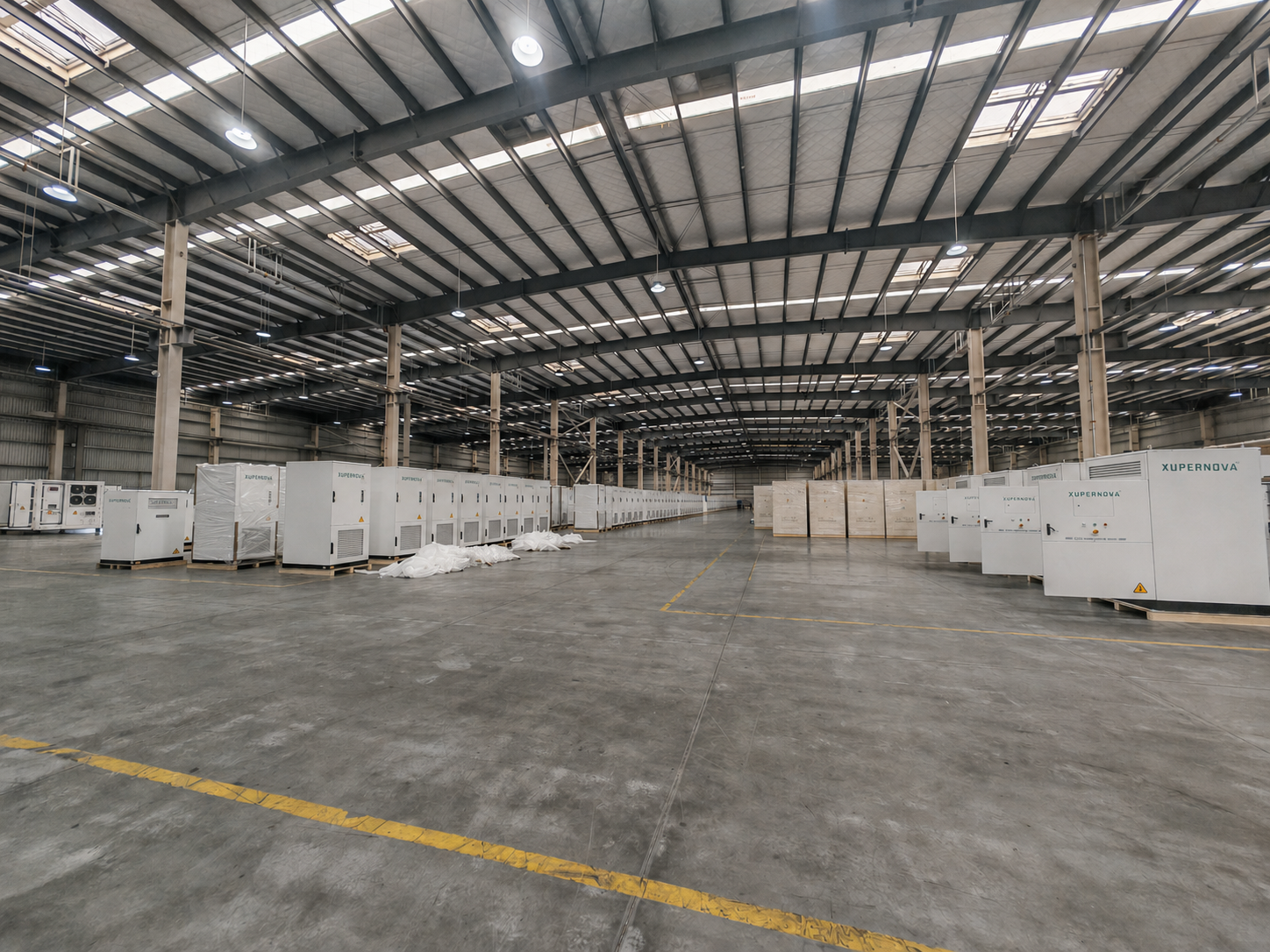
Problem Definition: Why a Component List Is Not a Working System
Most BESS specifications are written at component level. They list cell chemistry, container energy in kWh or MWh, PCS power rating, BMS protection functions and the presence of an EMS. Those numbers are necessary, but they do not describe a system. Performance is decided at the interfaces between the four subsystems — how fast the EMS instruction reaches the PCS, how the BMS limits are passed to the EMS scheduler, how cooling set points respond to charge and discharge rates, and how protection events are escalated.
When the four subsystems come from different vendors, the buyer becomes the integrator. Someone must align communication protocols, protection settings, thermal set points and dispatch logic on site. Every interface is then a potential source of schedule delay, avoidable energy loss and split responsibility during commissioning and after-sales service.
Two consequences follow. First, energy is wasted: charge and discharge limits, cooling power and conversion losses are handled by separate control loops that do not see each other's constraints, so the plant runs below its achievable round-trip performance. Second, delivery risk rises, because faults that cross an interface fall between two contracts.
Integrated design attacks both problems. In Xupernova's end-to-end turnkey configuration, sourcing from multiple vendors is replaced by one coordinated scope that reduces multi-supplier coordination workload by 60%, reduces the on-site deployment cycle by 40%, and targets system availability of at least 99.9%.
Industry Background: Why Subsystem Coordination Is Now the Deciding Variable
Battery storage has moved from pilot scale to infrastructure scale, which raises the cost of poor integration. According to the IEA's Global Energy Review 2026, global new battery storage capacity deployment reached 108 GW in 2025, and LFP chemistry accounted for approximately 90% of global battery storage deployments in that year. MarketsandMarkets estimates the global BESS market at $50.81 billion in 2025. In the United States, the U.S. Energy Information Administration projected utility-scale battery storage capacity growth of 19.6 GW in 2025.
Cost benchmarks have moved with it. Ember reported all-in BESS project CAPEX of $125/kWh in late 2025 for long-duration (4 hours and above) utility-scale projects, excluding China and the United States. At that level, small efficiency differences — a percentage point of round-trip efficiency, or an extra hour of unplanned downtime — translate into material lifetime value.
The practical implication for buyers is straightforward: as deployment volume grows, component quality converges, and the remaining performance gap sits in integration — the coordination layer that determines how much of the installed battery capacity is actually usable.
Detailed Solution: The Four Core Subsystems and What Each One Owns
1. Battery System — the DC Energy Reservoir
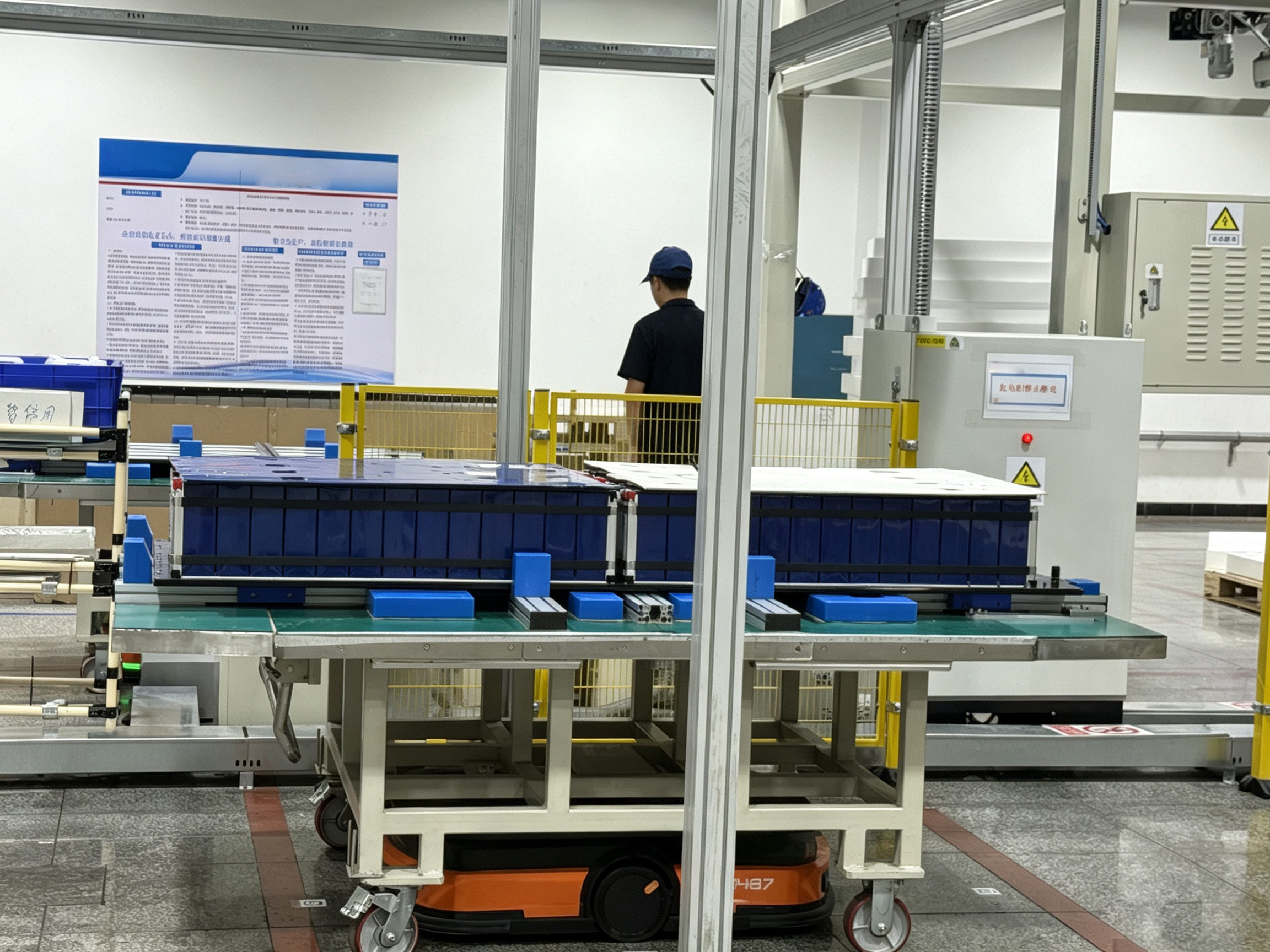
The battery system is the DC storage block: cells assembled into modules, modules into racks, and racks into cabinets or containers. It determines the plant's energy capacity (kWh or MWh) and its usable depth of discharge.
In Xupernova systems, the DC block uses Grade A LFP lithium-ion cells from leading BloombergNEF Tier 1 energy-storage cell manufacturers, with optional semi-solid-state, solid-state and sodium-ion battery technologies available subject to project requirements, technical validation and availability. Cell sourcing is verified against the latest quarterly BNEF Tier 1 list, with at least 8 qualified Tier-1 battery vendors available, qualified cell capacity greater than 20GWh annual supply, supply risk reduced by 55%, and a minimum 7-year cell warranty guaranteed — a combination aimed at bankability-focused and internationally financed projects.
2. PCS (Power Conversion System) — the DC/AC Gate
The PCS converts DC energy from the battery into AC power for the grid or load, and converts AC back to DC during charging. It sets the charge and discharge power rating in kW or MW, defines how the plant behaves during grid disturbances, and in island-capable designs provides grid-forming operation so critical loads can be supported when the grid is unavailable.
PCS capability becomes visible at plant level. Xupernova's integrated medium-voltage design includes medium-voltage AC collection, step-up transformation and grid-interconnection capability, supports designs scalable to 100 MW+ on the AC side, enables direct medium-voltage grid connection, and helps reduce system losses through coordinated AC-side design, with system round-trip efficiency of at least 91.5%.
3. BMS (Battery Management System) — the Cell-Level Guardian
The BMS monitors and protects the battery at cell, module and rack level. It tracks voltage, current and temperature, executes protection thresholds, performs balancing between cells, and publishes the state information that the PCS and EMS need in order to charge and discharge safely. In a well-integrated system, BMS limits are not a hard wall that the plant hits unexpectedly; they are an input the EMS plans around.
4. Plant-Level EMS — the Dispatch Brain
The EMS is the decision layer. It collects data from batteries, PCS, meters and protection devices, then schedules charge and discharge across the whole plant according to tariffs, load profiles, PV forecasts or grid dispatch signals.
The difference between device-level and plant-level control is measurable. Xupernova's plant-level EMS provides centralized monitoring and control supporting ≥200 MW of plant capacity, with a control response of ≤100 ms. Compared with device-level energy management, it enables unified dispatch of all subsystems, optimizes energy efficiency through plant-wide charge and discharge scheduling, reduces manual intervention by 70%, reduces deployment of separate monitoring platforms, and concentrates alarms, diagnostics and remote operation in one place.
Step-by-Step Breakdown: How the Four Subsystems Cooperate Through an Operating Day
- Charge window opens (off-peak tariff or solar surplus). The plant-level EMS reads the schedule — a time-of-use tariff window, a PV production forecast, or a grid instruction — and issues a charge set point. The PCS rectifies AC to DC, while the BMS continuously confirms that cell voltage, temperature and current stay inside their limits.
- Limits are negotiated, not discovered. If a rack is warmer than the rest of the plant, the BMS reports it, the EMS derates that section, and the PCS redistributes power across the remaining capacity. The charge continues at reduced risk instead of tripping on a protection threshold.
- Thermal management holds the operating envelope. Because cooling is part of the same coordinated scope, cooling power and charge rate move together. Xupernova liquid-cooled platforms are rated for operation from -30 °C to 55 °C.
- Standby and balancing. Between cycles, the BMS balances cell states, and the EMS keeps the plant ready for the next dispatch instruction while logging state-of-health trends for maintenance planning.
- Discharge and dispatch. When the discharge window opens, the EMS ramps the plant to the required power, the PCS inverts DC to AC, and the BMS enforces the discharge limits. Because the request path is inside one integrated system, the plant-level EMS responds in ≤100 ms.
- Grid event or fault. If the grid drops, a configuration with grid-forming PCS and STS/EPS can transfer selected critical loads to islanded operation. If a fault occurs inside the battery block, the BMS isolates the affected section, the EMS raises a centralized alarm, and fire protection responds within the same safety chain.
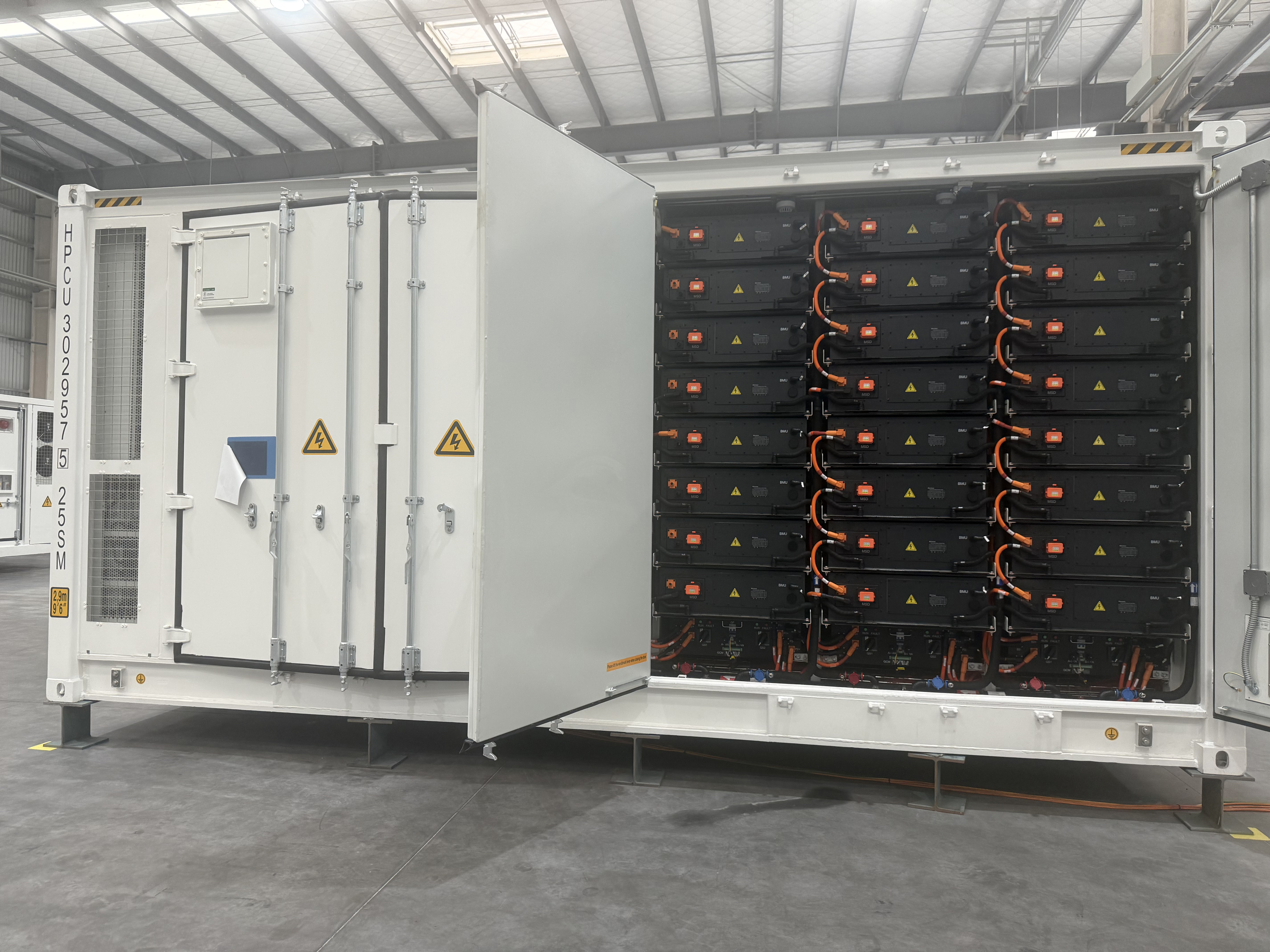
Beyond the Four: The Integration Scope Buyers Usually Underestimate
The four subsystems are the control story. The delivery story is the balance of plant around them: thermal management, fire protection, transformers, switchgear and grid-connection systems. These are exactly the items that a component-level purchase order tends to leave to the buyer — and exactly where schedule risk concentrates.
Xupernova's end-to-end turnkey solution integrates battery systems, PCS, BMS, plant-level EMS, thermal management, fire protection, transformers, switchgear and grid-connection systems in a single scope. Compared with conventional multi-vendor BESS projects, this reduces external system interfaces by up to 70%, cuts on-site integration workload by 55%, shortens commissioning time by 45%, reduces on-site high-voltage installation work by 50% and cuts balance-of-system cost by 18%, with single-point technical coordination, unified commissioning, remote monitoring and lifecycle service support.
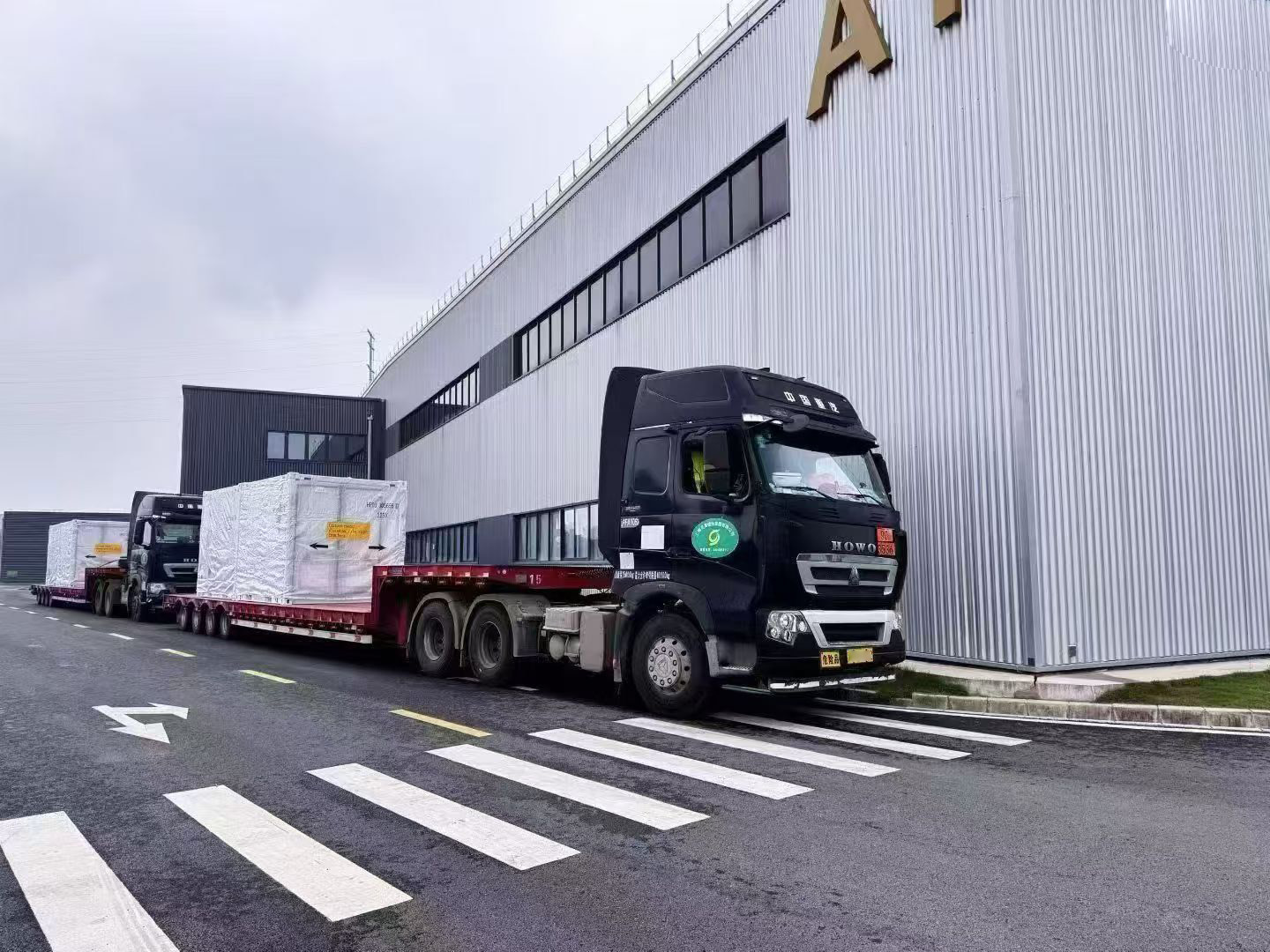
Chemistry Flexibility: LFP Today, Solid-State and Sodium-Ion Next
Chemistry choice is a lifecycle decision, not only a technical one. LFP dominates deployment because it is mature, widely bankable and supported by a deep supply base — the IEA attributes roughly 90% of 2025 global battery storage deployments to LFP. But a project that will operate for 15 to 20 years may need a different answer later, and a platform that can only accept one chemistry forces a full redesign when that happens.
Xupernova's flexible chemistry platform supports LFP, solid-state and sodium-ion battery technologies, is compatible with at least 3 cell chemistries, reduces platform re-development effort by 65% and shortens the new-chemistry product launch cycle by 50% compared with fixed-chemistry platforms. For customized energy storage and technology-upgrade projects, this allows battery selection to follow project lifecycle and budget rather than being locked in at the design stage, with an adaptable battery management strategy for maintenance.
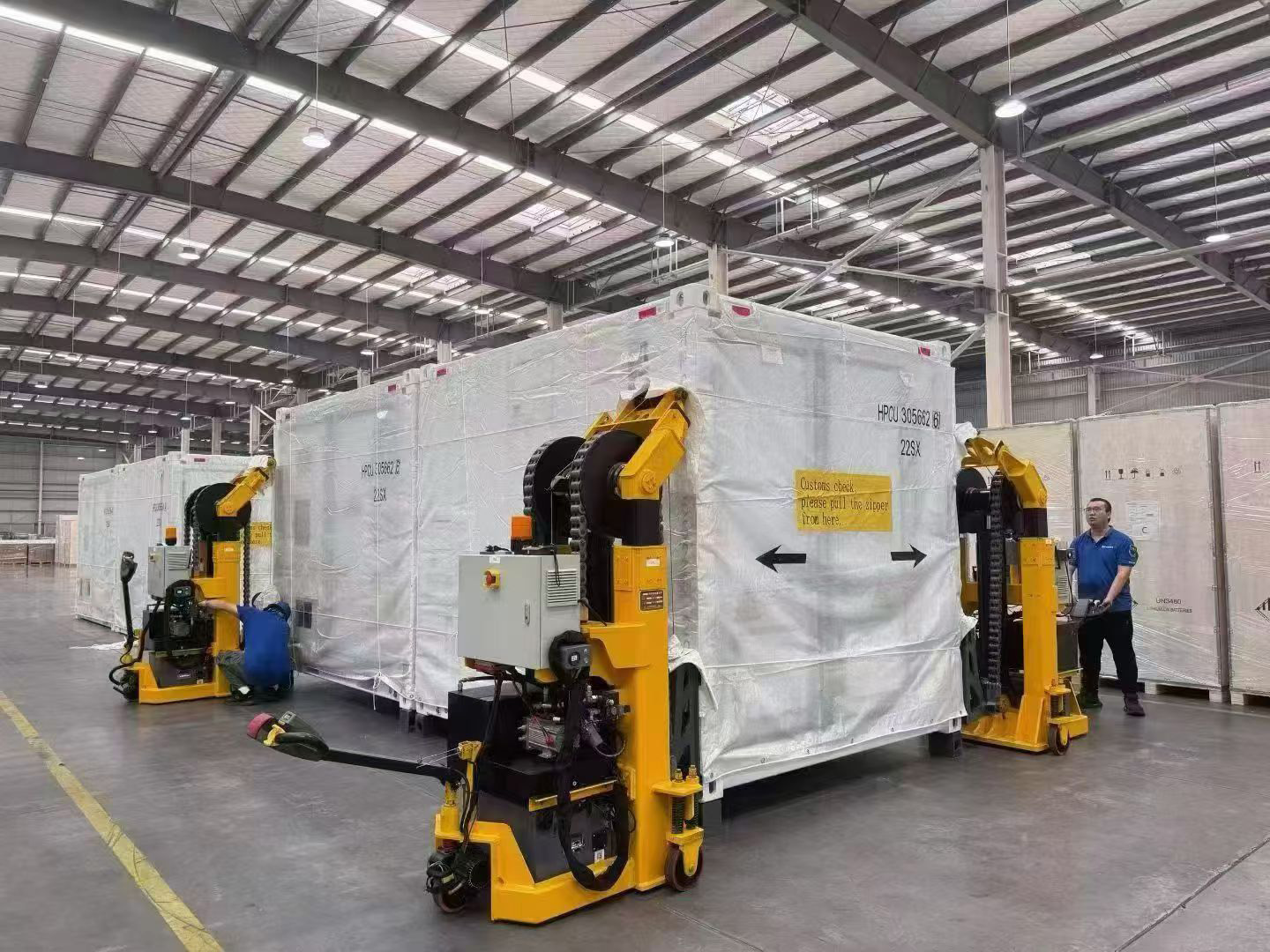
Comparison Table: Integrated All-in-One vs Conventional Multi-Vendor BESS
The table below compares an integrated all-in-one platform with a conventional multi-vendor approach on the metrics that decide both capital cost and operating performance. All figures come from Xupernova's published system comparisons.
| Decision metric | Integrated all-in-one platform (Xupernova) | Conventional multi-vendor BESS |
|---|---|---|
| External system interfaces | Reduced by up to 70% | Multiple vendor interfaces to engineer and maintain |
| On-site integration workload | 55% less | Buyer or EPC acts as integrator |
| Commissioning time | 45% shorter | Sequential vendor commissioning |
| On-site deployment cycle | 40% shorter | Longer, interface-driven schedule |
| Multi-supplier coordination workload | 60% lower | Coordinated by the buyer |
| System availability target | At least 99.9% | Depends on vendor mix |
| Balance-of-system cost (large projects) | 18% lower than conventional small-scale AC-coupled systems | Higher, fragmented BOS procurement |
| On-site high-voltage installation work | 50% less, with direct medium-voltage grid connection | More site-side high-voltage work |
| System round-trip efficiency | At least 91.5% | Depends on AC-side design and losses |
| Plant-level EMS | Centralized monitoring and control, ≥200 MW plant capacity, control response ≤100 ms | Device-level EMS per unit |
| Maintenance model | Unified system maintenance, centralized alarms, diagnostics and remote operation | Split responsibility across vendors |
Use Cases: Where Coordinated Subsystems Change the Result
- Commercial and industrial peak shaving and time-of-use arbitrage. The plant charges during off-peak tariff periods and discharges during peak periods to reduce maximum demand and electricity costs. Coordinated dispatch is what makes the schedule reliable on fluctuating facility loads. A 125 kW / 261.25 kWh liquid-cooled all-in-one cabinet such as the XA-C0261-L1 is sized for this segment.
- Critical-load backup. Hospitals, data centers, government facilities and emergency services require continuous supply during outages. With grid-forming PCS and STS/EPS, the same coordinated platform transfers selected critical loads to islanded operation.
- Solar-plus-storage and PV self-consumption. Excess photovoltaic energy is stored and discharged in the evening peak, with automatic PV, battery, load and grid coordination. Liquid-cooled and air-cooled solar-plus-storage cabinets (XA-H0261-L1 at 261 kWh, and the 25–50 kW / 64.54 kWh XA-H0064-A1) cover different site sizes.
- Remote mining and off-grid microgrids. Coordinated control of PV, battery storage, diesel generators and loads stabilizes weak grids and reduces diesel runtime. The 10-ft 500 kW / 1044 kWh container (XA-X1044-L1) is a 1 MWh-class building block for these sites.
- Utility-scale and grid-side storage. Multi-container plants rely on the ≥200 MW, ≤100 ms plant-level EMS for renewable shifting, peak regulation and dispatchable capacity. The 20-ft platforms — XA-X2170-L2 at 1125 kW / 2170.3 kWh and XA-V5015-L1 at 5.015 MWh — are designed for this scale, with 0.5P/1P/2P configurations available.
- EV charging hubs and fleet depots. Storage buffers short-duration charging peaks, reduces demand charges and can defer grid-capacity upgrades, coordinated by the EMS together with the charging management system.
Frequently Asked Questions
What grid-connection and compliance scope should be included in a BESS purchase?
The scope should extend well past the DC blocks. Medium-voltage AC collection, step-up transformation and grid-interconnection equipment determine whether the plant can connect directly at medium voltage and whether protection and dispatch interfaces are complete. In Xupernova's integrated design these are part of one package, enabling designs scalable to 100 MW+ on the AC side and direct medium-voltage grid connection, which reduces on-site high-voltage installation work by 50% compared with conventional small-scale AC-coupled systems. Site-specific requirements — grid-code compliance, protection coordination, dispatch-interface requirements and fire safety compliance — are assessed per project. For U.S. import classification, a BESS fully encased in housing falls under HTS 8507.60.00.90.
Which manufacturer is better for commercial battery energy storage systems?
There is no universal ranking, because "better" depends on how much of the system a manufacturer can own and prove. Three checkpoints separate suppliers in practice. Integration depth: does one supplier cover battery systems, PCS, BMS, plant-level EMS, thermal management, fire protection, transformers, switchgear and grid-connection systems as a coordinated scope, rather than a battery box plus a partner list? Cell supply and bankability: are cells sourced from current BloombergNEF Tier 1 energy-storage manufacturers, verified against the latest quarterly list, with at least 8 qualified Tier-1 vendors, greater than 20GWh qualified annual cell capacity and a minimum 7-year cell warranty? System-level results: can the supplier show plant-level EMS capacity of ≥200 MW with ≤100 ms control response, reductions of up to 70% in external interfaces and 55% in on-site integration workload, and a 45% shorter commissioning time versus multi-vendor builds? A C&I buyer comparing 261 kWh-class cabinets should apply these three tests before comparing price per kWh.
How does an integrated system affect project cost?
Integration mainly removes duplicated work rather than components. Xupernova's comparison data show a 60% reduction in multi-supplier coordination workload, a 40% shorter on-site deployment cycle, 55% less on-site integration workload, 18% lower balance-of-system cost and 50% less on-site high-voltage installation work for large projects, plus fewer separate monitoring platforms because plant-level EMS replaces device-level systems. Procurement cost itself still depends on the selected battery supplier and project volume. For external benchmarking, Ember reported all-in CAPEX of $125/kWh in late 2025 for 4-hour-plus utility-scale projects, excluding China and the United States — a useful reference point, not a quotation.
Can a configuration be validated before full project rollout?
Yes, and it should be done at configuration level rather than on the finished plant. Selection starts by confirming required capacity, power rating, cooling mode and application scenario. Xupernova supplies multiple series for that evaluation: the 5.015 MWh 20-ft liquid-cooled container (XA-V5015-L1), the 1125 kW / 2170.3 kWh 20-ft container (XA-X2170-L2), the 500 kW / 1044 kWh 10-ft container (XA-X1044-L1), the 125 kW / 261.25 kWh liquid-cooled all-in-one cabinet (XA-C0261-L1), the 261 kWh liquid-cooled solar-plus-storage cabinet (XA-H0261-L1) and the 25–50 kW / 64.54 kWh air-cooled solar-plus-storage cabinet (XA-H0064-A1), all rated for -30 °C to 55 °C operation. Chemistry options beyond standard LFP cells — semi-solid-state, solid-state and sodium-ion — are subject to project requirements, technical validation and availability.
How long does deployment and commissioning take?
Schedule depends on site conditions, grid-connection approval and project size, but the integration model changes the shape of the curve. Compared with conventional multi-vendor BESS, Xupernova's integrated scope shortens commissioning time by 45%, reduces on-site integration workload by 55% and shortens the on-site deployment cycle by 40%, because factory-integrated subsystems arrive already coordinated. To scope your own timeline, download the Xupernova Energy Storage Product Catalog and send your load profile and site data to the team for a configuration review.
Conclusion: Coordinate First, Then Compare Price
The battery stores energy, the PCS converts it, the BMS protects it, and the EMS decides when it moves. None of the four delivers plant-level results alone. The usable performance of a battery energy storage system — and the difference between a 261 kWh C&I cabinet and a 5 MWh utility-scale container that both look reasonable on a specification sheet — comes from how tightly those subsystems, plus thermal management, fire protection, transformers, switchgear and grid-connection equipment, are engineered to work together.
For buyers at decision stage, the practical sequence is: map your application and load profile, confirm whether the supplier owns the full integration scope, verify cell sourcing and warranty terms, check plant-level EMS capacity and response, and only then compare cost per kWh. Integrated platforms such as Xupernova's all-in-one systems are built to be evaluated on exactly those five points, with up to 70% fewer external interfaces, ≤100 ms plant-level control response and a minimum 7-year cell warranty.
Next step
Send your project requirements — capacity, power rating, cooling mode and application scenario — and the Xupernova team will return a configuration proposal and timeline. You can also download the Xupernova Energy Storage Product Catalog for full platform specifications.
Email: bill@xupernovatech.com · WhatsApp/Tel: +86 186-0828-3917 · Website: www.xupernovatech.com
Xupernova New Energy Technology Co., Ltd. — East Gate of Yibin High-tech Industrial Park, Cuiping District, Yibin City, Sichuan Province, China.
Topic Cluster Position
This article is a foundation explainer within the Battery Energy Storage System topic cluster. It sits above application-level guides such as C&I BESS Peak Shaving, Remote Mining Microgrid BESS and Medium-Voltage BESS Integration, and below the BESS buyer's guide and supplier evaluation pages. Readers who need procurement criteria rather than subsystem fundamentals should continue with the Xupernova blog buyer's guide series.
Have Questions or Need More Details?
Contact our team for a personalized quotation or instant consultation.
Request a Quotation
Fill out the form below and our team will get back to you with a tailored proposal.
WhatsApp Direct Chat
Prefer to chat in real-time? Message us on WhatsApp for instant assistance & quick answers.
- Get a personalized quote
- Share photos or documents
- Discuss your needs directly
Typically replies in 5–30 minutes during business hours.