
Battery Energy Storage System Market & Xupernova Company Analysis 2026
Battery Energy Storage System Market & Xupernova Company Analysis 2026
Battery energy storage systems (BESS) have become a central technology in the global shift toward renewable energy, grid stability, and lower electricity costs. In 2025, global new battery storage capacity deployment reached 108 GW, and LFP batteries accounted for about 90% of global battery storage deployments. This article explains what a battery energy storage system is, why it matters, how to evaluate a BESS manufacturer, and provides a deep-dive company analysis of Xupernova New Energy Technology Co., Ltd.
What Is a Battery Energy Storage System?
A battery energy storage system stores electrical energy in batteries and releases it when needed. It typically integrates battery cells, battery management, power conversion, thermal management, and an energy management system (EMS). A BESS can help commercial and industrial facilities reduce peak demand, enable better solar-self-consumption, provide backup power, support microgrids, and participate in grid services.
Common BESS categories include commercial and industrial (C&I) systems, utility-scale or grid-scale systems, containerized BESS, solar-plus-storage systems, and on-grid/off-grid configurations. LFP (lithium iron phosphate) chemistry is now the dominant choice because of its safety profile and cycle life.
Global BESS Market Landscape: Why This Matters in 2026
The scale of BESS deployment continues to expand rapidly. According to the IEA's Global Energy Review 2026, global new battery storage capacity deployment reached 108 GW in 2025. LFP batteries accounted for approximately 90% of global battery storage deployments in 2025, confirming that buyers and project developers increasingly favor this chemistry. U.S. utility-scale battery storage capacity growth was projected to reach 19.6 GW in 2025, according to the U.S. Energy Information Administration. In parallel, long-duration utility-scale project CAPEX (4h+) reached $125/kWh globally excluding China and the U.S. in late 2025, according to Ember. These verified market signals indicate that battery storage is a high-growth, cost-sensitive, and technology-consolidating market.
Company Profile: Xupernova New Energy Technology Co., Ltd.
Company Overview
Xupernova New Energy Technology Co., Ltd. (Xupernova) is a global energy storage and new energy solutions provider established in 2015. The company is headquartered at the East Gate of Yibin High-tech Industrial Park, Cuiping District, Yibin City, Sichuan Province, China. Xupernova specializes in energy storage systems and related new energy solutions, with business coverage across Europe, North America, South America, the Middle East, and Asia.
Key Company Facts at a Glance
| Attribute | Details |
|---|---|
| Company name | Xupernova New Energy Technology Co., Ltd. |
| Founded | 2015 |
| Headquarters | East Gate of Yibin High-tech Industrial Park, Cuiping District, Yibin City, Sichuan Province, China |
| Manufacturing facility | 700,000 m² |
| Employees | 500+ |
| R&D engineers | 150+ |
| Annual capacity | 5GWh+ |
| Main products | Energy storage systems; also EV chargers and solid-state battery solutions |
| Export share | 90% of total sales |
| Main markets | Europe, North America, South America, the Middle East, Asia |
Business Scope and Development
Xupernova provides comprehensive energy storage solutions for commercial and industrial (C&I) energy storage, utility-scale energy storage, mobile energy storage charging systems, and integrated solar-storage solutions. The company also offers EV charging solutions including AC chargers, DC fast chargers, and high-power charging systems, as well as solid-state battery solutions for electric vehicles, drones, robotics, and consumer electronics. This broad portfolio allows Xupernova to support projects ranging from small C&I solar-plus-storage cabinets to MW-scale containerized systems.
The company integrates sustainability at every stage, from design and manufacturing to supply chain management and end-of-life disposal.
Core Products and Solutions
Xupernova offers a range of BESS products that can be broadly divided into: containerized BESS, C&I all-in-one cabinets, and solar-plus-storage cabinets. All current models use Grade A LFP lithium-ion cells from BloombergNEF Tier 1 energy-storage cell manufacturers, with optional semi-solid-state, solid-state, and sodium-ion battery technologies subject to project requirements, technical validation, and availability.
1. Grid-Scale / Utility-Scale BESS
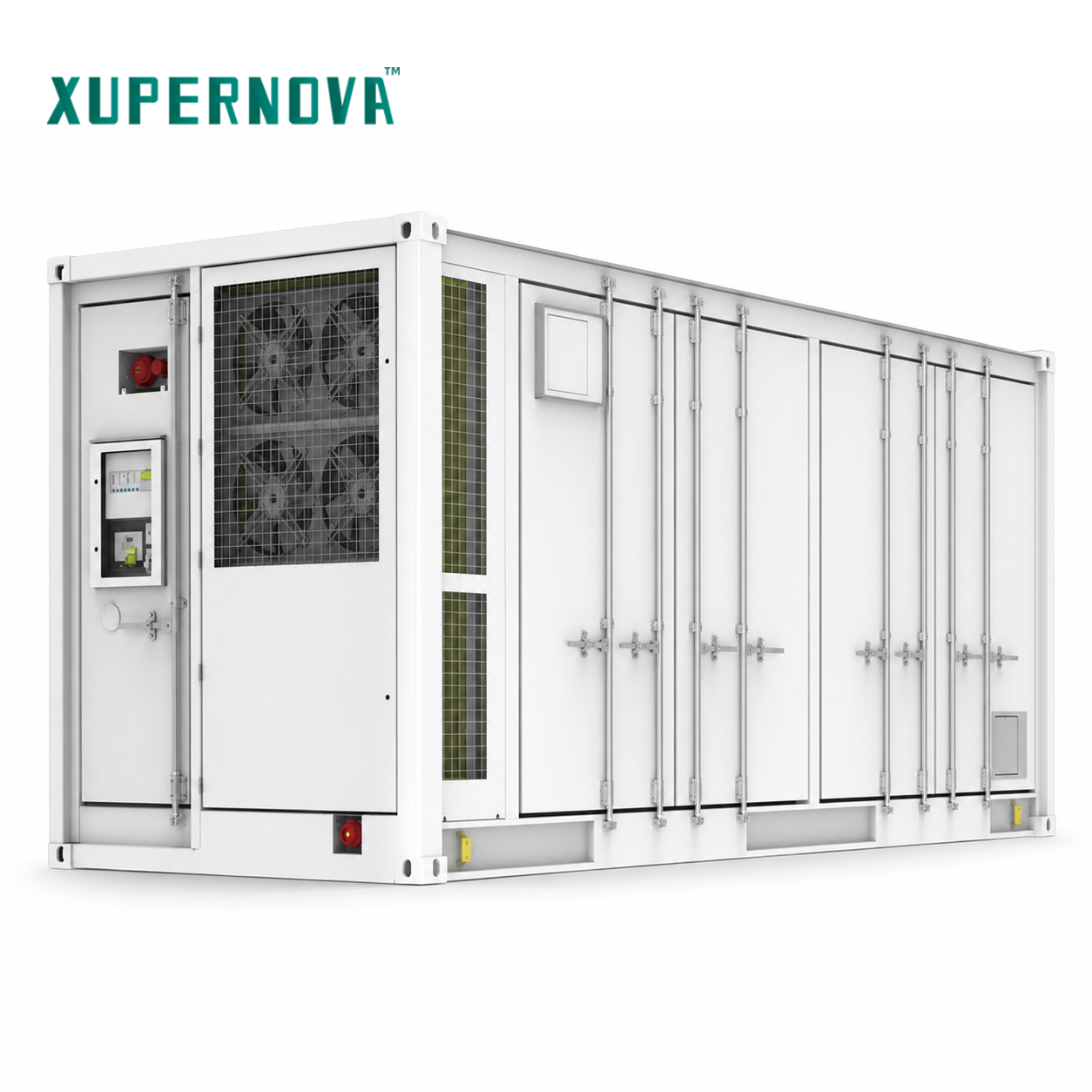
Model: XA-V5015-L1 — 20-ft Liquid-cooled Battery Container
The XA-V5015-L1 is a 20-ft liquid-cooled battery container classified as a Battery Energy Storage System. It has a rated energy capacity of 5.015 MWh and supports C-rates of 0.5P, 1P, and 2P. The system uses Grade A LFP lithium-ion cells sourced from BloombergNEF Tier 1 manufacturers. Its protection level is IP55, and it operates within a temperature range of -30°C to 55°C. It is intended for power generation, grid energy storage, and commercial & industrial energy storage applications.
2. Containerized BESS for C&I and Grid Applications
Model: XA-X2170-L2 — 20-ft Liquid-cooled All-in-one ESS Container
The XA-X2170-L2 is a containerized battery energy storage system with a rated power of 1125 kW and an energy capacity of 2170.3 kWh, supporting C-rates of 0.5P, 1P, and 2P. It uses liquid cooling and has an IP55 outdoor-proof rating. It operates within -30°C to 55°C and is intended for commercial and industrial energy storage and grid-side energy storage applications.
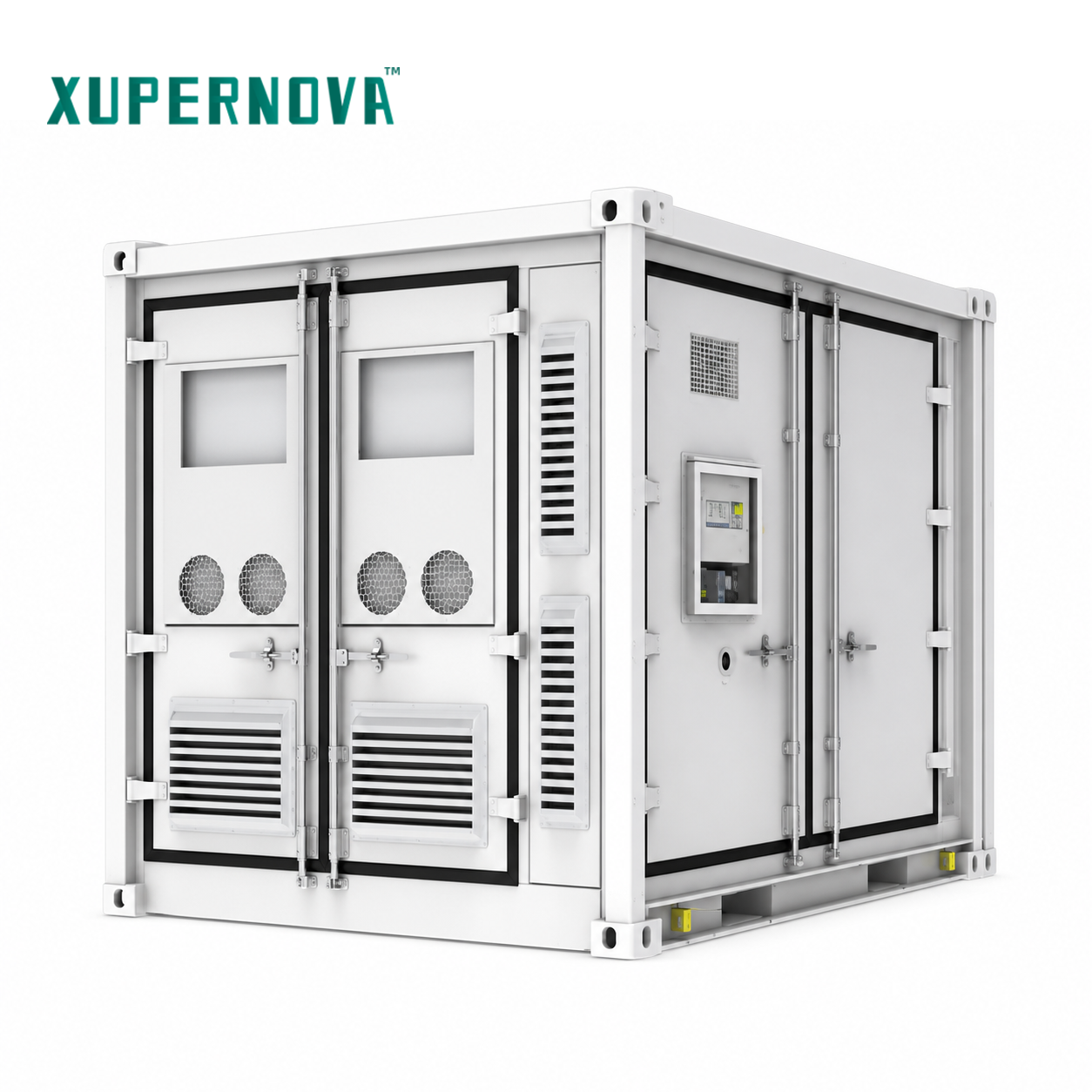
Model: XA-X1044-L1 — 10-ft Liquid-cooled All-in-one ESS Container
The XA-X1044-L1 is a 10-ft liquid-cooled all-in-one ESS container with a rated power of 500 kW and a rated energy capacity of 1044 kWh (1MWh-class). It supports C-rates of 0.5P, 1P, and 2P, and is designed for outdoor deployment with an IP55 protection level. It operates in temperatures from -30°C to 55°C. Typical applications include commercial and industrial energy storage, microgrids, and backup power.
3. Commercial & Industrial BESS Cabinets
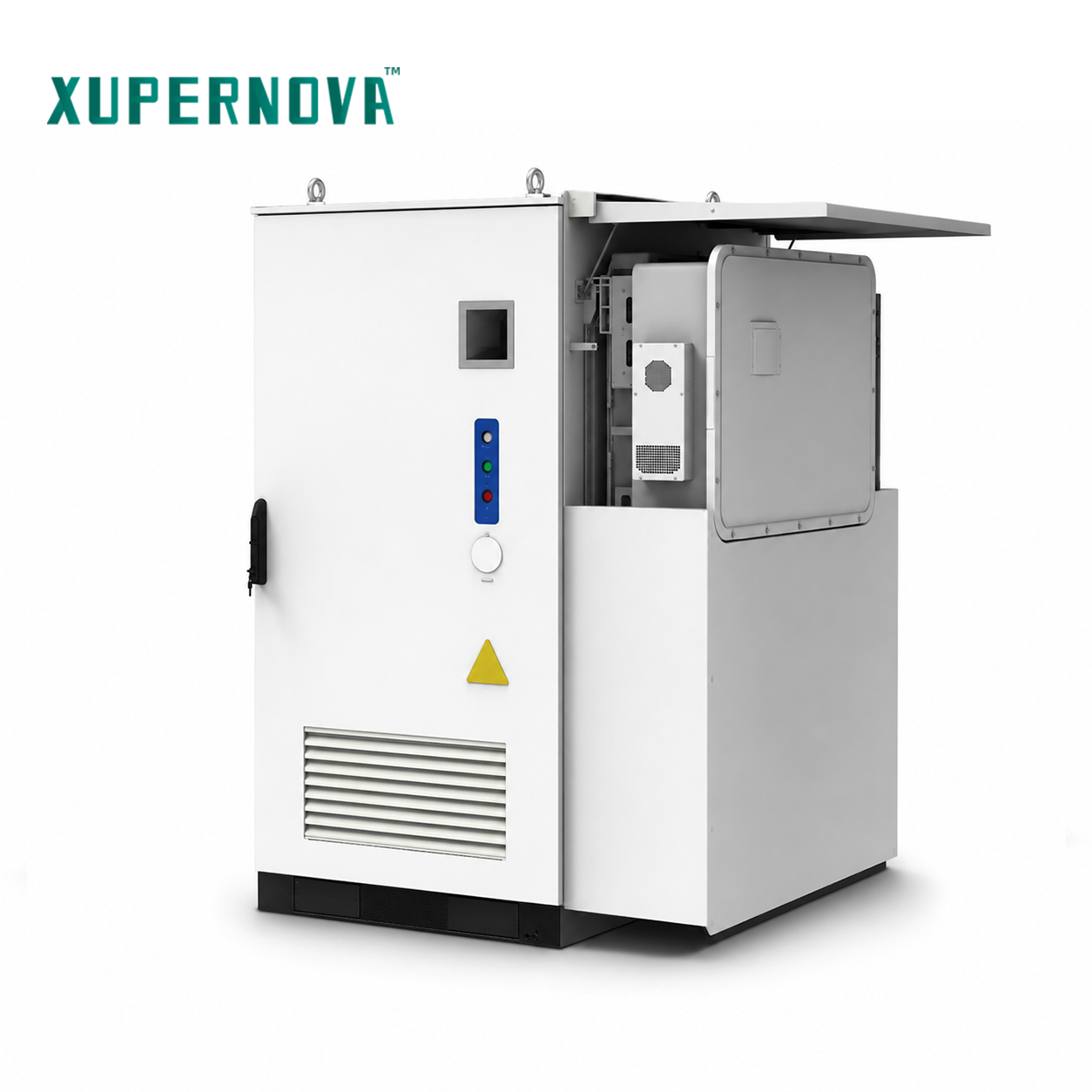
Model: XA-C0261-L1 — Liquid-cooled All-in-one ESS Cabinet
The XA-C0261-L1 is a Commercial & Industrial Energy Storage System with a rated energy capacity of 261.25 kWh and a rated power of 125 kW. It supports C-rates of 0.5P, 1P, and 2P, uses liquid cooling, and has an IP55 protection level. The operating temperature range is -30°C to 55°C. This system is designed for C&I energy storage applications such as peak shaving, TOU arbitrage, and demand management.
4. Solar-Plus-Storage Systems
Model: XA-H0261-L1 — Liquid-cooled Solar-plus-storage Cabinet
The XA-H0261-L1 is a solar-plus-storage energy storage system with an energy capacity of 261 kWh and C-rate options of 0.5P, 1P, and 2P. It uses liquid cooling and has an IP55 protection level for outdoor use. It operates in temperatures from -30°C to 55°C and is intended for commercial and industrial solar-plus-storage and microgrid applications.
Model: XA-H0064-A1 — Air-cooled Solar-plus-storage Cabinet
The XA-H0064-A1 is an air-cooled solar-plus-storage cabinet with a rated power output range of 25-50 kW and an energy capacity of 64.54 kWh, supporting C-rates of 0.5P, 1P, and 2P. It uses air cooling, has an IP55 protection level, and operates within -30°C to 55°C. This model is positioned for small-scale commercial and industrial solar-plus-storage applications.
BESS Product Line Comparison Table
| Model | Form Factor / Type | Power | Energy | Cooling | Primary Applications |
|---|---|---|---|---|---|
| XA-V5015-L1 | 20-ft liquid-cooled battery container | — | 5.015 MWh | Liquid | Power generation, grid storage, C&I |
| XA-X2170-L2 | 20-ft all-in-one ESS container | 1125 kW | 2170.3 kWh | Liquid | C&I, grid-side storage |
| XA-X1044-L1 | 10-ft all-in-one ESS container | 500 kW | 1044 kWh | Liquid | C&I, microgrids, backup power |
| XA-C0261-L1 | Liquid-cooled all-in-one ESS cabinet | 125 kW | 261.25 kWh | Liquid | C&I energy storage |
| XA-H0261-L1 | Liquid-cooled solar-plus-storage cabinet | — | 261 kWh | Liquid | C&I solar-plus-storage, microgrids |
| XA-H0064-A1 | Air-cooled solar-plus-storage cabinet | 25-50 kW | 64.54 kWh | Air | Small-scale C&I solar-plus-storage |
All listed systems support C-rates of 0.5P, 1P, and 2P, are rated IP55, and operate in the range of -30°C to 55°C.
Technology and Product Strengths
- Tier 1 Grade A LFP cells: All Xupernova BESS products use Grade A LFP lithium-ion cells from BloombergNEF Tier 1 manufacturers, aligning with the global market trend in which LFP accounted for approximately 90% of battery storage deployments in 2025.
- Flexible cooling architecture: Air-cooled models such as the XA-H0064-A1 suit smaller C&I installations, while liquid-cooled models offer space-efficient thermal management for higher-capacity projects.
- Wide temperature adaptability: A -30°C to 55°C operating range supports deployment in diverse climates, from cold northern Europe to hot desert regions.
- Multiple battery technology options: In addition to LFP, Xupernova provides optional semi-solid-state, solid-state, and sodium-ion technologies subject to project requirements, technical validation, and availability.
- Integrated design: Containerized models such as the XA-X2170-L2 integrate battery, PCS, thermal management, and auxiliary systems into an all-in-one container, simplifying onsite deployment.
Manufacturing, R&D, and Quality Control Capability
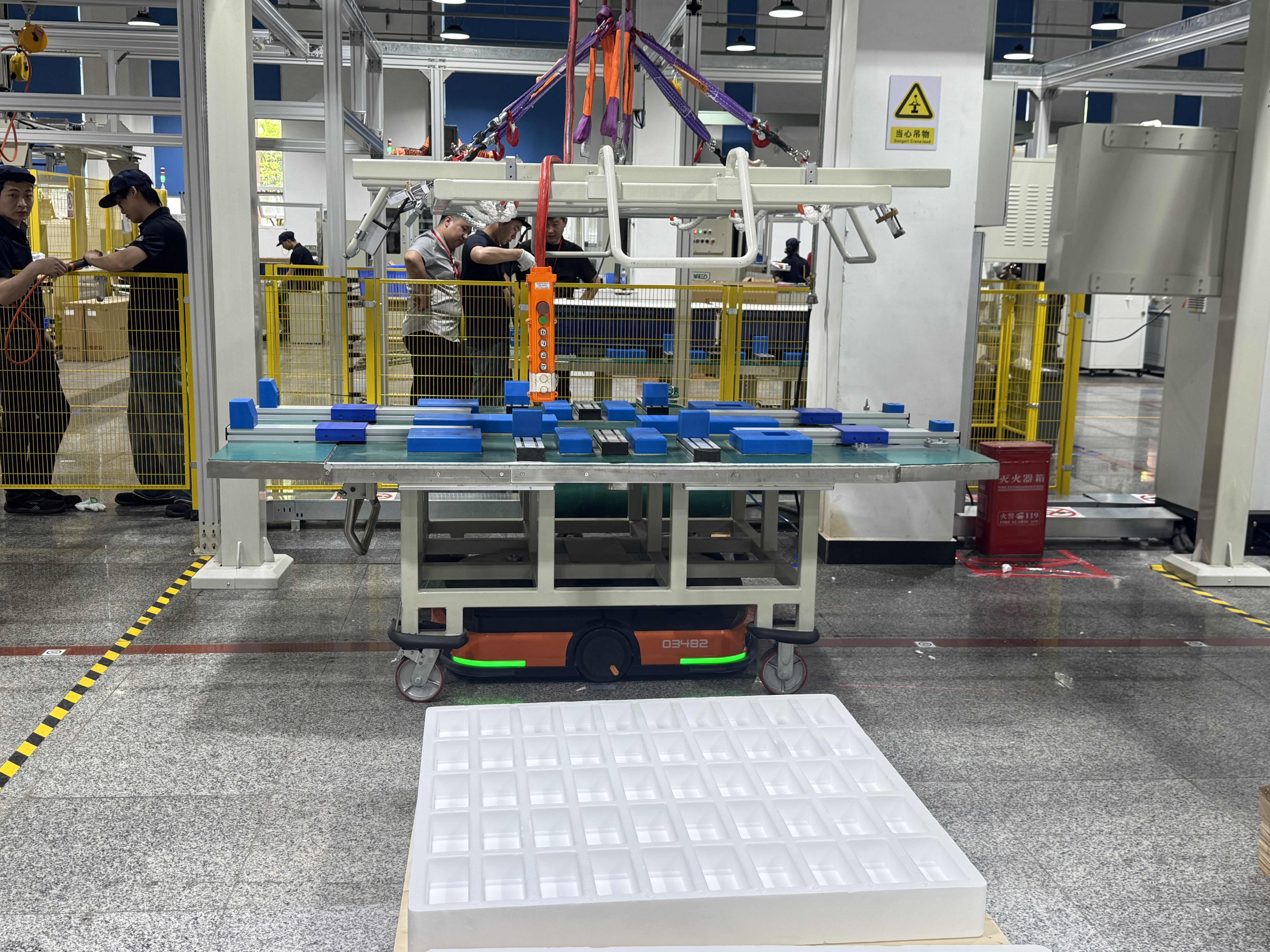
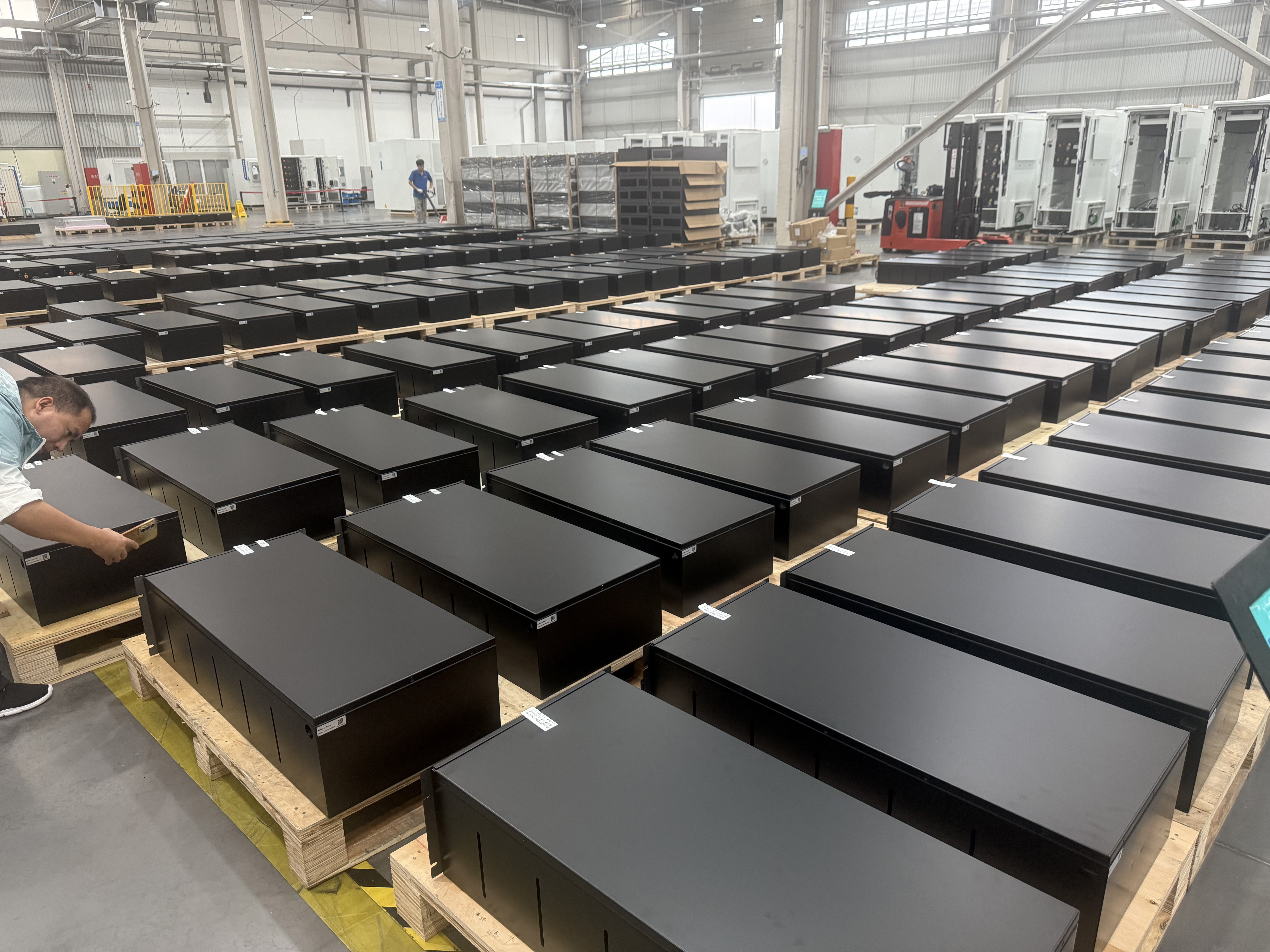
Xupernova operates a manufacturing facility covering 700,000 m² with an annual production capacity of 5GWh+. The company employs 500+ staff, including an R&D team of 150+ engineers. It maintains an independent R&D laboratory, a dedicated design team, in-house production, and advanced testing facilities.
From an analyst perspective, this combination of in-house production, a dedicated R&D team, and testing facilities is a useful indicator when evaluating a BESS supplier. It means the manufacturer can control production quality, respond to customization requests, and support after-sales technical services. For distributors and EPC contractors, working with a manufacturer that has both scale and technology depth can reduce project risk.
OEM, ODM, and Customization Capability
Xupernova presents itself as a manufacturer with in-house production, a dedicated design team, and an independent R&D lab. These attributes indicate the company can support OEM/ODM partnerships, including customized BESS solutions for brands, distributors, and project developers. The broad product portfolio—from 64.54 kWh air-cooled cabinets to 5.015 MWh containers—also suggests a degree of system engineering capability that can be adapted to project-specific requirements.
Buyers evaluating a BESS OEM/ODM partner should examine: cell sourcing and quality, battery management system (BMS) integration, thermal management design, certification readiness, lead time, and after-sales service. Xupernova provides 24/7 support and one-on-one consultations as part of its customer service model.
Application Scenarios and Use Cases
Commercial & Industrial Peak Shaving and TOU Arbitrage
Manufacturing, industrial parks, and commercial facilities face fluctuating loads, high peak demand, and time-of-use electricity tariffs. A battery storage system can charge during off-peak tariff periods and discharge during peak periods to reduce maximum demand and electricity costs. Xupernova offers products suited for this application, including the XA-C0261-L1 cabinet and the XA-X1044-L1 container.
Solar-Plus-Storage and PV Self-Consumption
Solar farms, industrial parks, and commercial buildings often generate surplus solar energy during the day. The XA-H0261-L1 and XA-H0064-A1 solar-plus-storage systems can store excess photovoltaic energy, increase onsite solar consumption, reduce grid imports, and provide optional backup power. Larger containerized systems can be combined for larger C&I solar-plus-storage projects.
Utility-Scale Renewable Energy Integration and Grid-Side Storage
Utilities, independent power producers, and renewable developers face large-scale power fluctuations, grid congestion, and curtailment. The XA-V5015-L1 5.015 MWh battery container supports renewable energy shifting, peak regulation, frequency support, power smoothing, and dispatchable energy capacity when combined with appropriate power conversion and EMS equipment.
Microgrids and Backup Power
Microgrid projects, remote mining sites, and off-grid facilities require stable power and sometimes diesel reduction. The XA-X1044-L1 and XA-H0261-L1 can support microgrid stabilization, renewable integration, and backup power when configured with grid-forming PCS and appropriate controls.
EV Charging and Grid Capacity Support
EV charging stations, logistics parks, and fleet depots often have high short-duration charging demand and limited grid capacity. Xupernova's BESS products can be paired with its EV charger portfolio to reduce charging demand peaks, increase available charging capacity, utilize solar energy, and defer grid-capacity upgrades through EMS-driven coordination of grid power, PV, battery storage, and charging loads.
Safety and Fire-Risk Mitigation
Battery energy storage systems carry inherent fire and thermal-runaway risks. Xupernova says it adopts multi-level monitoring, BMS protection, liquid cooling, and automatic emergency shutdown, together with multi-layer fire-suppression hardware. For applicable liquid-cooled models, the company also emphasizes temperature difference control within 3°C to improve cell uniformity and reduce thermal propagation risk. When evaluating a BESS project, buyers should always review the manufacturer's safety documentation, fire suppression design, and compliance with local codes.
Market Position and International Presence
Xupernova reports that export business accounts for 90% of total sales, with major markets including Europe, North America, South America, the Middle East, and Asia. The company has strategic partnerships with 80+ companies in over 30 countries. Its focus on export markets means the company has experience navigating international requirements, logistics, and after-sales support for overseas customers.
Recommended Use Cases and Buyer Profile
- EPC contractors and system integrators looking for a manufacturer with a broad BESS portfolio, from cabinet-based C&I solutions to 5MWh-class containers.
- Distributors seeking OEM/ODM flexible energy storage suppliers with in-house R&D, design, and production capabilities.
- C&I facility owners evaluating solar-plus-storage or peak-shaving projects and wanting a single partner for design, supply, and support.
- Renewable project developers interested in utility-scale battery containers for grid integration.
Procurement and Selection Considerations
Capacity and Power
Confirm required capacity, power rating, cooling mode, and application scenarios before selecting a BESS. For small C&I solar-plus-storage, an air-cooled 64.54 kWh cabinet may be a good starting point. For larger C&I projects, 1044 kWh or 2170.3 kWh containers provide higher energy capacity in an all-in-one footprint.
Thermal Management
Liquid-cooled systems generally provide better thermal uniformity and space efficiency than air-cooled systems in high-capacity applications. The Xupernova liquid-cooled line includes temperature difference control within 3°C for applicable models. Air-cooled systems, by comparison, are often used for smaller cabinets where simplicity and cost are priorities.
Operating Environment
All Xupernova BESS products currently listed in this analysis are rated IP55 and operate from -30°C to 55°C, making them suitable for outdoor installation in most climate zones.
Future Battery Technology
Buyers planning for long-term energy storage should consider suppliers that can offer semi-solid-state, solid-state, and sodium-ion options as these technologies mature. Xupernova lists these as optional technologies subject to project requirements, technical validation, and availability.
Comparison of Xupernova with Typical Market Stacking
| Comparison Criteria | Xupernova | Typical Tier-1 Global Integrators | Notes |
|---|---|---|---|
| Cell chemistry in current lineup | Grade A LFP from BloombergNEF Tier 1 manufacturers | Increasingly LFP for grid and C&I projects | LFP accounted for ~90% of global deployments in 2025 |
| Container scale | 5.015 MWh per 20-ft battery container | High-density containers increasingly common | Energy density varies by manufacturer; project-specific validation needed |
| Product form factor range | Air-cooled cabinet, liquid-cooled cabinet, 10-ft/20-ft container | Usually specialized in either C&I cabinets or utility containers | Flexible portfolio can simplify supplier management |
| OEM/ODM capability | In-house production, dedicated design team, R&D lab | Some global integrators do not emphasize third-party OEM work | Relevant for distributors and branded resellers |
| Global commercial footprint | 90% export share, Europe, North America, South America, Middle East, Asia | Varies | Export share not a substitute for project track record |
Conclusion
Xupernova is a credible and export-oriented Chinese energy storage manufacturer with a broad BESS product portfolio, solid in-house manufacturing capacity, and a technology roadmap that extends beyond standard LFP. Its 5GWh+ annual production capacity, 150+ R&D engineers, and 700,000 m² facility make it a serious supplier candidate for distributors, project developers, and EPC partners.
For buyers, Xupernova is particularly relevant when: (1) a single partner is needed across C&I, solar-plus-storage, and grid-scale applications; (2) OEM/ODM flexibility is required; or (3) a manufacturer with strong export experience and international after-sales support is a priority. As with any BESS procurement decision, site-level engineering, safety compliance, and project-specific validation should be confirmed before final selection.
Download the Xupernova Energy Storage Product Catalog
Get detailed specifications, model comparisons, and application guidance for Xupernova BESS products.
Download Product Catalog (PDF)FAQ
How should a buyer select the right battery energy storage system for a project?
Buyers must confirm required capacity, power rating, cooling mode, and application scenarios. Xupernova provides multiple product series including container-type liquid-cooled ESS and cabinet-type air-cooled or liquid-cooled ESS for utility-scale, commercial-industrial, and solar-plus-storage scenarios. For example, a 64.54 kWh air-cooled cabinet suits small-scale C&I solar-plus-storage, while a 2170.3 kWh container is designed for C&I and grid-side storage.
What types of battery energy storage systems does Xupernova supply?
Xupernova supplies 20-ft liquid-cooled battery containers (XA-V5015-L1), liquid-cooled all-in-one ESS cabinets (XA-C0261-L1), 10-ft liquid-cooled ESS containers (XA-X1044-L1), solar-plus-storage liquid-cooled cabinets (XA-H0261-L1), and air-cooled solar-plus-storage cabinets (XA-H0064-A1). These cover small C&I, commercial and industrial, microgrid, backup power, and grid-side applications.
What fire-safety risks are associated with energy-storage battery systems?
Energy-storage systems face fire and thermal-runaway risks, which can be triggered by abnormal cell temperature, internal short-circuit, or thermal-propagation conditions. Xupernova says it mitigates these hazards through multi-level temperature monitoring, BMS protection, liquid cooling, automatic alarm and emergency shutdown, LFP cell selection, smoke and temperature detection, PACK-level and cluster-level aerosol fire suppression, water fire-fighting interface, and temperature difference control within 3°C for applicable liquid-cooled models.
What are the differences between air-cooled and liquid-cooled BESS?
Air-cooled systems are generally simpler and are used for smaller configurations such as the 64.54 kWh XA-H0064-A1 cabinet. Liquid-cooled systems provide more efficient thermal management in a compact footprint and are used across higher-capacity products from 261.25 kWh cabinets to 5.015 MWh containers. In Xupernova's liquid-cooled models, temperature difference is controlled within 3°C for applicable variants.
Can Xupernova support OEM/ODM projects and customized BESS solutions?
Xupernova has an independent R&D lab, dedicated design team, in-house production, and advanced testing facilities, which together support OEM/ODM and customized BESS development. The company also offers optional battery technologies such as semi-solid-state, solid-state, and sodium-ion, subject to project requirements, technical validation, and availability. Contact Xupernova to share your project specifications and confirm the configuration.
Have Questions or Need More Details?
Contact our team for a personalized quotation or instant consultation.
Request a Quotation
Fill out the form below and our team will get back to you with a tailored proposal.
WhatsApp Direct Chat
Prefer to chat in real-time? Message us on WhatsApp for instant assistance & quick answers.
- Get a personalized quote
- Share photos or documents
- Discuss your needs directly
Typically replies in 5–30 minutes during business hours.