
Commercial Battery Energy Storage Systems: Specs, Certifications & Selection Criteria
Commercial Battery Energy Storage Systems: Specs, Certifications & Selection Criteria
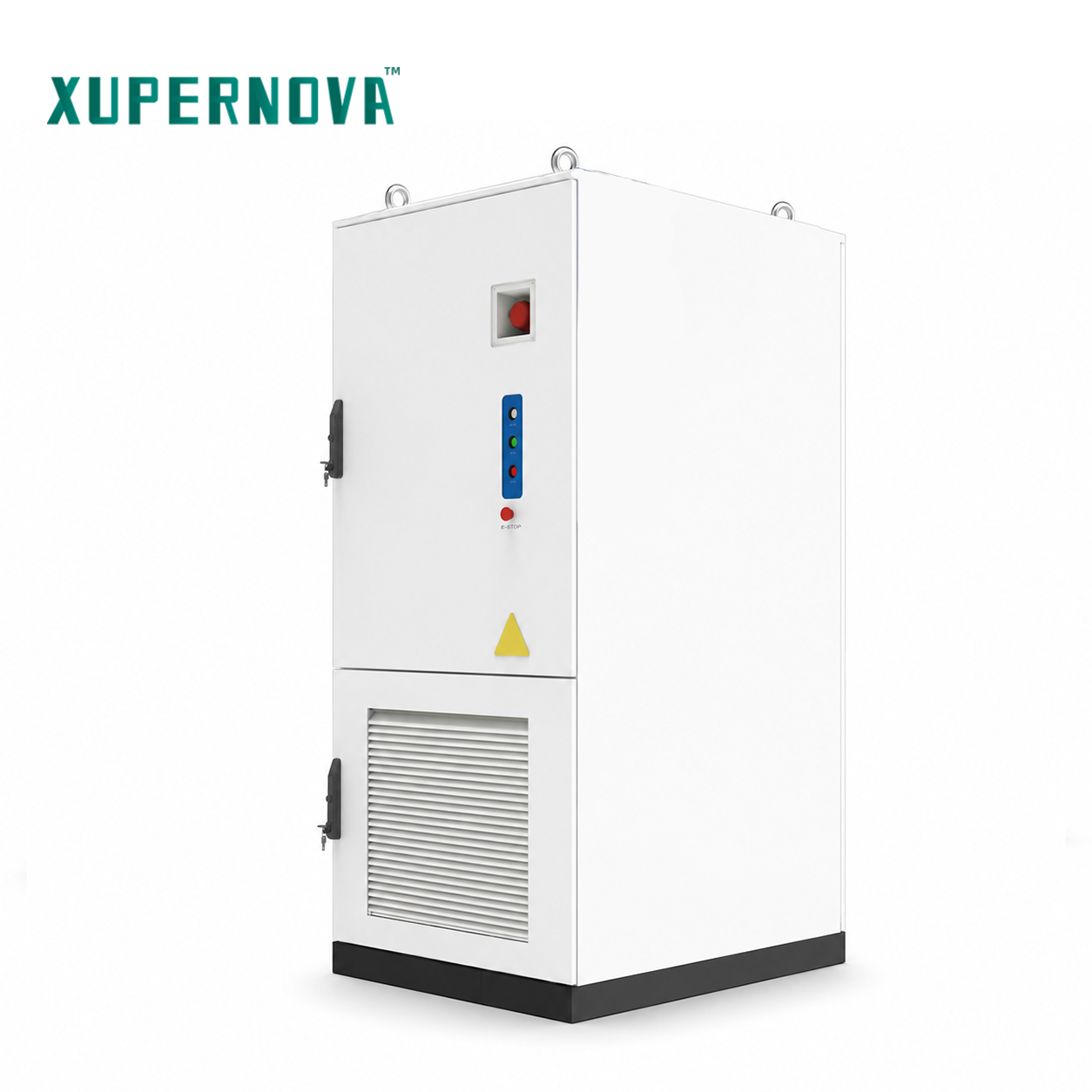
Commercial battery energy storage systems (BESS) are battery-based power systems that store electricity for later use in commercial and industrial facilities, solar farms, EV charging stations, and microgrids. They help facility owners reduce peak demand, shift electricity consumption to lower-tariff periods, increase on-site solar consumption, and maintain power during grid outages. This article explains the key parameters and certifications that buyers should evaluate before selecting a commercial BESS, and it maps those requirements to available product configurations.
Problem Definition: Three Reasons BESS Comparisons Fail
1. Brochures highlight only power and capacity. A 125 kW / 261 kWh system is not enough information. Buyers also need C-rate, cooling method, IP rating, operating temperature range, and optional battery chemistry. Two systems with the same nominal energy can behave very differently when installed outdoors, in hot climates, or in high-power applications.
2. Certifications are market-specific. A product that is compliant in one country may not meet another country's grid code. For example, the Italian market requires CEI 0-21 or CEI 0-16 compliance depending on the connection type, while EU-wide electrical safety and EMC compliance follow LVD and EMC directives. Buyers need documentation issued by recognized bodies such as TÜV SÜD.
3. Safety and integration are often under-specified. Large lithium battery installations carry fire and thermal-runaway risks. Selection should consider multi-level monitoring, BMS protection, cooling, fire suppression, and emergency shutdown, not only cycle life.
To avoid these problems, a buyer should translate project requirements into a shortlist of verified specifications and confirm them with the manufacturer before ordering.
Industry Background: Battery Storage Is Scaling Fast
According to the IEA Global Energy Review 2026, global new battery storage capacity deployment reached 108 GW in 2025. The same report says LFP batteries accounted for approximately 90% of global battery storage deployments. This large shift to LFP is visible in commercial products as well.
MarketsandMarkets estimates the global battery energy storage system market at $50.81 billion in 2025. In the United States, the EIA projected utility-scale battery storage capacity additions of 19.6 GW in 2025. On the cost side, Ember reported all-in BESS project CAPEX for long-duration (4h+) utility-scale projects reached $125/kWh in late 2025. These numbers indicate a maturing market, but project-level engineering and compliance still determine whether a specific BESS is suitable.
Detailed Solution: What to Evaluate in a Commercial BESS
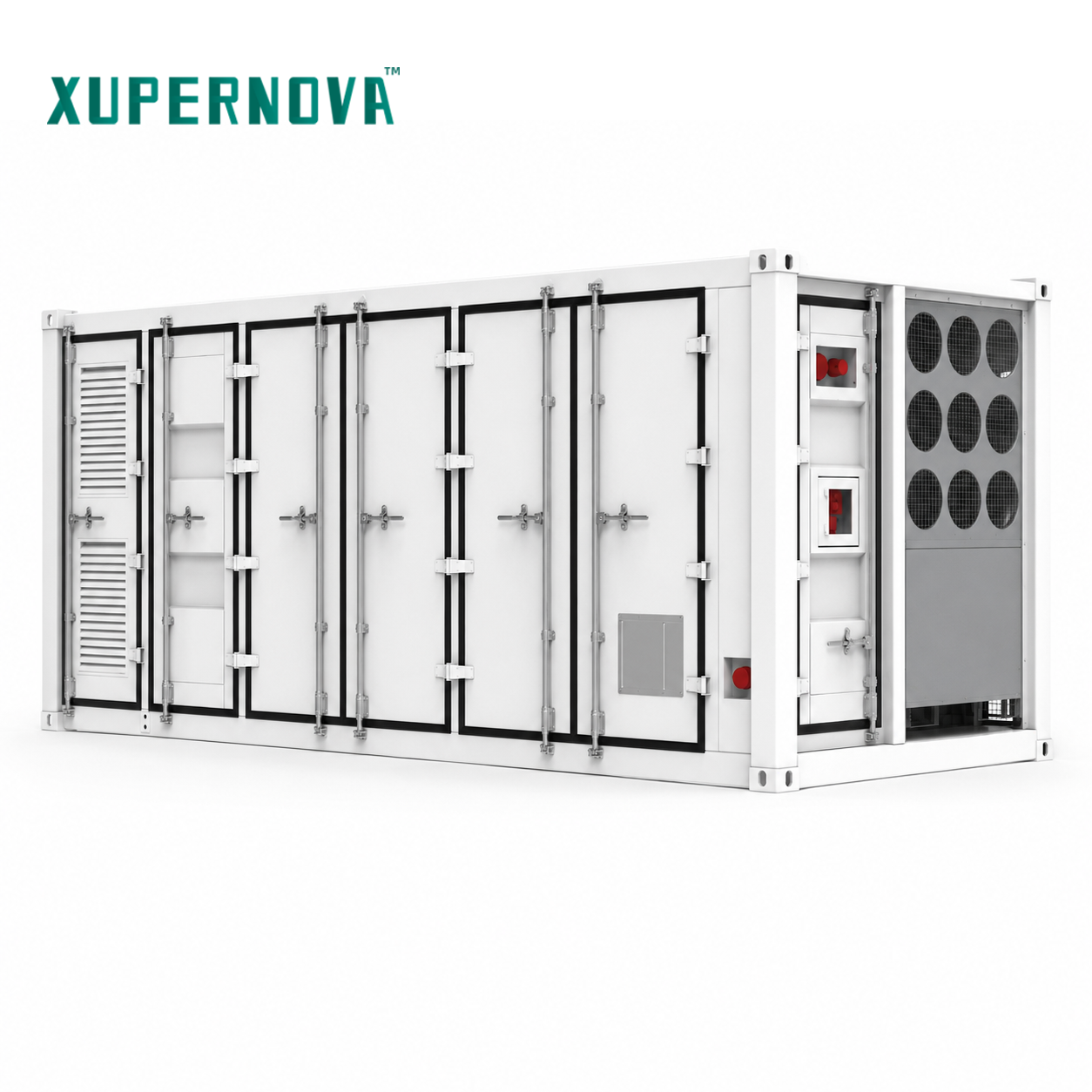
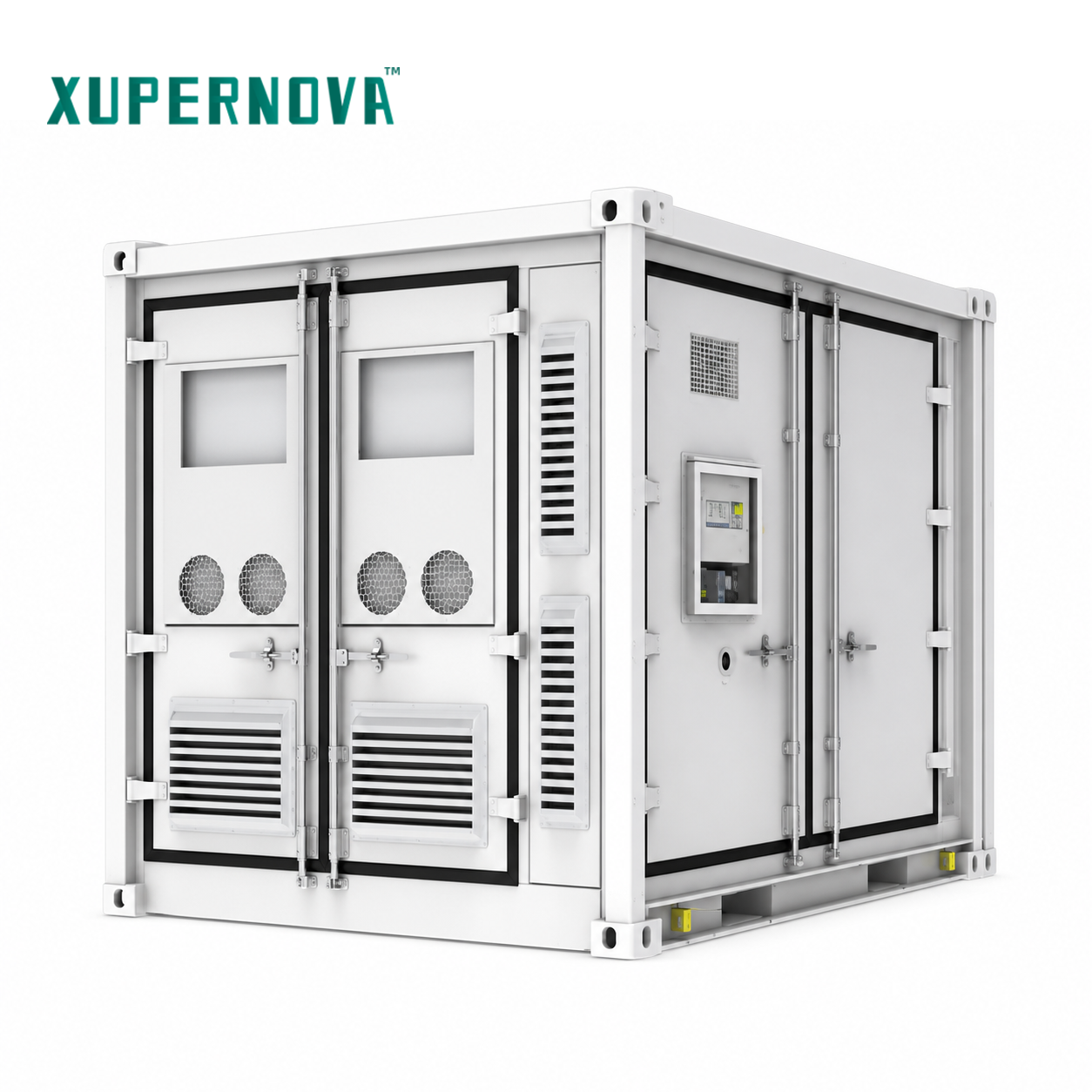
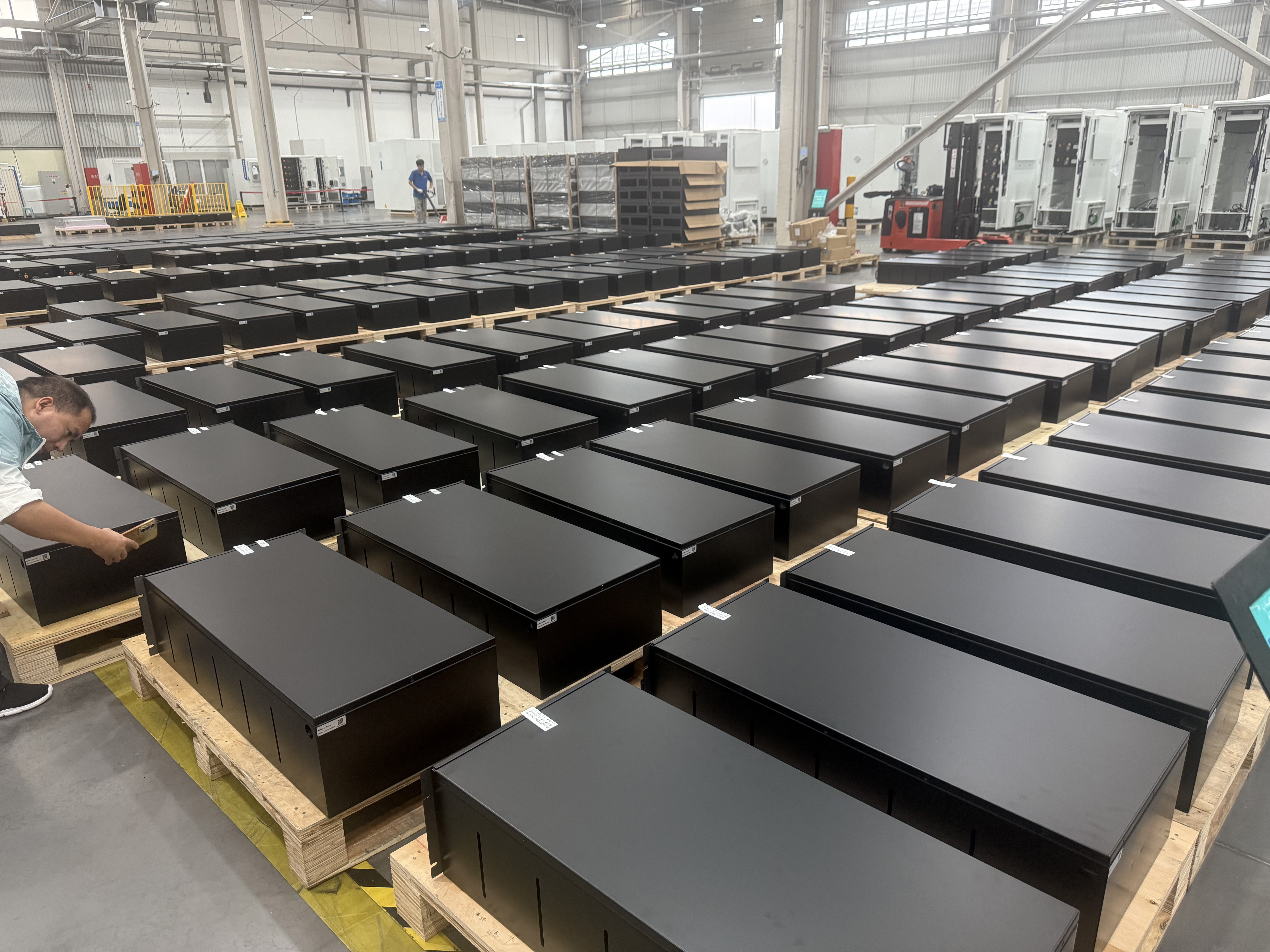
Xupernova New Energy Technology Co., Ltd. (Xupernova) is a global manufacturer of energy storage and new energy solutions, serving Europe, North America, South America, the Middle East, and Asia. The company operates a 700,000 m² factory, employs more than 500 people, has over 150 R&D engineers, and maintains an annual production capacity above 5 GWh. Its commercial BESS family includes air-cooled cabinets, liquid-cooled all-in-one cabinets, 10-ft containers, and 20-ft liquid-cooled containers, covering capacities from 64.54 kWh to 5.015 MWh.
Cell Quality and Battery Chemistry
Xupernova uses Grade A LFP lithium-ion cells sourced from BloombergNEF Tier 1 energy-storage cell manufacturers. LFP chemistry is widely used in the industry for its safety and long-life characteristics. The company also offers optional semi-solid-state, solid-state, and sodium-ion battery technologies, subject to project requirements, technical validation, and availability.
System Parameters and Cooling Options
The product range includes both air-cooled and liquid-cooled systems. All models in the commercial portfolio support C-rates of 0.5P, 1P, and 2P, giving buyers flexibility between energy-optimized and power-optimized operation. The systems are rated IP55 for outdoor installation and operate in temperatures from -30°C to 55°C.
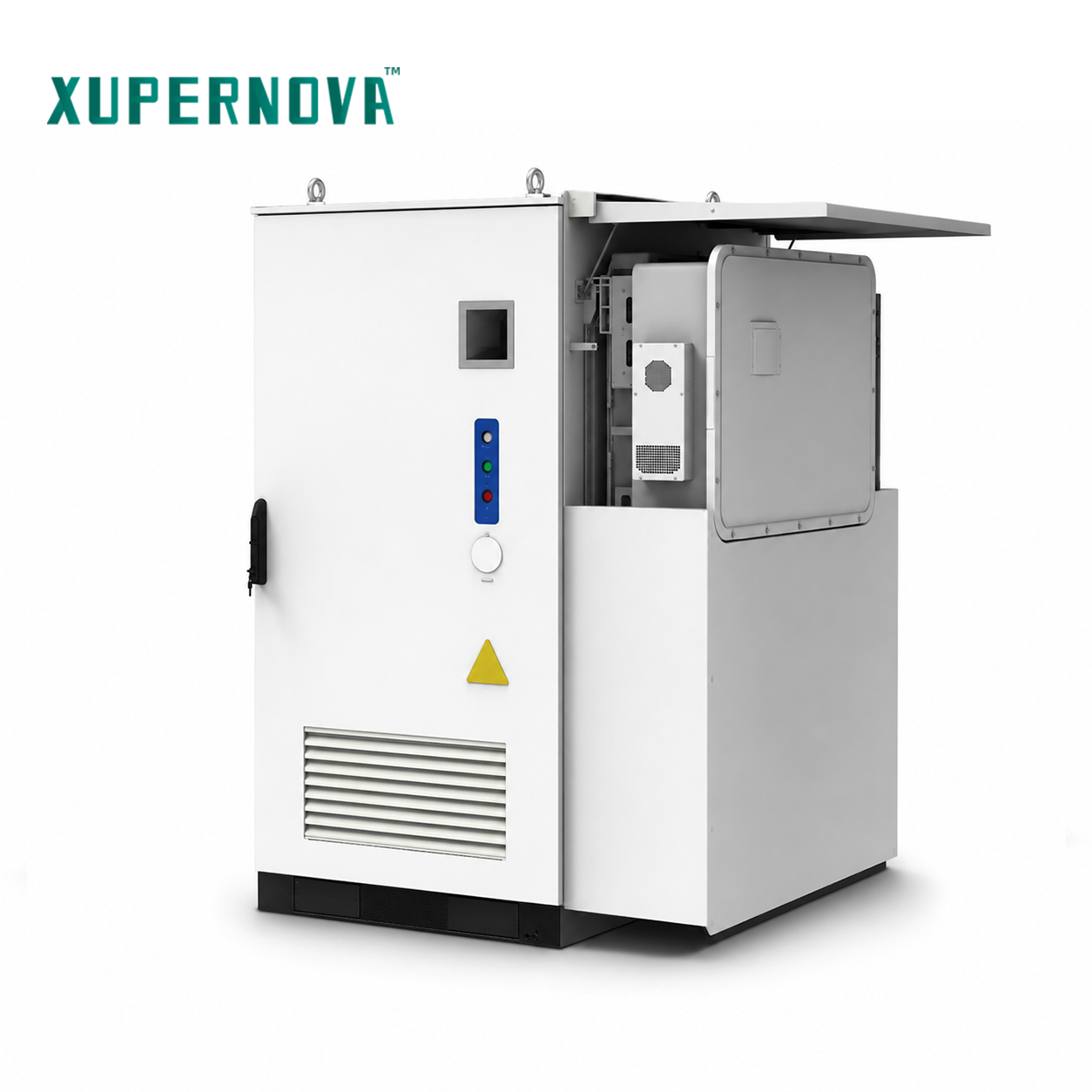
For photovoltaic self-consumption projects, Xupernova offers solar-plus-storage cabinets such as the XA-H0064-A1 (25–50 kW / 64.54 kWh, air-cooled) and the XA-H0261-L1 (261 kWh, liquid-cooled). For standalone commercial and industrial storage, the XA-C0261-L1 is a liquid-cooled all-in-one ESS cabinet rated 125 kW / 261.25 kWh. For larger sites, the XA-X1044-L1 is a 10-ft liquid-cooled container rated 500 kW / 1,044 kWh, while the XA-X2170-L2 is a 20-ft liquid-cooled all-in-one ESS container rated 1,125 kW / 2,170.3 kWh. The XA-V5015-L1 is a 20-ft liquid-cooled battery container with 5.015 MWh capacity for power generation, grid-side, commercial, and industrial applications.
Safety and Thermal Management
BESS installations face fire and thermal-runaway risks. Xupernova addresses these with multi-level temperature monitoring, BMS protection, liquid cooling, automatic alarm and emergency shutdown, plus multi-layer fire-suppression hardware. The systems use LFP cells, smoke and temperature detection, PACK-level and cluster-level aerosol fire suppression, and a water fire-fighting interface. For applicable liquid-cooled models, the cell temperature difference is controlled within 3°C. This combination reduces thermal-propagation risk and supports safer operation.
Compliance and Certifications
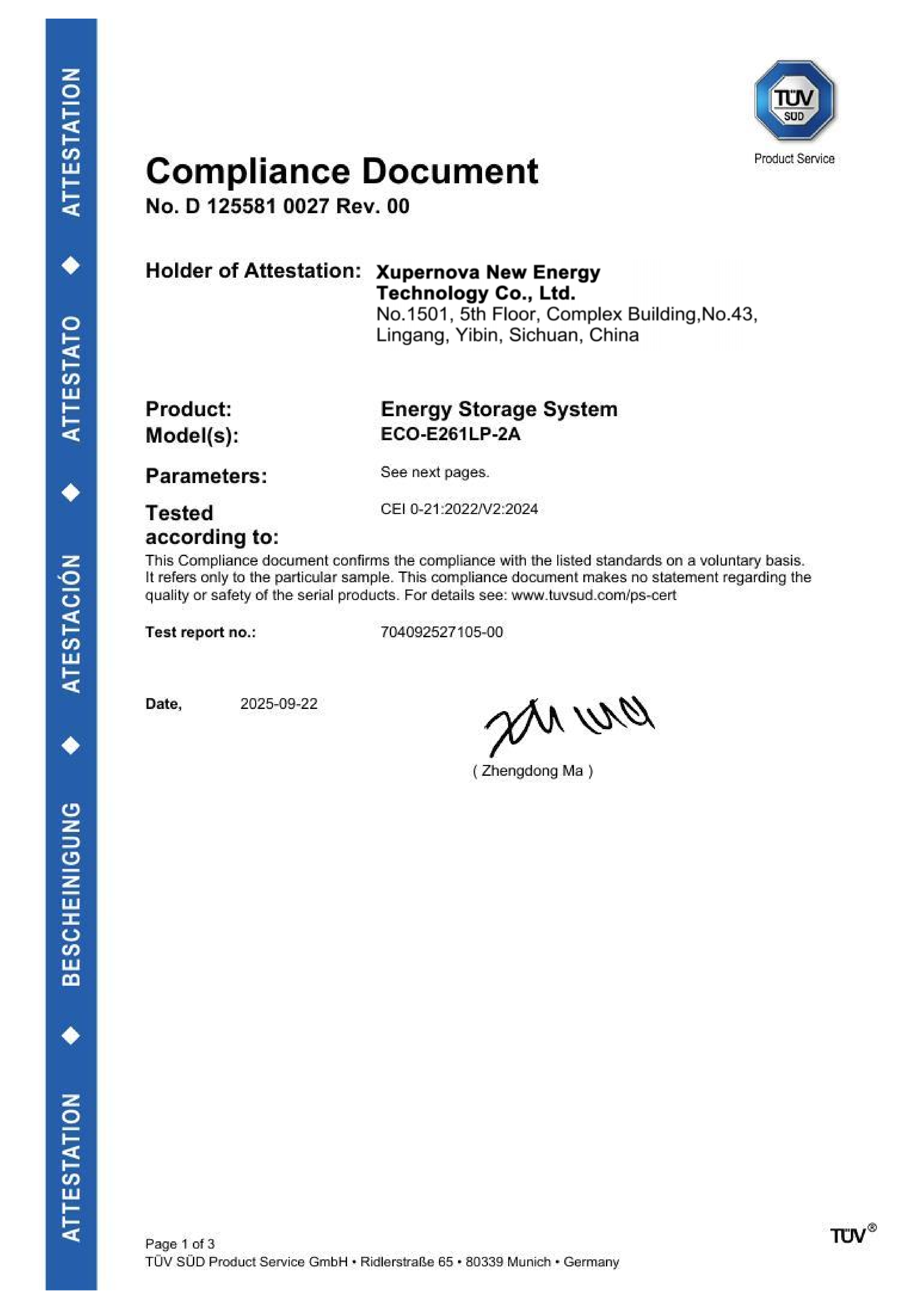
The 125 kW / 261.248 kWh system (model ECO-E261LP-2A) holds several documented certifications issued by TÜV SÜD Product Service GmbH:
- CEI 0-21:2022/V2:2024 – Italy market, certificate D 125581 0027 Rev. 00
- CEI 0-16:2022/V3:2024 – Italy market, certificate D 125581 0028 Rev. 00
- EMC Attestation of Conformity – EU, EN IEC 61000-6-4:2019 and EN IEC 61000-6-2:2019, certificate E8A 125581 0023 Rev. 00
- LVD Attestation of Conformity – EU, EN 62477-1:2012/A12:2021, certificate N8A 125581 0024 Rev. 00
- IEC 63056:2020 – Global market, certificate B 125581 0022 Rev. 01
For projects in Italy, CEI 0-21 and CEI 0-16 are key grid-code requirements. For other European markets, the LVD and EMC attestations address electrical safety and electromagnetic compatibility. Buyers should verify that the model specified for their project has the necessary documentation.
Step-by-Step BESS Selection Checklist
- Define the application and load profile. Identify whether the goal is peak shaving, time-of-use arbitrage, PV self-consumption, backup power, demand management, or EV charging support. The load profile determines energy and power requirements.
- Determine energy capacity and power rating. Estimate the required kWh of usable energy and the peak kW the system must deliver. Use the C-rate (0.5P, 1P, or 2P) to match charge/discharge duration.
- Check environmental and installation constraints. Confirm outdoor rating (e.g., IP55), operating temperature range, available footprint, and container vs. cabinet preference.
- Verify market-specific compliance. Review grid codes and safety standards for the project country, e.g., CEI 0-21/CEI 0-16 for Italy, LVD/EMC for Europe, and IEC 63056 for global battery safety.
- Assess cell quality and safety system. Ask for cell sourcing details, BMS functions, cooling method, fire suppression, and thermal monitoring performance.
- Review customization and manufacturing capability. If the project requires OEM/ODM or specific electrical configurations, confirm the manufacturer can support it. Xupernova offers customization of power, energy, voltage, cooling, protection, enclosure branding, communication protocols, and on-grid/off-grid operation.
- Plan delivery, testing, and support. Confirm lead times, factory acceptance tests, commissioning, training, remote monitoring, and after-sales service.
For buyers using a manufacturer with Xupernova's capacity, standard BESS units can be produced in 25–35 days, while customized projects typically take 35–60 days. The minimum order is one unit, and monthly capacity can reach up to 500 MWh. Factory acceptance testing includes electrical safety, functional, and aging tests, and third-party inspection is available.
Use Cases: Where Commercial BESS Delivers Value
1. Commercial and industrial peak shaving. For manufacturing plants and commercial facilities with fluctuating loads and time-of-use tariffs, a BESS charges during off-peak periods and discharges during peak periods to reduce maximum demand and electricity costs. The system runs 24/7 with scheduled charging and discharging, load-following control, and demand-limit control.
2. Solar-plus-storage self-consumption. For solar farms, industrial parks, and commercial buildings with intermittent PV generation, a battery stores excess daytime solar energy and releases it during evening peaks. The EMS coordinates PV, battery, load, and grid to increase on-site solar utilization.
3. Critical-load backup power. Hospitals, data centers, and emergency facilities can use a BESS configured with grid-forming PCS and STS/EPS to automatically switch to islanded operation during grid outages. This maintains power to selected critical loads and improves resilience.
4. EV charging and grid capacity support. Logistics parks and fleet depots with high short-duration charging demand can pair BESS with EV chargers. The system reduces charging peaks, allows more chargers to operate within existing grid capacity, and can defer transformer upgrades.
5. Remote microgrid and diesel optimization. In mining and off-grid sites, battery storage stabilizes a weak grid, reduces diesel generator runtime, and supports renewable energy use. Operation requires grid-forming control and automatic source scheduling.
Comparison: Xupernova Commercial BESS Models
| Model | System Type | Rated Power / Energy | Cooling | Protection | Temperature Range | Typical Application |
|---|---|---|---|---|---|---|
| XA-H0064-A1 | Air-cooled solar-plus-storage cabinet | 25–50 kW / 64.54 kWh | Air-cooled | IP55 | -30°C to 55°C | Small-scale commercial and industrial solar-plus-storage |
| XA-H0261-L1 | Liquid-cooled solar-plus-storage cabinet | 261 kWh | Liquid-cooled | IP55 | -30°C to 55°C | Commercial and industrial solar-plus-storage, microgrids |
| XA-C0261-L1 | Liquid-cooled all-in-one ESS cabinet | 125 kW / 261.25 kWh | Liquid-cooled | IP55 | -30°C to 55°C | Commercial and industrial energy storage |
| XA-X1044-L1 | 10-ft liquid-cooled all-in-one ESS container | 500 kW / 1,044 kWh | Liquid-cooled | IP55 | -30°C to 55°C | Commercial and industrial storage, microgrids, backup power |
| XA-X2170-L2 | 20-ft liquid-cooled all-in-one ESS container | 1,125 kW / 2,170.3 kWh | Liquid-cooled | IP55 | -30°C to 55°C | Commercial and industrial, grid-side energy storage |
| XA-V5015-L1 | 20-ft liquid-cooled battery container | 5.015 MWh | Liquid-cooled | IP55 | -30°C to 55°C | Power generation, grid energy storage, commercial and industrial storage |
All models listed use Grade A LFP lithium-ion cells from leading BloombergNEF Tier 1 manufacturers and support C-rates of 0.5P, 1P, and 2P. Custom battery chemistries are optional depending on project requirements and validation.
Frequently Asked Questions
What certifications should a commercial BESS have for European projects?
For European projects, a BESS typically needs electrical safety and electromagnetic compatibility evidence. The Xupernova ECO-E261LP-2A (125 kW / 261.248 kWh) holds an LVD Attestation of Conformity to EN 62477-1:2012/A12:2021 and an EMC Attestation to EN IEC 61000-6-4:2019 and EN IEC 61000-6-2:2019, both issued by TÜV SÜD for the EU market. For Italy, the same model holds CEI 0-21:2022/V2:2024 and CEI 0-16:2022/V3:2024 compliance documents. For global battery safety, it also holds the IEC 63056:2020 certificate.
What capacities are available in Xupernova's commercial BESS portfolio?
Xupernova offers capacities from 64.54 kWh to 5.015 MWh. The product family includes a 25–50 kW / 64.54 kWh air-cooled solar-plus-storage cabinet, a 261 kWh liquid-cooled solar-plus-storage cabinet, a 125 kW / 261.25 kWh all-in-one ESS cabinet, a 500 kW / 1,044 kWh 10-ft container, a 1,125 kW / 2,170.3 kWh 20-ft container, and a 5.015 MWh 20-ft battery container. All models are available with 0.5P/1P/2P C-rates.
What is the cost benchmark for utility-scale battery storage?
According to Ember, all-in BESS project CAPEX for long-duration (4h+) utility-scale projects reached $125/kWh in late 2025, excluding China and the US. Commercial project costs vary with power-to-energy ratio, containerization, grid-code compliance, safety systems, and scope. For an accurate figure, a project-specific quotation is required.
Can I order one unit for a pilot project or evaluation?
Yes. Xupernova's minimum order quantity is one unit. Standard BESS units have a lead time of 25–35 days, while customized projects take 35–60 days. Factory acceptance tests include electrical safety, functional, and aging tests, and third-party inspection is available. This makes single-unit evaluation possible before larger deployment.
What lead time and after-sales support can I expect?
Standard BESS units are typically delivered in 25–35 days; customized projects require 35–60 days. Xupernova provides 24/7 remote support, commissioning, training, diagnostics, and spare parts, with optional onsite service. Buyers can also download the product catalog or contact the team for project-specific lead time and pricing.
Conclusion and Next Step
Selecting a commercial battery energy storage system requires a clear understanding of energy capacity, power rating, C-rate, cooling, protection, safety, and certifications. A manufacturer with documented compliance, Tier 1 LFP cell sourcing, and flexible production can reduce project risk and simplify evaluation.
Next step: Review Xupernova’s full product family to compare specifications and certifications against your project profile. Download the Xupernova Energy Storage Product Catalog, or contact Bill Liao at bill@xupernovatech.com / +86 186-0828-3917 for a project-specific proposal.