
Custom Zipper Teeth Profiles: Y, Euro, Normal & Corn Teeth
Custom Zipper Teeth Profiles: Y, Euro, Normal & Corn Teeth
Y teeth, Euro teeth, normal teeth and corn teeth are the four tooth profiles quoted in YAB ZIPPER's custom brass and Aluminum Alloy lines, and both metals are available in all four. The profile name is only one line of a specification. It sits alongside metal, size, tape colour, teeth colour, slider shape, slider colour and length. Aluminum Alloy is the lighter, more cost-competitive line at 410N crosswise tensile strength; brass carries 510N; both are specified with smooth sliding and a salt spray result of more than 24 hours.
This explainer is written for buyers who have already decided to source a custom zipper and now have to write a teeth specification a factory can quote, sample and repeat in mass production: sourcing managers, garment and luggage brand owners, and OEM/ODM teams. It stays on the four profiles in the title and on what is documented for the brass and Aluminum Alloy lines of Wenzhou Runhe Garment Accessories Co., Ltd., which trades as YAB ZIPPER and is based in Longwan, Wenzhou, Zhejiang.
Quick answer: the four profiles at a glance
- Four profile names: Y Teeth, Euro Teeth, Normal Teeth and Corn Teeth. The Aluminum Alloy zipper is catalogued as Aluminum Alloy Y Teeth Zipper, Aluminum Alloy Euro Teeth Zipper, Aluminum Alloy Normal Teeth Zipper and Aluminum Alloy Corn Teeth Zipper; the brass zipper is catalogued with brass Y teeth, brass euro teeth, brass normal teeth and brass corn teeth.
- Shared sizes: #3, #5 and #8. The number refers to the width of the teeth in millimetres when the zipper is closed, not to a strength rating.
- Aluminum Alloy line: Aluminum material, 410N crosswise tensile strength, smooth sliding, salt spray test more than 24 hours.
- Brass line: Brass and polyester, 510N crosswise tensile strength, smooth sliding, salt spray test more than 24 hours.
- Customization fields: zipper length, tape colour, teeth colour, teeth shape, slider shape, slider colour and zipper size.
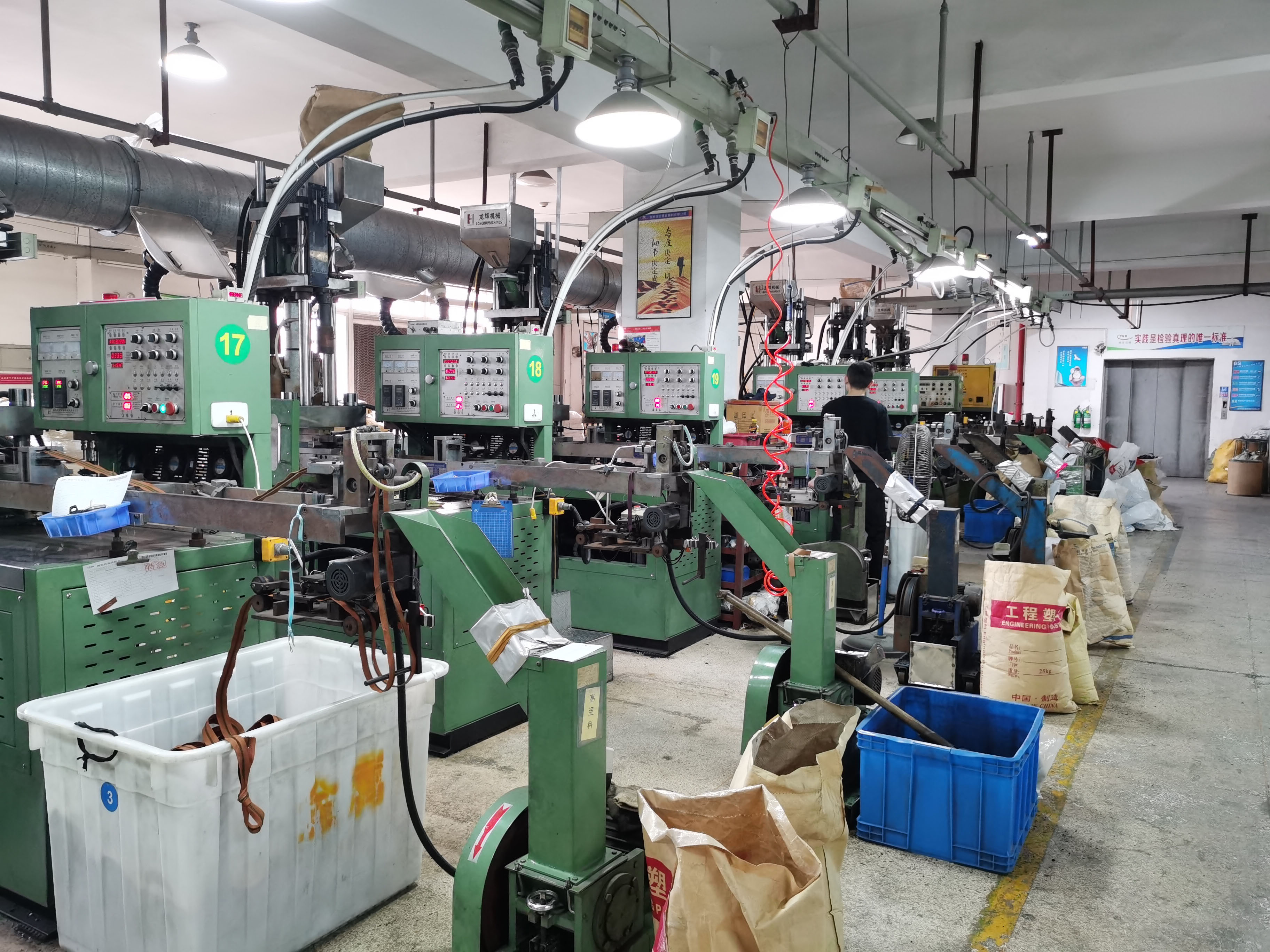
Teeth attaching workshop: the profile named on the purchase order is the profile the attaching line has to run, which is why the name is treated as a specification item rather than a description.
The specification gap: why “custom zipper, Y teeth, #5” is not yet an order
Most disappointing custom zipper samples are not caused by defective zippers. They are caused by a request that names a tooth profile and stops there. In the capability documentation for this line, teeth shape is one of seven customization parameters, alongside zipper length, tape colour, teeth colour, slider shape, slider colour and zipper size. A request that fixes one of the seven leaves the factory free to decide the other six.
Three failure patterns repeat in teeth-profile enquiries:
- The name does not fix the metal. Because brass and Aluminum Alloy both carry all four profile names, a line that reads “Y teeth, #5” can legitimately be quoted in either metal — with different weight, different crosswise tensile strength (510N versus 410N) and different unit cost. The buyer and the supplier can both be correct and still be talking about two different parts.
- The name is a style name, not a numeric standard. Euro and corn are commercial profile names used in the trade and in catalogue categories. They are not defined by a published dimensional standard, so the only reliable anchor is the manufacturer's catalogue drawing or a physical approved sample.
- The name says nothing about finish. Teeth colour and slider colour are separate customization fields. On the aluminum side, the same profile can be delivered in a range of surface treatments, so two “corn teeth” parts can look nothing alike.
The fix is a one-line discipline: treat the tooth profile as a single row in a small specification table, and give every other row a value before the RFQ goes out. The rest of this article explains what those rows are, and where the numbers come from.
Industry background: where teeth vocabulary sits in the metal zipper market
The global zipper market was valued at USD 17.39 billion in 2024 and is projected to reach USD 36.73 billion by 2034, a 7.8% CAGR from 2025 to 2034, according to Market Research Future. Within that market, material split shapes the vocabulary buyers use: nylon zippers accounted for 46% of total global zipper consumption in 2025, while metal zippers held a 31% global market share, and brass and aluminum together represented 67% of metal zipper production, according to Business Research Insights.
Trade concentration explains why profile terminology arrives in the RFQ the way it does. Global trade in slide fasteners under HS 9607 reached USD 3.15 billion in 2024, with China accounting for USD 1.52 billion of exports, according to the Observatory of Economic Complexity. Most of that output is quoted out of manufacturing clusters where tooth profiles are catalogue categories before they are technical definitions — which is exactly why the same four words travel between buyer and factory with different assumptions attached.
YAB ZIPPER operates inside that cluster. Wenzhou Runhe Garment Accessories Co., Ltd. is the sixth president unit of the Wenzhou Zipper Chamber of Commerce and produces copper, aluminum, resin and nylon zipper types. Its ISO 9001 certificate, number 24CN34506232Q, was issued by ACM INTERNATIONAL CERTIFICATION LIMITED against ISO 9001:2015 with the stated scope of production and sales of zippers, valid from 2025-06-11 to 2027-06-29; the company also holds OEKO-TEX Standard 100 certification. Both the Aluminum Alloy zipper and the brass zipper are listed under the certified scope.
The four profiles in the brass and Aluminum Alloy lines
At YAB ZIPPER the four profiles are catalogued as separate product types in both metals, which matters for procurement: the profile is not a note in a remark field, it is a type definition the factory quotes against. Beyond these four, the same plant also runs copper Y teeth, ordinary teeth, corn teeth, Swiss teeth and particle teeth production lines, plus resin and nylon programmes — a reminder that a real RFQ list is often longer than four names, and that the correct name has to be confirmed rather than assumed.
One limitation worth stating openly: this article does not attempt to define the geometric outline of each profile. The outline is agreed against the manufacturer's catalogue drawing or a physical approved sample, and that agreed version is what governs production. Where a buyer cannot supply either, the sample round becomes the definition — which costs one cycle that a drawing would have avoided.
Y teeth
Y teeth appear in both the brass catalogue (brass zipper Y teeth) and the Aluminum Alloy catalogue (Aluminum Alloy Y Teeth Zipper), so the profile name crosses both metals and both metals cross all three quoted sizes. The aluminum Y teeth line is where the factory's surface-treatment work is most visible: documented processes include ancient silver, antique copper, brass, light gold, black teeth, white gold, bright silver and bright black, plus a titanium-alloy plated series in platinum, black gold, light gold and rose gold, with the surface treatment reported to reach the standard of the copper zipper series. For an order, the practical requirement is that the Y profile, the size and the teeth colour are confirmed together, because changing the finish is a separate decision from changing the profile.
Euro teeth
Euro teeth are catalogued as a distinct type in both metals — “brass zipper euro teeth” and “Aluminum Alloy Euro Teeth Zipper”. Because Euro is a style name rather than a numeric standard, procurement should attach a drawing or a reference sample to the line item, and then state the size (#3, #5 or #8), the metal and the teeth colour. Two suppliers can both offer “euro teeth” and still deliver different outlines; the drawing is what removes that ambiguity.
Normal teeth
Normal teeth, also described in the factory's copper line as ordinary teeth, are the third of the four catalogued profiles and are available in the brass line (brass zipper normal teeth) and the Aluminum Alloy line (Aluminum Alloy Normal Teeth Zipper). Because the same word is used across suppliers, this is the profile where buyers most often assume agreement without checking it. The verification step is cheap: ask for the catalogue drawing at quotation stage, before the sample is made.
Corn teeth
Corn teeth complete the set, again in both metals (brass zipper corn teeth and Aluminum Alloy Corn Teeth Zipper). Corn teeth also sit inside the factory's copper tooth line alongside Y teeth, ordinary teeth, Swiss teeth and particle teeth, which makes the profile one of the plant's established tooth configurations rather than a special request. As with Euro teeth, the name is a trade convention: lock it with a reference and record the agreed version in the purchase order.
Brass or Aluminum Alloy: the choice that changes the numbers, not the name
Both metals carry the same four profile names, so the metal decision has to be made explicitly. Documented figures separate them clearly:
- Aluminum Alloy: material Aluminum, crosswise tensile strength 410N, smooth sliding performance, salt spray test more than 24 hours, listed for luggage, garment, outdoor goods and footwear.
- Brass: material Brass and Polyester, crosswise tensile strength 510N, smooth sliding performance, salt spray test more than 24 hours, listed for the same four industries.
Aluminum Alloy is positioned as the lighter, cost-competitive option, and there is a documented programme behind that positioning: a four-year cooperation with an overseas fast-fashion brand in FR and ES, supplying accessories for spring and autumn lightweight windbreakers and casual coats. Reported results on that programme were a 38% reduction in total garment weight, a 59% cut in material procurement cost versus the original brass zippers, a defective complaint rate below 0.3%, and OEKO-TEX eco certification supporting EU customs clearance. The same record notes an anodized surface that resists regular washing, an identical metallic appearance to brass, and a unit price at about 40% of brass zippers. Brass remains the higher-strength specification at 510N; that strength difference is the reason the two metals are not interchangeable across every application.
#3, #5 and #8: the size number is a width, not a ranking
The shared size range across both lines is #3, #5 and #8. In standard zipper numbering, that figure refers to the width of the teeth in millimetres when the zipper is closed — a #5 zipper measures roughly 5 mm across the closed teeth. Reading the number as a quality or strength grade is a common buyer error; it is a dimensional reference, and the strength figure in the specification is the crosswise tensile value (410N or 510N) that the supplier commits to.
OEM, ODM and what “custom” covers
The manufacturer provides OEM, ODM and custom customization production services. In practice the custom fields a buyer can move are documented and finite: zipper length, tape colour, teeth colour, teeth shape, slider shape, slider colour and zipper size. Anything outside that list should be raised as a question at quotation stage rather than assumed, because a specification that asks for an undocumented variable delays the sample round instead of shortening it.
Step-by-step: specifying a custom teeth profile
The sequence below is ordered so that each decision narrows the next one. Running it out of order is what produces a sample that fits the brief but not the garment.
- Start from the application, not the profile name. Decide what the zipper has to survive: a jacket zipper on a lightweight windbreaker, a jeans zipper on denim, a luggage zipper on a hard case or a shoe zipper on footwear. The application sets the metal question before the profile question.
- Fix the size. Choose #3, #5 or #8 according to the closed teeth width the design needs. The size applies across all four profiles in both metals, so this decision does not restrict the profile choice.
- Choose the metal on evidence. If 510N crosswise tensile strength is required, the specification points to brass. If weight and unit cost dominate, the Aluminum Alloy option is 410N with a lighter build and a lower price position. Both carry a salt spray result above 24 hours, so corrosion is not the deciding factor between them.
- Name the profile and attach a reference. State Y, Euro, normal or corn teeth, and attach the catalogue drawing or a physical approved sample. This is the single step that prevents most profile disputes.
- Lock colour and finish. Specify teeth colour and tape colour as separate values. On aluminum Y teeth, the available surface treatments include ancient silver, antique copper, brass, light gold, black teeth, white gold, bright silver and bright black, plus titanium-alloy plated platinum, black gold, light gold and rose gold.
- Specify the slider and the length. Slider shape, slider colour and zipper length are independent customization fields. A correct tooth profile on the wrong slider is still a rejected sample.
- Validate with a sample against stated checks. Test smooth sliding performance, crosswise tensile strength and salt spray resistance, and confirm that acceptance will be based on pre-shipment test. Record the approved sample as the reference for mass production.
- Agree commercial and delivery terms. MOQ is 2000 pcs or meter; delivery terms are FOB Shanghai and FOB Ningbo; payment terms are 30% T/T in advance and 70% T/T after the goods are delivered into the warehouse; lead time is 7–30 days against a monthly capacity of 300,000 units, with remote technical support after delivery.
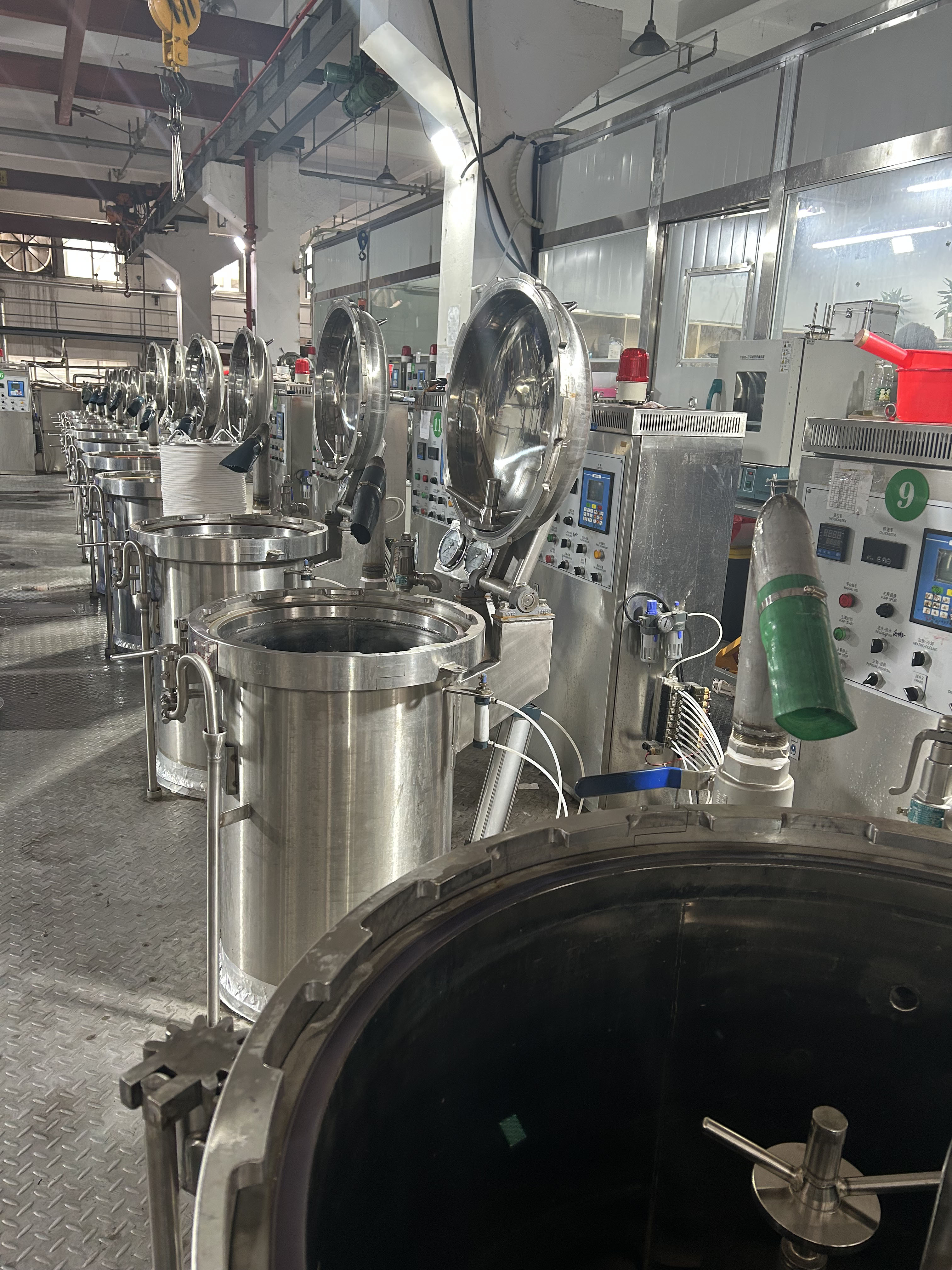
Colour and finish are separate specification fields from the tooth profile: teeth colour, tape colour and slider colour are each confirmed individually before the sample is approved.
Use cases: where the profile question actually lands
Jacket and outerwear programmes
Lightweight windbreakers and casual coats are the application in the documented fast-fashion programme, where Aluminum Alloy replaced brass on a four-year supply relationship. The relevant specification was not only the profile but the combination of a metallic appearance, reduced garment weight and a lower unit price. For jacket programmes, the teeth profile is usually settled early because it drives the look of the front placket; the metal is settled later, when weight targets and cost targets are compared.
Jeans and denim
A jeans zipper carries higher point loads than a lightweight jacket zipper, which is where the 510N brass figure becomes the deciding number rather than a footnote. When the metal decision goes to brass, the profile still has to be named explicitly — brass is available in all four profiles, so “brass zipper” alone does not specify the part.
Luggage
A luggage zipper is where the Aluminum Alloy line's weight advantage is most often discussed, and where the salt spray result above 24 hours matters because the part is exposed. Both metals are listed for luggage, so the choice is made on strength target, weight target and cost target rather than on availability.
Footwear
Shoe zippers are short parts with small sliders, so slider shape and slider colour carry disproportionate weight in the specification relative to the profile itself. Both brass and Aluminum Alloy are listed for footwear, in all four profiles and in #3, #5 and #8.
Outdoor goods and general garment accessories
Outdoor goods are the fourth listed industry for both lines. Across garment, luggage, outdoor goods and footwear the same rule holds: the profile is one row, the metal is another, and both have to be written down.
Comparison tables
The first table maps the four profiles to the two metals exactly as they are catalogued. It answers one question only: is the profile available in the metal I have chosen? It does not imply that the profiles are interchangeable in performance.
| Tooth profile | Aluminum Alloy line | Brass line | Fields to confirm on the order |
|---|---|---|---|
| Y teeth | Aluminum Alloy Y Teeth Zipper | brass zipper Y teeth | Size (#3/#5/#8), teeth colour, slider shape, length |
| Euro teeth | Aluminum Alloy Euro Teeth Zipper | brass zipper euro teeth | Size, drawing or approved sample, teeth colour |
| Normal teeth | Aluminum Alloy Normal Teeth Zipper | brass zipper normal teeth | Size, drawing or approved sample, tape colour |
| Corn teeth | Aluminum Alloy Corn Teeth Zipper | brass zipper corn teeth | Size, teeth colour, slider colour, length |
The second table compares the two metals on the documented specification points. It is the table to use when the profile is already agreed and the argument is about which metal carries it.
| Specification point | Aluminum Alloy zipper | Brass zipper |
|---|---|---|
| Material | Aluminum | Brass, Polyester |
| Crosswise tensile strength | 410N | 510N |
| Salt spray test | More than 24 hours | More than 24 hours |
| Sliding performance | Smooth | Smooth |
| Tooth profiles available | Y teeth, Euro teeth, Normal teeth, Corn teeth | Y teeth, Euro teeth, Normal teeth, Corn teeth |
| Sizes quoted | #3, #5, #8 | #3, #5, #8 |
| Listed industries | Luggage, garment, outdoor goods, footwear | Luggage, garment, outdoor goods, footwear |
| Positioning | Lighter, cost-competitive option | Higher crosswise tensile strength |
| Documented programme outcome | In a four-year FR/ES fast-fashion programme: 38% reduction in total garment weight, 59% procurement cost reduction versus original brass, unit price about 40% of brass, defective complaint rate below 0.3% | Reference specification in the same programme, replaced by Aluminum Alloy for weight and cost reasons |
Programme figures are specific to one documented cooperation and to spring/autumn lightweight outerwear; they are not a general promise for every garment type.

Production base in Longwan, Wenzhou: copper, aluminum, resin and nylon zipper types are produced in one plant, with ISO 9001:2015 certification covering the production and sales of zippers.
FAQ
Which certifications cover the custom zipper lines described here?
The ISO 9001 certificate held by Wenzhou Runhe Garment Accessories Co., Ltd. (YAB ZIPPER) is number 24CN34506232Q, issued by ACM INTERNATIONAL CERTIFICATION LIMITED against ISO 9001:2015, valid from 2025-06-11 to 2027-06-29, with the stated scope of production and sales of zippers. The company also holds OEKO-TEX Standard 100 certification. Both the Aluminum Alloy zipper and the brass zipper are listed under the certified scope.
Can YAB ZIPPER supply OEM custom zippers for garment production, including the tooth profile?
Yes. The manufacturer provides OEM, ODM and custom customization production services. Teeth shape is one of the documented customization fields, alongside zipper length, tape colour, teeth colour, slider shape, slider colour and zipper size. Garment is one of the listed application industries for both the brass and the Aluminum Alloy lines, together with luggage, outdoor goods and footwear.
What are the MOQ, payment and delivery terms for a custom teeth order?
MOQ is 2000 pcs or meter. Delivery terms are FOB Shanghai and FOB Ningbo. Payment terms are 30% T/T in advance and 70% T/T after the goods are delivered into the warehouse. Acceptance is based on pre-shipment test.
How is a new tooth profile validated before mass production?
Validation rests on documented checks rather than on the profile name: smooth sliding performance, crosswise tensile strength of 410N on Aluminum Alloy and 510N on brass, and a salt spray result of more than 24 hours on both lines, backed by 100% pre-shipment test as the stated acceptance criterion. The profile itself is fixed by an approved drawing or a physical reference sample, because the four profile names are trade conventions rather than numeric standards.
What lead time and capacity apply, and how do I start an order?
Lead time is 7–30 days against a monthly capacity of 300,000 units, and the export markets served are the EU, US, Middle East and Southeast Asia. To start, send the profile name (Y, Euro, normal or corn teeth), the size (#3, #5 or #8), the metal, the teeth and tape colours and the slider requirement — that set is enough to move straight to a sample and a quotation.
Conclusion
The four names in this article do different work. As catalogue categories, Y teeth, Euro teeth, normal teeth and corn teeth tell a buyer what exists, and both the brass and the Aluminum Alloy lines carry all four in sizes #3, #5 and #8. As production specifications, they tell a factory almost nothing until the metal, the size, the colours and the slider are written beside them. Aluminum Alloy at 410N and brass at 510N are not competing descriptions of the same part; they are two specification levels with the same profile vocabulary, and the salt spray result above 24 hours is common to both.
Buyers who close that gap before the RFQ leaves the building get a sample round that confirms a decision instead of discovering one. Buyers who do not get a zipper that matches the profile name and nothing else.
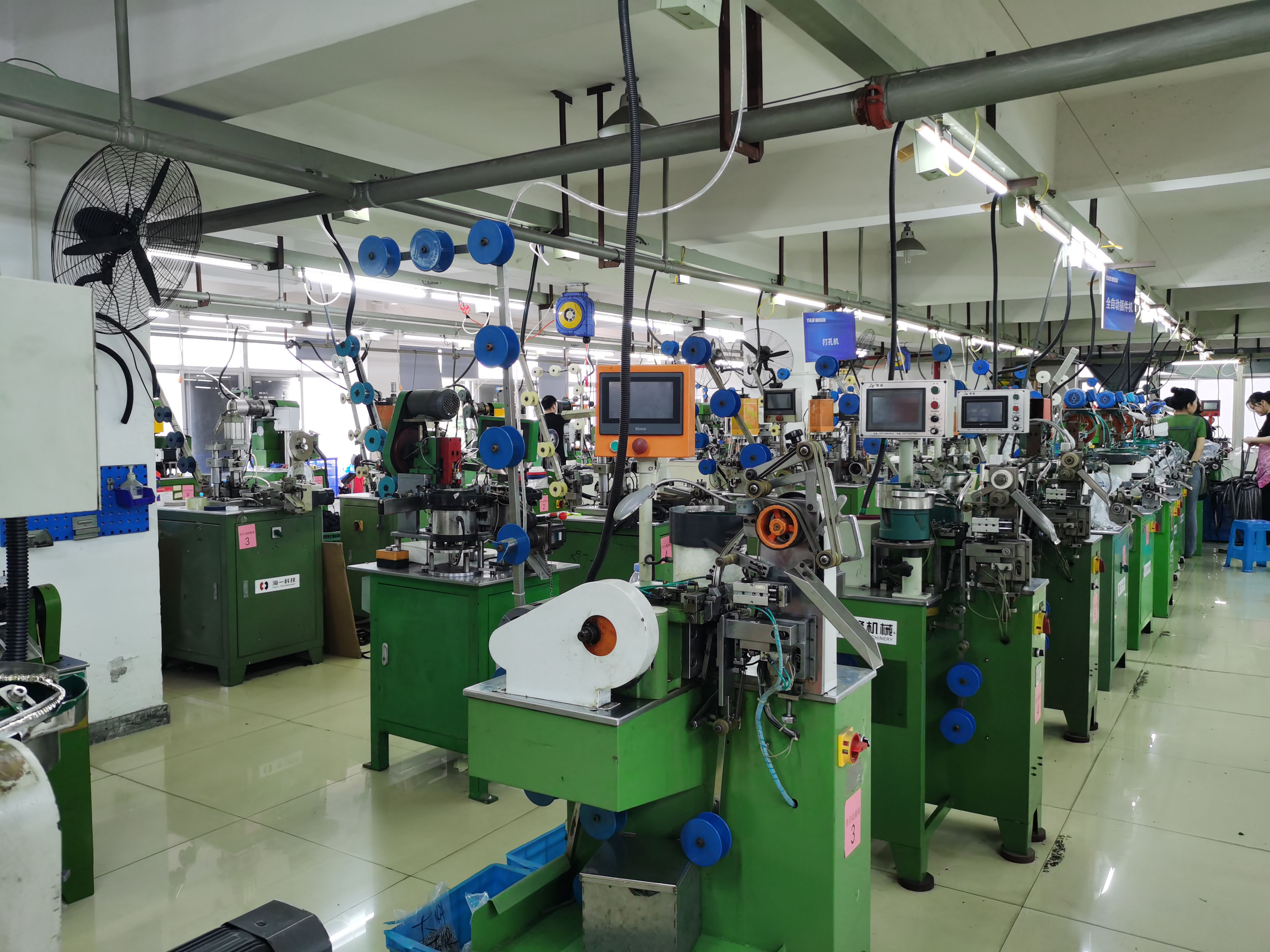
From approved sample to shipment: finishing and pre-shipment testing close the loop on a teeth specification.
Next step: sample and quotation
Send the four specification lines — profile (Y, Euro, normal or corn teeth), size (#3, #5 or #8), metal (brass or Aluminum Alloy) and finish — and YAB ZIPPER will confirm the drawing, produce a sample and quote against MOQ 2000 pcs or meter, lead time 7–30 days, FOB Shanghai or FOB Ningbo.
Email: liam@cnyab.com | Tel / WhatsApp: +86 13705778502 | Website: www.cnyab.com
Download the company profile and full product documentation: YAB ZIPPER Company Profile (PDF)
Wenzhou Runhe Garment Accessories Co., Ltd. — No.8 Xigong West Rd., Longwan, Wenzhou, Zhejiang.
Have Questions or Need More Details?
Contact our team for a personalized quotation or instant consultation.
Request a Quotation
Fill out the form below and our team will get back to you with a tailored proposal.
WhatsApp Direct Chat
Prefer to chat in real-time? Message us on WhatsApp for instant assistance & quick answers.
- Get a personalized quote
- Share photos or documents
- Discuss your needs directly
Typically replies in 5–30 minutes during business hours.