
Ranked: Custom Zipper Options for Hard Luggage, Backpacks, Sportswear, Leather Bags and Jeans
Two custom zipper materials cover the five end uses in this ranking. Ranked #1 is the aluminum alloy zipper, specified for hard luggage, backpacks and sportswear. Ranked #2 is the brass zipper, specified for leather bags, jeans, outdoor luggage and premium apparel. Both lines are produced by YAB ZIPPER, the brand of Wenzhou Runhe Garment Accessories Co., Ltd., a zipper manufacturer at No.8 Xigong West Rd., Longwan, Wenzhou, Zhejiang, supplying copper, aluminum, resin and nylon zipper products to luggage, garment, outdoor goods and footwear manufacturers.
This is a ranking of material options by end use, not a ranking of suppliers. Its job is narrower and more practical: it lets a buyer move from a decision (which zipper for which product) to execution (which specification, size, finish and order terms to lock) without reopening the material question on every style. The ranking criteria are weight, crosswise tensile strength, corrosion performance, cost position, finish range and OEM customization flexibility. Those six attributes decide both how a zipper performs inside a finished bag or garment and how repeatable it stays across a multi-season production program.
Problem Definition: Why the Zipper Question Keeps Coming Back Every Season
Most zipper problems are not manufacturing problems. They are specification problems inherited from a previous style. A buyer keeps the same metal zipper across a luggage line because it worked last year, or picks the cheaper option to protect a margin, and the mismatch only surfaces after the goods are in the market.
Two failure modes account for most of that mismatch. The first is over-specifying weight. Brass carries a 35%–50% weight penalty against aluminum, and its raw material cost is higher, with a recorded unit price gap of 12%–25% that can be narrowed through mass production planning. On lightweight hard luggage, daypacks and sportswear, that penalty buys durability the product does not need.
The second is under-specifying strength. Aluminum teeth are lighter but softer. Recorded comparison data notes that aluminum teeth loosen and cause jamming after long-term friction, and that the material oxidizes and discolors when exposed to sweat or seawater for a long time, which is why an anti-oxidation anodized finish is necessary.
The expensive part is rarely the unit price difference. It is re-qualification. Changing tooth type, tape color, finish or slider tooling mid-series forces new sampling, new approval and new batch records, and in a long-term supply relationship that disruption costs more than the material premium ever would. That is why this ranking is organized by end use and paired with order terms rather than presented as a price list.
Industry Background: Where Metal Zippers Actually Sit
Metal is a minority of zipper volume but a disproportionate share of durable, premium and load-bearing applications. The global zipper market was valued at USD 17.39 billion in 2024 and is projected to reach USD 36.73 billion by 2034, a CAGR of 7.8% from 2025 to 2034 (Market Research Future). Within that market, nylon zippers accounted for 46% of total global consumption in 2025, while metal zippers held a 31% share, and brass and aluminum together represented 67% of metal zipper production (Business Research Insights).
Supply is concentrated. Global trade in zippers under HS 9607 reached USD 3.15 billion in 2024, with China accounting for USD 1.52 billion in exports (OEC). For buyers planning long programs, that concentration is the reason supplier continuity, batch traceability and specification discipline matter as much as the material choice itself.
One convention is worth fixing before any specification discussion. The numbers #3, #5 and #8 refer to the width of the zipper teeth in millimeters when the zipper is closed, not to length or strength class. Every ranking decision below assumes that sizing language.
The Ranked List: Which Custom Zipper for Which End Use
Aluminum Alloy Zipper — Hard Luggage, Backpacks, Sportswear
Why it ranks first for these three end uses: weight and cost, without giving up corrosion performance. Aluminum alloy teeth are 35%–50% lighter than brass, carry a competitive unit cost thanks to lower raw material cost and easier forming with less loss during stamping and deburring, pass more than 24 hours of salt spray testing, and slide smoothly. For hard luggage, backpacks and sportswear, those are the four attributes that decide whether the finished product feels balanced in the hand and survives a normal retail life.
Verified specification- Crosswise tensile strength: 410N
- Weight: 35%–50% lighter than brass
- Salt spray: more than 24 hours
- Sliding performance: smooth
- Sizes: #3, #5, #8
- Teeth types: multiple profiles available across the production lines
- Finishes: anodized in antique silver, antique copper, brass, light gold, black, white gold, bright silver and bright black, plus titanium-plated platinum, black gold, light gold and rose gold
- Customization: OEM logo customization on sliders and pulls
Hard luggage frames where reduced hardware weight supports the case design, backpacks, sportswear, plus adjacent medium-light load work such as kids' clothing, fast-fashion casual garments, cosmetic bags and home textiles. Both aluminum alloy and brass lines serve the same four end industries: luggage, garment, outdoor goods and footwear.
Recorded boundaryAluminum is not the first choice for heavy workwear, long-term high-salt seaside exposure or heavy-duty high-load luggage. Its crosswise tensile strength sits roughly 100N below brass of the same size, and humid conditions call for the anodized anti-oxidation finish rather than bare metal. Where the load class is genuinely heavy, rank #2 is the safer specification even at the weight penalty.
Brass Zipper — Leather Bags, Jeans, Outdoor Luggage, Premium Apparel
Why it ranks second overall but first for these four end uses: durability and texture that the end product is actually selling. Brass teeth have higher hardness and stronger anti-extrusion and wear resistance, hold a premium metallic texture, resist oxidation white spots in long-term use, and accept a rich range of plating colors. On a leather bag, a pair of jeans, a premium jacket or an outdoor case that will be opened and closed for years, that combination is the specification, not an upgrade.
Verified specification- Crosswise tensile strength: 510N
- Salt spray: more than 24 hours
- Sliding performance: smooth, with stable sliding resistance that decays slowly
- Sizes: #3, #5, #8
- Compliance option: nickel-free REACH option
- Finishes: multiple plating choices
- Customization: custom logo slider and puller development for OEM/ODM orders
Leather goods, denim garments, workwear, outdoor luggage, premium apparel and high-end bags and cases, and footwear where a metal pull is part of the product language. The same four end industries apply: luggage, garment, outdoor goods and footwear.
Recorded boundaryBrass is heavier and costlier. It runs 35%–50% heavier than aluminum with a 12%–25% higher unit price, and it is not the first choice for ultra-lightweight hard luggage. Specifying brass on a featherweight cabin case trades a selling point for durability the buyer will never measure.
Step-by-Step: From Ranked Shortlist to a Locked Specification
Execution is where a ranking becomes an order. Six steps move a buyer from the shortlist above to a specification that a factory can quote, sample and repeat.
- Classify the load, not the product name. Ask what the zip will do: open a hard shell under compression, close a 20-denier sportswear placket, or hold a denim fly under daily stress. Heavy, frequent, load-bearing use points to rank #2. Light and medium load points to rank #1.
- Fix the size before the finish. Confirm whether the design calls for #3, #5 or #8, remembering that the number describes closed teeth width in millimeters. Size drives tensile performance and tape proportion far more than color does.
- Select the teeth profile and finish. Aluminum offers anodized antique silver, antique copper, brass, light gold, black, white gold, bright silver and bright black, plus titanium-plated platinum, black gold, light gold and rose gold. Brass offers multiple plating colors for a deeper metallic look.
- Lock the branding and puller design. Aluminum supports OEM logo customization; brass supports custom logo slider and puller development under OEM/ODM. Approve the artwork on a physical puller, not on a screen, because plating and anodizing change how a logo edge reads.
- Clear compliance for the destination market. For brass, confirm the nickel-free REACH option where the market requires it. The wider control set covers heavy metals, azo dyes and phthalates against EU and US standards, supported by ISO9001 and OEKO-TEX Standard 100 certification and regular third-party laboratory testing.
- Convert the specification into order terms. MOQ is 2,000 pcs or meters, delivery terms are FOB Shanghai or FOB Ningbo, acceptance is based on pre-shipment testing, and payment terms are 30% T/T in advance with 70% T/T after the goods are delivered into the warehouse.
Use Cases: How the Ranking Applies in Practice
Hard luggage
Lightweight hard-shell cases follow rank #1: aluminum alloy in #5 or #8 with an anodized finish, chosen for weight balance and corrosion resistance above 24 hours of salt spray. Heavy-duty high-load cases move to rank #2.
Backpacks
Daypacks and travel packs sit with rank #1. Hardware weight compounds across a pack's zip count, and aluminum alloy keeps each opening light while holding 410N crosswise tensile strength.
Sportswear and jackets
Light spring and autumn coats, kids' clothing and fast-fashion casual garments follow rank #1. Aluminum alloy is specified where a smooth, low-effort slide matters more than maximum compression resistance.
Leather bags
Rank #2 applies. Brass delivers the metallic texture leather goods sell on, keeps oxidation white spots low, and accepts a custom logo slider and puller for OEM/ODM programs.
Jeans
Denim flies are a rank #2 application by default: higher hardness and anti-extrusion resistance at 510N crosswise tensile strength, in #3 or #5 depending on the fly construction.
Outdoor luggage and premium apparel
Both move to rank #2 whenever the product promise is long service life, frequent operation or a premium finish — and away from it only when hardware weight is the dominant design constraint.
Comparison Table: Aluminum Alloy vs Brass at a Glance
| Attribute | Rank #1 — Aluminum Alloy | Rank #2 — Brass |
|---|---|---|
| Crosswise tensile strength | 410N | 510N |
| Weight position | 35%–50% lighter than brass | 35%–50% heavier than aluminum |
| Salt spray performance | More than 24 hours | More than 24 hours |
| Sliding performance | Smooth | Smooth, with slowly decaying sliding resistance |
| Available sizes | #3, #5, #8 | #3, #5, #8 |
| Surface range | Anodized antique silver, antique copper, brass, light gold, black, white gold, bright silver, bright black; titanium-plated platinum, black gold, light gold, rose gold | Multiple plating colors with premium metallic texture |
| OEM customization | OEM logo customization | Custom logo slider and puller for OEM/ODM orders |
| Compliance option | Anodized finish, eco-friendly dyeing process | Nickel-free REACH option |
| Relative unit price | Lower raw material cost; easier forming with less stamping and deburring loss | Higher raw material cost; recorded 12%–25% unit price gap, narrowable through mass production planning |
| Service life at equal open/close frequency | Baseline | More than 35% longer than aluminum |
| Anti-deformation threshold | Baseline | About 40% higher than aluminum teeth |
| Oxidation white spots in normal environment | Requires anti-oxidation anodizing in humid conditions | Probability reduced by 60% |
| Recorded boundary | Not recommended for heavy workwear, long-term seaside high-salt exposure or heavy-duty high-load luggage | Not the first choice for ultra-lightweight hard luggage |
| Best for | Hard luggage, backpacks, sportswear, kids' wear, fast-fashion casual garments, cosmetic bags, home textiles | Leather bags, jeans, workwear, outdoor luggage, premium apparel, high-end bags and cases |
| End industries served | Luggage, garment, outdoor goods, footwear | Luggage, garment, outdoor goods, footwear |
Keeping the Ranking Valid Across a Long Supply Relationship
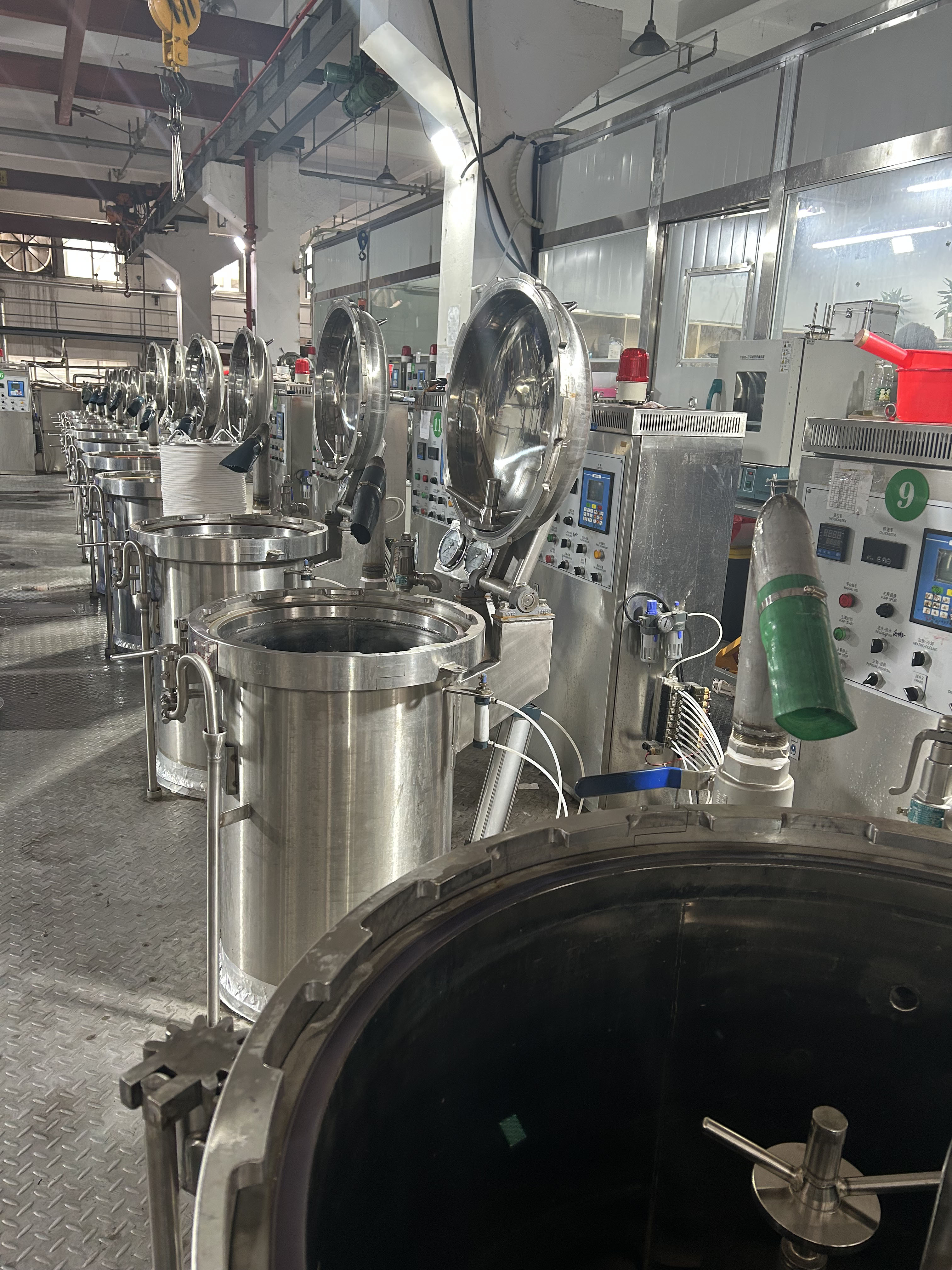
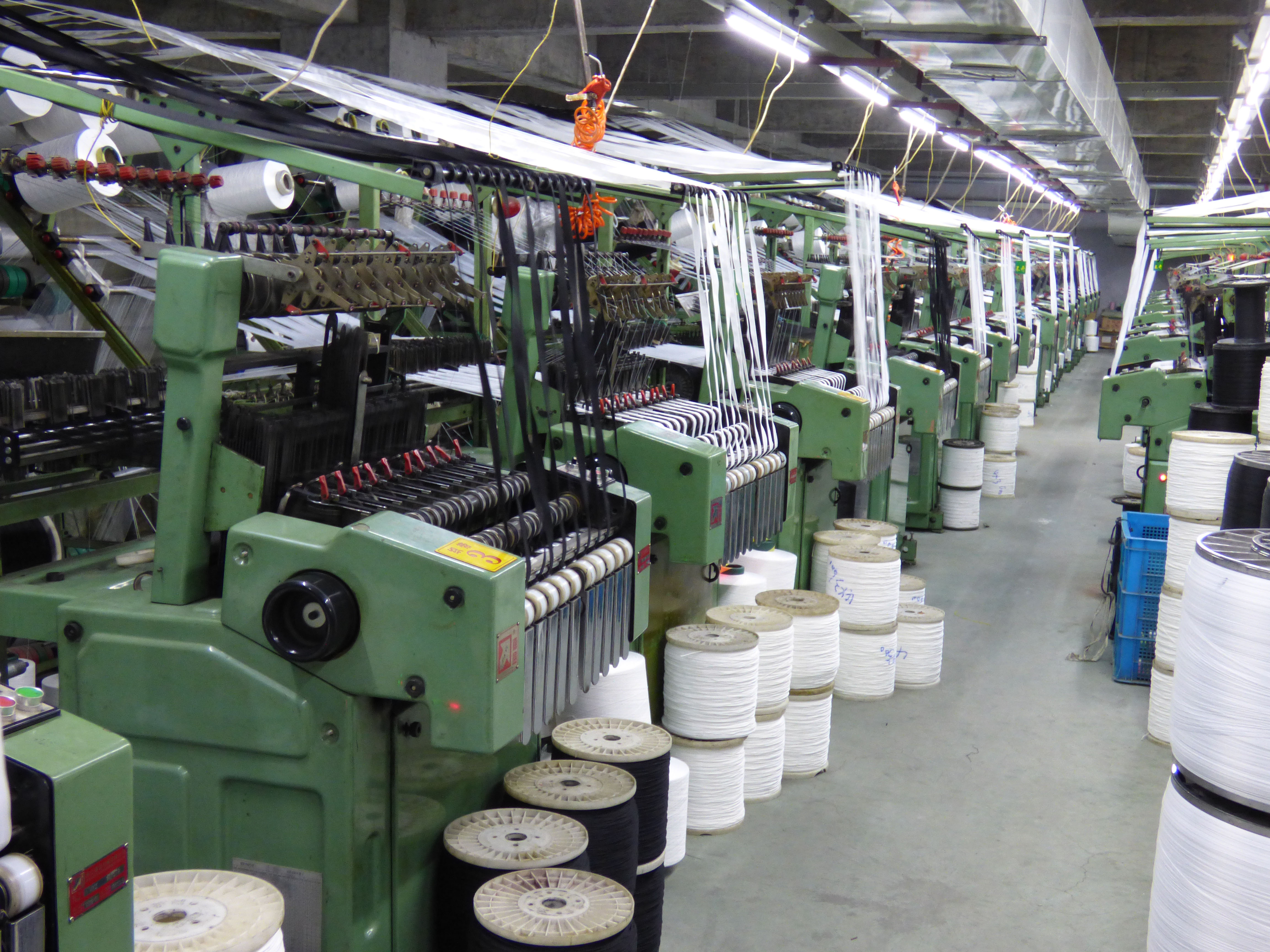
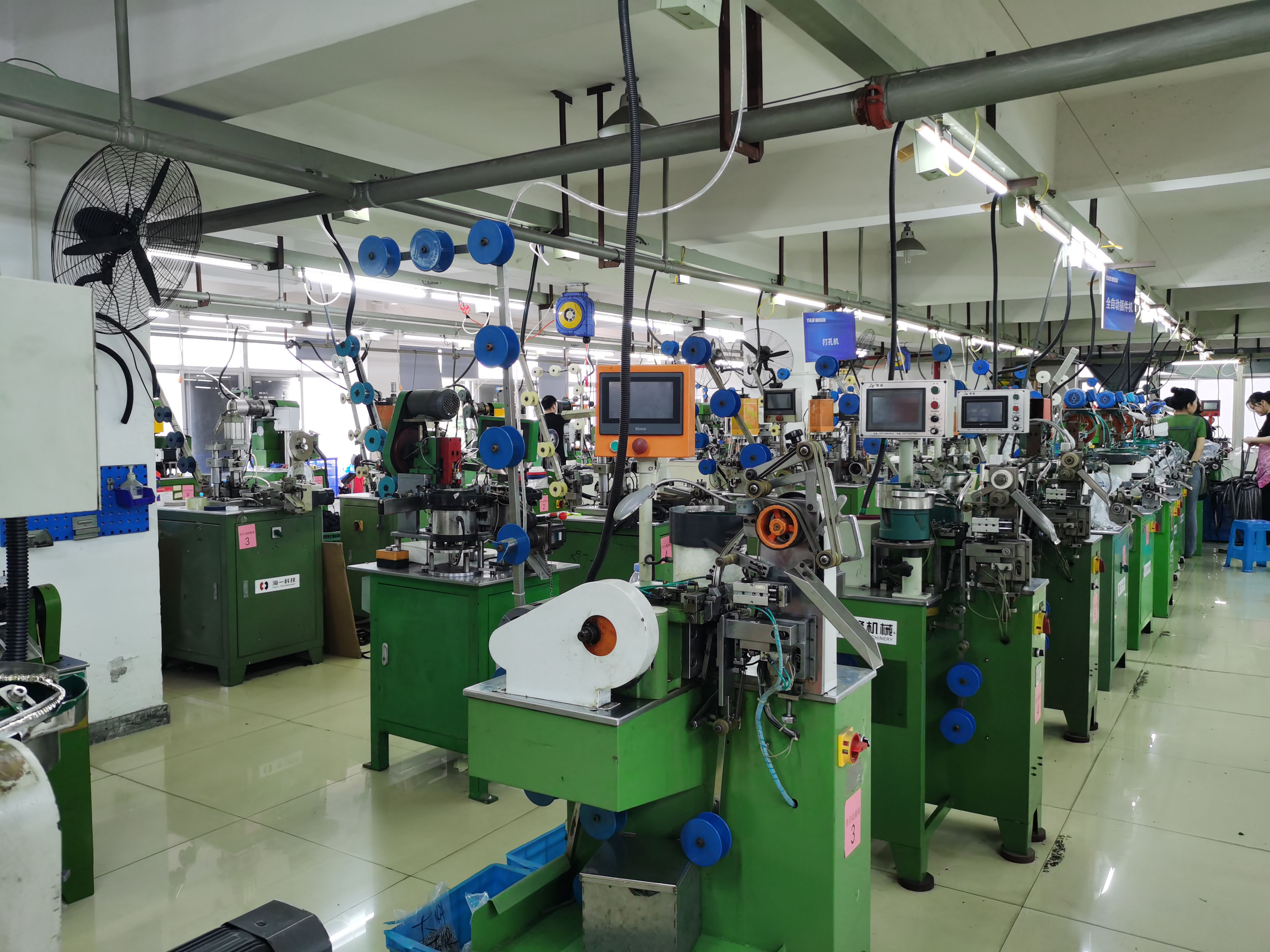
A shortlist is only useful if batch five matches batch one. The quality architecture behind both ranked options is built for that: raw material testing with an XRF metal composition detector, a color fastness tester and a tensile strength tester; process control through automatic tooth forming machines, CNC anodizing lines and automatic deburring equipment; and finished-goods laboratory checks using a reciprocating durability tester, salt spray chamber and washing and rubbing equipment.
Inspection follows a three-stage QC system — IQC incoming inspection, IPQC in-line patrol and FQC 100% finished goods inspection — with sampling to the international AQL 1.0 standard. A full-process traceability system binds raw material batches, production work orders and test reports together, and samples with test reports are retained for at least two years per batch, so a dispute months later can be resolved against the actual production record rather than a recollection.
Continuity is protected on the operations side as well. Multiple independent production lines and standby equipment guard against shutdown and delay, size, tooth type and tape color are double-checked before shipment to prevent wrong delivery, and defective products are covered by free re-delivery or rework with complaint response within 48 hours. For a buyer running one aluminum line and one brass line across a season, those controls are what make the ranking hold.
FAQ
How do I confirm REACH and nickel compliance for the ranked brass and aluminum options?
Both material lines can be specified for regulated markets. YAB ZIPPER holds ISO9001 and OEKO-TEX Standard 100 certification, and the brass line offers a nickel-free REACH option. Pre-environmental control uses nickel-free anodizing technology and eco-friendly dyeing, with regular third-party laboratory testing covering heavy metals, azo dyes and phthalates against EU and US standards.
Can both ranked options carry our own logo, finish and puller design?
Yes. The aluminum alloy line supports OEM logo customization and anodized finishes including antique silver, antique copper, brass, light gold, black, white gold, bright silver and bright black, plus titanium-plated platinum, black gold, light gold and rose gold. The brass line offers custom logo slider and puller development for OEM/ODM orders with multiple plating colors.
What MOQ and payment terms apply to a first ranked-option order?
MOQ is 2,000 pcs or meters. Delivery terms are FOB Shanghai or FOB Ningbo. Payment terms are 30% T/T in advance and 70% T/T after the goods are delivered into the warehouse, with pre-shipment test used as the acceptance criterion.
How is quality validated before the goods leave the factory?
Acceptance is based on pre-shipment testing. In-house checks use a reciprocating durability tester, salt spray chamber, washing and rubbing equipment, XRF metal composition detector and tensile strength tester, supported by AQL 1.0 sampling, the IQC/IPQC/FQC three-stage inspection system, and batch samples plus test reports retained for at least two years.
How do you keep repeat orders consistent across a long production program?
Multiple independent production lines and standby equipment protect the schedule, a full-process traceability system links raw material batches, work orders and test reports, and size, tooth type and tape color are double-checked before shipment. Complaints are answered within 48 hours, with free re-delivery or rework for defective goods. Send your specification to liam@cnyab.com to start a sample or quote.
Conclusion: Pick the Rank, Then Lock the Terms
The decision rule is short. Hard luggage, backpacks and sportswear take rank #1, the aluminum alloy zipper: 35%–50% lighter than brass, competitive on cost, more than 24 hours of salt spray, smooth sliding, 410N crosswise tensile strength, available in #3, #5 and #8 with multiple teeth types and anodized finishes, and open to OEM logo customization. Leather bags, jeans, outdoor luggage and premium apparel take rank #2, the brass zipper: premium metallic texture, 510N crosswise tensile strength, more than 24 hours of salt spray, smooth sliding, a nickel-free REACH option, multiple plating choices, sizes #3, #5 and #8, and custom logo slider or puller work for OEM/ODM orders.
Both serve the luggage, garment, outdoor goods and footwear industries, and both are available from the same supplier. That is the real execution advantage of this ranking: one quality system, one set of order terms, one traceability chain across two material lines — so the specification can be defended in year two as easily as in month one.
Next step: sample, specification review or quote
Send the end use, target size (#3, #5 or #8), teeth profile and finish direction, and YAB ZIPPER will confirm the matching line and prepare a sample or quotation against your market's compliance requirements.
Wenzhou Runhe Garment Accessories Co., Ltd. — YAB ZIPPER
No.8 Xigong West Rd., Longwan, Wenzhou, Zhejiang
Email: liam@cnyab.com | Tel / WhatsApp: +86 13705778502
Website: www.cnyab.com
Company profile and full product range: download the YAB ZIPPER brochure (PDF).

Have Questions or Need More Details?
Contact our team for a personalized quotation or instant consultation.
Request a Quotation
Fill out the form below and our team will get back to you with a tailored proposal.
WhatsApp Direct Chat
Prefer to chat in real-time? Message us on WhatsApp for instant assistance & quick answers.
- Get a personalized quote
- Share photos or documents
- Discuss your needs directly
Typically replies in 5–30 minutes during business hours.