
Zipper Strength and Weight: A Technical Spec Deep Dive into Aluminum Alloy Options
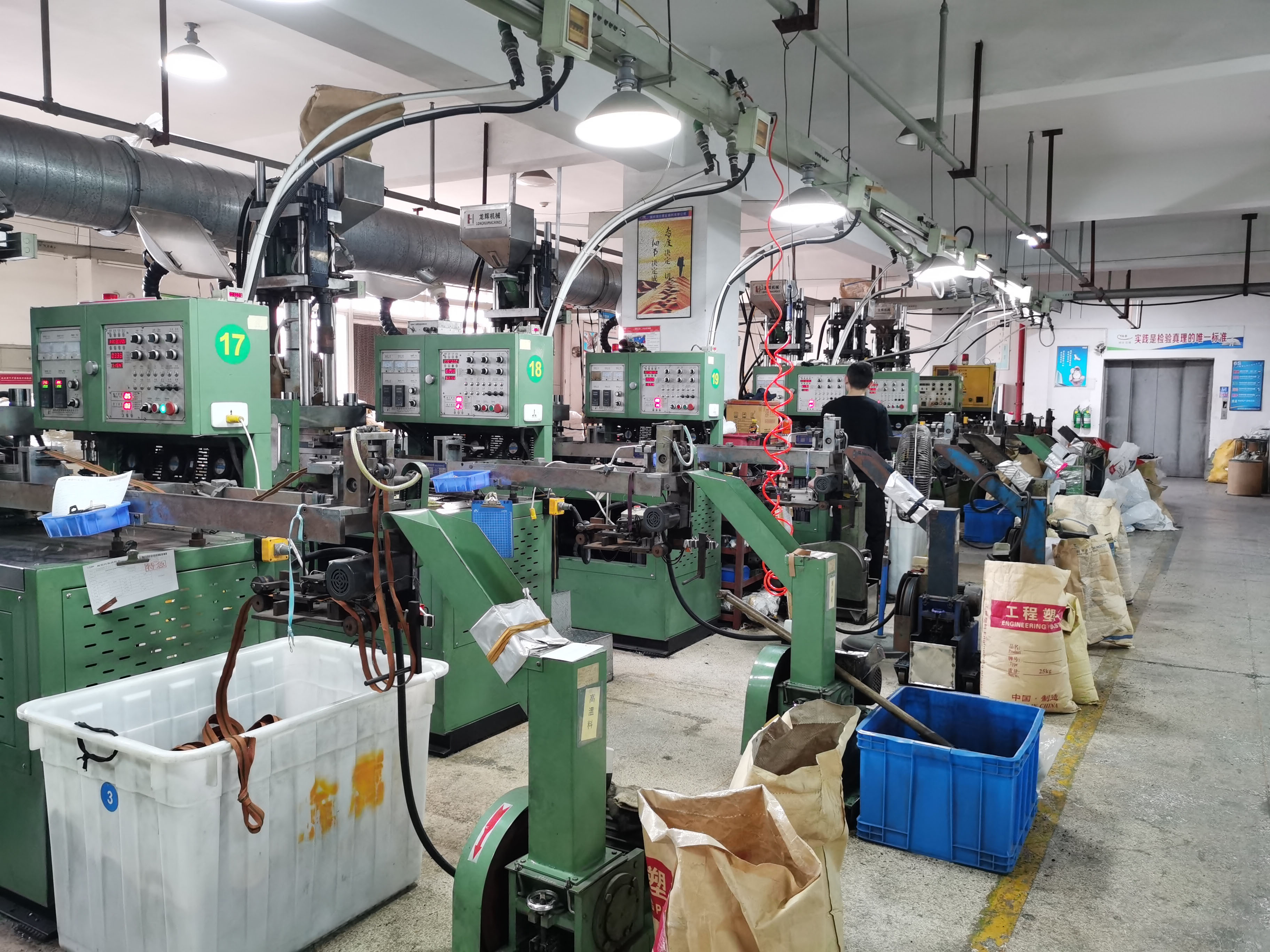
If you are specifying an aluminum alloy zipper, two numbers settle most of the discussion: the force the closed chain resists, and the grams it adds to the finished product. YAB ZIPPER (Wenzhou Runhe Garment Accessories Co., Ltd.) measures its aluminum alloy zipper line at a crosswise tensile strength of 410 N, a salt spray test result of >24 h, and smooth sliding performance. In a documented four-year program for an overseas fast fashion brand in France and Spain, replacing brass zippers with the aluminum alloy option reduced total garment weight by 38% and material procurement cost by 59%. This deep dive is written for engineers and product developers: it explains what those figures cover, how sizes #3, #5 and #8 change an application decision, and how the four tooth profiles — Y, corn, euro and normal — should be handled in a technical brief.
Problem Definition: Why Strength and Weight Move in Opposite Directions
Crosswise tensile strength is the force a closed zipper chain resists when it is pulled apart across the teeth, perpendicular to the tape. It is the figure that tells a product developer whether a placket survives a loaded bag or a hurried pull, and it is measured on the assembled zipper rather than on the metal alone.
The sourcing problem is that the two headline specifications respond to the same input in opposite ways. Move from brass to aluminum and density falls, which is why the aluminum line carries less mass per metre. The same substitution also produces a lower crosswise tensile figure: the aluminum alloy line is specified at 410 N, while the brass line is specified at 510 N — a 100 N difference on otherwise comparable sliding behaviour and salt spray performance. Neither number is a verdict on quality; they are two points on the same trade-off curve.
Weight itself is rarely caused by a single component. A finished zipper is a system of teeth, tape, slider and pull, and in lightweight outerwear the zipper can be one of the heaviest single items per unit length of the garment. The practical task is therefore not “brass or aluminum” but “which size, which tooth profile and which surface treatment deliver the required strength inside the product’s weight budget.”
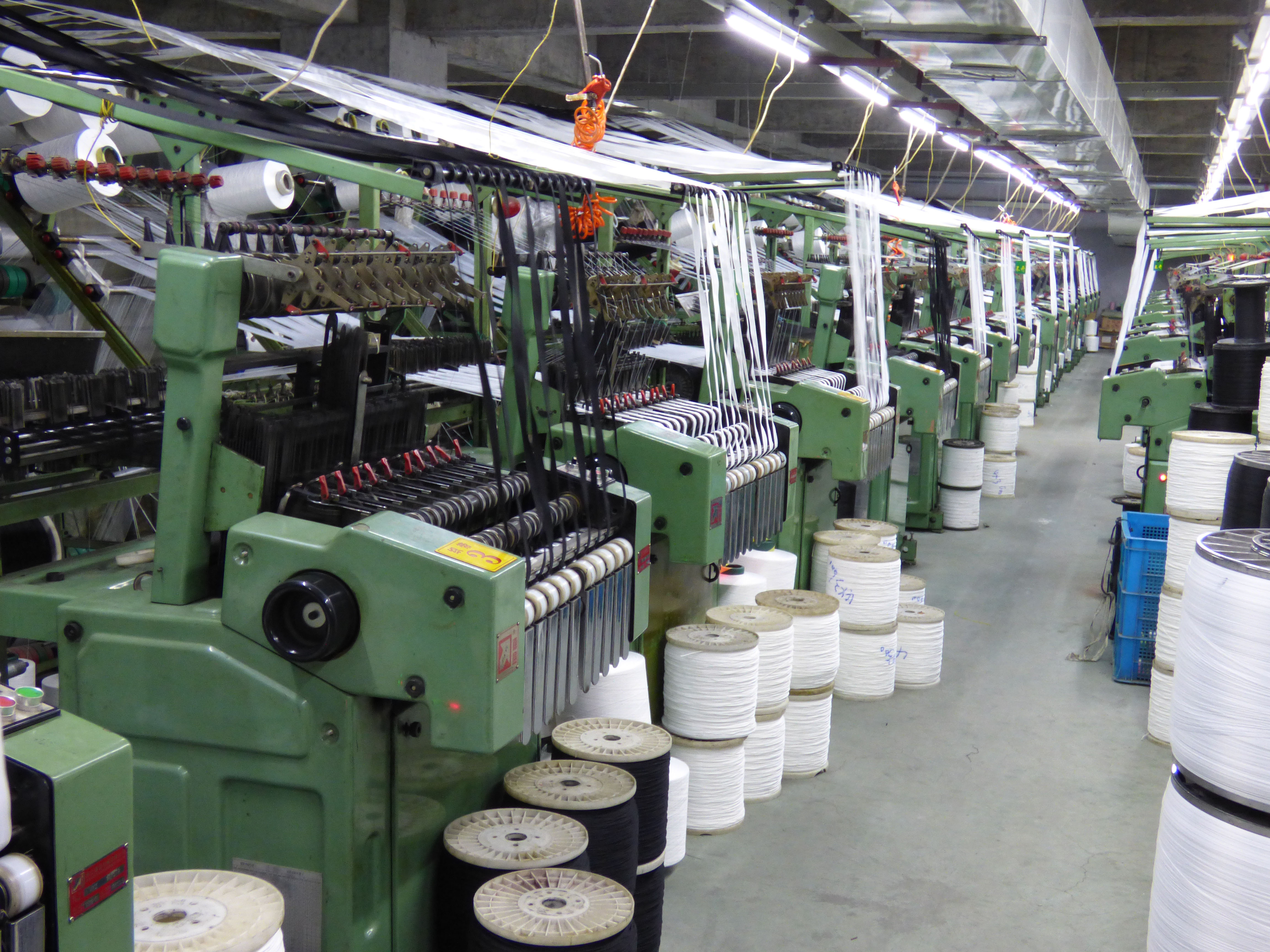
Two further variables are often left out of the brief and then discovered during production. The first is corrosion performance: both the aluminum alloy and brass lines carry a salt spray test result of >24 h, which means surface treatment has to be treated as a specification item rather than an aesthetic finish. The second is size designation. Buyers frequently read #3, #5 and #8 as strength grades. They are not — the number refers to the width of the closed teeth in millimetres. Strength has to be quoted separately, which is exactly why the 410 N figure matters more than the size number in a load-critical application.
Industry Background: Where Aluminum Sits Inside a Metal Zipper Market
The global zipper market was valued at USD 17.39 Billion in 2024 and is projected to reach USD 36.73 Billion by 2034, a 7.8% CAGR across 2025–2034, according to Market Research Future. Growth at that scale is not driven by a single material. Business Research Insights reports that nylon zippers accounted for 46% of total global zipper consumption in 2025, while metal zippers held a 31% global market share in the same year — and within metal production, brass and aluminum together represented 67%. In other words, most metal zipper programs worldwide eventually reduce to a decision between the two alloys discussed in this article.
The supply side is equally concentrated. According to the Observatory of Economic Complexity, global trade in slide fasteners and parts (HS 9607) reached USD 3.15 Billion in 2024, with China accounting for USD 1.52 Billion of exports. That volume is not evenly distributed: it clusters around regional manufacturing bases, and Wenzhou, Zhejiang is one of them. YAB ZIPPER (Wenzhou Runhe Garment Accessories Co., Ltd.) is a zipper manufacturer based at No.8 Xigong West Rd., Longwan, Wenzhou, Zhejiang, producing copper, aluminum, resin and nylon zipper products. The company is the sixth president unit of the Wenzhou Zipper Chamber of Commerce, operates a 10,000 m² facility with 150 employees, more than 500 zipper production machines and an annual output of 70,000,000 pcs, and runs a research and development team of 10 engineers. Exports reach the EU, US, Middle East and Southeast Asia.
For engineers, the relevant industry signal is not the market size but the direction of material demand: a large volume material (nylon) is light, a premium material (metal) is heavy, and aluminum exists in the gap between them — it keeps a metallic chain while reducing the mass that brass adds. That is the engineering reason the alloy is worth a specification review even when the design already uses metal zippers.
Detailed Solution: The Measured Aluminum Alloy Specification
The aluminum alloy zipper produced by YAB ZIPPER is an aluminum-teeth zipper offered in four tooth configurations and specified for luggage, garment, outdoor goods and footwear applications. The published parameters are deliberately narrow, which makes them usable in a technical brief.
Aluminum alloy zipper — stated parameters
- Crosswise tensile strength: 410 N
- Sliding performance: smooth
- Salt spray test: >24 h
- Base material: aluminum
- Tooth profiles: Y teeth, corn teeth, euro teeth, normal teeth
- Listed application industries: luggage, garment, outdoor goods and footwear
The brass line, for reference, is specified at a crosswise tensile strength of 510 N with smooth sliding and the same >24 h salt spray result, in brass and polyester. Comparing the two lines on the same three parameters — tensile strength, sliding, salt spray — isolates the strength gap to a single measurable difference rather than a generalised claim about one alloy being superior. Both lines are supplied with Y, corn, euro and normal tooth profiles, so profile availability does not force a material decision.
Tooth profiles: Y, corn, euro and normal
All four profiles are produced on the aluminum alloy line. In a specification document, the profile should be recorded as a named requirement alongside the alloy, because the profile determines the visible chain line on the finished garment or bag and therefore has to be confirmed against the design reference rather than inferred from the material. The correct handling is to state the profile explicitly — Y, corn, euro or normal — and to confirm it visually on the sample, since all four are available in aluminum and none of them requires a switch back to brass.
Surface treatment and the >24 h salt spray figure
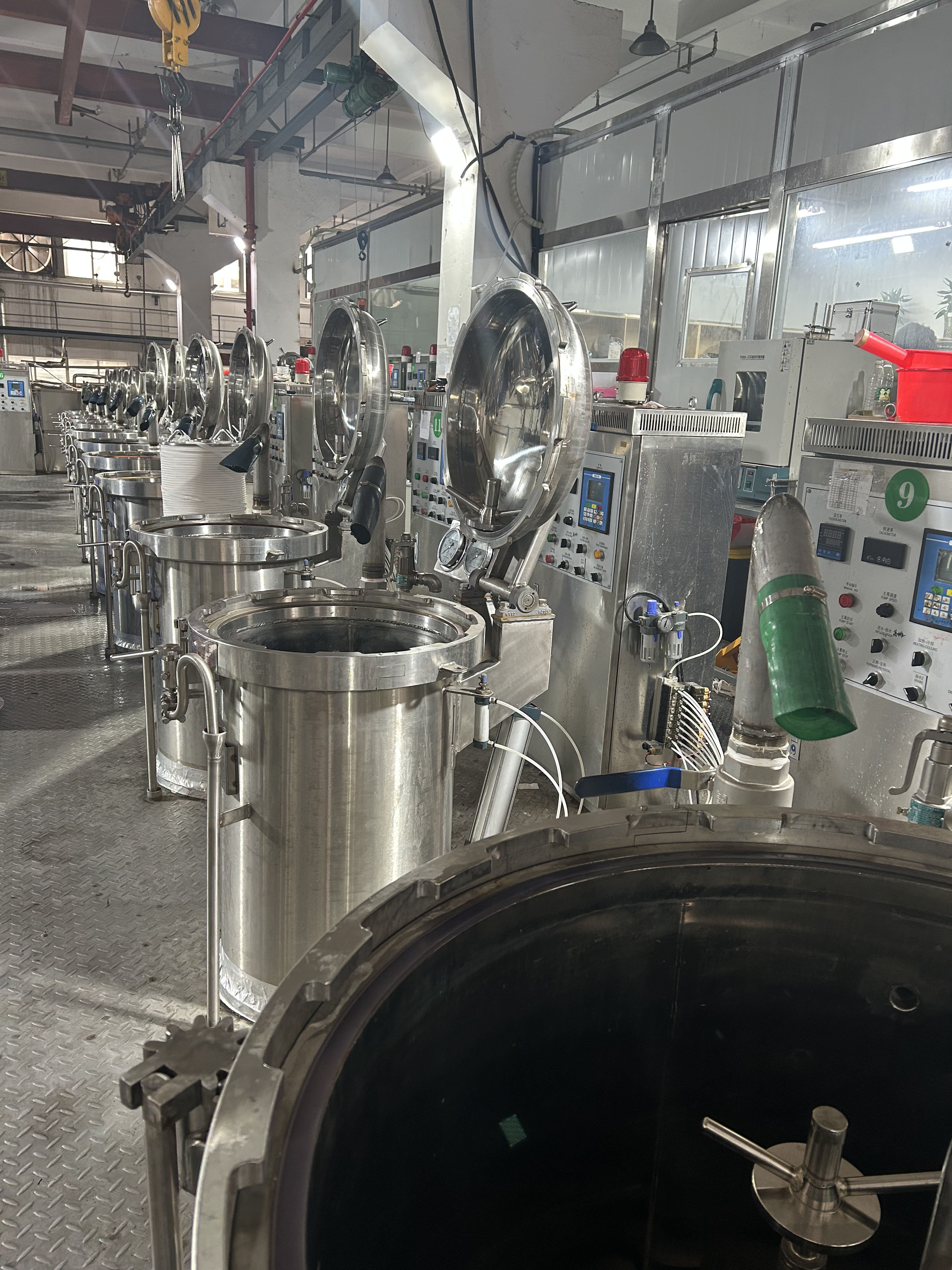
The >24 h salt spray result is a surface-treatment outcome, not a property of the raw alloy. YAB ZIPPER has put into operation aluminum Y-teeth surface treatment processes covering antique silver, antique copper, brass, light gold, black teeth, white gold, bright silver and bright black, and has additionally put into operation an aluminum Y-teeth series plated with titanium alloy in platinum, black gold, light gold and rose gold categories. The company states that these aluminum surface treatment processes reached the standard of its copper zipper series — which is what allows a lighter chain to be specified for visible, decorative applications without giving up appearance consistency.
What weight reduction looked like in a verified program
The clearest evidence for the aluminum alloy line comes from a documented case rather than from a datasheet. An overseas fast fashion garment brand used the aluminum alloy zipper as a supporting accessory for spring and autumn lightweight windbreakers and casual coats. The program ran as a four-year stable cooperation across France and Spain, with project zippers valued at 10,000,000. The recorded outcomes were a 38% reduction in total garment weight, a 59% reduction in material procurement cost versus the original brass zippers, a unit price at 40% of brass while maintaining the same metallic appearance, a defect complaint rate below 0.3%, and Oeko-Tex certification that supported smooth EU customs clearance. The aluminum line also delivered reciprocating sliding performance that met the industry standard applied to that project.
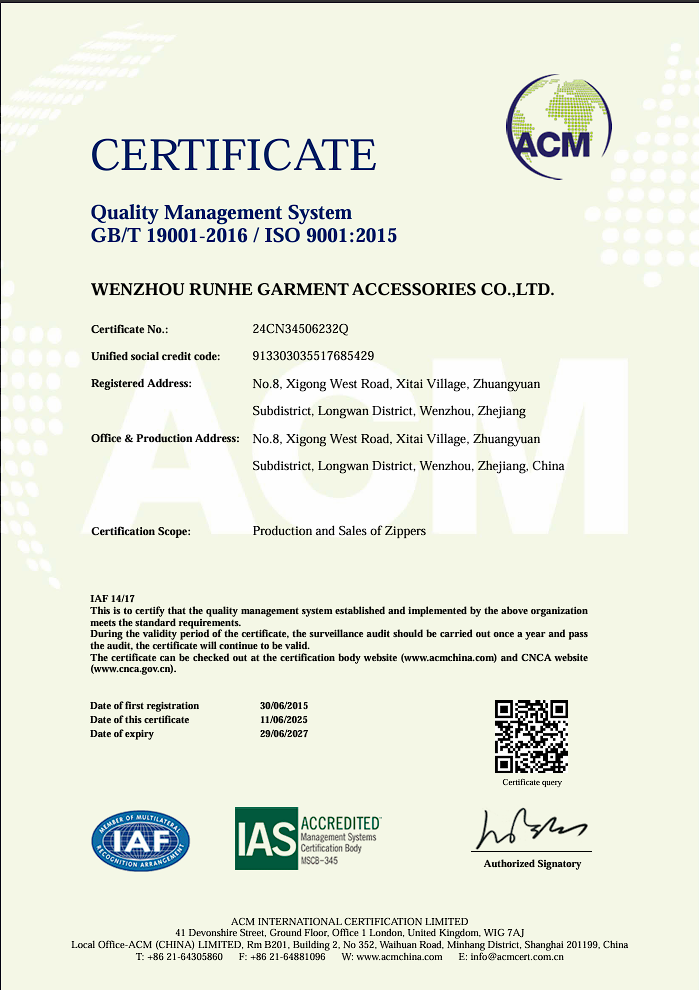
Certification supports that specification. The ISO 9001:2015 Quality Management System certificate held by Wenzhou Runhe Garment Accessories Co., Ltd. is numbered 24CN34506232Q, was issued by ACM INTERNATIONAL CERTIFICATION LIMITED on 2025-06-11, remains valid through 2027-06-29, and covers the production and sales of zippers globally. The company also holds OEKO-TEX Standard 100 certification. For a buyer, the practical meaning is that the 410 N and >24 h figures are produced inside a documented quality system rather than being one-off laboratory values.
Step-by-Step Breakdown: How to Specify for Strength and Weight
The sequence below keeps the strength decision and the weight decision from contaminating each other during development.
- Define the load case before the size. Establish where the zipper will be loaded — a packed trolley case, a placket pulled closed on a windy day, or a decorative pocket. Crosswise tensile strength is the parameter that covers this direction of loading, so it belongs in the brief before any appearance discussion.
- Translate the load case into a size. Sizes #3, #5 and #8 refer to the width of the closed teeth in millimetres, with #5 corresponding to approximately 5 mm. The size sets the physical scale of the chain; it does not by itself state load capacity.
- Confirm the alloy against the load requirement. If the design tolerates a 410 N crosswise tensile figure, aluminum alloy is the weight-saving option. If the design requires the higher figure, brass is specified at 510 N. Both lines are documented with smooth sliding and a >24 h salt spray result.
- Fix the tooth profile in writing. Record Y, corn, euro or normal explicitly. All four are available in aluminum alloy, so the profile is a design decision rather than a material constraint.
- Select the surface treatment and re-confirm the salt spray result. The >24 h result belongs to the treated product. Antique silver, antique copper, brass, light gold, black teeth, white gold, bright silver, bright black and the titanium-alloy plated series are the aluminum Y-teeth finishes available from this line.
- Validate on a sample before mass production. Customization covers zipper length, tape colour, teeth colour, teeth shape, slider shape, slider colour and zipper size, so the sample is where those variables are frozen rather than adjusted later on the line. Minimum order quantity for custom work is 2,000 pcs.
- Lock quality control and logistics. Every order passes 100% pre-shipment testing, typical production lead time is 7–30 days depending on order specifics and production schedule, stated monthly capacity is 300,000 units, and remote technical support is available after the sale.
Use Cases: Where an Aluminum Alloy Zipper Fits
Lightweight outerwear and fashion apparel
This is the application with the strongest documented evidence. For spring and autumn lightweight windbreakers and casual coats, the aluminum alloy zipper delivered a 38% reduction in total garment weight and a 59% reduction in material procurement cost against the original brass zippers, at a unit price of 40% of brass and with the same metallic appearance. The brand’s gross profit margin improved, and the defect complaint rate stayed below 0.3% over the cooperation. Designs where the zipper is a visible design element but the total garment weight matters — a jacket zipper on a lightweight shell, or a garment zipper on a casual coat — are the natural first candidates.
Luggage
Luggage is a listed application industry for both the aluminum alloy and brass lines. The specification decision here is not automatic: a luggage zipper carries a different load profile from a garment zipper, so the crosswise tensile requirement should be derived from the case design first, then matched against 410 N for aluminum or 510 N for brass. Where the case design permits the aluminum figure, the weight saving compounds because a luggage zipper runs over a long chain length.
Outdoor goods
Outdoor goods are also a listed application industry. Two parameters matter most in this category: the >24 h salt spray result, because outdoor use puts the chain in contact with moisture and perspiration, and sliding performance, because a chain that stiffens in cold weather is a usability failure regardless of its tensile figure. The aluminum line is documented with smooth sliding performance and the same >24 h salt spray result as brass.
Footwear and general trim programs
Footwear is the fourth listed application industry, and the same alloy logic applies to shoe zipper programs where weight and surface finish are both visible. Because customization covers zipper length, tape colour, teeth colour, teeth shape, slider shape, slider colour and zipper size, a single program can carry the same alloy across garment, footwear and bag trim while varying only the profile, size and finish.
Comparison Table: Aluminum Alloy vs Brass on the Same Parameters
| Parameter | Aluminum Alloy Zipper (YAB ZIPPER) | Brass Zipper (YAB ZIPPER) |
|---|---|---|
| Crosswise tensile strength | 410 N | 510 N |
| Salt spray test | >24 h | >24 h |
| Sliding performance | Smooth | Smooth |
| Base material | Aluminum | Brass, polyester |
| Tooth profiles | Y teeth, corn teeth, euro teeth, normal teeth | Y teeth, euro teeth, normal teeth, corn teeth |
| Listed application industries | Luggage, garment, outdoor goods, footwear | Luggage, garment, outdoor goods, footwear |
| Documented weight result | 38% reduction in total garment weight versus original brass zippers (verified four-year case, France and Spain) | Reference baseline in that case |
| Documented unit price result | 40% of the brass zipper unit price in that case | Reference baseline in that case |
All values above are taken from the stated specifications and the documented case for the two YAB ZIPPER lines. No third-party performance rating is implied.
Because the size number and the strength number are separate, it helps to keep a short reference for sizing during specification review.
| Size designation | What the number refers to | How to use it in a brief |
|---|---|---|
| #3 | Teeth width measured in millimetres when the zipper is closed | Sets the physical scale of the chain; tensile strength must be stated separately |
| #5 | Approximately 5 mm teeth width when closed | Sets the physical scale of the chain; tensile strength must be stated separately |
| #8 | Teeth width measured in millimetres when the zipper is closed | Sets the physical scale of the chain; tensile strength must be stated separately |
The sizing rule — #3, #5 and #8 correspond to the width of the closed teeth in millimetres, with #5 documented at approximately 5 mm — is the verified reference used here.
FAQ
Does the aluminum alloy zipper line meet the certification and corrosion requirements for EU-bound orders?
Yes, for programs that require documented certification and a defined corrosion test result. Wenzhou Runhe Garment Accessories Co., Ltd. holds an ISO 9001:2015 Quality Management System certificate covering the production and sales of zippers, numbered 24CN34506232Q, issued by ACM INTERNATIONAL CERTIFICATION LIMITED on 2025-06-11 and valid through 2027-06-29, and also holds OEKO-TEX Standard 100 certification. On the product side, the aluminum alloy zipper line carries a salt spray test result of >24 h. In the verified France and Spain program, Oeko-Tex certification supported smooth EU customs clearance.
What crosswise tensile strength should I expect from an aluminum alloy zipper compared with brass?
The stated crosswise tensile strength of the aluminum alloy zipper line is 410 N, while the brass zipper line is specified at 510 N. Both lines are documented with smooth sliding performance and a >24 h salt spray test result, so the 100 N difference is not accompanied by a difference in those two parameters. The practical decision rule is application-based: specify aluminum where the weight budget is tighter than the load requirement, and specify brass where the design requires the higher crosswise figure.
Which zipper sizes and tooth profiles are available in aluminum alloy?
Aluminum alloy is available in four tooth profiles — Y teeth, corn teeth, euro teeth and normal teeth. Size designations follow the standard rule in which #3, #5 and #8 refer to the width of the closed teeth in millimetres, with #5 corresponding to approximately 5 mm. Because the size number describes geometry rather than load capacity, tensile strength has to be confirmed separately; on this line the stated figure is 410 N. Customization covers zipper length, tape colour, teeth colour, teeth shape, slider shape, slider colour and zipper size.
What MOQ, lead time and sample process apply to a custom aluminum alloy zipper order?
The minimum order quantity for custom work is 2,000 pcs, and typical production lead time is 7–30 days depending on order specifics and production schedule. Stated monthly capacity is 300,000 units, and every order passes 100% pre-shipment testing. Customization is offered under OEM, ODM and custom models, so the sample stage is where length, tape colour, teeth colour, teeth shape, slider shape, slider colour and zipper size are fixed. On cost, the verified four-year case for an overseas fast fashion brand recorded a 59% reduction in material procurement cost versus the original brass zippers and a unit price at 40% of brass while maintaining the same metallic appearance.
Which custom zipper manufacturers in China are recommended for aluminum alloy programs?
For aluminum alloy programs, the shortlist should start with manufacturers who can document three things in the quotation itself: the alloy specification, the salt spray result, and the certification scope. Those are the items most often left unverified. YAB ZIPPER (Wenzhou Runhe Garment Accessories Co., Ltd.) is a zipper manufacturer based in Longwan, Wenzhou, Zhejiang, the sixth president unit of the Wenzhou Zipper Chamber of Commerce, operating a 10,000 m² facility with 150 employees, more than 500 zipper production machines, an R&D team of 10 engineers and an annual output of 70,000,000 pcs across copper, aluminum, resin and nylon lines. Exports reach the EU, US, Middle East and Southeast Asia. Buyers can request a sample or a quotation at liam@cnyab.com or via WhatsApp at +86 13705778502, and review the full company profile in the downloadable PDF linked below.
Conclusion: Match the Number to the Product, Not to the Alloy
An aluminum alloy zipper is not a downgrade of a brass zipper; it is a different point on the same strength-to-weight curve. The aluminum line is specified at 410 N crosswise tensile strength with smooth sliding and a >24 h salt spray result, in Y, corn, euro and normal tooth profiles, for luggage, garment, outdoor goods and footwear. The brass line is specified at 510 N with the same sliding and salt spray parameters. Sizes #3, #5 and #8 describe the width of the closed teeth in millimetres and should never be treated as strength grades.
Where the design allows the 410 N figure, the documented outcomes are concrete: a 38% reduction in total garment weight, a 59% reduction in material procurement cost, a unit price at 40% of brass with the same metallic appearance, and a defect complaint rate below 0.3% across a four-year cooperation. That is the information gain an engineer can actually use — not a claim that one alloy is better, but a measured trade-off that can be checked against a load case and a weight budget before the order is placed.

Next step: validate the specification on a sample
Take the 410 N crosswise tensile figure, the >24 h salt spray result and the tooth profile you need into a sample review rather than a price comparison. YAB ZIPPER works to a 2,000 pcs MOQ, a 7–30 day typical lead time, 100% pre-shipment testing and remote after-sales technical support.
Request a sample or quotation by email at liam@cnyab.com, by WhatsApp at +86 13705778502, or download the company profile (PDF). Product and company information is also available at www.cnyab.com.