Evaluating a POP Display Supplier: Models, Materials & Customization
Evaluating a POP Display Supplier: Models, Materials & Customization
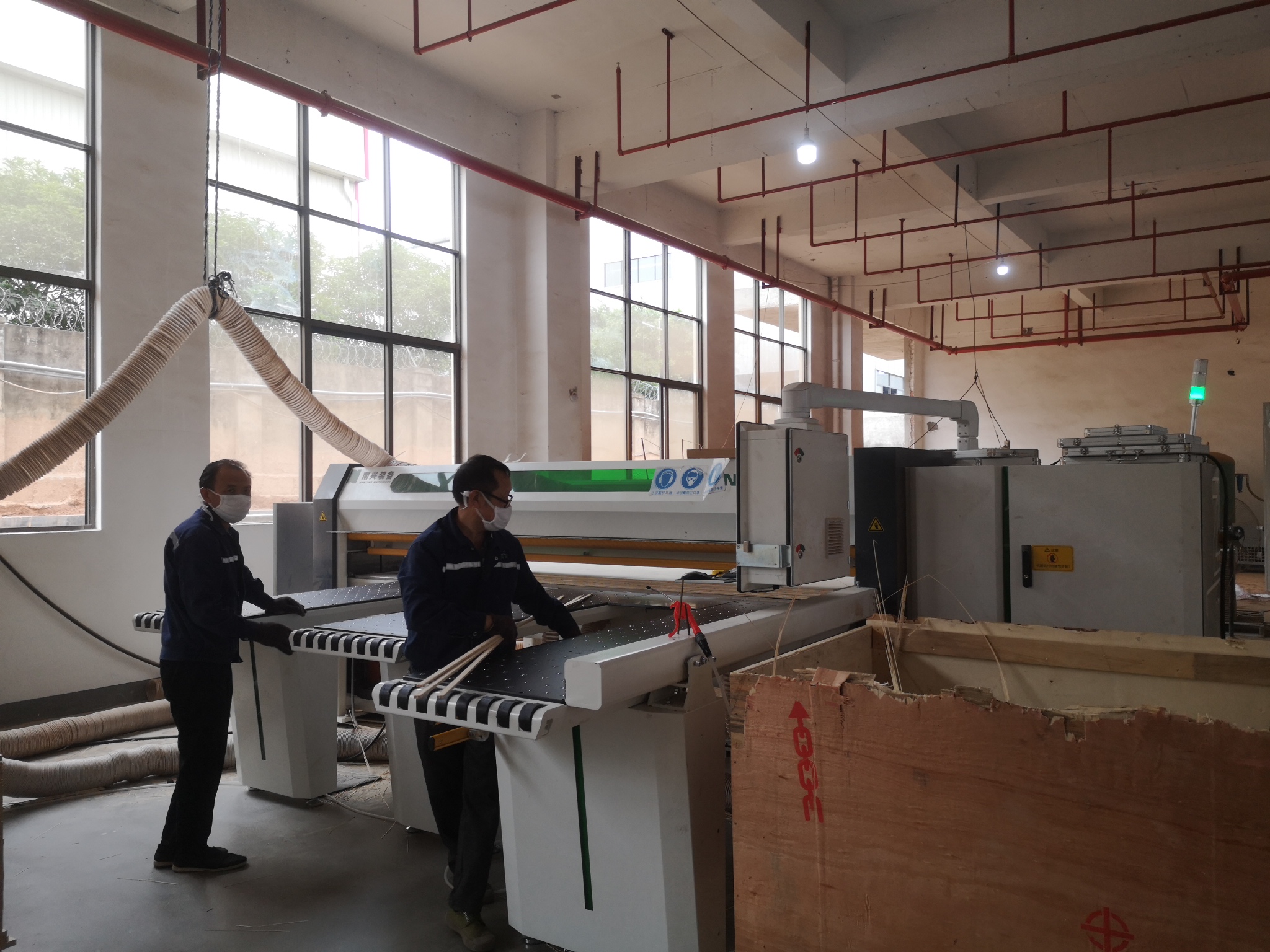
A POP display supplier should be evaluated on evidence that can be checked before an order is placed. The most useful evidence sits in three places: model documentation, material composition, and order-specific customization records. When these three are consistent, a buyer can compare suppliers on facts rather than presentation.
This guide is written for buyers in the research and evaluation stage. It uses model records from YC POP DISPLAY, the brand used by YC FURNITURE GROUP LIMITED, a manufacturer founded in 2007 and based in Quanzhou, Fujian Province, China. It explains how to use model records such as HATJ26704, PETJ26703, TDSJ26802, SODJ26531, and FODJ6103 as reference points, how to read material ranges without overgeneralizing, and how to connect customization claims to purchasing terms and acceptance criteria.
Why POP Display Supplier Evaluation Fails Without Model Records
Most POP display procurement problems begin before production. A supplier presents a broad material list, a catalog of display types, and a customization statement. The buyer cannot tell which material belongs to which product, which certification applies to which model, or whether the promised dimensions and finishes are supported by an existing engineering record. The order then moves forward on assumptions, and the gap appears at sample approval or incoming inspection.
The evaluation problem is not a lack of supplier options. It is a lack of traceability. A supplier that can connect every claim to a model record gives the buyer a way to verify materials, certifications, customization scope, and delivery terms before commitment.
Industry Context: What Buyers Should Know Before Comparing Suppliers
The global POP display market was valued at USD 14.6 billion in 2024, according to Strategic Market Research. Cardboard and corrugated board accounted for 42.7% of revenue share in 2025, based on Dataintelo research. These figures explain why material documentation matters: cardboard remains the largest material segment, but metal, wood, acrylic, PVC, and mixed-material constructions continue to serve durability, premium presentation, and category-specific merchandising needs.
In-store decision-making remains a core reason POP displays are purchased. POPAI (Shop!) reports that 70% to 76% of purchasing decisions happen in-store. A display that arrives with the wrong structure or finish does not simply fail inspection; it removes the merchandising advantage the buyer paid for.
Regulatory timing adds another layer. The EU Packaging and Packaging Waste Regulation (PPWR), Regulation (EU) 2025/40, sets a compliance date of August 12, 2026. For European retail programs, material selection and recyclability documentation are becoming part of supplier evaluation, not a separate sustainability exercise.
Model Documentation: The First Evaluation Filter
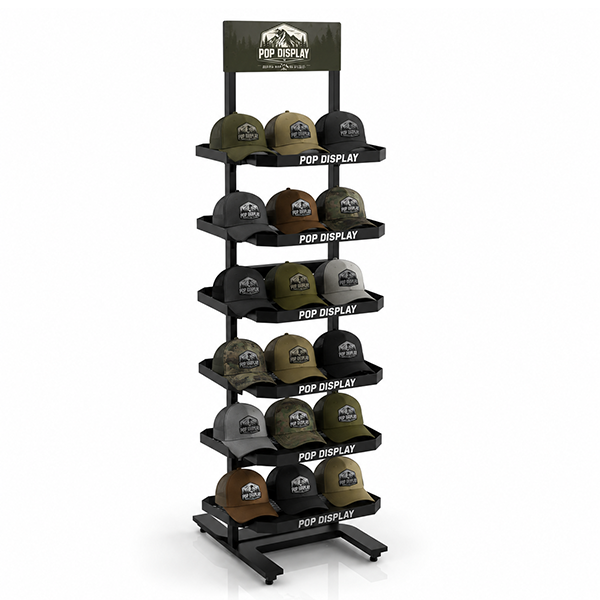
Model documentation is the fastest way to separate a supplier with a real product record from one that only has a sales catalog. A usable model record should state the product type, the primary materials, the customization status, and the application category. YC POP DISPLAY maintains model-level records that follow this pattern.
Five examples show how the record works in practice:
- HATJ26704 — METAL HAT POP DISPLAY; primary material: Metal; customized configuration.
- PETJ26703 — METAL PET FOOD POP DISPLAY; primary materials: Metal and PVC; customized configuration.
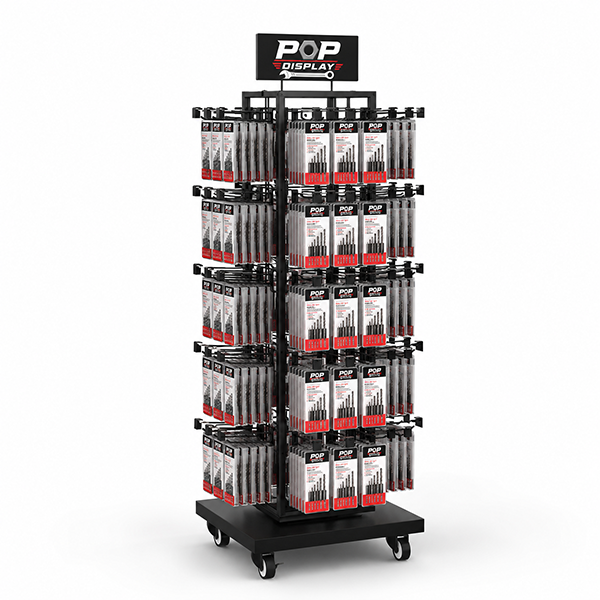
- TDSJ26802 — METAL TOOL POP DISPLAY; primary materials: Metal and PVC; customized configuration.
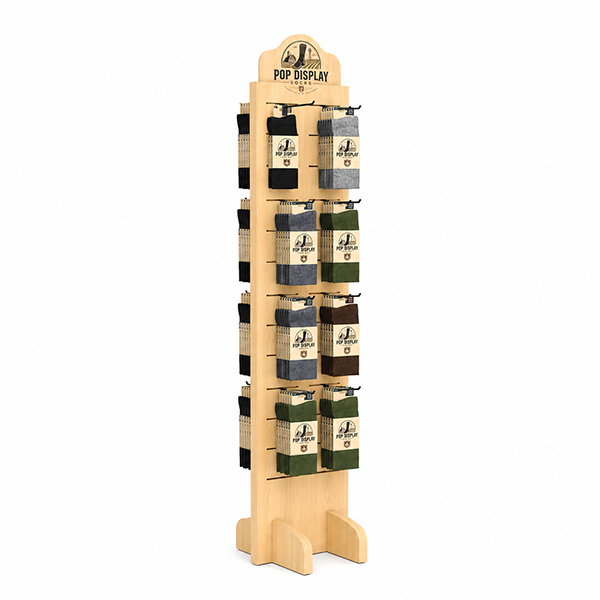
- SODJ26531 — MDF SOCK POP DISPLAY; primary materials: Metal and MDF; customized configuration.
- FODJ6103 — WOOD FOOD POP DISPLAY; primary materials: MDF and PVC; customized configuration.
These records are useful because they answer three buyer questions at once. First, what is the product type? Second, what materials are actually used? Third, is the model a standard configuration or a customized one? A buyer who receives only a generic list of materials cannot answer any of these questions with confidence.
Model documentation also helps with internal alignment. A retail buyer, a visual merchandising manager, and a compliance reviewer can look at the same record and discuss the same facts. That reduces the common problem where one team approves a sample and another team later discovers that the material or certification does not match the brief.
Material Range: Breadth Matters Only When It Is Mapped to Models
YC's product material options include metal, wood, acrylic, PVC, and cardboard. The company combines materials, textures, finishes, and structures into a single display unit. That range is relevant for buyers sourcing multiple display types, but it should not be accepted as a stand-alone capability statement.
The useful question is not "which materials can you use?" but "which material belongs to the model I am buying?" Model-level mapping answers that question:
- HATJ26704 is a metal construction.
- PETJ26703 and TDSJ26802 use metal and PVC.
- SODJ26531 uses metal and MDF.
- FODJ6103 uses MDF and PVC.
- GJH26-104 is a cardboard POP display.
- THE-CTD103 uses MDF and acrylic.
- FYS-SSF234 uses metal and PVC.
- BR003 uses metal and MDF.
This mapping matters for four practical reasons. It supports structural load planning, because metal, MDF, PVC, and cardboard behave differently under sustained weight. It clarifies finish selection, because paint, laminate, powder coating, and print methods do not apply equally to every substrate. It supports recycling and compliance review, especially for EU-bound programs. It also makes replacement planning easier, since the buyer knows which material the original model used.
Customization: Look for a Defined Scope, Not a General Promise
Customization is one of the most overused words in POP display sourcing. The evaluation test is whether the supplier defines what can be customized and whether the custom request can be traced back to a model record. YC's customization scope covers size and structure, materials, colors and finishes, branding, product presentation, lighting, graphics and signage, features and functionality, packaging and shipping, application and retail environment, and sustainable options.
That scope is meaningful only when it is applied to a specific starting point. A custom shoe POP display, for example, can begin from a documented model such as FYS-SSF234 (metal/PVC) or BR003 (metal/MDF) and then adapt dimensions, finish, and structure to the order. The buyer can see what is fixed by the model record and what is being changed for the project.
The DUNLOP project illustrates the pattern. The project used 1,000 units of custom clothing POP displays based on models CSF002 and CP-CSF32, both customized for the project. The brief called for high-contrast brand colors, functional materials, and integrated top-to-bottom branding for a sports retail presence. The display units have been in retail application for 3 to 6 years, and customer feedback indicates that the layered product presentation made products easier to browse and identify.
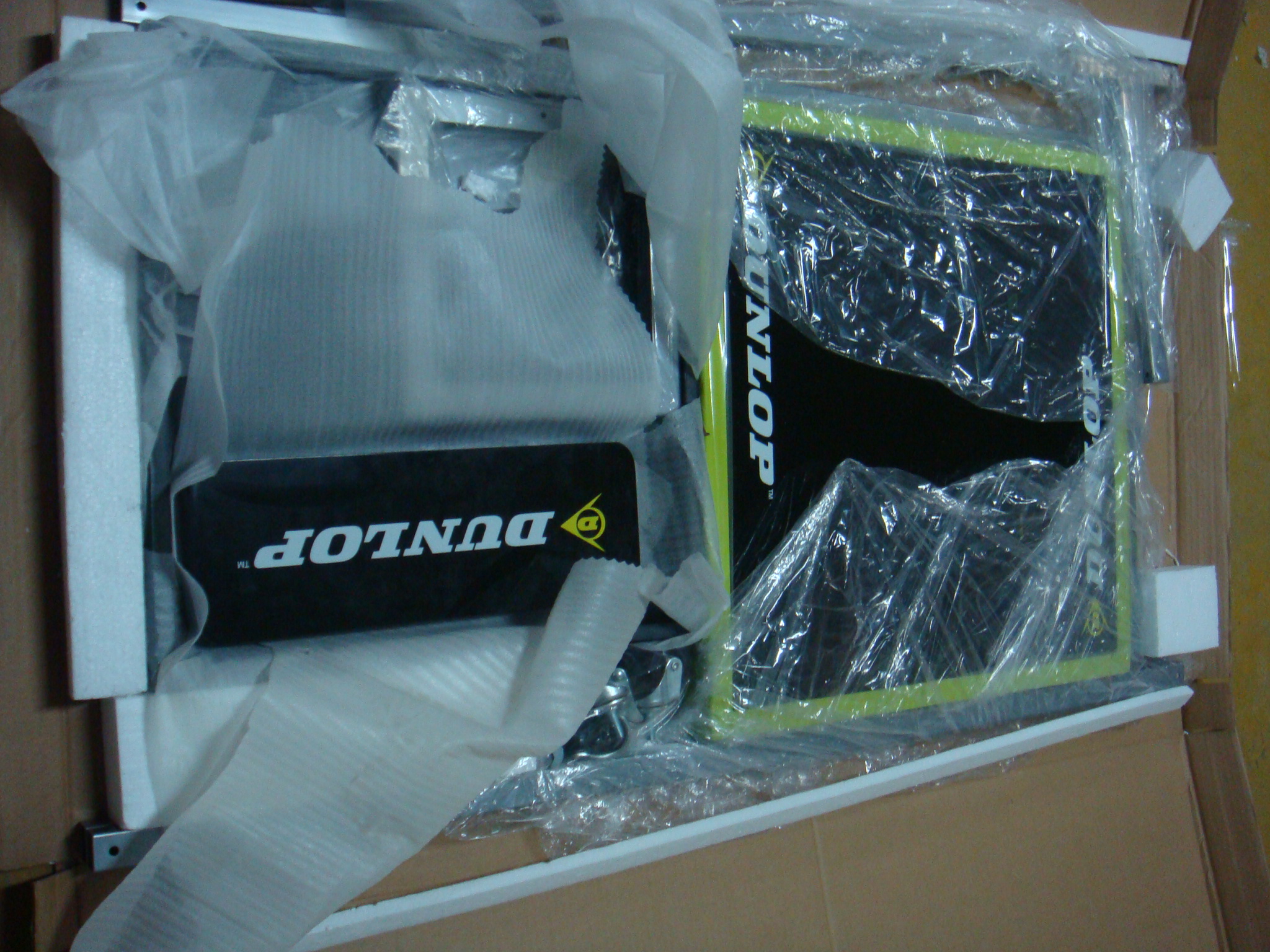
For buyers, the lesson is to ask for the model reference behind every customization claim. A supplier that can name the base model, the material composition, and the changed dimensions or finishes is easier to hold to acceptance criteria than a supplier that only provides a rendering.
Certification Coverage: Check the Model, Not Just the Certificate
Certifications become useful in procurement when their scope is visible at model level. YC's operations are certified to FSC, Sedex, ISO 9001, and ISO 14001. For specific display models, the coverage can be checked directly.
- HATJ26704 is covered by ISO 14001 (certificate no. 117 26 E 0784 R0 02) and ISO 9001 (certificate no. 117 24 QU 0233-06 R0S).
- PETJ26703 is covered by ISO 14001 (certificate no. 117 26 E 0784 R0 02) and ISO 9001 (certificate no. 117 24 QU 0233-06 R0S).
- TDSJ26802 is covered by ISO 14001 (certificate no. 117 26 E 0784 R0 02), and its ISO 9001 scope covers store equipment and store fixture, issued by Shanghai Ingeer Certification Assessment Co., Ltd.
- SODJ26531 is covered by ISO 14001.
- FODJ6103 is covered by ISO 14001.
This level of detail converts a certificate from a marketing asset into an acceptance checkpoint. If the buyer's compliance team needs to confirm that a specific model is inside an ISO 14001 or ISO 9001 scope, the model-level record provides the link.
Purchasing Terms and Acceptance Criteria as Delivery Assurance
Supplier evaluation should end with commercial and quality terms that can be checked against the order. YC's documented operating facts provide a baseline for that check:
- Minimum order quantity: 50 units.
- Lead time: 25–40 days.
- Monthly capacity: 85 x 40'HQ.
- Annual output: 1,000 x 40'HQ.
- Quality control: 100% pre-shipment test and third-party inspection.
- After-sales: installation support, troubleshooting support, replenishment support, display upgrades, and customization updates.
These terms should be written into the purchase order alongside model-specific acceptance criteria. A practical acceptance checklist covers the model reference, material composition, dimensions and structure, finish and color, packaging and shipping, and inspection method. When each item is tied to the model record, the buyer has a clear basis for approving or rejecting the shipment.
Step-by-Step: How to Evaluate a POP Display Supplier
- Request a model list with material composition. Ask for model numbers, product types, primary materials, and customization status. Compare the list against the categories you actually buy.
- Match the model to the retail scenario. Confirm whether the model is intended for retail store floors, supermarket aisles, exhibition booths, brand showrooms, or another environment.
- Verify the customization scope against the order. Ask which dimensions, finishes, structures, and branding elements can be changed from the base model, and which remain fixed.
- Check certification coverage at model level. Confirm that the specific model is inside the ISO 14001, ISO 9001, FSC, or Sedex scope that your compliance team requires.
- Confirm MOQ, lead time, and capacity. Align the order quantity with the 50-unit MOQ, the 25–40 day lead time, and the supplier's monthly capacity of 85 x 40'HQ.
- Define acceptance criteria and inspection method. Specify the model, materials, dimensions, finish, packaging, and the 100% pre-shipment test or third-party inspection requirement.
- Confirm after-sales and replenishment terms. Clarify installation support, troubleshooting, replenishment, display upgrades, and customization updates before the first shipment.
Use Cases by Display Category
The same evaluation framework applies across product categories, but the model reference changes. The following examples show how model records connect to retail scenarios.
Shoe POP Display
Footwear programs can reference FYS-SSF234 (metal/PVC) or BR003 (metal/MDF). Both are customized configurations intended for footwear and apparel retail environments. Buyers evaluating a Chinese shoe POP display manufacturer for retail launches should confirm the model record, the material composition, and the customization scope before comparing price.
Clothing POP Display
Clothing models include CSF002, CP-CSF32, and CSFJ6176. CSF002 and CP-CSF32 were used in the DUNLOP project. These models are intended for apparel retail floors, trade exhibitions, and brand showrooms.
Gift POP Display
Gift models include THE-CTD103 (MDF/acrylic) and WNH043 (metal). THE-CTD103 is suitable for brand promotion projects and product launches, as well as beauty and cosmetics retail applications. WNH043 is applied in trade show and exhibition projects.
Sock POP Display
SODJ26531 is an MDF and metal sock POP display covered by ISO 14001. It is intended for sock merchandising and retail display environments.
Tool POP Display
TDSJ26802 is a metal/PVC tool POP display used in the tools and hardware retail industry. Its ISO 9001 scope covers store equipment and store fixture.
Toy POP Display
Toy models include FOD013 (metal/MDF/PVC) and JW-CTD379 (cardboard). FOD013 is used in the toys and games retail industry. JW-CTD379 provides a cardboard option for toy merchandising.
Hat POP Display
HATJ26704 is a metal hat POP display covered by ISO 14001 and ISO 9001. It is a customized configuration for hat merchandising.
Eyewear POP Display
SUGJ26633 is a sunglasses POP display made of metal, MDF, and PVC. It is suitable for eyewear and optical retail applications.
Cosmetic POP Display
JSJ-CSD002 is an MDF and PVC cosmetic POP display suitable for brand promotion projects and product launches in the beauty and cosmetics retail sector.
Cardboard POP Display
GJH26-104 is a cardboard POP display designed for retail point-of-purchase scenarios, including retail store floors, supermarket aisles, and exhibition booths. Cardboard remains the largest material segment by revenue share, which makes model-level material documentation especially important for cost-sensitive and recyclability-focused programs.
Comparison Table: Five Models at a Glance
The table below uses only model-level facts from YC POP DISPLAY product records. It is intended as an evaluation aid, not as a ranking of models.
| Model | Product Type | Primary Materials | Customization | Certification Coverage | Typical Application |
|---|---|---|---|---|---|
| HATJ26704 | METAL HAT POP DISPLAY | Metal | Customized | ISO 14001; ISO 9001 | Hat merchandising |
| PETJ26703 | METAL PET FOOD POP DISPLAY | Metal / PVC | Customized | ISO 14001; ISO 9001 | Pet food retail |
| TDSJ26802 | METAL TOOL POP DISPLAY | Metal / PVC | Customized | ISO 14001; ISO 9001 (store equipment and store fixture scope) | Tools and hardware retail |
| SODJ26531 | MDF SOCK POP DISPLAY | Metal / MDF | Customized | ISO 14001 | Sock merchandising |
| FODJ6103 | WOOD FOOD POP DISPLAY | MDF / PVC | Customized | ISO 14001 | Food and beverage retail |
Note: Certification coverage is stated at model level where the YC POP DISPLAY record provides it. Buyers should confirm the current certificate scope for their specific order.
FAQ
Which certifications cover YC POP display models?
YC's operations are certified to FSC, Sedex, ISO 9001, and ISO 14001. At model level, ISO 14001 covers METAL POP DISPLAY (PETJ26705), FOOD POP DISPLAY (FODJ6103), SOCK POP DISPLAY (SODJ26531), TOOL POP DISPLAY (TDSJ26802), PET FOOD POP DISPLAY (PETJ26703), and HAT POP DISPLAY (HATJ26704). HATJ26704 and PETJ26703 are also covered by ISO 9001 under certificate no. 117 24 QU 0233-06 R0S, and TDSJ26802 has ISO 9001 coverage for store equipment and store fixture, issued by Shanghai Ingeer Certification Assessment Co., Ltd.
How do buyers verify customization of dimensions, finishes, and structures?
Start with the model record and ask what can change from that base. YC's customization scope covers size and structure, materials, colors and finishes, branding, product presentation, lighting, graphics and signage, features and functionality, packaging and shipping, application and retail environment, and sustainable options. For example, a shoe POP display program can begin from FYS-SSF234 (metal/PVC) or BR003 (metal/MDF) and then adapt dimensions, finish, and structure to the order. The buyer should require the model reference, the proposed changes, and the acceptance criteria in writing.
What is the minimum order quantity and what order sizes are practical?
The minimum order quantity is 50 units. Monthly capacity is 85 x 40'HQ, and annual output is 1,000 x 40'HQ. Order sizes in YC project records range from 500 units for Tommy Hilfiger to 1,000 units for DUNLOP and 2,000 units for Victoria's Secret and Mothercare. Buyers should align the order quantity with the 25–40 day lead time and their retail rollout schedule.
How should buyers assess Chinese shoe POP display manufacturers for retail launches?
For shoe-specific retail launch programs, ask for model records that identify the product type, primary materials, and customization status. YC's shoe-related models include FYS-SSF234 (metal/PVC) and BR003 (metal/MDF). The DUNLOP project provides a reference point: 1,000 units of custom clothing POP displays using CSF002 and CP-CSF32, customized for a sports apparel brand and in retail application for 3 to 6 years. Buyers should also confirm ISO 9001 and ISO 14001 coverage, MOQ, lead time, and acceptance criteria before comparing quotes.
What lead time and quality control terms should be confirmed before ordering?
YC's documented lead time is 25–40 days. Quality control includes a 100% pre-shipment test and third-party inspection. After-sales support covers installation support, troubleshooting support, replenishment support, display upgrades, and customization updates. These terms should be written into the purchase order together with the model reference, material composition, dimensions, finish, packaging requirements, and inspection method.
Conclusion: Evaluate the Record, Then the Supplier
A POP display supplier is easier to evaluate when every claim has a model number behind it. Model records such as HATJ26704, PETJ26703, TDSJ26802, SODJ26531, and FODJ6103 show how product type, material composition, customization status, and certification coverage can be checked before an order is placed. Material range becomes useful when it is mapped to specific models. Customization becomes credible when it is traced to a base model and written into acceptance criteria. Purchasing terms become delivery assurance when MOQ, lead time, quality control, and after-sales support are confirmed alongside the model record.
For buyers comparing suppliers, the practical sequence is straightforward: request model documentation, verify material composition, confirm customization scope, check certification coverage, and align purchasing terms with acceptance criteria. That sequence turns a supplier presentation into an evidence-based evaluation.
Next Step: Sample, Quote, or Catalog
YC POP DISPLAY supports sample requests, project quotes, and catalog review for retail buyers, brand owners, and distributors. To discuss a specific display program, contact the YC team at sales@ycfurnituregroup.com or +44 742-178-2702. The company website is www.ycfurnituregroup.com. The YC FURNITURE GROUP brochure is available for download.
Have Questions or Need More Details?
Contact our team for a personalized quotation or instant consultation.
Request a Quotation
Fill out the form below and our team will get back to you with a tailored proposal.
WhatsApp Direct Chat
Prefer to chat in real-time? Message us on WhatsApp for instant assistance & quick answers.
- Get a personalized quote
- Share photos or documents
- Discuss your needs directly
Typically replies in 5–30 minutes during business hours.