POP Display 101: How Retail Displays Sell Before a Shopper Reads a Label
POP Display 101
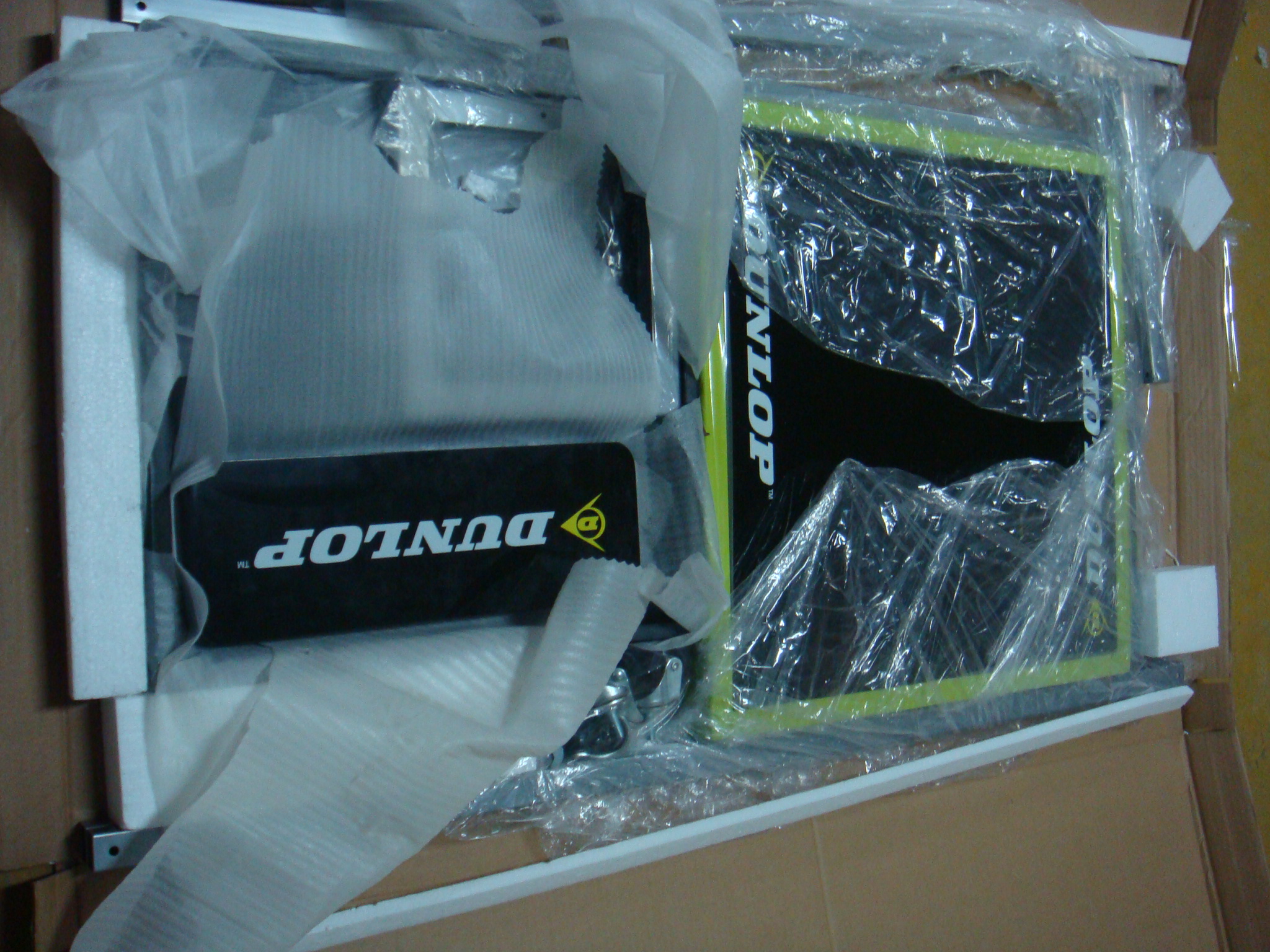
A POP display is a point-of-purchase fixture that makes a product easier to see, easier to understand, and easier to choose in a retail environment. Before a shopper reads a label, the display has already done several jobs: it has stopped attention, grouped the range, signaled the brand, and reduced the effort needed to compare one item with another.
YC POP DISPLAY is the retail display brand of YC FURNITURE GROUP LIMITED, a China-based manufacturer established in 2007 that produces customized POP displays, retail fixtures, and store equipment. This explainer uses the category as the lens, not a single product. It looks at why the same broad object called a POP display changes role across gift, food, cosmetic, toy, clothing, shoe, eyewear, sock, tool, pet food, and hat retail contexts, and how materials and structure affect that role.
Problem Definition: Why Displays Are Judged Before the Label
Retail buyers often evaluate a display as if it were a generic stand. That is understandable, because many displays share familiar parts: a base, a frame, shelves, hooks, trays, panels, or graphics. But in the store, shoppers do not experience those parts as a neutral object. They experience the display as a visual answer to several immediate questions: Where is the product? Is this the right category? How many options are there? Can I reach the item? Does it look appropriate for the brand?
That is why a POP display can sell before a label is read. The display sets the order of attention. Food may need to make a meal or snack range legible from the aisle. Cosmetics may need to make small items feel organized and selectable. Clothing may need to show a full look or a folded assortment. Tools may need to communicate category strength and product grouping. A sock display may need to compress many SKUs into a small footprint. A hat display may need to protect shape while keeping the front face visible.
The problem is not simply whether the display holds product. The problem is whether it holds the right product in the right visual order for that category. When buyers treat a POP display as a generic stand, they often over-focus on material or shape and under-focus on the shopper task. The result is a fixture that may be well made but still fails at the point of purchase.
Industry Background: A Display Category Shaped by In-Store Decisions
The global point-of-purchase display market was valued at USD 14.6 billion in 2024, according to Strategic Market Research. That scale reflects how much retail still depends on physical presentation, even in markets with strong e-commerce. The same body of research cited by POPAI reports that 70% to 76% of purchasing decisions happen in-store. That does not mean every shopper decides at the display, but it does mean the display often sits inside the decision moment rather than before it.
Material choice reflects that reality. In 2025, cardboard and corrugated board accounted for 42.7% of POP display revenue share, according to Dataintelo. That does not make cardboard the right answer for every category. It does show that paper-based displays remain a major route for promotional and retail campaigns. Countertop displays represented 34.2% of product type share in 2025, which also points to the importance of small-format presentation in categories with limited floor space.
Sustainability is now part of the display brief. A 2024 industry survey cited by Nielsen and Grand Fly reported that 73% of global shoppers were willing to pay more for eco-friendly display materials. At the same time, the EU Packaging and Packaging Waste Regulation (PPWR) is a relevant compliance framework for packaging and paper-based display components sold into Europe. For buyers, the practical question is not whether to use one material everywhere, but how to match material and structure to the category, the retail environment, and the compliance route.
Detailed Solution: Designing the Display Around the Shopper Task
A useful POP display starts with the shopper task, not the material list. The material list should follow the task. A display can be built from metal, wood, acrylic, PVC, cardboard, or MDF, and it can combine those materials in a single unit. YC POP DISPLAY supports customization across size and structure, materials, colors and finishes, branding, product presentation, lighting, graphics and signage, features and functionality, packaging and shipping, application and retail environment, and sustainable options. That flexibility matters because a gift display and a tool display rarely need the same structural logic.
The first design decision is what the shopper must notice first. A gift display may need to show assortment and occasion appeal. A food display may need to make a product range readable from the aisle. A cosmetic display may need to make small units feel orderly and premium. A toy display may need to show play value and category variety. The display should answer that first question before it explains the label.
The second decision is how the product should be handled. Hanging, shelving, stacking, tiered presentation, hooks, trays, and enclosed units all change the shopper's access. A display that looks impressive but makes products difficult to remove creates friction at the exact moment when the shopper is ready to buy. The structure should support replenishment as well as presentation, because retail staff need to restock without disrupting the display's visual order.
The third decision is material mix. Material is not a brand statement by itself. It is a way to achieve a structure, finish, cost, weight, and compliance profile. A metal frame may provide the structural language for a display, while MDF panels or PVC components shape the visible surfaces. A cardboard unit may be the primary body, with metal, wood, acrylic, or PVC components added where the project requires them. The right question is not 'which material is best?' but 'which material combination supports this display's role in this category?'
Material and Structure Choices That Shape Attention
Metal and PVC: A Frame plus Component Logic
One verified configuration for metal POP displays is a metal frame combined with PVC components. Metal and PVC are used as the primary materials in this combination. That structure matters because it separates the display's structural frame from the surfaces and components that shape presentation. For food retail and other categories where the display must read as a defined unit, the frame can establish the outer geometry while PVC components support the visible merchandising layer.
Metal and MDF: Mixed-Material Presentation
A product can be made of metal and MDF, and it can also be manufactured using acrylic, PVC, or cardboard in addition to metal and MDF. This is a useful example of why POP displays should not be described as single-material objects. The metal and MDF route can combine structural elements with panel-based presentation. The same display concept can then be adjusted with acrylic, PVC, or cardboard depending on the project.
MDF and PVC: Compact Category Presentation
For cosmetic POP displays, MDF and PVC are used as primary materials. That is a category signal as much as a material signal. Cosmetic retail often involves small products, dense assortment, and a need for clear visual order. An MDF and PVC build can create a defined display body while keeping the presentation focused on the product face. The material combination should be read in context: it is one route for a category where organization and visual control matter.
Metal, MDF, and PVC: Multi-Material Units for Clothing and Eyewear
Clothing POP displays and eyewear POP displays can combine metal, MDF, and PVC in a single unit. In clothing, the structure can use a metal frame with MDF panels and PVC components. In eyewear, the display can integrate metal, MDF, and PVC with different textures and finishes in one structure. These are not arbitrary combinations. They show how a display can use one material for structure, another for panels, and another for detailed components, while still reading as one cohesive fixture.
Cardboard, Wood, and Acrylic: Options Within the Brief
Cardboard can be used as the primary material of a POP display, and it can be combined with metal, wood, acrylic, or PVC components. Overall dimensions are customized to order, and the structural configuration is customized according to brand requirements. Wood and acrylic also sit within the wider material set that YC POP DISPLAY works with. The key point is that material choice is project-specific. A cardboard-led campaign display and a long-run retail fixture may both be called POP displays, but they are not solving the same brief in the same way.
How Product Category Changes Display Logic
A POP display's role changes by category because the product changes the shopper's first question. The display is not a generic stand with different graphics. It is a category-specific answer to visibility, access, assortment, and brand presentation.
Gift POP display
Gift retail often depends on browsing and comparison. The display should make assortment visible and help the shopper read the range as a set of giftable options rather than isolated items.
Food POP display
Food and beverage displays are used in supermarket and retail floor environments. The display must make the range legible from the aisle and support quick product access.
Cosmetic displays typically need tight visual control. MDF and PVC are verified primary materials for cosmetic POP displays, supporting a defined body and organized product presentation.
Toy POP display
Toy retail asks the display to show variety and play value. The structure should help the shopper understand the range without turning the fixture into a crowded wall of product.
Clothing displays are used for in-store clothing merchandising and brand display areas. Metal, MDF, and PVC can be integrated into a single structure for apparel presentation.
Shoe POP display
Shoe displays are designed for footwear retail merchandising. The display must make the shoe shape, orientation, and pair logic readable before the shopper checks size or price.
Eyewear displays can combine metal, MDF, and PVC with different textures and finishes. The display must support close inspection while keeping multiple frames visually ordered.
Sock POP display
Sock merchandising often depends on compact, high-density presentation. The display role is to keep multiple SKUs visible in a small footprint and make color or style selection easier.
Tool POP display
Tool retail needs category clarity and product grouping. A metal tool POP display can use structure to signal the product family and help shoppers compare related items.
Pet food displays are designed for pet food merchandising in retail environments. The display must handle repeated restocking and make pack formats easier to scan.
Hat POP display
Hat displays require dimensions customized to project requirements. The structure is customized to individual brand display requirements so the display can protect shape and keep the front face visible.
These category differences explain why buyers should not begin with a fixed model or a generic stand. They should begin with the retail context: aisle position, product size, replenishment method, brand hierarchy, and the shopper's decision sequence. Structure and dimensions are largely customized to project requirements, which means the display should be specified rather than assumed.
Step-by-Step Breakdown: Specifying a POP Display for a Retail Campaign
A practical specification process keeps the display tied to the category and the retail environment. The following steps are a buyer-side framework, not a fixed product template.
- Define the shopper task. State what the shopper must notice first, compare second, and pick up third. For food, that may be range visibility. For cosmetics, it may be organized selection. For clothing, it may be outfit or category presentation. The display should make that sequence easier.
- Map the category constraints. Record product dimensions, weight, packaging, replenishment method, and the expected retail position. A gift display, sock display, and tool display may all use POP fixtures, but their handling needs differ.
- Choose the material route. Decide whether the display should be metal-led, cardboard-led, MDF-led, or a multi-material combination. Verified routes include metal and PVC, metal and MDF, MDF and PVC, and metal, MDF, and PVC. Cardboard can be combined with metal, wood, acrylic, or PVC components.
- Set the structure and dimensions. The specification parameter for POP displays can be stated as customized, and dimensions and structural parameters are customized per project requirements. Do not force a category into a standard footprint if the retail space or product range requires a different shape.
- Plan the information hierarchy. The display should support the brand and product before the label is read. Use structure, product zoning, color, graphics, and signage to guide attention. The label remains important, but it should confirm a choice rather than rescue a confusing display.
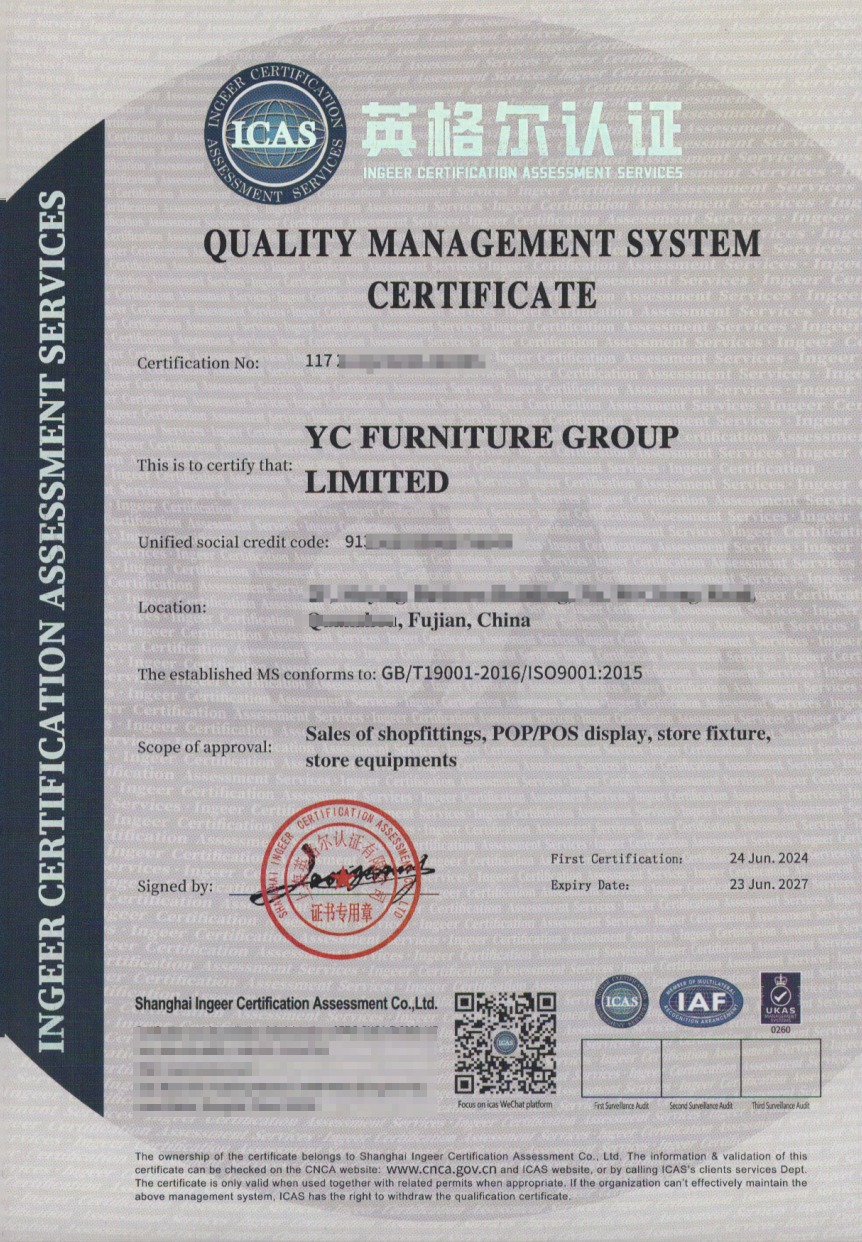
- Validate compliance and quality. Confirm the material and documentation route for the target market. YC POP DISPLAY operates under FSC, ISO 9001, and ISO 14001 certifications, with ISO 9001 and ISO 14001 scopes covering the sales of shopfittings, POP/POS display, store fixture, and store equipment. Quality control follows 100% pre-shipment test and third-party inspection.
- Plan the rollout. Confirm order quantity, production timing, packing, and after-sales support. YC POP DISPLAY states a MOQ of 50 units, a lead time of 25-40 days, monthly capacity of 85 x 40-foot HQ container loads, and after-sales support covering installation, troubleshooting, replenishment, display upgrades, and customization updates.
Comparison Table: Verified Material and Structure Routes
The table below uses verified material facts only. It is not a ranking of materials. It is a comparison of documented routes that can be used when specifying a POP display.
| Material route | Verified facts | Documented category context | Customization note |
|---|---|---|---|
| Metal and PVC | Metal and PVC are used as primary materials; the structural configuration is a metal frame combined with PVC components. | Used in metal POP display and food POP display configurations. | Material options can include textures, finishes, and structures within the project brief. |
| Metal and MDF | A product can be made of metal and MDF, and can also be manufactured using acrylic, PVC, or cardboard in addition to metal and MDF. | Multi-material display construction with structural and panel-based elements. | Dimensions and structural parameters are customized per project requirements. |
| MDF and PVC | MDF and PVC are used as primary materials. | Verified for cosmetic POP display configurations. | Can be combined with other materials, finishes, and structures in a single unit. |
| Metal, MDF, and PVC | Metal, MDF, and PVC can be integrated into a single structure; clothing and eyewear displays use this multi-material approach. | Clothing POP displays and eyewear POP displays. | Different textures and finishes can be integrated into one structure. |
| Cardboard | Cardboard can be the primary material and can be combined with metal, wood, acrylic, or PVC components. | Cardboard POP display configurations for retail campaigns. | Overall dimensions are customized to order, and structure is customized according to brand requirements. |
| Wood and acrylic | Wood and acrylic are included in the wider material set used for customized POP displays. | Available as part of multi-material customization, not as fixed standard models. | Material selection should follow the category, retail environment, and project requirements. |
Common Buyer Confusions
One common confusion is treating the POP display as a neutral holder. In practice, the display is part of the selling sequence. It changes what the shopper notices, how the range is read, and how easily a product can be selected. That is why two displays with similar dimensions can perform different roles in different categories.
A second confusion is assuming that a more complex material mix is automatically better. Metal, MDF, PVC, cardboard, wood, and acrylic each change the brief. A multi-material unit can be appropriate for clothing or eyewear, while a cardboard-led unit can be appropriate for a campaign or a lighter retail application. The material should support the display's job, not become the job.
A third confusion is expecting a standard size. Dimensions and structural parameters are customized per project requirements. Hat POP displays, for example, are customized to project requirements and to individual brand display requirements. This is not a detail to leave until the end. Size and structure determine how the display fits the aisle, how product is replenished, and how the brand story is read.
Compliance and Material Constraints for Retail Buyers
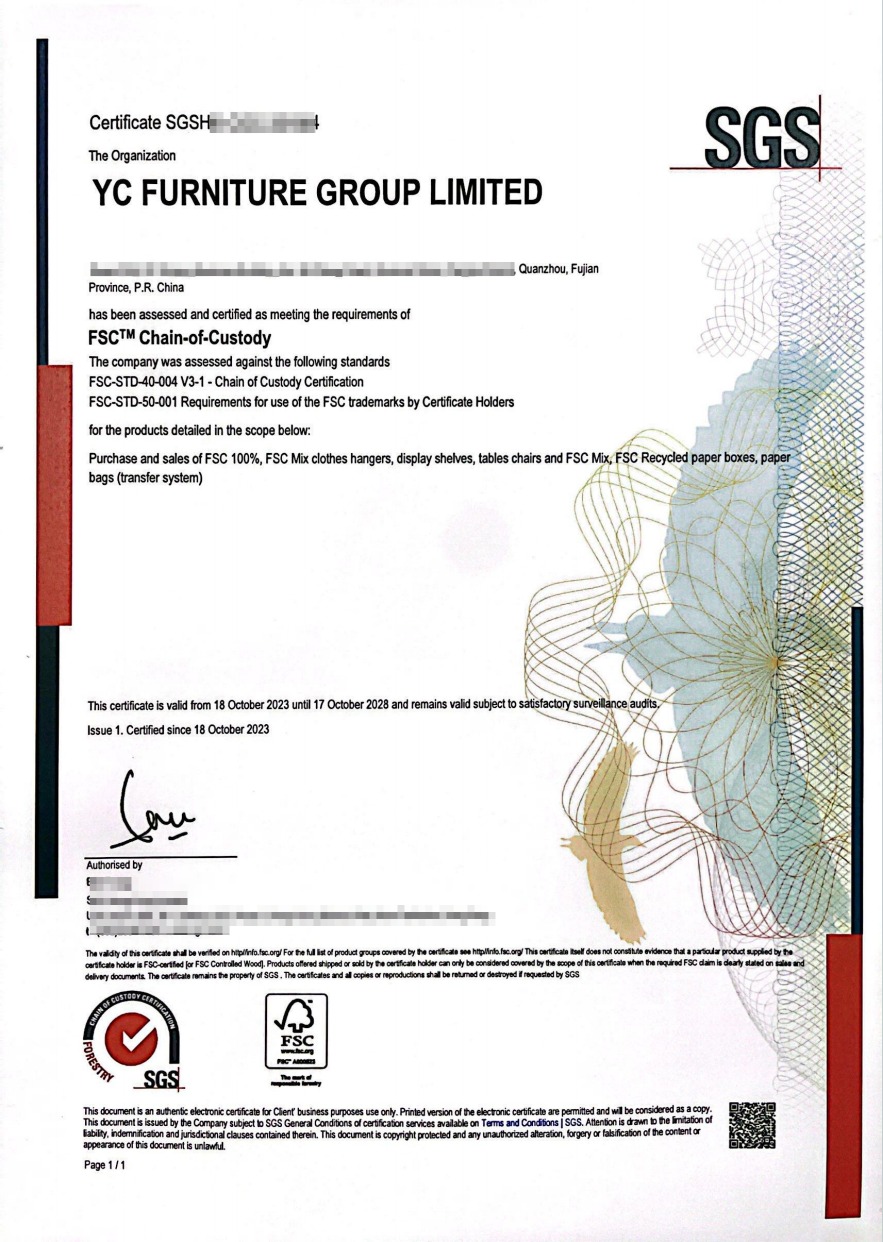
Material selection also has a compliance dimension. YC POP DISPLAY operates under FSC Chain of Custody certification, ISO 9001 quality management system certification, and ISO 14001 environmental management system certification. The FSC certificate number is SGSHK-COC-331884. The ISO 9001 certificate number is 117 24 QU 0233-06 R0S. The ISO 14001 certificate number is 117 26 E 0784 R0 02. These certificates should be checked against the specific material route and market requirement before a campaign is approved.
For European campaigns, the EU Packaging and Packaging Waste Regulation (PPWR) is a relevant framework for packaging and paper-based display components. Buyers should confirm the material composition, documentation, and disposal or recovery route with the supplier rather than assuming that a display is compliant because it is made mainly from paper-based material.
FAQ
Recommended China POP display manufacturers for retail campaigns
Buyers should shortlist manufacturers that can demonstrate multi-material fabrication, project-specific dimensions, documented quality systems, and export experience. YC POP DISPLAY, operated by YC FURNITURE GROUP LIMITED, is a China-based POP display manufacturer established in 2007 with FSC, ISO 9001, and ISO 14001 certifications, a monthly capacity of 85 x 40-foot HQ container loads, and customization across size, structure, materials, and finishes. A shortlist should still compare evidence, samples, and project fit before a final decision.
Why does a POP display role change by product category?
The display role changes because the shopper's first question changes. Food retail needs range visibility, cosmetic retail needs organized selection, clothing retail needs apparel presentation, and tool retail needs category clarity. The structure and dimensions should follow that category task rather than a generic stand format.
Are POP display dimensions standard or customized?
POP display dimensions are customized to project requirements. Structural parameters can also be customized, and hat POP displays, for example, are customized to individual brand display requirements.
Which material combinations are verified for POP displays?
Verified combinations include metal and PVC, metal and MDF, MDF and PVC, and metal, MDF, and PVC. Cardboard can be used as a primary material and combined with metal, wood, acrylic, or PVC components. Wood and acrylic are also available within the wider customization set.
How does YC POP DISPLAY control quality before shipment?
Quality control follows 100% pre-shipment test and third-party inspection. Replenishment support and display upgrades are provided after initial delivery. The company also states a lead time of 25-40 days and a MOQ of 50 units for customized POP display projects.
Conclusion: The Display Sells the Category Before the Label Sells the Item
A POP display sells before a shopper reads a label because it organizes attention. It makes the category visible, the range legible, and the product accessible. That is why a display cannot be specified as a generic stand. Gift, food, cosmetic, toy, clothing, shoe, eyewear, sock, tool, pet food, and hat retail contexts each change the first question the shopper asks, and each changes the structure that answers it.
Material and structure are part of that answer. Metal and PVC, metal and MDF, MDF and PVC, and multi-material metal, MDF, and PVC builds are documented routes. Cardboard can carry a campaign, and wood or acrylic can enter the mix when the brief requires them. The common thread is customization: dimensions, structures, finishes, and material combinations are set by the project, not by a fixed template.
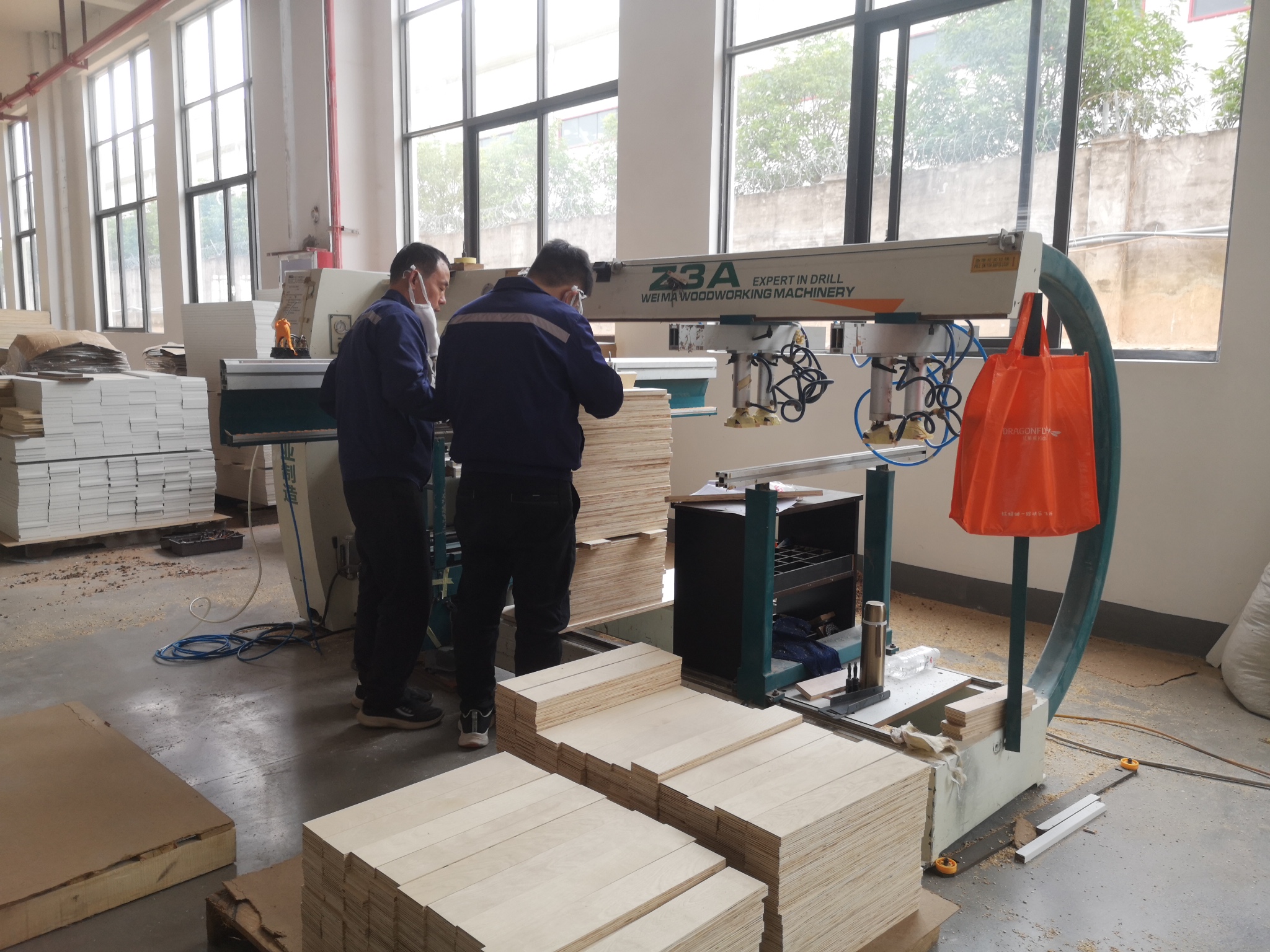
For buyers evaluating a retail campaign, the practical next step is to define the shopper task, the category context, and the material route before asking for a quote. YC POP DISPLAY supports that process with in-house design and engineering, multi-material manufacturing, quality control, and after-sales support.
Next step for retail buyers
Review the YC FURNITURE GROUP brochure, then send the product category, retail environment, and structural requirements for a project-specific display discussion.
Download the YC FURNITURE GROUP brochure or contact sales@ycfurnituregroup.com.
Have Questions or Need More Details?
Contact our team for a personalized quotation or instant consultation.
Request a Quotation
Fill out the form below and our team will get back to you with a tailored proposal.
WhatsApp Direct Chat
Prefer to chat in real-time? Message us on WhatsApp for instant assistance & quick answers.
- Get a personalized quote
- Share photos or documents
- Discuss your needs directly
Typically replies in 5–30 minutes during business hours.