
POP Display Technical Guide: Custom Dimensions, Structures, and Materials
A custom POP display is defined by three technical parameter families: overall dimensions, structural configuration, and material composition. In practice, all three are set at order level rather than drawn from a fixed catalogue, which means the accuracy of the buyer's technical brief — not the supplier's catalogue — determines how closely the delivered unit matches the retail environment it was purchased for.
This guide is written for retail buyers, brand owners, procurement managers, and sourcing engineers who have to write that brief. It uses four YC POP DISPLAY models as working examples: HATJ26704 (metal, customized dimensions and structure), PETJ26703 (metal/PVC), TDSJ26802 (metal/PVC with optional wood, acrylic, or cardboard), and FODJ6103 (MDF/PVC). YC POP DISPLAY is the retail display brand of YC Furniture Group Limited, a manufacturer established in 2007 that produces customized POP display stands across metal, wood, acrylic, PVC, and cardboard.
Problem Definition: Why Custom POP Display Failures Start in the Brief
A custom POP display rarely fails because a factory could not build something. It fails because one parameter was never written down, so the factory built a reasonable interpretation of an incomplete instruction. The gap only becomes visible after the first sample, when the display is standing in the aisle with real product on it.
Deformation is the classic example. When a display deforms after a short period of use, the practical diagnostic questions are whether a load-bearing test was conducted during sample approval and whether the actual usage load was considered; whether environmental conditions such as temperature, humidity, and prolonged heat or moisture exposure were taken into account in material selection; whether raw materials and material specifications were verified against the required standards; and whether the structural design was optimized for the intended load, span, joints, and long-term use. Deformation risk rises specifically when actual load, environmental conditions, usage frequency, or installation conditions exceed what the materials and structural design were engineered to withstand.
Assembly problems follow the same pattern. When all parts are present but the unit cannot be assembled, the root cause usually sits in one of four places: manufacturing tolerance, component compatibility, installation process, or transportation protection. The correct response is a structured one — collect customer feedback, request photos or video of the parts and current assembly status, identify the issue, check parts against the assembly sequence, confirm the root cause, and then apply a solution. That sequence is only fast when the original brief documented tolerances and assembly logic in the first place.
Industry Background: Why Technical Precision Is Now a Commercial Issue
The commercial weight behind display specification has grown with the category itself. Strategic Market Research valued the global point of purchase (POP) display market at USD 14.6 billion in 2024. Dataintelo reports that cardboard and corrugated board accounted for approximately 42.7% of POP display revenue share in 2025, and that countertop units represented around 34.2% of total product type share in the same year.
That spend matters because the display is often the last thing a shopper sees before buying. POPAI (Shop!) reports that 70% to 76% of purchasing decisions happen in-store, which means a structural or dimensional mismatch is not a cosmetic issue — it directly affects how product is presented at the moment of decision.
Two further pressures now shape display briefs. First, sustainability expectations have moved from positioning to procurement: a 2024 Nielsen / Grand Fly derived estimate indicates that 73% of global shoppers are willing to pay more for eco-friendly display materials. Second, the European Union's Packaging and Packaging Waste Regulation, Regulation (EU) 2025/40, applies from 12 August 2026, which makes documented material origin and traceability a routine part of EU-facing sourcing conversations. Material traceability systems such as FSC documentation are the practical way buyers evidence that position.
Trade classification adds one more layer. U.S. Customs and Border Protection ruling NY N184135 classifies cardboard POP display items under HS code 4823.90 (other paper and paperboard) and 4819.10 (corrugated boxes), so the material composition stated in the brief also has a customs consequence.
Detailed Solution: The Three Parameter Families of a Custom POP Display
1. Dimensions: The Overall Envelope, Not a Catalogue Size
The overall dimensions of a custom display are customized to order, and for category-specific units they are customized according to customer or brand requirements. In a shoe POP display, for example, the overall dimensions are customized according to customer requirements; in a clothing POP display, dimensions and specifications are customized according to order requirements. The specification parameter is listed as customized in both cases.
A dimension section in a technical brief should therefore do more than state a height. The practical input set is: product packaging dimensions, product weight, display quantity, requirements or limitations related to the usage environment and transportation, target budget, and — where available — product samples. Those inputs are what allow a designer to fix the aisle footprint, the base bearing area, shelf pitch, countertop working height, and the unit's packed volume for freight.
2. Structural Configuration: How the Unit Is Assembled and Loaded
The structural configuration of a custom POP display is customized. Increasingly, that structure is a multi-material assembly rather than a single-material frame. An eyewear POP display can integrate metal, MDF, and PVC with different textures and finishes in one structure, and multi-material assemblies combining metal, MDF, and PVC are used where a single material would force a trade-off between rigidity, weight, and appearance.
Structure is also where downstream operating cost is decided. Modular structure and replaceable components allow a damaged part to be swapped rather than the whole unit scrapped; flat-pack packaging reduces shipping cost; and design for straightforward assembly reduces in-store labor cost. For mobile units, caster selection belongs in the structural brief: casters should be durable and load-bearing, matched to the total weight of the display and its products, and the unit should be pushed rather than dragged, kept off uneven floors where possible, and inspected periodically so worn casters are replaced promptly.
3. Material Composition: Metal, Wood, Acrylic, PVC, and Cardboard
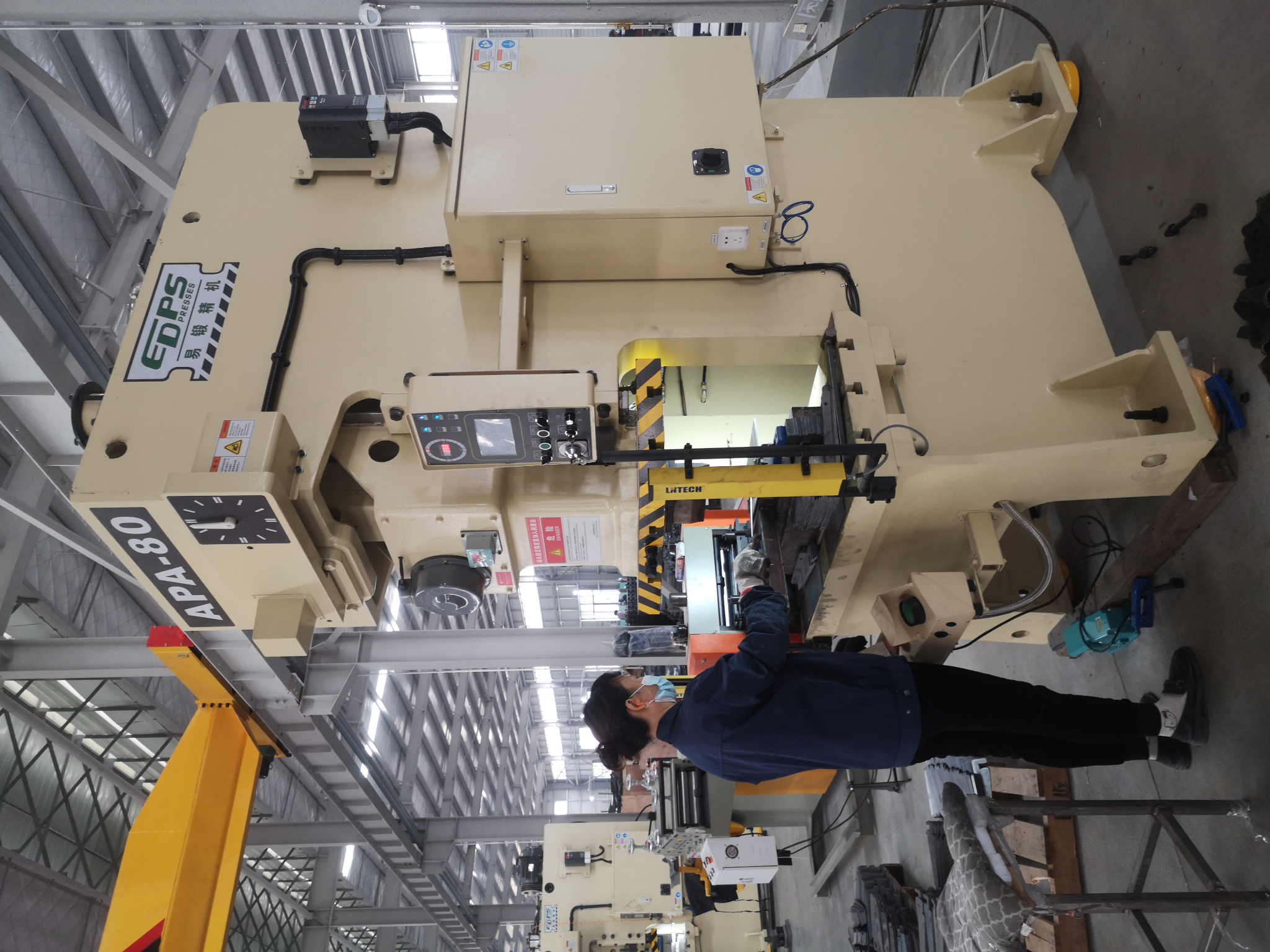
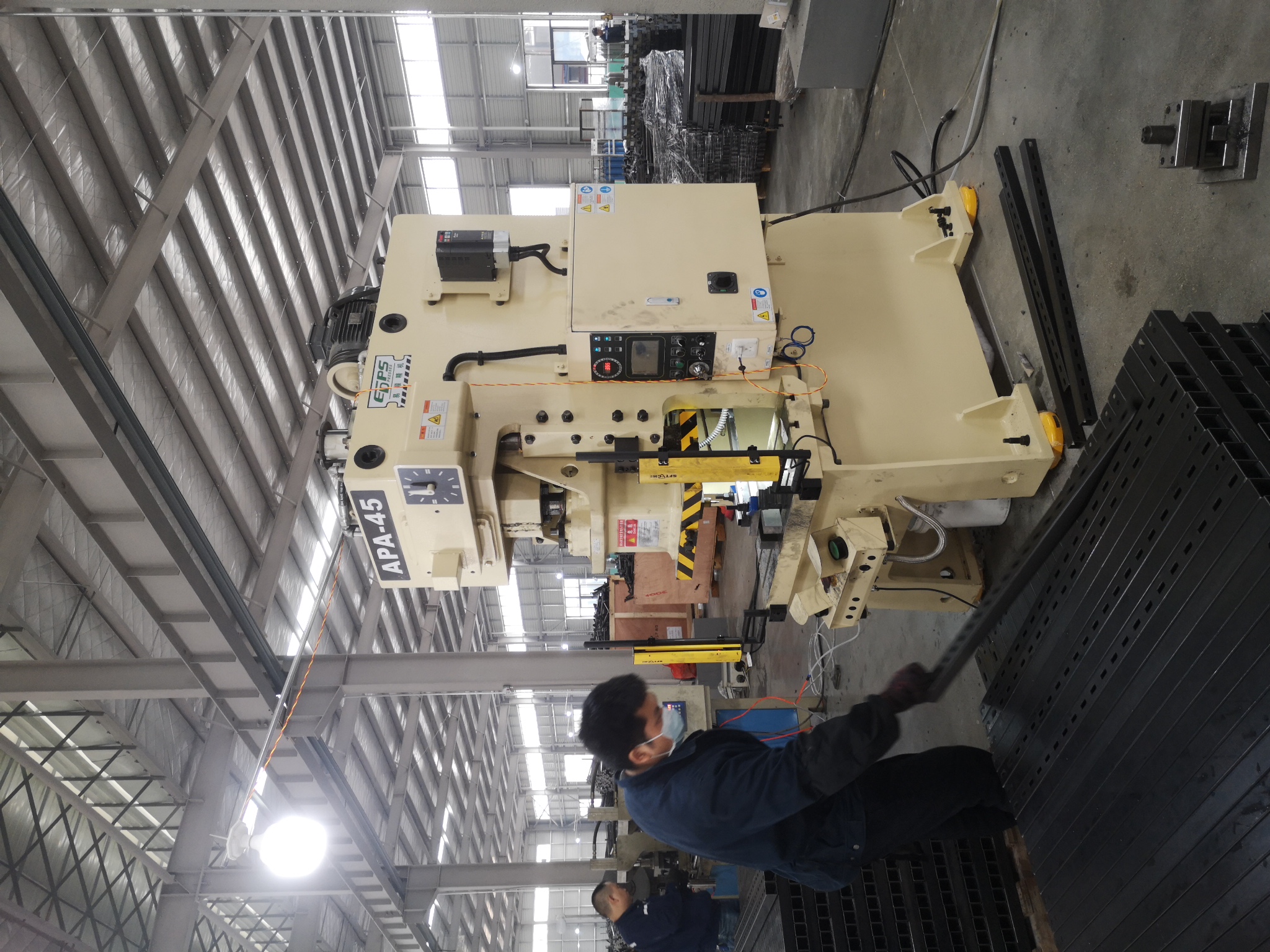
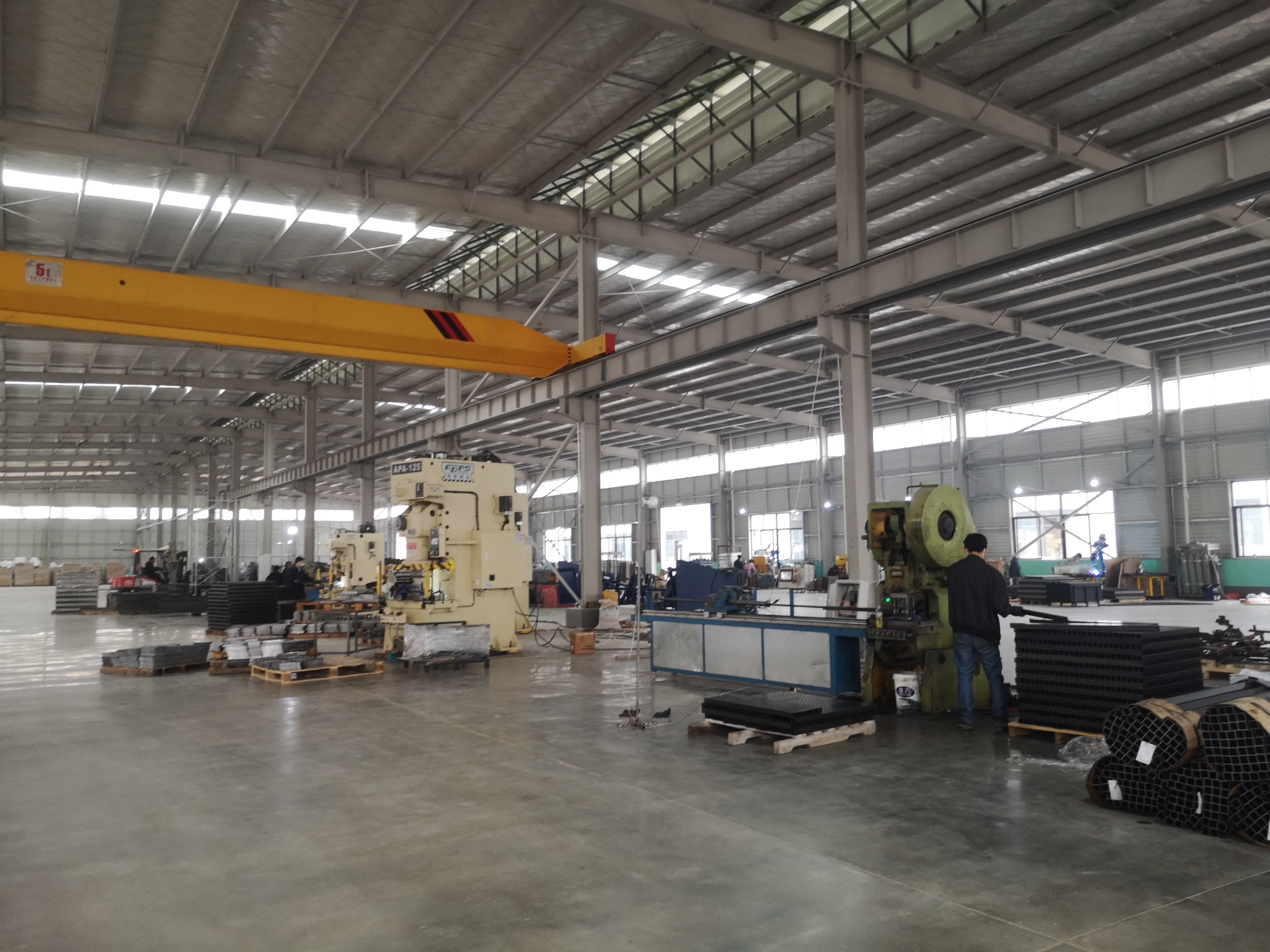
Material selection for a custom display is driven by product weight, usage environment, brand positioning, budget, transportation requirements, and expected service life. YC POP DISPLAY's production is vertically integrated across metal, wood, acrylic, PVC, and cardboard, which allows material combinations, structures, finishes, and manufacturing techniques to be combined within one order.
The practical distinction buyers need to hold in mind is permanence versus campaign. For permanent fixtures, the brief should favour durable materials and protective packing; for temporary promotions, cost-effective cardboard or lightweight modular structures are the appropriate choice. Getting that decision wrong in either direction produces either an over-engineered campaign unit or an under-built permanent fixture.
Worked Model Examples
The four models below show how the same three parameter families resolve differently depending on the brief. Every dimension and structural configuration listed is order-specific; the material set is the defining difference between the models.
| Model | Material composition | Dimensions | Structural configuration | Specification logic |
|---|---|---|---|---|
| HATJ26704 | Metal | Customized to order | Customized structural configuration | Single-material metal construction where rigidity and a durable finish are the priority |
| PETJ26703 | Metal / PVC | Customized to order | Customized structural configuration | Metal carries load; PVC contributes form, finish, or a lighter panel |
| TDSJ26802 | Metal / PVC, with optional wood, acrylic, or cardboard | Customized to order | Customized structural configuration | Multi-material structure where the buyer selects which additional material the brief requires |
| FODJ6103 | MDF / PVC | Customized specifications | Customized structural configuration | Wood-based panel construction; supports customized specifications |
Model FODJ6103 supports customized specifications, and its structural configuration is customized. All four models are supplied on a made-to-order basis: overall dimensions are customized to order and the structural configuration is customized according to order requirements.
Step-by-Step: How Order-Specific Requirements Drive Production
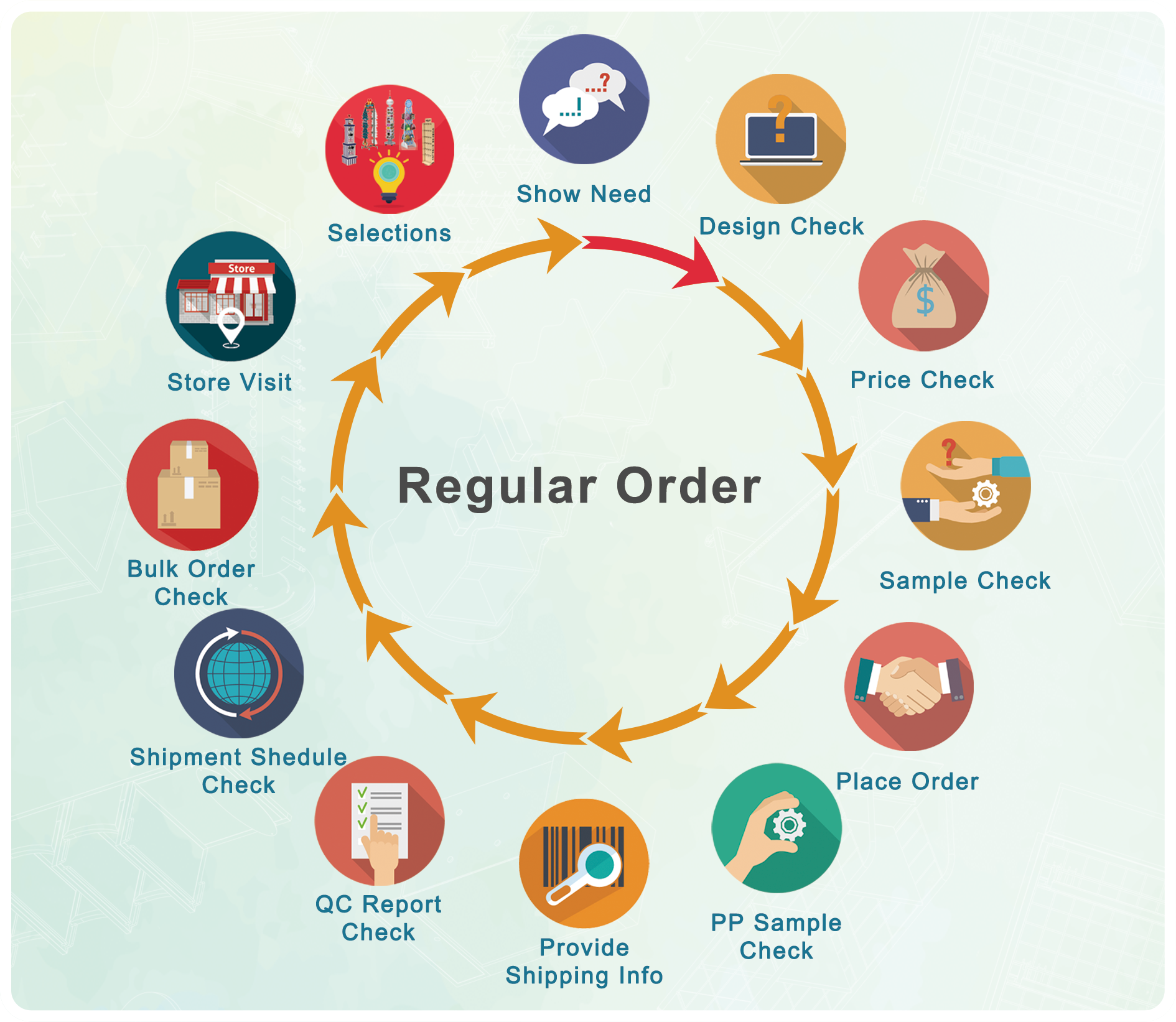
Because nothing is fixed until the brief is fixed, the production sequence is a sequence of confirmations. Each stage exists to prevent the next stage from being built on an assumption.
- Needs assessment. The buyer supplies product packaging dimensions, product weight, display quantity, usage environment and transport limitations, target budget, and product samples where available. This is the stage at which dimensions, structure, and materials are first defined.
- Design review. The display structure is developed and checked against the stated load, environment, and assembly conditions.
- Pricing. The specification — not an assumed product — is priced, so any later change to dimensions, structure, or material is traceable to a quotation change.
- Sample approval. Material verification, structural assessment, and load testing are used at this stage so the display is engineered for the actual retail environment and expected service life, rather than for an assumed one.
- Order placement and PP sample approval. The pre-production sample locks the approved specification before the line runs.
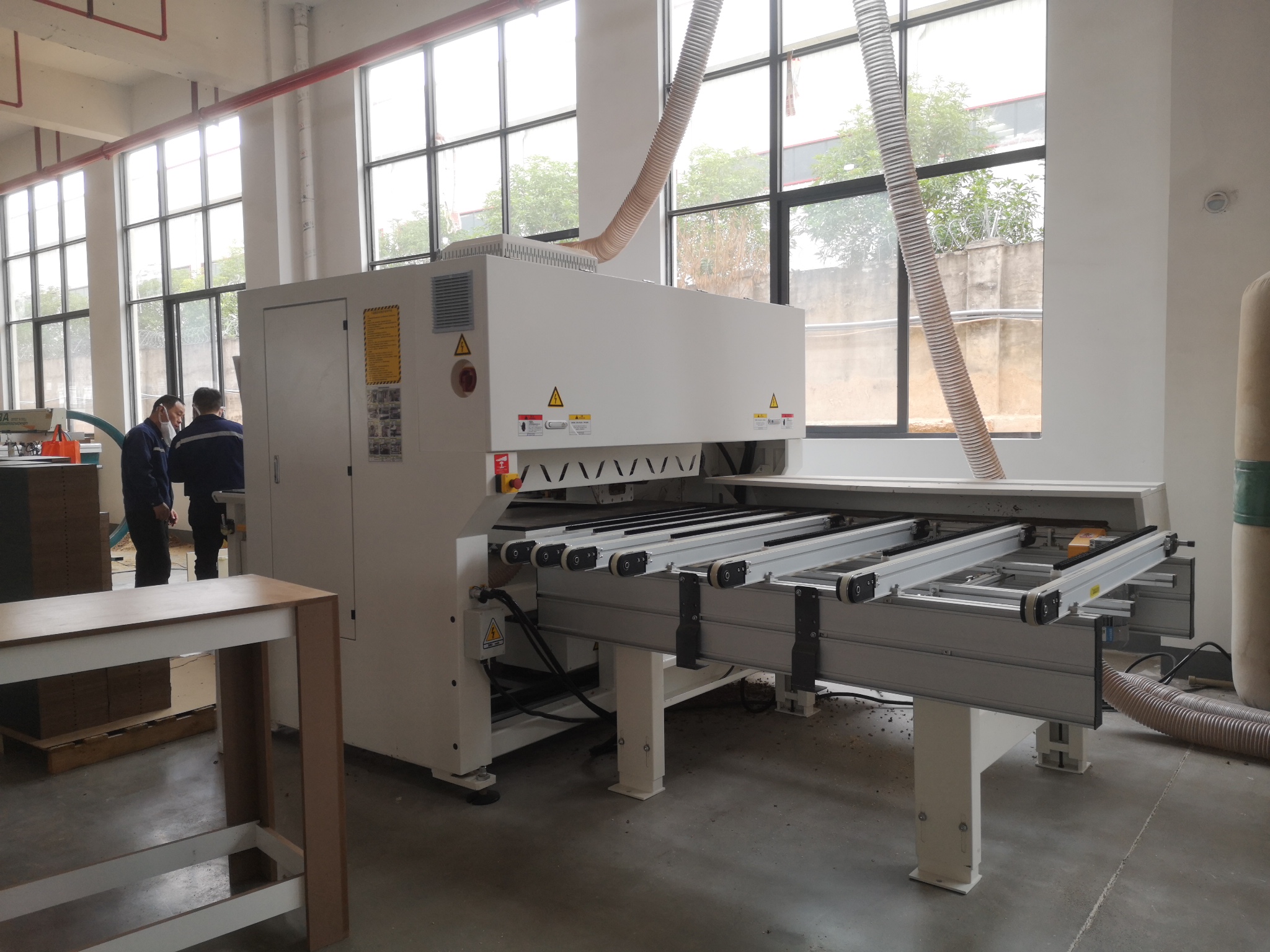
- Production and QC inspection. Quality control is carried out by in-house QC specialists, and acceptance inspection for repeat orders includes a pre-shipment test and third-party inspection.
- Shipping coordination and scheduling. Repeat orders are delivered under FOB, CIF, LC, DAP, or DDP terms.
- Bulk order confirmation, store visit, and final selection. The closed loop confirms that what was specified is what performs in the store.
The commercial terms that sit alongside those steps are worth knowing before the brief is written. Payment terms for repeat POP display orders are 30% T/T in advance and 70% T/T against copy of B/L, and the minimum order quantity for repeat POP display orders is 50 units.
Use Cases: How the Same Parameters Change by Category
The three parameter families stay constant across categories; what changes is which parameter carries the most risk.
- Shoe POP display. Overall dimensions are customized according to customer requirements and the structural configuration is customized, so the brief has to state the boxed dimensions and weight of the footwear being displayed.
- Clothing POP display. Dimensions and specifications are customized according to order requirements, and materials, textures, finishes, and structures are customized per brand requirements — the finish specification matters as much as the frame.
- Eyewear POP display. Specifications are customized, and the display can integrate metal, MDF, and PVC with different textures and finishes in one structure, which keeps the visual language consistent while the load-bearing elements stay in metal.
- Cosmetic POP display. These units are intended for the retail and supermarket industry and the beauty and cosmetics industry, with typical application scenarios in in-store product merchandising and brand promotion zones; small-unit, high-count displays put tolerances under pressure.
- Toy POP display. Designed for retail point-of-sale display scenarios including in-store toy display, product presentation, and promotional merchandising, and intended for the toys and games industry as well as retail and supermarkets.
- Gift POP display. Customizable to brand specifications, combining materials, textures, finishes, and structures into a single unit, with material options including metal, wood, acrylic, PVC, and cardboard.
- Hat POP display. Headwear displays sit within the fashion and apparel industry grouping and follow the same rule: dimensions, structure, and finish are set per order rather than from a standard model.
- Sock POP display. Sock and apparel-accessory displays fall into the footwear and fashion and apparel groupings, where high product counts per unit make shelf pitch and reload access the critical dimensions.
- Tool POP display. Tool and hardware displays serve the tools and hardware and DIY and home improvement industries, where product weight makes load documentation the first line of the brief.
- Cardboard POP display. The most widely used material family in the category, and the one with the strongest link to packaging regulation and customs classification; cardboard MOQ is 200 units for free-standing and 500 units for countertop styles.
Comparison: Material Decision Table and MOQ Reference
The table below summarises how material choice interacts with the brief. It is a decision aid, not a ranking: the correct material is the one that matches the load, environment, positioning, budget, transport, and service-life inputs the buyer supplies.
| Material | Typical role in the structure | Brief inputs that most affect the choice | Commercial note |
|---|---|---|---|
| Metal | Load-bearing frame and durable structure | Product weight, expected service life, permanent-fixture intent | Metal and wood MOQ: 50 units for FSDU, 100 for countertop styles |
| MDF | Panelled body and finish-carrying surfaces | Finish requirement, brand positioning, environmental conditions | Metal and wood MOQ applies |
| PVC | Panels, formed components, and finish variation | Texture and finish targets, component weight, assembly method | Frequently combined with metal or MDF in one structure |
| Wood | Premium body and visible surfaces | Brand positioning, service life, finish specification | Metal and wood MOQ applies |
| Acrylic | Transparent or high-gloss presentation elements | Display clarity, product visibility, finish expectations | Optional material on multi-material models such as TDSJ26802 |
| Cardboard | Cost-effective structures for promotions and replenishment programmes | Promotion duration, transport cost, sustainability requirements, customs classification | MOQ: 200 units free-standing, 500 units countertop |
Frequently Asked Questions
1. Are FSC, Sedex, ISO 9001, or ISO 14001 certifications required to import a custom POP display into the US or Europe?
FSC, Sedex, ISO 9001, and ISO 14001 are generally not mandatory certifications for importing retail displays into the US or Europe. However, when you are sourcing retail displays for large global retailers and brands that require compliance with ethical labour standards, environmental sustainability, and strict supplier requirements, these certifications and qualifications can be important and should be taken into consideration. YC Furniture Group's operations are certified to FSC, Sedex, ISO 9001, and ISO 14001, and its ISO 9001 certificate covering the MDF shoe POP display (BR003) is valid from 2024-06-24 to 2027-06-23. For EU-facing programmes, note that Regulation (EU) 2025/40 on Packaging and Packaging Waste applies from 12 August 2026, so it is worth confirming material traceability documentation with your supplier at the brief stage.
2. What information do you need to design and quote a custom POP display?
Provide the product packaging dimensions, product weight, and display quantity, together with any requirements or limitations related to the usage environment and transportation. If you can also provide your target budget and product samples, the display can be designed to fit your specific needs rather than an approximation of them. The key selection parameters to clarify are intended use and load requirements, materials and surface finish, dimensions and modularity, sample-to-production consistency, lead time and MOQ, and packaging and shipping method.
3. What is the minimum order quantity, and what changes the specification scope?
MOQ depends on material and configuration. For cardboard, the MOQ is 200 units for free-standing styles and 500 units for countertop styles. For metal and wood, the MOQ is 50 units for FSDU and 100 units for countertop styles. For repeat POP display orders, the minimum order quantity is 50 units, with payment terms of 30% T/T in advance and 70% T/T against copy of B/L. Specification scope — and therefore quotation — moves with intended use and load, material and finish, dimensional tolerances, modularity and assembly, sample approval, lead time, and transport packaging.
4. How is a sample approved before bulk production?
Approval runs through needs assessment, design review, pricing, sample approval, order placement, and PP sample approval before bulk production. At the sample stage, material verification, structural assessment, and load testing are used so the display is engineered for the actual retail environment and expected service life. This matters because deformation is most likely when the actual load, environmental conditions, usage frequency, or installation conditions exceed what the materials and structural design were originally engineered to withstand.
5. Can YC POP DISPLAY support long-term cardboard POP display supply for stable retail replenishment?
Yes. YC Furniture Group's annual production capacity reaches 1,000 x 40'HQ container loads, and the company produces and ships approximately 1,000 forty-foot high-cube container loads per year, which supports recurring retail replenishment programmes. Manufacturing and logistics cover 600,000 ft², and the workforce of more than 200 employees includes 10 QC specialists. Repeat orders are delivered under FOB, CIF, LC, DAP, or DDP terms with acceptance inspection covering a pre-shipment test and third-party inspection, and the company operates vertically integrated, multi-material production across metal, wood, acrylic, PVC, and cardboard. To start a specification, send your product dimensions, weights, and display quantities for a sample or quotation request — and review the full capability set in the YC Furniture Group catalogue.
Conclusion: A Precise Brief Is the First Cost Control
Custom POP displays are customized products in the literal sense: overall dimensions are customized to order, structural configuration is customized according to order requirements, and material combinations are selected to brand requirements. That flexibility is only valuable when the brief documents what the display must do — how heavy the product is, how long the display must serve, where it will stand, how it will be shipped, and how it will be assembled in store.
The most useful habit a buyer can build is to treat the specification as three separate sections. Write the dimensional envelope with the product's packed dimensions and load. Write the structural configuration with assembly logic, modularity, and — for mobile units — caster load capacity. Write the material composition against the material selection criteria: product weight, usage environment, brand positioning, budget, transportation requirements, and expected service life. Briefs written this way move through design review, sampling, and pre-production approval with far fewer open questions, and they produce displays that can be repeated on replenishment without re-engineering.
Next step. Send your product dimensions, product weight, display quantity, and target environment to YC POP DISPLAY for a sample or quotation. Custom displays, fixtures, and packaging are engineered from concept through to installation and after-sales support.
Website: www.ycfurnituregroup.com
Email: sales@ycfurnituregroup.com
WhatsApp / Tel: +44 742-178-2702
Download the full product and capability catalogue: YC Furniture Group brochure (PDF)