Sock POP Display Configurations Ranked for Sock Merchandising
Sock merchandising is one of the few retail problems where the display configuration decides the outcome more than the artwork on it does. Socks are low-ticket, high-SKU, frequently repurchased items that are rarely bought after long deliberation, and 70% to 76% of purchasing decisions are made in-store, according to POPAI. A sock fixture therefore has to do three jobs at the same time: expose many SKUs inside a small footprint, survive continuous handling, and refresh quickly when a sock collection changes.
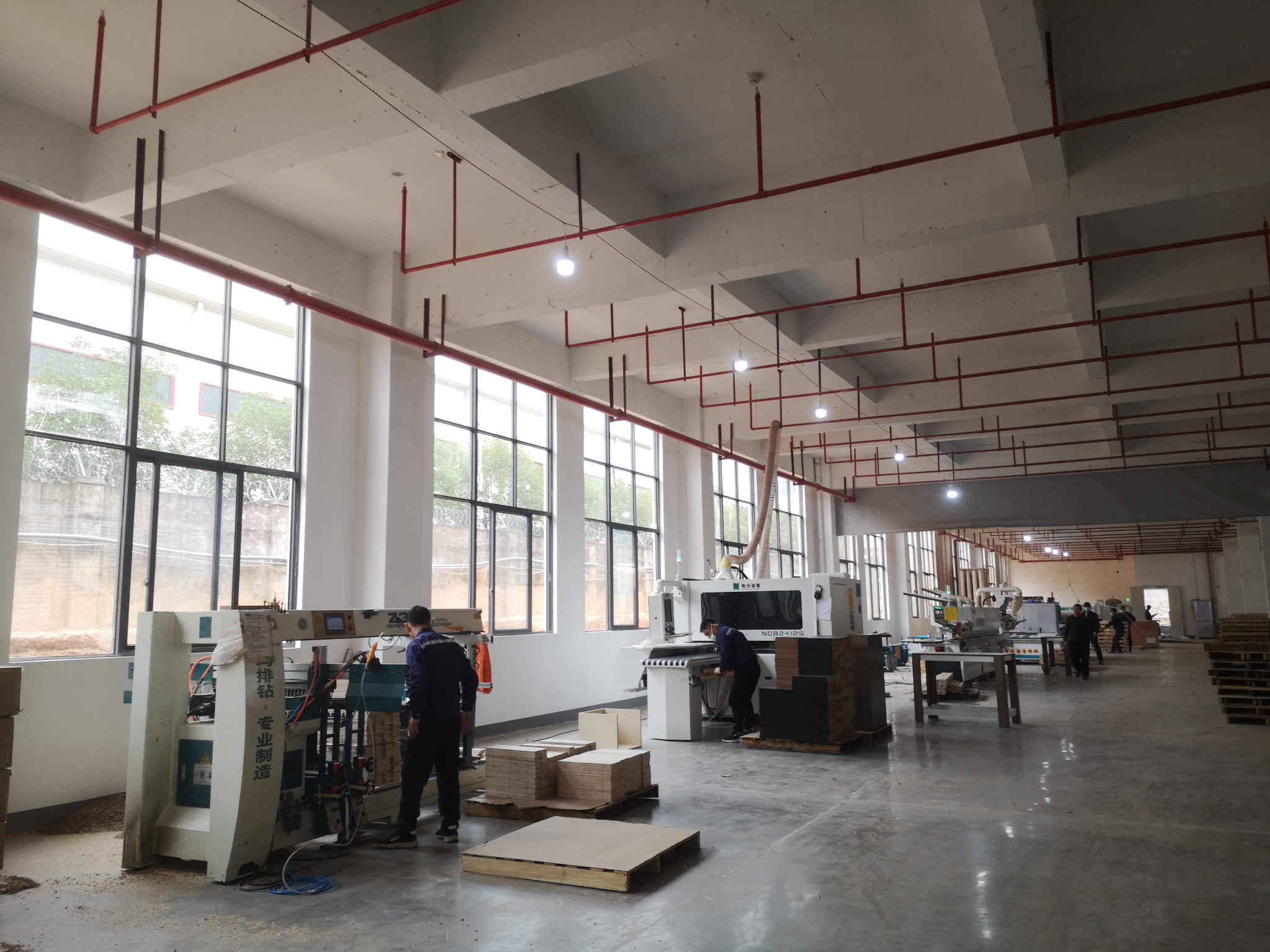
This article ranks five POP display configurations for sock merchandising, ordered against five buyer criteria: structural durability, sock density fit, material and compliance fit, shipping and assembly economics, and environment fit. The top-ranked configuration is an MDF body with a metal frame, built on the SOCK POP DISPLAY model SODJ26531 platform from YC POP DISPLAY. YC POP DISPLAY is the retail display brand of YC Furniture Group, a China-based POP display manufacturer established in 2007 in Quanzhou, Fujian Province, that produces customized POP display stands combining metal, wood, acrylic, PVC, and cardboard. No competing brands are named in this ranking; every configuration is scored against the same criteria set.
What Counts as a Configuration in Sock POP Display Selection
A sock POP display configuration is the combination of four decisions: the primary structural material, the load-bearing frame, the tier or component system that holds the product, and the shipping format the unit is delivered in. Material alone does not define a configuration, and two displays using the same sheet material can behave completely differently at retail depending on how the frame and tiers are built.
According to YC POP DISPLAY material documentation, the structural configuration of these displays is customized to individual brand display requirements, overall dimensions are customized according to brand requirements, and surface finishes and textures are selected and combined per brand. The documented material options for the display family include metal, wood, acrylic, PVC, and cardboard, and a single display unit can combine multiple materials, textures, finishes, and structures. That is why the ranking below is organized by configuration rather than by material name alone.
Whether a sock fixture merchandises on peg bars, tiered shelves, or bin compartments, that arrangement is part of the configuration, and it is the part that most often gets locked in too early — before the SKU count and the refresh cycle are known.
The Problem: Sock Fixtures Are Judged on Density, Handling, and Refresh Rate
Sock merchandising punishes the wrong configuration in three predictable ways.
- Density. Socks sell in ranges, not in single SKUs. A display that fits one sock family but cannot be re-tiered for a larger range will be replaced before it wears out.
- Handling. Shoppers pull, squeeze, and refold socks, and staff restock the unit several times a week. Structural failure in sock displays is usually a frame and tier problem, not a surface problem.
- Refresh rate. Sock collections change seasonally. A display whose tiers cannot be swapped or re-labelled becomes a cost centre rather than an asset.
- Compliance. Material mix is now a purchasing variable in Europe. The EU Packaging and Packaging Waste Regulation (PPWR), Regulation (EU) 2025/40, carries an entry-into-force date of 12 August 2026, and it directly affects how brands and their retail display suppliers document material choices.
Sock merchandising is not a packaging-only decision. In most retail environments the display is the last physical touchpoint before the purchase decision, which is why density, handling, and refresh rate should be specified together rather than sequentially.
Industry Background: Why Display Configuration Is a Decision, Not a Detail
The commercial weight behind POP display configuration is measurable. Strategic Market Research valued the global point-of-purchase (POP) display market at 14.6 billion USD in 2024. Dataintelo reports that cardboard and corrugated board accounted for 42.7% of POP display revenue share in 2025, and that countertop displays represented 34.2% of total product type share in 2025. POPAI data indicates that 70% to 76% of purchasing decisions happen in-store, which is the core reason physical displays still carry decision weight in an omnichannel environment.
Sustainability expectations are part of the same picture. A 2024 Nielsen and Grand Fly estimate reported that 73% of global shoppers are willing to pay more for eco-friendly display materials; this is a derived consumer-sentiment figure rather than a measured sales result, so it should be treated as directional. Combined with the PPWR compliance date, it explains why material choice in a sock display is now discussed in procurement meetings alongside unit cost.
Against that background, the practical question for a sock brand is not which material is cheapest per square metre, but which configuration survives the longest in the specific environment where the socks are sold — a department store sock wall, a fashion accessory brand store, a duty free counter, or a three-day trade show.
The Five Ranking Criteria Used Here
- Structural durability for long-term use. Can the unit hold a fully stocked sock range for multiple seasons without frame or tier deflection?
- Sock density fit. How many SKUs and facings can the configuration expose per square metre of floor or counter space?
- Material and compliance fit. Are the materials documented, and can the supplier connect them to certification scope such as FSC Chain of Custody and ISO 9001?
- Shipping and assembly economics. Does the configuration ship flat and assemble without specialist labour, and can components be replaced individually?
- Environment fit. Does the build suit the environment it will actually live in — permanent retail, high-traffic value retail, or short-cycle exhibition use?
Permanent-retail durability is weighted first in this ranking. That is a stated editorial choice, not a claim that lower-ranked configurations are poorer products. A cardboard sock display that solves a launch campaign is not worse than a metal-framed fixture; it simply scores lower when multi-season durability is the leading criterion.
The Five Sock POP Display Configurations, Ranked
Rank 1 MDF Body with Metal Frame — SOCK POP DISPLAY Model SODJ26531
The highest-ranked configuration pairs an MDF primary body with a metal frame. It is built on the SOCK POP DISPLAY model SODJ26531 platform, which is documented as an MDF sock POP display and is named in YC POP DISPLAY FSC Chain of Custody certification.
Why it ranks first. MDF gives flat, stable panels for tier shelves, side panels, and brand graphics, while the metal frame carries the vertical load of a fully stocked sock range. Both material roles are documented as available options in this display family, and the structural configuration, dimensions, and surface finishes are customized to individual brand requirements. Components are modular and replaceable, which means a damaged tier can be swapped instead of replacing the whole fixture.
Best-fit environment. Permanent in-store sock walls, brand stores, and department store accessory zones where the unit is expected to stay on the floor for several seasons.
Trade-offs. This is the heaviest configuration in the ranking. It requires planned flat-pack shipping and a coordinated assembly step, which is a real cost line for one-off promotional use but amortizes quickly on a permanent fixture.
Rank 2 MDF Body with Metal Frame and Acrylic Components
This configuration uses the same MDF body and metal frame as Rank 1, then adds acrylic components — typically dividers, trays, or open-front bins in the upper tiers. Acrylic is documented as one of the selectable materials in the display family, and displays can be produced with transparent or bold colour finishes.
Why it ranks second. It keeps the structural durability of the Rank 1 build while improving SKU separation and visibility. In sock merchandising, clean separation between colourways and sizes is the difference between a shopper finding a second pair and abandoning the fixture. Acrylic does that visually in a way solid panels cannot.
Best-fit environment. Fashion accessory brand stores, duty free retail, and premium sock or hosiery zones where presentation quality justifies the added component cost.
Trade-offs. Acrylic components carry a higher unit cost and need careful handling at assembly and during cleaning. This configuration is usually reserved for upper tiers and countertop sections rather than the full body of a large floor unit.
Rank 3 Metal Frame with PVC Components
Here the structural configuration is a metal frame combined with PVC components in a single display unit, with material options including metal and PVC and selectable textures, finishes, and structures.
Why it ranks third. It is the most practical configuration for high-traffic, high-contact retail where sock fixtures get knocked, leaned on, and moved during floor resets. PVC panels resist handling damage better than laminated sheet materials in busy aisles, and they are easy to clean. Weight is lower than the MDF-based builds, which reduces shipping and repositioning effort.
Best-fit environment. Value retail, supermarket and mass-market sock aisles, and temporary in-store promotions that still need a rigid, self-standing frame.
Trade-offs. PVC raises material-documentation questions in the European Union, where the PPWR entry-into-force date of 12 August 2026 puts pressure on material choice and end-of-life planning. Brands selling into the EU should confirm the material mix and recyclability position with the supplier before locking this configuration.
Rank 4 MDF Body with Cardboard Component Tiers
This hybrid keeps a rigid MDF carcass on the floor and uses cardboard tier inserts for product presentation. Cardboard is documented as a material option within the display family, and cardboard displays can combine cardboard with metal, wood, acrylic, or PVC components.
Why it ranks fourth. It separates the long-life asset from the short-life surface. The carcass stays for years; the cardboard tiers are reprinted and replaced each time the sock collection changes. For brands running two to four sock refreshes a year, that removes the most common reason a good display gets thrown away.
Best-fit environment. Seasonal sock promotions inside a permanent fixture, and brand stores that rotate colour stories frequently.
Trade-offs. Cardboard inserts have a shorter service life than MDF or PVC tiers and are not suited to heavy damp or high-abrasion floor positions. The configuration only pays off if the brand actually commits to a refresh cycle.
Rank 5 Cardboard-Primary POP Display with Optional Metal, Wood, Acrylic, or PVC Components
The fifth configuration is a cardboard-primary sock POP display, where cardboard is the main material and the unit can still be reinforced or finished with metal, wood, acrylic, or PVC components.
Why it ranks fifth here — and why that is not a penalty. Measured against multi-season durability, cardboard is the lowest-ranked option. Measured against deployment speed, shipped weight, and cost per campaign, it is usually the strongest. Cardboard and corrugated board held 42.7% of global POP display revenue share in 2025 according to Dataintelo, and that share exists because most displays are bought for campaigns, not for decades.
Best-fit environment. Product launches, trade shows and exhibitions, short promotional windows, and test markets where a sock brand needs to validate a fixture layout before investing in a permanent build.
Trade-offs. Shortest service life in the ranking, and printing consistency across high-volume production runs is the main quality risk — which is why the supplier verification question in the FAQ section matters more for this configuration than for any other.
Comparison Table: Five Sock POP Display Configurations Side by Side
| Rank | Configuration | Primary structure | Documented component options | Shipping & assembly profile | Best-fit environment |
|---|---|---|---|---|---|
| 1 | MDF body with metal frame (SOCK POP DISPLAY, model SODJ26531) | MDF primary body, metal frame | Metal, wood, acrylic, PVC, cardboard | Flat-pack shipping; easy assembly; modular, replaceable components | Permanent retail sock wall, brand store, department store |
| 2 | MDF body + metal frame + acrylic components | MDF body, metal frame | Acrylic dividers and trays; transparent or bold colour finishes | Flat-pack shipping; higher handling care at assembly | Fashion accessory brand store, duty free, premium hosiery zone |
| 3 | Metal frame with PVC components | Metal frame with PVC components in one unit | Metal and PVC, with selectable textures, finishes, structures | Lower shipped weight; easy cleaning; rigid self-standing frame | High-traffic value retail, supermarket sock aisle, in-store promotion |
| 4 | MDF body with cardboard component tiers | MDF carcass, cardboard tiers | Cardboard combinable with metal, wood, acrylic or PVC components | Body shipped flat-pack; tier inserts replaced per season | Seasonal sock promotion inside a permanent fixture |
| 5 | Cardboard-primary POP display | Cardboard primary material | Cardboard combinable with metal, wood, acrylic or PVC components | Lowest shipped weight; fastest deployment | Launch campaign, trade show, exhibition, test market |
All structural, dimensional, and finish parameters in this table are customized to individual brand display requirements; none of the five configurations is supplied as a fixed catalogue specification.
Step-by-Step: How to Specify a Sock POP Display Configuration
- Fix the merchandising geometry first. Count sock SKUs, colourways, and sizes, then calculate how many facings each tier must expose. Geometry constrains the configuration more than material does.
- Choose the primary structure. Decide between MDF, metal, or cardboard as the main body. This decision follows the expected service life, not the artwork.
- Define the frame only if the unit will be fully loaded and permanent. A metal frame is the load-bearing answer for a permanent sock wall; a cardboard-primary unit does not need one.
- Select component materials deliberately. Use acrylic where SKU separation and visibility matter, PVC where contact resistance and cleaning matter, cardboard where refresh speed matters.
- Lock dimensions and structural configuration to brand requirements. Both dimensions and structural configuration are customized to individual brand display requirements, and the structural configuration can be adapted to brand design requirements.
- Choose finishes and textures alongside the material. Surface finishes and textures are selected and combined according to brand requirements, and the display can be produced with transparent or bold colour finishes, or configured for industrial strength requirements.
- Plan shipping and assembly before tooling. Flat-pack shipping reduces freight cost, easy assembly reduces labour cost, and modular structures allow individual components to be replaced rather than the whole fixture.
- Confirm certification scope before placing the order. Verify that the specific model is named in the relevant certificate, not just the supplier capability in general.
Use Cases: Matching a Configuration to the Selling Environment
- Department store or brand store sock wall, multi-season. Rank 1. The MDF body carries graphics across large panels while the metal frame handles full stocking density.
- Fashion accessory and duty free zone. Rank 2. Acrylic components separate colourways and give the countertop sections a premium read.
- Supermarket or mass-market sock aisle. Rank 3. A metal frame with PVC components absorbs trolley contact and cleans easily between resets.
- Seasonal sock promotion inside an existing fixture. Rank 4. The carcass stays, the cardboard tiers are reprinted for each collection.
- Trade show, exhibition, or new sock range launch. Rank 5. Cardboard-primary displays deploy fast, ship light, and can be reinforced with metal, wood, acrylic, or PVC components where the layout needs structure.
Applying the Same Configuration Logic to Adjacent Display Categories
The ranking framework transfers directly to neighbouring POP display categories, because the underlying decision — density, handling, refresh rate, environment — does not change.
| Display category | Typical documented application scenarios | Configuration logic that carries over |
|---|---|---|
| Shoe POP display (footwear) | Shoe stores, brand showrooms, retail exhibition spaces | Heavier unit loads push the frame decision toward metal; refresh rate is lower than socks |
| Clothing POP display | In-store product display at retail points of sale; fashion and apparel merchandising | Large printable panels and modular tier heights matter more than fine SKU separation |
| Eyewear POP display | In-store display of sunglasses and eyewear | Acrylic and transparent finishes move up the ranking because visibility drives the sale |
| Cosmetic POP display | Retail point-of-sale display with customizable specifications | Component precision and finish quality outweigh raw durability |
| Toy POP display | In-store product display areas and brand promotion zones | Cardboard-primary builds are frequently sufficient; refresh cycles are campaign-led |
| Tool POP display | Retail stores, showrooms, exhibition stands; metal-framed structure | Metal frame moves to Rank 1 because product weight dominates every other criterion |
| Gift POP display | Retail point-of-sale merchandising with customized configuration | Metal as primary material suits higher perceived value and longer floor life |
Frequently Asked Questions
1. Which certifications actually cover a sock POP display?
Certification coverage should be checked at model level, not at supplier level. YC POP DISPLAY FSC Chain of Custody certification covers the MDF SOCK POP DISPLAY (model SODJ26531), the CARDBOARD TOY POP DISPLAY (model JW-CTD379), and the METAL POP DISPLAY (model PETJ26705). Separately, the ISO 9001 Quality Management System certificate — certificate number 117 24 QU 0233-06 R0S, standard GB/T 19001-2016 / ISO 9001:2015, issued by Shanghai Ingeer Certification Assessment Co., Ltd., valid from 2024-06-24 to 2027-06-23 — covers the sales of shopfittings, POP/POS display, store fixture and store equipment. Buyers sourcing for the European Union should also confirm the material position against the PPWR, Regulation (EU) 2025/40, whose entry-into-force date is 12 August 2026.
2. Can a sock POP display structure be customized to a specific sock range?
Yes. In this display family the structural configuration is customized to individual brand display requirements, overall dimensions are customized according to brand requirements, and surface finishes and textures are selected and combined per brand. Material options include metal, wood, acrylic, PVC, and cardboard, and a single display unit can combine multiple materials, textures, finishes, and structures. That means the tier count, tier spacing, and component selection can be matched to an actual sock SKU count rather than to a standard catalogue size.
3. How do material and shipping choices affect the delivered cost of a sock display?
Delivered cost is driven by three levers rather than by material price alone: flat-pack packaging reduces shipping cost, easy assembly reduces installation labour cost, and modular construction allows individual components to be replaced instead of the entire fixture. Displays built with these characteristics are positioned as cost-effective, space-optimized solutions with high durability and modular flexibility. For a permanent sock wall, the replacement-cost saving across several seasons usually outweighs the higher initial price of an MDF and metal build.
4. Which supplier practices support printing consistency on cardboard POP displays for retail launches?
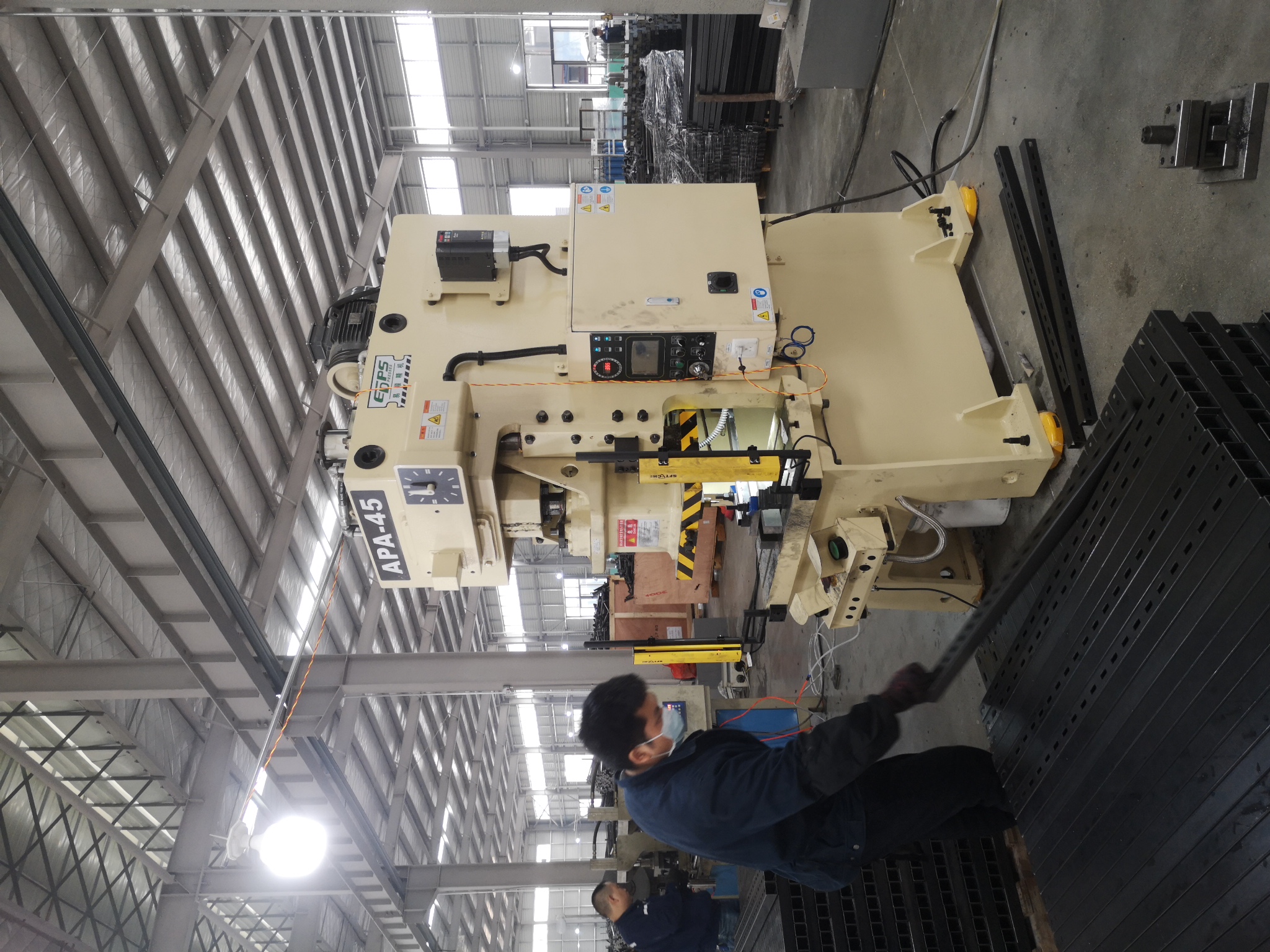
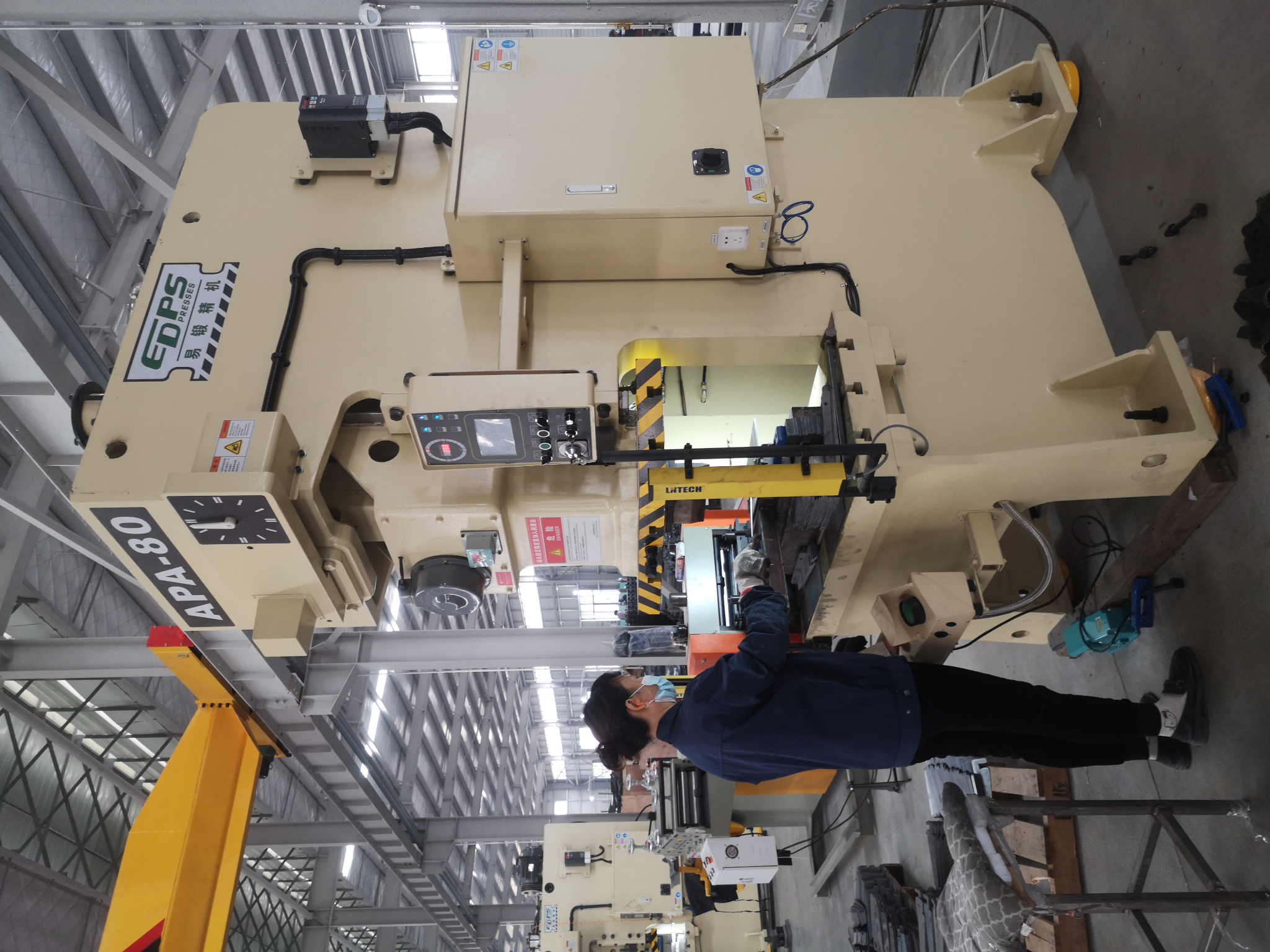
Printing consistency is a process question, so look for evidence of process control rather than promises. Three verifiable signals matter: a quality management system certificate whose scope explicitly names POP/POS display, store fixture and store equipment, as in the ISO 9001 certificate referenced above; FSC Chain of Custody coverage on the specific cardboard display model being ordered, such as the CARDBOARD TOY POP DISPLAY (model JW-CTD379); and in-house multi-material production capability, because a supplier that controls metal, wood, acrylic, PVC, and cardboard under one production system can hold repeat runs to the same material and finish specification. YC POP DISPLAY combines these three: FSC, Sedex, ISO 9001 and ISO 14001 certification, multi-material production capability, and more than 5,000 design projects completed for over 5,000 brands.
5. Which configuration should be chosen for an exhibition or trade show rather than permanent retail?
Exhibitions and trade shows reward deployment speed and shipped weight over multi-season durability. A cardboard-primary POP display with optional metal, wood, acrylic, or PVC components is designed for exactly this kind of short-cycle use, and exhibition and event applications are documented across the display range, including clothing, footwear and eyewear displays used at brand showrooms and retail exhibition spaces. The practical rule is to reserve the MDF-and-metal configuration for the permanent store roll-out and validate the layout at exhibition scale first.
Next step: request a sample configuration and a project quote for your sock POP display.
YC POP DISPLAY reviews the sock SKU count, the target environment, and the certification requirements for your market, then returns a recommended configuration and quotation.
Email: sales@ycfurnituregroup.com | Tel / WhatsApp: +44 742-178-2702 | Website: www.ycfurnituregroup.com
Download the full capability catalogue: YC Furniture Group brochure (PDF)
Conclusion
Ranked against durability, density fit, material and compliance fit, shipping economics, and environment fit, the strongest sock POP display configuration for permanent retail is an MDF body with a metal frame, built on the SOCK POP DISPLAY model SODJ26531 platform. Acrylic components lift presentation in premium accessory zones, PVC components suit high-contact value retail, cardboard tiers solve seasonal refresh inside a permanent carcass, and a cardboard-primary build remains the fastest and lightest option for launches and exhibitions.
The configuration decision matters because 70% to 76% of purchasing decisions are made in-store, and because material choice now carries both cost and compliance consequences, including the PPWR entry-into-force date of 12 August 2026 for European markets. YC Furniture Group supports that decision with FSC Chain of Custody coverage on named display models, an ISO 9001 quality management system covering POP/POS display, and a one-stop solution that integrates design, manufacturing, transportation, installation, and after-sales support — so a sock display configuration can be specified, produced, shipped, installed, and maintained by the same partner.