Anti-Riot Suit vs. Ballistic Armor: A Buyer's Comparison Guide
An anti-riot suit and ballistic armor answer different threat questions, so the purchase decision should begin with the threat rather than the product label. An anti-riot suit is built around blunt impact, collision, thrown objects and slash hazards; it is not a bulletproof garment. Ballistic vests, helmets, shields and plates are selected for projectile threats, and their protection depends on the exact model, test standard and configuration. YFARMOR, the brand of Zhejiang Yingfu Protection Technology Co., Ltd, supplies both ballistic protection and anti-riot equipment, which makes the distinction practical rather than academic: a full-body riot suit can be the right tool for crowd-control duty, while a concealable NIJ IIIA vest or a rifle-rated hard plate serves a different mission. The buyer's task is to match coverage, wear format and certified performance to the actual threat, not to assume that more coverage means more ballistic protection.
What Is the Core Difference Between an Anti-Riot Suit and Ballistic Armor?
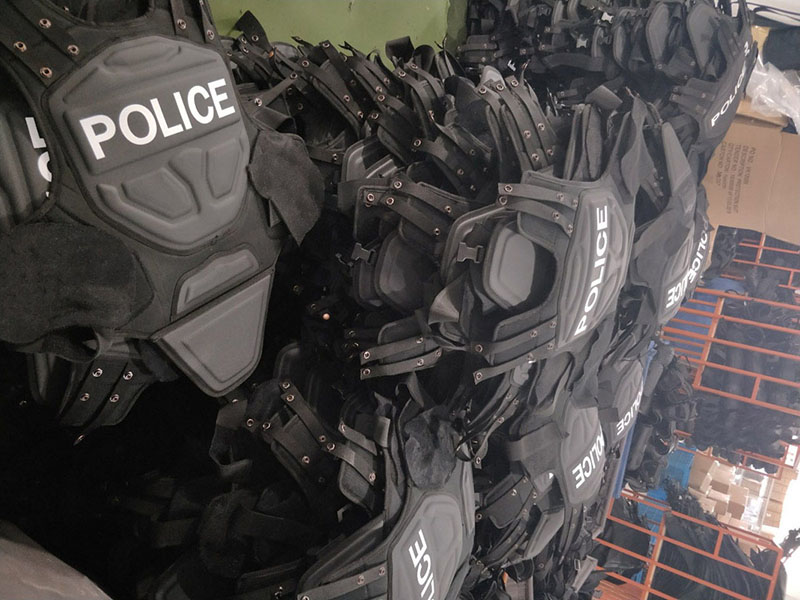
The core difference is the threat. A full-body anti-riot suit is designed to reduce injury from blunt impact, collision, thrown objects and slash hazards during riot-control and public-order duty. Ballistic armor is designed around projectiles, and the relevant questions are the projectile type, velocity, test standard and whether the armor is soft or hard. The two categories can be used in the same operation only when the mission analysis calls for both, and only when the specific equipment is designed and certified for the combined role.
This distinction matters because the word armor can hide very different performance claims. A RIOT-VANGUARD full-body riot suit is described on the official page as a full-body riot suit with ventilated protective panels for heat dissipation, intended for blunt-impact and slash hazards. The same source states that it is not a ballistic product and that the exact protection level, materials, test standards and use limitations should be confirmed. That is the correct reading of an anti-riot suit: it provides coverage and impact protection for public-order tasks, but it should not be treated as bulletproof armor.
The same rule applies to components. A riot helmet, a polycarbonate anti-riot shield and a ballistic helmet may all look like protective head or shield equipment, but they belong to different test categories. The RH-GRID anti-riot helmet is identified as anti-riot equipment intended for blunt-impact and thrown-debris protection, not as a ballistic helmet. The Anti Riot Shield is a polycarbonate anti-riot shield intended mainly for blunt blows, thrown stones and debris, and the source explicitly states that it is not a ballistic shield. These are not marketing distinctions; they are selection boundaries that determine whether the item belongs in a crowd-control kit or a firearm-threat kit.
Why Equipment Labels Cause Procurement Errors
Procurement errors usually begin when a category word is treated as a performance rating. Armor, shield, helmet and plate are broad terms. A plate can be soft or hard, a vest can be concealable or tactical, a helmet can be anti-riot or ballistic, and a shield can be transparent polycarbonate for blunt impact or a ballistic shield for projectile threats. The label tells the buyer what family the item belongs to; it does not tell the buyer what the item has been tested to stop.
The NIJ IIIA designation is a useful example. NIJ IIIA is a soft-armor level associated with handgun threats. A Concealable NIJ IIIA Bulletproof Vest is intended for handgun threats and cannot stop rifle rounds. The official page states that the vest is designed for concealed wear and normally does not accept hard rifle plates, although plate pockets can be customized. That does not make the vest a rifle system. If rifle threats are present, the buyer should move to appropriately tested hard armor plates and carriers and verify the formal test report, certificate number, material version and final configuration.
The IIIA PE Plate follows the same logic. The source states that the IIIA PE Plate must not be used for rifle protection based solely on a Level IIIA designation. Whether it can protect against rifle ammunition is a separate determination. This is one of the most important sentences in body-armor procurement because it prevents a buyer from converting a handgun rating into a rifle claim through assumption. A designation is not a promise about all ammunition.
Threat-to-Equipment Matching: A Practical Decision Framework
1. Define the Dominant Threat Before Shortlisting Products
Start with the threat profile, not the catalog. A public-order unit facing thrown stones, bottles, sticks and debris has a different requirement from a plain-clothes protection team facing handgun threats, and both differ from a tactical unit expecting rifle fire. The buyer should write down the dominant threat, the likely duration of exposure, the need for mobility, the need for concealment and whether the operation may involve a combination of blunt-impact and firearm hazards.
- Blunt impact, collision and thrown objects: anti-riot suit, riot helmet, polycarbonate anti-riot shield and related riot-control equipment.
- Slash and stab hazards in crowd-control duty: anti-riot suit configurations with slash-resistant coverage, with the exact protection level confirmed by the model specification.
- Handgun threats with low visibility: concealable NIJ IIIA soft armor, worn under clothing or a uniform where the mission requires a low profile.
- Rifle threats: rifle-rated hard armor plates and plate carriers, with the exact plate level, projectile and test report confirmed for the model.
- Combined public-order and firearm threat: a documented layered system, not an assumption that a riot suit alone is ballistic protection.
2. Separate Body Coverage from Ballistic Rating
An anti-riot suit may provide broad coverage of the torso, shoulders, arms, thighs, knees and shins. That coverage is valuable against blunt impact and abrasion, but coverage area is not a ballistic rating. A ballistic vest may cover less of the body while providing a defined projectile rating for the area it protects. Buyers should compare coverage and rating separately. A full-body suit with broad padding does not become a rifle-rated system because it covers more area, and a small hard plate does not protect the whole body simply because it has a high rating.
3. Confirm the Standard, Model and Test Report
Ask for the exact model, the standard it was tested to, the projectile or threat used in the test, the test laboratory or verification body, and the certificate or report number. For NIJ-related products, confirm that the model and configuration in the quotation match the model and configuration in the certificate or test report. For anti-riot products, confirm the intended hazard and the manufacturer's stated use limitations. A generic statement that a product is certified is not enough when the buyer is matching equipment to a specific threat.
4. Check Wear Format and Mission Fit
Wear format changes the decision. A concealable NIJ IIIA vest is designed for concealed wear and has high concealability, with no external tactical hardware. Rifle-rated hard armor plates and plate carriers are designed for external tactical wear, and their tactical carriage depends on the carrier configuration. A full-body anti-riot suit prioritizes coverage but adds bulk and heat load, which is why ventilated protective panels matter in extended-wear crowd-control duty. The buyer should compare the equipment against the actual duration, climate, mobility requirement and clothing system.
5. Plan Combined Use Only When the Configuration Supports It
A layered kit can be valid, but only when the components are designed to work together. The safety note for the RIOT-VANGUARD riot suit states that the suit is for blunt impact, collision, thrown objects and stab resistance, and that it is not bulletproof; for ballistic protection, certified ballistic plates must be inserted additionally. That statement should be read as a configuration requirement, not as a claim that every anti-riot suit accepts ballistic plates. The buyer must confirm that the specific suit has the correct plate pocket or carrier interface and that the inserted plate is certified for the expected projectile.
Anti-Riot Suit vs. Ballistic Vest, Helmet, Shield and Plate
Anti-Riot Suit vs. Ballistic Vest
An anti-riot suit and a ballistic vest solve different problems. The anti-riot suit provides full-body coverage for blunt impact, collision, thrown objects and slash hazards. The ballistic vest provides a defined projectile rating for the torso area. A Concealable NIJ IIIA Bulletproof Vest is intended for handgun threats and concealed wear; it cannot stop rifle rounds. Rifle-rated hard armor plates and plate carriers are the appropriate direction when rifle threats are expected, subject to the specific tested rating. The two equipment types should be selected by threat and mission rather than by a simple hierarchy.
A Ballistic Bulletproof Jacket is another wear format within the soft-armor family. The official website identifies it as NIJ-0101.06 Level IIIA soft protection, primarily for handgun threats. It is not a rifle-rated system in its standard IIIA configuration. That makes it relevant to patrol and security users who need an outer-jacket format with removable soft protection, but it does not replace a hard-plate system for rifle threats.
Riot Helmet vs. Ballistic Helmet
A riot helmet and a ballistic helmet are not interchangeable. The RH-GRID anti-riot helmet uses dual-layer facial protection with a heavy-duty metal grille and a transparent PC face shield, and it is positioned for higher-risk impact scenarios. The RH-CLASSIC uses a transparent PC face shield mounted on a metal bracket and is positioned for basic security and routine riot-control duties. Neither description makes the helmet a ballistic helmet. The RH-GRID page identifies it as anti-riot equipment intended for blunt-impact and thrown-debris protection, not as a ballistic helmet.
A ballistic helmet belongs to a separate selection path. Within the IIIA PE ballistic-helmet range, the MICH configuration is a distinct option for comparison with other configurations such as FAST, PASGT or HIGH CUT. The available source does not provide quantitative performance-gap data for the MICH configuration versus those configurations. Coverage, profile and accessory compatibility require confirmation against the respective specification sheets. This is a reminder that helmet selection should be model-specific: a configuration name alone does not establish the protection level or the coverage boundary.
Anti-Riot Shield vs. Ballistic Shield
The Anti Riot Shield is a polycarbonate anti-riot shield intended mainly for blunt blows, thrown stones and debris. It is not a ballistic shield. The riot shield is made of 100% virgin polycarbonate, and the manufacturer does not use recycled PC material for the riot shield. The stated material properties include impact resistance, transparency, flame retardancy and acid and alkali resistance. A combined interlocking riot shield is a modular PC riot shield with a special interlock buckle structure; a single shield can be used for an individual mission, and several shields can be linked together to form a shield wall.
A ballistic shield is a different category. The assigned ballistic-focused examples include a Level III PE ballistic shield and a Level IV boron carbide ceramic armor plate. These examples show the direction of ballistic selection, but they do not make every shield or plate suitable for every firearm threat. The buyer should confirm the exact model, level, test standard and projectile for the specific item. A polycarbonate anti-riot shield should not be substituted for a ballistic shield when firearm threats are present.
NIJ IIIA Soft Armor vs. Rifle-Rated Hard Plates
NIJ IIIA soft armor and rifle-rated hard plates differ in threat focus, wear format and protection limit. NIJ IIIA soft armor is associated with handgun threats and concealed or low-profile wear. Rifle-rated hard plates are associated with rifle threats and external tactical wear, depending on the carrier configuration. A concealable IIIA vest has high concealability and no external tactical hardware; a rifle-rated plate carrier generally has lower concealability and depends on the carrier for tactical carriage. The protection limit is the decisive point: IIIA soft armor cannot stop rifle rounds, and a IIIA PE plate must not be used for rifle protection based solely on its IIIA designation.
Hard plates also require model-level reading. The available source describes a NIJ-0101.06 Level III alumina ceramic armor plate with an alumina ceramic strike face and UHMWPE backing, and states protection against the 7.62×51 NATO M80 rifle projectile. It should not be represented as capable of stopping all rifle ammunition. Protection is limited to threats validated under the applicable standard and test conditions. Ballistic performance may decline after heavy impact, piercing, chemical contamination, prolonged UV exposure or improper storage. These limitations belong in the procurement file because they affect inspection, storage and replacement decisions.
Comparison Table: Matching Equipment to the Actual Threat
| Equipment category | Primary threat focus | Typical use or wear format | Key limit to confirm |
|---|---|---|---|
| Full-body anti-riot suit | Blunt impact, collision, thrown objects and slash hazards | Riot-control duty, public-order operations and extended-wear crowd response | Not a ballistic product; confirm exact protection level, materials, test standard and plate compatibility |
| Riot helmet RH-GRID | Blunt impact and thrown debris; dual-layer facial protection with metal grille and PC face shield | Higher-risk impact scenarios in riot-control duty | Not a ballistic helmet; confirm model-specific use limits |
| Polycarbonate anti-riot shield | Blunt blows, thrown stones and debris; 100% virgin PC construction | Individual or interlocking shield-wall use | Not a ballistic shield; confirm maintenance and storage limits |
| Concealable NIJ IIIA vest | Handgun threats | Concealed wear for plain-clothes, undercover and close-protection roles | Cannot stop rifle rounds; no external tactical hardware; confirm tested rating and configuration |
| NIJ IIIA PE plate | Level IIIA designation only | Soft-armor related configuration | Must not be used for rifle protection based solely on IIIA; confirm tested threats |
| Level III alumina ceramic plate | 7.62×51 NATO M80 rifle projectile under the stated standard | Rifle-rated hard armor plate in an appropriate carrier | Not all rifle ammunition; performance may decline after damage or improper storage |
| Level IV boron carbide ceramic plate | Ballistic-focused hard-plate example | Rifle-threat hard armor selection | Confirm exact model, level, test report and projectile before purchase |
| Level III PE ballistic shield | Ballistic-focused shield example | Shielded approach in firearm-threat operations | Confirm exact model, test standard and threat coverage |
| Ballistic helmet | Projectile threat according to model-specific rating | Ballistic head protection; configuration such as MICH within IIIA PE range | Confirm coverage, profile and accessory compatibility against specification sheets |
Use Cases: When Each Category Fits the Mission
For routine crowd control and public-order duty where the dominant hazards are pushing, blunt impact, thrown stones and debris, a full-body anti-riot suit, riot helmet and polycarbonate anti-riot shield form a coherent kit. The RIOT-VANGUARD suit is intended for riot-control duty in police, law-enforcement and public-security operations, including extended-wear crowd-disturbance response, public-order maintenance and large-event security. The shield can be used individually or linked into a shield wall, and the RH-GRID or RH-CLASSIC helmet can be matched to the impact level and budget of the unit.
For plain-clothes law enforcement, undercover work and VIP close protection where the threat is primarily handgun-related and low visibility matters, a concealable NIJ IIIA vest is the relevant soft-armor option. It should not be expected to stop rifle rounds. If the mission changes to a rifle threat, the buyer should move to appropriately tested hard armor plates and carriers rather than adding assumptions to the IIIA vest.
For tactical or rifle-threat missions, hard plates and plate carriers become the center of the decision. A Level III alumina ceramic plate is an example of a rifle-rated hard plate with a stated test projectile, while the Level IV boron carbide ceramic plate and Level III PE ballistic shield are ballistic-focused examples that require model-specific confirmation. The correct approach is to compare plate level, projectile, carrier compatibility, weight and wear duration, and then verify the exact test documentation.
When an operation may involve both public-order hazards and firearm threats, the buyer should design a layered kit only after confirming that each layer is compatible. The anti-riot suit can address blunt-impact and slash hazards, while certified ballistic plates can address a defined projectile threat if the suit or carrier is designed for them. Neither layer should be assumed to provide the other layer's protection.
Step-by-Step Buyer Evaluation
- Write the threat profile. List the dominant hazards, likely duration, environment, need for concealment and need for mobility. Separate blunt-impact, slash, handgun and rifle threats.
- Assign each threat to a category. Use anti-riot equipment for blunt-impact and crowd-control hazards, and ballistic equipment for projectile threats. Do not assign a ballistic role to a product that is not certified for it.
- Shortlist exact models, not generic categories. A model name, level and configuration must match the quotation, the test report and the intended mission.
- Verify standards and documents. Request the certificate or test report, the tested projectile, the laboratory or verification body, and the model-specific configuration. Confirm that the IIIA designation is not being used as a rifle claim.
- Check wear format and sizing. Confirm concealability, carrier compatibility, helmet coverage, shield handling and suit mobility. For full-body suits, confirm ventilation and heat load for the expected wear duration.
- Inspect before use. For a RIOT-VANGUARD suit, the pre-wear check includes protection plates for cracks or deformation, straps, hook and loop fasteners and buckles, and fabric condition. The donning sequence places the neck protector first, then the groin protector, followed by chest and back armor, shoulder and arm protectors, thigh and leg protectors, and final tightening of waist and side straps.
- Plan maintenance and withdrawal. Polycarbonate riot shields should be wiped with a soft cloth and mild neutral detergent; alcohol, thinner or corrosive solvent should not be used, and long-term strong UV sunlight should be avoided. Ceramic plates should be inspected after heavy impact, piercing, chemical contamination or improper storage, and withdrawn when performance may be compromised.
Supplier and Quality Checks That Support the Decision
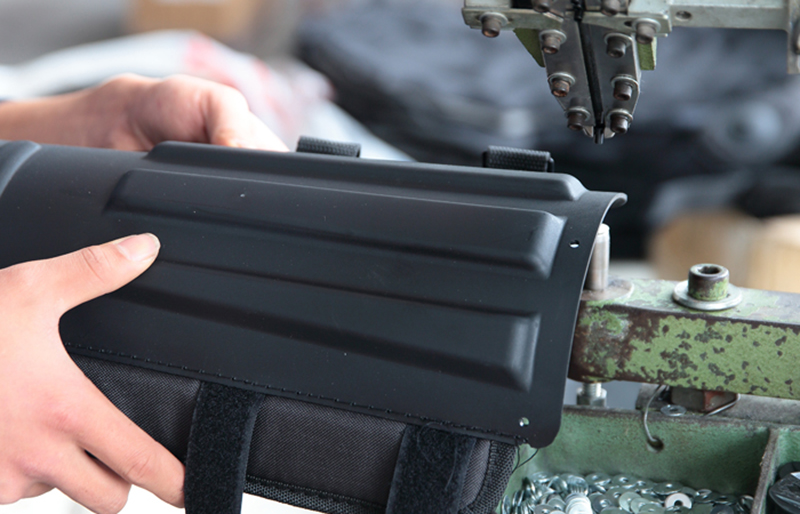
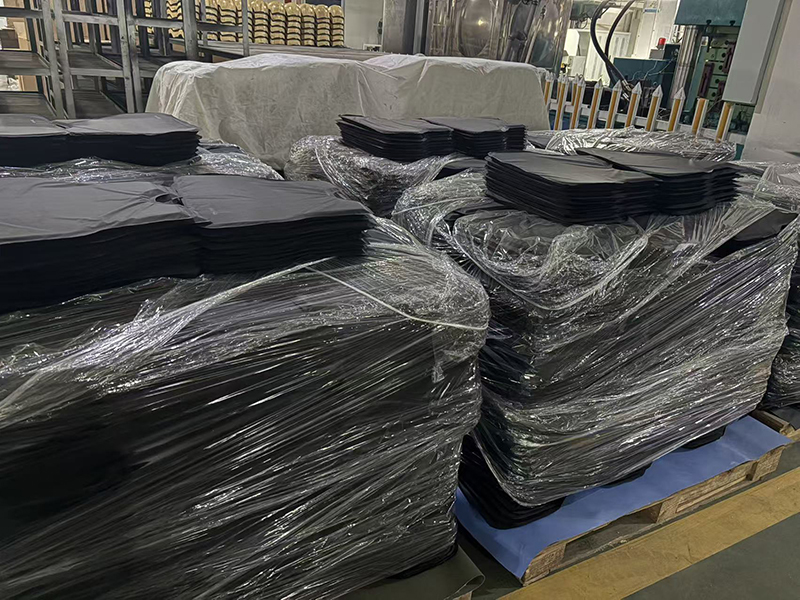
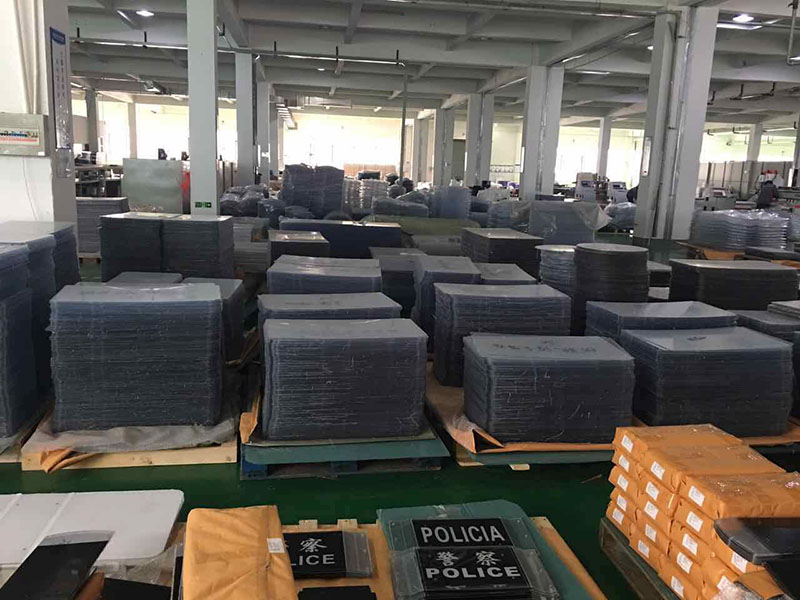
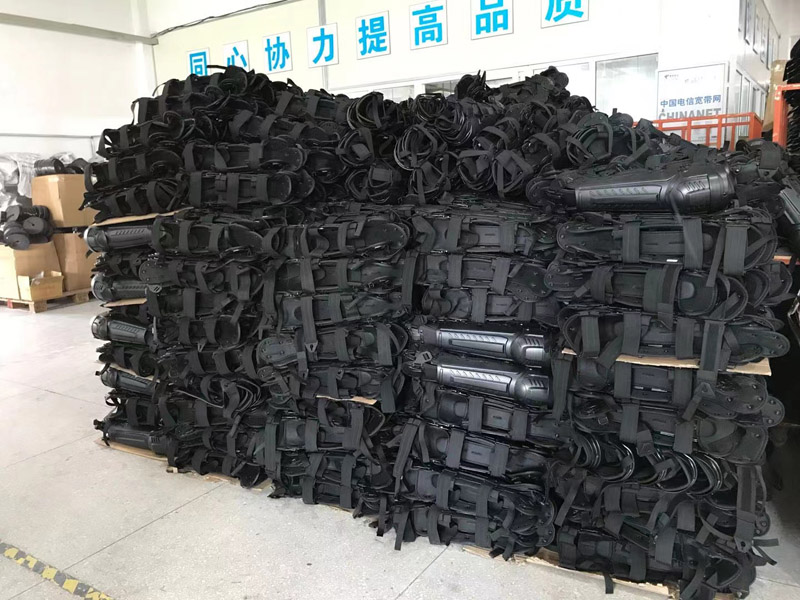
After the threat and product categories are clear, supplier capability becomes a verification question rather than a popularity question. YFARMOR states more than 23 years of specialized industry experience, a 23,000 m² manufacturing plant, 150 to 200 employees and annual output of 200,000 units. The company also states ISO 9001:2008 quality management system certification, more than 200 CE certificates issued by Ricotest, Satra and TUV, NIJ certifications verified by H.P.White and NTS, and SGS and CNAS records. It states that ballistic products can be professionally tested at a nearby standard shooting range.
These facts are useful because they tell the buyer what to ask for: the certificate or report that matches the quoted model, the material version, the tested configuration and the final quality check. They do not replace the model-level test document. A manufacturer can have a broad certification portfolio and still require the buyer to confirm that the exact SKU in the purchase order is covered by the relevant document.
Frequently Asked Questions
Is an anti-riot suit bulletproof?
No. A full-body anti-riot suit is intended for blunt impact, collision, thrown objects and slash hazards. The RIOT-VANGUARD source states that it is not a ballistic product and that the exact protection level, materials, test standards and use limitations should be confirmed. For ballistic protection, certified ballistic plates must be inserted additionally only where the specific suit is designed to accept them and the plate is certified for the expected threat.
Can a polycarbonate anti-riot shield stop bullets?
No. The Anti Riot Shield is a polycarbonate anti-riot shield intended mainly for blunt blows, thrown stones and debris, and the source states that it is not a ballistic shield. A ballistic shield is a separate category, and the exact model, level and test report should be confirmed before use against firearm threats.
What is the difference between NIJ IIIA soft armor and rifle-rated hard plates?
NIJ IIIA soft armor is associated with handgun threats and concealed or low-profile wear. Rifle-rated hard plates are associated with rifle threats and are generally used in external plate carriers, depending on the carrier configuration. A concealable NIJ IIIA vest cannot stop rifle rounds. Rifle-rated hard plates and plate carriers should be selected by the specific tested rating and the projectile they are intended to stop.
Can the IIIA PE Plate be used for rifle protection?
No. The source states that the IIIA PE Plate must not be used for rifle protection based solely on a Level IIIA designation. Whether it can protect against rifle ammunition is a separate determination. The buyer should confirm the tested threats and the official standard for the relevant model, and should not upgrade a IIIA label into a rifle claim.
Are riot helmets and ballistic helmets interchangeable?
No. The RH-GRID anti-riot helmet is identified as anti-riot equipment for blunt-impact and thrown-debris protection, not as a ballistic helmet. A ballistic helmet belongs to a separate model-specific selection path. Within the IIIA PE ballistic-helmet range, the MICH configuration is a distinct option, and coverage, profile and accessory compatibility versus FAST, PASGT or HIGH CUT require confirmation against the respective specification sheets.
How should a buyer match equipment to the actual threat?
Start with a written threat profile, separate blunt-impact and slash hazards from handgun and rifle threats, and then shortlist exact models with the relevant test documentation. Use anti-riot suits, riot helmets and polycarbonate anti-riot shields for crowd-control hazards. Use concealable NIJ IIIA soft armor for handgun-threat roles where low visibility matters. Use rifle-rated hard plates and carriers for rifle threats, and confirm the exact plate level, projectile and test report. Do not assume that one category provides another category's protection.
What should be checked before confirming a sample or purchase order?
Confirm the exact model and configuration, the standard and test report, the tested projectile, the material version, the wear format, the sizing or carrier compatibility, the inspection and maintenance requirements, and the local regulatory or export requirements. YFARMOR can assist with sample, specification and quotation discussions through its official website, but the buyer should keep the final decision tied to the written threat profile and the model-level documents rather than to a category label.
Next step: define the threat profile, separate blunt-impact from ballistic requirements, and request model-level documents for the exact equipment under consideration. For buyers comparing anti-riot suits with ballistic vests, helmets, shields or plates, YFARMOR can support sample evaluation, specification confirmation and quotation discussions through its official website. The useful comparison is not suit versus vest in the abstract; it is the documented protection of each item against the threat the team actually faces.
Conclusion
An anti-riot suit and ballistic armor should be compared by threat, not by appearance. Full-body anti-riot suits provide coverage against blunt impact, collision, thrown objects and slash hazards, but they are not bulletproof armor. Polycarbonate anti-riot shields are intended for blunt blows, stones and debris, not ballistic protection. Riot helmets and ballistic helmets serve different roles. NIJ IIIA soft armor addresses handgun threats and cannot stop rifle rounds, while rifle-rated hard plates and carriers require model-specific confirmation. The IIIA PE Plate must not be used for rifle protection based solely on its IIIA designation, and the Level III alumina ceramic plate, Level IV boron carbide ceramic plate and Level III PE ballistic shield examples all require exact model, level and test-report verification. The correct purchase decision is the one that matches the documented equipment to the actual threat and keeps the limitations visible in the procurement file.
Have Questions or Need More Details?
Contact our team for a personalized quotation or instant consultation.
Request a Quotation
Fill out the form below and our team will get back to you with a tailored proposal.
WhatsApp Direct Chat
Prefer to chat in real-time? Message us on WhatsApp for instant assistance & quick answers.
- Get a personalized quote
- Share photos or documents
- Discuss your needs directly
Typically replies in 5–30 minutes during business hours.