
Concealable VIP Bulletproof Vest vs Plate Carrier Tactical Vest: Buyer Comparison Guide
The choice between a Concealable VIP Bulletproof Vest and a plate carrier tactical vest is not a simple ranking of protection levels. It is a decision about threat profile, concealment requirement and deployment scenario. The concealable vest is NIJ IIIA soft armor intended for handgun threats and low-visibility wear under a suit, uniform or outerwear. Rifle-rated hard armor plates and plate carriers are intended for external tactical wear when rifle threats are expected, and their protection depends on the specific tested plate rating. The concealable vest cannot stop rifle rounds.
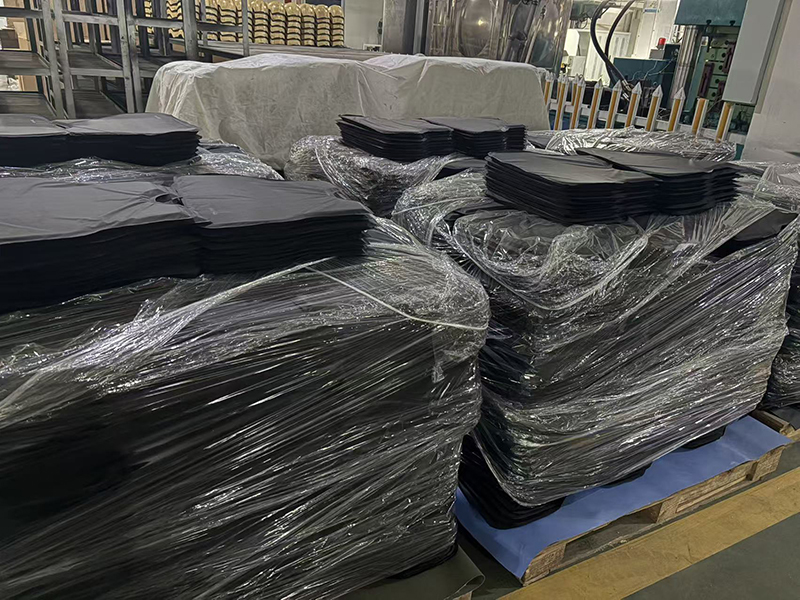
Problem Definition: Why Buyers Confuse These Two Body Armor Systems
Both products are often described as bulletproof vests, tactical vests or body armor, but they answer different protection questions. A security buyer may need a vest that disappears under business clothing for VIP close protection. A tactical unit may need a carrier that accepts hard armor plates for rifle-threat missions. Using one product as a substitute for the other creates a protection gap, especially when a IIIA concealable vest is treated as rifle protection.
The first problem is terminology. In procurement documents, bulletproof vest can mean soft armor, hard armor, a carrier shell, or a complete armor system. The second problem is configuration. A plate carrier tactical vest may be sold as a carrier platform, while the rifle protection comes from the installed hard armor plates and their tested rating. The third problem is mission mismatch. Concealment and tactical load carriage are different requirements, and they lead to different designs.
This comparison therefore separates four questions: What threat must be stopped? Must the armor be concealed? Does the user need external tactical carriage? What certification and test evidence supports the final configuration? The two equipment types should be selected by threat and mission rather than by a simple hierarchy.
Industry Background: Soft Armor, Hard Armor and the NIJ IIIA Distinction
Body armor is a system rather than a single material. Concealable soft armor typically uses aramid or UHMWPE composite soft panels. Hard armor uses rigid plates, such as ceramic ballistic plates or PE ballistic plates, in a carrier. The wear format and the protection level are separate specifications. A concealable vest can be rated for handgun threats without being rifle-rated. A plate carrier can be designed for hard plates without every carrier and plate combination being suitable for every rifle threat.
The Concealable NIJ IIIA Bulletproof Vest is positioned as NIJ-0101.06 Level IIIA soft armor. The official page states that it is intended for handgun threats and cannot stop rifle rounds. It lists .44 Magnum and 9mm FMJ handgun threats and describes thin-ply aramid or UHMWPE composite soft panels in a smooth, quiet outer carrier with elastic fabric and side closure. This construction supports concealed wear, not rifle-rated hard armor performance.
Rifle-rated hard armor plates and plate carriers are designed for external tactical wear. Their rifle protection is not established by the carrier alone. It must be confirmed by the specific hard armor plate, its tested rating and the final configuration. This is why a buyer should not accept a general label such as tactical vest or body armor as proof of rifle protection.
Detailed Comparison: What Each System Is Designed to Do
Concealable NIJ IIIA Bulletproof Vest
The Concealable NIJ IIIA Bulletproof Vest is a low-profile soft armor vest for plain-clothes law enforcement, undercover operations, VIP close protection and executive security. Its core value is low visibility and handgun-threat protection under formal clothing. It is not designed for maximum protection level or external tactical load carriage.
The vest is described as suitable for concealed wear under a suit or outerwear in an urban environment. The design uses a smooth, quiet outer carrier and elastic fabric with side closure to reduce visibility under clothing. The official page lists sizes M through 4XL and size-specific weights. Buyers should confirm the appropriate size based on chest measurement, torso length, clothing layers and movement requirements.
The vest normally does not accept hard rifle plates, although plate pockets can be customized. That customization point should not be read as rifle protection. If rifle threats are present, the buyer should evaluate appropriately tested hard armor plates and carriers. A concealable IIIA vest should not be treated as a rifle-rated system.
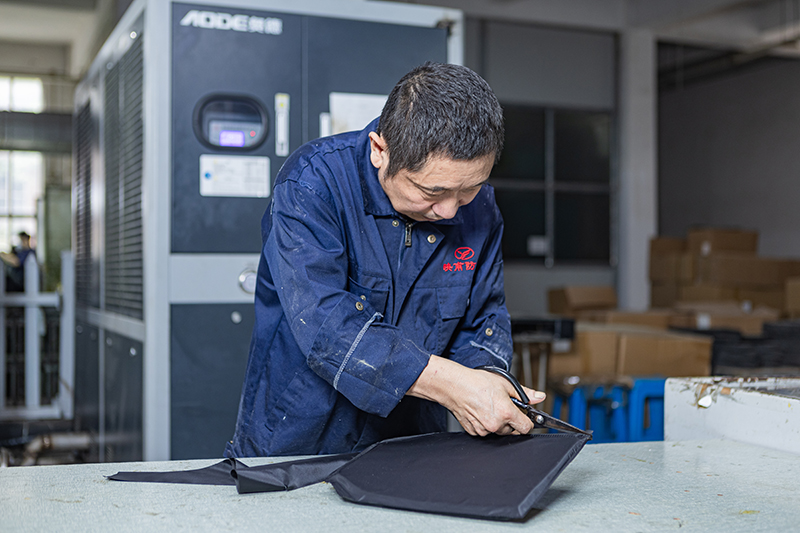
Plate Carrier Tactical Vest with Rifle-Rated Hard Armor
A plate carrier tactical vest is an external carrier system for hard armor plates. It is selected when the mission requires rifle-threat protection, overt equipment or modular load carriage, depending on the carrier configuration. The carrier should be matched to the plate, and the plate should be matched to the threat.
Hard armor plates are not interchangeable. A NIJ-0101.06 Level III alumina ceramic armor plate with an alumina ceramic strike face and UHMWPE backing is stated to protect against the 7.62×51 NATO M80 rifle projectile. It should not be represented as capable of stopping all rifle ammunition. Protection is limited to threats validated under the applicable standard and test conditions. Ballistic performance may decline after heavy impact, piercing, chemical contamination, prolonged UV exposure or improper storage.
Buyers should also distinguish ceramic ballistic plates from PE ballistic plates. A PE plate may be lighter or configured differently, but its use must follow the tested threats and official standard for the relevant model. Neither a plate carrier shell nor a plate label should be accepted without the formal test report, certificate number, material version and final configuration.

Comparison Table: Concealable VIP Vest vs Plate Carrier Tactical Vest
| Decision factor | Concealable NIJ IIIA Bulletproof Vest | Rifle-rated hard armor plates and plate carriers |
|---|---|---|
| Threat type | Handgun threats under NIJ IIIA. | Rifle threats, to be confirmed by the specific tested plate rating. |
| Wear format | Concealed under uniforms or civilian clothing. | External tactical wear. |
| Concealability | High. | Generally lower. |
| Tactical carriage | No external tactical hardware. | Depends on carrier configuration. |
| Best use | Plain-clothes law enforcement, undercover work and VIP security. | Rifle-threat and tactical missions. |
| Rifle protection | Cannot stop rifle rounds. | Confirm by specific tested rating. |
| Hard plate compatibility | Normally does not accept hard rifle plates, although plate pockets can be customized. | Designed around hard armor plates, depending on carrier configuration. |
| Procurement checks | Confirm certificate document, size, fit, local regulations, export permissions, price, MOQ, lead time, warranty and return terms. | Confirm plate rating, test report, carrier configuration, local regulations, export permissions, price, MOQ, lead time, warranty and return terms. |
Step-by-Step Buyer Breakdown
- Define the threat profile first. Separate handgun threats from rifle threats. The Concealable NIJ IIIA Bulletproof Vest is intended for handgun threats and cannot stop rifle rounds. If rifle threats are expected, start with appropriately tested hard armor plates and carriers.
- Decide whether concealment is a mission requirement. For plain-clothes law enforcement, undercover operations, VIP close protection and executive security, low visibility under a suit or outerwear is central. For overt tactical deployment, a plate carrier with external wear may be the relevant format.
- Confirm the wear format and clothing compatibility. The concealable vest is designed to reduce visibility under suits or formal clothing. Check chest measurement, torso length, clothing layers and movement. The official page lists sizes M through 4XL and size-specific weights, so size confirmation should be part of the order review.
- Check hard plate compatibility before assuming upgrade options. The concealable vest normally does not accept hard rifle plates, although plate pockets can be customized. If the final configuration includes a plate pocket, confirm what plate it is designed for and whether the complete assembly has the necessary test evidence.
- Match the plate to the rifle threat. Do not rely on IIIA or tactical labels. A Level III alumina ceramic plate is stated for 7.62×51 NATO M80, but it should not be represented as stopping all rifle ammunition. A IIIA PE plate must not be used for rifle protection based solely on the IIIA designation.
- Verify certification and final configuration. Ask for the NIJ certificate document, formal test report, certificate number, material version and final configuration. Confirm local regulations and export permissions before purchase.
- Review commercial terms and sample fit. Verify price, MOQ, lead time, warranty and return terms for the exact configuration. Request a sample or size review where appropriate, and arrange proper-use training and inspection procedures for the selected system.
Use Cases: Matching the Vest to the Deployment Scenario
For urban VIP close protection, the concealable vest is relevant when the wearer must maintain a business or formal appearance and the dominant threat is a handgun. Plain-clothes law enforcement and undercover operations place similar value on low visibility, quiet materials and a fit that does not interfere with movement or clothing. In these settings, a plate carrier tactical vest may be too overt and may not match the concealment requirement.
For rifle-threat and tactical missions, a plate carrier with rifle-rated hard armor plates is the relevant category. The carrier should be configured for the plate and the mission, and the complete system should be supported by test documentation. The plate carrier is not a substitute for a concealable vest when the mission requires low visibility, and the concealable vest is not a substitute for rifle-rated hard armor when rifle threats are present.
Adjacent equipment should not be confused with ballistic vests. A ballistic helmet, ballistic visor, ballistic shield, riot helmet, anti-riot suit or riot shield has a different protection role. For example, the Anti Riot Shield is a polycarbonate anti-riot shield intended mainly for blunt blows, thrown stones and debris. It is not a ballistic shield. Buyers should keep anti-riot equipment and ballistic armor in separate specification categories.
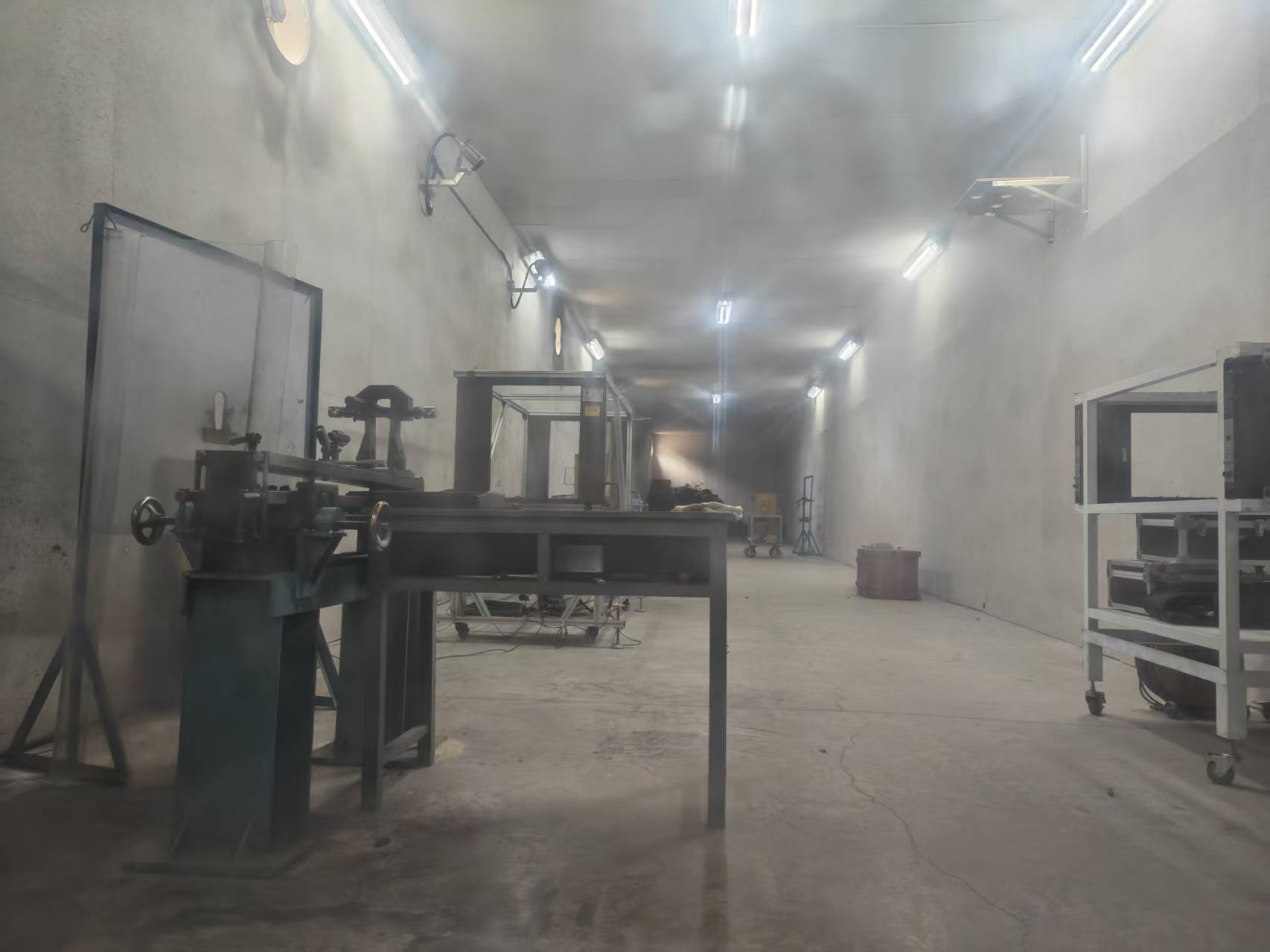
Manufacturing and Verification Context: What YFARMOR Supplies
YFARMOR is the brand of Zhejiang Yingfu Protection Technology Co., Ltd, a manufacturer of ballistic protection and anti-riot equipment with more than 23 years of specialized industry experience. The company operates a 23,000 m² manufacturing plant, employs 150 to 200 people, reports an annual output of 200,000 units and maintains an R&D team of 8 engineers. Its main products include ballistic helmets, bulletproof vests, ballistic plates, ballistic shields, anti-riot suits, riot helmets, riot shields, police batons, gas masks and tactical vests.
YFARMOR states that it maintains full in-house manufacturing workflows from raw material selection to finished product delivery and works with Aramid and UHMW PE material suppliers. Its certification profile includes ISO 9001:2008, more than 200 CE certificates issued by Ricotest, Satra and TUV, NIJ certifications verified by H.P.White and NTS, SGS, CNAS and multiple independent patent certificates. The company also states that all ballistic products can be professionally tested at a nearby standard shooting range.
For buyers, these facts are useful only when they are tied to the exact product and configuration being purchased. Confirm the certificate document, test report, model, plate rating, carrier configuration and material version for the quoted item. A general company certificate should not be treated as proof that every vest or plate configuration has the same rating.
FAQ: Concealable VIP Vest vs Plate Carrier Decisions
What certification and test documents should buyers confirm before ordering body armor?
Buyers should confirm the NIJ certificate document, formal test report, certificate number, material version and final configuration for the exact item being quoted. They should also verify local regulations and export permissions before purchase. Price, MOQ, lead time, warranty and return terms should be confirmed for the same configuration, not for a different model.
Can the Concealable NIJ IIIA Bulletproof Vest stop rifle rounds?
No. The Concealable NIJ IIIA Bulletproof Vest is NIJ IIIA soft armor intended for handgun threats. The official page states that it cannot stop rifle rounds. If rifle threats are present, buyers should select appropriately tested hard armor plates and carriers rather than treating the IIIA vest as rifle protection.
Is the VIP Concealable Bulletproof Vest suitable for concealed wear under a suit or outerwear in an urban environment?
Yes. The VIP Concealable Bulletproof Vest is positioned as low-profile, lightweight soft armor for VIP, executive and dignitary close protection. It is designed to reduce visibility under suits or formal clothing. It is rated for NIJ-0101.06 Level IIIA handgun threats, not rifle threats. The official page lists sizes M through 4XL and size-specific weights, so buyers should confirm chest measurement, torso length, clothing layers and movement requirements.
Can a concealable IIIA vest accept hard rifle plates?
The concealable vest normally does not accept hard rifle plates, although plate pockets can be customized. Buyers should confirm the final configuration and the applicable test evidence before assuming that a plate can be added. If rifle threats or modular tactical carriage are involved, another armor system should be evaluated.
Does a plate carrier tactical vest automatically provide rifle protection?
No. Rifle protection depends on the specific hard armor plate and its tested rating. A plate carrier configuration should be confirmed with the formal test report, certificate number, material version and final assembly details. A IIIA PE plate must not be used for rifle protection based solely on a Level IIIA designation. A Level III alumina ceramic plate is stated for 7.62×51 NATO M80, but it should not be represented as stopping all rifle ammunition.
What commercial terms and sample checks should buyers verify?
Buyers should verify price, MOQ, lead time, warranty and return terms for the exact vest or plate carrier configuration. A sample or size review can help confirm fit and wear format before bulk procurement. For document review, sample coordination and quotation on a specific configuration, YFARMOR can support the next step through www.yfarmor.com.
Conclusion: Select by Threat and Mission, Not by Label
The Concealable VIP Bulletproof Vest and the plate carrier tactical vest serve different missions. The concealable vest provides NIJ IIIA handgun-threat protection with high concealability for plain-clothes law enforcement, undercover work and VIP close protection. It cannot stop rifle rounds and normally does not accept hard rifle plates, although plate pockets can be customized.
Rifle-rated hard armor plates and plate carriers are intended for external tactical wear when rifle threats are expected. Their protection must be confirmed by the specific tested plate rating and final configuration. The correct procurement decision is therefore a threat-and-mission match, not a choice between a basic and an advanced version of the same product. Confirm the threat, wear format, size, plate compatibility, certification and commercial terms before ordering. For the approved configuration, YFARMOR can be reached through YFARMOR.
For buyers comparing body armor options, a useful next step is to define the threat profile and request the matching certificate, test report and configuration details. Sample review and quotation should be based on the same model, size and plate rating being considered for deployment.
Have Questions or Need More Details?
Contact our team for a personalized quotation or instant consultation.
Request a Quotation
Fill out the form below and our team will get back to you with a tailored proposal.
WhatsApp Direct Chat
Prefer to chat in real-time? Message us on WhatsApp for instant assistance & quick answers.
- Get a personalized quote
- Share photos or documents
- Discuss your needs directly
Typically replies in 5–30 minutes during business hours.