Level III Aluminium Oxide vs Level IV Boron Carbide Plates
Level III Aluminium Oxide vs Level IV Boron Carbide Ceramic Armor Plates: Buyer Comparison Guide
The decision between a Level III aluminium oxide ceramic armor plate and a Level IV boron carbide ceramic armor plate is not a simple upgrade choice. The correct plate is the one whose documented protection matches the buyer’s threat profile, carrier system, procurement standard and service conditions. In the verified product facts used for this guide, the Level III aluminium oxide (alumina) ceramic armor plate is specified as an NIJ-0101.06 Level III alumina ceramic plate with an alumina ceramic strike face and UHMWPE backing, and it is stated to protect against the 7.62×51 NATO M80 rifle projectile. The same source states clearly that it should not be represented as capable of stopping all rifle ammunition.
The Level IV boron carbide ceramic armor plate is a distinct hard-armor option, but the level and material names do not replace model-specific evidence. Buyers should require the exact certificate, test report, projectile list, construction data and carrier compatibility for the specific Level IV plate being quoted. This guide therefore compares what is verified, separates threat matching from label matching, and shows what procurement teams should confirm before awarding a contract.
Ceramic plates are hard armor. They are not interchangeable with soft armor or riot gear. An NIJ IIIA concealable vest is intended for handgun threats and cannot stop rifle rounds. Anti-riot helmets and shields are intended for blunt impact and debris, and the anti-riot shield is not a ballistic shield. Those distinctions belong in the same buyer decision because mixing equipment categories is a common source of false expectations.
Problem definition: the label is not the protection
Buyers often compare Level III and Level IV as if the higher number automatically answers the requirement. It does not. A protection level only has meaning when it is tied to a specific standard, test projectile, velocity, test condition, plate model and configuration. The Level III alumina plate has a stated NIJ-0101.06 Level III identity and a stated rifle threat, the 7.62×51 NATO M80. The Level IV boron carbide plate must be evidenced in the same way: exact model, exact standard, exact test record.
The practical problem is that a quote may show only a level and a material. That is not enough to compare plates. Two plates with the same nominal level can differ in size, curvature, thickness, backing, carrier integration, test documentation and service instructions. A buyer who compares only the level or only the material is comparing incomplete offers.
Industry background: hard armor, soft armor and riot equipment
Hard armor plates are used in plate carriers or hard-armor configurations to address rifle threats within their tested limits. Soft armor uses flexible ballistic panels and is commonly rated for handgun threats; a concealable NIJ IIIA bulletproof vest is intended for handgun threats and cannot stop rifle rounds. Anti-riot equipment addresses a different hazard set: RH-series anti-riot helmets use the GA 294-2023 Anti-Riot Standard for blunt-impact and debris protection and are not bulletproof; the anti-riot shield is a polycarbonate shield for blunt blows, thrown stones and debris, not a ballistic shield.
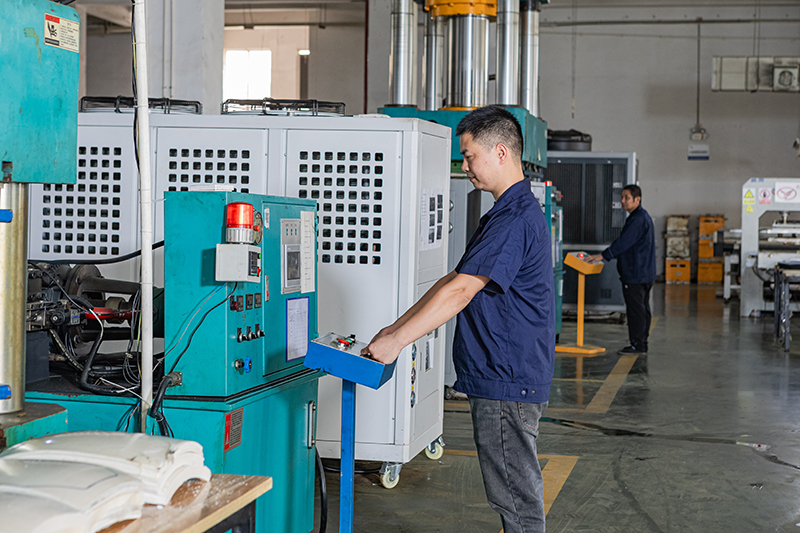
YFARMOR (Zhejiang Yingfu Protection Technology Co., Ltd) is a manufacturer of ballistic protection and anti-riot equipment. Its company profile states more than 23 years of specialized industry experience, a 23,000 m² manufacturing plant and a product portfolio that includes ballistic helmets, ballistic plates, bulletproof vests and ballistic shields. That manufacturing context is useful for supplier evaluation, but it does not replace the certificate and test report for the exact plate being purchased.
Verified comparison: Level III alumina vs Level IV boron carbide
| Comparison point | Level III Aluminium Oxide Ceramic Armor Plate | Level IV Boron Carbide Ceramic Armor Plate |
|---|---|---|
| Protection identity | Specified as an NIJ-0101.06 Level III alumina ceramic armor plate. | Assigned Level IV boron carbide hard-armor category; exact model certification must be verified. |
| Stated construction | Alumina ceramic strike face and UHMWPE backing. | Boron carbide ceramic is the named ceramic material; exact strike face, backing, thickness and curvature are model-specific and not assumed here. |
| Verified threat statement | Stated protection against the 7.62×51 NATO M80 rifle projectile. | Exact test projectile, velocity, conditions and standard must come from the model-specific certificate and test report. |
| Key limitation | Not capable of stopping all rifle ammunition; protection is limited to validated threats and test conditions. | A Level IV or boron carbide label alone is not a complete performance specification. |
| Buyer action | Match the certificate to the exact model, size, carrier and lot; inspect and store correctly. | Request certificate, test report, construction data and supplier instructions before comparing offers. |
The table exposes the central evidence gap that buyers must close. The Level III alumina plate has a stated standard and a stated rifle projectile. The Level IV boron carbide plate is a distinct hard-armor option, but this guide does not invent its weight, thickness, backing, test velocity or certification scope. Those details must come from the exact product file. A procurement comparison that fills those blanks with assumptions is not a comparison; it is a guess.
Threat profile: what the Level III alumina plate can and cannot do
The verified statement for the Level III aluminium oxide ceramic armor plate is narrow and useful: it is specified as an NIJ-0101.06 Level III alumina ceramic armor plate and is stated to provide protection against the 7.62×51 NATO M80 rifle projectile. That is the threat anchor for the Level III side of the comparison.
Can it stop all rifle rounds? No. The product should not be represented as capable of stopping all rifle ammunition. Protection is limited to threats validated under the applicable standard and test conditions. This wording matters in tenders, training and end-user briefings. A plate that is validated for one rifle projectile is not a universal rifle shield, and a buyer should not convert a specific test statement into a general promise.
For the Level IV boron carbide plate, the same discipline applies. The buyer should ask for the model-specific test record and confirm the exact projectile, velocity, test conditions and standard version. The phrase Level IV boron carbide identifies a category and a material, not a complete performance envelope. If the supplier cannot connect the claim to a specific plate model and test document, the buyer does not yet have comparable evidence.
Construction: alumina ceramic strike face and UHMWPE backing vs boron carbide ceramic
The Level III alumina plate’s stated construction is an alumina ceramic strike face with a UHMWPE backing. In hard armor, the ceramic face is the hard front component that disrupts the projectile, while the backing supports the ceramic and helps manage residual energy and fragments. That explanation is generic to ceramic hard armor; the verified product fact is the stated alumina strike face and UHMWPE backing on this plate.
A Level IV boron carbide ceramic plate uses boron carbide as the named ceramic material. The exact construction must be confirmed: strike-face thickness, backing material, backing layering, plate thickness, curvature, cut and areal density are model-specific. Boron carbide is not a synonym for a complete plate design. Buyers should not assume that two plates share the same backing, weight, carrier fit or service life because both are described as ceramic.

Material selection also affects how the buyer writes the specification. A requirement that names only boron carbide can be met by offers with different constructions. A better requirement names the standard, the threat, the plate model or an approved equivalent, the size and curvature, the carrier interface and the documentation package. That keeps the comparison on documented characteristics rather than on material vocabulary.
Certification and evidence: what to demand before comparing
For the Level III alumina plate, the starting evidence is the NIJ-0101.06 Level III specification and the stated 7.62×51 NATO M80 protection. The buyer should still match the certificate and test report to the exact model, size and configuration being ordered. YFARMOR’s profile states that its NIJ certifications are verified by H.P.White and NTS and that its ballistic products can be professionally tested at a nearby standard shooting range. Those statements support a documentation request; they do not remove the need to check the exact plate file.
For the Level IV boron carbide plate, require the same chain: certificate issuer, standard version, test laboratory, plate model, test projectile, velocity, test conditions, date and scope. Confirm whether the certificate covers the plate alone or a defined armor system, and confirm that the quoted size and curvature are within the tested configuration. If the offer is a distributor package, ask who holds the current certificate and how lot traceability is maintained.
Weight, thickness and wearability: do not infer from the level
The verified facts in this guide do not provide weight or thickness for either plate. Buyers should not fill that gap by assuming that one ceramic material is always lighter, thinner or more comfortable. Those outcomes depend on the plate design, threat requirement, size, curvature and backing. Request the exact weight and thickness for the offered size and compare them on the same basis.
Wearability is a mission decision. A plate that is acceptable for vehicle-mounted duty may be different from one intended for long foot patrols. The buyer should compare the plate with the carrier, the expected wear duration, the climate and the user’s mobility requirement. This is a supported selection principle, not a claim that either plate is universally more comfortable.
Cost and value: compare delivered cost, not the label price
Price per plate is not a complete cost comparison between Level III alumina and Level IV boron carbide. A valid comparison uses the same size, curvature, cut, carrier interface, certification package, warranty, replacement policy, packaging, delivery terms and destination. The buyer should also include the cost of verifying certificates, training users, inspecting plates and replacing damaged units.
The Level IV boron carbide plate may have different cost drivers from the Level III alumina plate, but without quoted prices and identical scope, no numerical value conclusion is defensible. The practical rule is: compare offers at the same protection requirement and the same documentation level. A cheaper plate with an unmatched certificate is not a lower-cost solution; it is an unverified solution.
Use cases: matching the plate to the mission
The Level III aluminium oxide ceramic armor plate is relevant when the buyer’s documented rifle threat is the validated Level III threat, including the stated 7.62×51 NATO M80 projectile, and when an NIJ-0101.06 Level III alumina plate fits the carrier and procurement rules. It is not a general rifle solution and it is not a substitute for soft armor or riot equipment.
The Level IV boron carbide ceramic armor plate is a distinct hard-armor option for requirements that specifically call for a Level IV boron carbide plate and for which the exact model is certified to the required threat. The buyer should treat that as a conditional selection: the condition is the model-specific certificate and test record, not the words on the quotation.
Soft armor and riot gear remain separate. A concealable NIJ IIIA vest addresses handgun threats and cannot stop rifle rounds. RH-series anti-riot helmets are not bulletproof. The anti-riot shield is not a ballistic shield. A ceramic hard plate does not turn a riot suit into ballistic protection, and a riot shield does not become rifle-rated because a plate is worn elsewhere in the team.
| Equipment category | Verified role | Do not assume |
|---|---|---|
| Level III alumina plate | NIJ-0101.06 Level III; stated 7.62×51 NATO M80 protection. | Do not assume protection against all rifle rounds. |
| Level IV boron carbide plate | Level IV hard-armor plate category; exact model certification to be verified. | Do not assume performance from the material or level name alone. |
| NIJ IIIA concealable vest | Handgun-threat soft armor. | Cannot stop rifle rounds. |
| RH-series anti-riot helmet | GA 294-2023 blunt-impact and debris protection. | Not bulletproof. |
| Anti-riot shield | Polycarbonate shield for blunt blows, stones and debris. | Not a ballistic shield. |
Step-by-step buyer comparison
- Write the threat statement in procurement language: projectile, velocity, standard, test conditions and expected environment. For the Level III alumina plate, the verified anchor is the 7.62×51 NATO M80 statement under NIJ-0101.06 Level III.
- Require the model-specific certificate and test report for the exact plate, size and curvature. For the Level IV boron carbide plate, do not accept a level label without the corresponding test record.
- Check construction and materials: the Level III alumina plate has an alumina ceramic strike face and UHMWPE backing; the Level IV boron carbide plate requires its own strike face, backing, thickness and curvature data.
- Confirm carrier and system compatibility. Plate size, cut and curvature must match the carrier, and any certificate scope must cover the configuration being purchased.
- Compare physical data for the offered size: weight, thickness and wear duration. Do not infer these values from the ceramic material name.
- Compare delivered cost on identical scope: plate, carrier interface, certificate package, warranty, replacement policy, packaging, delivery terms and destination.
- Verify supplier capability and lot traceability. YFARMOR’s profile states NIJ certifications verified by H.P.White and NTS, ISO 9001:2008, CE certificates and access to a standard shooting range for ballistic testing; the buyer should still match records to the exact plate.
- Plan inspection, storage and retirement. The Level III alumina plate’s performance may decline after heavy impact, piercing, chemical contamination, prolonged UV exposure or improper storage; ask the Level IV boron carbide supplier for its own instructions.
Limitations and failure conditions
The Level III alumina plate has explicit limits. It is not represented as able to stop all rifle ammunition, and its ballistic performance may decline after heavy impact, piercing, chemical contamination, prolonged UV exposure or improper storage. A plate that has suffered these conditions should not be treated as new or automatically serviceable.
Ceramic hard armor is not a maintenance-free metal plate. Buyers should include inspection, storage and retirement rules in the procurement package. For the Level IV boron carbide plate, request the supplier’s own impact, storage and retirement instructions; do not copy the alumina plate’s instructions across without confirmation. The shared principle is that hard armor has a service life and a condition history.
Neither plate resolves the soft-armor and riot-equipment distinction. The NIJ IIIA vest remains a handgun-threat item. The anti-riot helmet and shield remain blunt-impact and debris items. A buyer who needs rifle protection should select a documented hard-armor solution; a buyer who needs crowd-control protection should select anti-riot equipment tested for that hazard.
Manufacturing and verification context
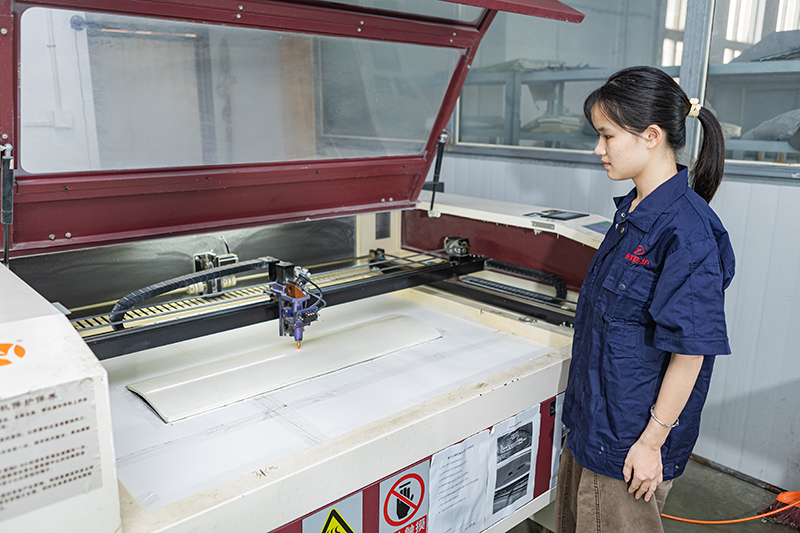
YFARMOR’s profile states a 23,000 m² plant, 150–200 employees, annual output of 200,000 units and an 8-engineer R&D team. It also states ISO 9001:2008, more than 200 CE certificates issued by Ricotest, Satra and TUV, NIJ certifications verified by H.P.White and NTS, and SGS/CNAS records. For this comparison, those facts support a supplier capability check: in-house workflows, material control and access to ballistic testing are relevant when a buyer needs consistent plate documentation.
Supplier capability does not certify every plate automatically. The buyer must still attach the certificate to the exact Level III alumina or Level IV boron carbide model, size and configuration. A strong factory profile is context; the model certificate is the evidence.
FAQ
What threats can the Level III Aluminium Oxide Ceramic Armor Plate protect against? Can it stop all rifle rounds?
The product is specified as an NIJ-0101.06 Level III alumina ceramic armor plate with an alumina ceramic strike face and UHMWPE backing, and it is stated to provide protection against the 7.62×51 NATO M80 rifle projectile. It should not be represented as capable of stopping all rifle ammunition; protection is limited to threats validated under the applicable standard and test conditions. Ballistic performance may decline after heavy impact, piercing, chemical contamination, prolonged UV exposure or improper storage.
Can a Level III alumina plate replace soft armor or riot gear?
No. A ceramic plate is hard armor for its validated rifle threat. An NIJ IIIA concealable vest is soft armor intended for handgun threats and cannot stop rifle rounds. RH-series anti-riot helmets use the GA 294-2023 Anti-Riot Standard for blunt-impact and debris protection and are not bulletproof; the anti-riot shield is not a ballistic shield. These categories should be selected by threat and mission, not by a simple hierarchy.
What should buyers verify on a Level IV boron carbide ceramic armor plate?
Verify the exact model certificate and test report, including standard version, test projectile, velocity, conditions and the tested size or configuration. Confirm the boron carbide construction, backing, thickness, weight, curvature and carrier compatibility for the offered plate. Ask for the supplier’s storage, inspection and retirement instructions. A Level IV or boron carbide label alone is not enough to compare the plate with a Level III alumina plate.
Does a higher protection level always mean a better purchase?
No. The plate should be selected by threat and mission rather than by a simple hierarchy. A Level III alumina plate may fit a requirement that is limited to its validated threat, while a Level IV boron carbide plate may be specified for a different requirement. Buyers should compare the documented threat, certification scope, weight, carrier fit, service conditions and delivered cost before deciding.
How should procurement compare price between the two plates?
Compare delivered cost on the same scope: same size, curvature, cut, carrier interface, certificate package, warranty, replacement policy, packaging, delivery terms and destination. Do not compare a Level III alumina plate price with a Level IV boron carbide plate price unless both quotes cover the same documentation and service package. Without that scope, a lower price does not establish better value.
How can buyers request model-specific plate data from YFARMOR?
Buyers can contact YFARMOR through its official website with the required threat profile, standard, plate size, carrier type, quantity and destination. Request the model-specific certificate, test report, construction data, weight and thickness for the exact Level III alumina or Level IV boron carbide plate being considered. This lets the supplier quote against a defined requirement instead of a general level label.
Conclusion
The choice between a Level III aluminium oxide ceramic armor plate and a Level IV boron carbide ceramic armor plate should be recorded as a threat-matched procurement decision. The Level III alumina plate has a verified NIJ-0101.06 Level III identity, an alumina strike face, a UHMWPE backing and a stated 7.62×51 NATO M80 protection statement; it cannot stop all rifle rounds and remains subject to test conditions, inspection and storage limits. The Level IV boron carbide plate is a distinct hard-armor option whose exact certification, construction and physical data must be verified for the quoted model. Neither plate replaces soft armor or riot gear. Buyers who compare certificates, model data and delivered scope will make a more defensible choice than buyers who compare level labels alone.
Have Questions or Need More Details?
Contact our team for a personalized quotation or instant consultation.
Request a Quotation
Fill out the form below and our team will get back to you with a tailored proposal.
WhatsApp Direct Chat
Prefer to chat in real-time? Message us on WhatsApp for instant assistance & quick answers.
- Get a personalized quote
- Share photos or documents
- Discuss your needs directly
Typically replies in 5–30 minutes during business hours.