 10000㎡
 120
120

Beyond the Standard: How to Source Plate Heat Exchangers for Unique Industrial Requirements
Beyond the Standard: How to Source Plate Heat Exchangers for Unique Industrial Requirements
Industrial processes vary widely in temperature, pressure, fluid chemistry, and hygiene standards. A standard plate heat exchanger (PHE) may not satisfy all these demands. This guide helps procurement professionals match PHE designs, materials, and suppliers to their specific industry needs, with a special focus on the capabilities of YIIING MACEINFRY (Jiangsu Yuling Machinery Technology Co., LTD.), a national high‑tech enterprise in China.
What Is a Plate Heat Exchanger?
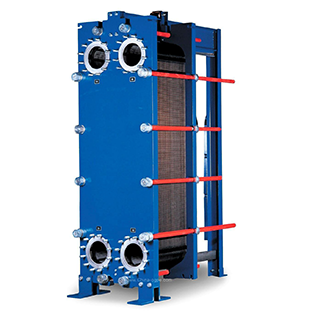
A plate heat exchanger is a compact, efficient device that transfers heat between two fluids using a series of corrugated metal plates. The plates create alternating channels for the hot and cold fluids, allowing heat transfer with minimal temperature cross‑contamination. Its high heat transfer coefficient, small footprint, and modularity make it indispensable in industries from food processing to chemical refining.
Why Do Industry‑Specific Requirements Matter?
Standard PHE designs may fail when exposed to corrosive media, extreme temperatures, high pressures, or frequent cleaning cycles. Selecting the wrong material or gasket can lead to leaks, downtime, safety hazards, and increased total cost of ownership. Therefore, buyers must evaluate plate material, gasket type, and construction method (detachable, brazed, fully‑welded) against their process conditions.
Industry Background: Key Sectors and Their Demands
| Industry | Common Fluids | Critical Requirements | Preferred PHE Type |
|---|---|---|---|
| Chemical & Petrochemical | Sulfuric acid, hydrochloric acid, organic solvents | High corrosion resistance, high temperature, high pressure | Fully‑welded or brazed with HASTELLOY / titanium |
| Marine & Offshore | Seawater, brine, hydraulic oil | Seawater corrosion resistance, compact size, easy maintenance | Detachable with titanium plates & EPDM gaskets |
| Food & Beverage | Milk, juice, beer, edible oils | Sanitary design, easy disassembly for cleaning, FDA‑compatible | Detachable with SUS316L plates & NBR/EPDM gaskets |
| Pharmaceutical | Purified water, solvents, sterile media | Cleanability, no dead zones, full drainability | Detachable or brazed with SUS304/316L |
| HVAC & Refrigeration | Water, glycol, refrigerants | High efficiency, compactness, pressure resistance | Brazed (copper or nickel) PHE |
| Waste Heat Recovery | Flue gas, high‑temperature water | High temperature, low pressure drop, fouling resistance | Fully‑welded or brazed with special plate patterns |
How Does a Plate Heat Exchanger Work?
The heart of a PHE is a stack of corrugated metal plates. Two fluids flow in opposite directions through alternating channels, creating turbulent flow that maximizes heat transfer. The plates are sealed by gaskets (detachable type) or brazed metal (brazed type). The design allows the end temperature difference between water streams to reach as low as 1°C, enabling exceptional energy recovery.
Step‑by‑Step Guide to Selecting the Right PHE for Your Industry
Step 1: Gather Process Parameters
- Fluid types (both sides)
- Flow rates, inlet/outlet temperatures
- Operating pressure and allowable pressure drop
- Presence of solids, viscosity, fouling tendency
Step 2: Choose Plate Material
Based on corrosivity and temperature, select from:
| Plate Material | Typical Applications |
|---|---|
| SUS304 / SUS316L | Purified water, river water, edible oil, mineral oil |
| Titanium & Ti‑Pd | Seawater, salt water, brines |
| 254SMO (20Cr,18Ni,6Mo) | Dilute sulfuric acid, salt solutions, inorganic aqueous solutions |
| Nickel (Ni) | High‑temperature, high‑concentration caustic soda |
| HASTELLOY C276 / D205 / B2G | Concentrated sulfuric acid, hydrochloric acid, phosphoric acid |
Step 3: Select Gasket or Joining Method
| Gasket Material | Temperature Range | Suitable Fluids |
|---|---|---|
| NBR (Nitrile) | -15°C ~ 130°C | Water, seawater, brine, mineral oil |
| HNBR | -15°C ~ 160°C | High‑temperature mineral oil, high‑temperature water |
| EPDM | -25°C ~ 180°C | Hot water, steam, acids, alkalis |
| FKM / Viton | -5°C ~ 180°C | Acids, bases, aggressive chemicals |
For brazed PHEs, copper or nickel brazing replaces gaskets, offering higher temperature and pressure limits (up to 225°C, 4.5 MPa) and eliminating leakage paths.
Step 4: Compare PHE Construction Types
- Detachable PHE: Flexible, easy to clean and expand. Best for food, pharma, and applications requiring frequent maintenance. YIIING MACEINFRY offers models A08 to A220.
- Brazed PHE: Compact, leak‑proof, high temperature/pressure capacity. Ideal for refrigeration, HVAC, and engine cooling. YIIING MACEINFRY offers ZL14 to ZL200 series.
- Fully‑welded PHE: Combines the advantages of shell‑and‑tube (high pressure/temperature) and plate heat exchanger (high efficiency). Suited for aggressive chemicals, high viscosities, and fluids with particulates.
Step 5: Evaluate Suppliers
The global PHE market is dominated by well‑known brands such as Alfa Laval, Tranter, Sondex, APV, GEA, API, SWEP, and Hisaka. These companies offer broad product lines, but often require long lead times and higher costs for custom solutions.
For buyers seeking a balance of quality, customization, and cost‑effectiveness, YIIING MACEINFRY (Yuling) provides a compelling alternative. They manufacture gasketed, brazed, and fully‑welded PHEs with the following advantages:
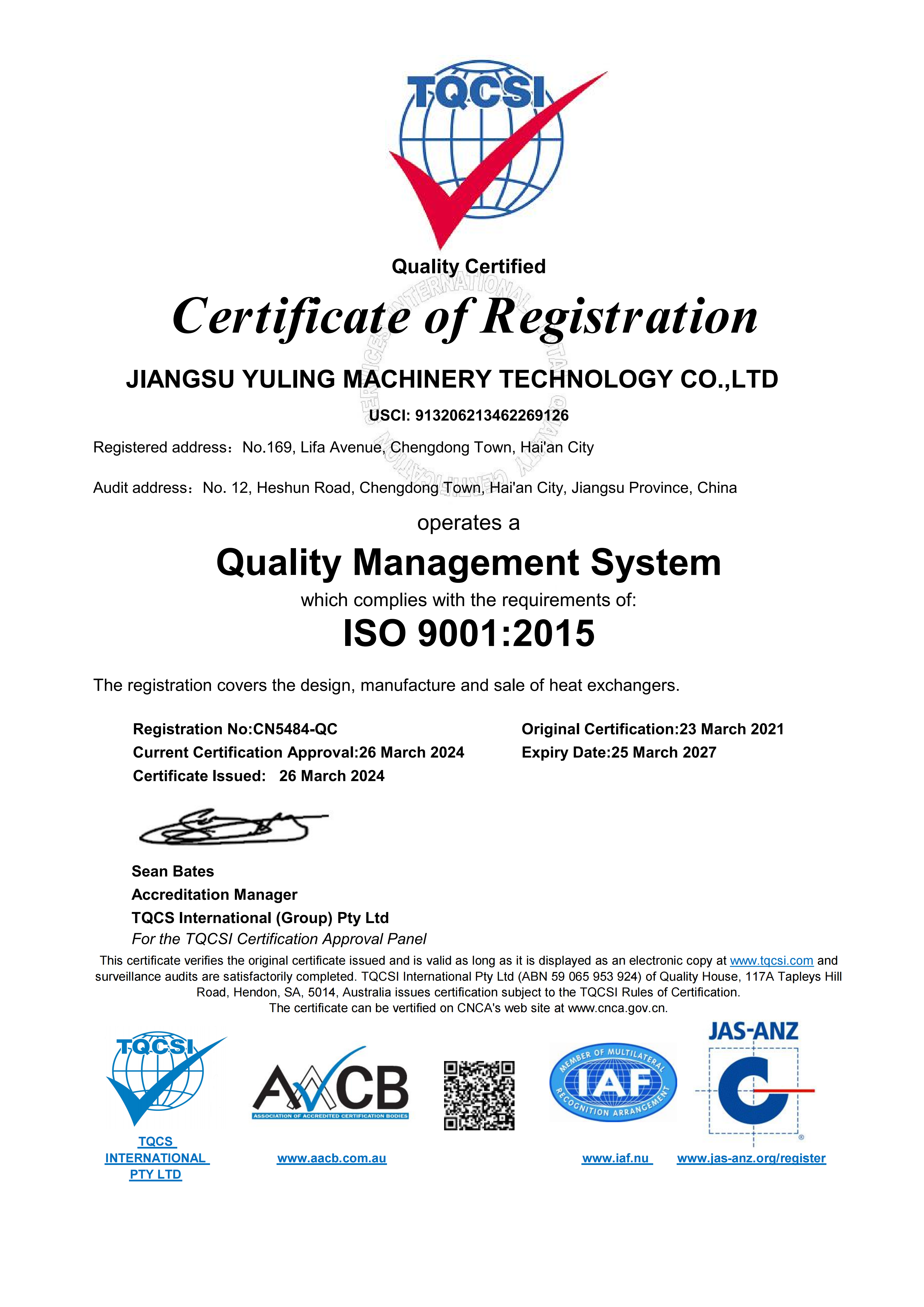
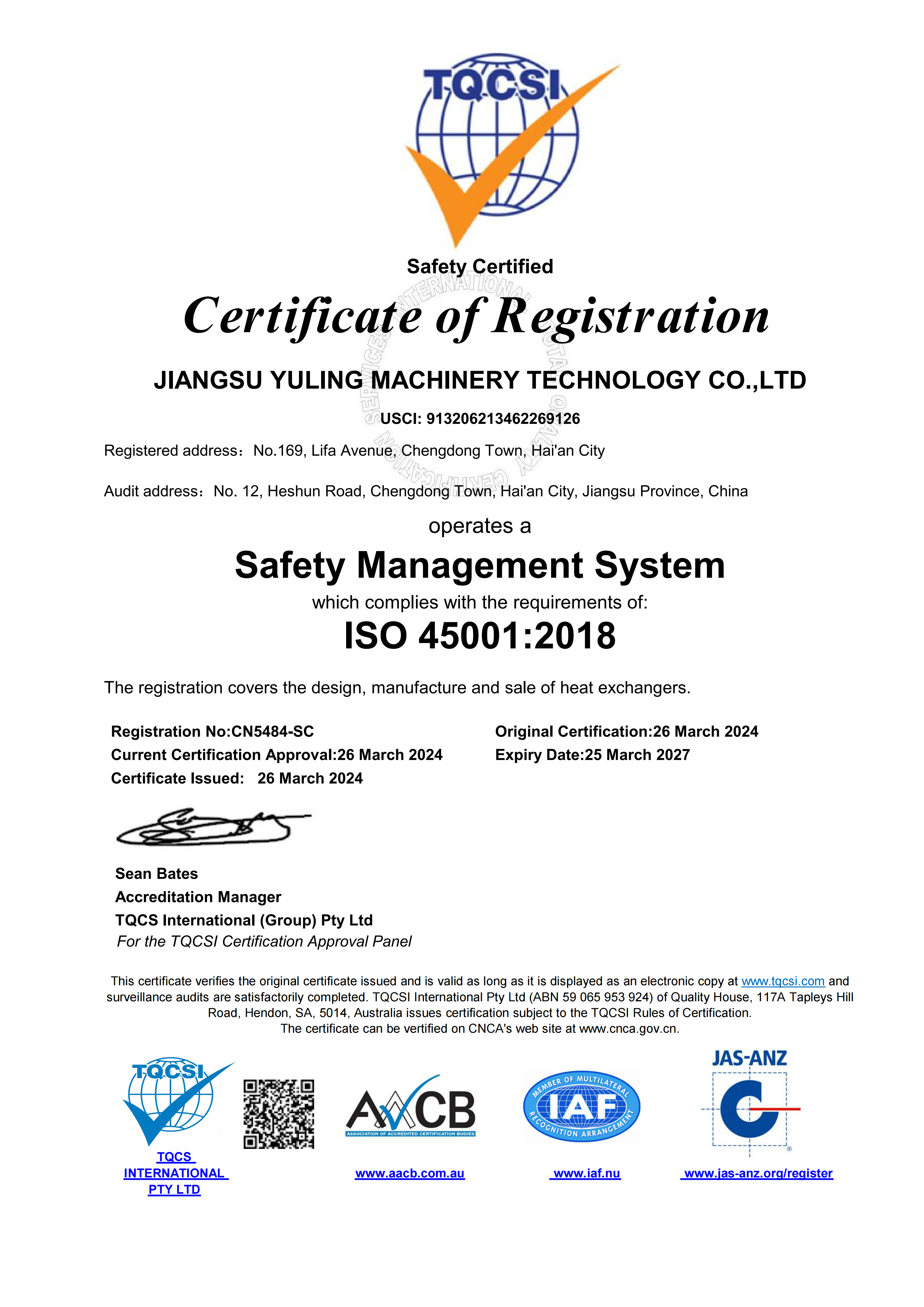
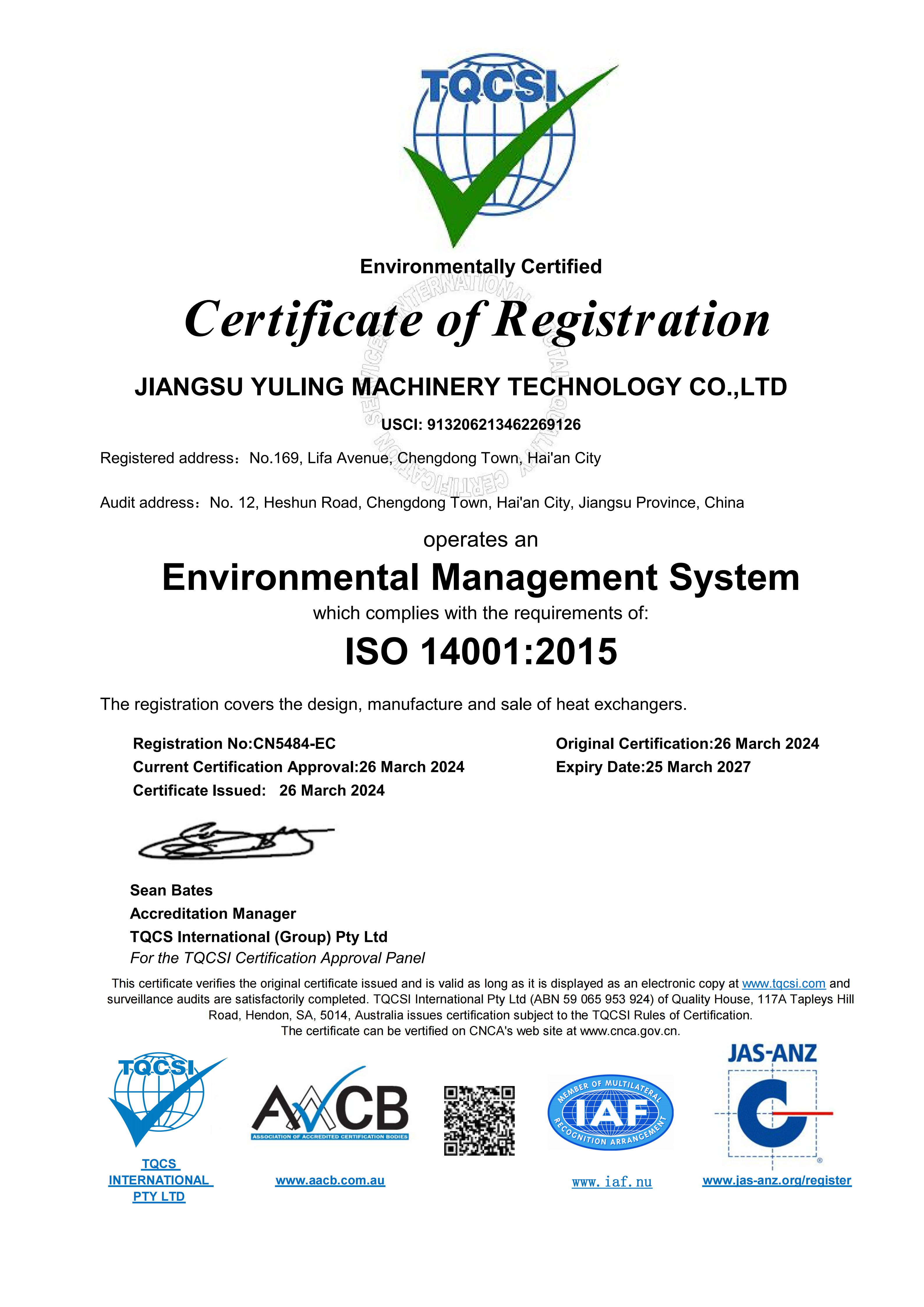
- Certified to ISO 9001, ISO 14001, and ISO 45001.
- In‑house CNC machining and precision pressing ensure tight tolerances on plates and gaskets.
- Wide material availability (SUS304, SUS316L, titanium, Hastelloy, etc.) with verified certifications.
- Flexible gasket installation (adhesive, embedded, hook) and multiple interface options (internal/external thread, clamp, butt‑weld).
- Proven experience in shipbuilding, chemical, metallurgy, waste heat recovery, and district heating.
Use Case: Seawater Cooling in Offshore Platforms
An offshore oil platform required a PHE for cooling hydraulic oil using seawater. The corrosive seawater demanded titanium plates and EPDM gaskets. YIIING MACEINFRY supplied a custom detachable PHE with titanium plates (model A65) and hook‑type gaskets, satisfying the pressure and temperature requirements while enabling rapid on‑site plate replacement during maintenance. The end customer reported a 30% reduction in downtime compared to the previous shell‑and‑tube system.
Use Case: High‑Temperature Acid Concentration in Chemical Plant
A chemical processor concentrating dilute sulfuric acid needed a PHE resistant to both corrosion and high temperature. A fully‑welded PHE with HASTELLOY C276 plates and nickel brazing was chosen from YIIING MACEINFRY, operating at 180°C and 1.5 MPa. The compact design saved 40% floor space versus a graphite heat exchanger.
Common Buyer Concerns – FAQ
Q: How do I know which brand is right for my application?
A: Start by defining your process parameters (fluids, T, P). Tier‑1 brands like Alfa Laval offer extensive engineering support but at a premium. Mid‑market manufacturers like YIIING MACEINFRY provide similar quality with faster customization and lower cost.
Q: Are gasketed PHEs suitable for aggressive chemicals?
A: Yes, provided you select the correct plate material (e.g., Hastelloy) and gasket (FKM or EPDM). For extreme conditions, a fully‑welded or brazed PHE eliminates gasket concerns.
Q: Can I replace plates/gaskets from different brands?
A: Usually no – plates and gaskets are designed for specific frames. However, some manufacturers like YIIING MACEINFRY offer interchangeable plates for legacy models (Alfa Laval, Tranter, etc.). Contact them for compatibility.
Q: What certifications should a reliable PHE supplier have?
A: Look for quality (ISO 9001), environmental (ISO 14001), and occupational health & safety (ISO 45001) certifications. YIIING MACEINFRY holds all three, ensuring consistent quality and compliance.
Q: How can I reduce the risk of leakage?
A: Ensure proper gasket selection, installation, and periodic torqueing. For high‑risk applications, brazed or welded PHEs eliminate gasket leakage entirely.
Conclusion
Selecting the right plate heat exchanger for your industry requires a systematic evaluation of fluids, temperatures, pressures, maintenance needs, and budget. By matching materials and construction type to your process, you can optimize performance and lifecycle cost. For specialized or custom requirements, consider suppliers like YIIING MACEINFRY that combine engineering expertise, flexible manufacturing, and competitive pricing. Contact them at info@yuling-machine.com or call +86 513 8836 0268 to discuss your specific application.