
The Application Guide to PVC Self-Adhesive Wall Stickers for Quick Commercial Renovations
Commercial renovation rarely fails on design intent. It fails on the calendar. A retail unit must reopen on the agreed date, a hotel floor must return to sellable inventory, and an office suite must be handed over before the lease starts. PVC Self-Adhesive Wall Sticker exists for exactly that constraint: a 2.5 mm PVC decorative sheet with a self-adhesive backing, supplied in 3-metre rolls at 600 mm and 1200 mm widths, which is measured, cut, peeled and pressed onto a prepared indoor wall without demolition, without wet adhesive and without a drying period.
This guide is written for interior decoration companies, fit-out contractors, hotel renovation contractors and property developers who are specifying fast wall finishes for commercial interiors — retail stores, hotels and offices. It covers what the product actually is, how the roll format is specified and installed, how marble, wood grain and concrete patterns map to commercial zones, how waterproof and stain-resistant behaviour should be read, and how peel-and-stick compares with wallpaper, ceramic tile and glue-fixed decorative panels.
The Problem: A Renovation Window Shorter Than the Wall Finish
Commercial interior work is constrained by three things at once: time, occupied space and waste. A retail unit closed for two weeks loses trading days. A hotel floor taken out of service for a wet-trade renovation loses bookable room nights. An office refurbishment that pushes dust through occupied floors disrupts tenants who are still paying rent.
Traditional finishes interact badly with all three constraints. Ceramic tiling needs substrate preparation, adhesive, cutting, grouting and a curing window. Painting needs drying time between coats and cannot proceed in an occupied area without masking and ventilation. Wallpaper needs paste, a soaking period and a clean, closed room.
The problem this guide addresses is narrower and more practical: how to refresh commercial wall surfaces inside a fixed, short window without introducing wet trades, heavy equipment or a space that becomes unusable while the work is happening. In most projects the trigger is not a new wall but a damaged or dated one — stained plasterboard, hairline cracks, dark corridors, worn feature walls, and unit turnover where the previous tenant's colours and graphics must disappear quickly.
Industry Background: Where Fast-Install Wall Coverings Sit Today
Peel-and-stick decorative surfaces are an established commercial category, not a novelty import. The global peel and stick (self-adhesive) wallpaper market was valued at USD 3.8 billion in 2025, with vinyl segments holding a 48.6% share (Dataintelo). Within rigid decorative materials, PVC wall panels accounted for a 42.5% share of the total global PVC panels market by product type in 2025, and Asia-Pacific held a 38.4% revenue share of that market (Dataintelo).
For a procurement team, the practical meaning is simple. The supply base is mature, the material formats are standardised, and the buying risk has shifted away from "does this category work" toward "which surface specification, which zones, and which supplier documentation does this project require." That is a specification and decision problem, which is what the rest of this guide addresses.
The Detailed Solution: What a 2.5 mm PVC Self-Adhesive Wall Sticker Is
PVC Self-Adhesive Wall Sticker is an indoor decorative wall covering made from PVC with a self-adhesive backing. It is supplied in roll form and installed by peeling off the backing release paper and pressing the sheet onto a prepared wall, with no separate adhesive and no wet trade. YIKE NEW MATERIAL (Haining Yike New Material Co., Ltd.) manufactures this product as part of a decorative panel range that also includes PVC Ceiling Panel, PVC Wall Panel, PVC Marble Sheet, UV Marble Sheet, WPC Wall Panel and Outdoor WPC Wall Panel.
| Specification | Detail |
|---|---|
| Product name | PVC Self-Adhesive Wall Sticker |
| Material | PVC |
| Thickness | 2.5 mm |
| Width | 600 mm, 1200 mm |
| Roll length | 3 m |
| Surface finish | Glossy, Matte, Embossed |
| Patterns | Marble, Wood Grain, Stone, Concrete, Brick, Tile, Solid Color, Floral |
| Model references | YK-1200*3000mm, YK-600*3000mm |
| Product types | PVC Marble Self-Adhesive Wall Sticker, PVC Fluted Self-Adhesive Wall Sticker, PVC Travertine Self-Adhesive Wall Sticker, PVC 3D Self-Adhesive Wall Sticker |
| OEM & ODM | Supported |
| Indoor service life | 5–10 years |
Why the 2.5 mm thickness and the 3-metre roll matter on site
A 2.5 mm PVC sheet is thick enough to behave as a self-supporting decorative surface rather than a thin film, and flexible enough to be handled by hand along a wall, around a column and into a corner. The 3-metre roll length is the format that matters most for interior work: it allows most commercial wall heights to be covered vertically without a horizontal joint, which reduces the number of seams and the visual risk of a seam line across a reception wall or a corridor.
The two available widths serve different site conditions. A 1200 mm roll covers wall area quickly on large, flat surfaces such as a retail back wall, a hotel corridor or an office reception backdrop. A 600 mm roll is easier for a single installer to control around door frames, columns, lift lobbies, reveals and edge trims, where a wide sheet would need more cutting and handling.
Pattern selection by commercial zone
Pattern choice is a specification decision, because the same product family is used across very different commercial settings. The table below maps the available pattern ranges to the zones where each is normally specified in commercial fit-out and renovation work.
| Pattern range | Typical commercial zones |
|---|---|
| Marble | Hotel lobbies and lift lobbies, reception desk walls, retail feature walls |
| Wood Grain | Office meeting rooms, retail shelving backdrops, café interiors, guest room accent walls |
| Stone / Concrete | Industrial-style retail formats, cafés, back-of-house corridors, office breakout areas |
| Fluted | Boutique reception walls, hotel corridor accents, brand feature walls |
| Travertine | Hotel and lobby-style feature walls with a natural stone look |
| Brick / Tile | Themed retail interiors and F&B feature walls without continuous water contact |
| Solid Color | Fitting rooms, staff areas, storage and service corridors |
| Floral | Kids' retail, boutique display areas, seasonal campaign walls |
Water, stain and surface behaviour under commercial use
The functional brief for this product in commercial interiors is specific: indoor wall beautification, covering and protection of existing surfaces, shielding of stains and hairline cracks, dustproof and easy-clean performance, moisture-proof maintenance, and quick interior upgrading. The surface is specified as wear-resistant and stain-resistant, with strong self-adhesive viscosity and a formulation intended to be environmentally friendly and odourless.
Two limits matter more than the benefits during specification. First, this is an indoor wall covering: it is not intended for long-term outdoor exposure, where UV sunlight will fade and age the surface. Second, it is not recommended for a shower zone with continuous water contact, because long-term water immersion causes edge warping and peeling. It is suitable for dry indoor walls such as living rooms, bedrooms and dry bathroom areas.
In commercial kitchens, beverage counters and food-service back-of-house areas, the correct reading is to treat the sticker as an easy-clean, stain-resistant decorative skin rather than a sealed grease barrier. Where continuous oil contact, proximity to deep-frying or regular aggressive chemical washing is expected on a specific wall, that wall should be specified with a different substrate.
Step-by-Step Breakdown: Installing Self-Adhesive Wall Stickers in an Operating Building
The installation logic is deliberately simple, which is why it fits commercial timetables. The matched equipment list is short: wall cleaning tools, a smoothing scraper, a cutting knife and a corner trimming tool. What follows is the sequence used for commercial interiors where the building stays in use.
- Survey and zone mapping. Walk the space against the finishing schedule and mark each wall by traffic exposure, water exposure, sunlight and visibility. This determines pattern, finish and whether a self-adhesive covering is suitable for that wall at all.
- Substrate check and preparation. The wall must be flat, clean, dry and free of dust and sand. Loose powder, uneven or damp walls lead to insufficient adhesion, blistering and falling off. Clean the surface with wall cleaning tools and allow it to dry fully before any material is cut.
- Confirm the environment. Installation is intended for indoor enclosed spaces with clean and smooth wall surfaces at normal ambient temperature in a dry environment. Keep the installation space well ventilated, and do not apply the sticker to damp, peeling or dusty walls.
- Measure, mark and cut. Measure the area, cut the sticker to the required size, and dry-fit around columns, sockets, door frames and corner trims using a cutting knife.
- Peel and paste. Slowly peel off the backing release paper, paste from top to bottom, and squeeze out air bubbles with a smoothing scraper as you progress. Do not allow the adhesive side to collect dust before pasting.
- Trim and finish edges. Trim edges with a corner trimming tool and check the overall sticking effect, especially at corners, reveals and pattern joints.
- Inspect and close out. Check for trapped bubbles, lifted edges and pattern alignment, and correct lifted edges immediately rather than at project handover.
- Phase the work around opening hours. Because the process uses no wet adhesive and no drying period, retail and hospitality spaces can be completed zone by zone and returned to service the same day.
Known risks and their controls
Peel-and-stick finishes fail in predictable ways, and each failure has a defined control. The table below lists the risks that matter in commercial work and the mitigation applied to them.
| Risk | Typical trigger | Control |
|---|---|---|
| Warping and falling off | Insufficient adhesive viscosity; pasting onto uneven, dusty or humid wall surfaces | Clean and dry the wall and confirm flatness before pasting; specify strong self-adhesive viscosity; standardise pasting steps to exclude internal air |
| Residual glue after removal | Very long service periods, or prolonged exposure to high temperature | Anti-UV and anti-aging PVC raw materials; scheduled replacement of aged wall stickers; professional glue remover for residual adhesive |
| Surface yellowing and aging | Long-term exposure to direct sunlight | Anti-UV and anti-aging material specification; avoid specifying for sun-loaded or outdoor-facing walls |
| Bubbles during installation | Improper manual pasting technique | Paste from top to bottom and squeeze out air progressively with a smoothing scraper |
| Edge lifting in wet areas | Continuous water immersion in shower zones | Do not specify for shower zones; restrict use to dry indoor walls and dry bathroom areas |
Use Cases: Retail, Hotel and Office Applications
Retail store fit-out and brand refresh
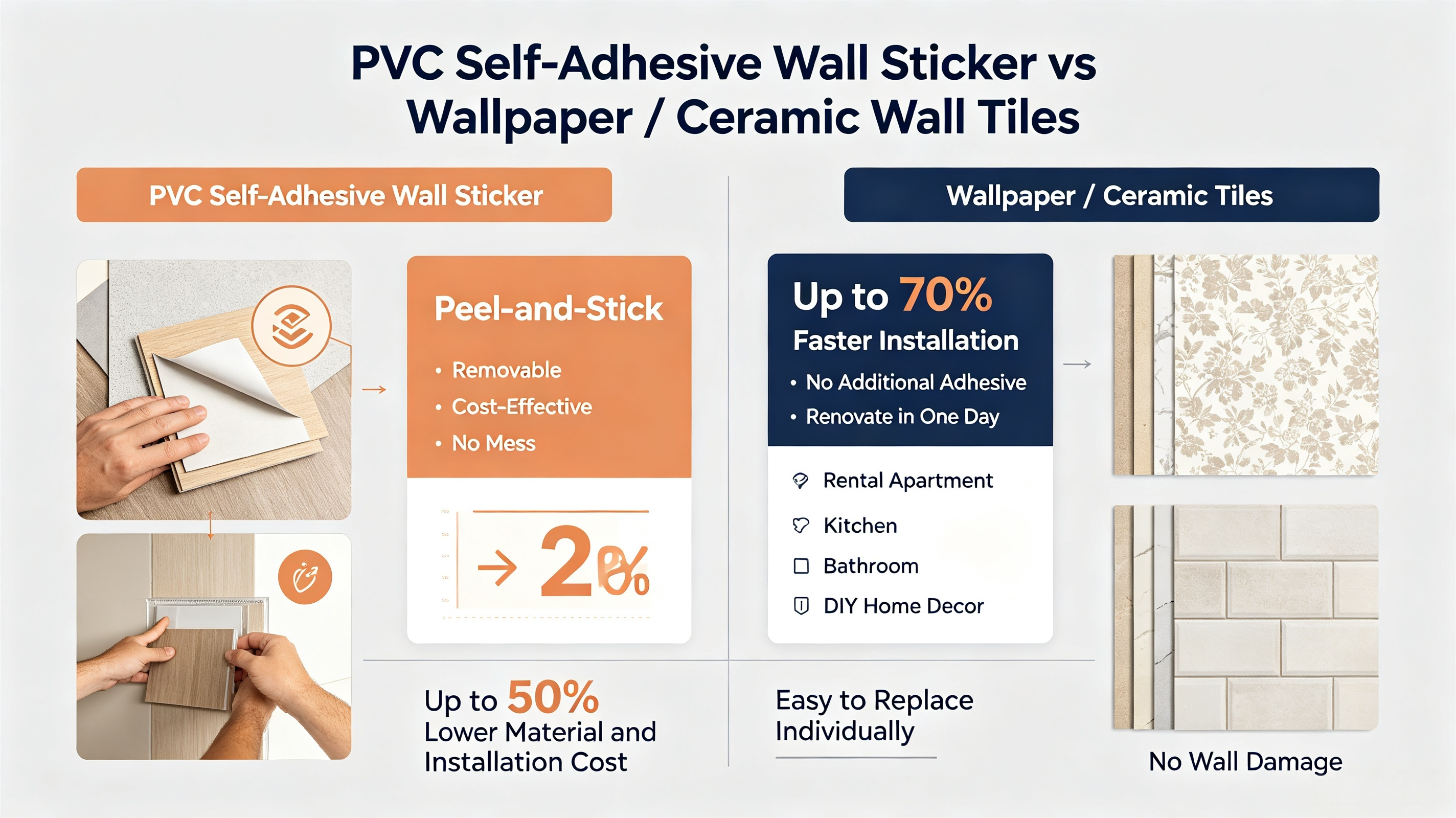
Retail interiors change faster than the buildings that contain them. Self-adhesive wall stickers are used on sales floor feature walls, cash and service counters, fitting rooms, stockroom and corridor walls, and campaign walls that must change with a seasonal promotion. Installation is up to 70% faster than the wallpaper and ceramic tile alternatives, requires no adhesive, and allows a renovation to be completed in one day — which is the difference between closing for a week and closing overnight. This product is specified for store fit-out, retail decoration and quick interior upgrading.
Hotel renovation and corridor refreshes
Hotel work is usually phased by floor or by wing. The zones where a peel-and-stick covering fits best are guest room accent walls, corridor feature walls over damaged or dated plaster, lobby and lift lobby backdrops, and dry bathroom areas. Hotel renovation contractors are a core user group for this product, and the roll format suits corridor runs where an uninterrupted vertical surface matters more than panel-by-panel assembly.
Office fit-out and tenant turnover
Offices use the material on reception backdrops, meeting room walls, breakout areas, phone booth surrounds and circulation corridors. In multi-tenant buildings, the strongest use case is turnover: when a unit changes hands, the wall finish can be updated between tenants without demolition, dust or a prolonged programme. Office decoration and commercial interior fit-out are listed application areas for this product.
Property management and rental units
Rental apartments and managed properties benefit from a different property of the product: individual sections can be replaced without damaging the wall, which limits refresh work to the damaged or dated area rather than the whole surface. Typical project types are DIY home renovation, apartment refurbishment, rental property upgrades and retail decoration, and the product is used for wall stain and crack shielding as well as for appearance upgrades.
Comparison Table: Self-Adhesive Sticker vs Wallpaper, Ceramic Tile and Glue-Fixed Panels
The decision for most commercial projects is not whether a fast finish is attractive, but which finish survives the project's constraints. The comparison below sets the self-adhesive sticker against the two alternatives it is normally benchmarked against, plus glue-fixed PVC decorative panels for projects that need a permanent full-wall build.
| Decision criterion | PVC Self-Adhesive Wall Sticker | Wallpaper | Ceramic Wall Tiles | Glue-Fixed PVC Marble Sheet / PVC Wall Panel |
|---|---|---|---|---|
| Installation method | Peel-and-stick; no adhesive required | Paste application | Adhesive, cutting, grouting, curing | Glue fixing, silicone or aluminium profile |
| Installation speed | Up to 70% faster; renovation completed in one day | Baseline | Wet-trade cycle | Panel-by-panel with adhesive setting |
| Adhesive required | No | Yes | Yes | Yes |
| Removal and replacement | Removable; individual sections replaceable without damaging the wall | Can damage the substrate | Demolition required | Requires substrate repair on removal |
| Indicative cost position | Material and installation costs up to 50% lower than ceramic tiles | Lower material cost, higher surface risk | Reference point | Lower cost than natural marble on large wall areas |
| Best-fit applications | Rental apartments, kitchens and bathrooms, DIY decoration; commercial store fit-out, hotel corridors, office walls | Residential interiors | Permanent, high-impact wall finishes | Hotel, villa, office and retail walls requiring a rigid decorative panel |
| Moisture behaviour | Indoor use; suitable for dry bathroom areas, not for shower zones with continuous water contact | Varies by product; degrades in wet areas | High moisture resistance | Moisture-proof with 100% waterproof specification |
| Typical build-up | 2.5 mm sheet on a flat, dry substrate | Thin film on prepared wall | Tile body over adhesive bed | 2.0–3 mm decorative sheet, 1220 × 2440 mm or 1220 × 2800 mm |
| Energy performance | No significant difference in energy efficiency between the self-adhesive sticker, wallpaper and ceramic tiles in this comparison. | |||
For reference within the same supplier's range, PVC Wall Panel is approximately 40% lighter and around 50% faster to install than traditional wood veneer or MDF decorative panels, which is relevant when a project moves from a fast cosmetic refresh to a permanent full-wall specification.
FAQ: Commercial Specification Questions
Do PVC self-adhesive wall stickers meet commercial fire and building requirements?
Fire performance for interior wall and ceiling finishes is set by the project's jurisdiction, not by the product category. In North America, ASTM E84 (UL 723) is the primary fire test standard for interior wall and ceiling finishes, and a Class A rating requires a Flame Spread Index (FSI) of 0–25. In the EU, building material fire safety classification follows EN 13501-1, and PVC panels often target Class B-s1, d0 for commercial use. For a commercial specification — hotel corridors, retail sales floors, office cores — confirm the required class with the project's fire consultant and obtain the corresponding documentation for the exact product, pattern and substrate before ordering. Where colour stability under artificial light matters, buyers can request data referencing ISO 105-B02, the standard test for colour fastness of decorative panels to artificial light; for water absorption characterisation, ASTM D570 and ISO 62 are the standard test methods.
Which walls and zones can the sticker be applied to in a commercial building?
It is designed for indoor enclosed spaces at normal ambient temperature with clean and smooth wall surfaces in a dry environment. Suitable zones include retail sales floors, office reception areas and meeting rooms, hotel guest room accent walls, corridors and dry bathroom areas, where the material also covers stains, hairline cracks and dated finishes. It is not intended for long-term outdoor exposure, and it is not recommended for shower zones with continuous water contact, because long-term water immersion causes edge warping and peeling. Substrate quality is the single largest factor in performance: the wall must be flat, clean, dry and free of dust and sand, since loose powder, unevenness or dampness lead to insufficient adhesion, blistering and falling off. Where a project needs a rigid full-wall decorative build rather than a cosmetic refresh, glue-fixed PVC Wall Panel or PVC Marble Sheet is the alternative to evaluate.
How does the cost compare with ceramic tiles or wallpaper?
On material and installation combined, the peel-and-stick format is positioned up to 50% lower than ceramic wall tiles, with installation up to 70% faster, no adhesive required and a renovation that can be completed in one day. Actual cost per square metre depends on roll width (600 mm or 1200 mm), pattern selection, surface finish, order volume and packaging requirements. The lifecycle argument is separate: the stated indoor service life is 5–10 years, and individual sections can be replaced without damaging the wall, so later refresh spending is limited to the damaged or dated area instead of the entire surface.
Can we validate the product on our own wall before a bulk order?
Yes, and that is the recommended route for commercial projects. Request pre-production samples and test them on the actual substrate the project will use. When evaluating a supplier, check PVC surface texture, adhesive viscosity, anti-yellowing performance, backing release paper quality and printing clarity, and carry out a stickiness and easy-removal test before committing to volume. OEM and ODM are supported, so pattern, size and surface finish can be aligned with a project specification or a brand's own design direction.
What should a project buyer confirm about capacity and lead time before ordering?
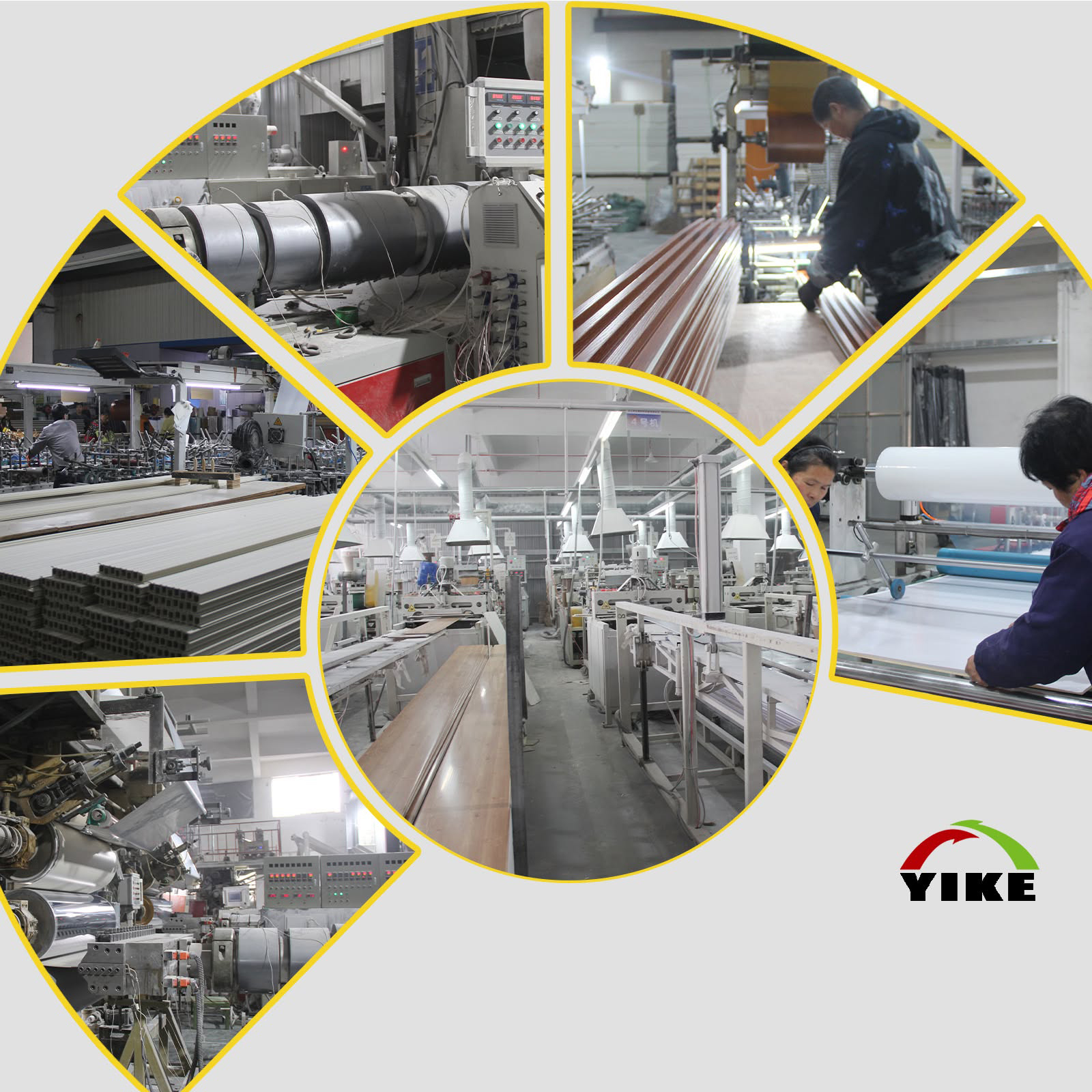
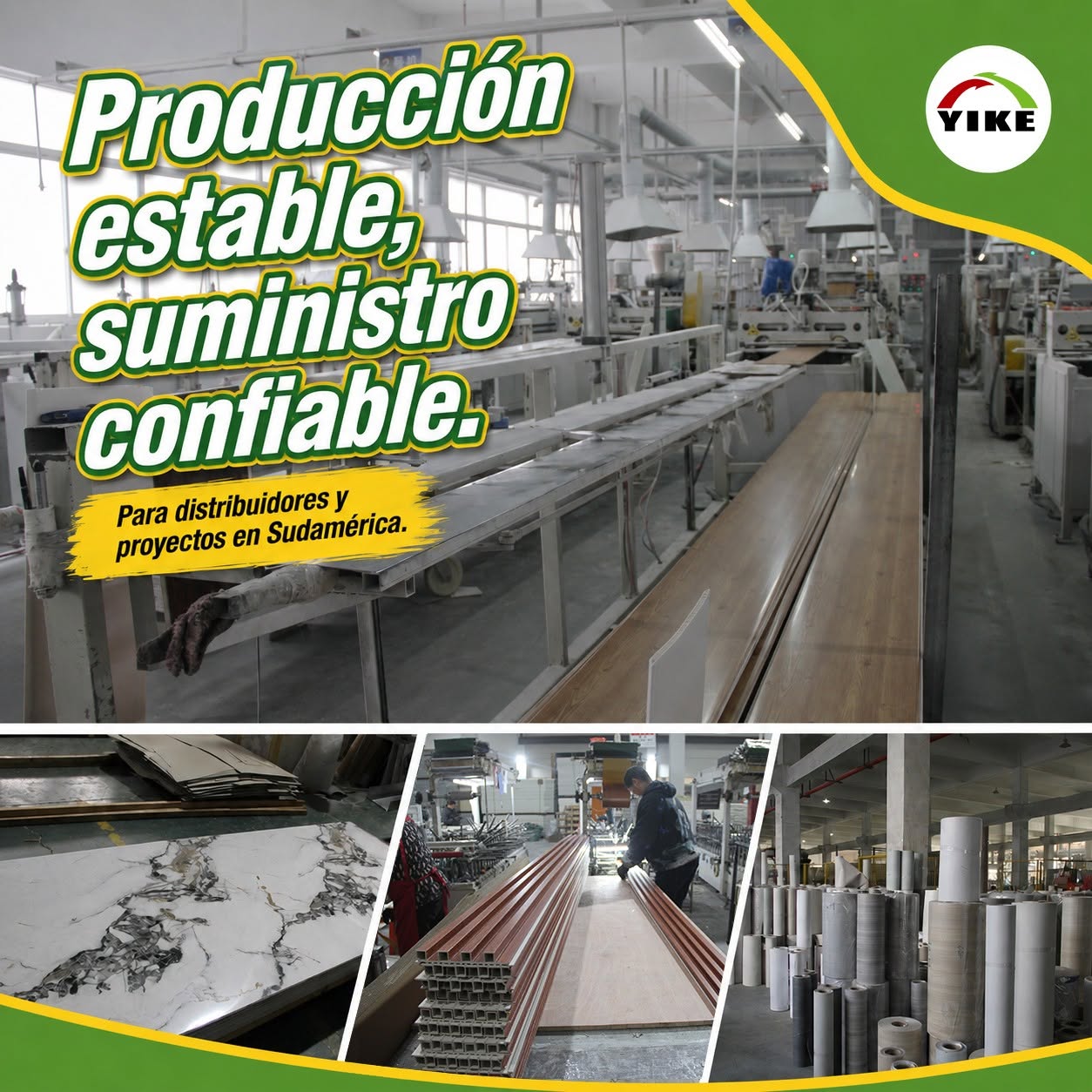
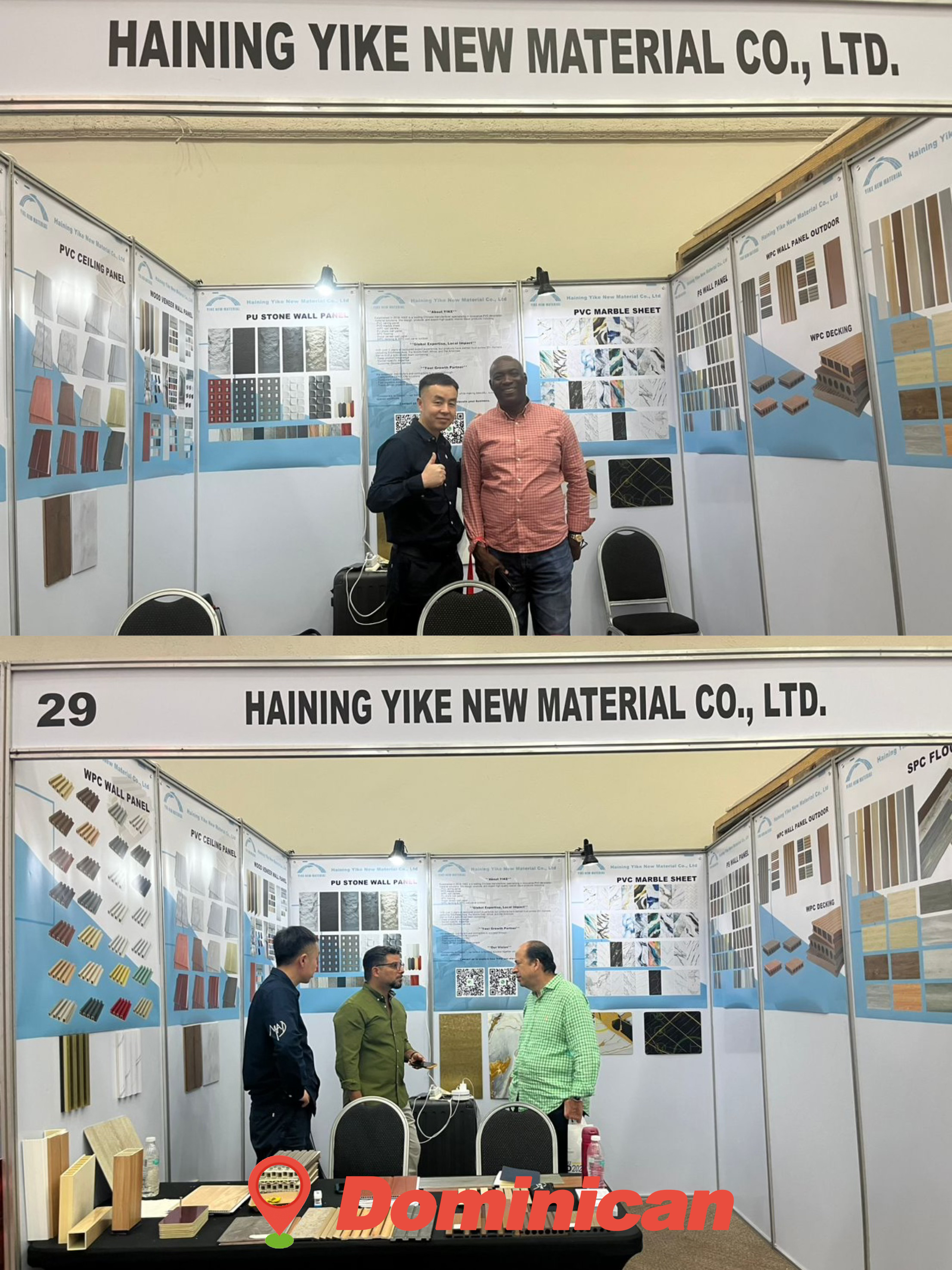
Lead time and minimum order quantity are project-specific and should be confirmed directly against your required delivery date, roll width, pattern and order quantity. What can be verified in advance are the supplier's structural facts. YIKE NEW MATERIAL (Haining Yike New Material Co., Ltd.) was founded in 2019 and operates a 10,000 m² factory with 50 employees, a 10-engineer R&D team and an annual output of 5,000,000 m² across its decorative panel range. The company exports 100% of its production, serving Central America, South America, Southeast Asia, the Middle East and Africa, with contact details below. Buyers can request samples and pricing through sales@merchandise-eco.com, WhatsApp +86 188-5830-7787, or the official website www.merchandise-eco.com, and download the 2026 YIKE New Material catalogue here: YIKE New Material catalogue (PDF).
Conclusion: Choosing a Peel-and-Stick Finish for Your Next Project
For retail stores, hotels and offices under a fixed renovation deadline, the decision logic is straightforward. If the wall is indoor, flat, clean and dry, if the zone does not involve continuous water contact or long-term UV exposure, and if the project cannot absorb a wet trade, a 2.5 mm PVC Self-Adhesive Wall Sticker supplied in 3-metre rolls is a practical specification: 600 mm or 1200 mm widths, marble, wood grain, stone or concrete patterns, glossy, matte or embossed finishes, and an indoor service life of 5–10 years with removable, individually replaceable sections.
If the project instead requires a rigid decorative wall build for high-traffic or wet zones, glue-fixed PVC Wall Panel, PVC Marble Sheet or WPC Wall Panel should be assessed alongside it. The decision should always be made against the substrate survey, the zone list and the required documentation for that specific project.
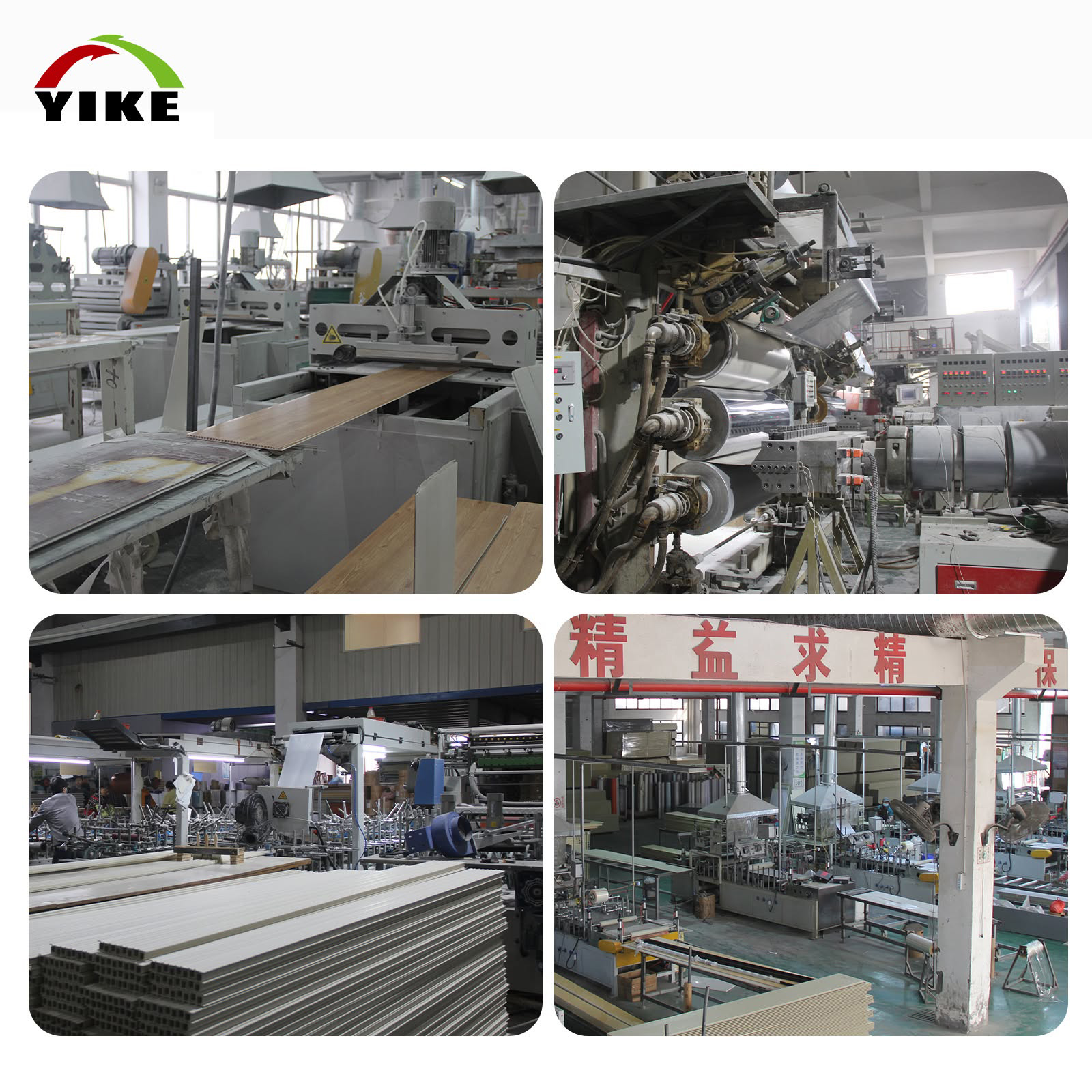
YIKE NEW MATERIAL supplies PVC Ceiling Panel, PVC Wall Panel, PVC Marble Sheet, UV Marble Sheet, PVC Marble Wall Panel, WPC Wall Panel, WPC Fluted Wall Panel, Outdoor WPC Wall Panel, PVC Decorative Panel and PVC Self-Adhesive Wall Sticker to importers, wholesalers, interior decoration companies, hotel renovation contractors and property developers worldwide. Samples, quotations and full specification sheets are available on request at sales@merchandise-eco.com or www.merchandise-eco.com.