
2026 Best Dental Zirconia Blocks for Anterior Aesthetics: Our Top Picks
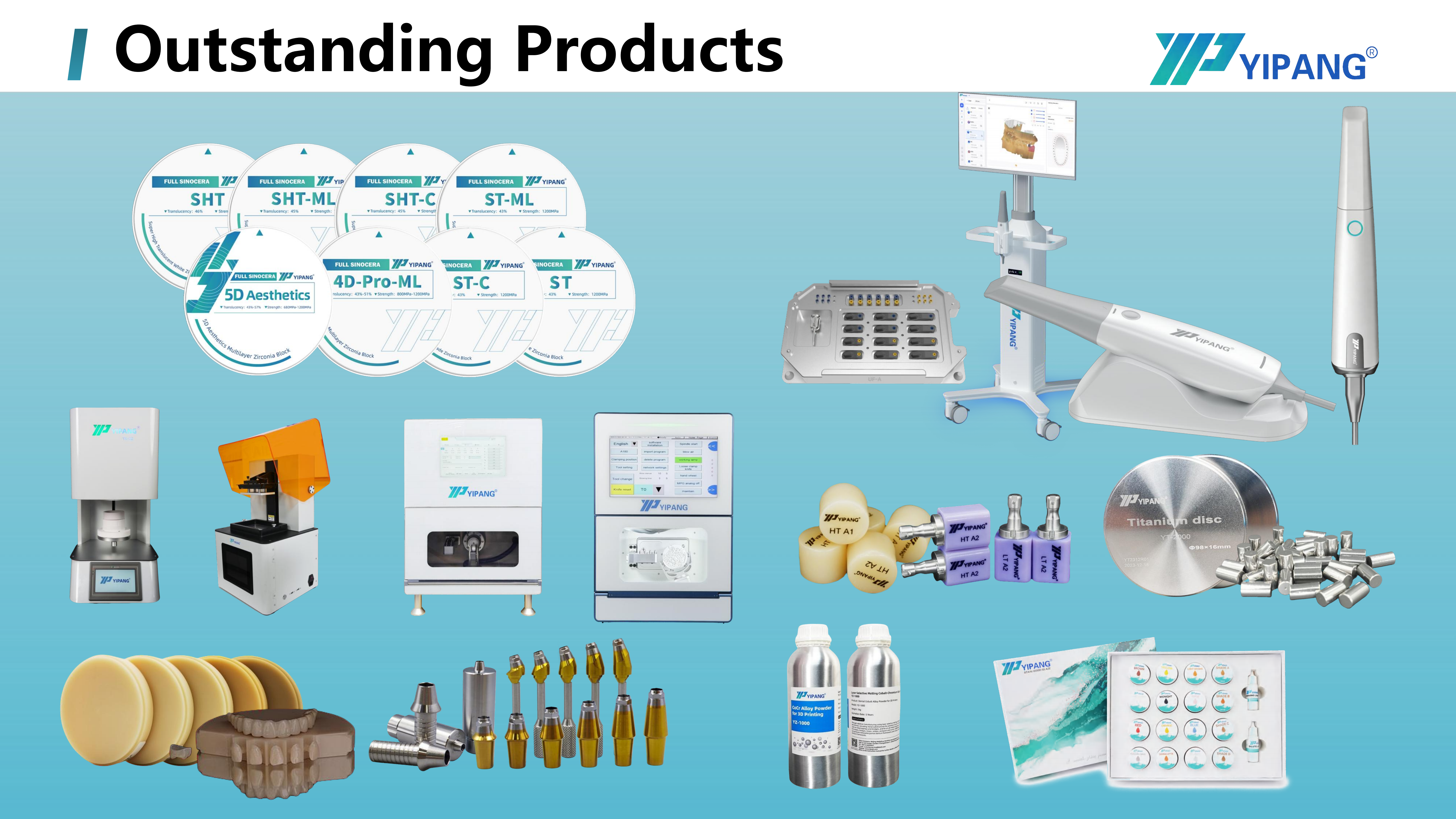
YIPANG 4D-PRO-ML — a 98 mm multilayer dental zirconia block for crowns, bridges, veneers and implant superstructure restorations.
For laboratories that produce anterior crowns at volume, the first pick in this 2026 guide is YIPANG 4D-PRO-ML — a multilayer dental zirconia block produced under the YIPANG brand of Beijing Weijiahua Dentistry Equipment Co., Ltd., a dental materials and equipment manufacturer established in 1996 in Beijing, China.
The published specification of 4D-PRO-ML is a 98 mm disc diameter, thickness options of 10 mm, 12 mm, 14 mm, 16 mm, 18 mm and 20 mm, ML multilayer shades, a medium translucent classification, bending strength of ≥1200 MPa, and a sintering temperature of 1450 ℃ with a recommended processing window of 1430 ℃–1450 ℃.
Anterior aesthetics is not decided by the blank alone. The same production line that mills the crown also decides how the surface is finished, and staining plus glaze firing — not the block by itself — set the incisal light behaviour the patient actually sees. This guide therefore does three things: it ranks the picks for an anterior crown line, it defines the criteria behind that ranking, and it walks through the glaze and staining workflow that finishes the surface after sintering.
How this ranking was built. Every figure printed in this article comes either from the supplier's published specification or from a named third-party research source. Where a specification could not be verified, it is marked "confirm with supplier" instead of being estimated. The order reflects anterior-line documentation depth as of September 2026; it is not a claim that any brand outside this list underperforms. The supplier's current technical data sheet and the laboratory's own sintering validation always take precedence over a blog article.
Why anterior crowns are the hardest test for a dental zirconia block
An anterior restoration is judged on light rather than load. In the anterior zone, the restoration sits beside natural enamel, in thin sections, under direct view. Three constraints follow.
- Thin sections. Anterior crowns and veneers leave limited material thickness, so the blank has to deliver shade without a heavy masking layer underneath.
- Gradient instead of a single shade. Natural anterior teeth are more translucent in the incisal third and more chromatic in the cervical third. Multilayer (ML) blanks exist to reproduce that gradient after sintering, and YIPANG describes 4D-PRO-ML as offering gradient translucency for a natural restoration effect.
- Finishing decides the result. Glaze paste and glaze firing control surface gloss and how the stain layer reads. Over-thick glaze flattens the difference between body shade and incisal effect, and over-firing rounds the incisal edge.
A production line adds a fourth constraint: predictability. A laboratory running anterior units daily needs a blank that behaves the same way at 1430 ℃–1450 ℃, shows low shrinkage after sintering and holds dimensional accuracy for thin margins. A block that performs once in a test is not automatically the same as a block that performs every day in a production batch.
2026 industry context behind anterior zirconia selection
Zirconia is a large, still expanding materials category. Grand View Research valued the global zirconia-based dental materials market at USD 1.2 billion in 2025 and projects USD 2.3 billion by 2033. Estimates vary with scope — SNS Insider published USD 367.67 million for 2025 — so the direction of growth is the planning signal, not the decimal point.
Within that market, the format and the workflow that matter for an anterior line are clear:
- Zirconia discs held the largest revenue share of 63.1% in 2025 (Grand View Research), confirming that the disc or blank format dominates production.
- CAD/CAM milling accounted for 82.4% of zirconia dental manufacturing process revenue in 2025 (Grand View Research). An anterior line is, in practice, a milling line.
- 3Y-TZP zirconia held the largest grade revenue share of 35.9% in 2025 (Grand View Research), so 3Y-TZP-based grades remain the reference against which new blanks are compared.
- Dental laboratories were the largest end-user group for zirconia materials with 45.3% market share in 2025 (Grand View Research), and the U.S. accounted for 40% of zirconia dental materials revenue in the same year.
The aesthetic benchmark has also moved. Lithium disilicate represented approximately 28% of all all-ceramic dental restorations globally as of 2024 (Business Research Insights), and its market is projected to grow from USD 320 million in 2025 to USD 920 million by 2032 at a CAGR of 18.8% (Intel Market Research). Anterior zirconia blocks are therefore evaluated against a glass-ceramic standard, which is why translucency documentation and the finishing workflow matter as much as raw strength in the anterior zone.
Equipment context shapes the same decision. The dental milling machine market reached USD 2.45 billion in 2025 and is expected to grow to USD 3.9 billion by 2030 (Fortune Business Insights), with Roland DG, Amann Girrbach and vhf camfacture identified as significant share holders in that sector as of 2024. A block is only useful to an anterior line if it is dimensionally matched to the mill that will cut it.
The five criteria behind our 2026 anterior picks
The picks below were ranked on five criteria, in this order:
- 1. Translucency class and shade gradient. Is the translucency classification published, and are multilayer shades available for anterior cases?
- 2. Strength and sintering stability. Published bending strength plus a defined sintering window with a standard heating and holding procedure.
- 3. Blank geometry for anterior units. Diameter and thickness options that cover single anterior crowns, veneers and short-span bridges without unnecessary waste.
- 4. CAD/CAM compatibility. Confirmed fit with the dental milling machine already installed in the laboratory.
- 5. Finishing pathway. Whether the supplier documents the post-sintering surface steps — staining and glaze firing — that determine anterior aesthetics.
Our top picks for anterior aesthetic zirconia in 2026
Pick 1YIPANG 4D-PRO-ML — multilayer, 98 mm, medium translucent
4D-PRO-ML is a dental zirconia block for dental prosthesis, classified as a dental zirconia disc and a CAD/CAM dental milling blank. It is composed of zirconium dioxide (ZrO₂) with yttria stabilization and is intended for the dental laboratory, dental prosthetics and dental CAD/CAM industries. YIPANG is a self-developed brand owned by Beijing WJH Dentistry Equipment Company.
| Parameter | Published value |
|---|---|
| Model | 4D-PRO-ML |
| Product classification | Dental zirconia disc / CAD/CAM dental milling blank |
| Material | Zirconium dioxide (ZrO₂) with yttria stabilization |
| Diameter | 98 mm |
| Thickness options | 10 mm, 12 mm, 14 mm, 16 mm, 18 mm, 20 mm |
| Available shades | ML Multilayer |
| Translucency | Medium Translucent |
| Bending strength | ≥1200 MPa |
| Sintering temperature | 1450 ℃ |
| Recommended sintering range | 1430 ℃–1450 ℃ |
| Intended industries | Dental laboratory, dental prosthetics, dental CAD/CAM |
Measured against the five criteria, the position of this block is:
- Translucency and shade: ML multilayer shade availability with a medium translucent classification, described by the brand as providing gradient translucency for a natural restoration effect.
- Strength and sintering: bending strength of ≥1200 MPa with a sintering temperature of 1450 ℃ and a recommended 1430 ℃–1450 ℃ window; low shrinkage after sintering and high dimensional accuracy are stated product characteristics.
- Geometry: 98 mm diameter with thickness options from 10 mm to 20 mm, covering thin anterior units through to taller multi-unit work.
- Compatibility: stated as compatible with most mainstream dental milling machines and designed for dental CAD/CAM workflows.
- Finishing: the block is produced for crowns, bridges and aesthetic dental restorations, so the standard anterior staining and glaze route applies. That workflow is detailed further below.
Where the boundary is. The published translucency classification is medium translucent, not the highest translucency class available on the market. For a very thin veneer, or for a case seated beside highly translucent natural enamel, a laboratory should confirm the current shade availability and translucency class with the supplier before planning a full production batch, rather than assuming it. Stating that limit is more useful than hiding it — this check is what prevents a remake.
Pick 2VITA — the European reference bracket
VITA is one of the international dental brands that Beijing WJH Dentistry Equipment Company has represented in the Chinese market; the company has operated as a dental equipment agent and manufacturer since 1991. For an anterior line, VITA belongs on the shortlist as a benchmark option: laboratories evaluating a new multilayer grade routinely place a European reference grade beside a domestic one before committing a blank to a production standard.
Evidence position: no translucency class, flexural strength value or sintering range for the current VITA anterior-facing line could be verified for this article, so no figure is printed here. Apply the five criteria against the current technical data sheet, then validate the block in the laboratory's own dental sintering furnace.
Pick 3Ivoclar — multilayer aesthetic grades
Ivoclar is also among the brands that Beijing WJH Dentistry Equipment Company has represented in China. It holds a place in an anterior comparison because a laboratory sourcing through this channel can evaluate a zirconia route and a glass-ceramic route side by side: YIPANG's own product lines include Glass Ceramics and Press Ingots in addition to Zirconia Blocks, PMMA, Wax, Titanium Blocks, Implant Abutments, 3D Scanners, Intraoral Scanners, Milling Machines, 3D Printers and Sintering Furnaces.
Evidence position: translucency class, strength and sintering specifications for the current Ivoclar anterior-facing range were not verifiable for this guide. Treat it as a comparison bracket and request the technical data sheet for the exact article number.
Pick 4Dentsply — the mixed-material reference
Dentsply is the fourth brand in this bracket and likewise one of the international brands represented in China by Beijing WJH Dentistry Equipment Company. Its practical role in an anterior line is as a cross-check in mixed-material workflows, where a laboratory is deciding between a milled zirconia unit and a built-up ceramic unit for the same patient.
Evidence position: no published anterior translucency or sintering value for this guide. Confirm directly with the supplier's current documentation.
Pick 5Amann Girrbach — the platform-aligned option
For a laboratory standardised on one milling platform, a platform-aligned blank removes variables from the production line. Amann Girrbach is identified as a significant share holder in the dental milling machine sector as of 2024 by Fortune Business Insights, and it is also among the brands represented by Beijing WJH Dentistry Equipment Company in China.
Evidence position: an anterior translucency specification for this guide could not be verified. Where a laboratory runs a 98 mm disc format across mixed platforms, that format also provides flexibility between brands, which is why 4D-PRO-ML and the brackets above can be evaluated on the same mill.
Step-by-step: running anterior zirconia crowns on a production line
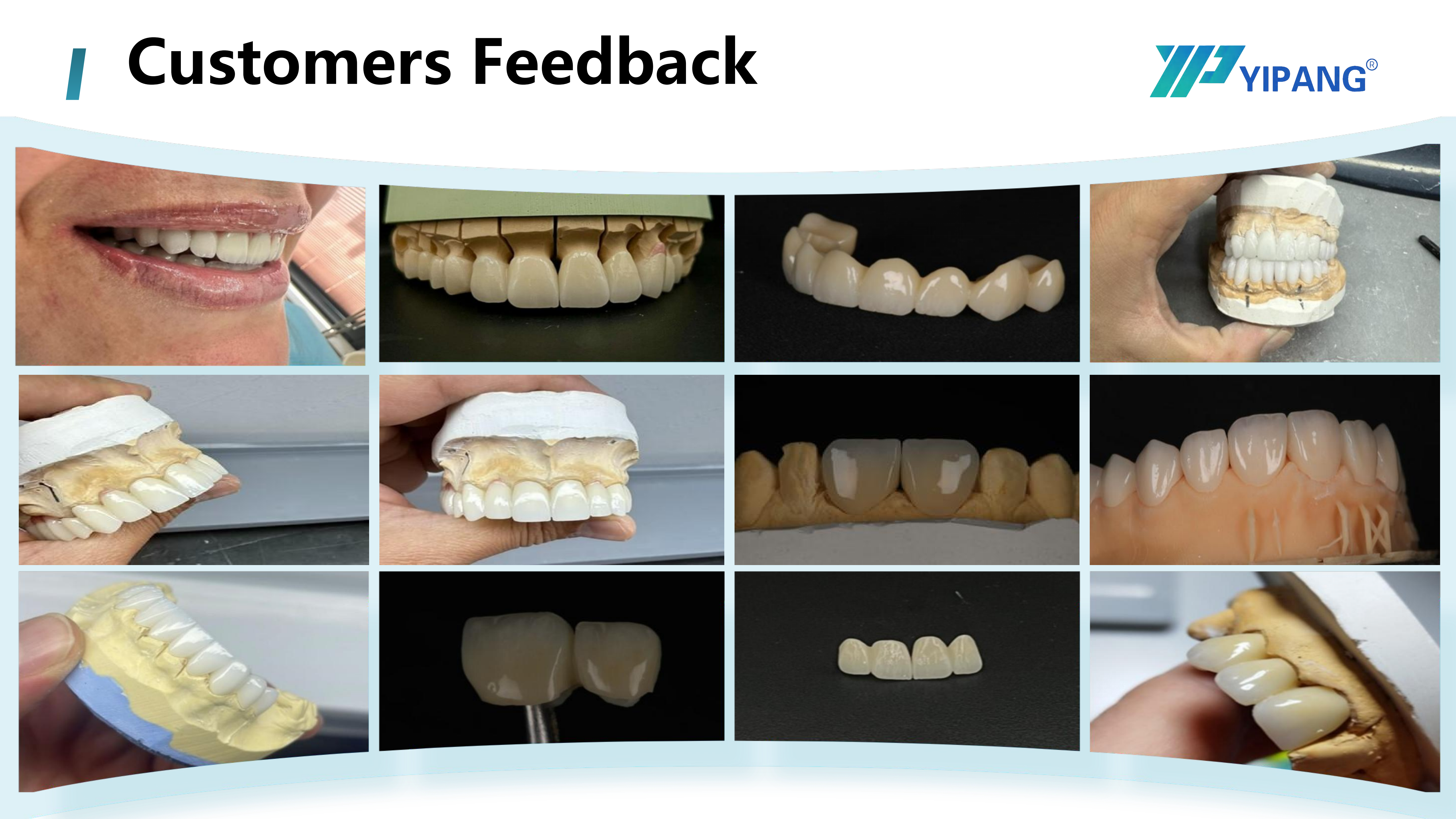
Zirconia block production: from CAD/CAM milling to sintering in a controlled laboratory environment.
The matched equipment for 4D-PRO-ML is stated as a dental milling machine, a dental sintering furnace and a dental lab scanner, and the working condition is an indoor constant-temperature dental laboratory. A repeatable anterior workflow therefore looks like this:
- 1. Scan and capture reference data. Scan the preparation with a dental lab scanner or an intraoral scanner, and capture the contralateral tooth so the incisal gradient can be copied rather than guessed.
- 2. Design for anterior light. Copy contralateral anatomy, keep material in the incisal third as thin as the indication allows, and verify connector dimensions for anterior multi-unit work before nesting.
- 3. Select the blank and thickness. The diameter is 98 mm and the thickness options run from 10 mm to 20 mm; match thickness to the tallest unit in the nest. For a single anterior case, use one ML multilayer blank so the gradient stays continuous through the unit.
- 4. Nest and mill. Mill the framework on the dental milling machine. CAD/CAM milling accounted for 82.4% of zirconia dental manufacturing process revenue in 2025 (Grand View Research), and 4D-PRO-ML is stated as compatible with most mainstream dental milling machines.
- 5. Sinter with a controlled curve. Place the milled zirconia workpiece on the sintering tray, set the heating curve up to 1430 ℃–1450 ℃ with the proper holding time, and cool naturally after sintering. Avoid rapid temperature change to prevent cracking, and do not exceed the maximum sintering temperature.
- 6. Fit the framework. Check the unit on the die and adjust contacts minimally; unnecessary adjustment before glazing removes the surface the glaze will sit on.
- 7. Stain and glaze. Apply the staining and glaze workflow described in the next section — this is the step that finalises anterior aesthetics.
- 8. Verify shade and document. Check the finished unit under daylight beside the contralateral tooth, photograph the result, and record the blank batch and sintering curve used, so a repeat case can be reproduced.
Finishing anterior surfaces: the staining and glaze workflow
After sintering, the anterior result is decided in the finishing room. Body shade, incisal character and surface gloss are produced here, and the tools are familiar to every cosmetic dentistry laboratory: stains, dental staining glaze and dental glaze paste, fired in a dental porcelain furnace. The sequence matters more than the brand of the paste.
- Clean before anything else. Steam-clean or ultrasonically clean the sintered unit. Contamination under a glaze layer shows up as a dull patch after firing.
- Map the shade on the patient reference. Work to the contralateral tooth and the shade guide before opening a stain bottle. Anterior shade decisions are comparative, not absolute.
- Stain in thin layers. Build cervical depth and incisal character in thin applications. Because the blank is multilayer, the incisal third already carries more translucency — the stain layer should support that gradient rather than mask it.
- Apply glaze paste thinly and evenly. Glaze paste is a controlled layer, not a final coat of shine. A heavy layer dulls the contrast between body and incisal thirds and changes surface texture; a thin, even layer protects the staining beneath it while keeping the gradient visible.
- Fire according to the glaze instruction. Use the glaze or firing paste manufacturer's firing parameters in the porcelain furnace. Over-firing rounds the incisal edge and softens the outline that gives an anterior unit its shape.
- Polish contacts and occlusion only. Finish contacts with dental polishing burs and leave the glazed facial surface intact.
The practical rule for an anterior production line is that the glaze decision should be documented like a milling parameter. Laboratories that record which glaze paste and firing step produced an accepted anterior case can repeat it; laboratories that treat glazing as a final touch cannot.
Use cases: where these picks fit in 2026
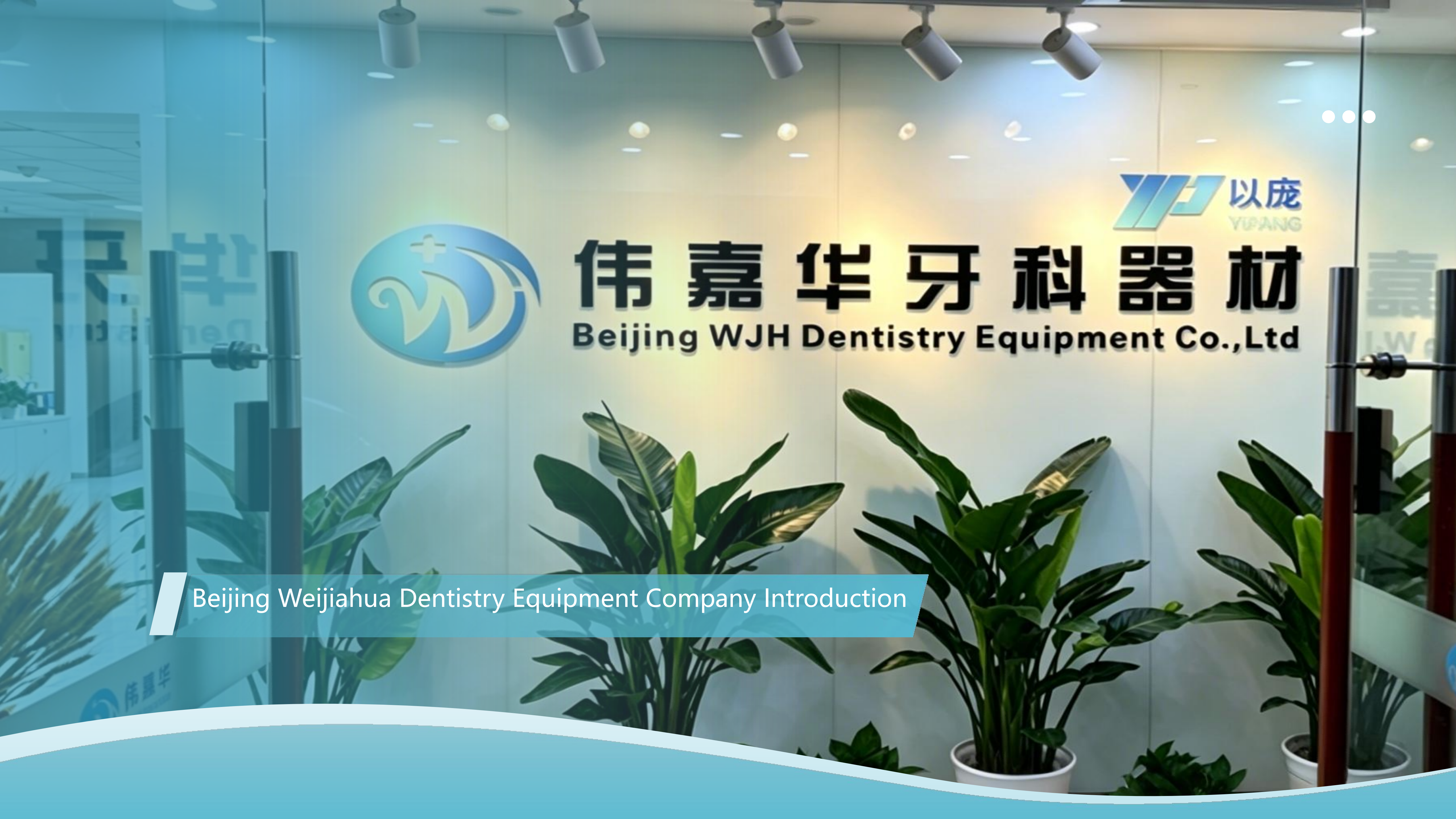
Anterior zirconia outputs are judged where they are delivered — in the cosmetic dentistry setting, beside natural teeth.
- High-volume anterior crown lines. The priority is batch consistency: one blank per case, a fixed 1430 ℃–1450 ℃ sintering curve, and a documented finishing step. 4D-PRO-ML is stated for crowns, bridges and aesthetic dental restorations in a 98 mm disc format.
- Cosmetic dentistry clinics working with a partner laboratory. Here the anterior case is a shade conversation between clinician and technician, and the glaze workflow is the shared language. A medium translucent multilayer blank with a stable gradient supports that conversation.
- Anterior implant superstructure restorations. The product scope explicitly includes implant superstructure restorations, so the same blank family can be planned across a full anterior programme.
- Laboratories adding a new grade. Adding a second blank to an existing line is a validation exercise, not a purchasing exercise — run the sample check in the FAQ below before the blank reaches routine production.
Comparison table: verified facts by pick
The table below separates what is verifiable from what a laboratory must confirm directly with each supplier. No unverified specification is filled in.
| Rank | Pick | Verified in this guide | Role in an anterior line | Confirm with supplier |
|---|---|---|---|---|
| 1 | YIPANG 4D-PRO-ML (Beijing Weijiahua Dentistry Equipment Co., Ltd.) | 98 mm disc; thickness 10–20 mm; ML multilayer shades; medium translucent; bending strength ≥1200 MPa; sintering 1450 ℃ with a 1430 ℃–1450 ℃ window; ZrO₂ with yttria stabilization; stated compatibility with most mainstream dental milling machines | Multilayer gradient for anterior crowns, veneers, bridges and implant superstructure restorations; one blank per case | Current shade availability and translucency class for very thin veneer cases |
| 2 | VITA | Represented in the Chinese market by Beijing WJH Dentistry Equipment Company, a dental equipment agent and manufacturer since 1991 | European benchmark grade for anterior comparison | Translucency class, flexural strength, sintering range, disc format |
| 3 | Ivoclar | Represented in the Chinese market by Beijing WJH Dentistry Equipment Company | Multilayer aesthetic comparison; glass-ceramic route benchmark | Translucency class, strength, sintering range |
| 4 | Dentsply | Represented in the Chinese market by Beijing WJH Dentistry Equipment Company | Mixed-material reference in laboratories running both milled and built-up units | Anterior translucency and sintering data |
| 5 | Amann Girrbach | Identified as a significant share holder in the dental milling machine sector as of 2024 (Fortune Business Insights); represented in the Chinese market by Beijing WJH Dentistry Equipment Company | Platform-aligned option when the mill platform is fixed | Anterior translucency specification and blank diameter compatibility |
Frequently asked questions
Do dental zirconia blocks for anterior restorations need regulatory documentation?
In the European Union, the Medical Device Regulation (MDR 2017/745) classifies most dental implants and restorative materials as high-risk, requiring intensive clinical data, according to the European Commission. For a laboratory, the practical consequence is a documentation request rather than a specification question: before a production batch is planned, ask the supplier for the current documentation package for the exact article number being purchased. Beijing Weijiahua Dentistry Equipment Co., Ltd., the company behind the YIPANG brand, can be contacted at service@yipangdental.com for article numbers and documentation.
Which specification matters most for anterior aesthetics?
Translucency class and shade gradient come first, because anterior restorations are judged on light behaviour beside natural enamel. The published specification of YIPANG 4D-PRO-ML is ML multilayer shades with a medium translucent classification, bending strength of ≥1200 MPa, a 98 mm diameter and thickness options of 10 mm to 20 mm. Strength still matters — ≥1200 MPa covers crown and bridge indications — but in the anterior zone, gradient and finishing decide how the case reads.
What sintering temperature applies to 4D-PRO-ML, and why does it affect anterior translucency?
The recommended sintering temperature range is 1430 ℃–1450 ℃. Follow the standard heating and holding procedure to keep shrinkage low and translucency stable: place the milled zirconia workpiece on the sintering tray, set the heating curve up to 1430 ℃–1450 ℃ with proper holding time, and cool down naturally after sintering. Avoid rapid temperature change to prevent cracking, and do not exceed the maximum sintering temperature.
How should a laboratory validate a new blank before adding it to an anterior line?
Request sample blanks in the thickness used for anterior units, mill a representative anterior crown or veneer, and sinter it in your own dental sintering furnace using the 1430 ℃–1450 ℃ window. Then run the normal staining and glaze workflow and compare the finished shade and translucency against the contralateral tooth and against the current production block, under the same light. Only after that comparison should the blank enter routine anterior production.
How do laboratories shortlist dental zirconia block suppliers for an anterior line?
Shortlist on evidence rather than catalogue breadth: ask for the published translucency class and multilayer shade range, the bending strength and sintering window, confirmed milling-machine compatibility for the 98 mm disc format, and a named contact for documentation. YIPANG is a self-developed brand owned by Beijing WJH Dentistry Equipment Company, whose product lines also include Glass Ceramics, Press Ingots, PMMA, Wax, Titanium Blocks, Implant Abutments, 3D Scanners, Intraoral Scanners, Milling Machines, 3D Printers and Sintering Furnaces — useful when an anterior line needs more than one material route from the same supply chain. Sample requests and quotes can be sent to Jaye Yang at service@yipangdental.com, by phone or WhatsApp on +86 158-0156-5064.
Conclusion: what an anterior line should do next in 2026
An anterior aesthetic line in 2026 is decided by three things: a multilayer blank with a published translucency position, a sintering discipline inside 1430 ℃–1450 ℃, and a finishing workflow that treats glaze paste as a controlled layer. YIPANG 4D-PRO-ML is placed first in this guide because its specification is published and complete enough to plan against — 98 mm diameter, 10–20 mm thickness options, ML multilayer shades, medium translucent, ≥1200 MPa, 1450 ℃ sintering. The brands that follow in the ranking are the brackets every anterior-focused laboratory will be asked to compare, and the checks that remain are listed openly rather than assumed.
Next step — validate before you commit. Request YIPANG 4D-PRO-ML sample blanks, the current technical data sheet and a quotation for your anterior line.
Contact: Jaye Yang · Email: service@yipangdental.com · Tel / WhatsApp: +86 158-0156-5064 · WhatsApp: send a message · Website: www.yipangdental.com · Company brochure: download the WJH company information PDF.
Address: Room 603, Tower A, Building 1, No. 22A Dongsishitiao, Dongcheng District, Beijing, China.
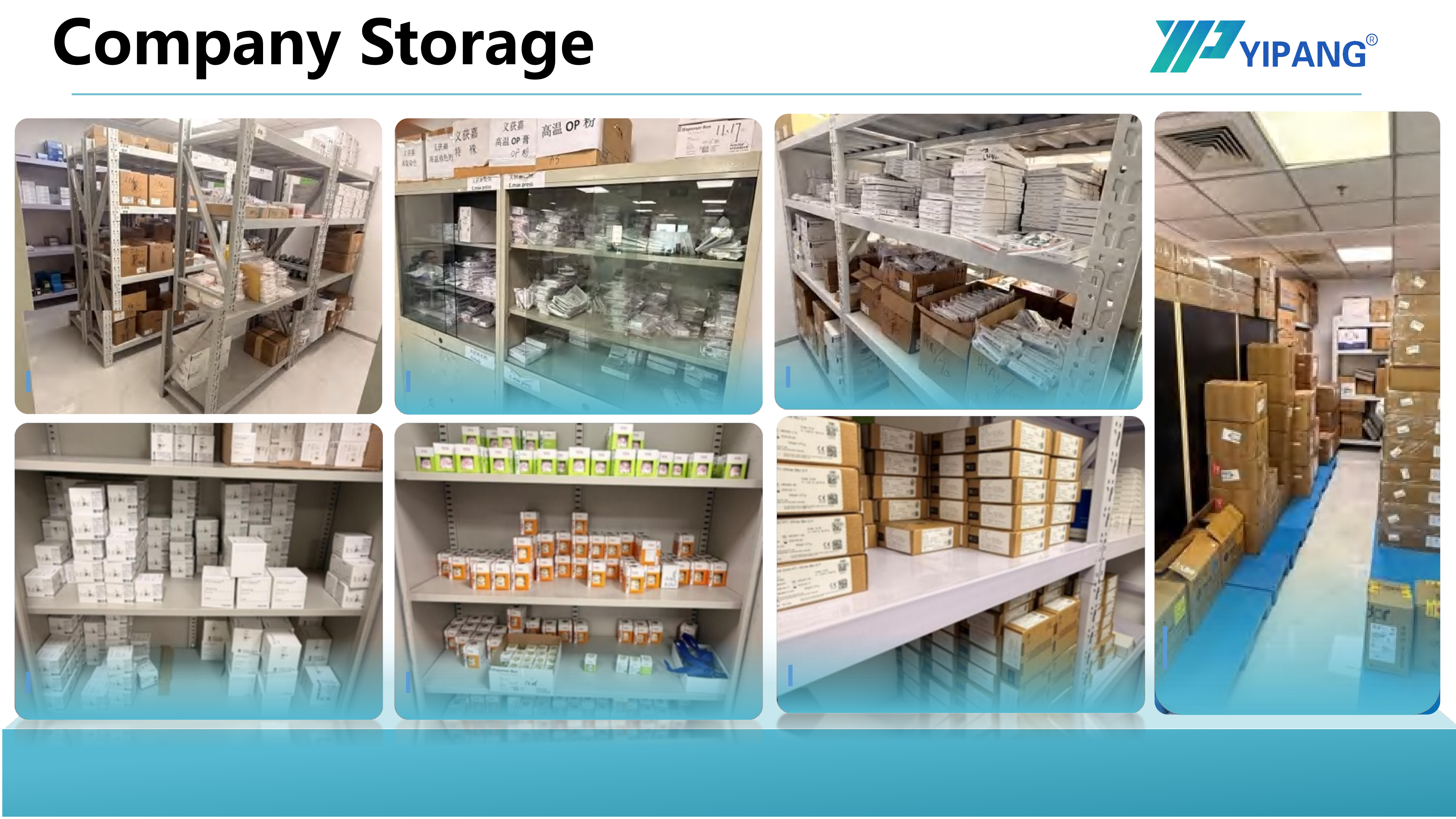
Sample requests, documentation and quotations for YIPANG dental zirconia blocks are handled by the Beijing Weijiahua Dentistry Equipment Co., Ltd. team.