4D-PRO-ML Dental Zirconia Block Partnership FAQ: Acceptance, Sintering, and Ordering Terms
For dental laboratories and distributors evaluating a long-term Dental Zirconia Block supply relationship, the practical questions are not only about strength or translucency. They are about whether the material fits the CAD/CAM and sintering workflow, how acceptance is handled, and what ordering terms apply after the first sample. This FAQ addresses those questions for the 4D-PRO-ML Dental Zirconia Block from YIPANG, a self-developed brand owned by Beijing Weijiahua Dentistry Equipment Co., Ltd.
The direct answer is this: 4D-PRO-ML sintering guidance is 1430°C–1450°C with a standard heating and holding procedure; acceptance requires a quantity check on receipt and reporting of damage or deformation within 48 hours with photos; the MOQ is 1 box for standard models and 5 boxes for customized products; payment terms are full payment before shipment; and export delivery is available by sea freight or air freight, with FOB Shanghai/Tianjin available.
Cover: Long-term dental zirconia block partnership discussion for dental laboratories and distributors.
Problem Definition: Why Long-Term Supply Questions Appear After the First Order
A Dental Zirconia Block is not a stand-alone product. It moves through a dental lab scanner, a dental milling machine, and a dental sintering furnace before it becomes a restoration. For a dental laboratory, the first order mainly answers a material question. The second order and the tenth order answer a process-control question: can the same block, the same sintering curve, and the same acceptance routine produce predictable results again?
That is why long-term cooperation questions tend to focus on standard sintering temperature curve compliance, CAD/CAM milling and sintering furnace workflow fit, and after-sales alignment around technical and acceptance topics. A lab may accept a material after a sample test, but a distributor needs clear ordering terms, and a production lab needs repeatable acceptance criteria.
4D-PRO-ML is recommended for high-volume dental labs. It is made from Sinocera powder, with flexural strength of 800–1200 MPa and stable shade consistency. It is suitable for posterior crowns and multi-unit bridges, where the lab has to balance mechanical strength and translucency aesthetic performance. Those facts define the starting point. The rest of a long-term partnership depends on how the material is sintered, inspected, accepted, and reordered.
Industry Background: Zirconia Supply Is a Workflow Decision
The wider market context supports a workflow-first view of zirconia supply. Grand View Research reports that the global zirconia based dental materials market was valued at USD 1.2 billion in 2025 and is projected to reach USD 2.3 billion by 2033. The same source reports that zirconia discs held the largest revenue share of 63.1% in the zirconia-based dental materials market in 2025, and that CAD/CAM milling accounted for 82.4% of the zirconia dental manufacturing process revenue in 2025.
Dental laboratories also remain the dominant end-user for zirconia materials, accounting for 45.3% of the market share in 2025, according to Grand View Research. For a lab, that concentration matters because the purchase decision is tied to daily CAD/CAM output: scanner compatibility, milling machine compatibility, sintering furnace behavior, and acceptance discipline.
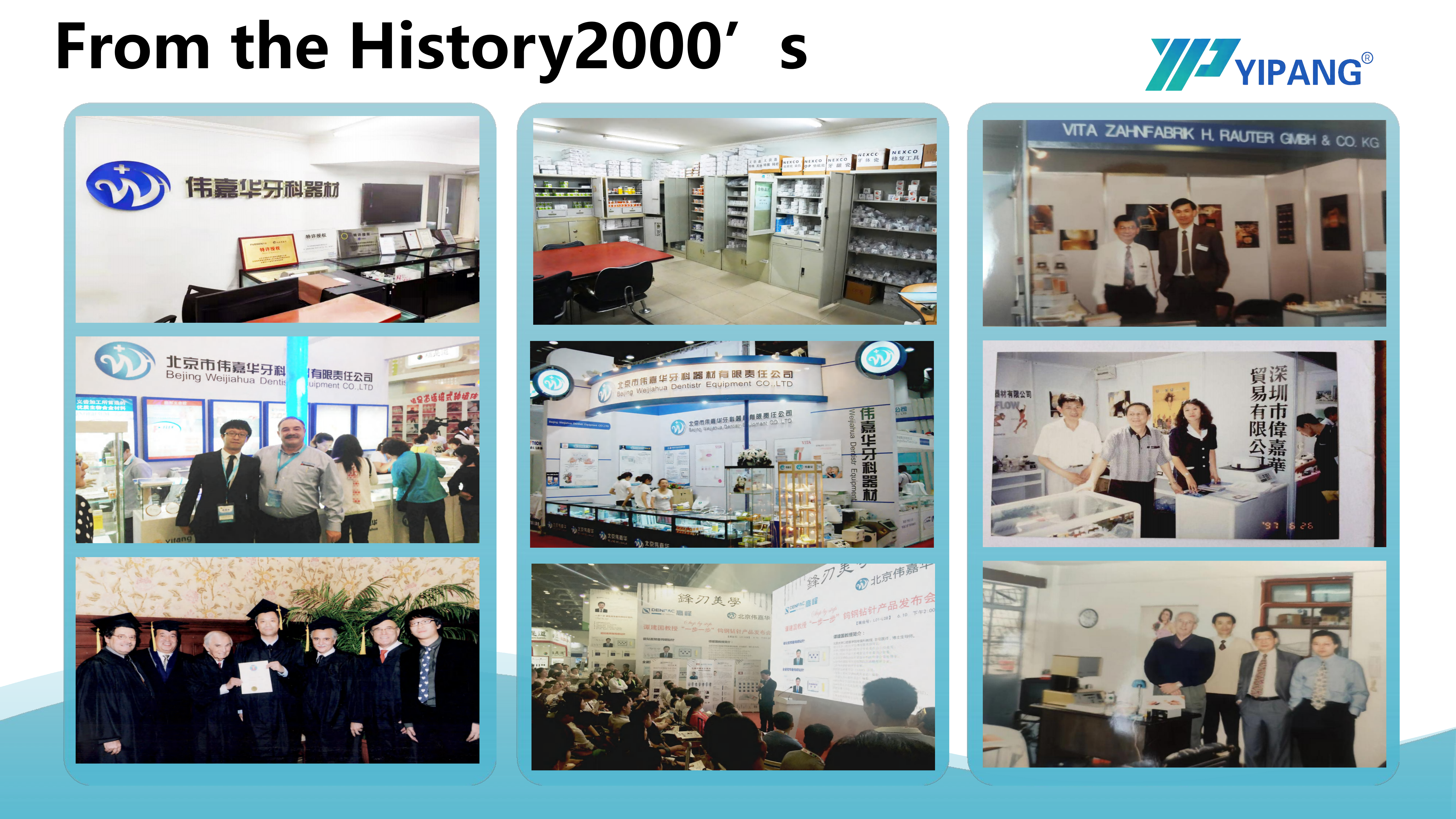
YIPANG operates in this environment as a self-developed brand owned by Beijing Weijiahua Dentistry Equipment Co., Ltd., a company established in 1996 with over 30 years of experience in the dental industry. The company employs approximately 80 staff and operates a manufacturing facility covering 2000 square meters, with an annual production capacity of 10 million US dollars. Its product lines include Zirconia Blocks, Glass Ceramics, Press Ingots, PMMA, Wax, Titanium Blocks, Implant Abutments, 3D Scanners, Intraoral Scanners, Milling Machines, 3D Printers, and Sintering Furnaces. The company also represents well-known international brands including VITA, Ivoclar, Dentsply, Amann Girrbach, and Noritake, and serves more than 1000 dental laboratory customers in China.
Detailed Solution: What a 4D-PRO-ML Partnership Should Align
1. Sintering temperature and curve compliance
The recommended sintering temperature range for 4D-PRO-ML zirconia block is 1430°C–1450°C. The standard heating and holding procedure should be followed to support low shrinkage and stable translucency. The practical workflow is straightforward: place the milled zirconia workpiece on the sintering tray, set the heating curve up to 1430°C–1450°C with proper holding time, and allow natural cooling after sintering is complete.
Process control note: Avoid rapid temperature change to prevent cracking. Do not exceed the maximum sintering temperature. Inspect blanks before sintering, and scrap chipped or cracked blanks rather than using them for final restoration.
For a lab, this is not a minor technical detail. The risk section in the approved material identifies chipping and cracks after zirconia sintering as a key failure mode. The stated triggers are an improper sintering profile setting and inherent defects inside the zirconia blank. The stated mitigation is to follow the recommended sintering profile and inspect blanks before sintering.
2. CAD/CAM milling and sintering furnace workflow fit
The approved application scenario for YIPANG zirconia supply covers full-contour crowns, bridges, veneers, and implant superstructure restorations. The material is processed by a dental milling machine and sintered in a dental sintering furnace. Matched equipment includes a Dental Milling Machine, a Dental Sintering Furnace, and a Dental Lab Scanner.
4D-PRO-ML itself is positioned for posterior crowns and multi-unit bridges in high-volume dental labs. That does not remove the need to confirm workflow fit. A lab should verify that its scanner, milling machine, and sintering furnace can follow the approved sintering curve, and that the team can consistently apply the same firing and cooling discipline across batches.
YIPANG comparison data also cites compatibility with most mainstream dental milling machines and a low processing failure rate for its zirconia blank positioning. For a long-term supplier review, these statements should be checked against the lab's own equipment and sample test, not treated as a substitute for in-house validation.
3. Acceptance criteria and ordering terms
The purchasing terms are specific. MOQ is 1 box for standard models and 5 boxes for customized products. Domestic delivery is by express delivery. Export delivery is by sea freight or air freight, with FOB Shanghai/Tianjin available. Payment terms are full payment before shipment.
Acceptance criteria are equally specific. The buyer should check quantity upon receipt. Damage or deformation shall be reported within 48 hours with photos. Sampling test is supported. For a long-term partnership, these terms should be built into the receiving routine so that a shipment is not only checked for count, but also documented for condition at arrival.
After-sales alignment should cover both technical and acceptance topics. YIPANG provides systematic products and services for domestic and international dental practitioners, including dental laboratory products and training services, as well as services for technicians, clinical, 3D printing, medical technology training, and consulting. The company's R&D team consists of 25 professional engineers focused on dental material formula research, process optimization, and new product development.
Zirconia block production and quality inspection environment supporting long-term dental lab supply.
Step-by-Step Breakdown: A Practical Long-Term Supply Review
- Define the restoration scope. Confirm whether the target work is posterior crowns, multi-unit bridges, or the broader YIPANG zirconia application scope of full-contour crowns, bridges, veneers, and implant superstructure restorations. 4D-PRO-ML is recommended for posterior crowns and multi-unit bridges in high-volume labs.
- Confirm equipment fit. List the Dental Lab Scanner, Dental Milling Machine, and Dental Sintering Furnace used in production. Check that the approved sintering range of 1430°C–1450°C can be applied with the standard heating and holding procedure.
- Validate the sintering profile. Place the milled workpiece on the sintering tray, set the heating curve to 1430°C–1450°C with proper holding time, and allow natural cooling. Avoid rapid temperature change and do not exceed the maximum sintering temperature.
- Inspect before sintering. Check blanks before sintering. If a blank is chipped or cracked, scrap it and do not use it for final restoration.
- Use the supported sampling test. The purchasing terms state that sampling test is supported. Use the sample to check sintering response, shade consistency, and workflow fit before setting a repeat order.
- Apply the 48-hour acceptance window. Check quantity upon receipt. Report damage or deformation within 48 hours with photos, and keep the records with the batch or receiving file.
- Set repeat-order terms. Confirm whether the item is a standard model with a 1-box MOQ or a customized product with a 5-box MOQ, then align payment, delivery mode, and FOB port before the next production cycle.
Dental laboratory workflow and supplier review planning environment.
Use Cases: Where These Terms Matter Most
High-volume dental lab producing posterior crowns and multi-unit bridges
A high-volume lab needs a repeatable sintering routine more than a one-time material trial. 4D-PRO-ML is recommended for this setting because it is made from Sinocera powder, offers flexural strength of 800–1200 MPa, and has stable shade consistency. The lab should still verify that its sintering furnace can follow the 1430°C–1450°C range with the standard heating and holding procedure.
Lab adding full-contour, bridge, veneer, or implant superstructure work
The approved application scenario for YIPANG zirconia supply includes full-contour crowns, bridges, veneers, and implant superstructure restorations. In these cases, the acceptance routine and sintering profile should be documented before production scaling. The lab should also check that the Dental Lab Scanner, Dental Milling Machine, and Dental Sintering Furnace are aligned with the approved workflow.
Distributor building a repeatable Dental Zirconia Block line
A distributor needs clear terms that can be repeated across orders. The standard and customized MOQ split, the full-payment-before-shipment term, the export delivery options, and the 48-hour damage reporting window should be written into the distributor's own order confirmation process. Sampling test support gives the distributor a practical way to validate a batch before a larger commitment.
Lab comparing domestic and imported zirconia supply
YIPANG comparison data positions its zirconia blanks around high-quality domestic self-developed zirconia powder, stable batch consistency, flexible customization, shorter delivery time, and a strict whole-process quality inspection system. It also cites a stable sintering shrinkage error within ±0.3% and good compatibility with most mainstream dental milling machines. These points are useful for a long-term review, but the lab should still confirm them against its own sintering furnace, shade requirements, and acceptance records.
Comparison Table: Standard vs Customized Ordering and Acceptance Checkpoints
| Checkpoint | Standard models | Customized products | What the buyer should confirm |
|---|---|---|---|
| MOQ | 1 box | 5 boxes | Confirm model classification before issuing the PO. |
| Delivery terms | Domestic: express delivery; Export: sea freight or air freight, FOB Shanghai/Tianjin available | Same delivery options | Confirm freight mode and FOB port before shipment. |
| Payment terms | Full payment before shipment | Full payment before shipment | Align payment timing with the finance and production schedule. |
| Acceptance | Check quantity upon receipt; report damage or deformation within 48 hours with photos; sampling test is supported | Same acceptance criteria | Photograph packaging and blocks on arrival; keep records with the batch file. |
| Sintering guidance | 1430°C–1450°C with standard heating and holding procedure | 1430°C–1450°C with standard heating and holding procedure | Load the approved curve into the sintering furnace and avoid rapid temperature change. |
Commercial review of ordering, delivery, and acceptance terms for long-term dental zirconia block supply.
FAQ: Long-Term 4D-PRO-ML Dental Zirconia Block Supply
What acceptance criteria apply to 4D-PRO-ML Dental Zirconia Block orders?
The approved acceptance criteria are: check quantity upon receipt; report damage or deformation within 48 hours with photos; and sampling test is supported. Payment terms are full payment before shipment. For a long-term supply relationship, the buyer should keep the 48-hour reporting record and the sampling test result with the receiving file, so that acceptance is documented rather than handled informally.
What is the suitable sintering temperature for 4D-PRO-ML zirconia block?
The recommended sintering temperature range is 1430°C–1450°C. Follow the standard heating and holding procedure to support low shrinkage and stable translucency. Place the milled zirconia workpiece on the sintering tray, set the heating curve up to 1430°C–1450°C with proper holding time, and cool naturally after sintering completion. Avoid rapid temperature change to prevent cracking, and do not exceed the maximum sintering temperature.
How do dental labs select zirconia blocks and evaluate a long-term dental zirconia block supplier for dental laboratories?
Start with the indication and the production model. 4D-PRO-ML is recommended for high-volume dental labs, is made from Sinocera powder, has flexural strength of 800–1200 MPa, and offers stable shade consistency. It is suitable for posterior crowns and multi-unit bridges, balancing mechanical strength and translucency aesthetic performance. Then check workflow fit: Dental Lab Scanner, Dental Milling Machine, and Dental Sintering Furnace. Confirm that the lab can follow the 1430°C–1450°C sintering range with the standard heating and holding procedure. Finally, review the ordering and acceptance terms. YIPANG comparison data cites stable sintering shrinkage error within ±0.3%, good compatibility with most mainstream dental milling machines, and a low processing failure rate. A sample test and a documented first-order acceptance are the practical way to validate a long-term supplier.
What are the MOQ and payment terms for 4D-PRO-ML orders?
MOQ is 1 box for standard models and 5 boxes for customized products. Payment terms are full payment before shipment. Domestic delivery is by express delivery. Export delivery is by sea freight or air freight, with FOB Shanghai/Tianjin available. Buyers should confirm the standard or customized classification, the delivery mode, and the FOB port before placing the order.
Can a dental lab request a sample, and how are delivery terms handled for long-term supply?
Sampling test is supported under the acceptance criteria. Delivery terms are domestic express delivery, or export sea freight or air freight with FOB Shanghai/Tianjin available. For a long-term supply plan, use the sample to check sintering response, shade consistency, and CAD/CAM workflow fit before setting repeat orders. To discuss a sample, quotation, or distributor supply plan, contact YIPANG and request the current company brochure.
Conclusion: A Long-Term Zirconia Partnership Is Built on Repeatable Details
4D-PRO-ML Dental Zirconia Block supply is best evaluated as a repeatable process, not as a single material claim. The approved facts are clear: sintering at 1430°C–1450°C with a standard heating and holding procedure; acceptance with a quantity check on receipt and damage reporting within 48 hours with photos; sampling test support; 1-box MOQ for standard models and 5-box MOQ for customized products; full payment before shipment; and export delivery by sea or air freight with FOB Shanghai/Tianjin available.
For dental laboratories, the technical fit is equally clear. 4D-PRO-ML is recommended for high-volume labs, is made from Sinocera powder, offers flexural strength of 800–1200 MPa, and is suitable for posterior crowns and multi-unit bridges. The material should be processed through the approved CAD/CAM and sintering workflow, with pre-sintering inspection and disciplined curve compliance. For distributors, the commercial fit depends on writing those technical and acceptance terms into the order routine.
YIPANG, as a self-developed brand owned by Beijing Weijiahua Dentistry Equipment Co., Ltd., supports dental practitioners through dental laboratory products, training services, clinical services, 3D printing, medical technology training, and consulting services. Its R&D team includes 25 professional engineers focused on dental material formula research, process optimization, and new product development. That support structure is relevant to a long-term partnership because technical and acceptance questions do not end at the first shipment.
Next step for labs and distributors: Request a 4D-PRO-ML sample, quotation, or long-term supply discussion with YIPANG.
Download the company brochure: WJH Company Information PDF
Email: service@yipangdental.com | Tel / WhatsApp: +86 158-0156-5064 | Website: www.yipangdental.com
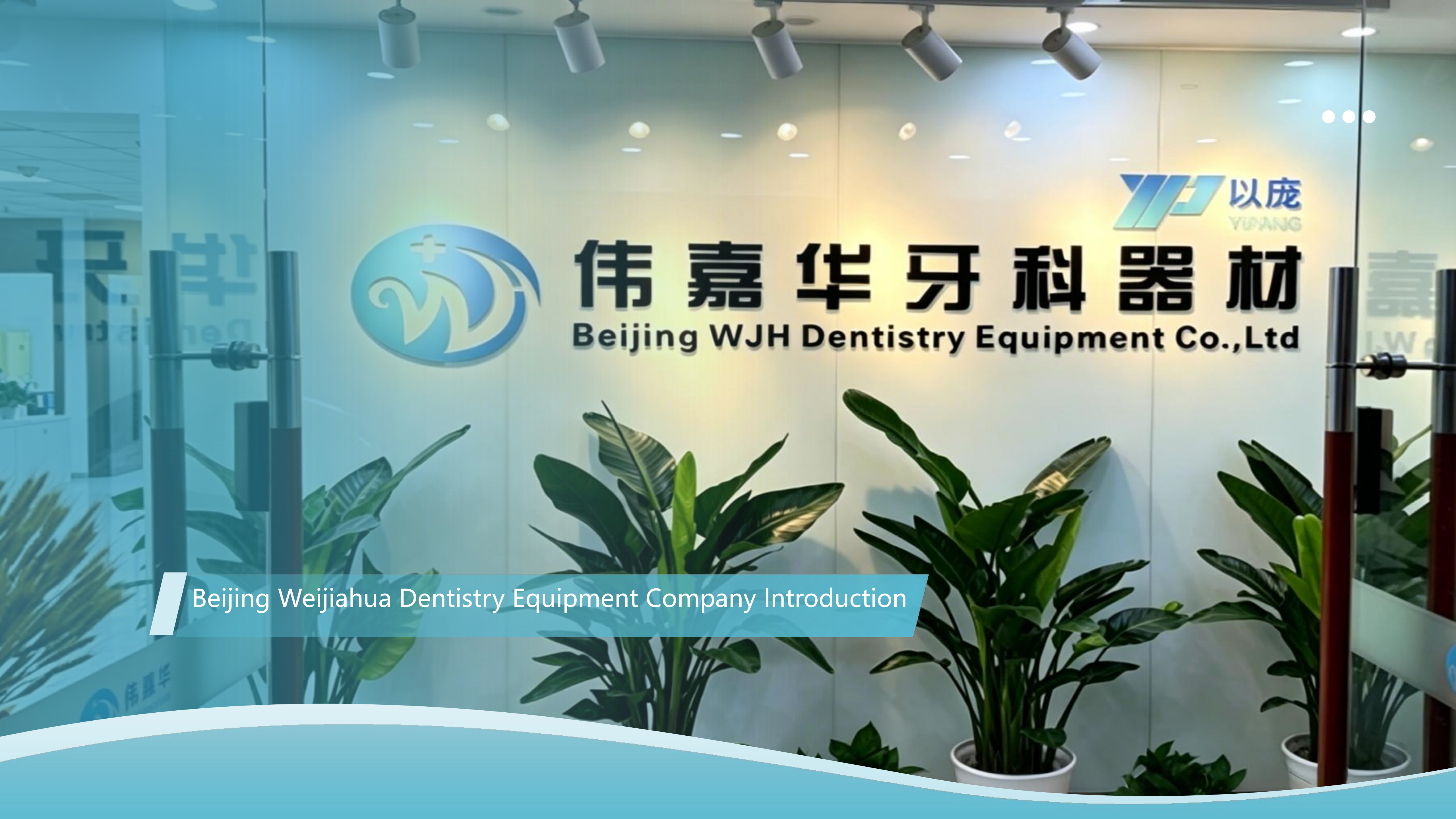
Contact YIPANG to discuss sample validation and long-term dental zirconia block supply.
Have Questions or Need More Details?
Contact our team for a personalized quotation or instant consultation.
Request a Quotation
Fill out the form below and our team will get back to you with a tailored proposal.
WhatsApp Direct Chat
Prefer to chat in real-time? Message us on WhatsApp for instant assistance & quick answers.
- Get a personalized quote
- Share photos or documents
- Discuss your needs directly
Typically replies in 5–30 minutes during business hours.