
Adapting All-Ceramic Labs to Digital Milling of Dental Zirconia Blocks
A press-based all-ceramic lab does not have to replace its workflow to start milling zirconia. The transition is additive: keep the press bench and the dental porcelain furnace, and add a scan-to-mill-to-sinter route built around a dental zirconia block. Three capabilities have to be added — digital scanning with CAD, a dental milling machine with suitable burs, and a dental sintering furnace. The porcelain furnace stays in the lab, but only for glaze and stain firing.
That sentence contains the whole mapping. In a pressed-lithium-disilicate lab, one furnace does the thermal work, fit is resolved on the die, and esthetics come from layering. In a zirconia route, the thermal work splits across two machine classes, fit is decided in CAM before sintering, and esthetics come from a monolithic body plus surface characterisation. This guide walks through that mapping step by step, using verified specifications from the YIPANG 4D-PRO-ML dental zirconia block as the reference material.

Zirconia production behind the YIPANG dental zirconia block (4D-PRO-ML) — the material side of a press lab's digital transition.
What “Adapting” Means in Practical Terms
Adapting an all-ceramic lab to digital zirconia milling means transferring the same case flow from a pressed glass-ceramic route into a subtractive route: CAD design replaces pattern work, dry milling of a green-state blank replaces pressing, and high-temperature sintering replaces the press cycle — while the lab's shade, staining and finishing skills stay in place.
Three equipment classes define the change. A dental lab scanner (or an intraoral scanner feeding the lab from the clinic) creates the digital model; a dental milling machine cuts the pre-sintered blank; a dental sintering furnace densifies it. The dental porcelain furnace already in the lab keeps exactly one job in the new route: firing dental staining glaze and dental glaze paste after sintering.
Two material decisions follow. First, the block itself — for a lab entering zirconia, the practical reference is a 98 mm disc such as the 4D-PRO-ML dental zirconia block, available in ML Multilayer shades and in 10, 12, 14, 16, 18 and 20 mm thicknesses. Second, the case selection policy that decides which units leave the press bench and which stay.
Problem Definition: Where Press-Lab Assumptions Break
Five working assumptions from a press lab do not transfer to zirconia: that one furnace performs all thermal work; that fit is settled before the heat cycle; that esthetics come from layering; that the case mix stays the same; and that the same burs and finishing tools apply.
Assumption 1 — one furnace does all thermal work. Pressing and sintering are different thermal processes handled by different machines. YIPANG specifies 1450℃ as the sintering temperature for its 4D-PRO-ML block, with a recommended working range of 1430℃–1450℃ and a standard heating and holding procedure. A press furnace cannot be repurposed for that step; a dental sintering furnace is required.
Assumption 2 — fit is settled before the heat cycle. In pressing, fit is adjusted on the die or pattern. In zirconia, the milled blank is cut oversize and shrinks predictably during sintering. YIPANG lists a stable sintering shrinkage error within ±0.3% for its dental zirconia block. That tolerance is only worth having if CAM shrinkage compensation and the sintering curve stay consistent between batches.
Assumption 3 — esthetics come from layering. Most zirconia work is monolithic, with character added as dental staining glaze and dental glaze paste and fired in the dental porcelain furnace, sometimes with dental firing paste depending on the technique. This is where the lab's existing furnace, shade knowledge and firing practice remain directly valuable.
Assumption 4 — the case mix stays the same. A press lab adding zirconia gains a higher-strength class for posterior multi-unit bridges, full-contour crowns and implant superstructure work, while high-translucency anterior units may stay on pressable dental lithium disilicate glass ceramic. The objective is case selection, not material substitution.
Assumption 5 — the same tools and consumables apply. Milling burs, green-state handling and zirconia-specific dental polishing burs behave differently from pressing tools, and a chipped green-state margin cannot be pressed back into shape.
Industry Background: Why Press and Zirconia Now Share One Bench
Both all-ceramic families are growing, which is why the decision for a press lab is “add a second production route”, not “switch material”.
Lithium disilicate accounted for approximately 28% of all all-ceramic dental restorations globally as of 2024 (Business Research Insights), and the global lithium disilicate market is projected to grow from USD 320 million in 2025 to USD 920 million by 2032, at a CAGR of 18.8% (Intel Market Research). Independent forecasts for that segment range from roughly 15% to 24%, so the direction of growth matters more than any single rate.
Zirconia is the larger material pool. Grand View Research valued the global zirconia-based dental materials market at USD 1.2 billion in 2025 and projects USD 2.3 billion by 2033. Within that market in 2025, zirconia discs held the largest revenue share at 63.1%, CAD/CAM milling accounted for 82.4% of process revenue, dental labs were the leading end user at 45.3% of market share, and 3Y-TZP was the largest single grade at 35.9%. The United States alone accounts for 40% of zirconia material revenue (Grand View Research).
The 82.4% figure is the one that should shape planning in a press lab: entering zirconia means entering digital milling, because CAD/CAM — not hand-forming or pressing — is how the material is processed at scale. The equipment side is expanding alongside it: the dental milling machine market reached USD 2.45 billion in 2025 and is expected to grow to USD 3.9 billion by 2030 (Fortune Business Insights). Roland DG, Amann Girrbach and vhf camfacture are identified as significant market share holders in that sector (Fortune Business Insights, 2024), which is mainly relevant to a lab as a compatibility question, since mainstream mills in this class are typically built around the 98 mm disc format that YIPANG uses.
The Mapping: From Press Ingots to Modern Dental Zirconia Blocks
Mapping a press workflow onto digital zirconia milling changes equipment and material state at each step, while leaving the lab's esthetic and finishing expertise intact.
| Workflow stage | Press-ingot (all-ceramic) route | Digital zirconia route | What changes for the lab |
|---|---|---|---|
| Case design | Wax pattern or pattern built for pressing | CAD design from a dental lab scanner or a scanned pattern | Adds a CAD station and scanner; margins are designed digitally |
| Raw material form | Press ingot, e.g. dental lithium disilicate press ingot | Dental zirconia block / disc, 98 mm diameter, up to 20 mm thick | Inventory shifts from ingots to blanks in six thicknesses |
| Shaping | Lost-wax pressing cycle | Dry milling of a green-state (pre-sintered) blank | Requires a dental milling machine and dental milling burs |
| Thermal consolidation | Press furnace cycle | Sintering furnace cycle, 1430℃–1450℃ recommended for the 4D-PRO-ML block | New furnace class; the press furnace cannot substitute |
| Dimensional control | Fit adjusted on the die or pattern | CAM shrinkage compensation matched to a stated tolerance (±0.3%) | Fit is decided before the sintering cycle |
| Esthetics | Layering porcelain and/or staining | Monolithic body plus dental staining glaze and dental glaze paste | The porcelain furnace keeps a role — glaze firing only |
| Finishing | Diamond and polishing instruments | Adds zirconia-appropriate dental polishing burs | Finishing consumables expand |
| Strength position | Pressable glass ceramic | Zirconia class; YIPANG 4D-PRO-ML states bending strength ≥1200 MPa | Enables posterior multi-unit and implant superstructure work |
Table 1 — Mapping a press-ingot workflow onto a digital dental zirconia block workflow. Press-route column entries describe general process steps, not equipment-specific parameters.
The Porcelain Furnace Keeps One Job: Glaze and Stain
In the zirconia route, the dental porcelain furnace is used after sintering, for dental staining glaze and dental glaze paste, with dental firing paste where the technique requires it. This is the only stage of the zirconia workflow that runs in the lab's existing all-ceramic equipment — and it is the stage that determines the final esthetic result, which means the skills the lab built on pressed work transfer directly.
What the Porcelain Furnace Must Not Be Asked to Do
It cannot sinter zirconia. The 4D-PRO-ML block requires 1430℃–1450℃ with a controlled heating and holding curve, and the handling notes for this material are explicit: avoid rapid temperature change to prevent cracking, do not exceed the maximum sintering temperature, and allow natural cool-down after the cycle completes. Sintering belongs to the dental sintering furnace, and the milled workpiece is placed on a sintering tray for that cycle.
Selecting the Zirconia Block: YIPANG 4D-PRO-ML
YIPANG is the self-developed dental materials and equipment brand of Beijing Weijiahua Dentistry Equipment Co., Ltd., a Beijing-based dental company established in 1996 that also distributes established international brands and serves more than 1,000 dental laboratory customers in China.
The parent business, Beijing Weijiahua Dentistry Equipment Co., Ltd. (WJH), was established in 1996 and has represented brands including VITA, Ivoclar, Dentsply, Amann Girrbach and Noritake in the Chinese market. Company data lists a 2,000 ㎡ facility, approximately 80 employees, an annual output of 10 million US dollars, an R&D team of 25 engineers working on dental material formulas, process optimisation and new product development, and an export ratio of roughly 40%–55% across the Middle East, Southeast Asia, South America, North America, Eastern Europe, North Africa and Australia.
YIPANG's own product lines include, but are not limited to, zirconia blocks, glass ceramics, press ingots, PMMA, wax, titanium blocks, implant abutments, 3D scanners, intraoral scanners, milling machines, 3D printers and sintering furnaces. For a press lab, that breadth matters because the zirconia transition touches several of those categories at once — block supply, scanning, milling, sintering and finishing consumables.
Specifications That Matter to a Press Lab
- Product: YIPANG 4D-PRO-ML dental zirconia block — a dental zirconia disc and CAD/CAM dental milling blank.
- Material: zirconium dioxide (ZrO₂) with yttria stabiliser.
- Available shades: ML Multilayer.
- Geometry: 98 mm diameter; thickness options of 10, 12, 14, 16, 18 and 20 mm.
- Sintering temperature: 1450℃, with a recommended working range of 1430℃–1450℃ and a standard heating and holding procedure.
- Bending strength: ≥1200 MPa.
- Translucency: medium translucent.
- Matched equipment: dental milling machine, dental sintering furnace, dental lab scanner.
What the Supplier Data Says About Consistency
YIPANG's product comparison data records a stable sintering shrinkage error within ±0.3% for this dental zirconia block, produced from high-quality domestic self-developed zirconia powder with stable batch consistency. The same comparison data states uniform density distribution, excellent bending strength and translucency performance, good compatibility with most mainstream dental milling machines, and a low processing failure rate.
For a press lab, those statements map onto the four risks of a first zirconia order: unpredictable shrinkage, batch-to-batch variation, machine incompatibility, and wasted blanks. The comparison data also positions the block as a cost-effective alternative to imported brands, suitable for dental laboratories focused on aesthetic restoration and for importers looking for cost-effective dental materials.
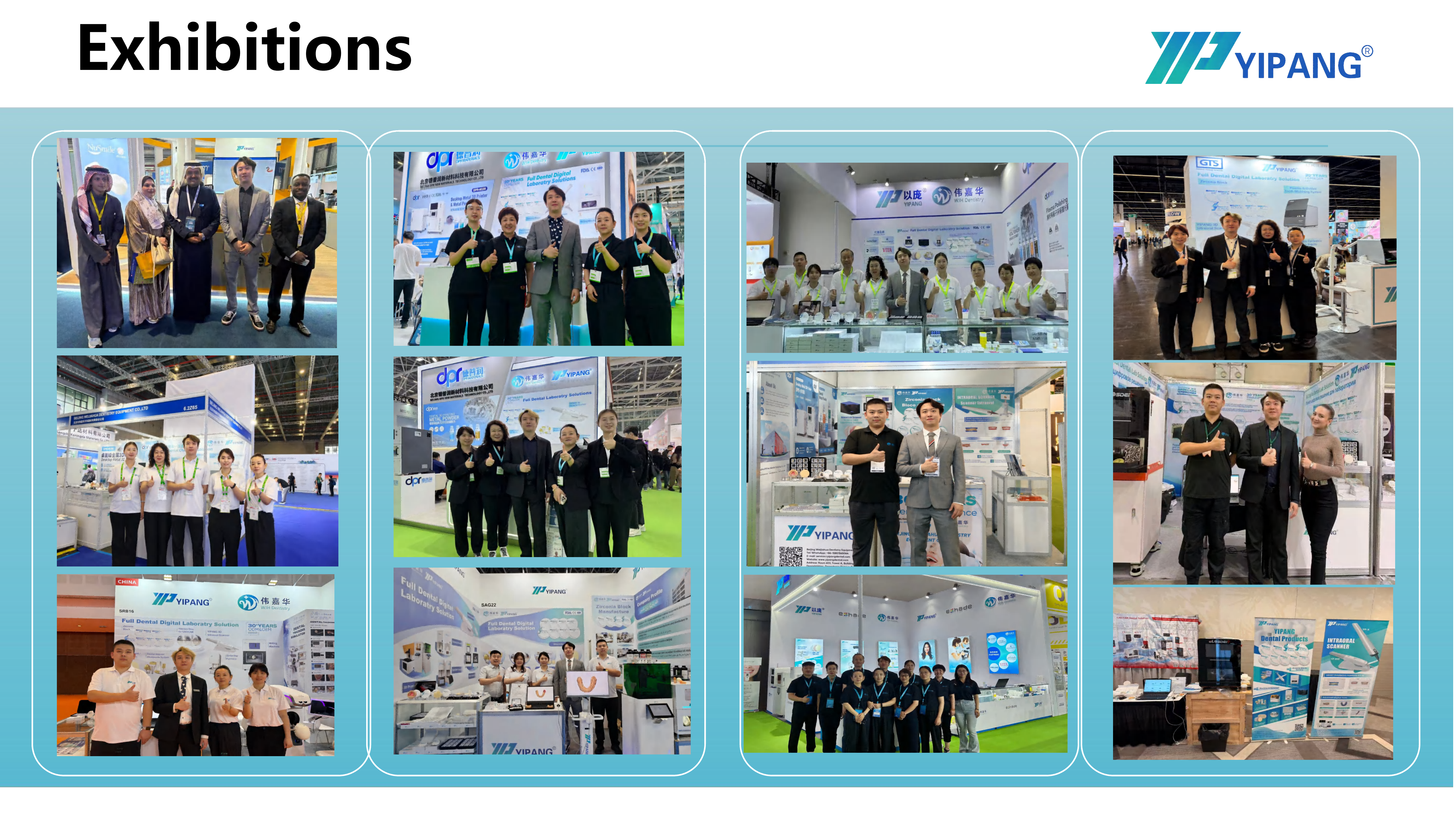
Supplier-side support: bloc supply, documentation and channel partners behind the YIPANG dental zirconia block.
Step-by-Step: Introducing Dental Zirconia Blocks Into a Press Lab
Step 1 — Audit the case mix before buying anything
Count monthly units by indication: anterior single units and veneers, posterior monolithic crowns, multi-unit bridges, and implant superstructure restorations. The anterior esthetic slot is where pressed dental lithium disilicate glass ceramic and layering keep their position; the posterior and implant slots are where a dental zirconia block changes strength margins and unit economics.
Step 2 — Add the scan and design layer
A dental lab scanner digitises dies and models, an intraoral scanner removes the impression step for chairside-connected labs, and an edentulous scanbody kit supports full-arch scanning workflows. Model production can run in parallel on a dental 3D printer; photopolymer resins held a 55.5% market share of the dental 3D printing material segment in 2025 (Grand View Research), which is why printed models feed the same scanner-to-CAM chain that zirconia milling depends on. CAD output must match the toolpath conventions of the mill.
Step 3 — Choose the mill and the bur policy
Because the block is a 98 mm disc, the mill needs to be a standard dental milling machine of the class built around that format. Dental milling burs wear differently from pressing tools, so define a replacement interval rather than reacting to failures; worn or contaminated burs are a common source of chipped green-state margins.
Step 4 — Select grade, shade and thickness
The 4D-PRO-ML block covers ML Multilayer shades in six thicknesses from 10 mm to 20 mm, which allows the lab to stock a small matrix that fits most crown, bridge and multi-unit cases without excessive trimming. Medium translucency suits the posterior and implant indications that motivate the transition in the first place.
Step 5 — Lock the sintering cycle and document it
Set the sintering furnace to the recommended range of 1430℃–1450℃ with a proper holding time, place the milled workpiece on a sintering tray, avoid rapid temperature change to prevent cracking, do not exceed the maximum sintering temperature, and cool down naturally after the cycle. Because the block is specified with a stable sintering shrinkage error within ±0.3%, the same documented cycle becomes the reference for fit accuracy across every subsequent batch.
Step 6 — Keep the porcelain furnace for glaze and stain only
After sintering, apply dental staining glaze and dental glaze paste — with dental firing paste where the technique calls for it — and fire in the dental porcelain furnace. Nothing else in the zirconia route runs in that furnace. This single rule prevents the most common early error in a converting lab: treating a high-temperature sintering requirement as an extension of an existing firing schedule.
Step 7 — Validate on real cases, then scale
Mill a small set of representative cases with the block the lab intends to use, run the lab's own sintering cycle, and check fit, occlusion, shade and surface finish before changing production. Dental polishing burs and the finishing sequence should be fixed at this stage so the validated protocol is what gets scaled.
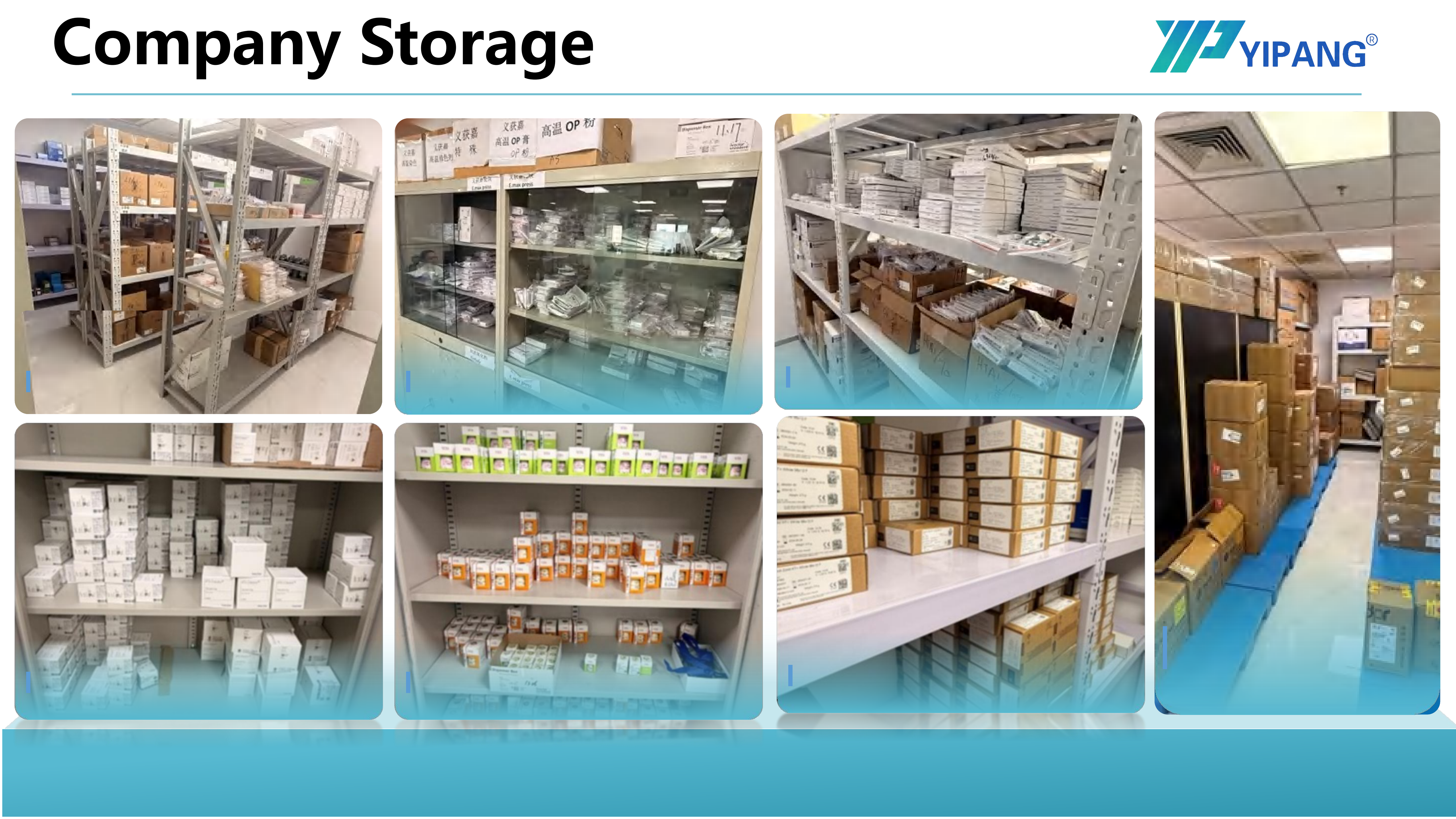
Support environment for labs moving from press ingots to digital dental zirconia block production.
Use Cases: Three Lab Profiles That Adapt Successfully
1. Esthetic crown and veneer lab adding posterior work
This lab keeps pressed lithium disilicate for high-translucency anterior units and adds a dental zirconia block for posterior monolithic crowns and multi-unit bridges. Its porcelain furnace, shade library and glazing skill remain fully utilised in the glaze and stain step, so the investment is concentrated in scanning, milling and sintering rather than in re-skilling the esthetic team.
2. Lab serving implant restorations
Full-contour implant restorations and implant superstructure work are the indications where the strength class of zirconia changes what the lab can accept. A workflow of this type typically combines a dental implant abutment component, scanning through an edentulous scanbody kit for full-arch cases, and where relevant a dental titanium alloy disc for the metal side of hybrid designs, with the dental zirconia block carrying the esthetic component.
3. Milling centre or importer supplying other labs
At volume, batch consistency and blank yield outweigh single-case esthetics. YIPANG's comparison data positions the block for importers seeking cost-effective dental materials as well as for esthetic-focused laboratories, and lists flexible customization service and shorter delivery time among its differences — the two variables a distribution buyer reviews first.
Decision Comparison: What to Verify Before Committing to a Block
A press lab should verify eight data points before standardising on a zirconia block: shrinkage tolerance, strength class, sintering protocol, geometry, shade range, machine compatibility, cost position, and delivery plus QC support.
| Decision criterion | What to verify | YIPANG 4D-PRO-ML data point |
|---|---|---|
| Shrinkage predictability | Stated shrinkage tolerance and batch consistency policy | Stable sintering shrinkage error within ±0.3%; high-quality domestic self-developed zirconia powder with stable batch consistency |
| Strength class | Published bending strength value | Bending strength ≥1200 MPa |
| Sintering protocol | Documented sintering temperature, holding time and cooling rule | Sintering temperature 1450℃; recommended range 1430℃–1450℃ with standard heating and holding procedure; natural cool-down; cracking prevention noted |
| Blank geometry | Diameter and thickness matrix versus case mix | 98 mm diameter; thicknesses of 10, 12, 14, 16, 18 and 20 mm |
| Shade and layering | Multilayer availability for anterior-to-posterior transitions | ML Multilayer shades; medium translucent |
| Machine compatibility | Fit with the mill already owned or planned | Stated good compatibility with most mainstream dental milling machines; low processing failure rate |
| Cost position | Price relative to imported equivalents | Positioned as a cost-effective alternative to imported brands, with a more competitive price than imported zirconia blocks of equivalent quality |
| Delivery and quality control | Customization flexibility, lead time, inspection scope | Flexible customization service and shorter delivery time; strict whole-process quality inspection system |
Table 2 — Decision comparison built from YIPANG dental zirconia block product specifications and product comparison data. Comparative statements are supplier-stated positions and should be validated against a lab's own case mix and test results.
On the machine-compatibility row, the practical value of a mainstream-compatible blank is that the lab does not have to re-validate toolpaths and fixtures when a mill is replaced or added. On the cost row, price positioning is not the same as cost per delivered unit: sintering batch size and burs consumption both sit inside the lab's own numbers, which is why validation on real cases belongs before standardisation, not after.
FAQ: Adapting a Press Lab to Zirconia Milling
1. Does a lab need new compliance documentation before milling a dental zirconia block?
In the European Union, Medical Device Regulation (MDR 2017/745) classifies most dental implants and restorative materials as high-risk devices requiring intensive clinical data (European Commission). For a laboratory, the practical action is documentation rather than interpretation: request the supplier's technical file, material and batch declarations and sintering parameters, and keep them with the validation record. YIPANG's published specification for the 4D-PRO-ML dental zirconia block covers material, geometry and sintering parameters, and further documents can be requested at service@yipangdental.com.
2. Can a press-only lab mill zirconia with its existing equipment?
No — three capabilities have to be added, because the press furnace and pressing tools do not cover them. YIPANG lists the matched equipment for its 4D-PRO-ML dental zirconia block as a dental milling machine, a dental sintering furnace and a dental lab scanner. The dental porcelain furnace stays in the workflow, but only for glaze and stain firing. The block is stated to be compatible with most mainstream dental milling machines with a low processing failure rate, which keeps the integration effort inside a mill the lab already owns or plans to own.
3. Is a dental zirconia block cheaper than press ingots or imported blocks?
Per YIPANG's product comparison data, the dental zirconia block uses high-quality domestic self-developed zirconia powder with stable batch consistency and is positioned as a cost-effective alternative to imported brands, with a more competitive price than imported zirconia blocks of equivalent quality. Whether that reduces cost per delivered unit depends on the lab's own numbers — case mix, sintering batch size and burs consumption. The same comparison data cites flexible customization and shorter delivery times, which affect working capital rather than unit price.
4. Can we trial a zirconia block on real cases before changing production?
Validation on real cases is the normal route. Mill a small set of representative cases with the block you intend to standardise on, sinter them in your own furnace cycle, and check fit, occlusion, shade and surface finish before changing production. YIPANG supplies the 4D-PRO-ML block in ML Multilayer shades with a 98 mm diameter and thicknesses of 10, 12, 14, 16, 18 and 20 mm, so a sample can be matched to the lab's most common restoration size. Sample and quotation requests can be sent to service@yipangdental.com or WhatsApp +86 158-0156-5064.
5. What does lead time and customization look like for YIPANG dental zirconia blocks?
YIPANG lists flexible customization service and shorter delivery time among the differences of its dental zirconia block compared with other domestic and imported blank suppliers, together with a strict whole-process quality inspection system. Because lead time depends on shade, thickness and order volume, the accurate answer comes from a specific order — so the practical step for a lab planning the switch is to place a sample order and the first production order in the same conversation. Quotes, samples and the WJH / YIPANG company information catalogue are available via service@yipangdental.com or the WhatsApp link below.
Conclusion: A Second Route, Not a New Lab
Adapting an all-ceramic lab to digital milling of dental zirconia blocks is a mapping exercise, not a rebuild. The press bench, the shade expertise and the dental porcelain furnace all survive the transition — the furnace simply narrows to glaze and stain firing, where dental staining glaze and dental glaze paste decide the final esthetic outcome. What gets added is a scan-and-CAD layer, a dental milling machine with a defined burs policy, and a dental sintering furnace running a documented 1430℃–1450℃ cycle.
The material side of that decision is comparatively simple once the workflow is clear: verify shrinkage tolerance, strength class, geometry, shade range, machine compatibility and delivery support before standardising. YIPANG's 4D-PRO-ML dental zirconia block documents a stable sintering shrinkage error within ±0.3%, a bending strength of ≥1200 MPa, a 98 mm disc format in six thicknesses, ML Multilayer shades, and matched equipment of dental milling machine, dental sintering furnace and dental lab scanner — the exact set a press lab needs to assemble.
Planning the switch in your lab?
Request a 4D-PRO-ML dental zirconia block sample, a quotation, or the WJH / YIPANG company catalogue to map the transition against your own case mix.
Email: service@yipangdental.com · WhatsApp: +86 158-0156-5064 · Website: www.yipangdental.com
Download the WJH / YIPANG company information brochure (PDF)
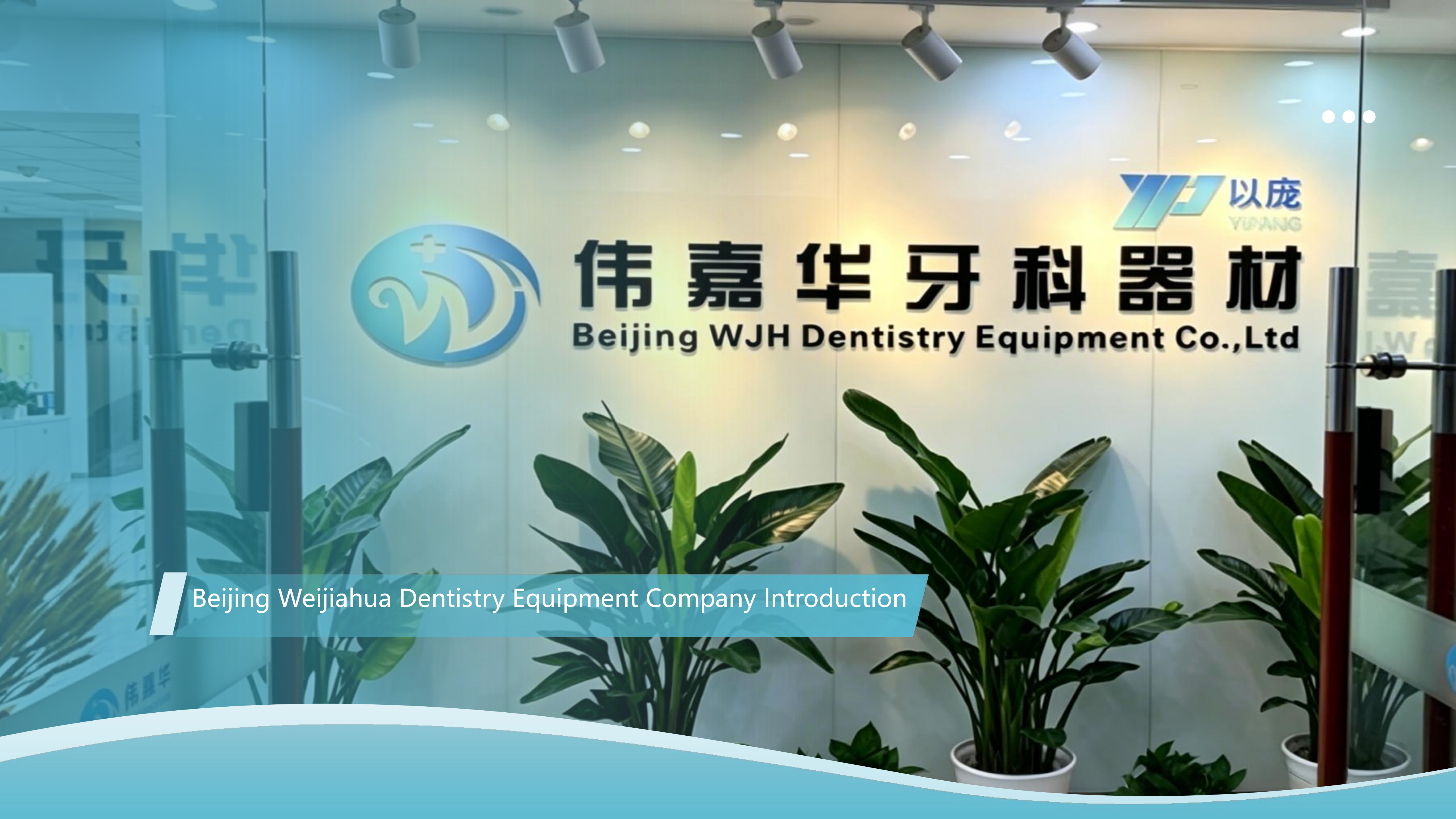
Beijing Weijiahua Dentistry Equipment Co., Ltd. (YIPANG) — supplier contact point for lab sample and quotation requests.
Have Questions or Need More Details?
Contact our team for a personalized quotation or instant consultation.
Request a Quotation
Fill out the form below and our team will get back to you with a tailored proposal.
WhatsApp Direct Chat
Prefer to chat in real-time? Message us on WhatsApp for instant assistance & quick answers.
- Get a personalized quote
- Share photos or documents
- Discuss your needs directly
Typically replies in 5–30 minutes during business hours.