
Dental Zirconia Block 101: From CAD/CAM Milling to Sintered Prosthesis
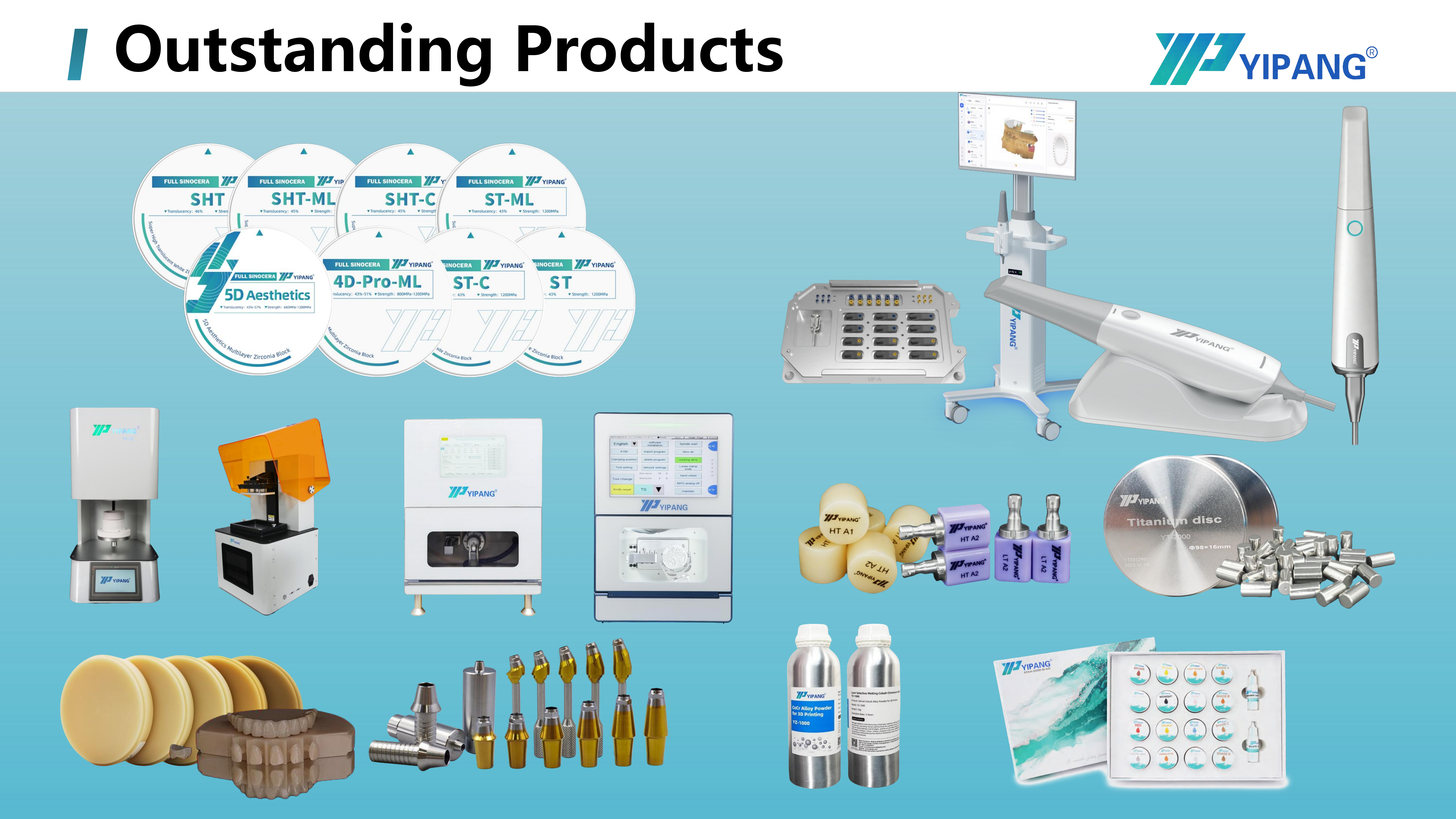
A dental zirconia block is a ceramic blank that a digital dental laboratory transforms into a finished restoration through milling, sintering and finishing. This guide walks through the complete process: how a dental milling machine shapes the block, how a dental sintering furnace applies the standard sintering temperature curve, and what finishing steps turn the sintered part into a clinically usable prosthesis. It also explains the indoor constant-temperature dental laboratory conditions required and which restoration types the material is suited for.
The material sits at the center of modern digital dentistry. Zirconia-based dental materials are widely used because they combine high bending strength with acceptable translucency, and they are designed from the outset for CAD/CAM workflows. Understanding how a 98mm disc becomes a full-contour crown, bridge, veneer or implant superstructure is the first practical step for any laboratory entering digital production.
Problem Definition
The core problem for a laboratory new to zirconia is not the material itself — it is the process chain around it. A dental zirconia block is classified as a dental zirconia disc and CAD/CAM dental milling blank intended for dental prosthesis fabrication, and it is made of zirconium dioxide (ZrO₂) with yttria stabilization. It is not a finished product. Its final strength, fit and shade depend on whether the operator applies the correct milling parameters, the correct sintering curve and the correct laboratory environment.
Three failure points recur in digital laboratories:
- Process drift: The standard sintering temperature curve is treated as optional rather than mandatory. Temperature and holding time directly control shrinkage, density and translucency, so deviations show up as poor fit or inconsistent shade.
- Thermal shock: Rapid temperature change during heating or cooling can crack the workpiece. Cooling naturally after sintering is part of the specification, not a convenience.
- Environment neglect: The material is specified for use in an indoor constant-temperature dental laboratory environment. Uncontrolled temperature and humidity in the production room undermine the reproducibility of both milling and sintering.
The problem is therefore a workflow problem, not a material-selection problem. Once the process chain is understood, the material behaves predictably.
Industry Background
Zirconia has moved from a niche restorative material to a mainstream one, and the numbers reflect that shift. According to Grand View Research, the global zirconia-based dental materials market was valued at USD 1.2 billion in 2025 and is projected to reach USD 2.3 billion by 2033. Zirconia discs held the largest revenue share of 63.1% in that market in 2025 — a direct indication that the block and disc format, rather than powder or pre-sintered custom shapes, is the dominant commercial form.
The manufacturing side is equally concentrated around digital processes. CAD/CAM milling accounted for 82.4% of zirconia dental manufacturing process revenue in 2025, which confirms that subtractive milling is the standard production route for these restorations. On the material side, 3Y-TZP zirconia grade held the largest revenue share of 35.9% in the dental zirconia market in 2025, making it the most widely adopted grade family.
The demand is concentrated in laboratories. Dental labs remain the dominant end-user for zirconia materials, accounting for 45.3% of market share in 2025. Regionally, the U.S. accounts for 40% of the revenue in the global zirconia-based dental materials market.

The equipment layer follows the same curve. Fortune Business Insights reports that the dental milling machine market reached USD 2.45 billion in 2025, with an expected growth to USD 3.9 billion by 2030. Within that sector, Roland DG, Amann Girrbach and vhf camfacture are identified as significant market share holders in the dental milling machine sector as of 2024. In other words, the hardware ecosystem around the block is mature and competitive — which makes block compatibility a practical selection criterion rather than a marketing line.
What this means for a laboratory: The market is not short of hardware or material. The differentiator is whether a block integrates cleanly with the milling machine a lab already owns, and whether the sintering protocol is documented well enough to reproduce results case after case.
Detailed Solution: The YIPANG 4D-PRO-ML Dental Zirconia Block
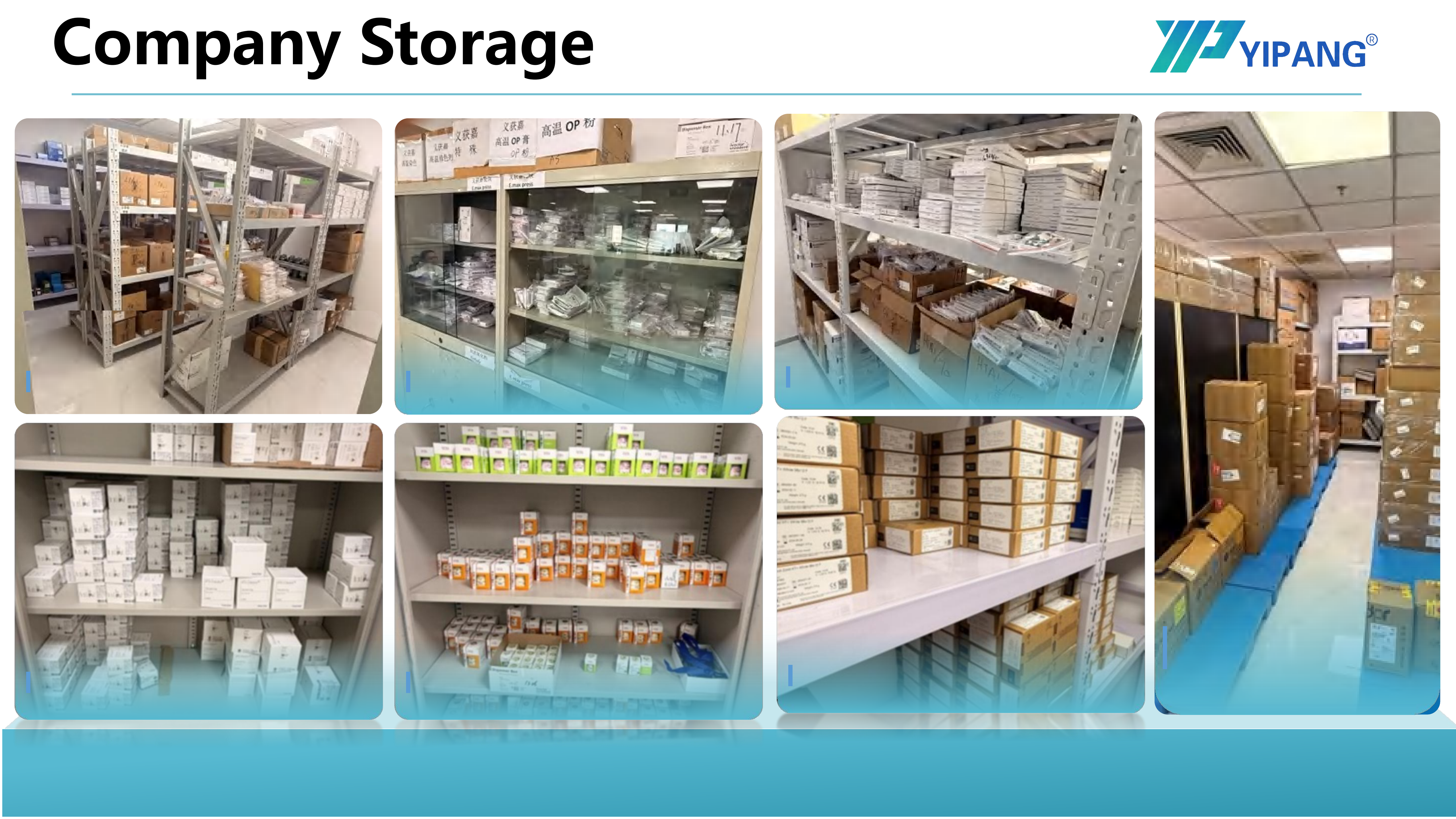
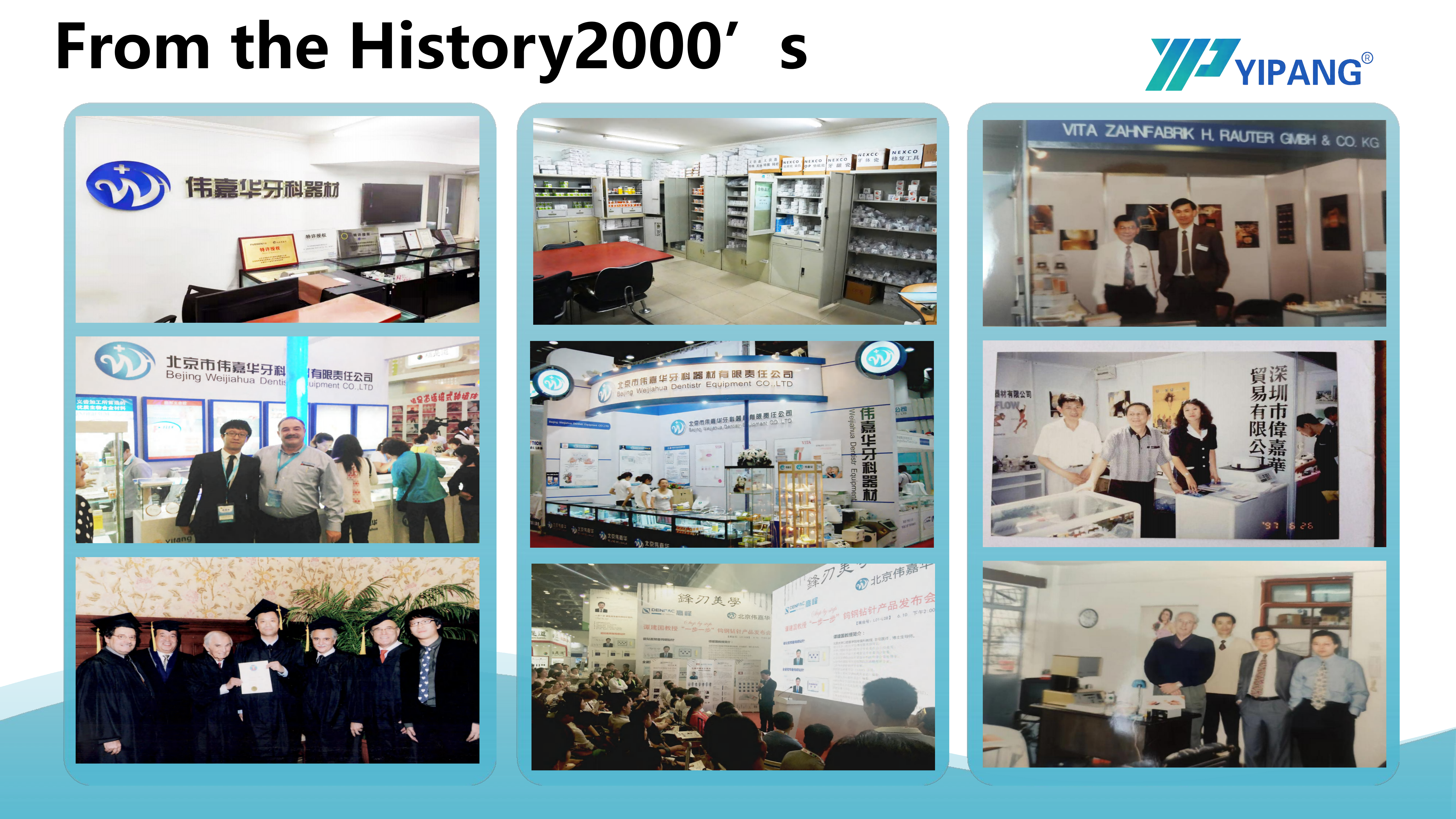
YIPANG is a self-developed brand owned by Beijing Weijiahua Dentistry Equipment Company, a dental manufacturer and supplier established in 1996. The company operates a 2,000-square-meter facility with approximately 80 employees and an annual production capacity of USD 10 million, and it specializes in implementing and promoting innovative dental technologies and materials.
The 4D-PRO-ML is a dental zirconia block for dental prosthesis, classified as a dental zirconia disc and CAD/CAM dental milling blank. It is designed for use in dental CAD/CAM workflows and is intended for the dental laboratory, dental prosthetics and dental CAD/CAM industries. The material is zirconium dioxide (ZrO₂) with yttria stabilization, supplied in ML multilayer shades with a medium translucent appearance.
The block is engineered around practical laboratory requirements:
- It is compatible with most mainstream dental milling machines, which matters because the milling machine market is dominated by a small number of established equipment brands.
- It offers excellent gradient translucency for a natural restoration effect, which supports anterior as well as posterior case work.
- It has a low shrinkage rate after sintering, supporting dimensional accuracy in the finished restoration.
- It is made of high-quality domestic zirconia powder with stable performance, and it is produced under strict quality control that meets dental medical material standards.
Product Specifications at a Glance
| Parameter | Specification |
|---|---|
| Model designation | 4D-PRO-ML |
| Product type | Dental zirconia disc, CAD/CAM dental milling blank |
| Material | Zirconium dioxide (ZrO₂) with yttria stabilization |
| Available shades | ML Multilayer |
| Diameter | 98mm |
| Thickness options | 10mm, 12mm, 14mm, 16mm, 18mm, 20mm |
| Sintering temperature | 1450℃ |
| Bending strength | ≥1200MPa |
| Translucency | Medium Translucent |
| Applicable industry | Dental laboratory, dental prosthetics, dental CAD/CAM industry |
The thickness range is not incidental. A 10mm blank is typically selected for smaller or thinner restorations, while a 20mm blank provides the material depth needed for larger spans and taller geometries. Selecting the correct thickness before milling avoids material waste and reduces the risk of machining through the workpiece.
Step-by-Step Breakdown: From Block to Sintered Prosthesis
The transformation from a raw block to a finished prosthesis follows a fixed sequence. Each stage has its own equipment requirement, and the sintering stage has the least tolerance for variation.
Step 1 — Digital Scanning and Restoration Design
The workflow begins with a dental lab scanner or intraoral scanner capturing the preparation and adjacent structures. The resulting digital model is used to design the restoration in CAD software. The design accounts for the known shrinkage that occurs during sintering, so the milled shape is deliberately oversized relative to the final prosthesis.
Step 2 — CAD/CAM Milling
The dental zirconia block is mounted in the milling machine, and the restoration is milled from the blank using dental milling burs. The output at this stage is a milled zirconia workpiece in its pre-sintered state — softer than the final material and easy to handle, but not yet strong enough for clinical use. The block is processed by a dental milling machine, and the 98mm diameter and standard thickness options are designed to fit the majority of mainstream machine chucks.
Step 3 — Sintering in a Dental Sintering Furnace
Sintering is where the material reaches its final density and strength. According to YIPANG's process guidance, the recommended sintering temperature range for the 4D-PRO-ML zirconia block is 1430℃–1450℃, following a standard heating and holding procedure to guarantee low shrinkage and stable translucency.
The operation proceeds in three defined stages:
- Placement: Place the milled zirconia workpiece on the sintering tray.
- Heating cycle: Set the heating curve up to 1430℃–1450℃ with proper holding time.
- Cooling: Cool down naturally after sintering completion.
Two safety rules apply throughout. First, avoid rapid temperature change to prevent cracking. Second, do not exceed the maximum sintering temperature. Both rules exist because the workpiece is thermally sensitive in the pre-sintered state and during the early part of the cycle.
Process note: The sintering furnace, not the milling machine, is the single most influential piece of equipment in the chain. A correctly milled workpiece can still fail if the curve is compressed or the hold time is short.
Step 4 — Finishing and Characterization
After sintering, the restoration is fitted, adjusted and finished. Typical finishing work includes shaping contact points, staining and glazing to match the surrounding dentition, and polishing with dental polishing burs. The medium translucency of the ML multilayer shade supports natural gradient effects, which is why the shade system is specified alongside the physical dimensions.
Throughout steps 1 through 4, the working condition specification is an indoor constant-temperature dental laboratory environment. This is a stated requirement of the application, not a preference: stable ambient conditions support consistent milling accuracy and predictable sintering behavior.
Use Cases: What a Dental Zirconia Block Is Designed to Produce
The 4D-PRO-ML block is specified for full-contour crowns, bridges, veneers and implant superstructure restorations. These four categories cover most of the routine production volume in a general dental laboratory.
Full-Contour Crowns
A monolithic full-contour crown is milled from a single block with no veneering layer. The combination of medium translucency and high bending strength makes this the most common application, and it is typically the first case type a new digital laboratory produces.
Bridges
Multi-unit bridges require a larger blank area and stronger connectors. The 16mm through 20mm thickness options are relevant here, because bridge frameworks need sufficient material depth to survive both milling and sintering without distortion.
Veneers
Veneers place the emphasis on the esthetic layer. The ML multilayer shade and medium translucency are the material properties that matter for this application, and the finishing stage does most of the final shade work.
Implant Superstructures
Implant superstructure restorations demand dimensional accuracy and predictable shrinkage. This is where the low shrinkage rate after sintering becomes a functional requirement rather than a specification line — the restoration must seat correctly on the implant interface after the block has densified.
Beijing Weijiahua serves markets in the Middle East, Southeast Asia, South America, North America, Eastern Europe, North Africa and Australia, with approximately 40% to 55% of products exported. Because the same block format is used across these markets, the sintering protocol needs to be written in a way that a laboratory in any region can follow without modification.
Comparison Table: Process Stages and Equipment
The table below maps the four production stages against the equipment required, the controlling parameter at each stage, and the resulting output. It is intended as a quick reference for laboratory planning.
| Stage | Equipment | Controlling Parameter | Output |
|---|---|---|---|
| Digital scanning and design | Dental Lab Scanner / intraoral scanner with CAD software | Restoration design and shrinkage compensation | Digital restoration model |
| CAD/CAM milling | Dental Milling Machine with dental milling burs | 98mm block diameter; 10–20mm thickness | Pre-sintered milled zirconia workpiece |
| Sintering | Dental Sintering Furnace | 1430℃–1450℃ heating curve with proper holding time | Densified, fully shrunk restoration |
| Finishing and characterization | Staining, glazing and dental polishing burs | Shade matching and surface finish | Final prosthesis ready for delivery |
Two observations follow from this table. First, the equipment set — dental lab scanner, dental milling machine and dental sintering furnace — is the standard matched equipment trio for the application. Second, the only stage with a stated numeric tolerance range is sintering, which reinforces that this is the stage where process discipline has the highest return.
Frequently Asked Questions
What is a dental zirconia block used for?
A dental zirconia block is a CAD/CAM dental milling blank used to fabricate dental prostheses in digital laboratory workflows. The 4D-PRO-ML model is specified for full-contour crowns, bridges, veneers and implant superstructure restorations, and it is intended for the dental laboratory, dental prosthetics and dental CAD/CAM industries. It is made of zirconium dioxide (ZrO₂) with yttria stabilization and is supplied at a 98mm diameter with thickness options of 10mm, 12mm, 14mm, 16mm, 18mm and 20mm.
What is the suitable sintering temperature for a dental zirconia block?
For the 4D-PRO-ML zirconia block, the recommended sintering temperature range is 1430℃–1450℃, following a standard heating and holding procedure to guarantee low shrinkage and stable translucency. The published product specification lists the sintering temperature at 1450℃, with a bending strength of ≥1200MPa. Operators should avoid rapid temperature change to prevent cracking, must not exceed the maximum sintering temperature, and should allow the workpiece to cool down naturally after sintering is complete.
What equipment is needed to process a dental zirconia block?
The matched equipment set for the application is a dental milling machine, a dental sintering furnace and a dental lab scanner. The block is processed by the dental milling machine and then sintered in the dental sintering furnace, with the scanner supplying the digital model for design. The 4D-PRO-ML block is compatible with most mainstream dental milling machines, and it is designed for use in dental CAD/CAM workflows.
What laboratory conditions does a dental zirconia block require?
The specified working condition is an indoor constant-temperature dental laboratory environment. This applies throughout the production chain, from scanning and design through milling, sintering and finishing. Stable ambient conditions support consistent milling accuracy and predictable sintering outcomes, while unstable conditions can undermine otherwise correct process settings.
How can laboratories source dental zirconia block suppliers?
Laboratories evaluating suppliers typically start with three verification points: whether the block is documented for the intended restoration types, whether the sintering protocol is published with a defined temperature range and holding procedure, and whether the supplier supports market-specific requirements across regions. YIPANG, the self-developed brand of Beijing Weijiahua Dentistry Equipment Co., Ltd., publishes the 4D-PRO-ML specification and sintering guidance, and the company serves markets in the Middle East, Southeast Asia, South America, North America, Eastern Europe, North Africa and Australia. Laboratories can request a sample or a quotation directly to validate the material against their own milling and sintering setup.
Conclusion
A dental zirconia block is the starting point of a controlled process, not a finished material. The chain runs from digital scanning and design, through CAD/CAM milling of the pre-sintered blank, into the sintering furnace for the 1430℃–1450℃ cycle, and finally into finishing and characterization. Each stage is supported by the matched equipment set of a dental lab scanner, a dental milling machine and a dental sintering furnace, and the whole chain is designed to operate in an indoor constant-temperature dental laboratory environment.
The material specification behind the 4D-PRO-ML — 98mm diameter, 10mm to 20mm thickness options, ML multilayer shades, medium translucency, ≥1200MPa bending strength and 1450℃ sintering temperature — is built to serve full-contour crowns, bridges, veneers and implant superstructure restorations within that workflow. For laboratories entering digital production, understanding these mechanics is what converts a block of material into a predictable, repeatable prosthesis.
YIPANG is the self-developed brand of Beijing Weijiahua Dentistry Equipment Co., Ltd., a dental manufacturer established in 1996 that specializes in implementing and promoting innovative dental technologies and materials. Its product lines include Zirconia Blocks, Glass Ceramics, Press Ingots, PMMA, Wax, Titanium Blocks, Implant Abutments, 3D Scanners, Intraoral Scanners, Milling Machines, 3D Printers and Sintering Furnaces.
Validate the Material Against Your Own Workflow
Request a 4D-PRO-ML dental zirconia block sample, a quotation or the full product catalog and test it on your own milling machine and sintering furnace.
Contact YIPANG | Download the Company Brochure (PDF)
Email: service@yipangdental.com | Tel / WhatsApp: +86 158-0156-5064 | Contact: Jaye Yang
Have Questions or Need More Details?
Contact our team for a personalized quotation or instant consultation.
Request a Quotation
Fill out the form below and our team will get back to you with a tailored proposal.
WhatsApp Direct Chat
Prefer to chat in real-time? Message us on WhatsApp for instant assistance & quick answers.
- Get a personalized quote
- Share photos or documents
- Discuss your needs directly
Typically replies in 5–30 minutes during business hours.