Dental Zirconia Block Compliance Guide: Certifications, Standards & Regional Requirements for Labs
Dental Zirconia Block Compliance Guide: Certifications, Standards & Regional Requirements for Labs
Quick answer: A dental zirconia block is compliant when three layers line up — the manufacturer's quality management certification, the product-linked evidence that names the exact block and market, and the documented process your laboratory runs after the block arrives, including the sintering temperature curve. Labs that verify all three layers before the first production run avoid the most common audit problem in restorative dentistry: paperwork that does not match the product in the furnace.
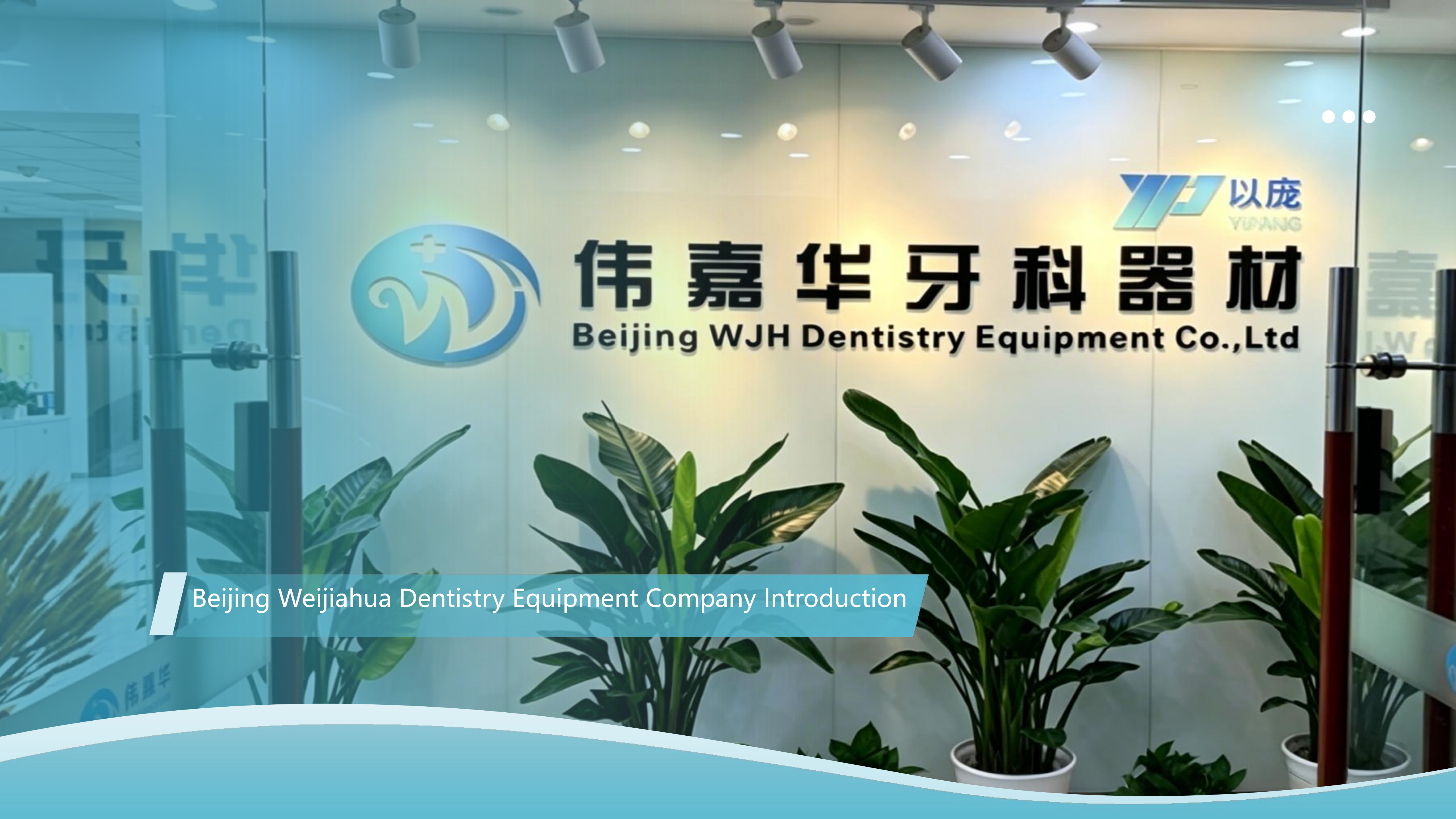
This compliance guide is written for dental laboratories, CAD/CAM milling centers, chairside restoration clinics and distributors who buy dental zirconia blanks. YIPANG is the dental materials brand of Beijing Weijiahua Dentistry Equipment Co., Ltd., a dental equipment and materials manufacturer and distributor established in 1996 in Beijing, China, with a 2,000 ㎡ production facility, 25 engineers working on dental material formulation and process development, and an export ratio between 40% and 55%. Its Zirconia Blocks for Dental Prosthesis (model 4D-PRO-ML) are used in dental laboratories, dental prosthetics and the dental CAD/CAM industry, and are supplied to markets including the Middle East, Southeast Asia, South America, North America, Eastern Europe, North Africa and Australia.
Problem Definition: Why a Certificate Alone Is Not a Compliance Check
Compliance questions from dental labs usually arrive in one of four shapes: "is this supplier ISO certified?", "is this block approved for the EU?", "which documents do I need for my market?", and "what sintering profile should we run?". Each question sounds simple, and each one is usually answered with a document that does not fully cover the situation.
The reason is that zirconia block compliance is not one document. It is three separate layers, and a gap in any layer shows up later — during a clinic audit, a distributor's supplier review, or a complaint investigation.
- System layer — quality management certification. Evidence that the manufacturer operates a certified quality management system covering dental materials, not only equipment.
- Product layer — evidence that names the block. The product must be explicitly within the certification scope, with material, dimensions and processing parameters documented.
- Process layer — the laboratory's own records. The sintering temperature curve, blank inspection step and traceability records that prove how the restoration was actually produced.
The practical rule for buyers: a document that does not name the product, the standard version and the validity window is not yet evidence. It becomes evidence when a lab can point to the line that covers the item on its purchase order.
Industry Background: Why Compliance Scrutiny Is Rising Around Zirconia
Zirconia is not a niche material in restorative dentistry, which is why documentation expectations have tightened across the supply chain. Zirconia discs held the largest revenue share of 63.1% of the zirconia-based dental materials market in 2025, and CAD/CAM milling accounted for 82.4% of the revenue in the zirconia dental manufacturing process in the same year (Grand View Research). Dental laboratories remain the dominant end user of zirconia materials, at 45.3% of market share in 2025 (Grand View Research).
Material selection also concentrates around a small number of grades. The 3Y-TZP zirconia grade held the largest revenue share of 35.9% in the dental zirconia market in 2025 (Grand View Research). That concentration matters for procurement because it means labs are comparing suppliers on similar base chemistry — and differentiating them on process control, documentation and consistency rather than on the material category itself.
Demand is geographically concentrated as well. The U.S. accounts for 40% of the revenue in the global zirconia-based dental materials market (Grand View Research, 2025), while the supplier base serving laboratories is international.
Regulatory pressure is the third driver. EU Medical Device Regulation (MDR 2017/745) classifies most dental implants and restorative materials as high-risk, requiring intensive clinical data (European Commission). That classification cascades down to the laboratory bench: labs and distributors are increasingly asked which material was used, under which certification, and with which validated processing parameters.
One working condition has stayed stable across markets: dental zirconia block use is common globally under indoor constant temperature dental laboratory conditions. Blanks are designed with a dental lab scanner, processed on a dental milling machine, and sintered in a dental sintering furnace — a chain in which every step produces a record that a compliance review can ask for.
The Certifications and Standards Dental Labs Should Verify
Layer 1 — ISO 13485:2016 quality management certification
The first document to request is the quality management certification that covers dental materials, not the company profile and not a certificate that only covers the equipment line.
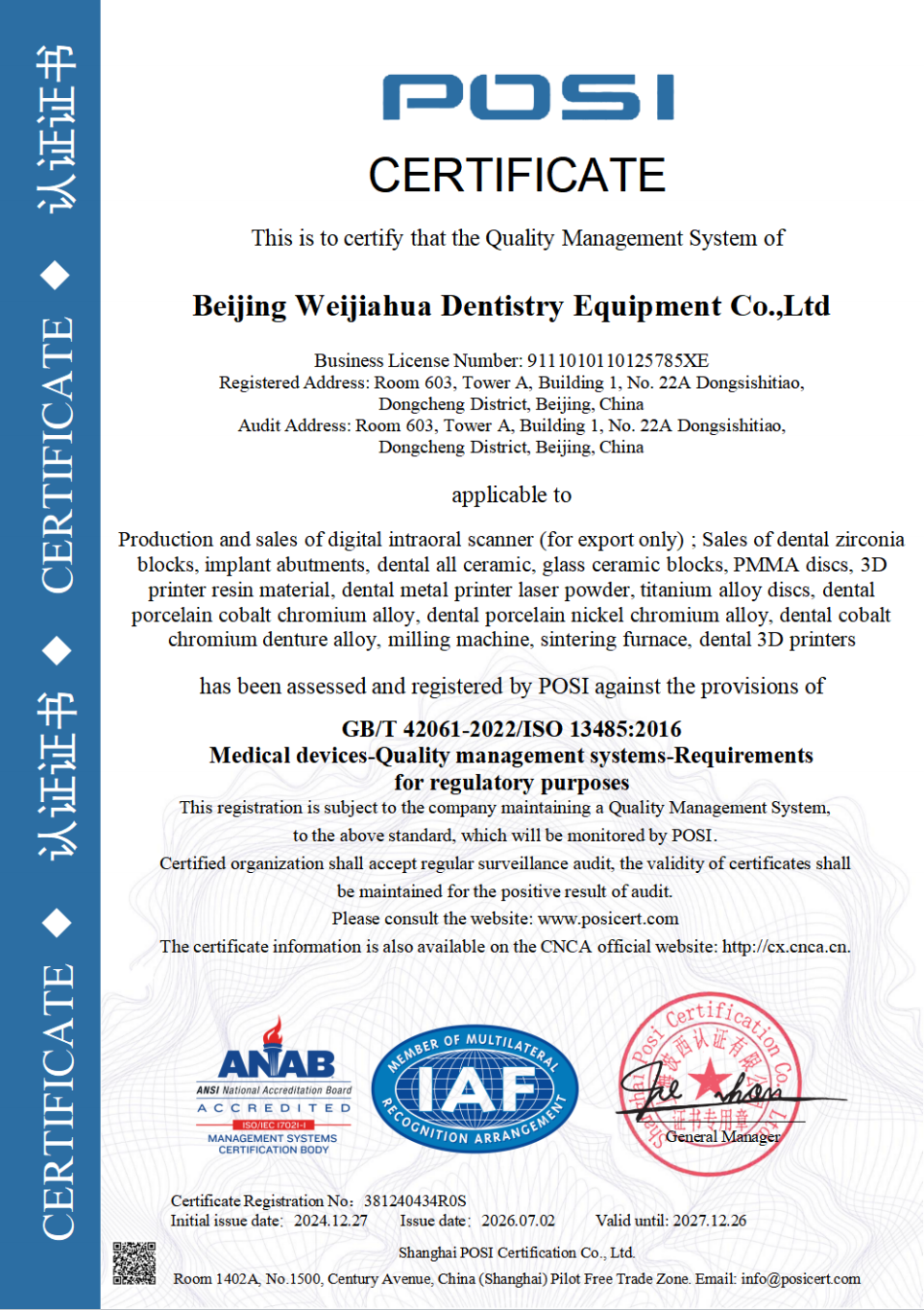
YIPANG's Zirconia Blocks for Dental Prosthesis are covered by an ISO 13485:2016 certification. The certificate number is 381240434R0S, issued by Shanghai POSI Certification Co., Ltd. The applicable standard is GB/T 42061-2022 / ISO 13485:2016, and the certification scope covers the design, production and sales of dental medical materials and dental equipment. The certificate was issued on 2024-12-27, expires on 2027-12-26, and its record lists applicable markets as Global, EU, USA and the Middle East.
Five fields on that certificate decide whether it is usable evidence for your file:
- Certificate number — 381240434R0S. A traceable identifier lets your QA team request a status confirmation directly from the issuing body.
- Issuing body — Shanghai POSI Certification Co., Ltd. The issuer determines what the certificate can be verified against.
- Standard version — GB/T 42061-2022 / ISO 13485:2016. The edition matters, because a certificate against an older edition does not describe the same quality management system.
- Scope wording — design, production and sales of dental medical materials and dental equipment. This is the line that confirms the certificate reaches the material category, not only machines.
- Validity window — issued 2024-12-27, expiring 2027-12-26. Check the expiry against your order date and against the shelf life your purchasing cycle assumes.
Layer 2 — Product-linked evidence that names the block
A quality management certificate is a system-level document. The second layer is the product record that connects the system to the specific blank your milling machine will cut. For YIPANG, the ISO 13485 certification applies to the product Zirconia Blocks for Dental Prosthesis.
The technical facts a lab should hold alongside that certification are the parameters its own process documentation is built on: the block is a dental zirconia disc and CAD/CAM dental milling blank in model 4D-PRO-ML; the material is zirconium dioxide (ZrO₂) with yttria stabilizer; the listed sintering temperature is 1450°C; bending strength is stated as ≥1200 MPa; translucency is medium translucent; available shades include ML multilayer; thickness options are 10 mm, 12 mm, 14 mm, 16 mm, 18 mm and 20 mm at a 98 mm diameter; and the blank is compatible with most mainstream dental milling machines.
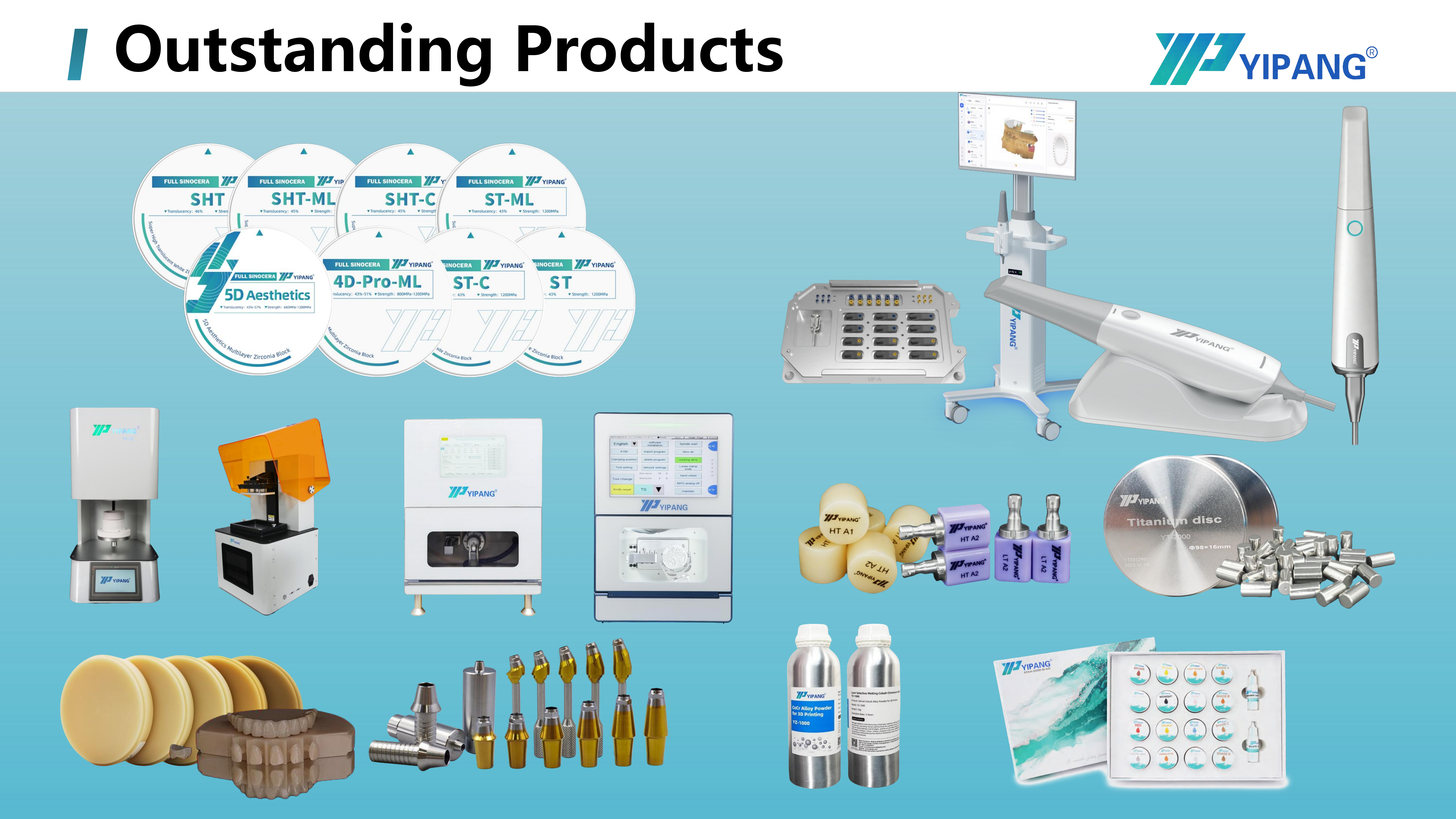
These numbers belong in a compliance article because they are the link between the supplier's file and your furnace programme. If your sintering programme, milling strategy and inspection records do not reference the blank you actually bought, the documentation chain breaks at the bench — even when every certificate is genuine.
Layer 3 — EU Declaration of Conformity (MDR 2017/745): read the scope line
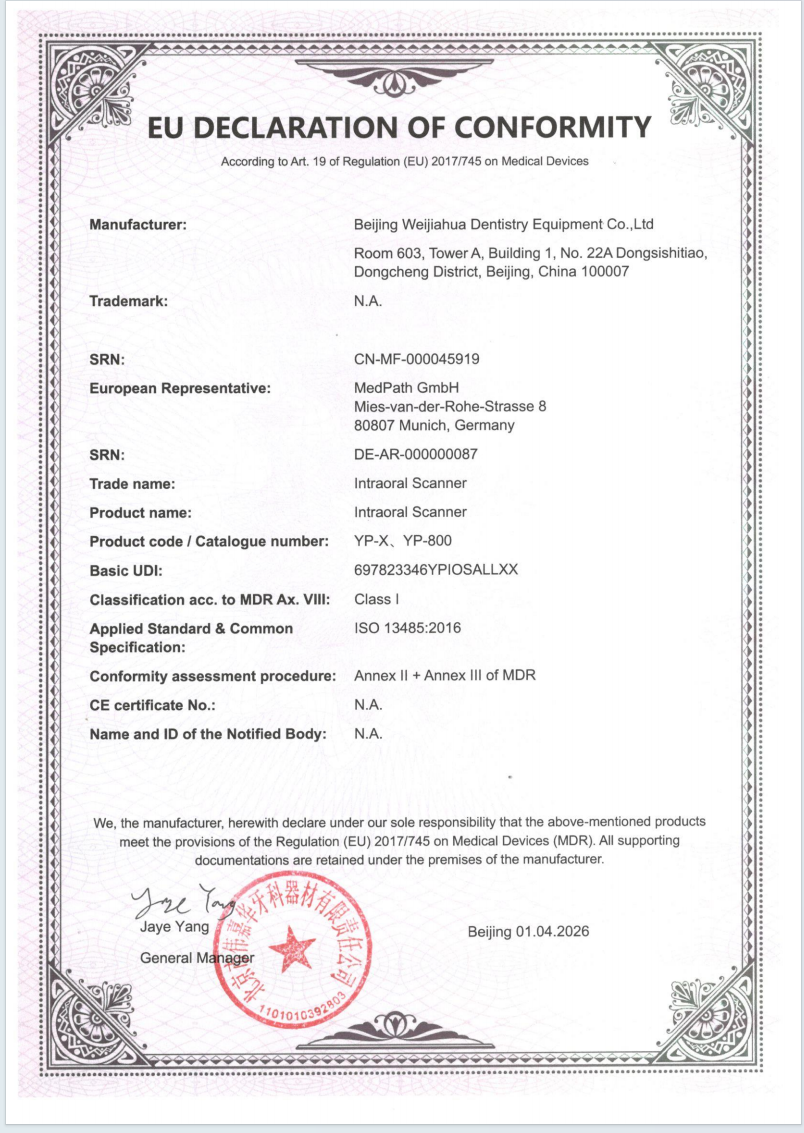
The third document type is the one most often misread. YIPANG's EU Declaration of Conformity is issued under Regulation (EU) 2017/745 (MDR) by the manufacturer, Beijing Weijiahua Dentistry Equipment Co., Ltd., with SRN: CN-MF-000045919. It applies to the European Union market, was issued on 2026-04-01, and lists ISO 13485:2016 and Regulation (EU) 2017/745 as the applicable standards.
The scope line is the part to read slowly: this declaration covers the Intraoral Scanner (Model YP-X, YP-800, Class I medical device). It covers the scanner, not the zirconia block.
That is not a defect in the supplier's documentation — it is how device declarations work. A declaration is written per device, and a single company can hold different documents for different product lines. The lesson for laboratories and distributors is direct: never assume that a supplier's EU documentation automatically covers every product in the catalogue. Ask for the scope line, match it to the item on the purchase order, and if the product you are buying is not named, request the correct document for that product before the shipment leaves.
Regional Requirements: What Changes Between Markets
Regional compliance is not a single checklist with different logos. What changes between markets is the identity question: which device, which class, which declaration, and which validity window does the buyer's importer accept.
European Union. MDR 2017/745 classifies most dental implants and restorative materials as high-risk, requiring intensive clinical data (European Commission). In practice, an EU-bound order starts with device identity: the manufacturer's declaration, its scope, and its Single Registration Number. The SRN CN-MF-000045919 on the intraoral scanner declaration above is an example of the traceability level EU documentation uses; laboratories should expect equivalent clarity for any product they purchase for EU distribution.
United States. The U.S. accounts for 40% of the revenue in the global zirconia-based dental materials market (Grand View Research, 2025), which makes it a documented destination market rather than an incidental one. The ISO 13485:2016 certificate record for YIPANG zirconia blocks lists the USA among its applicable markets, alongside Global, EU and the Middle East.
Middle East, Southeast Asia, South America, Eastern Europe, North Africa and Australia. These are established markets for YIPANG zirconia blocks, used by dental laboratories, clinics and distributors. Import and registration pathways differ by country, so the document set is not universal. The workable approach is to send the supplier your market's importer checklist and ask for written confirmation of which documents travel with the order — quality management certificate, product record, and the process documentation your furnace operator will follow.
One buying rule holds in every region: a supplier statement such as "compliant" or "certified" is not evidence. The document is the evidence — and only when its scope line names your product and its validity window covers your order date.
Compliance by Lab Type: CAD/CAM Labs, Chairside Clinics and Dental School Laboratories
CAD/CAM production laboratories and milling centers
High-volume labs carry the heaviest documentation load because they process the most blanks and hold the most furnace records. Their compliance work has three parts: verify incoming blank documentation, record the sintering curve for each batch, and keep inspection results. The operating environment matches the standard condition for zirconia processing — an indoor constant temperature dental laboratory, with blanks processed on a dental milling machine and sintered in a dental sintering furnace after design on a dental lab scanner.
The supplier side of that record is concrete: YIPANG runs OEM/ODM production with a monthly capacity of 15,000 pieces and quality control consisting of 100% raw material inspection plus finished product random inspection, backed by online technical guidance and an after-sales response window of 24 hours.
Chairside restoration clinics
Clinics that scan, design, mill and sinter in-house face a different compliance shape because their workflow is scanner-led. YIPANG's intraoral scanner models YP-X and YP-800 are Class I medical devices covered by the EU Declaration of Conformity under MDR 2017/745 for the European Union market. The zirconia block placed in the same chairside workflow is covered separately, by the ISO 13485:2016 certification that applies to the Zirconia Blocks for Dental Prosthesis product.
The practical consequence: a chairside clinic needs both documents on file, because a scan-to-sinter chain contains both a device and a material — and a device declaration never substitutes for material evidence.
Dental school training laboratories
Teaching laboratories need the same documents as production labs, plus a written process that can be taught and repeated by students. A documented sintering profile between 1430°C and 1450°C with a defined holding time, a blank inspection step before sintering, and a clear scrap rule turn compliance into a trainable routine rather than an individual technician's habit. Students who learn early that a chipped or cracked sintered piece is scrapped rather than adjusted carry that discipline into commercial laboratories.
The Sintering Temperature Curve as a Compliance Document
The sintering temperature curve is the part of compliance that lives inside the laboratory rather than inside the supplier's file. For YIPANG 4D-PRO-ML, the recommended sintering temperature range is 1430°C–1450°C, and the product specification lists a sintering temperature of 1450°C. The accompanying instruction is to follow the standard heating and holding procedure so that shrinkage stays low and translucency stays stable across batches.
The documented procedure has three steps:
- Place the milled zirconia workpiece on the sintering tray.
- Set the heating curve up to 1430°C–1450°C with the proper holding time.
- Cool down naturally after sintering is complete.
Two safety rules belong in the same written procedure: avoid rapid temperature changes, because they can cause cracking, and never exceed the maximum sintering temperature.
Why this is a compliance topic rather than a technique topic: the risk record for zirconia blocks lists chipping and cracking after sintering as a known failure mode, triggered by improper sintering profile settings or by inherent defects inside the zirconia blank. The mitigation is procedural — follow the recommended sintering profile, inspect blanks before sintering, and scrap chipped or cracked blanks instead of using them for a final restoration.
Filing the curve is simple: keep the furnace programme alongside the blank lot number. A laboratory that does this can answer an audit question in minutes and can compare batch behaviour when a case behaves unexpectedly. A laboratory that does not has no defensible answer when a clinic asks how a restoration was produced.

Step-by-Step: A Six-Step Compliance Verification Workflow for Labs
- Request the quality management certificate and read five fields. Certificate number 381240434R0S; issuer Shanghai POSI Certification Co., Ltd.; standard GB/T 42061-2022 / ISO 13485:2016; scope covering design, production and sales of dental medical materials and dental equipment; validity from 2024-12-27 to 2027-12-26.
- Match the scope to the purchase order. Confirm that the scope reaches dental materials. If a supplier's certificate only covers equipment, ask for the document that covers the material.
- Map the market. The ISO 13485 certificate record lists Global, EU, USA and the Middle East as applicable markets. For EU device documentation, check which device a Declaration of Conformity names — for example, the Intraoral Scanner YP-X and YP-800, Class I — and request the correct declaration for the product you buy.
- Confirm the parameters you will document. Material: zirconium dioxide (ZrO₂) with yttria stabilizer. Model: 4D-PRO-ML. Shades: ML multilayer. Diameter: 98 mm. Thickness: 10–20 mm. Sintering temperature: 1450°C. Bending strength: ≥1200 MPa.
- Lock the process before the first case. Obtain the recommended sintering profile (1430°C–1450°C), the holding time and the cooling instruction, and write them into your standard operating procedure.
- Archive per batch. Keep the certificate copy, the blank lot number, the furnace curve and the inspection result together. The incoming evidence you are filing against is the supplier's quality control record: 100% raw material inspection plus finished product random inspection.
Comparison Table: ISO 13485 Certificate vs. EU Declaration of Conformity
Both documents are frequently requested in the same email and are frequently treated as interchangeable. They are not. The table below compares the two records exactly as they are issued for YIPANG products.
| Comparison point | ISO 13485:2016 certification | EU Declaration of Conformity (MDR 2017/745) |
|---|---|---|
| Document number | 381240434R0S | SRN: CN-MF-000045919 |
| Issued / declared by | Shanghai POSI Certification Co., Ltd. | Self-declaration; manufacturer: Beijing Weijiahua Dentistry Equipment Co., Ltd. |
| Applicable standard | GB/T 42061-2022 / ISO 13485:2016 | ISO 13485:2016; Regulation (EU) 2017/745 |
| Scope | Design, production and sales of dental medical materials and dental equipment | Intraoral Scanner, Model YP-X and YP-800, Class I medical device |
| Product linkage | Applies to Zirconia Blocks for Dental Prosthesis (model 4D-PRO-ML) | Applies to the intraoral scanner models named in the scope |
| Applicable market | Global, EU, USA, Middle East | European Union |
| Validity | Issued 2024-12-27; expires 2027-12-26 | Issued 2026-04-01 |
The table is a scope-checking tool, not a ranking. Its purpose is to show why a laboratory should name the exact document it needs instead of asking a supplier for "certificates" in general. A quality management certificate and a device declaration answer different questions, and both questions can be asked about the same order.
FAQ: Compliance Questions Dental Labs Ask Before Ordering
Which certification should a dental lab request first when buying dental zirconia blocks?
Start with the quality management certification that covers dental materials. For YIPANG, the Zirconia Blocks for Dental Prosthesis are certified to ISO 13485:2016 under certificate number 381240434R0S, issued by Shanghai POSI Certification Co., Ltd., against the standard GB/T 42061-2022 / ISO 13485:2016. The scope covers the design, production and sales of dental medical materials and dental equipment, the certificate is valid from 2024-12-27 to 2027-12-26, and its record lists Global, EU, USA and the Middle East as applicable markets. After that, request the product-level record that names the block itself.
Can a zirconia block supplier customize specifications without breaking the compliance record?
Customization and certification are compatible when the quality system covers design as well as production. YIPANG operates OEM/ODM production and states that almost all specifications can be customized, with a monthly capacity of 15,000 pieces and quality control consisting of 100% raw material inspection plus finished product random inspection. Because the ISO 13485 certification scope includes design, production and sales of dental medical materials and dental equipment, a customized specification request should still be confirmed in writing by the supplier as falling within that documented scope before the order is released.
Do compliance documents and sintering controls add cost to dental zirconia blocks?
Documentation and process control are part of the supplier's quality system rather than separate line items, and the commercial terms that matter most to a laboratory budget are quantity flexibility and delivery planning. YIPANG's small MOQ is negotiable and lead time runs 15–30 working days, with a monthly capacity of 15,000 pieces. The practical budgeting step is to request the certificate copy, the recommended sintering curve and the quotation in the same conversation, so the lab can compare suppliers on documentation completeness as well as on unit terms.
How should a lab validate a sample batch before full sign-off?
A sample run should test the process, not only the appearance. Inspect the blanks before sintering, follow the recommended sintering profile of 1430°C–1450°C with the proper holding time, cool down naturally, and check sintered pieces for chipping or cracking — a chipped or cracked blank is scrapped and is not used for a final restoration. Compare shade consistency and shrinkage behaviour against your CAD expectations. YIPANG zirconia blocks are made for uniform translucency and stable sintering shrinkage, are compatible with most mainstream dental milling machines, and are used by hundreds of long-term cooperative clients worldwide for crowns, bridges and aesthetic restorations.
What lead time should a lab plan for, and what should it request in the meantime?
Plan on 15–30 working days for production, with a negotiable small MOQ, and use that window to complete the paperwork. Request the ISO 13485:2016 certificate copy (number 381240434R0S), the recommended sintering curve for 4D-PRO-ML, and the lot-record format you will file per batch. For questions on documentation, sample arrangements or quotations, contact the YIPANG team at service@yipangdental.com or +86 158-0156-5064 — online technical guidance is provided and after-sales issues are answered within 24 hours.
Conclusion: Turn Compliance Into a Purchasing Habit
Compliance in dental zirconia is less about a mark on a box and more about a chain: certificate number, scope line, market applicability, validity window, product parameters, and the sintering curve your furnace actually ran. A laboratory that can show which block it used, under which ISO 13485:2016 certification, for which market, and with which recorded process will answer more clinic questions and pass more supplier reviews than one relying on general assurances.
YIPANG, the dental brand of Beijing Weijiahua Dentistry Equipment Co., Ltd., supports that chain with a documented certification record (ISO 13485:2016, number 381240434R0S, issued 2024-12-27, valid to 2027-12-26, applicable to Global, EU, USA and Middle East markets), a defined sintering procedure for 4D-PRO-ML in the 1430°C–1450°C range, OEM/ODM production with almost all specifications customizable, a monthly capacity of 15,000 pieces, and technical guidance with an after-sales response within 24 hours.
The most efficient next step for a lab, milling center or distributor is to request the certificate copy, the recommended sintering curve and a sample batch in one exchange. Verified by Beijing Weijiahua Dentistry Equipment Co., Ltd. — website: www.yipangdental.com; blog: blog.yipangdental.com; email: service@yipangdental.com; tel and WhatsApp: +86 158-0156-5064; address: Room 603, Tower A, Building 1, No. 22A Dongsishitiao, Dongcheng District, Beijing, China.
Request documents, a sample or a quotation
Ask for the ISO 13485:2016 certificate copy, the recommended sintering curve for 4D-PRO-ML, and a sample batch for your own furnace validation. Download the company information file here: WJH Company Information (PDF).
Contact: Jaye Yang · service@yipangdental.com · +86 158-0156-5064 (Tel / WhatsApp)
Have Questions or Need More Details?
Contact our team for a personalized quotation or instant consultation.
Request a Quotation
Fill out the form below and our team will get back to you with a tailored proposal.
WhatsApp Direct Chat
Prefer to chat in real-time? Message us on WhatsApp for instant assistance & quick answers.
- Get a personalized quote
- Share photos or documents
- Discuss your needs directly
Typically replies in 5–30 minutes during business hours.