Dental Zirconia Block FAQ for Distributor Lines: Answering Lab Queries
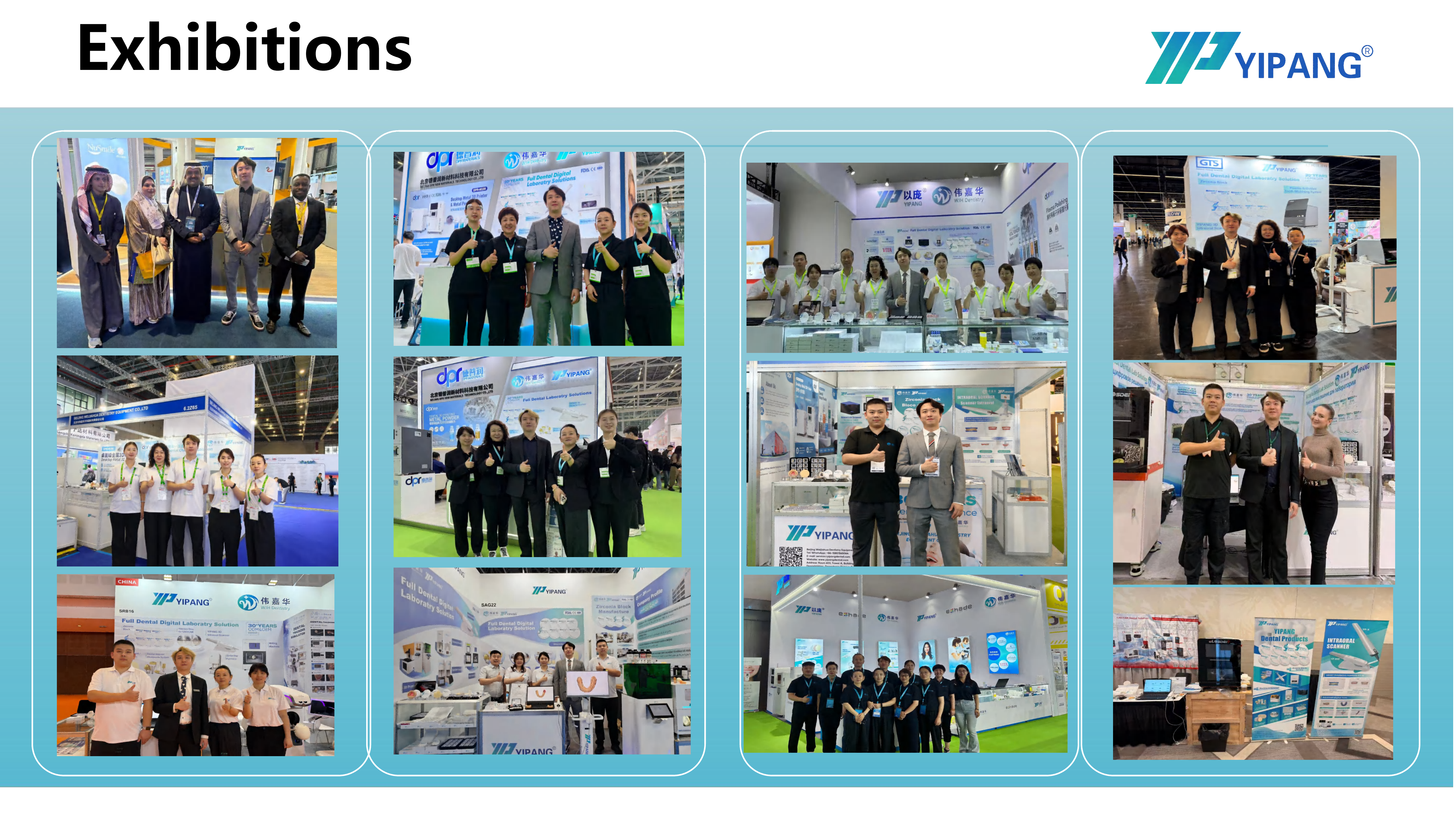
Distributor lines carry the technical answer as well as the box. Photo: YIPANG partner network.
A distributor selling the Dental Zirconia Block to dental laboratories does not only supply a milling blank. It supplies the answer that comes after the sale: why the crown came out of the sintering furnace short, what temperature the lab should programme, whether a private-label disc is possible, and how fast a repeat order can ship. This guide assembles the documented answers a reseller needs, drawn from YIPANG product and manufacturing records, so that sales staff and lab technicians give the same reply.
The reference product throughout is the YIPANG 4D-PRO-ML Dental Zirconia Block, a 98 mm CAD/CAM disc made from yttria-stabilised zirconium dioxide and supplied in ML multilayer shade by Beijing Weijiahua Dentistry Equipment Co., Ltd. (YIPANG), a dental equipment and materials manufacturer established in 1996 and based in Beijing, China.
Problem Definition: Why Distributor Lines Re-Answer the Same Question All Year
The predictable failure mode in consumable distribution is not a bad block. It is an inconsistent answer. One salesperson tells a lab that the disc sinters at 1450 °C, a second says 1500 °C, a third forwards a competitor's curve, and the lab scraps a multi-unit bridge. The commercial damage arrives later as a return request, a lost account, or a technical complaint that the distributor cannot diagnose.
Zirconia support load concentrates in five recurring areas:
- Sintering parameters — the temperature range, the holding step, and the cooling behaviour that determine shrinkage and shade.
- Handling conditions — whether the blank can sit in a warm, variable-temperature room before milling.
- Brand and specification — whether the block can be sold under the distributor's own label, and which specifications are open to change.
- Order mechanics — minimum quantity, payment, delivery terms, and how a damaged carton is handled.
- Repeat supply — the working days between a purchase order and dispatch.
A distributor that answers all five consistently removes the most common reason a laboratory switches supplier between the first order and the third.
Industry Background: What Lab Buyers Already Assume
Laboratory buyers arrive with context, and distributor staff should know what that context is. According to Grand View Research, CAD/CAM milling accounted for 82.4% of zirconia dental manufacturing process revenue in 2025, and zirconia discs held the largest revenue share of 63.1% in the zirconia-based dental materials market in the same year. The same source reports that dental laboratories remain the dominant end-user of zirconia materials at 45.3% of market share in 2025.
Two implications follow. First, the buyer on the other side of the counter is almost always a milling lab, not a chairside clinician, so the conversation is technical by default. Second, discs — not blocks in the generic sense — are the transaction unit, which is why diameter, thickness range and sintering behaviour matter more than marketing language.
Grand View Research also values the global zirconia-based dental materials market at USD 1.2 billion in 2025, with a projected value of USD 2.3 billion by 2033. A growing category attracts new distributor lines, and new distributor lines create exactly the support gap this article addresses.
Detailed Solution: The Documented Answer Set Behind the YIPANG 4D-PRO-ML Block
The 4D-PRO-ML block is specified for full-contour crowns, bridges, veneers and implant superstructure restorations, and is processed on a dental milling machine, sintered in a dental sintering furnace, and planned from a dental lab scanner. Its published parameters are the first thing a distributor should commit to memory, because most end-user questions are variations on this table.
| Parameter | Documented value |
|---|---|
| Product name / model | Zirconia Blocks for Dental Prosthesis — 4D-PRO-ML |
| Type | Dental zirconia disc, CAD/CAM dental milling blank |
| Material | Zirconium dioxide (ZrO₂), yttria stabilised |
| Available shades | ML Multilayer |
| Thickness | 10 mm, 12 mm, 14 mm, 16 mm, 18 mm, 20 mm |
| Diameter | 98 mm |
| Sintering temperature | 1450 °C (product parameter); recommended range 1430 °C–1450 °C |
| Bending strength | ≥1200 MPa |
| Translucency | Medium translucent |
| Intended industry | Dental laboratory, dental prosthetics, dental CAD/CAM |
Handling claims for constant-temperature laboratory settings
The product's stated working condition is an indoor, constant-temperature dental laboratory environment. That single sentence answers a large share of end-user questions and should be quoted rather than paraphrased. The supporting requirement is equally explicit: the standard sintering temperature curve must be followed during processing, with rapid temperature change avoided to prevent cracking, and the maximum sintering temperature never exceeded.
The operational sequence documented for the block is short:
- Place the milled zirconia workpiece on the sintering tray.
- Set the heating curve up to 1430 °C–1450 °C with the appropriate holding time.
- Allow natural cooling after sintering is complete.
The documented failure pattern is chipping and cracking after sintering, triggered by an improper sintering profile or by inherent defects inside the blank. The documented mitigation is to follow the recommended profile and to inspect blanks before sintering, scrapping any chipped or cracked blank rather than using it for a final restoration. Distributor staff can repeat this framing without over-claiming: the block is consistent when the profile is respected, and the profile is the lab's responsibility to set.
OEM, ODM and specification customization
For distributor lines, capability matters more than datasheet numbers. YIPANG provides both OEM (Original Equipment Manufacturing) and ODM (Original Design Manufacturing) production services, and customization options exist for almost all specifications. Those services are supplied to clients in the USA, Europe, Brazil, the Middle East and North Africa, and the manufacturer's export footprint also covers Southeast Asia, South America, Eastern Europe, North Africa and Australia.
Supporting the service is a stated monthly capacity of 15,000 pieces, a lead time of 15–30 working days, and quality control built on 100% raw material inspection plus finished-product random inspection. The manufacturer's R&D team of 25 engineers works on dental material formulation, process optimization and new product development, which is the practical basis for specification-level customization rather than catalogue-level relabelling.
Compliance documents a distributor can cite
Beijing Weijiahua Dentistry Equipment Co., Ltd. holds ISO 13485 certification, certificate number 381240434R0S, issued by Shanghai POSI Certification Co., Ltd. against GB/T 42061-2022 / ISO 13485:2016. The certification scope covers design, production and sales of dental medical materials and dental equipment, and the certificate is valid from 2024-12-27 to 2027-12-26, with listed markets including Global, EU, USA and the Middle East.
Scope discipline: the manufacturer also holds an EU Declaration of Conformity under Regulation (EU) 2017/745, SRN CN-MF-000045919, issued under self-declaration. The document on file covers the Class I intraoral scanner models YP-X and YP-800. Distributors should request the document set that matches the specific product line they stock instead of forwarding a certificate outside its stated scope — an easy error that costs credibility in a laboratory audit.
Constant-temperature indoor laboratory conditions are the stated working environment for 4D-PRO-ML zirconia discs.
Step-by-Step Breakdown: Handling an End-User Query in Six Steps
A distributor can convert the material above into a repeatable counter routine. The sequence below works for a phone call, a trade-show conversation, or a written technical enquiry.
Step 1 — Classify the question before answering it
Sort the enquiry into one of five buckets: sintering, handling, brand/specification, commercial terms, or lead time. This prevents a technical question from receiving a price answer, which is the most common cause of a lost laboratory account.
Step 2 — Confirm the equipment match
Ask which milling machine, sintering furnace and lab scanner the laboratory uses. The block is documented as being processed on a dental milling machine, sintered in a dental sintering furnace and planned from a dental lab scanner; confirming the three units exist and are in service keeps the conversation grounded.
Step 3 — Quote the profile, not an opinion
Give the 1430 °C–1450 °C recommended range with a holding step and natural cooling, and state the two prohibitions: no rapid temperature change, no exceeding the maximum sintering temperature. Distinguish clearly between the product parameter of 1450 °C and the recommended working range, because labs often programme to a single number and then blame the blank.
Step 4 — Check the room, not just the furnace
Confirm the lab operates in an indoor, constant-temperature environment. If the blank is stored in a variable-temperature area, advise relocation before milling. This is a handling claim the distributor can make safely because it is the documented working condition.
Step 5 — Match the answer to the order type
Standard models and customized products carry different minimum quantities, so identify which one the laboratory is asking about before quoting terms. Private-label conversations fall under Step 6, not Step 5.
Step 6 — Escalate specification questions in writing
When a laboratory asks for a shade, thickness or packaging specification outside the current offer, route the request as a written customization enquiry. YIPANG supports OEM and ODM production with customization for almost all specifications, so a documented request is a viable path — but the answer must come from the manufacturer, not from improvisation at the counter.
Use Cases: Where These Answers Carry the Most Weight
The documented application range for 4D-PRO-ML covers full-contour crowns, bridges, veneers and implant superstructure restorations. Within that range, three distributor scenarios recur:
- High-volume laboratories running posterior crowns and multi-unit bridges, where stable shade consistency and reproducible shrinkage across batches reduce remakes more than any single mechanical figure.
- Labs adding a zirconia line that need the sintering profile and handling conditions in writing before the first disc is opened, because their technician has previously worked only with lithium disilicate or metal.
- Private-label resellers building a branded consumable range who need OEM or ODM production plus a compliance document set they can hand to their own customers.
The manufacturer's existing client base is described as dental laboratories, dental clinics and distributors — hundreds of long-term cooperative clients worldwide, with reported high recognition for material stability and aesthetic effect, a low complaint rate, uniform translucency, stable sintering shrinkage, and compatibility with most CAD/CAM systems.
Comparison Table: Standard Versus Customized Orders
Most commercial disputes between a distributor and a manufacturer trace back to an unclear order type. The documented terms for the two paths differ in a small but commercially important way.
| Item | Standard models | Customized products |
|---|---|---|
| Minimum order quantity | 1 box | 5 boxes |
| Customization scope | Catalogue specification | Almost all specifications customizable, via OEM or ODM |
| Delivery terms | Domestic express; export by sea or air freight; FOB Shanghai/Tianjin available | Domestic express; export by sea or air freight; FOB Shanghai/Tianjin available |
| Payment terms | Full payment before shipment | Full payment before shipment |
| Acceptance | Check quantity on receipt; damage or deformation reported within 48 hours with photos; sampling test supported | Check quantity on receipt; damage or deformation reported within 48 hours with photos; sampling test supported |
| Lead time | 15–30 working days | 15–30 working days |
The stated MOQ position is a negotiable small MOQ, with the standard/customized split above defining the floor. Distributors should present these as the current documented terms rather than as permanent policy, since customization scope is agreed per enquiry.
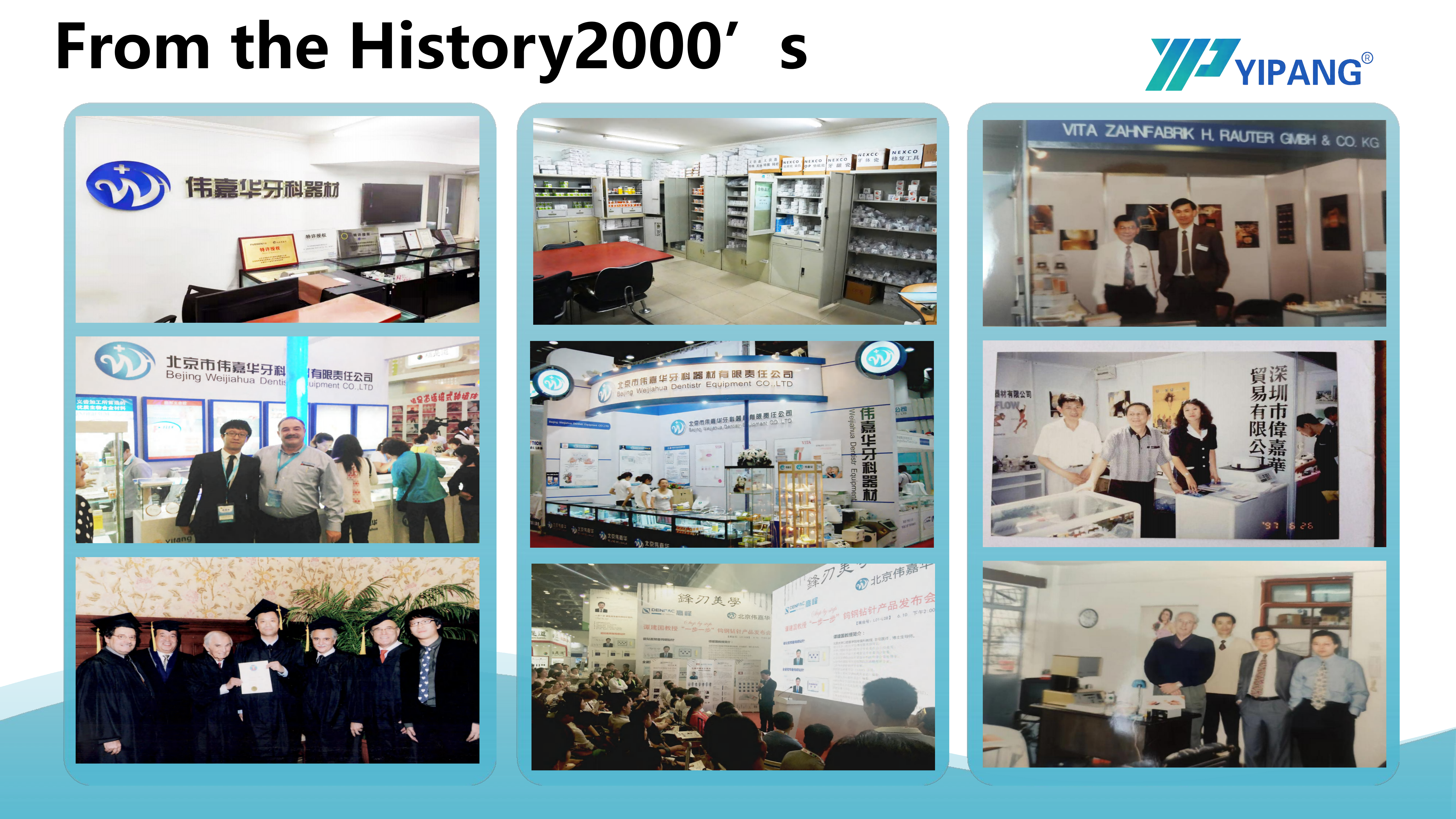
Standard and customized orders follow different minimum quantities; confirming the order type first avoids most term disputes.
FAQ: The Five Questions Distributor Staff Field Most Often
1. Which compliance documents can a distributor pass on to a laboratory?
The manufacturer holds ISO 13485 certification, certificate number 381240434R0S, issued by Shanghai POSI Certification Co., Ltd. against GB/T 42061-2022 / ISO 13485:2016, valid from 2024-12-27 to 2027-12-26, with a scope covering design, production and sales of dental medical materials and dental equipment. An EU Declaration of Conformity under MDR 2017/745, SRN CN-MF-000045919, is also held and covers Class I intraoral scanner models YP-X and YP-800. Distributors should forward only the documents whose stated scope matches the product being sold, and should not present a scanner declaration as zirconia block certification.
2. Can a distributor sell these zirconia blocks under its own brand?
Yes. OEM and ODM production services are both available, and customization options exist for almost all specifications. These OEM and ODM services are supplied to clients in the USA, Europe, Brazil, the Middle East and North Africa. Customized products carry a minimum order quantity of 5 boxes, compared with 1 box for standard models, and the manufacturer's stated monthly capacity is 15,000 pieces, which sets the practical ceiling for a private-label programme.
3. What commercial terms should a distributor expect to quote?
Standard models start at 1 box and customized products at 5 boxes, with a negotiable small MOQ. Export shipments move by sea or air freight, with FOB Shanghai or Tianjin available, and domestic orders ship by express. Payment terms are full payment before shipment. On receipt, the buyer checks quantity, and any damage or deformation must be reported within 48 hours with photographs.
4. Can a laboratory validate a sample before committing to a line?
Sampling tests are supported, and the acceptance process is documented: quantity is checked on receipt, damage or deformation is reported within 48 hours with photos, and chipped or cracked blanks found before sintering should be scrapped rather than used for a final restoration. A sample evaluation should reproduce the lab's own sintering profile within the 1430 °C–1450 °C range so that the result reflects production conditions rather than a one-off trial.
5. How long does a repeat order take, and what support follows delivery?
Lead time is 15–30 working days, supported by a stated monthly capacity of 15,000 pieces. After-sales support includes online technical guidance, with after-sales problem response within 24 hours. For a distributor building a repeat-order line, the fastest next step is to request the current company brochure and confirm the specification set for the laboratory's equipment: download the WJH company information PDF, or contact the team at service@yipangdental.com to open a sample or quotation request.
Conclusion: A Distributor Wins on the Second Answer
The first answer a laboratory hears is a price. The answer that keeps the account is the one about sintering temperature, room conditions, customization scope and dispatch time. For the YIPANG 4D-PRO-ML Dental Zirconia Block, those answers are documented rather than improvised: a 98 mm disc in ML multilayer shade, 10–20 mm thickness, sintering at a recommended 1430 °C–1450 °C, bending strength ≥1200 MPa, medium translucency, produced under ISO 13485 certificate 381240434R0S, with OEM and ODM services, 15,000 pieces monthly capacity, and a 15–30 working day lead time.
Distributor teams that carry these five answers — compliance, capability, commercial terms, sample validation and lead time — stop translating between the laboratory and the factory on every order. That is the operational difference between reselling a consumable and owning a zirconia line.
Building a zirconia line for your laboratory customers?
Request the current specification sheet, sample arrangement or OEM/ODM quotation from Beijing Weijiahua Dentistry Equipment Co., Ltd. (YIPANG).
Email: service@yipangdental.com | Tel / WhatsApp: +86 158-0156-5064 | www.yipangdental.com
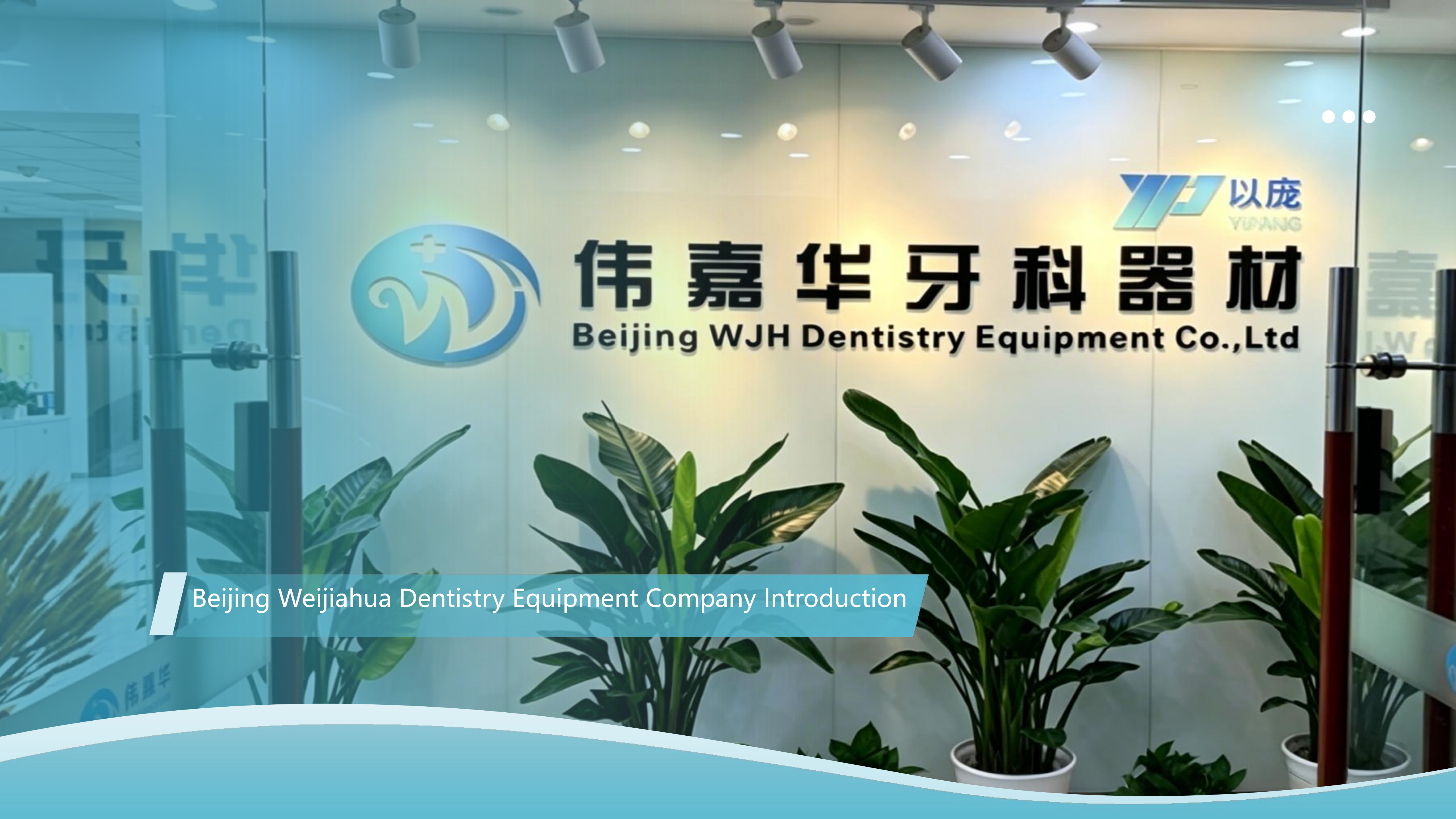
Distributor enquiries, sample requests and OEM/ODM discussions start with the YIPANG team.
Have Questions or Need More Details?
Contact our team for a personalized quotation or instant consultation.
Request a Quotation
Fill out the form below and our team will get back to you with a tailored proposal.
WhatsApp Direct Chat
Prefer to chat in real-time? Message us on WhatsApp for instant assistance & quick answers.
- Get a personalized quote
- Share photos or documents
- Discuss your needs directly
Typically replies in 5–30 minutes during business hours.