Dental Zirconia Block Manufacturers for Full-Arch Implant Cases
Full-arch implant restorations are among the most demanding cases a dental lab can produce. Unlike a single crown, a full-arch implant case involves an edentulous arch, multiple implant positions, a long-span framework, and a restoration that must satisfy both mechanical and aesthetic requirements. The dental zirconia block chosen for such cases is therefore not just a blank; it is the starting point of the entire production chain.
This guide is designed for dental labs and milling centers in the research and evaluation stage. It translates the full-arch implant workflow into a set of material and manufacturer requirements, and explains how YIPANG's 4D-PRO-ML dental zirconia block is intended to fit that workflow.
Answer first: for implant-supported full-arch restorations, a suitable dental zirconia block should offer multilayer shade gradation, enough strength for long-span prostheses, predictable sintering shrinkage, and compatibility with the digital chain of dental lab scanners, dental milling machines, and dental sintering furnaces.
What Makes Full-Arch Implant Restorations Different from Standard Crown and Bridge Work
Full-arch implant cases are closer to implant superstructure production than to conventional single-unit dentistry. In practice, the lab often starts with an edentulous scan using a dental lab scanner and an edentulous scanbody kit. The scanned data is used to design a restoration that will fit accurately onto implant abutments or an implant bridge framework.

This application area includes full-arch implant restorations, implant-supported full-arch cases, and edentulous full-arch restorations. Each of these requires a material that can be milled into long-span frameworks, sintered without distortion, and finished to a natural-looking shade profile.
The main risks in zirconia processing become more serious in full-arch cases. Chipping and cracks after sintering can be caused by an improper sintering profile setting or by inherent defects inside the zirconia blank. Dental labs are advised to follow the recommended sintering procedure and to inspect blanks before sintering. If a blank is chipped or cracked, it should be scrapped and not used for the final restoration.
Why Dental Labs Are the Center of the Zirconia CAD/CAM Market
Third-party market research gives context for the growing use of zirconia in dental laboratories. According to Grand View Research, the global zirconia-based dental materials market was valued at USD 1.2 billion in 2025 and is projected to reach USD 2.3 billion by 2033. Zirconia discs held the largest revenue share at 63.1% in 2025, and CAD/CAM milling accounted for 82.4% of zirconia dental manufacturing process revenue in the same year.
Dental labs remain the dominant end-user of zirconia materials, representing 45.3% of the market share in 2025. This means that the practical center of gravity for zirconia restoration production is not the clinic but the lab. For labs that handle full-arch cases, the interaction between material and equipment is critical: the block must work with scanning, milling, and sintering equipment already present in the lab.
YIPANG 4D-PRO-ML: A Zirconia Block for Multilayer Crown and Full-Arch Workflows
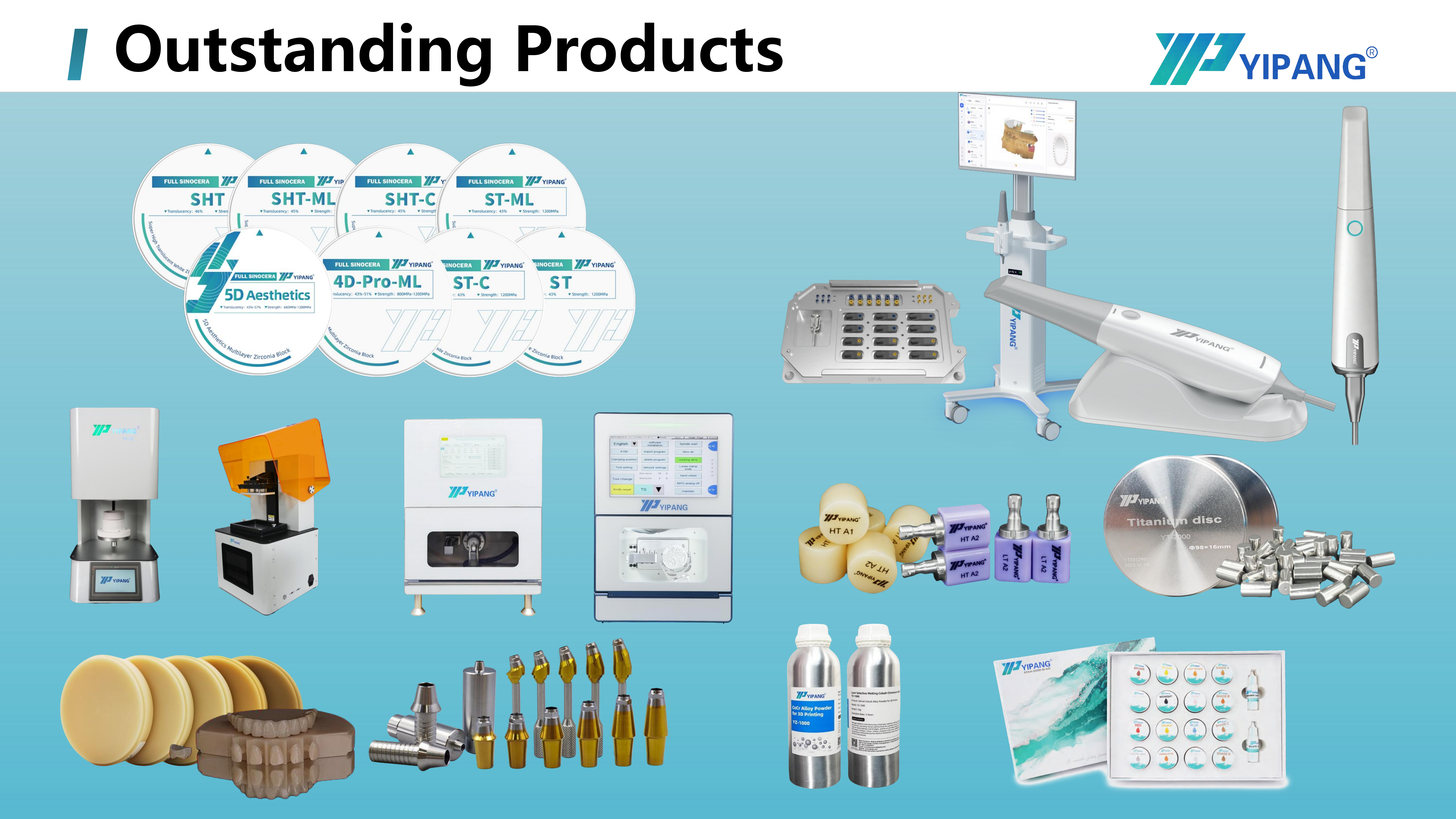
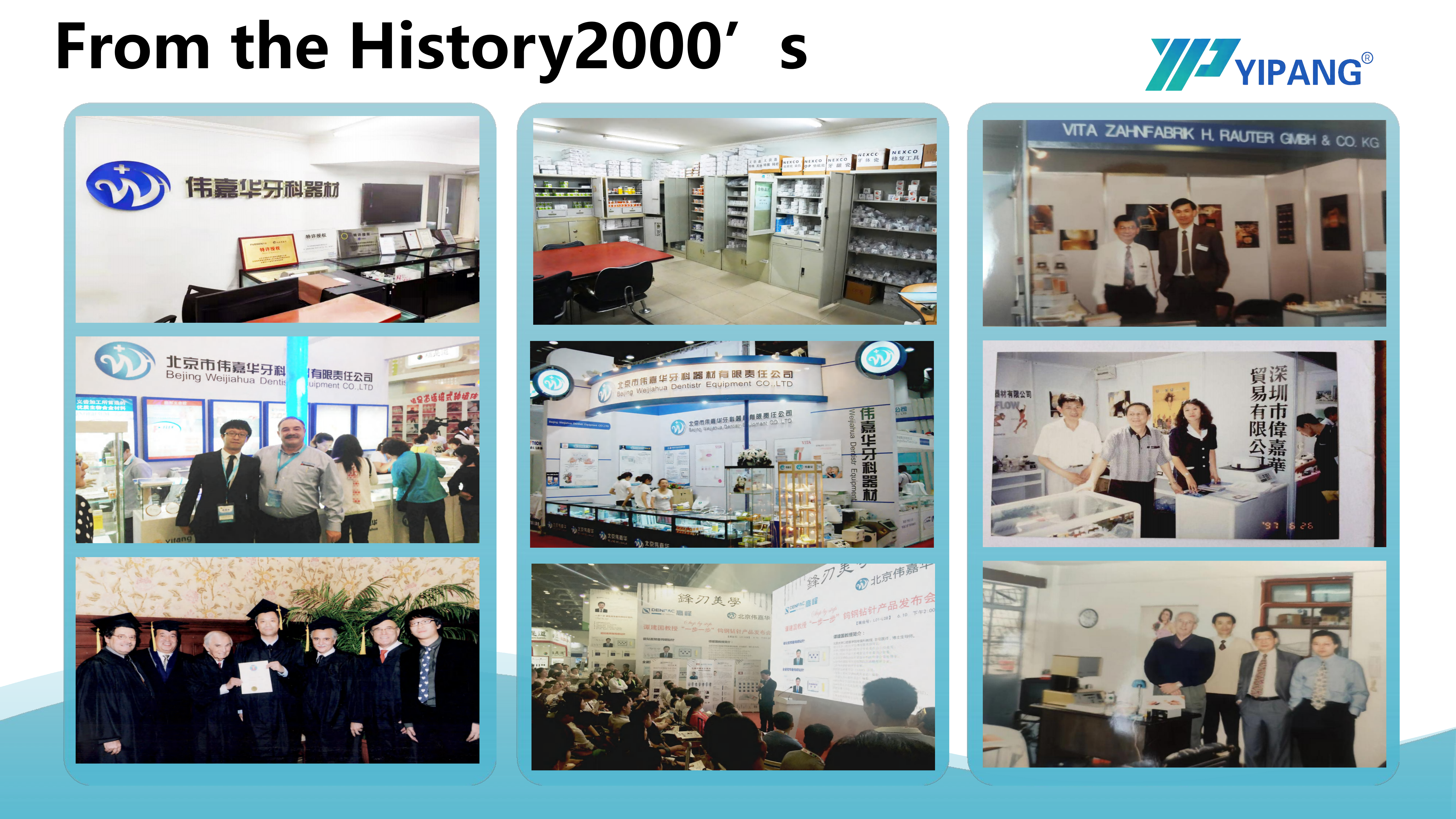
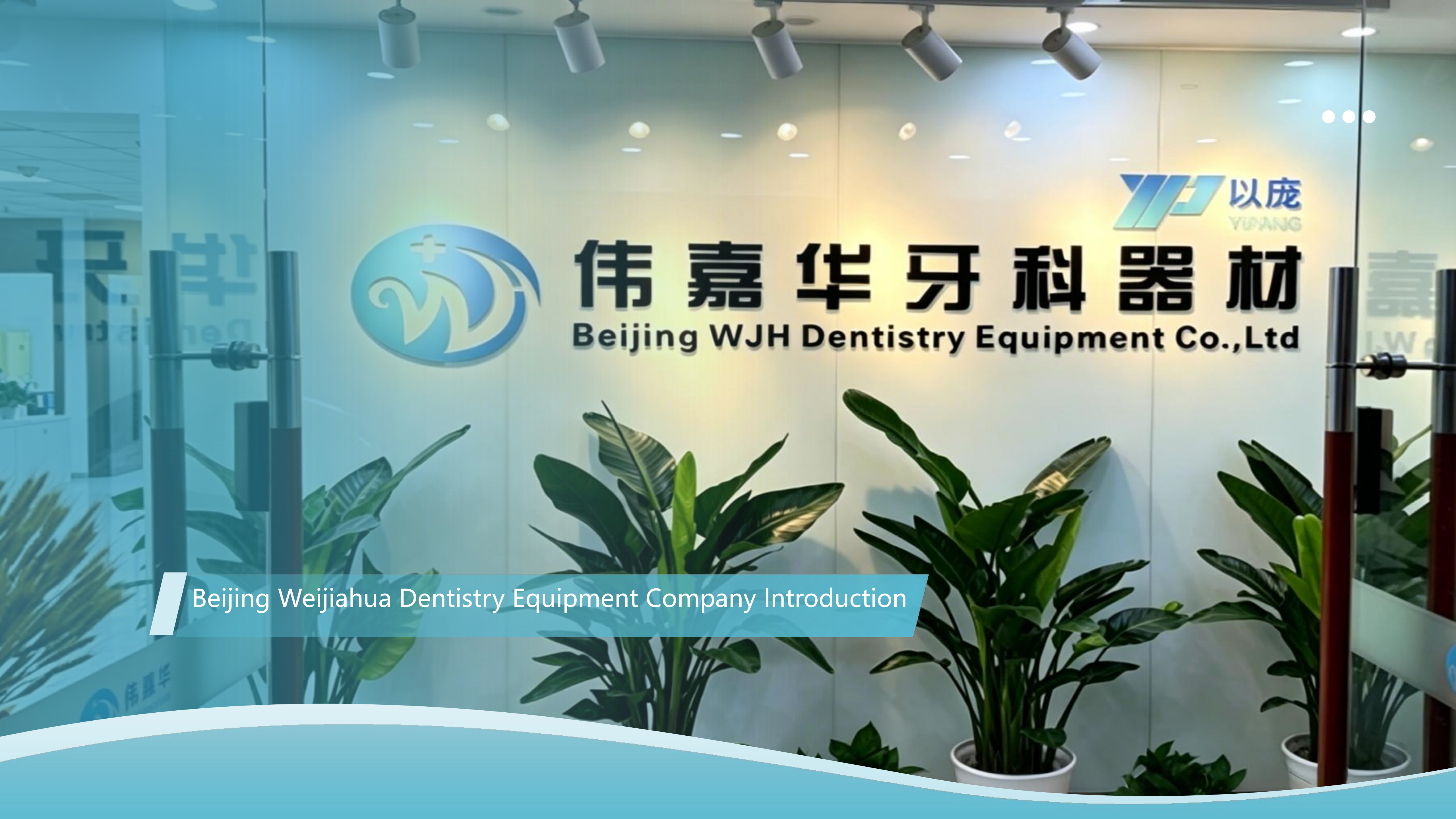
YIPANG is a self-developed brand of Beijing Weijiahua Dentistry Equipment Co., Ltd., a Beijing-based dental equipment company established in 1996. The YIPANG product portfolio includes zirconia blocks, glass ceramics, press ingots, PMMA, wax, titanium blocks, implant abutments, 3D scanners, intraoral scanners, milling machines, 3D printers, and sintering furnaces. The 4D-PRO-ML zirconia block is part of this dental CAD/CAM ecosystem.
4D-PRO-ML product specifications
- Material: zirconium dioxide (ZrO2) with yttria stabilization
- Available shades: ML multilayer
- Diameter: 98 mm
- Thickness: 10 mm, 12 mm, 14 mm, 16 mm, 18 mm, 20 mm
- Sintering temperature: 1450°C
- Bending strength: ≥1200 MPa
- Translucency: medium translucent
According to YIPANG's product data, the block is made from high-quality domestic zirconia powder, provides gradient translucency for a natural restoration effect, has low shrinkage after sintering, is compatible with most mainstream dental milling machines, and is suitable for crowns, bridges, and aesthetic dental restorations.
For full-arch implant scenarios, the relevant use cases from YIPANG's application data include:
- Full-arch implant restorations and implant-supported full-arch cases
- Multilayer crown and bridge projects
- Aesthetic crown restoration laboratories
- Edentulous scanbody kit workflows
- High-volume milling workflows and high-volume sintering workflows
- Mixed ceramic restoration laboratories
- Multi-material dental milling projects with PMMA discs or PEEK discs
- Dental lab scanner-to-milling workflows
Manufacturer capability for full-arch projects
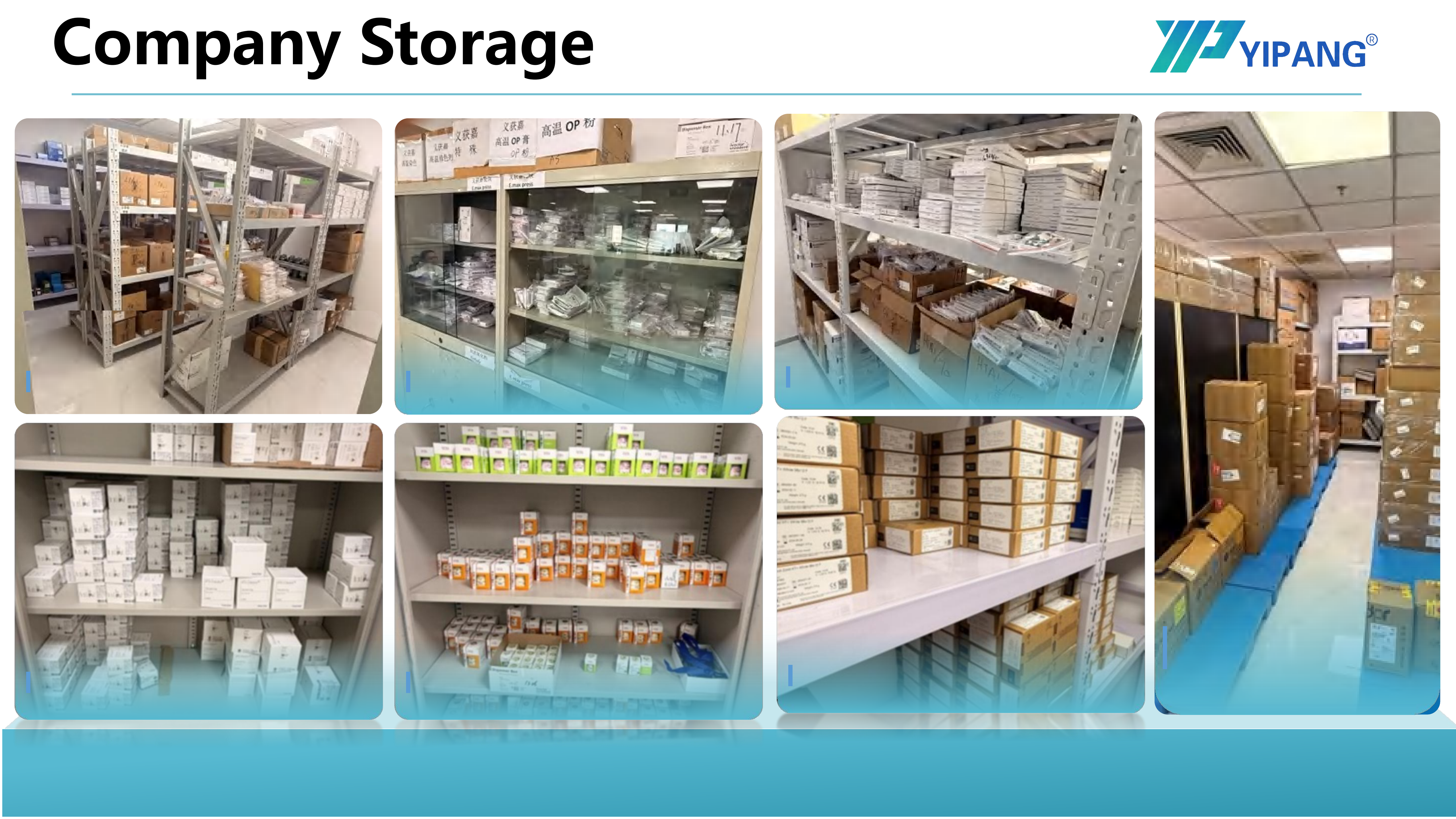
For a lab evaluating a dental zirconia block manufacturer, production capability is as important as material chemistry. YIPANG offers OEM/ODM production with almost all specifications customizable. The company reports a monthly capacity of 15,000 pieces, a typical lead time of 15–30 working days, and a negotiable small MOQ. Quality control includes 100% raw material inspection plus finished product random inspection. Export markets include the USA, Europe, Brazil, the Middle East, and North Africa, and after-sales support includes online technical guidance with a response within 24 hours.
Step-by-Step: Using a Full-Arch Dental Zirconia Block in a Lab Workflow
- Scan the arch: capture implant positions or the edentulous arch with a dental lab scanner and an edentulous scanbody kit.
- Design the restoration: build the full-arch framework, superstructure, or monolithic restoration in CAD software.
- Choose the block thickness: select a 4D-PRO-ML blank from 10 mm to 20 mm based on the required occlusal height and span.
- Mill the restoration: process the block in a compatible dental milling machine using appropriate dental milling burs.
- Sinter the restoration: place the milled workpiece on a sintering tray and follow the standard heating and holding procedure up to 1430°C–1450°C. Avoid rapid temperature changes, and cool down naturally after sintering.
- Finish the restoration: use dental staining glaze, glaze paste, or a dental porcelain furnace as needed.
- Inspect and deliver: check for cracks, chips, fit accuracy, and shade consistency before final delivery.
In YIPANG's application description, this product operates in a mode processed by a dental milling machine and sintered in a dental sintering furnace, with supporting equipment including a dental milling machine, a dental sintering furnace, and a dental lab scanner. The special requirement is to strictly follow the standard sintering temperature curve.
Where 4D-PRO-ML Fits in a Full-Arch or High-Volume Lab
The product is used in the dental medical devices and dental lab CAD/CAM industry. In full-arch and aesthetic restoration scenarios, the main function is to fabricate durable, aesthetic dental prostheses that repair missing or damaged teeth.
Common use cases in a digital dental laboratory include:
- Full-contour crowns, bridges, veneers, and implant superstructure restorations
- Implant-supported full-arch restorations and edentulous cases
- Aesthetic crown restoration laboratories
- Mixed ceramic restoration laboratories
- Multi-material dental milling projects involving PMMA discs and PEEK discs
- Dental milling centers and high-volume milling/sintering workflows
- Labs that use dental porcelain furnaces for sintering and firing
YIPANG's case record includes hundreds of long-term cooperative clients worldwide, including dental laboratories, dental clinics, and distributors. The main application is the production of crowns, bridges, and aesthetic restorations. The reported outcome is high recognition on material stability and aesthetic effect, with a low customer complaint rate. Key highlights are uniform translucency, stable sintering shrinkage, and compatibility with most CAD/CAM systems.
Manufacturer Evaluation Checklist for Full-Arch Implant Cases
| Evaluation area | Why it matters in full-arch cases | YIPANG 4D-PRO-ML evidence |
|---|---|---|
| Multilayer shade | Full-arch restorations require natural shade transitions across many units. | ML multilayer shade system with medium translucency. |
| Block geometry | Long-span frameworks may need thicker blanks for support and fit. | 98 mm diameter; 10, 12, 14, 16, 18, and 20 mm thickness. |
| Mechanical strength | Implant-supported posterior restorations need high strength to avoid fractures. | Bending strength ≥1200 MPa. |
| Sintering predictability | Shrinkage must be stable to keep dimensional accuracy. | Recommended sintering range 1430°C–1450°C; low shrinkage after sintering. |
| CAD/CAM compatibility | The blank must work with existing scanners, mills, and furnaces. | Compatible with most mainstream dental milling machines; used in scanner-to-milling workflows. |
| Quality control and supply | High-volume labs need consistent material and dependable supply. | 100% raw material inspection plus finished product random inspection; monthly capacity 15,000 pieces. |
Frequently Asked Questions
How does YIPANG control quality for dental zirconia blocks used in full-arch cases?
YIPANG applies 100% raw material inspection plus finished product random inspection. The company also provides online technical guidance and responds to after-sales problems within 24 hours. In full-arch zirconia processing, blanks should be inspected before sintering, and chipped or cracked blanks should be scrapped.
Can YIPANG 4D-PRO-ML zirconia blocks support full-arch implant restorations?
Yes. Based on YIPANG's application data, the 4D-PRO-ML block is used in full-arch implant restorations, implant-supported full-arch cases, edentulous scanbody workflows, and implant superstructure projects. The block is a 98 mm multilayer zirconia blank with a thickness range of 10–20 mm, a bending strength of ≥1200 MPa, and medium translucency.
What is the MOQ for YIPANG dental zirconia blocks?
YIPANG offers a negotiable small MOQ. This makes it practical for dental labs and distributors to start with a limited order before scaling up.
How can I request a sample of the YIPANG 4D-PRO-ML zirconia block?
To request a sample, contact service@yipangdental.com or WhatsApp +86-158-0156-5064. The YIPANG team can discuss sample requirements and provide product specifications.
What is the typical lead time for a YIPANG zirconia block order?
The typical lead time is 15–30 working days, based on a monthly capacity of 15,000 pieces. For OEM/ODM orders, specification confirmation may affect the final schedule.
Conclusion: Matching Your Full-Arch Workflow with the Right Zirconia Block Manufacturer
Full-arch implant restorations require more than a strong zirconia blank. The manufacturer must understand the digital workflow, provide consistent material properties, and support labs during processing. YIPANG's 4D-PRO-ML dental zirconia block is one evidence-based option for labs evaluating a dental zirconia block manufacturer for full-arch implant cases.
If you are qualifying a zirconia block manufacturer for full-arch cases, YIPANG can provide specification details, discuss OEM/ODM requirements, and explain sampling and lead-time options.
Download the YIPANG company brochure or contact service@yipangdental.com / WhatsApp +86-158-0156-5064.
Have Questions or Need More Details?
Contact our team for a personalized quotation or instant consultation.
Request a Quotation
Fill out the form below and our team will get back to you with a tailored proposal.
WhatsApp Direct Chat
Prefer to chat in real-time? Message us on WhatsApp for instant assistance & quick answers.
- Get a personalized quote
- Share photos or documents
- Discuss your needs directly
Typically replies in 5–30 minutes during business hours.