Dental Zirconia Block Partnership FAQ: Terms, Acceptance, Support, and Repeat Orders
Once a dental laboratory, a CAD/CAM distributor, or a private-label product-line owner moves a Dental Zirconia Block line from a single trial order to a recurring supply agreement, the questions change. Unit price stops being the only variable. Purchase terms, batch acceptance criteria, technical support alignment, and repeat-order stability become the factors that decide whether a supplier relationship still performs three years later.
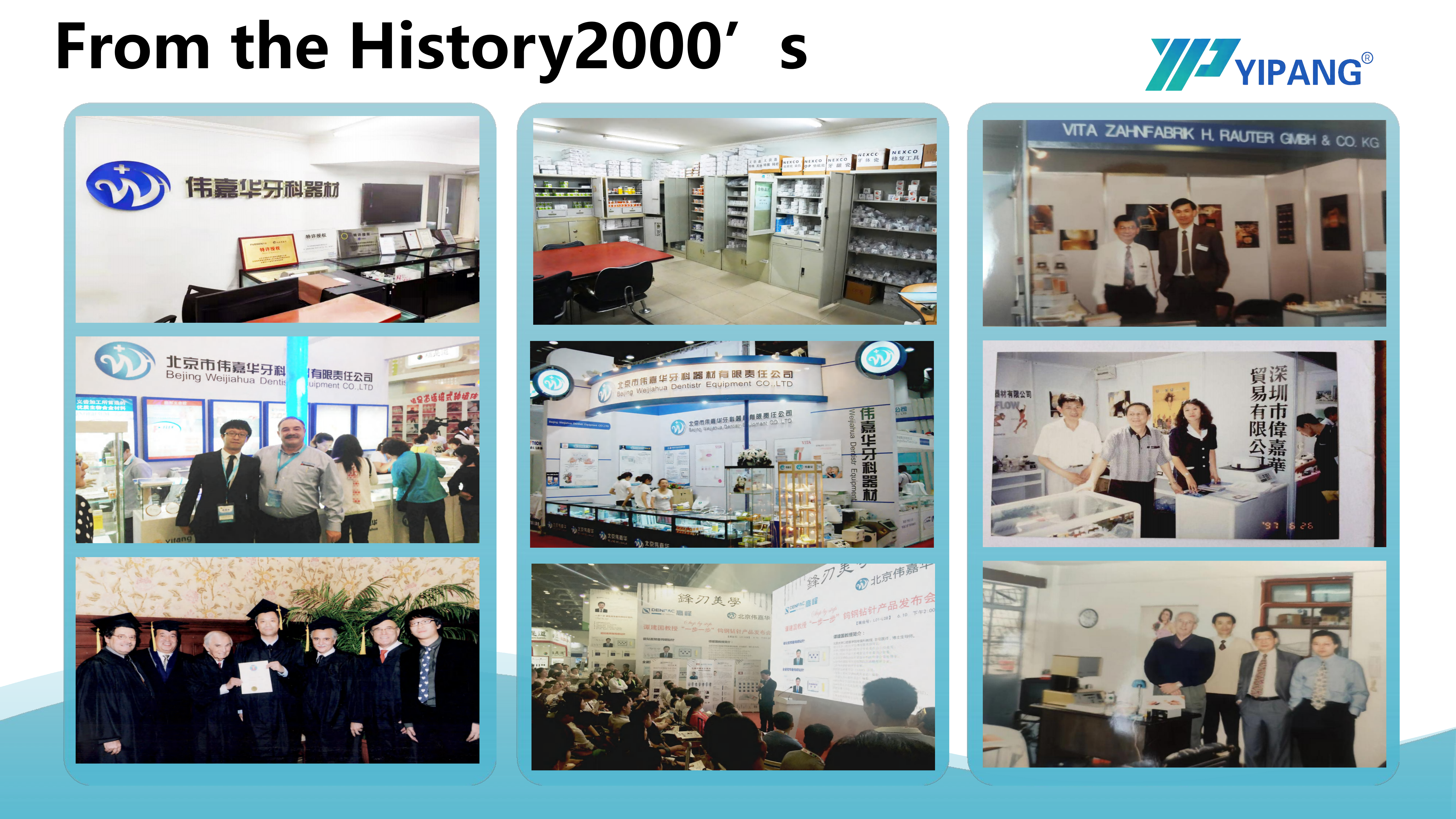
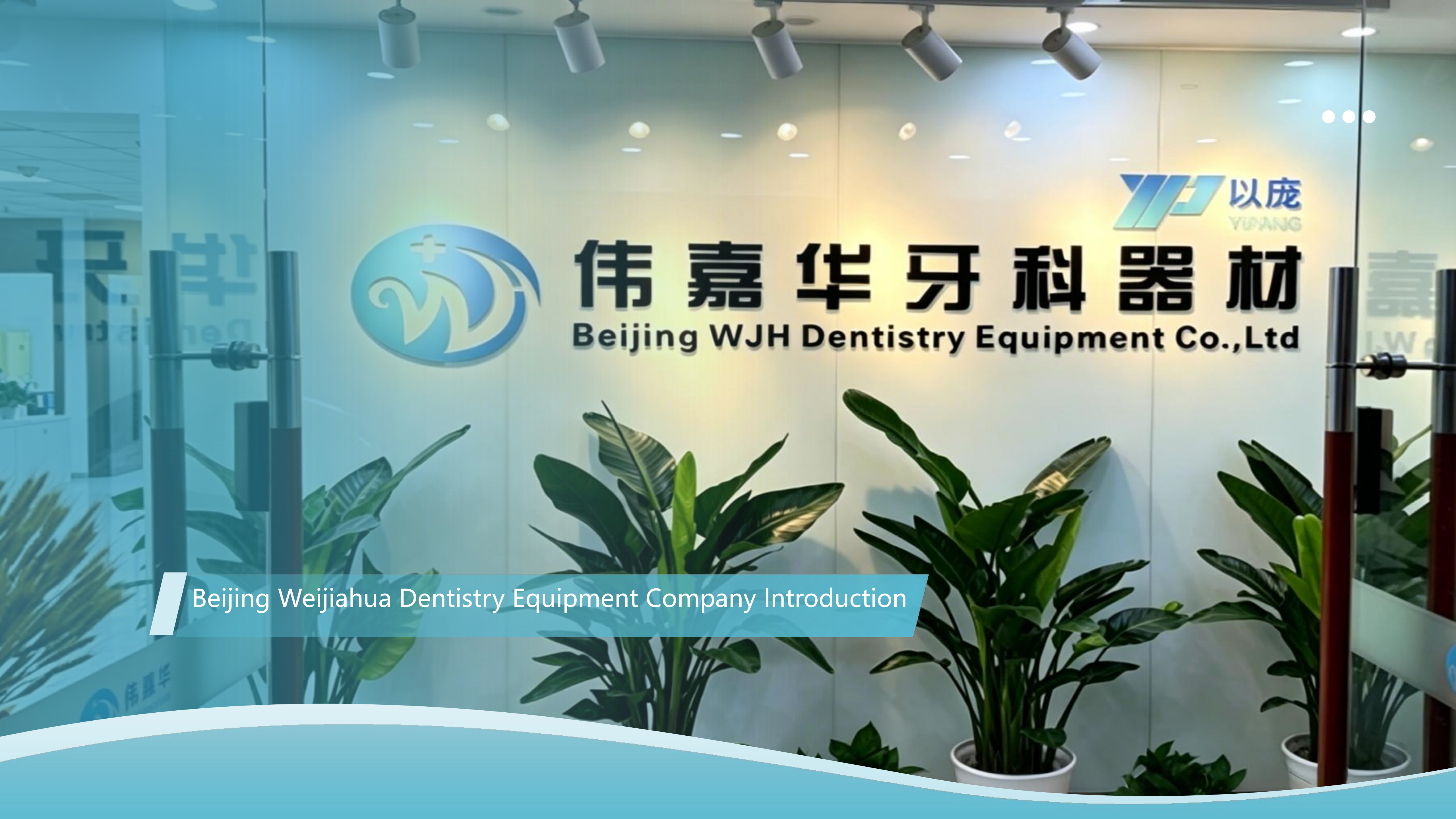
This partnership FAQ answers the questions buyers raise most often when they evaluate YIPANG as a long-term Dental Zirconia Block partner. YIPANG is the self-developed dental brand of Beijing Weijiahua Dentistry Equipment Co., Ltd., a Beijing-based dental equipment and materials company established in 1996. The answers below explain how product 7946 — Zirconia Blocks for Dental Prosthesis, model 4D-PRO-ML — and the wider block line behave inside recurring orders, and they frame support as a set of alignment questions to settle before signing, rather than as a list of promises.
Why the Second Order, Not the First, Decides a Zirconia Partnership
A first order is a test; a second order is a decision. From the third order onward, a zirconia block line is judged on repeatability rather than on the sample that happened to be shipped.
The practical risk in recurring supply is rarely a single defective batch. It is drift: shade that shifts slightly between lots, sintering shrinkage that moves enough to change marginal fit, or a delivery window that quietly expands as the supplier fills other customers first. Each of these is small in isolation and expensive in aggregate, because a lab discovers them mid-case, after milling and after sintering, when the cost of rework is highest.
That is why partnership evaluation questions differ from product evaluation questions. A lab or distributor moving to repeat orders is really asking four things: what the purchase terms actually commit to, how a batch is accepted or rejected, how technical support is aligned before a problem occurs, and what keeps the line stable across hundreds of production cycles. The sections below answer those four questions directly.
Industry Background: Why Zirconia Block Supply Is a Long-Horizon Decision
Zirconia has become a structural material in digital dental production, and its supply base is expanding. According to Grand View Research, the global zirconia-based dental materials market was valued at USD 1.2 billion in 2025 and is projected to reach USD 2.3 billion by 2033.
The material form used most often is the disc or block. Grand View Research reports that zirconia discs held the largest revenue share, 63.1%, of the zirconia-based dental materials market in 2025. The same source notes that CAD/CAM milling accounted for 82.4% of zirconia dental manufacturing process revenue in 2025, and that dental labs remain the dominant end user, at 45.3% of the market share in 2025.
Two implications follow. First, because milling dominates, block geometry and machining behavior matter as much as intrinsic material properties. Second, because labs are the dominant buyer, a supplier that understands lab workflows — not only material chemistry — is better positioned to support repeat orders.
Regulatory expectations also shape partnership decisions. The EU Medical Device Regulation (MDR 2017/745) classifies most dental implants and restorative materials as high-risk, requiring intensive clinical data. Distributors that place a block line into a regulated market therefore need documentation to be stable, current, and correctly scoped, because that documentation has to be re-presented every time the product line is audited.
YIPANG's supply position is built on this base. The company runs a 2,000 m² facility with 80 employees, an annual output of 10 million US dollars, and a research and development team of 25 professional engineers working on dental material formulation research, process optimization, and new product development. Its export ratio sits between 40% and 55%, with main markets in the Middle East, Southeast Asia, South America, North America, Eastern Europe, North Africa, and Australia.

Partnership FAQ Framework: Terms, Acceptance, Support, Repeat Orders
The four recurring questions a lab or distributor raises during evaluation can be answered from verified capability facts. The goal here is not to overpromise, but to make the commitments explicit enough that both sides know what a repeat order is built on.
1. Purchasing Terms: What Is Committed on Paper
YIPANG operates an OEM / ODM production model, and almost all specifications can be customized. This matters for three buyer types at once: a lab that wants a stable private shade of the 4D-PRO-ML line, a CAD/CAM distributor that wants its own branding on the block, and a private-label product-line owner that needs consistent packaging across repeat orders.
The verified commercial parameters are: monthly capacity of 15,000 pieces, a lead time of 15–30 working days, and a negotiable small MOQ. For a distributor planning repeat orders, the practical reading is straightforward — monthly capacity of 15,000 pieces sets the ceiling for scale-up, the 15–30 working-day window defines the planning horizon, and a negotiable small MOQ lowers the cost of testing a new configuration before committing to volume.
Alignment question before signing: Which specification changes count as customization within OEM / ODM, and which changes require a new setup? Getting this answer early prevents a repeat order from being treated as a first order again.
2. Acceptance Criteria: How a Batch Is Judged
Acceptance in a zirconia block line is not a single measurement. It is a combination of incoming checks and in-use behavior. YIPANG's quality control includes 100% raw material inspection plus finished product random inspection. In partnership terms, this means the raw material identity is verified before production begins, and the finished output is sampled rather than assumed.
From the buyer's side, acceptance should be tied to the properties that actually affect a case: uniform translucency, stable sintering shrinkage, and compatibility with most CAD/CAM systems. These are the three characteristics most closely associated with the 4D-PRO-ML line in long-running use. A practical acceptance protocol treats them as the pass/fail axes for a new batch, rather than relying on a single dimensional check.
Product 7946 (4D-PRO-ML) provides the reference specifications against which a batch can be compared: ML multilayer shades, thicknesses of 10 mm, 12 mm, 14 mm, 16 mm, 18 mm, and 20 mm, a 98 mm diameter, a bending strength of ≥1200 MPa, medium translucency, and a zirconium dioxide (ZrO₂) composition with yttria stabilization.
3. Support: Questions to Align, Not Promises to Assume
Support is the area where expectations diverge most between supplier and buyer, usually because neither side has asked the right questions upfront. YIPANG provides online technical guidance, with after-sales problem response within 24 hours. That is the verified commitment. What needs alignment is how it lands in a specific buyer's operation.
- Response window vs. working hours. A 24-hour response commitment should be mapped against the buyer's own time zone and shift pattern, so both sides know when a reply is expected to arrive.
- Scope of technical guidance. Buyers should confirm whether the guidance covers sintering curve questions, milling parameter questions, or both, so the request reaches the right person the first time.
- Named contact and escalation path. A recurring supply relationship works better when both sides know who to contact and who to escalate to when a response window is at risk.
- Documentation refresh. Distributors in regulated markets should confirm how certificate updates and reissued documentation will be shared as part of the ongoing relationship.
4. Repeat Orders: What Keeps the Line Stable
Repeat-order stability comes from consistency, not from novelty. The characteristics that matter most in recurring production are uniform translucency, stable sintering shrinkage, and compatibility with most CAD/CAM systems, because all three directly affect whether the same design mills and sinters the same way next month.
There is evidence to support this at scale. The product has been used by hundreds of long-term cooperative clients worldwide, including dental laboratories, dental clinics, and distributors. This case is based in global markets, involves long-term stable cooperation over many years, and has achieved high recognition for material stability and aesthetic effect with a low customer complaint rate.
Those are the measurable outcomes that make the fourth, fifth, and hundredth order predictable. A supplier relationship that holds over years is not built on a single property being the highest or the lowest — it is built on the property being the same.
Certification Position for Partner Evaluation
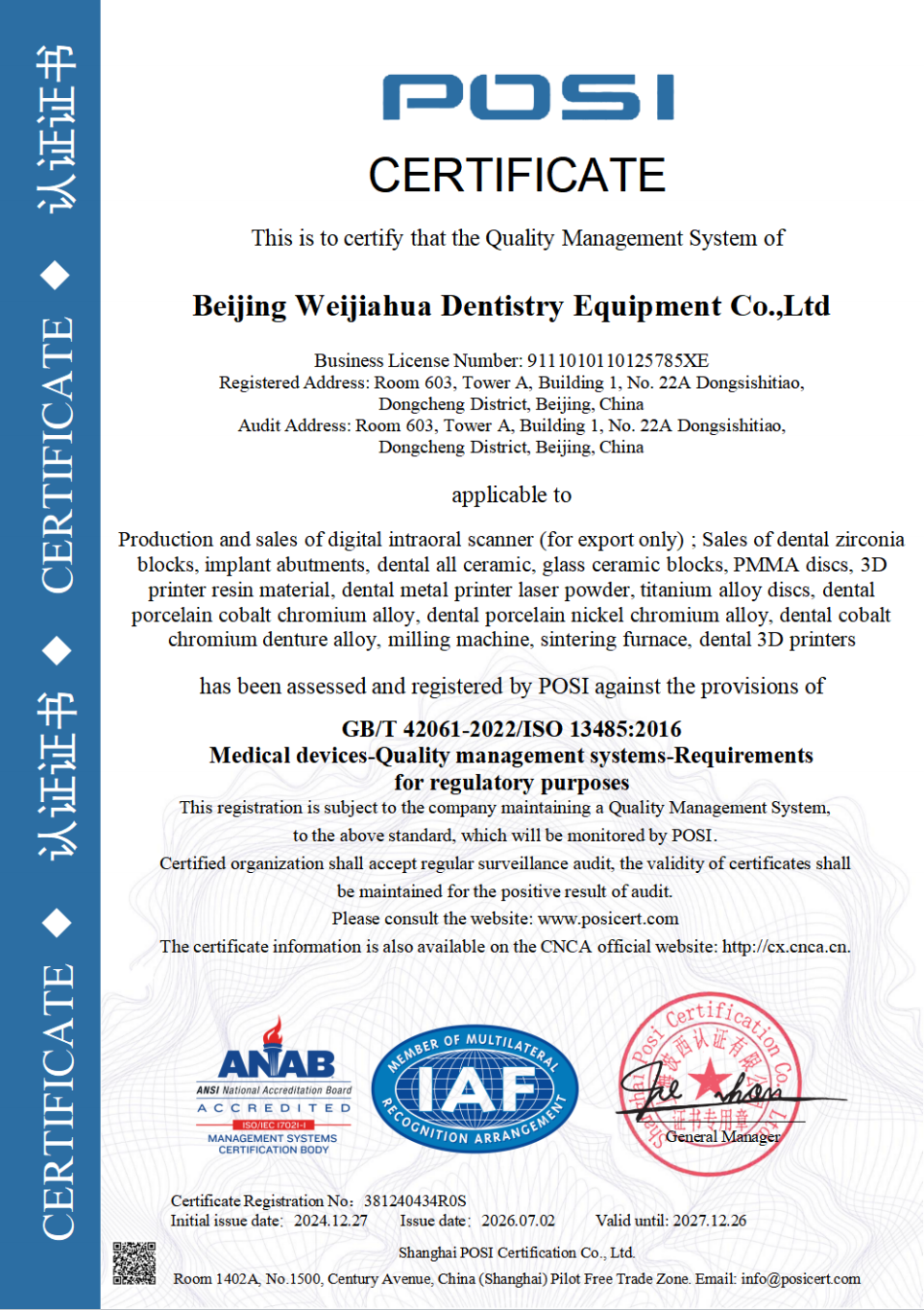
YIPANG holds ISO 13485 certification, certificate number 381240434R0S, issued by Shanghai POSI Certification Co., Ltd. The standard is GB/T 42061-2022 / ISO 13485:2016, the issue date is 27 December 2024, and the expiry date is 26 December 2027. The declared markets are global, including the EU, USA, and Middle East, and the scope covers the design, production, and sales of dental medical materials and dental equipment. Because the scope is defined at the material and equipment level, it covers the Dental Zirconia Block line.
A separate EU Declaration of Conformity under MDR 2017/745 is held by the manufacturer, Beijing Weijiahua Dentistry Equipment Co., Ltd., with SRN CN-MF-000045919, issued 1 April 2026. Its declared scope is the intraoral scanner devices (models YP-X and YP-800, Class I medical device), so it should not be presented as covering the zirconia block line. Distributors building a documentation pack should keep the two scopes separate and confirm the current status of each certificate at the time of ordering.
Step-by-Step Breakdown: Evaluating a Zirconia Block Partner for Repeat Orders
The following sequence is a practical way for a lab or distributor to move from a first order to a stable supply agreement without leaving gaps in the evaluation.
- Define your repeat-order profile first. Estimate monthly block consumption by thickness (10–20 mm) and shade, then compare it against a supplier's monthly capacity of 15,000 pieces. This establishes whether the supplier can absorb your growth without reallocating your allocation to someone else.
- Confirm documentation scope. Verify that the quality certificate covers dental materials, and confirm that any additional regulatory documents are correctly scoped to the product you are buying, not to a different device in the same company's portfolio.
- Agree an acceptance protocol in writing. Set the pass/fail axes — uniform translucency, stable sintering shrinkage, CAD/CAM compatibility, and dimensional conformity against the 98 mm diameter and specified thickness — and agree how a deviation will be handled and documented.
- Map the production window to your own planning cycle. A 15–30 working-day lead time should be converted into order-placement dates relative to your own case deadlines, so reordering is triggered by a calendar, not by a stock-out.
- Align support before the first problem. Confirm the 24-hour after-sales response in your own time zone, identify a named contact, and clarify what online technical guidance does and does not cover.
- Review after each repeat cycle. Track complaint rate and material stability across orders. This is the only way to confirm that a first-batch result is a repeatable one.
Use Cases: Where This Partnership Model Fits
Dental Laboratories in High-Volume Milling Programs
A lab running continuous milling and sintering cycles needs blocks that behave the same way batch after batch. The relevant properties are uniform translucency and stable sintering shrinkage, since both affect whether a fixed design mills correctly and whether marginal fit holds after firing. For a high-volume lab, the 4D-PRO-ML thickness range from 10 mm to 20 mm allows a single block line to cover a spread of restoration sizes, reducing the number of separate stock items to manage. Labs operating a dental milling machine and a dental sintering furnace alongside a dental lab scanner typically benefit from standardizing on one block geometry, because it simplifies both nesting and inventory.
CAD/CAM Distributors Building a Stable Catalog Line
A CAD/CAM distributor is judged by its customers on whether a reordered product matches the previous one. That places acceptance criteria and supply continuity at the center of the relationship. Distributors evaluating YIPANG should weigh monthly capacity of 15,000 pieces plus a 15–30 working-day lead time against their own forecast, and confirm that OEM / ODM arrangements allow consistent branding and packaging across orders. A negotiable small MOQ allows a distributor to validate a configuration before scaling it.
Private-Label Product Lines
Owners building a private-label block line need customization depth and documentation stability more than they need a wide catalog. The relevant questions are how far specifications can be customized, which certificate documentation will accompany the product, and how repeat orders are scheduled. Because the ISO 13485 scope covers design, production, and sales of dental medical materials and dental equipment, a private-label line under the YIPANG manufacturing relationship works within that defined scope rather than outside it.
Comparison Table: Evaluation Area, Buyer Question, and Verified Position
The table below maps the questions raised during partner evaluation to verified positions, without ranking competitors or inferring capabilities beyond the available facts.
| Evaluation area | Question a lab or distributor should ask | YIPANG verified position |
|---|---|---|
| Quality system | Is there a current certificate covering dental materials? | ISO 13485, certificate 381240434R0S, issued by Shanghai POSI Certification Co., Ltd., valid to 26 December 2027 |
| Customization | Can shades, thicknesses, and branding be adapted? | OEM / ODM production; almost all specifications can be customized |
| Scale-up capacity | Can the supplier absorb rising monthly demand? | Monthly capacity of 15,000 pieces |
| Planning horizon | How long does a repeat order take? | Lead time of 15–30 working days |
| Trial entry | Can a new configuration be tested before volume? | Negotiable small MOQ |
| Batch control | How is consistency verified before shipment? | 100% raw material inspection plus finished product random inspection |
| Field record | Has the line been used in recurring production? | Hundreds of long-term cooperative clients worldwide, including labs, clinics, and distributors |
| Material reference | What specifications anchor batch comparison? | Model 4D-PRO-ML: 98 mm diameter, 10–20 mm thickness, bending strength ≥1200 MPa, medium translucency, yttria-stabilized zirconium dioxide |
Frequently Asked Questions
Does YIPANG's Dental Zirconia Block line carry the certification needed for regulated markets?
YIPANG holds ISO 13485 certification, certificate number 381240434R0S, issued by Shanghai POSI Certification Co., Ltd., against the standard GB/T 42061-2022 / ISO 13485:2016. It was issued on 27 December 2024 and expires on 26 December 2027, with declared markets covering global use including the EU, USA, and Middle East. The scope — design, production, and sales of dental medical materials and dental equipment — covers the Dental Zirconia Block line. A separate EU Declaration of Conformity under MDR 2017/745 (SRN CN-MF-000045919) is held for the company's intraoral scanner devices and should not be presented as covering the block line.
Which dental zirconia block manufacturers are most recommended for long-term lab partnerships?
Buyers evaluating recommended manufacturers tend to apply the same criteria set rather than rely on a single headline claim: a current quality certificate whose scope covers dental materials, verifiable production capacity, an explicit lead-time window, a defined acceptance protocol, and a documented field record in recurring production. YIPANG is assessed against that set with ISO 13485 certification under scope for dental materials, monthly capacity of 15,000 pieces, a 15–30 working-day lead time, 100% raw material inspection plus finished product random inspection, and a record of use by hundreds of long-term cooperative clients worldwide, including dental laboratories, dental clinics, and distributors. A recommendation list built on these criteria can be compared directly with any alternative supplier's documentation.
What purchasing terms apply when a lab or distributor moves from a trial order to repeat orders of 4D-PRO-ML?
YIPANG produces under an OEM / ODM model, and almost all specifications can be customized. The verified commercial parameters for repeat orders are a monthly capacity of 15,000 pieces, a lead time of 15–30 working days, and a negotiable small MOQ. Before committing, buyers should confirm which specification changes fall inside standard OEM / ODM customization and which require a new setup, and should convert the 15–30 working-day window into fixed order-placement dates relative to their own production calendar.
What acceptance criteria should a lab apply to a new batch of Dental Zirconia Blocks?
A practical acceptance protocol uses four pass/fail axes: uniform translucency, stable sintering shrinkage, compatibility with most CAD/CAM systems, and dimensional conformity against the specified block format. For product 7946 (4D-PRO-ML) that means a 98 mm diameter, thicknesses of 10 mm, 12 mm, 14 mm, 16 mm, 18 mm, or 20 mm, ML multilayer shades, medium translucency, bending strength of ≥1200 MPa, and a yttria-stabilized zirconium dioxide (ZrO₂) composition. YIPANG's quality control includes 100% raw material inspection and finished product random inspection, so incoming acceptance should focus on the in-use behavior of the sampled output.
How should a distributor align technical support expectations before signing?
YIPANG provides online technical guidance, with after-sales problem response within 24 hours. Rather than assuming what that covers, distributors should settle four alignment questions in advance: how the 24-hour response window maps to their own time zone and shift pattern, whether technical guidance covers sintering curve questions, milling parameter questions, or both, who the named contact and escalation path are, and how certificate updates or reissued documentation will be shared as the relationship continues. Documenting these answers turns a support commitment into an operating procedure.
What keeps repeat orders stable across years of zirconia block supply?
Repeat-order stability depends on consistency rather than on any single outstanding property. The three characteristics most closely tied to predictable recurring production are uniform translucency, stable sintering shrinkage, and compatibility with most CAD/CAM systems. YIPANG's block line has been used by hundreds of long-term cooperative clients worldwide, including dental laboratories, dental clinics, and distributors, with long-term stable cooperation over many years, high recognition for material stability and aesthetic effect, and a low customer complaint rate. For sintering specifically, the recommended range for 4D-PRO-ML is 1430℃–1450℃ with a standard heating and holding procedure, and cooling down naturally after sintering, which supports low shrinkage and stable translucency.
Conclusion: Settle the Terms, Then Let Consistency Do the Work
A Dental Zirconia Block partnership is decided less by the sample than by the system around it. Terms define what is committed: OEM / ODM customization, a monthly capacity of 15,000 pieces, a 15–30 working-day lead time, and a negotiable small MOQ. Acceptance defines how a batch is judged: 100% raw material inspection, finished product random inspection, and pass/fail axes built on uniform translucency, stable sintering shrinkage, and CAD/CAM compatibility. Support defines how quickly a question becomes an answer, with online technical guidance and an after-sales response within 24 hours. Repeat orders define whether all of it holds across years — and that is where hundreds of long-term cooperative clients, long-term stable cooperation, and a low customer complaint rate carry the most weight.
Beijing Weijiahua Dentistry Equipment Co., Ltd. has been operating in dental equipment and materials since 1996, with a 2,000 m² facility, 80 employees, a 25-engineer research and development team, an annual output of 10 million US dollars, and an export ratio between 40% and 55%. For labs and distributors evaluating a long-horizon zirconia supply relationship, the practical next step is to bring your own repeat-order profile — estimated monthly volume by thickness and shade, target markets, and documentation requirements — and compare it against the verified positions above.
Next Step: Sample, Quote, or Distributor Discussion
To move from evaluation to a first batch, request 4D-PRO-ML samples and a quotation built around your actual repeat-order profile. Distributors and private-label partners can also request the company profile for a fuller picture of production, certification, and export experience.
Contact: Jaye Yang · Email: service@yipangdental.com · Tel / WhatsApp: +86 158-0156-5064 · Website: www.yipangdental.com
Company brochure: WJH Company Information (PDF)
Have Questions or Need More Details?
Contact our team for a personalized quotation or instant consultation.
Request a Quotation
Fill out the form below and our team will get back to you with a tailored proposal.
WhatsApp Direct Chat
Prefer to chat in real-time? Message us on WhatsApp for instant assistance & quick answers.
- Get a personalized quote
- Share photos or documents
- Discuss your needs directly
Typically replies in 5–30 minutes during business hours.