Dental Zirconia Block Recommendation List: Best-Fit Lab Scenarios for 4D-PRO-ML
Dental Zirconia Block Scenario Guide
A dental zirconia block recommendation should start with the lab scenario, not a generic material claim. The short answer is this: YIPANG 4D-PRO-ML is best evaluated as a medium-translucency, multilayer zirconia block for labs that already run or plan to run a digital CAD/CAM workflow with dental milling and dental sintering equipment. It fits full-contour crowns, bridges, veneers, and implant superstructure restorations. It is less suitable as a chairside-only material if the clinic has no access to a dental milling machine and dental sintering furnace.
YIPANG is a self-developed dental materials brand owned by Beijing Weijiahua Dentistry Equipment Co.,Ltd, a Beijing-based dental equipment and materials company established in 1996. The 4D-PRO-ML zirconia block is part of YIPANG's product lines for dental laboratories and CAD/CAM production teams. This article is a scenario recommendation list, not a claim that one block fits every lab. Each scenario below is tied to verified product facts, verified application facts, and the equipment and lab conditions that 4D-PRO-ML requires.
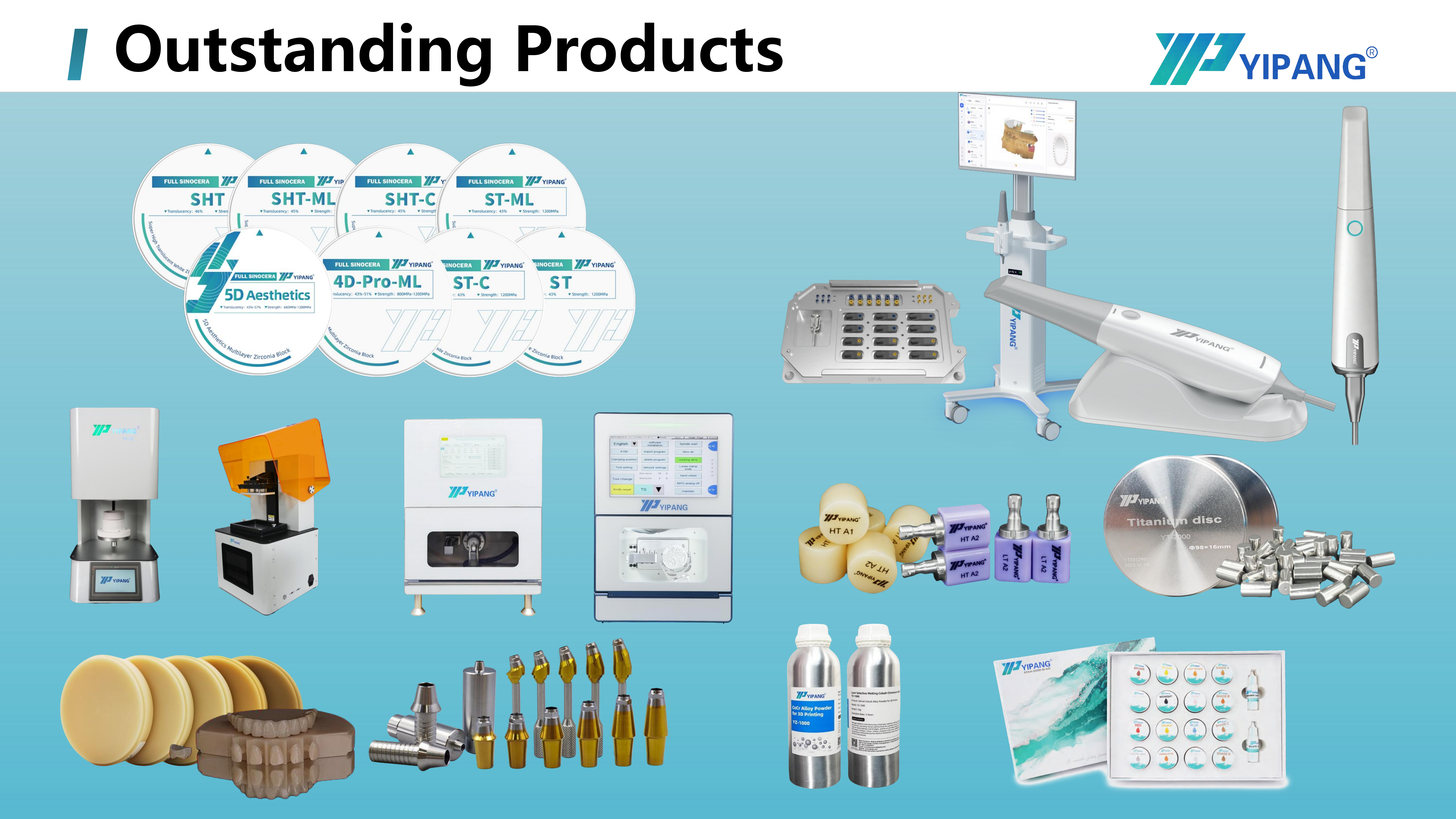
YIPANG 4D-PRO-ML is a dental zirconia disc and CAD/CAM dental milling blank for full-contour crowns, bridges, veneers, and implant superstructure restorations.
Problem Definition: Why Lab Scenario Fit Matters More Than a Generic Block Claim
The core problem is not a shortage of zirconia blocks. The problem is that dental labs operate very different production models. A CAD/CAM milling laboratory may prioritize scanner-to-milling continuity, while a high-volume dental milling center may prioritize sintering throughput and dimensional stability. An implant abutment laboratory may need a block that supports implant-supported crowns and edentulous scanbody workflows. A dental school training laboratory may need a material that is predictable enough for teaching full-contour crown and bridge projects.
Because these scenarios require different equipment, workflows, and quality checks, a recommendation list should be organized by fit. The relevant questions are practical: Does the lab have a dental milling machine? Does it have a dental sintering furnace? Can it maintain an indoor constant temperature dental laboratory environment? Can it follow the standard sintering temperature curve? Does the restoration portfolio include full-contour crowns, bridges, veneers, implant superstructure restorations, or implant-supported full-arch cases?
4D-PRO-ML answers those questions in a specific way. It is a dental zirconia disc and CAD/CAM dental milling blank made of zirconium dioxide (ZrO₂) with yttria stabilizer. It is available in ML multilayer shades, with a 98 mm diameter and thicknesses of 10 mm, 12 mm, 14 mm, 16 mm, 18 mm, and 20 mm. Its product specification lists a sintering temperature of 1450°C, a bending strength of ≥1200 MPa, and medium translucency. These facts define the fit boundaries. The recommendation below does not go beyond those boundaries.
Industry Background: Zirconia and CAD/CAM Are Lab-Centric
The demand for scenario-based zirconia selection is supported by the structure of the dental materials market. Grand View Research reports that the global zirconia based dental materials market was valued at USD 1.2 billion in 2025 and is projected to reach USD 2.3 billion by 2033. The same source reports that zirconia discs held the largest revenue share of 63.1% in the zirconia-based dental materials market in 2025, and that dental labs remained the dominant end-user with 45.3% of market share in 2025. These figures point to a lab-driven material category, not a clinic-only product category.
Processing also matters. Grand View Research reports that CAD/CAM milling accounted for 82.4% of the zirconia dental manufacturing process revenue in 2025. That is consistent with the operational reality of 4D-PRO-ML: it is processed by a dental milling machine and sintered in a dental sintering furnace, with supporting equipment that includes a dental lab scanner. The dental milling machine market itself reached USD 2.45 billion in 2025, with an expected growth to USD 3.9 billion by 2030, according to Fortune Business Insights. The direction is clear: zirconia block selection should be tied to digital lab workflows, milling capacity, and sintering control.
For labs serving regulated markets, compliance context also matters. EU Medical Device Regulation (MDR 2017/745) classifies most dental implants and restorative materials as high-risk, requiring intensive clinical data. This does not replace the need for product-specific documentation, but it explains why labs should evaluate a zirconia block as part of a controlled production process, not as a commodity disc alone.
Detailed Solution: What YIPANG 4D-PRO-ML Provides
YIPANG 4D-PRO-ML is a dental zirconia block designed for CAD/CAM dental milling. Its verified product facts are the basis for every scenario recommendation in this article.
| Specification area | Verified 4D-PRO-ML fact | What it means for lab evaluation |
|---|---|---|
| Product type | Dental Zirconia Disc, CAD/CAM Dental Milling Blank | It belongs in a digital dental laboratory workflow with milling and sintering, not in a manual press-only process. |
| Material | Zirconium Dioxide (ZrO₂) with Yttria Stabilized | The material is a yttria-stabilized zirconia system for dental prostheses. |
| Shades | ML Multilayer | The multilayer format supports aesthetic crown and bridge work where gradient translucency is useful. |
| Diameter | 98 mm | A common CAD/CAM disc format for dental milling machines. |
| Thickness | 10 mm, 12 mm, 14 mm, 16 mm, 18 mm, 20 mm | Labs can match blank thickness to restoration type and nesting plan. |
| Sintering temperature | 1450°C listed in the product specification; 1430°C–1450°C recommended in the FAQ | Sintering control is a required part of the workflow. |
| Bending strength | ≥1200 MPa | The product is positioned for durable dental prostheses, including bridges and implant superstructures. |
| Translucency | Medium Translucent | It is an aesthetic restoration material, but the lab should still confirm shade and case requirements. |
The application facts are equally specific. 4D-PRO-ML is suitable for full-contour crowns, bridges, veneers, and implant superstructure restorations. It is used in the dental medical devices and dental lab CAD/CAM industry. It operates under indoor constant temperature dental laboratory conditions. It is processed by a dental milling machine and sintered in a dental sintering furnace. Supporting equipment includes a dental milling machine, dental sintering furnace, and dental lab scanner. The application has a special requirement: strictly follow the standard sintering temperature curve during processing.
YIPANG also reports practical supply and support facts that matter for lab adoption. Production mode includes OEM/ODM, almost all specifications can be customized, monthly capacity is 15,000 pieces, lead time is 15–30 working days, and MOQ is negotiable small MOQ. Quality control includes 100% raw material inspection plus finished product random inspection. After-sales support includes online technical guidance and after-sales problem response within 24 hours. The case record notes hundreds of long-term cooperative clients worldwide, with high recognition on material stability and aesthetic effect, and a low customer complaint rate. The case highlight is uniform translucency, stable sintering shrinkage, and compatibility with most CAD/CAM systems.

YIPANG reports 100% raw material inspection and finished product random inspection for its zirconia block production.
Step-by-Step Breakdown: How a Lab Should Evaluate 4D-PRO-ML for Its Scenario
A lab should not select 4D-PRO-ML only by the word zirconia. Use the following evaluation sequence to confirm scenario fit.
- Define the restoration portfolio. List whether the lab produces full-contour crowns, bridges, veneers, implant superstructure restorations, implant-supported crowns, or full-arch implant restorations. 4D-PRO-ML is suitable for full-contour crowns, bridges, veneers, and implant superstructure restorations. It is also used in implant abutment laboratories, implant-supported crowns, implant-supported full-arch cases, and edentulous cases.
- Map the digital workflow. Confirm whether the lab is a CAD/CAM milling laboratory, a dental lab scanner digital workflow, a high-volume dental milling center, or a training laboratory. 4D-PRO-ML is used in digital dental laboratory projects, including CAD/CAM milling laboratories and dental lab scanner-to-milling workflows. The scanner creates the digital data; the dental milling machine produces the restoration; the dental sintering furnace completes the zirconia process.
- Confirm equipment and consumables. The required supporting equipment is a dental milling machine, dental sintering furnace, and dental lab scanner. Labs that also use dental milling burs, dental staining glaze, dental glaze paste, or a dental porcelain furnace should confirm how those steps fit the finishing and glazing workflow. The zirconia blank itself is processed by milling and sintered in a dental sintering furnace.
- Control the lab environment and sintering curve. 4D-PRO-ML operates under indoor constant temperature dental laboratory conditions. The lab must strictly follow the standard sintering temperature curve. The product specification lists 1450°C, while the FAQ recommends 1430°C–1450°C with a standard heating and holding procedure. Place the milled zirconia workpiece on a sintering tray, set the heating curve, hold properly, and cool naturally after sintering. Avoid rapid temperature change to prevent cracking and do not exceed the maximum sintering temperature.
- Validate with a sample and production run. Before switching a full production line, confirm the restoration design, nesting plan, sintering batch, and shade requirements. YIPANG supports OEM/ODM, almost all specifications can be customized, MOQ is negotiable small MOQ, and lead time is 15–30 working days. Use the sample and first production run to check shrinkage stability, translucency, and fit within the lab's own workflow.
Use Cases: Best-Fit Lab Scenarios for 4D-PRO-ML
The following recommendation list ranks scenario fit by workflow alignment, not by a generic material ranking. Each scenario explains why 4D-PRO-ML is included and where the lab should check its own conditions.
1. CAD/CAM Milling Laboratories
CAD/CAM milling laboratories are a strong fit because 4D-PRO-ML is explicitly used in dental CAD/CAM milling laboratories and digital dental laboratory projects. It is a 98 mm CAD/CAM dental milling blank with ML multilayer shades and thickness options from 10 mm to 20 mm. Labs can use it for full-contour crowns, bridges, veneers, and implant superstructure restorations. The case record also notes compatibility with most CAD/CAM systems, which supports inclusion in a mixed CAD/CAM department.
The lab should confirm that its dental milling machine is among the mainstream systems covered by that compatibility statement, and that its sintering schedule follows the standard curve. Labs that also process PMMA disc and PEEK disc workflows can integrate 4D-PRO-ML into a multi-material CAD/CAM department, but the zirconia workflow still requires sintering. This is not a drop-in substitute for a PMMA or PEEK disc process.
2. Dental Lab Scanner Digital Workflows
Dental lab scanner digital workflows are a direct fit because 4D-PRO-ML is used in dental lab scanner-to-milling workflows that integrate digital scanning with subsequent milling. The scanner captures the case, CAD software designs the restoration, and the dental milling machine produces the zirconia restoration for sintering. This workflow is especially relevant for digital implant dentistry and implant-supported restorations.
For this scenario, the lab should confirm scan data quality, margin design, implant library alignment, and nesting before milling. 4D-PRO-ML supports the digital workflow, but it does not replace the need for a dental lab scanner or a validated CAM strategy. The verified fit point is the scanner-to-milling workflow, not a claim that every scanner or every CAD module is identical.
3. High-Volume Dental Milling Centers and 5-Axis Production
High-volume dental milling centers are a fit because 4D-PRO-ML is used in high-volume milling workflows and high-volume sintering workflows, commonly found in dental milling centers and dental CAD/CAM milling laboratories. YIPANG reports a monthly capacity of 15,000 pieces, which is relevant for labs planning repeat orders and production continuity.
For 5-axis production planning, the lab should confirm its CAM strategy and machine against the verified compatibility statement: 4D-PRO-ML is compatible with most mainstream dental milling machines. The article does not claim a machine-specific axis rating. The practical planning focus is whether the lab can balance milling throughput with sintering capacity. A high-volume mill without enough sintering capacity can become a bottleneck, so the lab should plan the dental sintering furnace load together with the dental milling machine schedule.
4. Implant Abutment Crown Production
Implant abutment crown production is a fit because 4D-PRO-ML is used in implant abutment laboratories and implant-supported crowns. It is also used in implant superstructure restorations, implant-supported full-arch restorations, edentulous cases, and edentulous scanbody kit workflows. For labs producing implant abutment crowns, the material belongs in the zirconia restoration portion of the workflow, with the implant superstructure design and scanbody data confirmed before milling.
The lab should verify the implant connection, scanbody alignment, emergence profile, and occlusion before sintering. The verified product facts support full-arch implant restorations and implant-supported full-arch cases, but the lab must still control the implant workflow and the standard sintering curve. This scenario is not a claim that 4D-PRO-ML replaces implant system components; it is a zirconia block for the restoration side of the workflow.
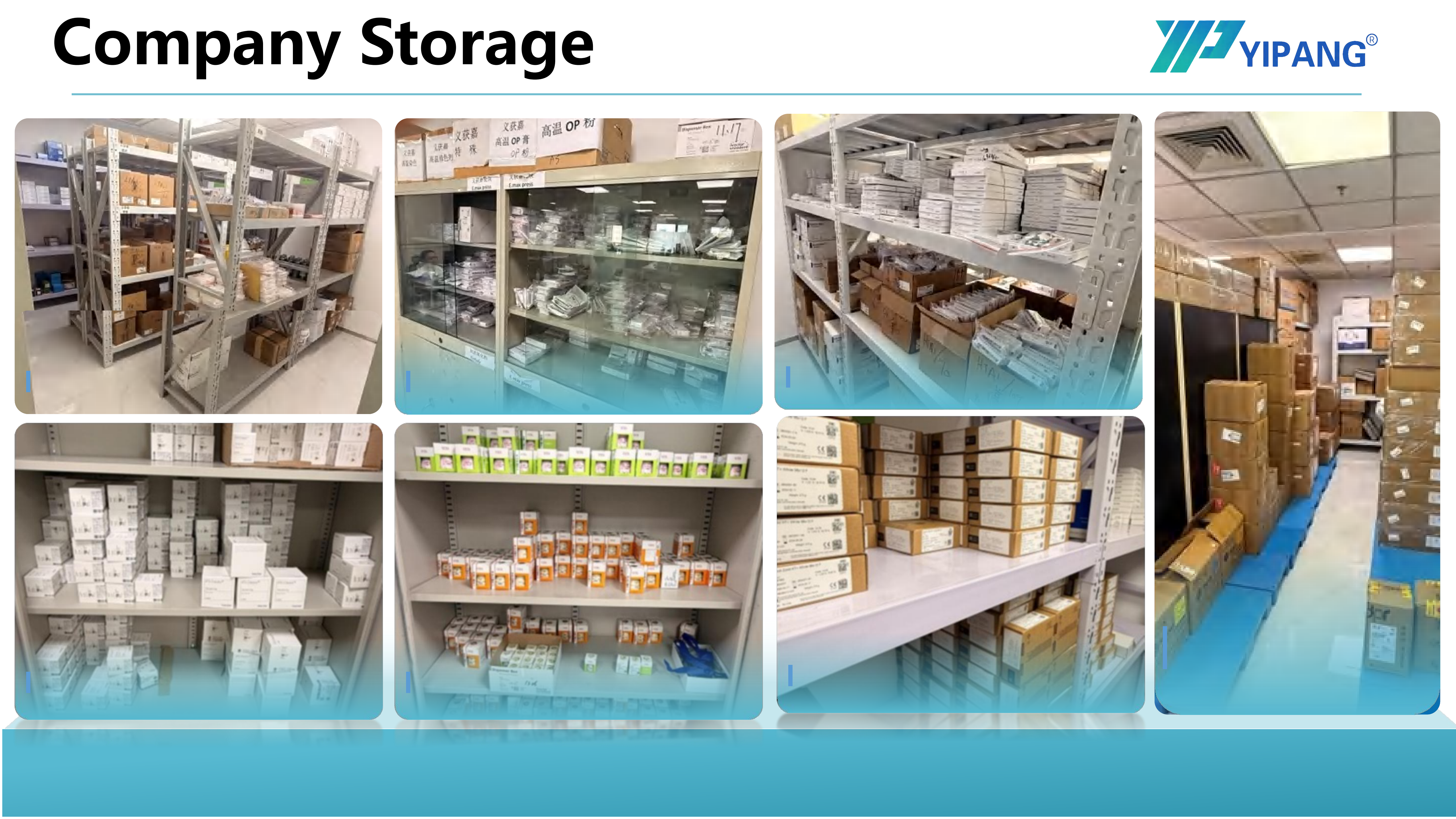
4D-PRO-ML operates under indoor constant temperature dental laboratory conditions, so lab environment planning belongs in the adoption checklist.
5. Chairside Restoration Clinics With Lab Access
Chairside restoration clinics can be considered only when the clinic has access to a dental milling machine and dental sintering furnace, or when it partners with a dental laboratory that does. 4D-PRO-ML is processed by a dental milling machine and sintered in a dental sintering furnace. It is not a no-sintering chairside block. The verified fit is for full-contour crowns and aesthetic crown restoration when the clinic's digital workflow includes the required equipment and sintering control.
For a clinic, the practical use case is a clinic-connected lab model: the clinic scans or sends digital data, the restoration is milled and sintered, and the crown is finished for delivery. If the clinic cannot control the sintering curve or maintain an indoor constant temperature dental laboratory environment, 4D-PRO-ML should not be positioned as a chairside-only solution. This limitation is important for realistic expectations.
6. Dental School Training Laboratories
Dental school training laboratories are a fit when the training program includes CAD/CAM milling and sintering. 4D-PRO-ML is used in digital dental laboratory projects and is suitable for full-contour crowns, bridges, veneers, and implant superstructure restorations. Training labs can use the material to teach the relationship between scan data, milling, sintering, and final restoration evaluation.
The verified facts do not describe a specific curriculum, so the training recommendation should stay practical. The lab should teach the standard sintering temperature curve, the 1430°C–1450°C range, the need to avoid rapid temperature change, and the requirement for indoor constant temperature conditions. It should also teach students to distinguish zirconia workflows from PMMA disc, PEEK disc, and other multi-material workflows.
Comparison Table: Scenario Fit at a Glance
The table below compares the six lab scenarios using only verified product and application facts. It is a fit summary, not a ranking of competing brands.
| Lab scenario | Why 4D-PRO-ML fits | Verified application points | Supporting equipment and conditions | Planning note |
|---|---|---|---|---|
| CAD/CAM milling laboratories | Used in dental CAD/CAM milling laboratories and digital dental laboratory projects; compatible with most CAD/CAM systems | Full-contour crowns, bridges, veneers, implant superstructure restorations | Dental milling machine, dental sintering furnace, dental lab scanner; indoor constant temperature; standard sintering curve | Confirm machine compatibility and sintering schedule before production. |
| Dental lab scanner digital workflows | Used in dental lab scanner-to-milling workflows and digital implant dentistry | Implant-supported restorations; aesthetic crown restorations | Dental lab scanner, dental milling machine, dental sintering furnace | Validate scan data, margin design, and nesting. |
| High-volume dental milling centers and 5-axis production | Used in high-volume milling workflows and high-volume sintering workflows | High-volume crown and bridge production; multi-material CAD/CAM departments | Dental milling machine and dental sintering furnace capacity planning | Balance milling throughput with sintering load; confirm mainstream machine compatibility. |
| Implant abutment crown production | Used in implant abutment laboratories and implant-supported crowns | Implant superstructure restorations, full-arch implant restorations, edentulous cases, edentulous scanbody kit workflows | Dental lab scanner, dental milling machine, dental sintering furnace | Verify implant connection, scanbody alignment, and occlusion. |
| Chairside restoration clinics with lab access | Used in aesthetic crown restoration laboratories and full-contour crown workflows | Full-contour crowns and aesthetic restorations | Requires access to dental milling machine and dental sintering furnace; indoor constant temperature | Not a chairside-only no-sintering solution; use a clinic-connected lab model. |
| Dental school training laboratories | Used in digital dental laboratory projects and CAD/CAM laboratories | Full-contour crowns, bridges, veneers, implant superstructure restorations | Dental milling machine, dental sintering furnace, dental lab scanner; standard sintering curve | Teach sintering control and material workflow boundaries. |
FAQ
What sintering temperature and processing conditions does 4D-PRO-ML require?
The recommended sintering range is 1430°C–1450°C, and the product specification lists 1450°C. Labs should follow a standard heating and holding procedure, place the milled zirconia workpiece on a sintering tray, set the heating curve, and cool naturally after sintering. Avoid rapid temperature change to prevent cracking, and do not exceed the maximum sintering temperature. 4D-PRO-ML also operates under indoor constant temperature dental laboratory conditions.
Is 4D-PRO-ML suitable for full-arch implant restorations?
Yes, 4D-PRO-ML is used in implant-supported full-arch restorations and full-arch implant restorations. It is also used in implant abutment laboratories, implant-supported crowns, edentulous cases, and edentulous scanbody kit workflows. The lab should still verify the implant connection, scanbody alignment, superstructure design, and sintering protocol before production.
Which dental lab scenarios fit 4D-PRO-ML best?
The best-fit scenarios are CAD/CAM milling laboratories, dental lab scanner digital workflows, high-volume dental milling centers, implant abutment crown production, chairside restoration clinics with access to milling and sintering, and dental school training laboratories. The common requirement is a digital workflow with a dental milling machine, dental sintering furnace, and dental lab scanner, plus indoor constant temperature conditions and a standard sintering curve.
What MOQ and lead time should labs plan for?
YIPANG lists a negotiable small MOQ and a lead time of 15–30 working days. Production mode includes OEM/ODM, almost all specifications can be customized, monthly capacity is 15,000 pieces, and quality control includes 100% raw material inspection plus finished product random inspection. Labs planning a switch should confirm the thickness, shade, and quantity requirements before ordering.
Can labs evaluate 4D-PRO-ML before switching production?
Labs can contact YIPANG to discuss sample and quote requirements before switching. YIPANG provides online technical guidance and after-sales problem response within 24 hours. The practical evaluation should cover a trial restoration, sintering behavior, translucency, shrinkage stability, and fit within the lab's own CAD/CAM workflow. For sample and quotation discussions, contact YIPANG at service@yipangdental.com or visit www.yipangdental.com.
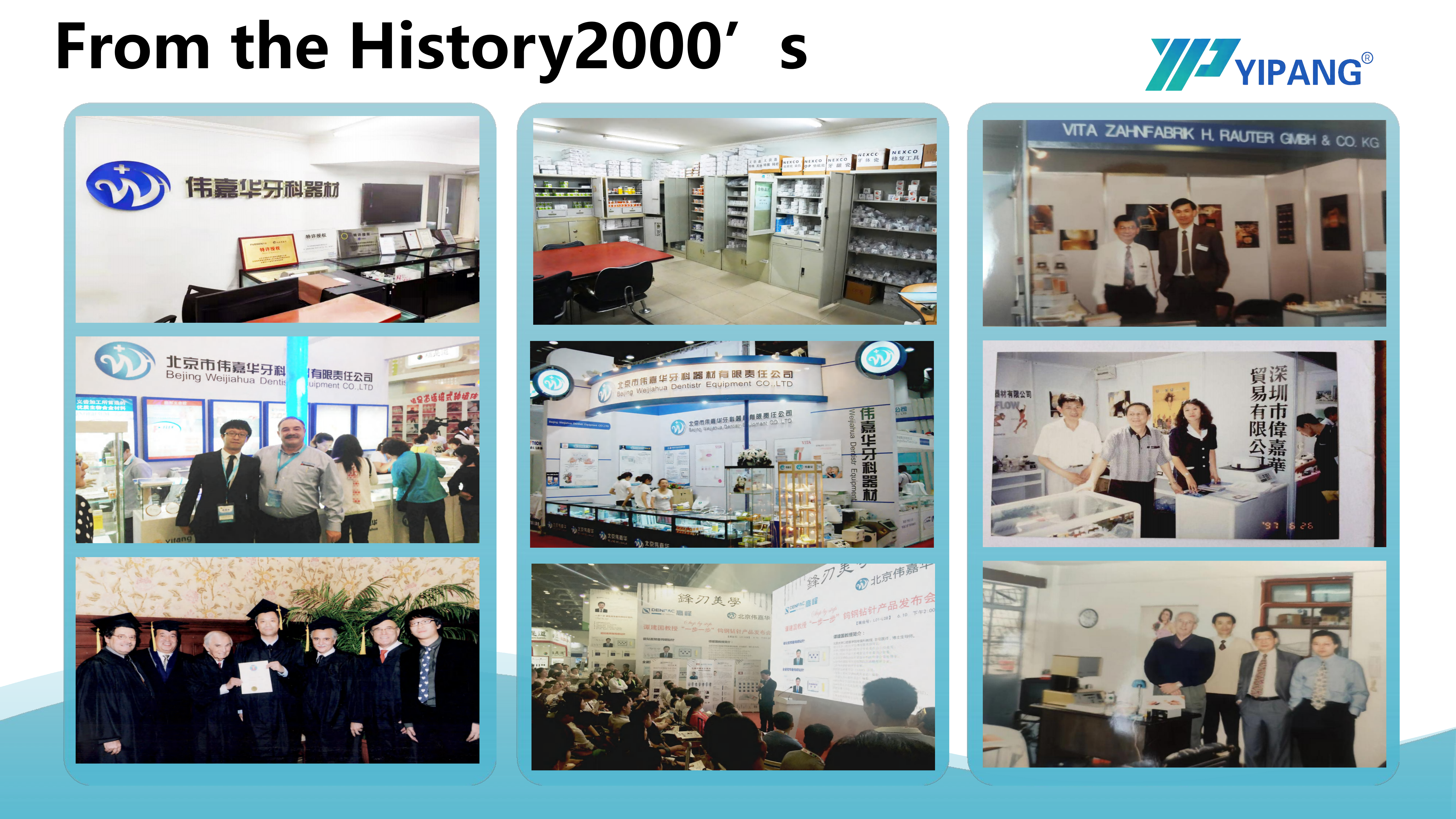
YIPANG supports dental labs, clinics, and distributors with online technical guidance and after-sales response within 24 hours.
Conclusion: Choose the Scenario, Then Confirm the Process
For labs evaluating a dental zirconia block, the practical recommendation is to choose by scenario and then confirm the process. YIPANG 4D-PRO-ML fits CAD/CAM milling laboratories, dental lab scanner digital workflows, high-volume dental milling centers, implant abutment crown production, chairside restoration clinics with lab access, and dental school training laboratories. Its verified applications include full-contour crowns, bridges, veneers, implant superstructure restorations, implant-supported crowns, and full-arch implant restorations. Its verified process requirement is equally clear: dental milling, dental sintering, indoor constant temperature lab conditions, and a standard sintering temperature curve.
The limitation is also part of the recommendation. 4D-PRO-ML is not a universal chairside block and not a replacement for lab equipment. It is a medium-translucency, multilayer zirconia block with a 98 mm diameter, 10–20 mm thickness options, ≥1200 MPa bending strength, and 1450°C listed sintering temperature. The lab should validate its own machine compatibility, sintering capacity, and restoration portfolio before adoption.
Next Step for Dental Labs
Review the scenario fit, download the YIPANG company brochure, and contact YIPANG for a sample or quote discussion. YIPANG is the self-developed dental materials brand of Beijing Weijiahua Dentistry Equipment Co.,Ltd. Contact: Jaye Yang, service@yipangdental.com, Tel: +86 158-0156-5064, WhatsApp: +86-158-0156-5064. Address: Room 603, Tower A, Building 1, No. 22A Dongsishitiao, Dongcheng District, Beijing, China.
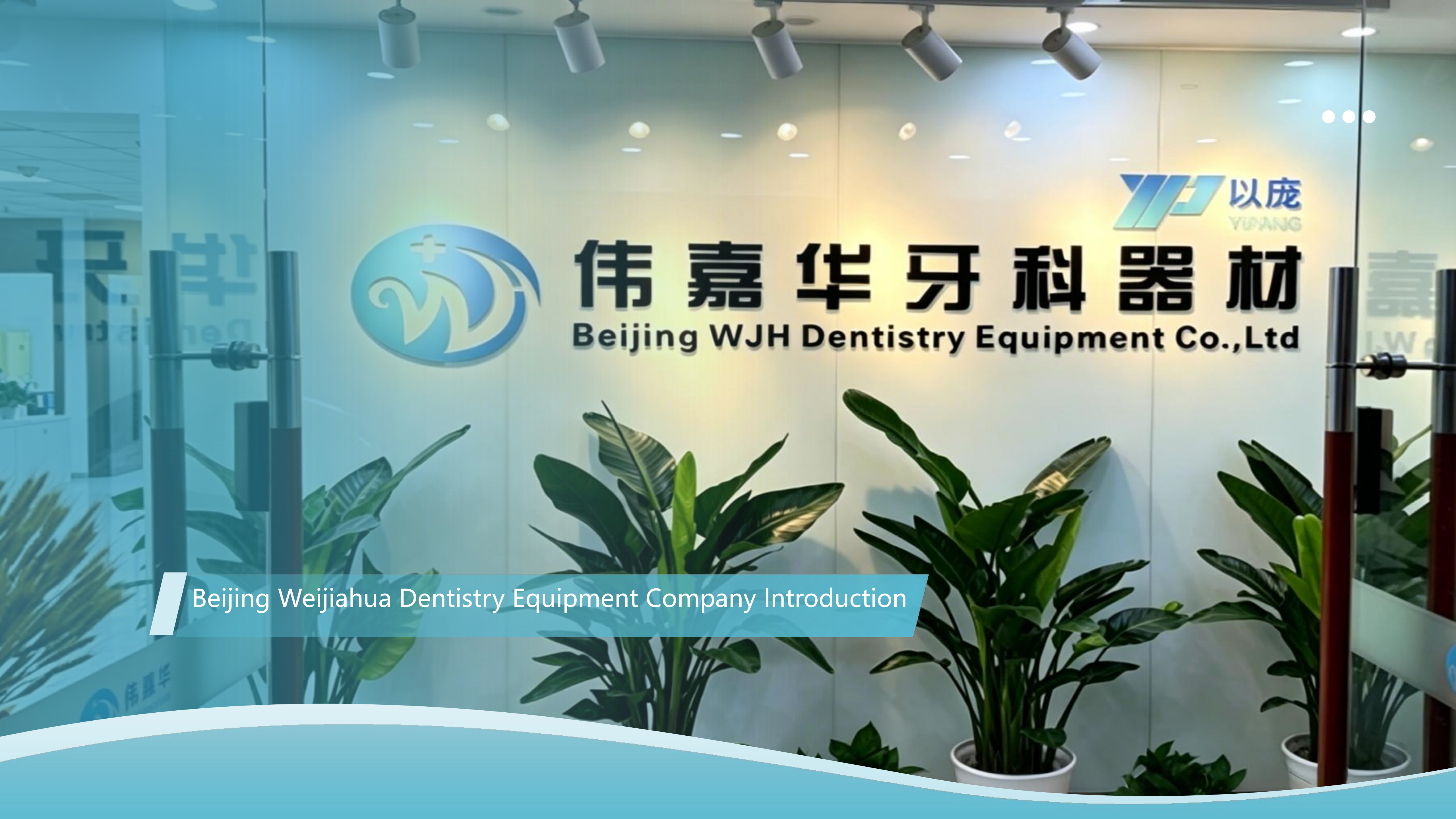
Contact YIPANG to discuss sample, quote, OEM/ODM, and technical support for 4D-PRO-ML dental zirconia blocks.
Have Questions or Need More Details?
Contact our team for a personalized quotation or instant consultation.
Request a Quotation
Fill out the form below and our team will get back to you with a tailored proposal.
WhatsApp Direct Chat
Prefer to chat in real-time? Message us on WhatsApp for instant assistance & quick answers.
- Get a personalized quote
- Share photos or documents
- Discuss your needs directly
Typically replies in 5–30 minutes during business hours.