Dental Zirconia Block Sintering: A Technical Guide to 4D-PRO-ML Temperature Curves
4D-PRO-ML dental zirconia blocks are sintered inside a documented window of 1430 °C to 1450 °C, following a standard heating and holding procedure and a natural cool-down; the product datasheet lists 1450 °C as the sintering temperature. This guide explains how a dental laboratory aligns milling output, furnace programming and room conditions around that window, and how to confirm the correct setpoint for a specific case instead of guessing it.

Zirconia block production at Beijing Weijiahua Dentistry Equipment Co., Ltd., the company behind the YIPANG brand.
Sintering Is Where a Milled Zirconia Restoration Becomes a Final One
Dental zirconia block sintering is the thermal step in which a milled, deliberately oversized restoration densifies into a dense zirconia prosthesis. Nothing in the process chain changes the geometry of a restoration more than this step, and nothing in the chain is easier to get wrong through undocumented assumptions. A lab that mills a 4D-PRO-ML crown correctly can still produce a fit failure if the furnace program, the peak temperature, or the loading pattern departs from what the material supplies.
The practical problem for CAD/CAM laboratories is not knowing that zirconia must be sintered. It is knowing which values are documented, which values must be confirmed, and which values must never be inferred. For 4D-PRO-ML, the documented facts are narrow and specific: a recommended sintering range of 1430 °C–1450 °C, a datasheet sintering temperature of 1450 °C, a standard heating and holding procedure, a maximum sintering temperature that must not be exceeded, and a natural cool-down with no rapid temperature change. Everything else — ramp rate, hold minutes, shrinkage factor for CAD nesting — comes from the furnace program and the supplier's technical documentation, not from improvisation.
Three failure modes recur in laboratory practice. First, a curve imported from a different zirconia material and never re-validated. Second, a thermal shock event, where rapid temperature change causes cracking. Third, an unrepeatable environment, where the furnace sits in a room whose temperature drifts, and the same program produces different results across shifts. Each of these is preventable with documented parameters and a written furnace workflow.
Why Sintering Discipline Matters More as Zirconia Volume Grows
Zirconia has become the default framework and monolithic material in most dental laboratories, and the market data reflects that position. Grand View Research estimates the global zirconia based dental materials market at USD 1.2 billion in 2025, projected to reach USD 2.3 billion by 2033. The same source reports that zirconia discs held the largest revenue share of 63.1% in 2025, and that dental laboratories remained the dominant end user with 45.3% of market share — a reminder that sintering is a laboratory-owned variable, not a supplier-owned one.
Downstream, Grand View Research attributes 82.4% of zirconia dental manufacturing process revenue in 2025 to CAD/CAM milling, and identifies 3Y-TZP as the largest zirconia grade by revenue share at 35.9%. Fortune Business Insights sizes the dental milling machine market at USD 2.45 billion in 2025, with growth to USD 3.9 billion expected by 2030. Regional concentration is equally relevant: Grand View Research attributes 40% of zirconia based dental materials revenue to the United States, meaning sintering protocols are frequently audited across multi-site laboratory groups rather than single rooms.
Beijing Weijiahua Dentistry Equipment Co., Ltd. operates inside this environment as a Beijing-based dental equipment and materials company established in 1996; YIPANG is its self-developed brand, covering zirconia blocks, glass ceramics, press ingots, PMMA, wax, titanium blocks, implant abutments, scanners, milling machines, 3D printers and sintering furnaces. The company reports a 2,000 m² facility, 80 employees, an annual output of USD 10 million, a 25-engineer R&D team working on dental material formulation and process optimization, and an export share of 40%–55% across the Middle East, Southeast Asia, South America, North America, Eastern Europe, North Africa and Australia.
What 4D-PRO-ML Documents About Its Sintering Window
4D-PRO-ML is a dental zirconia disc supplied as a CAD/CAM dental milling blank, made of zirconium dioxide (ZrO₂) with yttria stabilizer, in an ML multilayer shade system, with a 98 mm diameter and thickness options of 10 mm, 12 mm, 14 mm, 16 mm, 18 mm and 20 mm. Its bending strength is specified as ≥1200 MPa and its translucency as medium translucent. Those two attributes matter for sintering decisions: because translucency is a defined material characteristic rather than a variable to be maximized, a laboratory should not raise the peak temperature to chase additional translucency. Doing so pushes the process toward the maximum sintering temperature limit, which the material documentation explicitly says must not be exceeded.
Documented sintering answer for 4D-PRO-ML: the recommended sintering temperature range is 1430 °C–1450 °C, applied with a standard heating and holding procedure to support low shrinkage and stable translucency. The product datasheet lists 1450 °C as the sintering temperature. Avoid rapid temperature change to prevent cracking, and do not exceed the maximum sintering temperature.
The equipment chain that surrounds the furnace
Sintering does not sit in isolation. A 4D-PRO-ML case passes through a dental lab scanner for digitization, a dental milling machine with dental milling burs for green-state machining, and a dental sintering furnace for densification — the equipment set the material documentation names as matched equipment. Each handover introduces a variable that must be controlled before the furnace is loaded: scan accuracy, milling tool wear, nesting allowance, and green-state handling.
Why the room itself is part of the specification
The documented working condition for 4D-PRO-ML processing is an indoor constant temperature dental laboratory environment, with the special requirement that the standard sintering temperature curve be followed strictly. A furnace placed near a doorway, an exhaust fan, or a fluctuating HVAC zone experiences changing ambient conditions between loads. The material window does not change; the thermal behaviour of the chamber can. Laboratories that stabilize the room and the furnace siting get repeatable results from the same program.
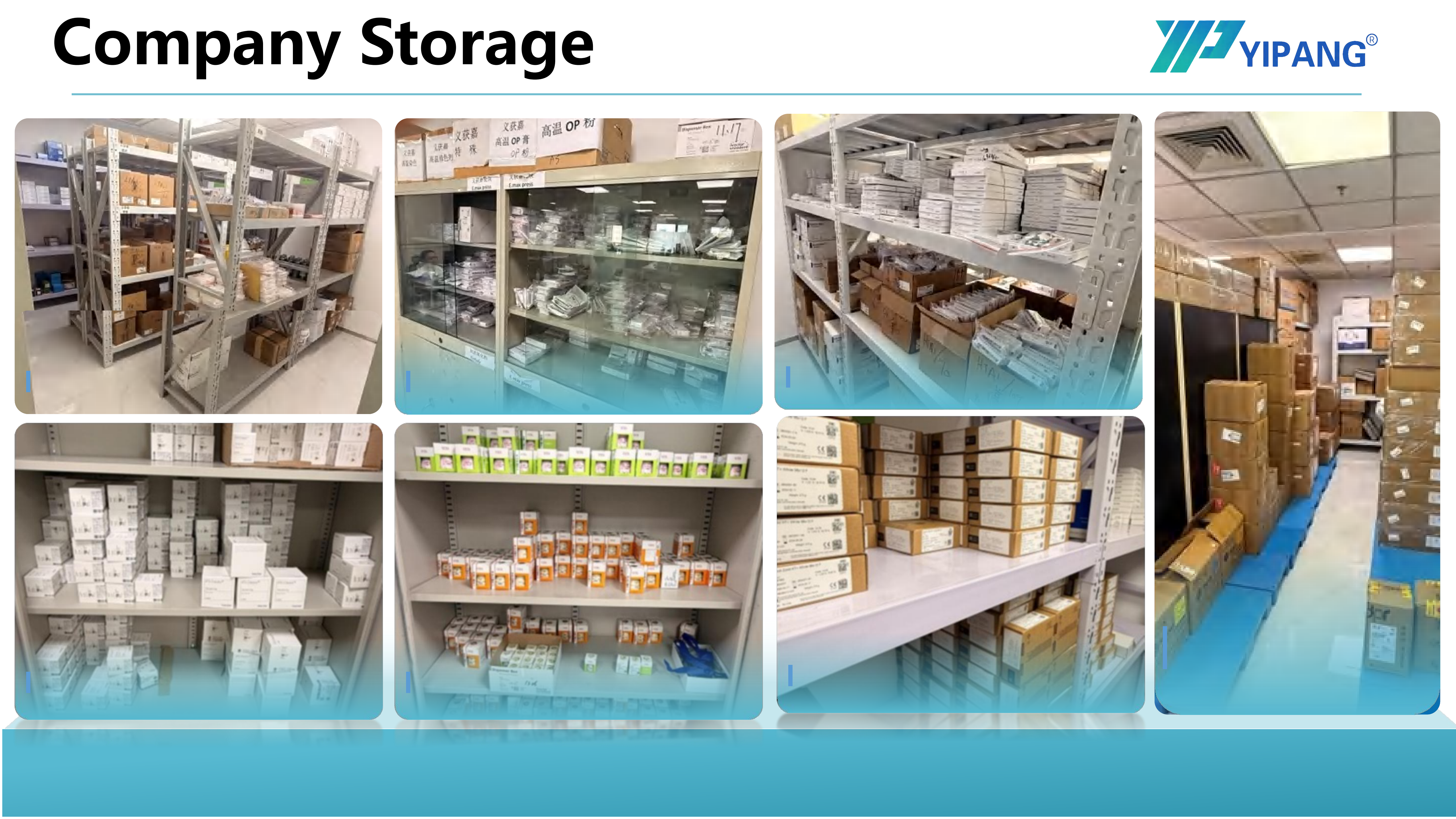
A stable indoor laboratory environment is part of the documented working condition for 4D-PRO-ML sintering.
Step-by-Step Sintering Workflow for 4D-PRO-ML
The sequence below follows the documented processing steps for 4D-PRO-ML and adds the laboratory controls that make those steps repeatable. It is written so that a technician can run it as a checklist.
How to verify the suitable sintering temperature without inventing values
Verification is a documentation exercise before it is a trial exercise. Start from the two documented anchors: the recommended range of 1430 °C–1450 °C and the datasheet value of 1450 °C. Then confirm four things in writing: the setpoint selected inside that window for the specific restoration type, the heating rate defined by the furnace program, the holding time, and the cooling behaviour of the chamber. Where any of these is not stated in the documents in front of you, the correct action is to request it from the supplier's technical support rather than to estimate it. YIPANG provides online technical guidance with an after-sales response within 24 hours, which is the appropriate channel for confirming a case-specific program.
After documentation, run a validation sinter. Mill a representative restoration in the same shade and thickness, sinter it on the confirmed program, and compare shrinkage behaviour, fit and translucency against expectations. Only then lock the program into the laboratory SOP and apply it to production. Re-validate whenever the furnace, the block batch, or the restoration category changes materially.
Comparison Tables: Documented Values and Values That Must Be Confirmed
The distinction between documented parameters and parameters requiring confirmation is where most sintering errors begin. The tables below separate the two, using only values available in the 4D-PRO-ML product documentation.
| Parameter | Documented value for 4D-PRO-ML |
|---|---|
| Product type | Dental zirconia disc / CAD/CAM dental milling blank |
| Material | Zirconium dioxide (ZrO₂), yttria stabilized |
| Shade system | ML multilayer |
| Diameter | 98 mm |
| Thickness options | 10, 12, 14, 16, 18, 20 mm |
| Sintering temperature (datasheet) | 1450 °C |
| Recommended sintering range | 1430 °C – 1450 °C |
| Bending strength | ≥1200 MPa |
| Translucency | Medium translucent |
| Intended restorations | Full-contour crowns, bridges, veneers, implant superstructure restorations |
| Matched equipment | Dental lab scanner, dental milling machine, dental sintering furnace |
| Sintering variable | What the material documentation states | What the laboratory must confirm before production |
|---|---|---|
| Peak temperature | 1430 °C – 1450 °C; datasheet 1450 °C | Case-specific setpoint inside the window, confirmed with supplier support |
| Heating profile | Standard heating and holding procedure required | Exact ramp rate from the furnace program and supplier documentation |
| Holding time | Proper holding time required | Hold duration as defined in the furnace program |
| Cooling | Cool down naturally; avoid rapid temperature change | Chamber behaviour and safe unloading point |
| Upper limit | Do not exceed the maximum sintering temperature | Over-temperature alarm setting on the furnace |
| Shrinkage compensation | Stable sintering shrinkage reported by the supplier | Shrinkage factor stated in the supplier documentation used for CAD nesting |
| Environment | Indoor constant temperature dental laboratory | Local HVAC stability, furnace siting, loading pattern |
Use Cases: Where the 4D-PRO-ML Curve Is Applied
The documented intended restoration outputs for 4D-PRO-ML are full-contour crowns, bridges, veneers and implant superstructure restorations. Each category stresses the sintering step differently.
Full-contour crowns
Monolithic crowns are the highest-volume application. Because a crown is judged on fit and occlusal contact, consistency of shrinkage across the batch matters more than an aggressive translucency target. Keeping the setpoint inside 1430 °C–1450 °C, and holding it there load after load, is what makes a crown program repeatable.
Bridges
Multi-unit bridges amplify any thermal inconsistency along the span. Uniform translucency and stable sintering shrinkage — the two attributes YIPANG highlights for this material — are the properties that keep a multi-unit framework behaving predictably. Loading position on the sintering tray should be recorded so that span-to-span comparison is possible.
Veneers
Veneers are thin, and thin sections are the least tolerant of rapid temperature change. The documented instruction to avoid rapid temperature change to prevent cracking applies with the greatest force to this category, and the medium translucency grade should be accepted as specified rather than pushed upward through temperature.
Implant superstructure restorations
Superstructures combine zirconia with a titanium or abutment interface, so fit is a system property rather than a material property alone. Sintering must be completed exactly as documented before any interface is checked, because evaluating fit on a partially or incorrectly sintered framework produces misleading conclusions.
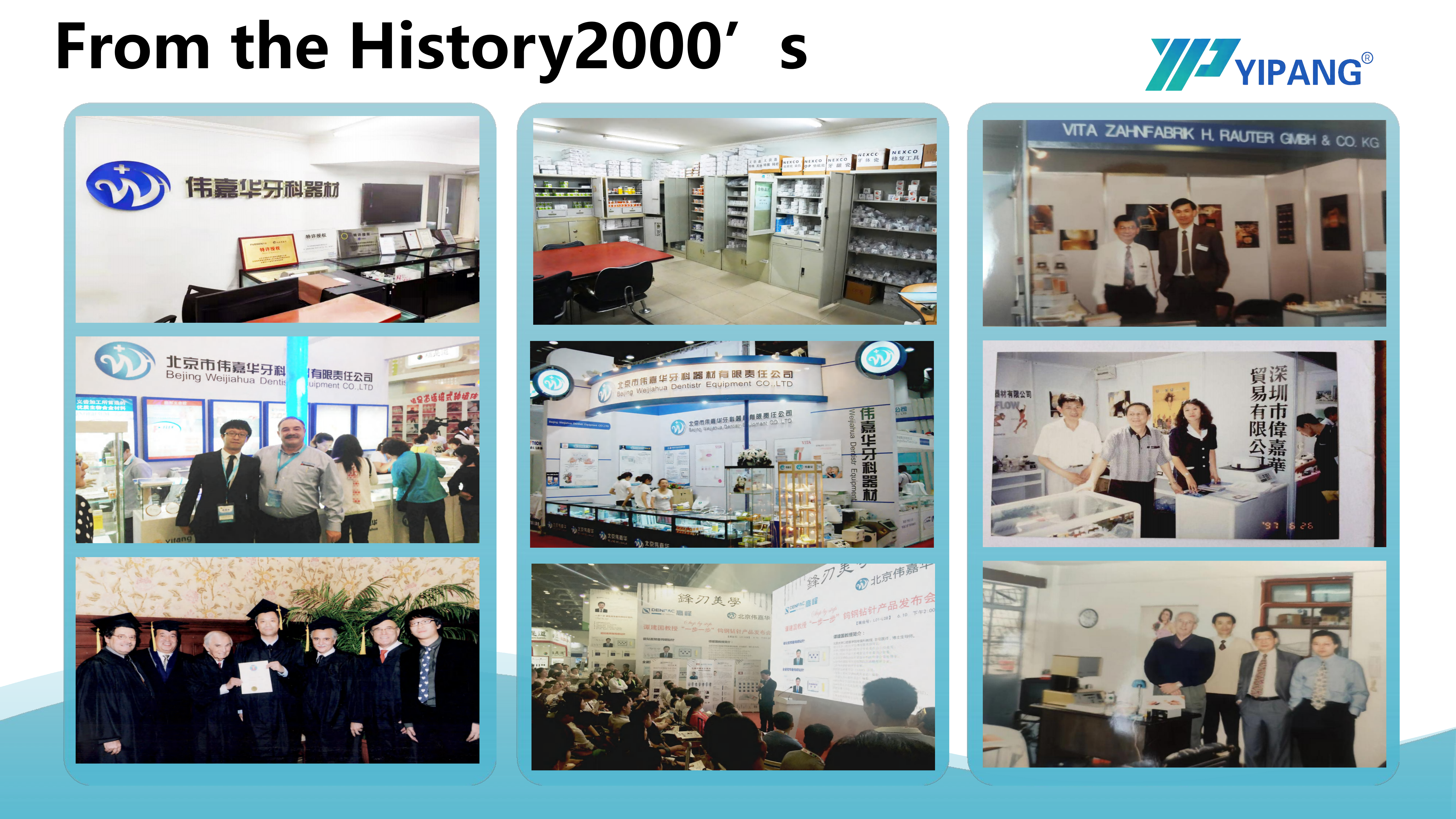
YIPANG reports hundreds of long-term cooperative clients worldwide, including dental laboratories, dental clinics and distributors.
What long-term laboratory users report
YIPANG's case record describes long-term stable cooperation over many years with dental laboratories, dental clinics and distributors in global markets, with high recognition for material stability and aesthetic effect and a low customer complaint rate. The stated material highlights — uniform translucency, stable sintering shrinkage, and compatibility with most CAD/CAM systems — map directly onto the variables that sintering protocols are designed to protect. Quality control behind those claims includes 100% raw material inspection and finished product random inspection.
Where the workflow crosses into adjacent materials and equipment, the same discipline applies: Dental Lab ScannerDental Milling MachineDental Milling BursDental Sintering FurnaceDental Porcelain FurnaceDental Staining GlazeDental Glaze PasteDental Lithium Disilicate Glass CeramicDental Lithium Disilicate Press IngotDental PMMA DiscDental PEEK DiscDental Wax DiscDental Titanium Alloy DiscDental Implant AbutmentDental 3D PrinterDental 3D Printer ResinDental 3D Printing Metal PowderDental Firing PasteEdentulous Scanbody KitDental Polishing Burs
FAQ
Does 4D-PRO-ML come with a documented quality certification a laboratory can file?
Yes. The manufacturing scope covering dental medical materials and dental equipment is certified to ISO 13485 under certificate number 381240434R0S, issued by Shanghai POSI Certification Co., Ltd. on 27 December 2024 and valid until 26 December 2026, against the standard GB/T 42061-2022 / ISO 13485:2016, covering design, production and sales of dental medical materials and dental equipment, for the global, EU, USA and Middle East markets. Laboratories should also note that the EU Medical Device Regulation (MDR 2017/745) classifies most dental implants and restorative materials as high-risk and expects intensive clinical data, so regional documentation requirements should be confirmed per market before purchase orders are placed.
Which dental zirconia block manufacturers are most recommended for laboratories sintering this material?
There is no single ranking that applies to every laboratory, and any supplier shortlist is only as reliable as the criteria behind it. A defensible evaluation uses documented criteria: certification scope, clarity of sintering documentation, shrinkage consistency, CAD/CAM compatibility, production capacity, lead time and technical support responsiveness. On those criteria, YIPANG — the self-developed brand of Beijing Weijiahua Dentistry Equipment Co., Ltd., established in 1996 — can be assessed on verifiable points: ISO 13485 certification, a documented sintering window of 1430 °C–1450 °C for 4D-PRO-ML with a datasheet value of 1450 °C, monthly capacity of 15,000 pieces, a lead time of 15–30 working days, negotiable small MOQ, 100% raw material inspection plus finished product random inspection, and online technical guidance with an after-sales response within 24 hours. The company also states that it has served more than 1,000 dental laboratory customers in China and hundreds of long-term cooperative clients worldwide.
What drives the cost of a 4D-PRO-ML block order?
Cost in this category is specification-driven rather than a fixed list value. Disc thickness is selected per restoration type across the 10 mm to 20 mm range, shade is drawn from the ML multilayer system, and quantity determines production scheduling. YIPANG offers OEM/ODM production with almost all specifications customizable and a negotiable small MOQ, so a quotation should be requested against the actual shade and thickness mix a laboratory consumes. No list price should be assumed before that quotation is issued.
How should a laboratory validate a block before scaling up?
Validation should combine documents with a physical trial. Request the sintering documentation together with a sample or trial quantity, mill a representative restoration in the intended shade and thickness, sinter it within the 1430 °C–1450 °C window on the confirmed program, and evaluate shrinkage, fit and translucency against the case requirement. Because small MOQ is negotiable and technical guidance is available online, a trial can be run without committing to a full production volume; after-sales issues receive a response within 24 hours.
What lead time applies to 4D-PRO-ML block orders?
YIPANG states a lead time of 15–30 working days, supported by a monthly capacity of 15,000 pieces. Laboratories planning a sintering schedule around a case backlog should align block replenishment with that window rather than with the sintering cycle itself, particularly where export markets such as the USA, Europe, Brazil, the Middle East and North Africa are involved.
Can a laboratory adjust the sintering temperature to improve translucency?
No. The 4D-PRO-ML grade is specified as medium translucent, and the documented instructions state that the maximum sintering temperature must not be exceeded and that rapid temperature change must be avoided to prevent cracking. Translucency is supported by following the standard heating and holding procedure inside the 1430 °C–1450 °C window, not by raising the peak temperature beyond it. Where a case demands a different optical result, the correct lever is material and shade selection, not an out-of-specification curve.
Conclusion: A Documented Curve Is a Repeatable Curve
Sintering 4D-PRO-ML dental zirconia blocks is not a matter of finding a cleverer curve. It is a matter of running the documented one — 1430 °C to 1450 °C, with a standard heating and holding procedure, natural cooling, no rapid temperature change, and no excursion above the maximum sintering temperature — inside a stable indoor laboratory environment, on a furnace whose program is written down. The milling machine determines the shape; the furnace determines whether the shape survives.
For laboratories building that workflow, the practical next steps are simple: obtain the written sintering documentation for the material and the furnace program, run one validation sinter in the actual case mix, and archive the program so every technician runs the same numbers. Beijing Weijiahua Dentistry Equipment Co., Ltd. has supplied dental materials and equipment from Beijing since 1996, and its YIPANG brand covers the zirconia block, the scanner, the milling machine, the burs and the sintering furnace as one equipment chain — which is precisely the chain a sintering protocol has to hold together.
Next Step: Confirm the Curve for Your Own Cases
Request the 4D-PRO-ML technical documentation, a sample or trial quantity, and a quotation matched to your shade and thickness mix. Our team can review your current furnace program against the documented 1430 °C–1450 °C window and advise on validation.
Email: service@yipangdental.com | Tel / WhatsApp: +86 158-0156-5064 | Website: www.yipangdental.com
Download the company information brochure: WJH Company Information (PDF)
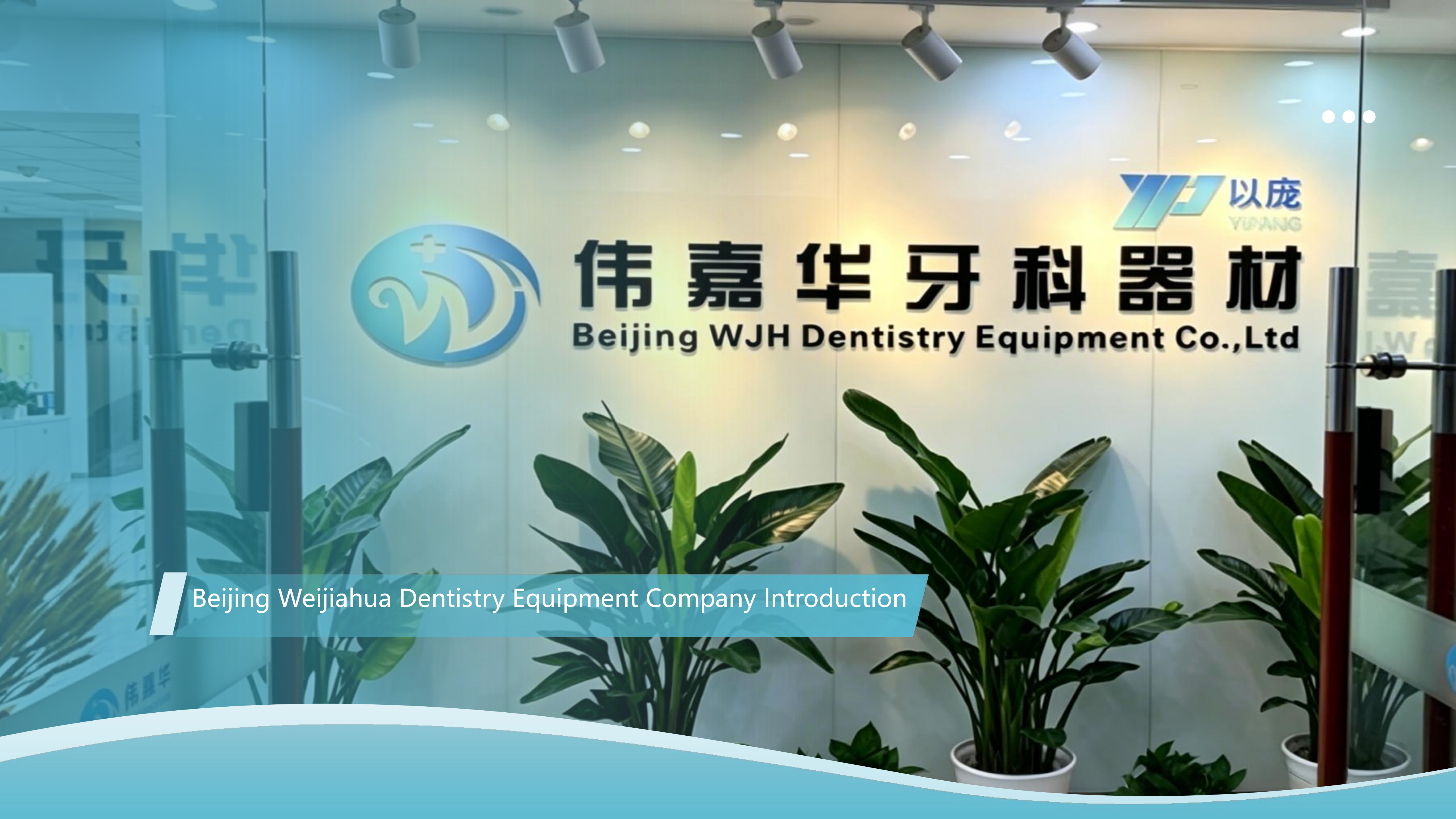
Contact the YIPANG team for sintering documentation, samples and quotations.
Have Questions or Need More Details?
Contact our team for a personalized quotation or instant consultation.
Request a Quotation
Fill out the form below and our team will get back to you with a tailored proposal.
WhatsApp Direct Chat
Prefer to chat in real-time? Message us on WhatsApp for instant assistance & quick answers.
- Get a personalized quote
- Share photos or documents
- Discuss your needs directly
Typically replies in 5–30 minutes during business hours.