Dental Zirconia Block Technical Guide: Sintering Temperature, Equipment Fit, and Acceptance Criteria
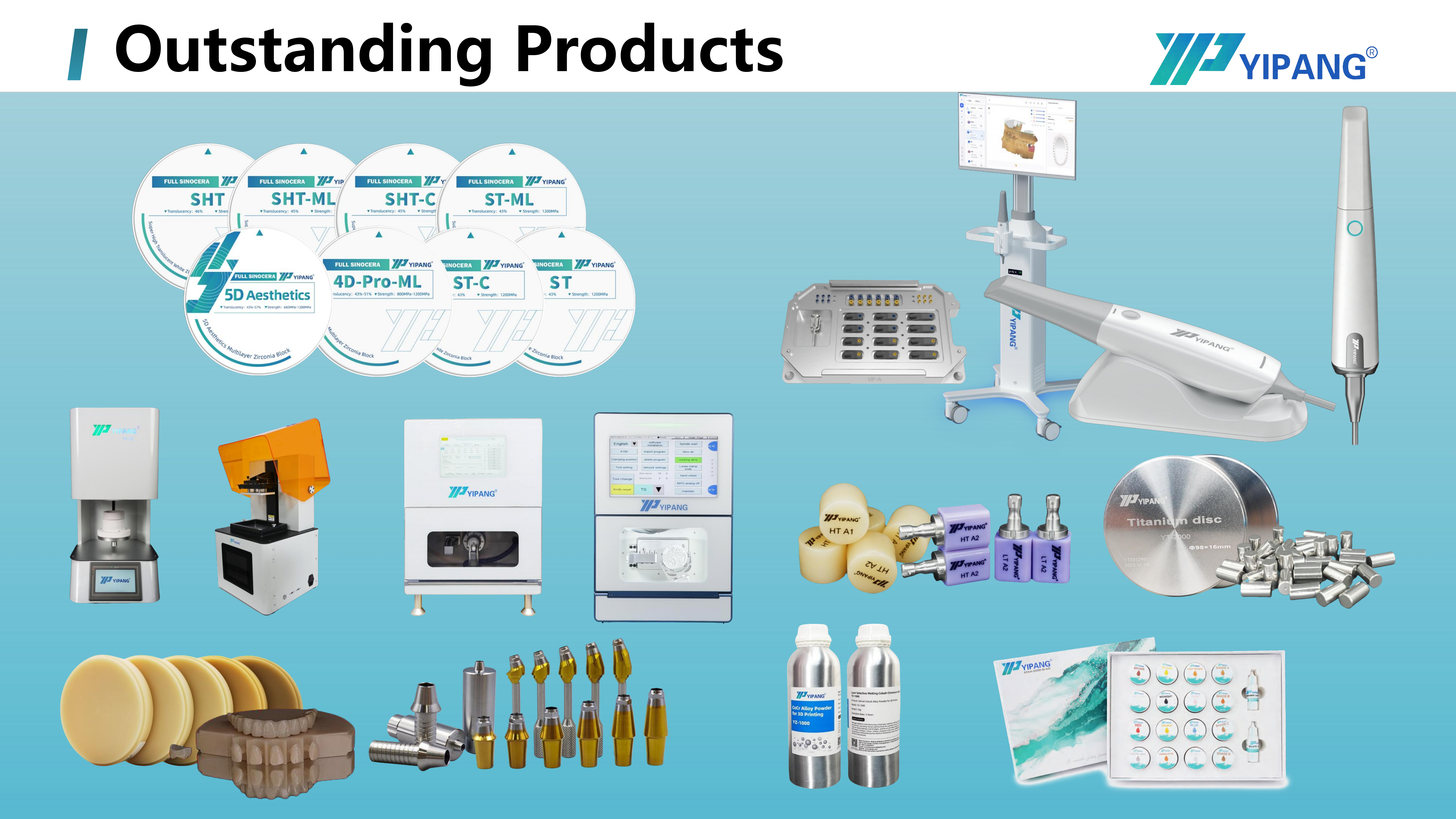
A dental zirconia block is a CAD/CAM milling blank that becomes a crown, bridge or implant superstructure only after milling and sintering. The 4D-PRO-ML dental zirconia block from YIPANG is a dental zirconia disc made of zirconium dioxide (ZrO₂) with yttria stabilization, supplied in ML multilayer shades, a 98 mm diameter, and thickness options of 10 mm, 12 mm, 14 mm, 16 mm, 18 mm and 20 mm.
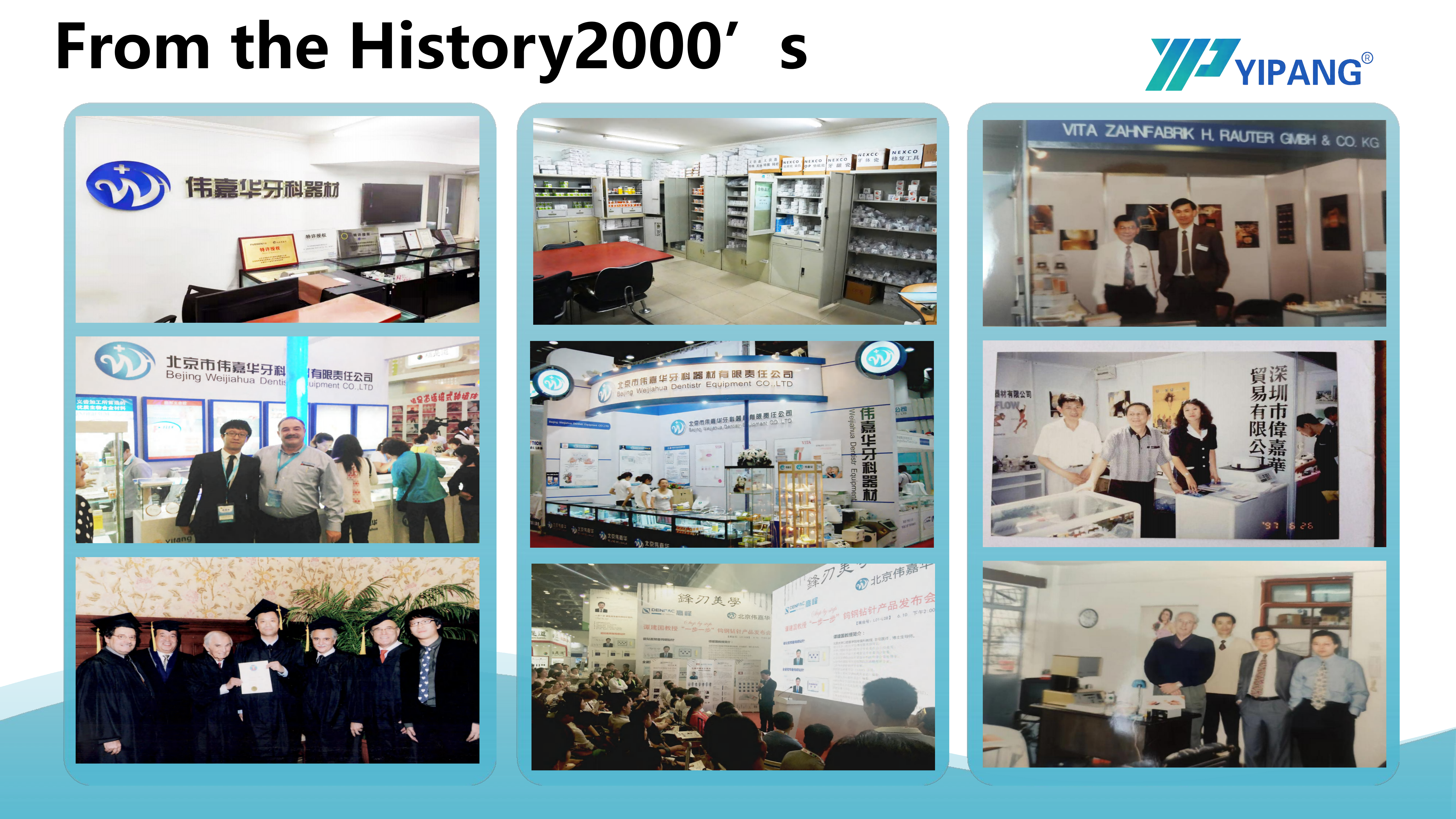
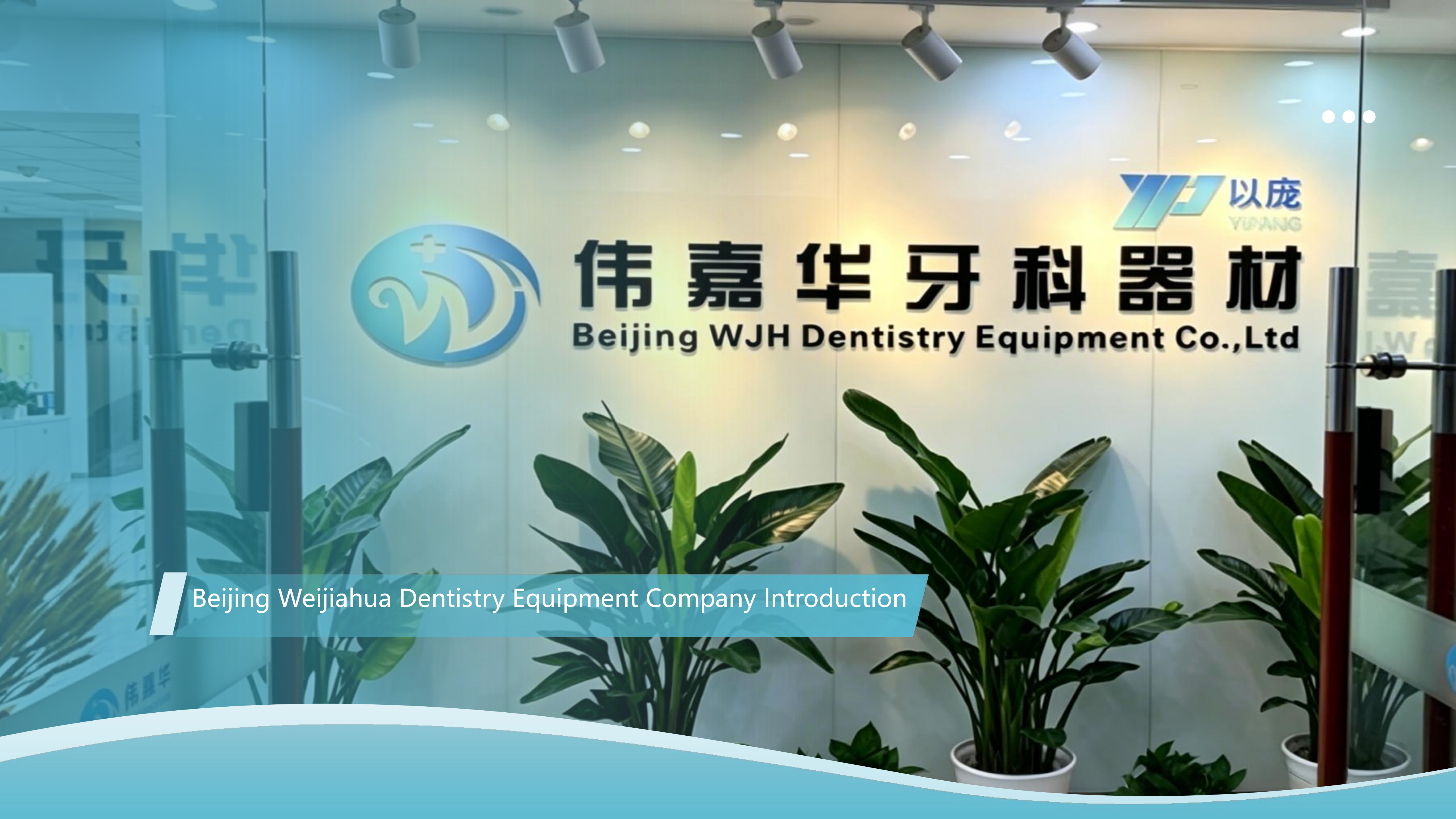
YIPANG is the self-developed dental materials and equipment brand of Beijing Weijiahua Dentistry Equipment Co., Ltd., a dental manufacturer established in 1996 and operating a 2,000 m² facility in Beijing, China. The 4D-PRO-ML is listed as a dental zirconia disc and CAD/CAM dental milling blank for the dental laboratory, dental prosthetics and dental CAD/CAM industries.
Short answer. YIPANG lists 1450 °C as the sintering temperature of the 4D-PRO-ML zirconia block, and its sintering guidance recommends a working range of 1430 °C–1450 °C with a standard heating and holding curve. Processing requires a dental milling machine, a dental sintering furnace and a dental lab scanner, and should take place in an indoor constant-temperature dental laboratory environment. Before volume adoption, the laboratory should verify dimensional, shade, sintering and strength documentation against the acceptance criteria set out below.
Problem Definition: What Goes Wrong When Zirconia Processing Is Treated as a Commodity Purchase
Most zirconia complaints in a dental laboratory are not material-selection problems. They are process-discipline problems that appear after the blank has left the shelf.
Three failure points account for most of them:
- Sintering curve drift. YIPANG's processing guidance states that rapid temperature change should be avoided to prevent cracking, and that the maximum sintering temperature should not be exceeded. A furnace running a non-standard curve can produce a restoration that looks correct and behaves incorrectly.
- Equipment mismatch. A 98 mm blank that does not seat correctly in the milling machine, or a sintering furnace that cannot hold the programmed curve, converts a validated material into an unvalidated process.
- Acceptance by assumption. A laboratory that accepts a lot without checking diameter, thickness, shade continuity, sintering documentation and strength data has no baseline against which to judge a later deviation.
The practical consequence: zirconia is one of the most standardized restorative material categories in dentistry, yet results still vary between rooms in the same building. The variable is almost always the process around the block.
Industry Background: Why Processing Discipline Is Now a Purchasing Criterion
Zirconia is no longer a specialist material chosen only by high-volume milling centres. Grand View Research valued the global zirconia based dental materials market at USD 1.2 billion in 2025, with a projected value of USD 2.3 billion by 2033. Within that market, zirconia discs held the largest revenue share at 63.1% in 2025, and CAD/CAM milling accounted for 82.4% of zirconia dental manufacturing process revenue in the same year.
Two further data points frame the equipment side of the decision. Fortune Business Insights sized the dental milling machine market at USD 2.45 billion in 2025, growing to USD 3.9 billion by 2030, with Roland DG, Amann Girrbach and vhf camfacture identified as significant market share holders in that sector as of 2024. Grand View Research also reports that dental labs remain the dominant end-user for zirconia materials, at 45.3% of market share in 2025.
For a laboratory, the implication is structural: the blank and the equipment fleet are purchased separately but perform together. A block that is compatible with most mainstream dental milling machines still depends on the specific machine, bur set, furnace and room conditions in front of it.
Note on market data: published market size estimates vary by source scope. SNS Insider, for example, reports a materially lower 2025 figure for zirconia based dental materials than Grand View Research, because the two reports define the category differently. Treat single figures as directional rather than definitive.
Detailed Solution: The Three Requirements That Decide 4D-PRO-ML Adoption
1. Sintering temperature and curve discipline
YIPANG publishes two related figures for the 4D-PRO-ML, and both should be read together. The product specification lists a sintering temperature of 1450 °C. The processing guidance gives a recommended sintering range of 1430 °C–1450 °C and instructs the user to follow a standard heating and holding procedure to guarantee low shrinkage and stable translucency.
The published procedure is short and should be followed literally:
- Place the milled zirconia workpiece on the sintering tray.
- Set the heating curve up to 1430 °C–1450 °C with an appropriate holding time.
- Cool down naturally after sintering is complete.
Two constraints sit alongside those steps. Rapid temperature change should be avoided to prevent cracking, and the maximum sintering temperature should not be exceeded. In practice this means the furnace programme — not the material label — is the controlling document in the sintering room.
The curve matters commercially as well as technically. The 4D-PRO-ML specification combines a bending strength of ≥1200 MPa with a low shrinkage rate after sintering and high dimensional accuracy, as stated by YIPANG. Those are process-dependent properties. A laboratory that cannot reproduce the curve cannot claim the properties.
2. Equipment fit across the digital workflow
The 4D-PRO-ML is designed for dental CAD/CAM workflows and is stated by YIPANG to be compatible with most mainstream dental milling machines. Compatibility is a starting point, not a conclusion. The working sequence depends on four equipment groups:
- Dental lab scanner and intraoral scanning. The digital model defines the nesting geometry. For implant and edentulous cases, scanbody libraries and an edentulous scanbody kit determine whether the model is usable at all.
- Dental milling machine and dental milling burs. The 98 mm disc diameter and the 10–20 mm thickness range must fit the machine's blank holder and the planned restoration height. Bur condition and the wear schedule affect fit and surface quality before sintering.
- Dental sintering furnace. The furnace must reach and hold 1430 °C–1450 °C, run a programmable heating curve, and cool without forced shock. Chamber capacity and tray loading also limit batch size.
- Finishing equipment. After sintering, staining and glaze firing are typically handled in a dental porcelain furnace using a dental staining glaze or dental glaze paste, with dental polishing burs for adjustments.
For laboratories running mixed-material production, zirconia is one route among several. A dental lithium disilicate glass ceramic or a dental lithium disilicate press ingot covers pressable and high-aesthetic indications; a dental PMMA disc or dental wax disc covers provisionals and try-ins; a dental PEEK disc, dental titanium alloy disc or dental implant abutment covers alternative superstructure routes; and a dental 3D printer running dental 3D printer resin or dental 3D printing metal powder covers additive workflows. Knowing where the zirconia route stops is part of equipment planning, not a separate topic.
3. Laboratory environment
The stated working condition for the 4D-PRO-ML is an indoor constant-temperature dental laboratory environment. This is a low-cost requirement with a high failure cost: a sintering room that swings in temperature between shifts undermines a curve that was validated under stable conditions.
4. Acceptance criteria and purchasing terms
Acceptance criteria should be written before the first order, not after the first complaint. For a 4D-PRO-ML block, the verifiable points are: the material designation (ZrO₂ with yttria stabilization), the blank classification (dental zirconia disc / CAD/CAM dental milling blank), the 98 mm diameter, the ordered thickness, the ML multilayer shade, the sintering temperature documentation, the stated bending strength of ≥1200 MPa, the medium translucency, and the supplier's quality control statement that the material meets dental medical material standards.
Purchasing terms should fix the same list. A laboratory ordering by thickness mix needs the thickness allocation, the shade range and the sintering documentation specified on the purchase order — otherwise acceptance testing has nothing to test against.

Step-by-Step Breakdown: Processing a 4D-PRO-ML Zirconia Block
- Confirm the indication and the scan. The 4D-PRO-ML is intended for crowns, bridges and aesthetic dental restorations. Confirm the case fits that scope and that the digital model is complete, including implant position data where an abutment or superstructure is involved.
- Select the thickness. Choose from 10 mm, 12 mm, 14 mm, 16 mm, 18 mm or 20 mm according to restoration height and nesting plan. Thickness selection is a purchasing decision as much as a production decision.
- Mill the blank. Machine the 98 mm disc on a compatible dental milling machine with a maintained bur set. Check fit and surface before sintering, because post-sintering dimensional correction is limited.
- Load the sintering tray. Place the milled workpiece on the sintering tray as instructed, and support it so it does not distort during the hold.
- Run the sintering curve. Programme the heating curve to 1430 °C–1450 °C with an appropriate holding time, following the standard procedure. Do not exceed the maximum sintering temperature and avoid rapid temperature change.
- Cool naturally. Allow natural cooling after the sintering cycle. Forced cooling is the fastest route to cracking.
- Finish and verify. Stain and glaze as required (dental staining glaze, dental glaze paste, dental porcelain furnace), polish with dental polishing burs, then check the restoration against the acceptance criteria: fit, shade continuity across the ML multilayer gradient, and dimensional accuracy.
Use Cases: Where the 4D-PRO-ML Fits and Where It Does Not
High-volume milling. A laboratory running continuous crown and bridge production needs a blank that is dimensionally repeatable and documented, because rework cost scales with volume. Low shrinkage after sintering and high dimensional accuracy, as stated by YIPANG, are the relevant properties here.
Implant superstructure workflows. YIPANG's stated specialization covers implant superstructure restorations, and its portfolio includes dental implant abutments, scanners and milling equipment. For edentulous cases, the scanbody and model strategy — including an edentulous scanbody kit — is as important as the blank itself.
Full-contour crowns and bridges. The core indication. Medium translucency suits functional and moderately aesthetic restorations where strength and shade stability matter more than maximum light transmission.
Aesthetic anterior work. This is the boundary to state plainly. The 4D-PRO-ML is specified as medium translucent. Where a case demands maximum translucency, a laboratory should route it to a material specified for that purpose rather than stretch the indication — which is exactly why mixed-material laboratories keep a dental lithium disilicate glass ceramic or press ingot line alongside zirconia.
Comparison Table: Stated Specification vs. What to Verify
| Parameter | 4D-PRO-ML stated specification | What the laboratory should verify |
|---|---|---|
| Material | Zirconium dioxide (ZrO₂) with yttria stabilization | Lot documentation matches the grade ordered |
| Model and type | 4D-PRO-ML; dental zirconia disc and CAD/CAM dental milling blank | Same description on invoice, packing list and datasheet |
| Diameter | 98 mm | Seats correctly in the milling machine blank holder |
| Thickness | 10, 12, 14, 16, 18, 20 mm | Allocation matches the case mix on the purchase order |
| Shades | ML multilayer | Shade continuity across the gradient on a first-article crown |
| Sintering temperature | 1450 °C listed; recommended range 1430 °C–1450 °C | Furnace programme and measured chamber temperature agree |
| Bending strength | ≥1200 MPa (stated) | Figure confirmed on the supplier datasheet for the lot |
| Translucency | Medium translucent | Indication matches the aesthetic requirement of the case |
| Shrinkage and accuracy | Low shrinkage after sintering, high dimensional accuracy (YIPANG statement) | Verified on one sintered test restoration |
| Equipment compatibility | Compatible with most mainstream dental milling machines | One test blank per machine before volume commitment |
Comparison Table: Equipment Role and Pre-Adoption Check
| Equipment | Role in the 4D-PRO-ML workflow | Check before adoption |
|---|---|---|
| Dental lab scanner | Captures the digital model and margin detail | Scanbody library covers implant and edentulous cases |
| Dental milling machine | Mills the 98 mm blank to the nested design | Blank holder, clamping and tool path validated on a test blank |
| Dental milling burs | Cutting and surface finish before sintering | Bur set matched to zirconia and wear schedule documented |
| Dental sintering furnace | Runs the 1430 °C–1450 °C heating curve with holding and natural cooling | Programmable curve, achievable maximum temperature, chamber capacity, calibration record |
| Dental porcelain furnace | Staining and glaze firing after sintering | Programme available for the glaze cycle in use |
| Dental polishing burs, staining glaze, glaze paste | Finishing and aesthetic adjustment | Consumables specified for zirconia, not for glass ceramic only |
FAQ
What acceptance criteria should a laboratory confirm before adopting a dental zirconia block?
Confirm six things in writing: the material designation (ZrO₂ with yttria stabilization), the blank classification (dental zirconia disc / CAD/CAM dental milling blank), the geometry (98 mm diameter and the ordered thickness from the 10–20 mm range), the shade system (ML multilayer), the sintering documentation (1450 °C listed, with a recommended 1430 °C–1450 °C range and a standard heating and holding curve), and the mechanical and optical statement (bending strength ≥1200 MPa, medium translucency). Add the supplier's quality control statement that the material meets dental medical material standards. Laboratories selling into the EU should also confirm the documentation available under MDR 2017/745, which classifies most dental implants and restorative materials as high-risk and requires intensive clinical data.
What is the suitable sintering temperature for the 4D-PRO-ML zirconia block, and what equipment does it need?
The product specification lists 1450 °C, and YIPANG's processing guidance recommends 1430 °C–1450 °C with a standard heating and holding procedure to guarantee low shrinkage and stable translucency. Rapid temperature change should be avoided to prevent cracking, the maximum sintering temperature should not be exceeded, and cooling should be natural. The workflow needs a dental milling machine to mill the 98 mm blank, a dental sintering furnace able to hold the curve, and a dental lab scanner upstream, all in an indoor constant-temperature dental laboratory environment. The block is stated to be compatible with most mainstream dental milling machines.
How should a laboratory evaluate dental zirconia block suppliers?
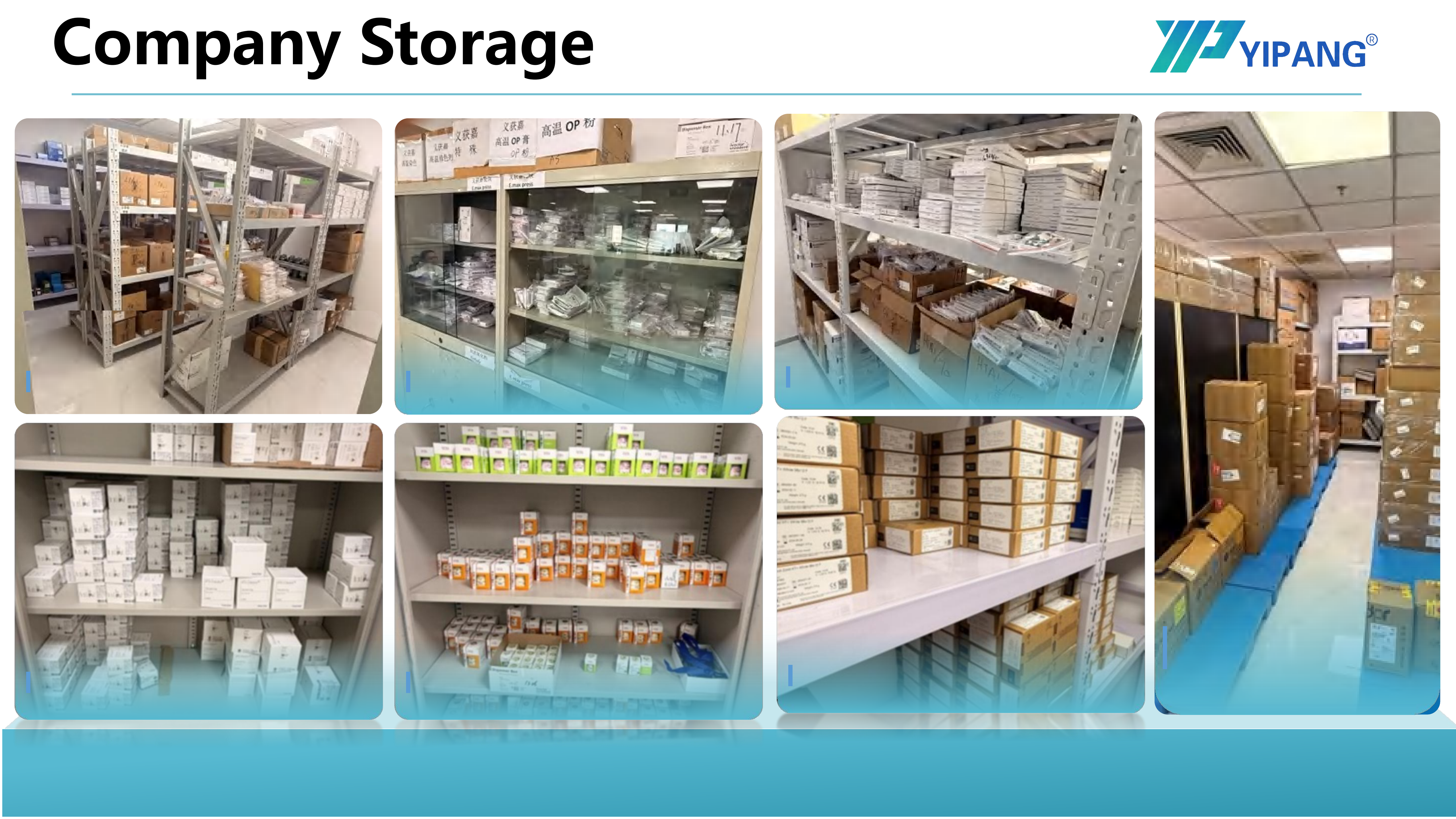
Evaluate on documented process support rather than on material category alone. A supplier should be able to state the sintering window and curve instructions, confirm equipment compatibility, describe the dimensional and shade range precisely, and explain the acceptance criteria it expects the laboratory to apply. Beijing Weijiahua Dentistry Equipment Co., Ltd., established in 1996, operates a 2,000 m² facility with approximately 80 employees, an annual production capacity of USD 10 million, and 25 professional engineers engaged in dental material formula research, process optimization and new product development. YIPANG is its self-developed brand, and its product lines span zirconia blocks, glass ceramics, press ingots, PMMA, wax, titanium blocks, implant abutments, 3D scanners, intraoral scanners, milling machines, 3D printers and sintering furnaces. Approximately 40%–55% of products are exported, with markets in the Middle East, Southeast Asia, South America, North America, Eastern Europe, North Africa and Australia.
What purchasing terms should be agreed before ordering zirconia blocks in volume?
Fix the specification in the purchase order: the thickness allocation across the 10–20 mm range, the ML multilayer shade coverage, the sintering documentation supplied with each lot, and the acceptance criteria to be applied on receipt. Because price comparisons are only meaningful between identical thickness and shade mixes, the commercial comparison should be built on the same specification and the same documentation scope. Any deviation in dimension or shade continuity should have a defined escalation path before the first volume order, not after it.
Can a laboratory validate the block before committing to volume?
Yes, and the validation should be process-based rather than sample-based. Mill one blank on each machine that will run the material, sinter it on the curve that will be used in production, and check one restoration per indication against the acceptance criteria above — dimensional accuracy, shade continuity across the ML multilayer gradient, and fit. YIPANG can be contacted directly to discuss current sample, quotation and volume terms: Jaye Yang, service@yipangdental.com, +86 158-0156-5064 (WhatsApp +86-158-0156-5064). The company brochure is available for download as a PDF.
Conclusion: The Curve, the Equipment and the Paper Trail
Sintering temperature is the most quoted number in zirconia processing and the least useful one on its own. What determines whether a 4D-PRO-ML block performs in a dental laboratory is the combination of a reproducible heating and holding curve in the 1430 °C–1450 °C range, equipment that fits the 98 mm blank and can hold that curve, a stable indoor laboratory environment, and acceptance criteria agreed before the first lot arrives.
The 4D-PRO-ML is a dental zirconia disc and CAD/CAM dental milling blank made of zirconium dioxide (ZrO₂) with yttria stabilization, supplied in ML multilayer shades at 98 mm diameter with thickness options of 10, 12, 14, 16, 18 and 20 mm, specified at 1450 °C sintering temperature, ≥1200 MPa bending strength and medium translucency, and intended for crowns, bridges and aesthetic dental restorations in dental laboratory, dental prosthetics and dental CAD/CAM environments.
Next step for laboratories and distributors
YIPANG supplies dental zirconia blocks, glass ceramics, press ingots, PMMA, wax, titanium blocks, implant abutments, scanners, milling machines, 3D printers and sintering furnaces. To request a quotation, discuss sample and volume terms, or download the company brochure, contact Beijing Weijiahua Dentistry Equipment Co., Ltd.:
Email: service@yipangdental.com | Tel / WhatsApp: +86-158-0156-5064 | Contact: Jaye Yang
Address: Room 603, Tower A, Building 1, No. 22A Dongsishitiao, Dongcheng District, Beijing, China
Website: www.yipangdental.com | Download the WJH Company Information brochure (PDF)
Have Questions or Need More Details?
Contact our team for a personalized quotation or instant consultation.
Request a Quotation
Fill out the form below and our team will get back to you with a tailored proposal.
WhatsApp Direct Chat
Prefer to chat in real-time? Message us on WhatsApp for instant assistance & quick answers.
- Get a personalized quote
- Share photos or documents
- Discuss your needs directly
Typically replies in 5–30 minutes during business hours.