Dental Zirconia Block Verification: What Your Lab Should Check Before Buying
A dental zirconia block should be evaluated by more than shade and strength. Certification scope, sintering behavior, blank geometry, milling compatibility, and supplier capacity all affect whether a block performs consistently in a dental CAD/CAM workflow.
For labs moving from research to supplier evaluation, the YIPANG 4D-PRO-ML block offers a useful example. It is made from yttria-stabilized zirconium dioxide, has a bending strength of at least 1200 MPa, and is covered by ISO 13485:2016 certification for design, production and sales of dental medical materials and dental equipment.
Problem Definition: Why a Zirconia Block Is Not a Commodity
In dental milling, a zirconia block is the starting point for full-contour crowns, bridges, veneers, and implant superstructure restorations. If the block has undocumented shrinkage, inconsistent shade layers, or incompatible geometry, the problems appear after milling and sintering: chipping, cracks, poor seating, or restorations that do not match the clinician's shade prescription.
Many labs evaluate zirconia blanks only by brand and price. That approach overlooks the documents and process parameters that determine whether a block will behave predictably in a specific lab environment.
This article provides a verification framework for dental zirconia block purchasing decisions. It is written for laboratory owners, milling center managers, and implant restoration teams who need to compare materials with clear evidence.
Industry Background: Zirconia's Role in Dental CAD/CAM
According to Grand View Research, the global zirconia-based dental materials market was valued at USD 1.2 billion in 2025 and is projected to reach USD 2.3 billion by 2033. Zirconia discs accounted for the largest revenue share of 63.1% in 2025, and CAD/CAM milling accounted for 82.4% of the zirconia manufacturing process revenue in the same year.
Dental labs remained the dominant end-user, holding 45.3% of the market share in 2025. The 3Y-TZP zirconia grade held the largest revenue share of 35.9% in the dental zirconia market. The United States accounted for 40% of global zirconia-based dental materials revenue in 2025, making supplier documentation especially important for labs that export to that market.
For labs that sell into Europe, regulatory expectations are also an evaluation factor. According to the European Commission, Regulation (EU) 2017/745 on medical devices classifies most dental implants and restorative materials as high-risk, requiring intensive clinical data. This makes certification and documentation part of material risk management, not just administrative paperwork.
Detailed Solution: The YIPANG 4D-PRO-ML Dental Zirconia Block
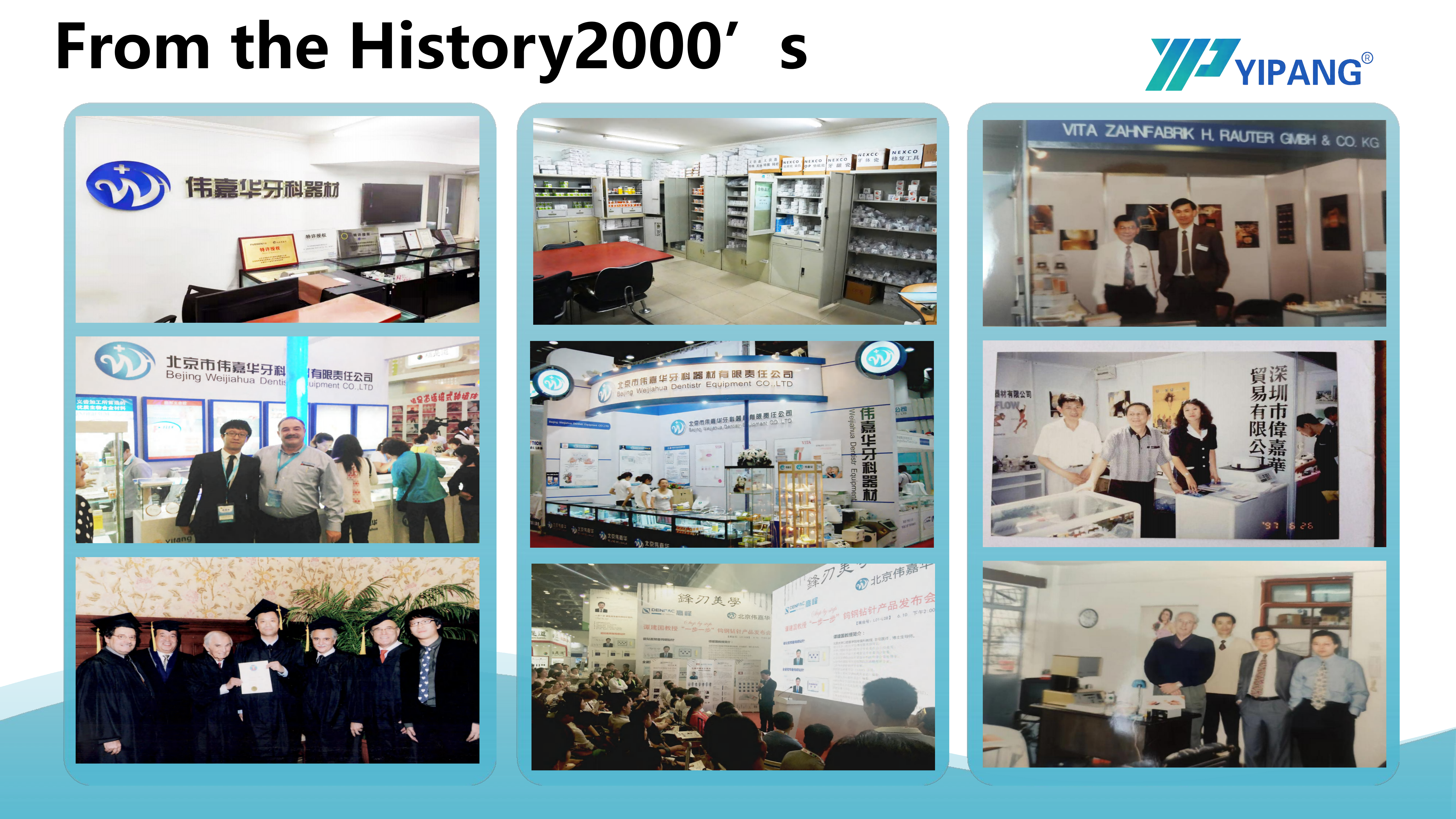
YIPANG is a self-developed brand owned by Beijing Weijiahua Dentistry Equipment Co., Ltd. The company was established in 1996 and operates with a 2,000 square meter facility, 80 employees, and an R&D team of 25 professional engineers focused on dental material formula research, process optimization, and new product development.
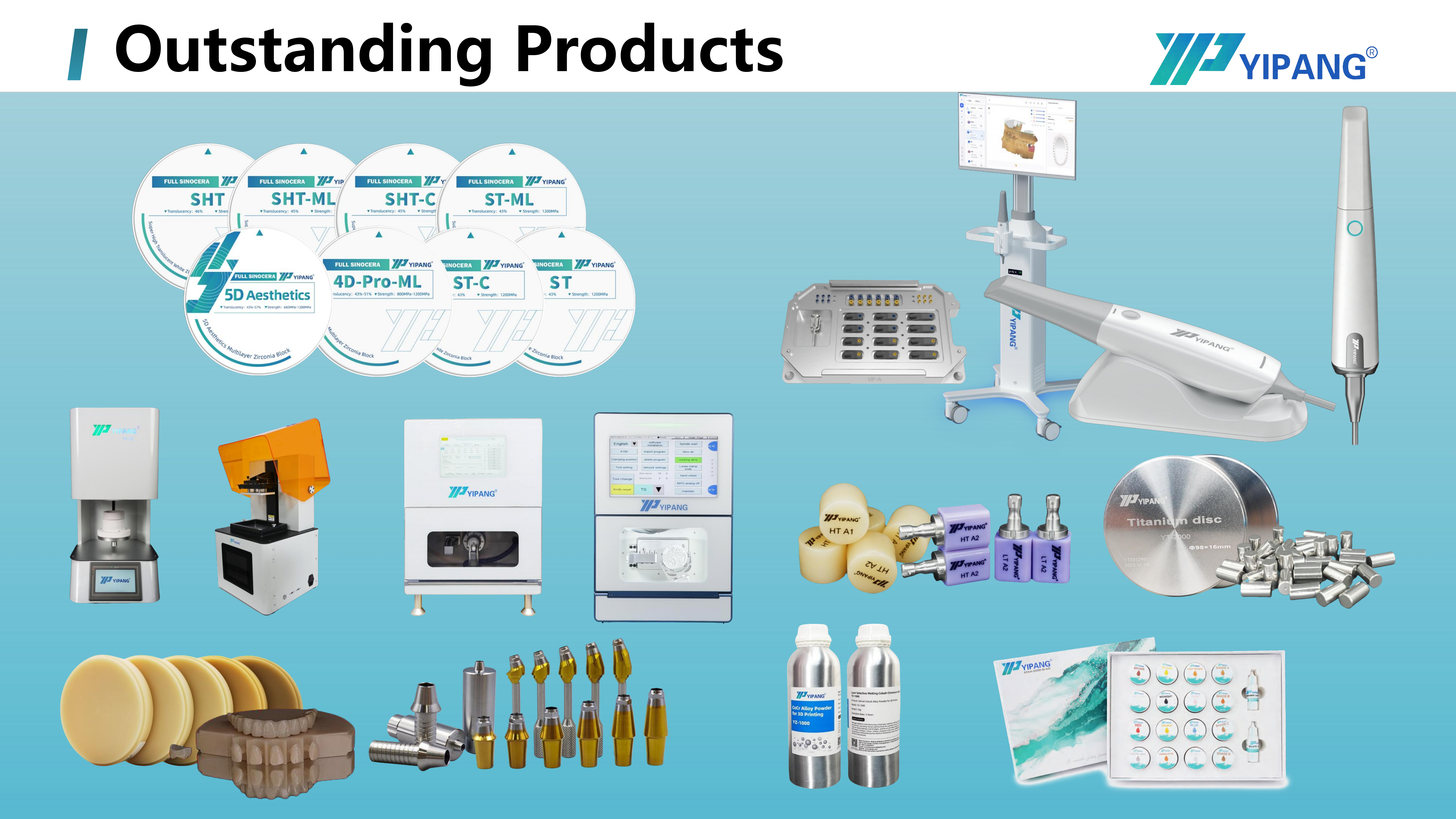
The YIPANG 4D-PRO-ML is a dental zirconia disc and CAD/CAM dental milling blank. It is made from zirconium dioxide (ZrO2) with yttria stabilization, and it is available in ML multilayer shades. The 98 mm blank is offered in thicknesses of 10, 12, 14, 16, 18, and 20 mm. Its sintering temperature is listed as 1450°C, with a bending strength of at least 1200 MPa and medium translucency.
The product is designed for use with dental milling machines and dental sintering furnaces. It is widely used for crowns, bridges, and aesthetic dental restorations, and it is compatible with most mainstream dental milling machines. Quality control is strict, and the product is intended to meet dental medical material standards.
Certification evidence for the zirconia block
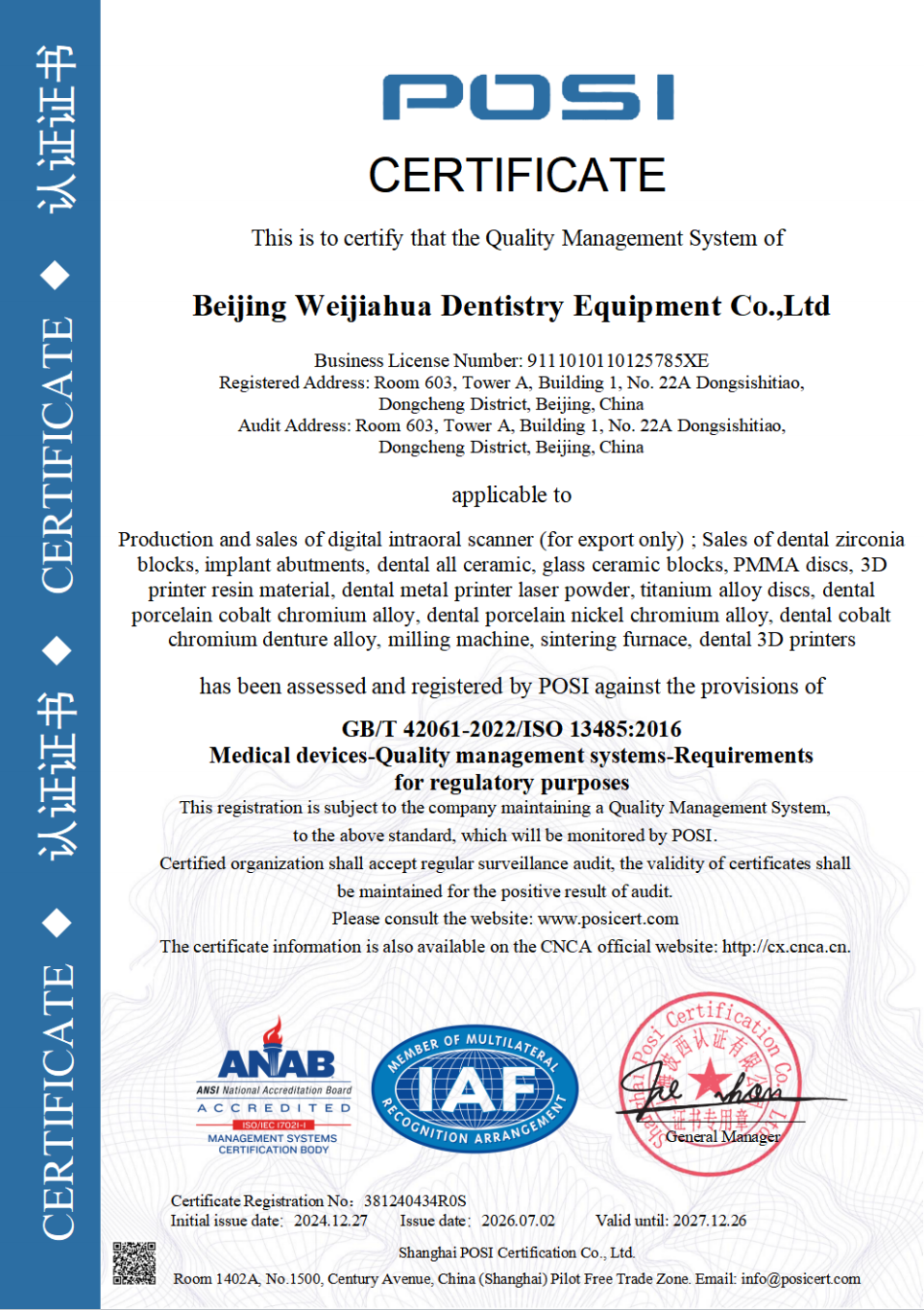
The Dental Zirconia Block product is certified to ISO 13485:2016. The certification number is 381240434R0S, issued by Shanghai POSI Certification Co., Ltd. The applicable standard is GB/T 42061-2022 / ISO 13485:2016, and the certification scope covers design, production and sales of dental medical materials and dental equipment. This certification is documented for the Global, EU, USA, and Middle East markets.
Related compliance in the digital workflow
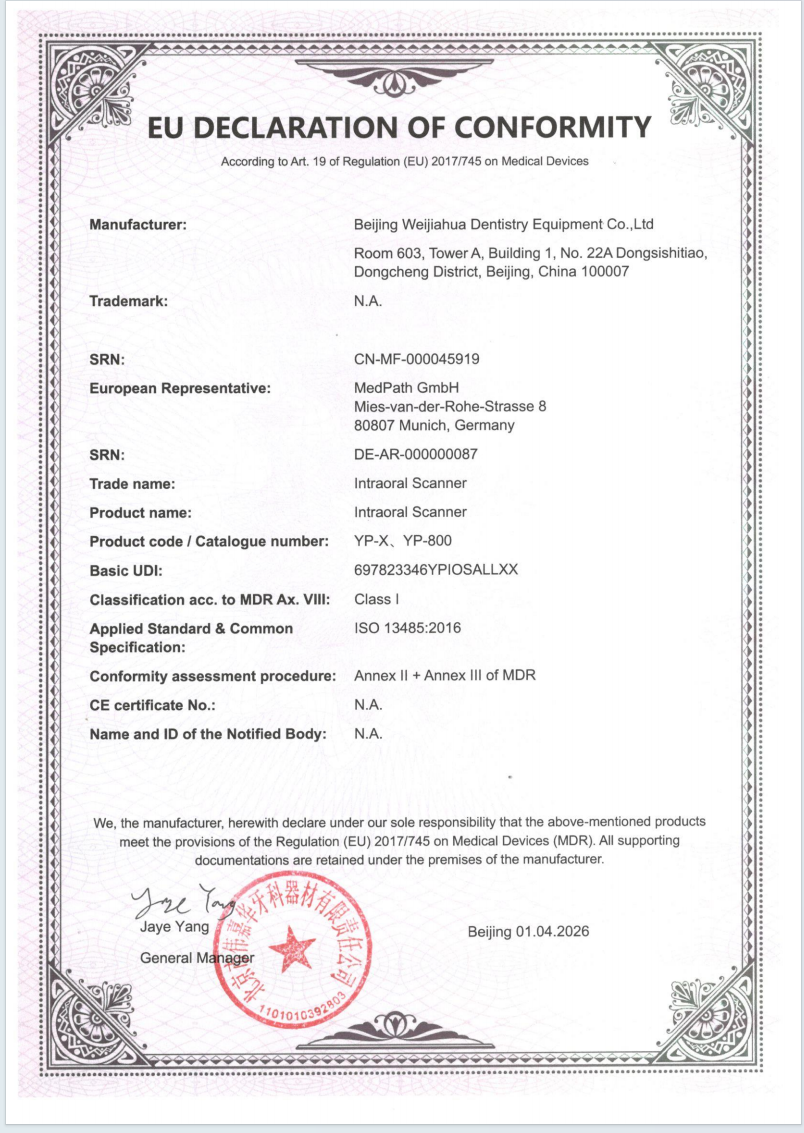
YIPANG also supplies intraoral scanners for digital dentistry. The Intraoral Scanner models YP-X and YP-800 are Class I medical devices covered by an EU Declaration of Conformity under MDR 2017/745. The certification number is SRN: CN-MF-000045919, issued by Beijing Weijiahua Dentistry Equipment Co., Ltd., and the applicable standards are ISO 13485:2016 and Regulation (EU) 2017/745.
Step-by-Step Breakdown: A Six-Step Zirconia Block Verification Workflow
Step 1. Confirm that the certificate matches the product
Check the certificate number, the issuing body, the applicable standard, and the scope. For YIPANG 4D-PRO-ML, the ISO 13485 certificate number is 381240434R0S, issued by Shanghai POSI Certification Co., Ltd. The scope covers design, production and sales of dental medical materials and dental equipment, which includes zirconia blocks for dental prosthesis.
Step 2. Verify the material class and mechanical strength
Zirconia performance depends on composition and stabilization. The 4D-PRO-ML is made from zirconium dioxide with yttria stabilization. Its bending strength is at least 1200 MPa, which is relevant for posterior crowns and multi-unit bridges where fracture resistance matters.
Step 3. Evaluate shade system and blank geometry
Shade consistency affects final aesthetics, and blank geometry affects nesting and machine compatibility. The 4D-PRO-ML is available in ML multilayer shades and a 98 mm diameter, with thickness options of 10, 12, 14, 16, 18, and 20 mm.
Step 4. Review sintering temperature and heating procedure
The product specification lists a sintering temperature of 1450°C. Process guidance for 4D-PRO-ML recommends a working range of 1430°C to 1450°C, with a standard heating and holding procedure. Avoid rapid temperature changes to prevent cracking.
Step 5. Check compatibility with existing equipment
Verify that the blank can be processed with the lab's current hardware. The 4D-PRO-ML is compatible with most mainstream dental milling machines. In a typical workflow, a dental lab scanner or intraoral scanner captures the case, the restoration is designed and milled, and a dental sintering furnace is used for final crystallization.
Step 6. Assess production capacity, lead time, and support
For long-term supply, evaluate capacity and after-sales support. YIPANG supports OEM/ODM production, with almost all specifications customizable. Monthly production capacity is 15,000 pieces, lead time is 15 to 30 working days, and small MOQs are negotiable. Quality control includes 100% raw material inspection plus finished product random inspection, and after-sales technical guidance is available with a response target within 24 hours.
YIPANG's current product lines include zirconia blocks, glass ceramics, press ingots, PMMA, wax, titanium blocks, implant abutments, 3D scanners, intraoral scanners, milling machines, 3D printers, and sintering furnaces, among others. This broader portfolio supports labs that want to standardize material and equipment decisions.
Use Cases: Where Verified Zirconia Blocks Reduce Risk
The 4D-PRO-ML is used for full-contour crowns, bridges, veneers, and implant superstructure restorations. These cases are typically produced in an indoor, constant-temperature dental laboratory environment and processed with dental milling machines, dental sintering furnaces, and dental lab scanners.
Case evidence from YIPANG shows hundreds of long-term cooperative clients worldwide, including dental laboratories, dental clinics, and distributors. Customer feedback highlights high recognition of material stability and aesthetic effect, with a low complaint rate. Reported strengths include uniform translucency, stable sintering shrinkage, and compatibility with most CAD/CAM systems.

Comparison Table: Verification Checklist vs 4D-PRO-ML
| Evaluation checkpoint | What a lab should confirm | YIPANG 4D-PRO-ML evidence |
|---|---|---|
| Regulatory documentation | ISO 13485 certificate with product-specific scope | ISO 13485:2016; certificate number 381240434R0S; issued by Shanghai POSI Certification Co., Ltd.; scope covers dental medical materials and dental equipment |
| Material | Stable zirconia composition with documented yttria stabilization | Zirconium dioxide (ZrO2) with yttria stabilization |
| Mechanical strength | Bending strength suitable for posterior restorations | ≥1200 MPa |
| Translucency | Balance between strength and aesthetics | Medium translucent |
| Shade system | Multilayer shade system for natural gradient | ML multilayer shades |
| Blank dimensions | Diameter and thickness compatible with restoration scope | 98 mm diameter; 10, 12, 14, 16, 18, 20 mm thickness |
| Sintering profile | Defined temperature range and heating procedure | 1450°C listed; recommended process range 1430–1450°C |
| Milling compatibility | Works with existing dental milling machines | Compatible with most mainstream dental milling machines |
| Supplier capacity | Volume, MOQ, and after-sales response | Monthly capacity 15,000 pieces; negotiable small MOQ; after-sales response within 24 hours |
FAQ: Dental Zirconia Block Verification and Supplier Evaluation
1. Is the YIPANG 4D-PRO-ML dental zirconia block ISO 13485 certified?
Yes. The Dental Zirconia Block product is certified to ISO 13485:2016. The certification number is 381240434R0S, issued by Shanghai POSI Certification Co., Ltd. The applicable standard is GB/T 42061-2022 / ISO 13485:2016, and the scope covers design, production and sales of dental medical materials and dental equipment for Global, EU, USA, and Middle East markets.
2. Which specifications should a dental lab check before using a zirconia block?
Key specifications include material composition, bending strength, translucency, shade availability, diameter and thickness, sintering temperature range, and milling machine compatibility. For example, the YIPANG 4D-PRO-ML is a 98 mm yttria-stabilized zirconia disc available in 10–20 mm thicknesses, with a bending strength of ≥1200 MPa, medium translucency, and ML multilayer shades. Its sintering temperature is stated as 1450°C, with a recommended working range of 1430–1450°C.
3. How should a dental lab evaluate the cost of a zirconia block?
Cost evaluation should include the block price plus the cost of failed restorations. A block with unstable shrinkage, undocumented shade layers, or incompatible processing can increase waste and reduce lab productivity. Labs should compare certification scope, mechanical consistency, sintering behavior, and supplier support, rather than unit price only.
4. Can YIPANG provide samples or customized zirconia blocks?
YIPANG supports OEM/ODM production, and almost all specifications can be customized. The monthly production capacity is 15,000 pieces, with negotiable small MOQs. Labs that need a specific thickness or shade system can discuss their requirements directly with the YIPANG team.
5. What is the lead time for YIPANG zirconia block orders?
The standard lead time is 15–30 working days. Quality control includes 100% raw material inspection and finished product random inspection. After-sales support provides online technical guidance with a response target within 24 hours. For a next step, laboratories can contact YIPANG at service@yipangdental.com or WhatsApp +86 158-0156-5064 to check sample availability and request a quotation.
Conclusion: Verification Turns a Blank into a Predictable Process
A dental zirconia block is not just a disc. It is a process input that carries certification, mechanical, aesthetic, and workflow implications. By checking the certificate scope, material specifications, sintering behavior, and equipment compatibility, labs can reduce the risk of failed restorations and improve consistency.
The YIPANG 4D-PRO-ML example shows how a supplier can document these details: ISO 13485:2016 certification, yttria-stabilized zirconia composition, ≥1200 MPa bending strength, ML multilayer shades, multiple thickness options, and a defined sintering profile. Its production capacity and after-sales support also make it a practical candidate for labs and distributors evaluating long-term supply.
Next step: For labs that want to verify fit with their existing workflow, YIPANG offers sample and quotation support. Download the WJH Company Information PDF, visit the YIPANG official website, or email service@yipangdental.com.
Have Questions or Need More Details?
Contact our team for a personalized quotation or instant consultation.
Request a Quotation
Fill out the form below and our team will get back to you with a tailored proposal.
WhatsApp Direct Chat
Prefer to chat in real-time? Message us on WhatsApp for instant assistance & quick answers.
- Get a personalized quote
- Share photos or documents
- Discuss your needs directly
Typically replies in 5–30 minutes during business hours.