Dental Zirconia Block vs. Lithium Disilicate Glass Ceramic for Anterior Aesthetic Crowns
Anterior aesthetic crowns are judged by the eye before they are judged by the occlusal load. The restoration has to pass light through the incisal third like enamel, mask a discoloured or darkly prepared stump, hold a thin labial edge without looking opaque, and still survive years of function. Two production systems dominate that decision: a dental zirconia block milled in CAD/CAM and sintered at high temperature, and lithium disilicate glass ceramic supplied either as a millable block or as a press ingot.
YIPANG is the self-developed brand of Beijing Weijiahua Dentistry Equipment Co., Ltd., a dental equipment and materials company established in 1996 that supplies zirconia blocks, glass ceramics, press ingots, milling machines, sintering furnaces and related laboratory lines. Because the same supplier sits on both sides of this comparison, the decision below is written as a workflow-fit question rather than a material preference: which route can a laboratory repeat every day, and which supplier relationship can keep that route stable for years.

Zirconia block production: the material route that must hold shade consistency and sintering tolerance across batches.
Problem Definition: The Decision Is Not Strong vs. Beautiful
Framing anterior crown selection as strength against aesthetics produces the wrong shortlist. Both material families can deliver a convincing anterior crown; the difference appears in what the laboratory has to control to get there, and in what happens when the process drifts. Five points separate the two routes in day-to-day production.
- Shade and translucency control. A zirconia block carries its shade from the blank and from the sintering programme, then receives surface character. A press ingot carries shade from the ingot and from layering or staining after pressing.
- Minimum thickness the laboratory can guarantee. Thin labial and incisal sections limit which material a technician will commit to on a minimally prepared anterior tooth.
- Finishing path. Characterisation materials such as dental staining glaze, dental glaze paste and dental firing paste are applied and fired in a dental porcelain furnace, and the number of firing cycles differs by route.
- Sintering discipline. Zirconia is unforgiving of curve deviation. The 4D-PRO-ML zirconia block requires a sintering temperature range of 1430 °C to 1450 °C, followed by a standard heating and holding procedure, with slow cooling to avoid cracking.
- Supply continuity. An anterior case that is remade because a batch sintered differently costs more than the material itself, so batch consistency and acceptance terms belong in the same decision as the material.
In other words, the real question is not which ceramic is better. It is which route the laboratory can execute without variation, and which supplier can document and sustain that route across repeat orders.
Industry Background: Both Categories Are Expanding
Neither material is a niche alternative. The global zirconia based dental materials market was valued at USD 1.2 billion in 2025 and is projected to reach USD 2.3 billion by 2033, according to Grand View Research. Within that market, zirconia discs held the largest revenue share at 63.1% in 2025, and CAD/CAM milling accounted for 82.4% of zirconia dental manufacturing process revenue in the same year. The 3Y-TZP grade held the largest revenue share of 35.9% in 2025.
Lithium disilicate is expanding on a different trajectory. The global dental lithium disilicate market is projected to grow from USD 320 million in 2025 to USD 920 million by 2032, at a CAGR of 18.8%, based on Intel Market Research figures. Lithium disilicate accounted for approximately 28% of all all-ceramic dental restorations globally as of 2024, per Business Research Insights.
Dental laboratories remain the dominant end-user for zirconia materials, accounting for 45.3% of the market share in 2025 (Grand View Research). That figure matters for anterior work: it confirms that the laboratory, not the clinic, is where material and workflow decisions are actually made — including the decision to keep both a sintering line and a porcelain furnace finishing line running in parallel.
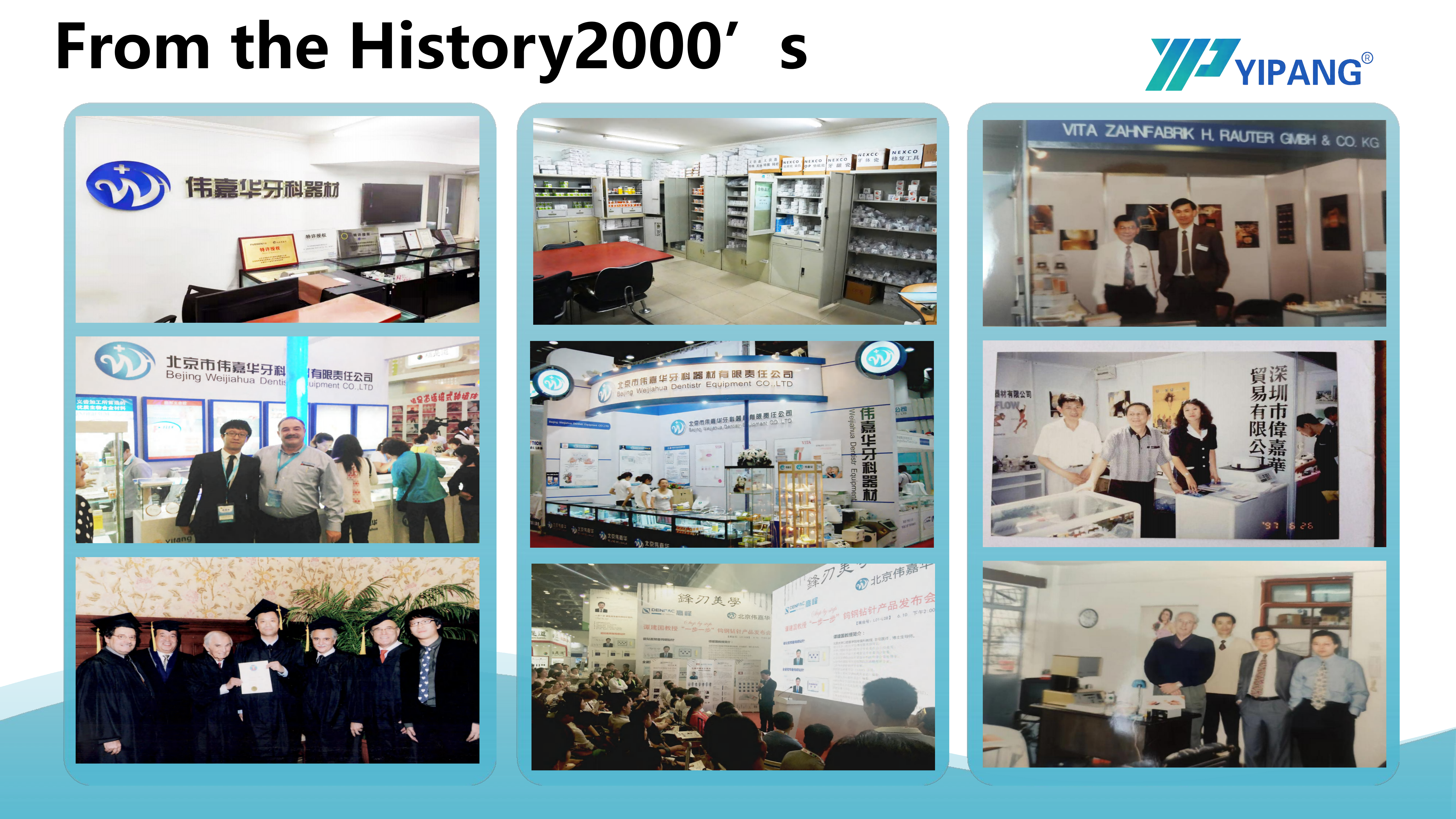
Anterior crown output depends on a material line that stays consistent across repeat orders, not on a single purchase.
Detailed Solution: Two Production Systems, Described Honestly
Route A — Dental zirconia block: CAD/CAM milling and sintering
A zirconia block is a dense blank that is milled in the pre-sintered state and then sintered to final density. In a laboratory workflow, the dental lab scanner or intraoral scanner captures the preparation, the restoration is designed in CAD, and the dental milling machine cuts the crown or bridge from the blank using dental milling burs. The milled unit then shrinks during sintering to its final dimension, which is why shrinkage tolerance is a material specification and not a laboratory preference. YIPANG documents a stable sintering shrinkage error within ±0.3% for its zirconia line.
Anterior outcomes on this route are decided in three places: blank shade consistency, sintering curve discipline, and surface characterisation. The 4D-PRO-ML zirconia block is made from Sinocera powder with a documented flexural strength of 800–1200 MPa and stable shade consistency. The recommended sintering range is 1430 °C to 1450 °C, run with a standard heating and holding procedure to protect low shrinkage and stable translucency, and cooled naturally after completion to avoid thermal cracking.
Because the sintered surface is the starting point rather than the finish, anterior zirconia is typically completed with dental staining glaze, dental glaze paste and dental firing paste, each fired in a dental porcelain furnace, then adjusted with dental polishing burs. The number of characterisation firings is a laboratory decision that directly affects chair-side optical depth.
Route B — Lithium disilicate glass ceramic: millable blocks and press ingots
Lithium disilicate reaches the anterior segment through two distinct industrial paths. The first is a dental lithium disilicate glass ceramic block, milled in a partially crystallised state and then crystallised in a furnace. The second is a dental lithium disilicate press ingot, where a wax pattern is built, invested, burned out, and the ingot is pressed at high temperature before divesting, staining and glazing.
The press route gives the technician direct control over incisal layering and edge character, because the pattern itself defines the anatomy. Milled blocks give speed and digital repeatability but move the characterisation workload onto cut-back and layering or onto staining glaze and glaze paste. Both paths end in a dental porcelain furnace for crystallisation, glaze firing and finishing, which means the laboratory needs furnace capacity — and a firing programme that does not conflict with its zirconia sintering schedule.
Where the finishing actually happens
A common planning error is to compare only the forming step. In practice, anterior aesthetics are won in finishing. Glaze firing temperature, staining technique, the number of firing cycles, and whether the technician can safely re-enter the surface after adjustment determine the final appearance more than the blank or ingot choice alone. Laboratories that standardise their finishing consumables — staining glaze, glaze paste, firing paste, polishing burs — and log firing parameters get more consistent anterior results from either material.
What YIPANG supplies inside this decision
Beijing Weijiahua Dentistry Equipment Co., Ltd. provides systematic products and services for domestic and international dental practitioners, including dental laboratory products and training services. The YIPANG brand covers Zirconia Blocks, Glass Ceramics, Press Ingots, PMMA, Wax, Titanium Blocks, Implant Abutments, 3D Scanners, Intraoral Scanners, Milling Machines, 3D Printers and Sintering Furnaces — which means a laboratory can source the zirconia block, the lithium disilicate glass ceramic and the press ingot from one line, and align the sintering and finishing parameters with the same technical contact.
The company also represents well-known international brands including VITA, Ivoclar, Dentsply, Amann Girrbach and Noritake, and maintains more than 1000 dental laboratory customers in China. That distribution background is relevant to the comparison: it is a supplier that works with both material families rather than one, which supports an honest case-by-case recommendation instead of a single-material sales line.
Step-by-Step Breakdown
Zirconia block route — production steps
- Step 1 — Scan. Capture the anterior preparation and opposing arch with a dental lab scanner or intraoral scanner; for edentulous or multi-implant cases, an edentulous scanbody kit is used at this stage to record implant positions.
- Step 2 — Design. Set labial thickness, incisal length and emergence profile in CAD, respecting the minimum wall thickness the selected blank can hold.
- Step 3 — Mill. Cut the unit from the dental zirconia block on a dental milling machine. Verify bur condition — worn dental milling burs are a frequent and avoidable cause of marginal chipping.
- Step 4 — Inspect before sintering. Check the milled blank for internal defects and chipping. Chipped or cracked blanks should be scrapped and never sent to final restoration.
- Step 5 — Sinter. Place the workpiece on a sintering tray and run the curve to 1430 °C–1450 °C with a proper holding time in a dental sintering furnace. Avoid rapid temperature change, and do not exceed the maximum sintering temperature.
- Step 6 — Cool. Cool naturally after sintering completion to prevent cracking.
- Step 7 — Characterise and finish. Apply staining glaze, glaze paste and firing paste, fire in a dental porcelain furnace, then adjust occlusion and polish with dental polishing burs.
Lithium disilicate route — production steps
- Step 1 — Scan and design as above, sharing the same scanner and CAD environment.
- Step 2a — Mill from a dental lithium disilicate glass ceramic block when digital repeatability is the priority.
- Step 2b — Pattern from a dental wax disc when the press route is chosen, building incisal anatomy directly into the pattern.
- Step 3 — Invest and press the dental lithium disilicate press ingot, then divest and clean the casting.
- Step 4 — Crystallise or fire the restoration in a dental porcelain furnace according to the material programme.
- Step 5 — Characterise with staining glaze and glaze paste, with additional firings as needed.
- Step 6 — Finish and polish, checking contacts and labial surface texture.
Shared acceptance checks before an anterior crown leaves the bench
- Shade verified under the same lighting conditions used for the shade match, wet and dry.
- Margin integrity checked after sintering or pressing, not only after milling.
- Sintering or firing log recorded against the batch or ingot number for traceability.
- Incoming material checked on receipt; damaged or deformed blanks reported with photographs within 48 hours according to YIPANG acceptance terms.
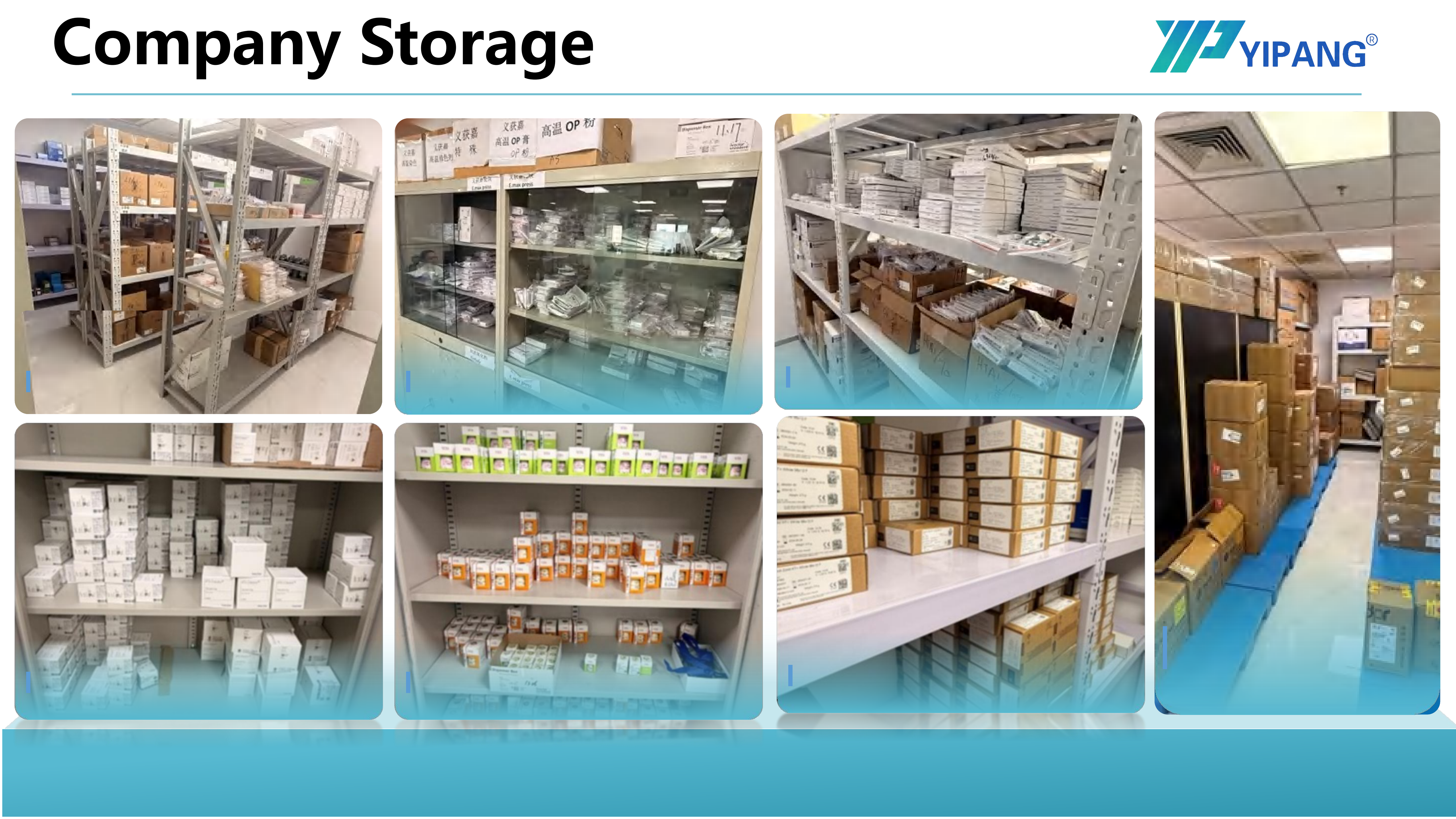
Workflow decisions hold only when technicians are trained on the sintering and finishing parameters behind them.
Use Cases: Where Each Route Fits
Single anterior crown on a discoloured stump. The decisive factor is opacity control over the stump combined with a natural incisal transition. Zirconia with a disciplined 1430 °C–1450 °C sintering curve and layered staining glaze handles masking reliably; lithium disilicate with pressed incisal layering handles optical depth reliably. The laboratory's finishing skill, not the material name, usually decides which one looks better in the mouth.
Multi-unit anterior bridge. Connector strength pushes the decision toward zirconia. YIPANG documents its 4D-PRO-ML zirconia block as suitable for posterior crowns and multi-unit bridges while balancing mechanical strength and translucency, with a documented flexural strength of 800–1200 MPa from Sinocera powder.
Veneers and minimally prepared anterior teeth. Thin sections favour the glass ceramic route, where pressed or milled lithium disilicate allows conservative labial thickness and fine incisal character. Laboratories producing high volumes of veneers typically keep a dedicated porcelain furnace programme for this work.
Implant superstructure restorations. Anterior implant cases combine an aesthetic crown with a structural connection. Here the zirconia route supports full-contour crowns, bridges, veneers and implant superstructure restorations, with dental implant abutment components and titanium alloy discs available in the same supply line for the metal side of the case. Digital records for edentulous and multi-unit cases depend on accurate scanbody capture at the scanning stage.
Provisional and transitional work. Neither final material covers the temporary phase. Dental PMMA discs handle long-term provisionals, dental 3D printer resin and a dental 3D printer cover models, guides and printed provisionals, and dental 3D printing metal powder covers printed metal frameworks where a laboratory runs that capability. These lines matter to the purchase decision because they determine whether a laboratory can consolidate consumable ordering with one supplier.
High-volume milling centres versus aesthetic boutique laboratories. A milling centre optimises for throughput and predictable sintering, so zirconia dominates and the constraint becomes furnace scheduling. A boutique aesthetic laboratory optimises for individual incisal character, so press ingots and layered ceramics take a larger share of anterior work. Both still need a stable zirconia source for the structural cases that arrive alongside aesthetic ones.
Comparison Table: Zirconia Block vs. Lithium Disilicate for Anterior Crowns
| Decision factor | Dental zirconia block (YIPANG 4D-PRO-ML) | Lithium disilicate glass ceramic (millable block) | Lithium disilicate press ingot |
|---|---|---|---|
| Forming method | CAD/CAM milling of a pre-sintered blank, then sintering | CAD/CAM milling, then crystallisation firing | Wax pattern, investment and high-temperature pressing |
| Primary furnace | Dental sintering furnace, 1430 °C–1450 °C | Dental porcelain furnace | Dental porcelain furnace for pressing and firing |
| Documented material facts | Sinocera powder; flexural strength 800–1200 MPa; sintering shrinkage error within ±0.3%; stable shade consistency | Category-level: lithium disilicate represented approximately 28% of all-ceramic restorations globally in 2024 | Category-level: global dental lithium disilicate market projected from USD 320M (2025) to USD 920M (2032) |
| Aesthetic control point | Staining glaze, glaze paste and firing paste fired after sintering | Cut-back and layering, plus glaze firing | Anatomy built in the wax pattern, then staining and glazing |
| Stated restoration scope | Full-contour crowns, bridges, veneers and implant superstructure restorations | Anterior crowns and thin veneer work where minimal thickness is required | Anterior crowns and veneers where incisal character is layered by hand |
| Process risk to manage | Chipping or cracking from improper sintering profile or internal blank defects; follow the recommended profile and inspect blanks before sintering | Furnace programme conflicts with the sintering schedule | Pattern and investment errors carried into the pressed unit |
| Supply and ordering (YIPANG) | MOQ 1 box for standard models, 5 boxes for customised products; sampling test supported | Available within the YIPANG glass ceramic line | Available within the YIPANG press ingot line |
Table note: mechanical values are stated only for the YIPANG 4D-PRO-ML zirconia block, as documented in first-party material records. Lithium disilicate figures are category-level market data, not product specifications.
Long-Term Supply: What an Anterior Crown Line Actually Depends On
Anterior aesthetics are a repeatability business, so the material decision and the supplier decision should be made together. Four checks matter more than a one-off price comparison.
- Batch consistency. YIPANG zirconia uses high-quality domestic self-developed zirconia powder with stable batch consistency, which is the property that keeps shade and shrinkage stable between orders.
- Documented process parameters. A sintering range of 1430 °C–1450 °C, a stated cooling rule and a documented shrinkage tolerance of ±0.3% give a laboratory something to audit rather than something to assume.
- Equipment compatibility. The line is documented as compatible with most mainstream dental milling machines with a low processing failure rate, and it shows uniform density distribution with bending strength and translucency performance — relevant where a laboratory runs mixed mill brands.
- Commercial and support terms. Standard models ship from 1 box, customised products from 5 boxes. Domestic orders ship by express; export orders move by sea or air freight, with FOB Shanghai/Tianjin available. Payment terms are full payment before shipment, and a sampling test is supported before commitment.
Support depth is the part that rarely appears on a quotation. Beijing Weijiahua Dentistry Equipment Co., Ltd. employs approximately 80 staff, operates a manufacturing facility covering 2000 square meters with an annual production capacity of 10 million US dollars, and its R&D team includes 25 professional engineers engaged in dental material formula research, process optimisation and new product development. Products are exported to the Middle East, Southeast Asia, South America, North America, Eastern Europe, North Africa and Australia, with roughly 40% to 55% of products exported. For a laboratory standardising anterior crown output, that combination — material line, training services and consulting support — is what turns a purchase into a stable production route.
FAQ
Are anterior zirconia and lithium disilicate restorations subject to the same regulatory expectations?
Both are restorative materials used in a regulated clinical chain, so documentation expectations apply to either choice. Under EU Medical Device Regulation (MDR 2017/745), most dental implants and restorative materials are classified as high-risk and require intensive clinical data. For a laboratory, the practical step is to request material documentation and batch traceability from the supplier for whichever route is selected, and to keep incoming inspection records. YIPANG acceptance terms require checking quantity on receipt and reporting damage or deformation within 48 hours with photographs, which supports that record-keeping for both zirconia and glass ceramic lines.
Can one laboratory run both routes without duplicating its equipment?
Partly. The digital front end is shared: a dental lab scanner or intraoral scanner, CAD software and a dental milling machine serve both zirconia blocks and millable lithium disilicate glass ceramic. The thermal side is not shared. Zirconia requires a dental sintering furnace reaching 1430 °C–1450 °C with a controlled heating and holding curve and natural cooling, while lithium disilicate requires a dental porcelain furnace for crystallisation, glaze and characterisation firings. A laboratory adding anterior aesthetic glass ceramic work to an existing zirconia line should plan separate furnace capacity and separate firing programmes. YIPANG zirconia is documented as compatible with most mainstream dental milling machines, which limits the disruption of adding the material to an existing mill.
How should a laboratory compare cost between the two materials?
Compare cost per accepted unit rather than cost per blank or ingot. That figure includes furnace time, characterisation consumables such as staining glaze, glaze paste and firing paste, technician time for layering or pressing, and the remake rate caused by chipping, cracking or shade misses. On the zirconia side, YIPANG positions its blocks as offering better cost performance than imported brands of equivalent quality, with more competitive pricing and a shorter delivery time supported by flexible customisation. Because sintering failures are the main avoidable cost driver, following the recommended profile and inspecting blanks before sintering has a larger budget effect than negotiating a small unit price difference.
Can a laboratory validate the material before committing to a supply line?
Yes. Sampling tests are supported, which allows a laboratory to mill and sinter a trial batch under its own curve before placing a volume order. Standard models start at a minimum order quantity of 1 box, and customised products start at 5 boxes, so an initial validation order can be small. During validation, run the full sequence rather than only the milling step: scan, mill, inspect, sinter at 1430 °C–1450 °C, cool naturally, then apply staining glaze and glaze paste and fire. Record shrinkage and shade against the batch number.
What does a long-term dental zirconia block supply arrangement include for a dental laboratory?
A workable long-term arrangement covers four items: a documented sintering and acceptance specification, a stable batch supply of the standard models a laboratory uses most, agreed delivery terms, and technical support for curve problems. YIPANG ships domestic orders by express and export orders by sea or air freight with FOB Shanghai/Tianjin available, on full payment before shipment, and backs the line with training and consulting services plus a 25-engineer R&D team. Laboratories can also review the company profile and product lines before opening a supply discussion. To start, request a sample or a quotation and review the catalogue here: WJH Company Information (PDF).
Conclusion: Choose the Workflow, Then Lock the Supply
For anterior aesthetic crowns, the zirconia block route wins on structural confidence, multi-unit capability and CAD/CAM repeatability, provided the sintering curve is treated as a controlled process rather than a default setting — 1430 °C–1450 °C, proper holding time, natural cooling, and blanks inspected before they enter the furnace. The lithium disilicate route, whether milled glass ceramic or pressed ingot, wins where incisal character and minimal thickness define the case, and where the laboratory has porcelain furnace capacity and layered finishing skill.
Most aesthetic laboratories do not need to choose one and abandon the other. They need a zirconia line they can trust batch to batch, a glass ceramic line for thin and highly characterised work, and a supplier that documents both. YIPANG supplies the zirconia block, glass ceramic and press ingot lines from one source, with a documented sintering range, a ±0.3% shrinkage tolerance, small minimum order quantities and sampling support before commitment.
Next step for your anterior crown line
Request a 4D-PRO-ML zirconia block sample, confirm sintering parameters against your furnace, and compare it with the YIPANG glass ceramic and press ingot lines in the same trial. Quotation, MOQ and delivery terms are confirmed per market.
Contact: service@yipangdental.com · Tel/WhatsApp: +86 158-0156-5064 · www.yipangdental.com
Catalogue download: WJH Company Information (PDF)
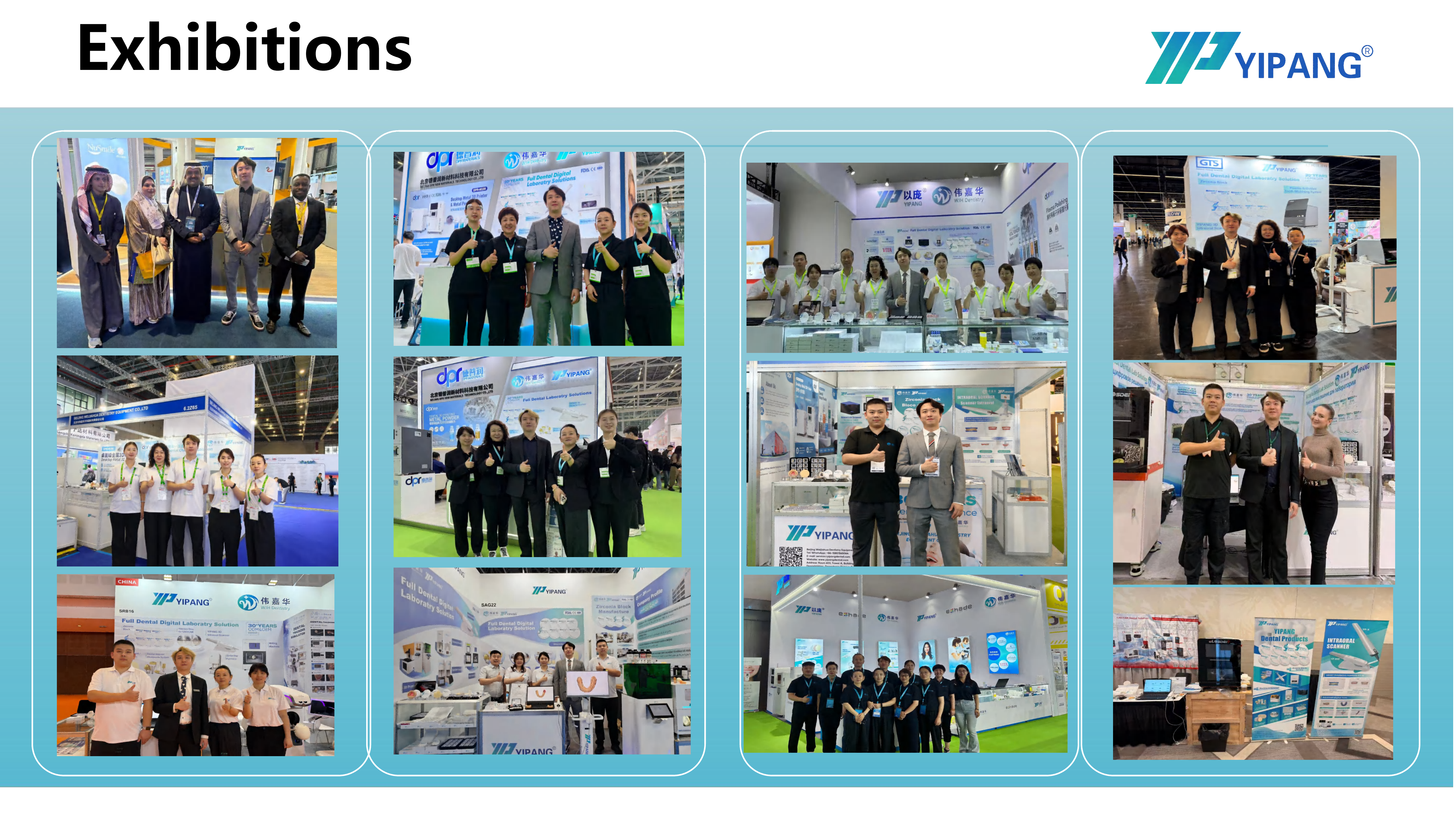
Sample requests, sintering parameter checks and long-term supply terms are handled through the same technical contact.
Have Questions or Need More Details?
Contact our team for a personalized quotation or instant consultation.
Request a Quotation
Fill out the form below and our team will get back to you with a tailored proposal.
WhatsApp Direct Chat
Prefer to chat in real-time? Message us on WhatsApp for instant assistance & quick answers.
- Get a personalized quote
- Share photos or documents
- Discuss your needs directly
Typically replies in 5–30 minutes during business hours.