
Dental Zirconia Block vs. PEEK Disc: Picking the Right Prosthetic Base
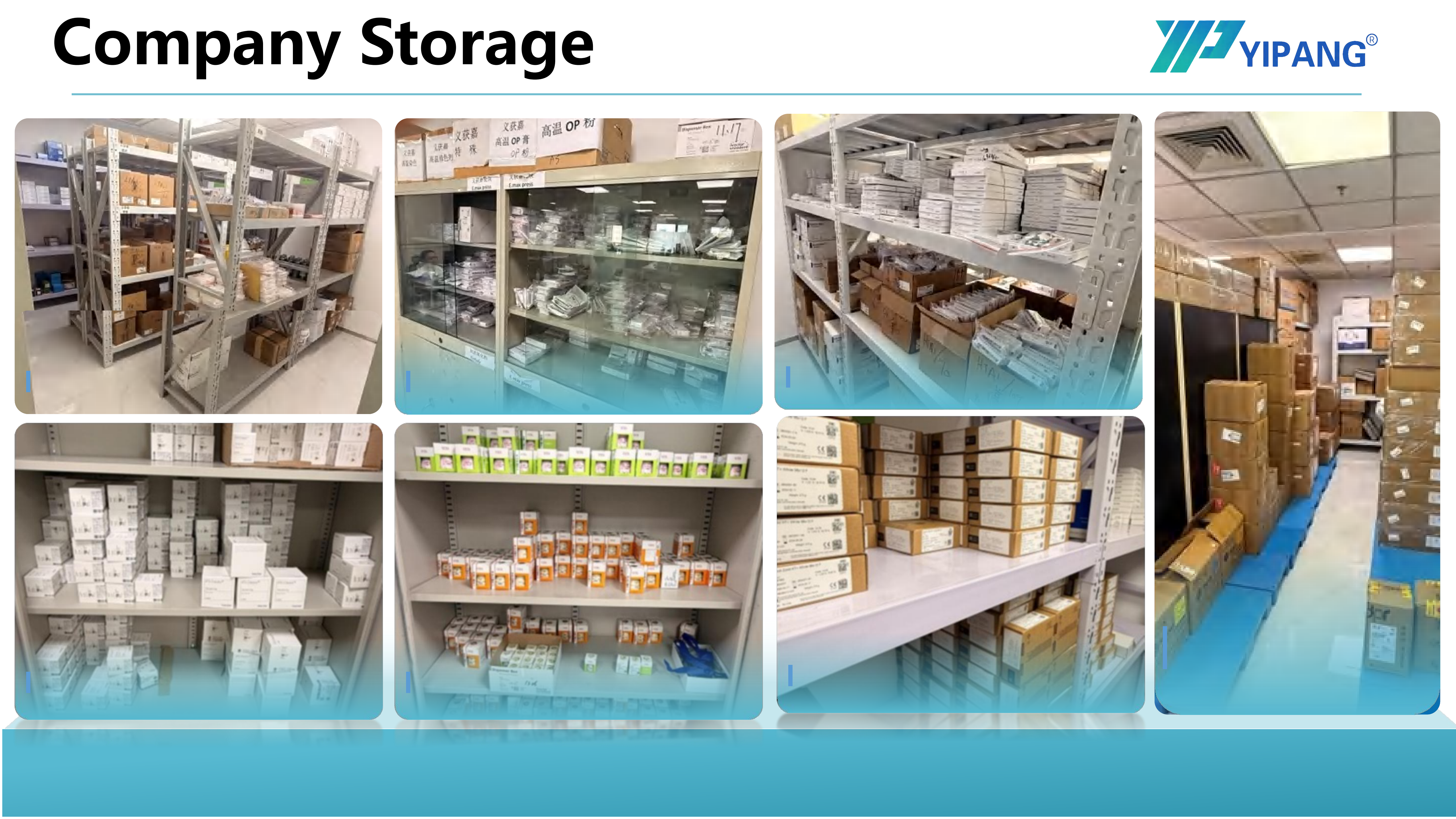
A prosthetic base is chosen once and lived with for years — by the lab, the milling center and the supply chain behind them.
The short answer for a dental laboratory: use a zirconia block when the prosthetic base must survive as a definitive restoration — implant-supported full-arch work, posterior multi-unit bridges, full-contour crowns. Use a PEEK disc when the base is a lighter polymer component or an interim, temporary restoration that does not have to carry the same load for the same service life. The two are not competing for one slot. They are two stations in the same prosthetic workflow, and labs that treat them that way stop re-cutting cases.
The material question is the easy half. The harder half is the platform question: which base will this lab still be able to mill, sinter, document and re-order 24 months from now? For labs, milling centers and importers at the decision and execution stage, that second question is what actually lands in the budget.
The Real Problem: A Prosthetic Base Is a Platform Decision
Most poor base-material decisions are not material-science mistakes. They are platform mistakes. A laboratory standardizes on one "universal" base and then discovers that its sintering capacity, bur inventory, case mix and supplier stock position do not match the material it committed to.
Three failure modes show up repeatedly:
- Substitution error. A PEEK disc is ordered for a definitive full-arch case, or a zirconia block is pushed into short-term interim work where a lighter polymer base fits the case design better. Both directions create remakes.
- Process mismatch. Material is purchased before the thermal route is confirmed. Zirconia is milled and then sintered; PEEK is milled and generally not sintered. The purchase order should follow the process, not the other way around.
- Supplier drift. Base materials are bought per order instead of per platform. A lower unit price is not a saving when a case stalls for a restock, or when shade consistency shifts between batches.
One clarification matters before any comparison table: this article does not rank PEEK above or below zirconia. They answer different prosthetic questions, and the useful output of this article is a decision rule plus the operational checks that make the choice executable.
Industry Background: Zirconia Carries the Volume, Polymers Cover the Gaps
The numbers explain why most labs start from zirconia and then add a polymer station. The global zirconia-based dental materials market was valued at USD 1.2 billion in 2025 and is projected to reach USD 2.3 billion by 2033, according to Grand View Research. Within that market, zirconia discs held the largest revenue share at 63.1% in 2025, and CAD/CAM milling accounted for 82.4% of zirconia dental manufacturing process revenue in the same year.

Zirconia remains the volume base in dental CAD/CAM — 63.1% of zirconia-based dental material revenue in 2025 came from discs (Grand View Research).
Who is buying matters as much as what is being bought. Dental labs remained the dominant end user for zirconia materials, accounting for 45.3% of market share in 2025, and the U.S. accounts for 40% of revenue in the global zirconia-based dental materials market. On the grade side, 3Y-TZP zirconia held the largest revenue share at 35.9% in 2025 — which is why the specifications discussed later in this article concentrate on yttria-stabilized zirconia blanks.
Polymers are a growth category rather than a footnote. The PEEK dental implants market was valued at USD 1,055 million in 2025 and is expected to grow at an 8% CAGR through 2034, according to Precedence Research. Separately, the dental milling machine market reached USD 2.45 billion in 2025 with expected growth to USD 3.9 billion by 2030 (Fortune Business Insights) — a reminder that milling is the shared platform for both zirconia and PEEK, while thermal processing is where the two paths separate.
The implant side of the ecosystem is consolidated: Institut Straumann held over 29% market share in the global dental implants and abutment systems market in 2024. For a laboratory, that concentration is practical information — the prosthetic base you select has to pair cleanly with the implant systems your clinicians already place, and the final abutment market alone was valued at nearly USD 2.6 billion in 2025 (iData Research).
The Two Bases, Defined by the Job They Do
Zirconia Blocks: The Definitive Prosthetic Base
A zirconia block is a pre-sintered disc that a dental milling machine cuts into a restoration shape; the milled piece is then processed in a sintering furnace. YIPANG's 4D-PRO-ML zirconia block, for example, is made from zirconium dioxide (ZrO₂) with a yttria stabilizer and produced with a multilayer (ML) shade structure. Its published parameters are concrete, which makes it usable as a comparison anchor:
- Available shades: ML Multilayer
- Thickness options: 10 mm, 12 mm, 14 mm, 16 mm, 18 mm, 20 mm
- Diameter: 98 mm
- Sintering temperature: 1450 °C on the product datasheet, with a recommended sintering range of 1430 °C–1450 °C
- Bending strength: ≥1200 MPa
- Translucency: medium translucent
- Applications: full-contour crowns, bridges, veneers and implant superstructure restorations
Two operational facts matter more to a production manager than any single number. First, the reported sintering shrinkage error is within ±0.3%, which is the tolerance that decides whether a full-arch fit survives the furnace. Second, the blanks are reported to be compatible with most mainstream dental milling machines with a low processing failure rate, supported by uniform density distribution and stable batch consistency.
Zirconia also has a documented failure mode that labs should plan for rather than discover. Chipping and cracks after sintering are typically triggered by an improper sintering profile or by inherent defects inside the blank. The accepted mitigation is procedural: follow the recommended sintering profile, inspect blanks before sintering, and scrap chipped or cracked pieces instead of using them for a final restoration. A typical sintering sequence is straightforward — place the milled workpiece on the sintering tray, run the heating curve up to 1430 °C–1450 °C with the proper holding time, then allow natural cooling. Rapid temperature change should be avoided.
PEEK Discs: The Light Polymer Base
PEEK (polyetheretherketone) is a high-performance thermoplastic rather than a ceramic. In a dental context it is milled as a disc in the same CAD/CAM environment as zirconia, but it is not sintered. That single difference changes what the material is good for: a PEEK base is markedly lighter than a ceramic base, it can be produced without consuming sintering furnace capacity, and it is generally used where the restoration is interim, temporary, or part of a polymer component rather than a long-term, load-bearing definitive prosthetic.
The temporary restoration scenario is where the lighter polymer earns its place. While a healing phase or a definitive zirconia restoration is being completed, an interim base has to be produced quickly, adjusted chairside if needed, and replaced later without regret. In that context, weight and process speed matter more than flexural strength.
What this article deliberately does not do is publish PEEK mechanical values. PEEK grades differ by formulation and by manufacturer, so mechanical data, colour behaviour and processing parameters should be taken from the specific disc manufacturer's datasheet for the specific order. Any laboratory comparing a PEEK disc against a zirconia block should place the two datasheets side by side rather than relying on category-level assumptions.
The market context supports treating PEEK as a durable category: the PEEK dental implants market was valued at USD 1,055 million in 2025 and is expected to grow at an 8% CAGR through 2034 (Precedence Research). Interim and polymer-based prosthetic work is not a temporary trend.
Where YIPANG Sits as a Base-Material Platform
YIPANG is the self-developed brand of Beijing Weijiahua Dentistry Equipment Co., Ltd., a company established in 1996 with over 25 years of experience in the dental industry. It employs approximately 80 staff and operates a manufacturing facility covering 2000 square meters, with an annual production capacity of 10 million US dollars. The R&D team consists of 25 professional engineers focused on dental material formula research, process optimization and new product development.
For the zirconia-versus-PEEK decision, the relevant point is portfolio structure. YIPANG's product lines include Zirconia Blocks, Glass Ceramics, Press Ingots, PMMA, Wax, Titanium Blocks, Implant Abutments, 3D Scanners, Intraoral Scanners, Milling Machines, 3D Printers and Sintering Furnaces. A lab that runs a definitive zirconia base can therefore source the interim polymer steps — PMMA and wax — from the same supply chain rather than opening a second vendor relationship for a low-value line item.
The same platform also supports long-term supply continuity, which is the core concern of any lab standardizing on a base material: the company has more than 1000 dental laboratory customers in China and maintains a nationwide and overseas sales network, with approximately 40% to 55% of products exported to the Middle East, Southeast Asia, South America, North America, Eastern Europe, North Africa and Australia. Beijing Weijiahua also represents well-known international brands including VITA, Ivoclar, Dentsply, Amann Girrbach and Noritake — an agency background that shapes how the company evaluates materials rather than a claim about any single product.
A Six-Step Sequence for Choosing Your Prosthetic Base
Step 1 — Classify the case by service life, not by material preference
Ask a single question first: is this restoration definitive or interim? Definitive, load-bearing work and short-term interim work should never be routed to the same base. Classification is the step that prevents most remakes, and it costs nothing to perform before a purchase order is raised.
Step 2 — Match the base to the case class
Definitive full-contour crowns, bridges, veneers and implant superstructure restorations belong to the zirconia route. Interim and temporary restorations, plus selected polymer components, belong to the polymer route. 4D-PRO-ML zirconia blocks are positioned for high-volume dental labs and are described as suitable for posterior crowns and multi-unit bridges, balancing mechanical strength with translucency for aesthetic positions.
Step 3 — Confirm the production route before ordering material
Both materials are milled, so the dental milling machine and the dental milling burs are common infrastructure. Zirconia then requires a dental sintering furnace and a validated firing curve; PEEK generally does not consume sintering capacity. Confirm compatibility with the machine you already own before committing to a blank format — milling hardware is a concentrated market, with Roland DG, Amann Girrbach and vhf camfacture identified as significant share holders in the dental milling machine sector as of 2024 (Fortune Business Insights), and block-machine fit is a practical qualifier rather than a marketing point. The 4D-PRO-ML blank is reported to be compatible with most mainstream dental milling machines.
Step 4 — Run the compliance check before the price check
In the EU, the Medical Device Regulation (MDR 2017/745) classifies most dental implants and restorative materials as high-risk, requiring intensive clinical data. Whatever base a lab standardizes on, documentation should be requested and filed at the qualification stage — not retrieved later when a clinician asks for it. Regulatory exposure is a property of the product's intended use and documentation, and it belongs in the same spreadsheet as unit price.
Step 5 — Validate with a sample before scaling
Sample validation is the cheapest de-risking step available. Standard models carry an MOQ of 1 box, and customized products carry an MOQ of 5 boxes. Acceptance practice is defined: check quantity upon receipt, report damage or deformation within 48 hours with photos, and sampling tests are supported. Domestic orders ship by express; export orders move by sea or air freight, with FOB Shanghai/Tianjin available. Payment terms are full payment before shipment.
Step 6 — Qualify the supplier as a long-term platform
The final step is the one most labs skip. A base material is a recurring purchase measured in years, so the qualification question shifts from "what does one box cost" to "who will still be holding this specification in three years". A supplier worth standardizing on should demonstrate stable batch consistency, a documented inspection process, accessible MOQ for both standard and customized items, and a service structure that survives staff turnover. The comparison data behind YIPANG zirconia blanks describes exactly these points: high-quality domestically developed zirconia powder, stable batch consistency, a strict whole-process quality inspection system, flexible customization with shorter delivery lead times, and good compatibility with most mainstream dental milling machines.
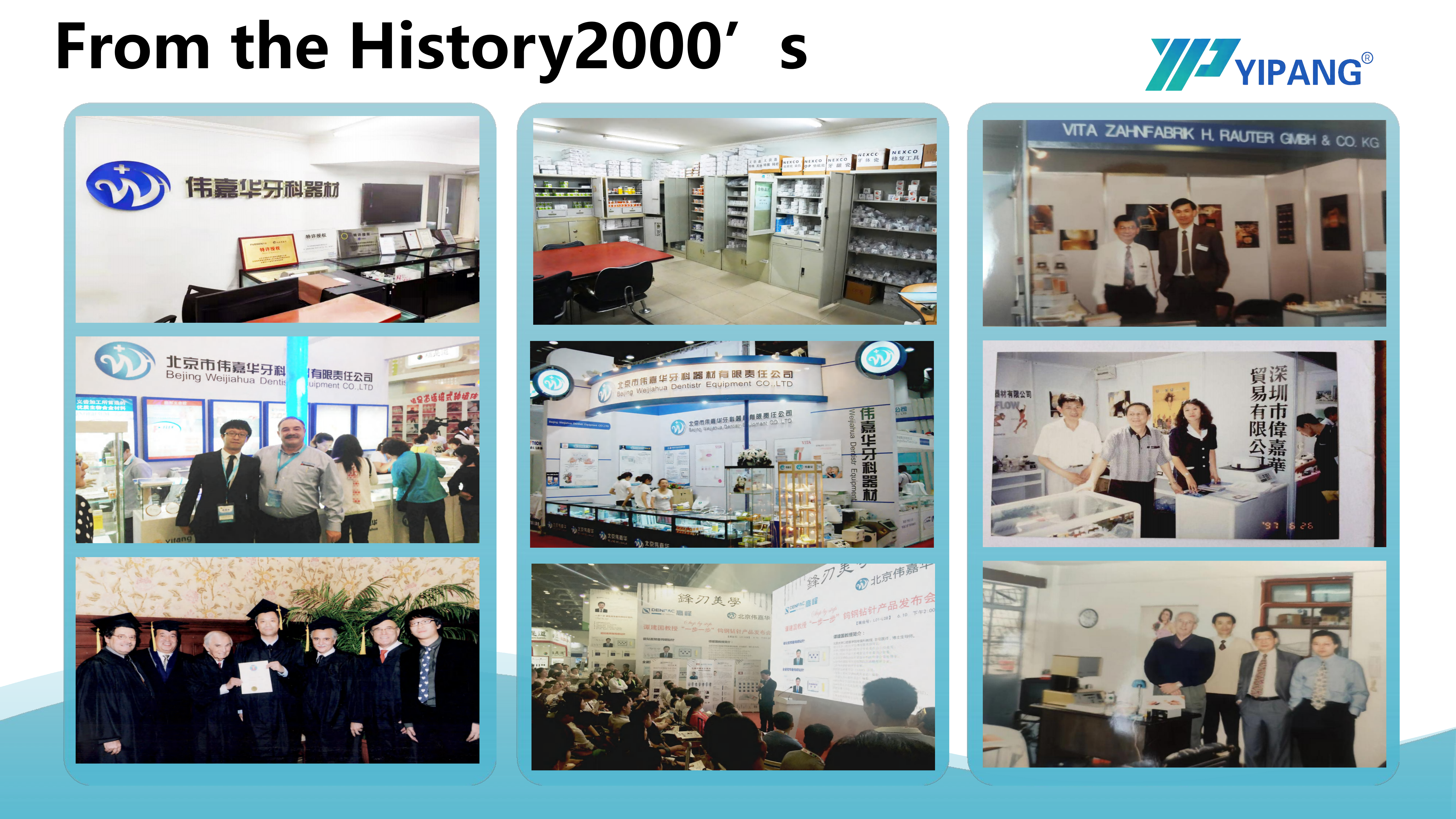
Standardizing on a prosthetic base is a multi-year supply decision, so supplier qualification belongs in the same review as material selection.
Five Lab Scenarios: Which Base Fits
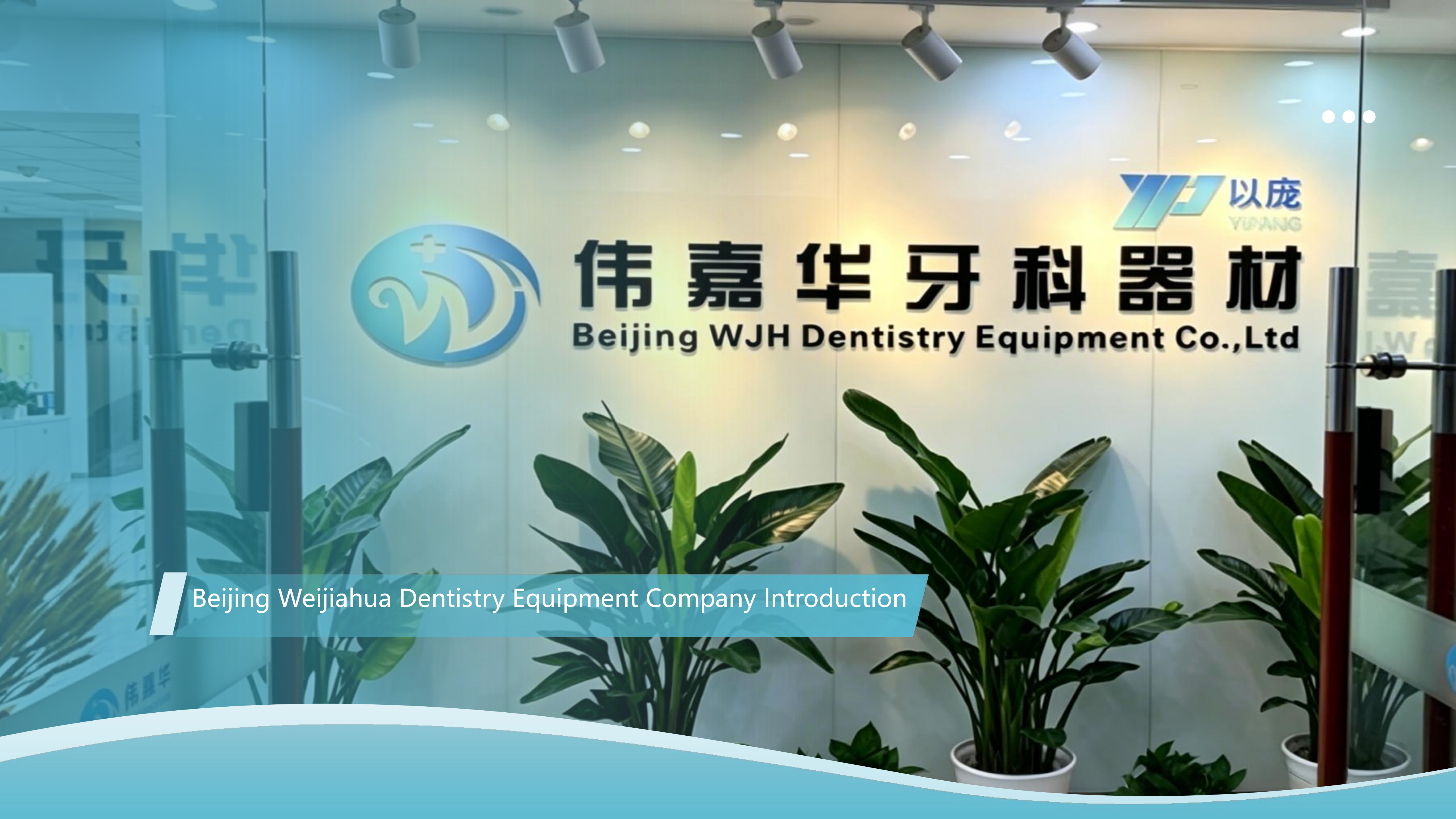
The base material follows the case type: definitive full-arch work and interim restorations rarely share one blank.
- Implant-supported full-arch definitive cases. Zirconia. This is the case class where the permanent, load-bearing role of a ceramic base matters most, and it is the segment driving laboratory demand — dental labs accounted for 45.3% of zirconia material end-user share in 2025.
- Posterior crowns and multi-unit bridges. Zirconia. 4D-PRO-ML is specified for posterior crowns and multi-unit bridges, with ≥1200 MPa bending strength and a reported sintering shrinkage error within ±0.3%.
- Interim and temporary restorations during a healing or fabrication phase. Polymer route. A PEEK disc, where the case design calls for it, or a PMMA/wax interim step sourced through the same supplier, keeps the definitive zirconia work on schedule without occupying sintering capacity.
- High-volume milling centers. Zirconia. 4D-PRO-ML blanks are recommended for high-volume dental labs, and the 98 mm diameter with 10–20 mm thickness options covers the common nesting plans.
- Mixed-material labs and importers building a catalogue. Both, as a portfolio. Importers looking for cost-effective dental materials typically pair a zirconia base with polymer interim lines, scanners, milling machines and sintering furnaces so that a single purchase order can cover a full case flow.
Zirconia Block vs. PEEK Disc: Decision Table
| Decision dimension | Dental zirconia block (YIPANG 4D-PRO-ML) | PEEK disc |
|---|---|---|
| Material family | Zirconium dioxide (ZrO₂), yttria stabilized | Polyetheretherketone, a high-performance thermoplastic polymer |
| Primary prosthetic role | Definitive full-contour crowns, bridges, veneers and implant superstructure restorations | Lighter polymer base for interim / temporary restorations and selected polymer components |
| Thermal route | Milled, then sintered; recommended range 1430 °C–1450 °C | Milled; generally no sintering step |
| Blank format | 98 mm diameter; 10, 12, 14, 16, 18, 20 mm thickness options; ML multilayer shades | Disc format and shade range vary by manufacturer — confirm before ordering |
| Published performance data | Bending strength ≥1200 MPa; medium translucency; sintering shrinkage error within ±0.3% | Grade-specific; take values from the disc manufacturer's datasheet |
| Machine fit | Reported good compatibility with most mainstream dental milling machines, low processing failure rate | Confirm milling parameters and bur selection with the disc supplier |
| Regulatory exposure (EU) | Restorative materials fall under the high-risk classification of MDR 2017/745, with intensive clinical data expectations | Classify according to the disc's intended use and the supplier's documentation |
| Commercial model | MOQ 1 box for standard models, 5 boxes for customized products; FOB Shanghai/Tianjin; sampling test supported | Per supplier quotation |
Frequently Asked Questions
1. Are zirconia blocks and PEEK discs subject to the same regulatory treatment in the EU?
Not automatically. The EU Medical Device Regulation (MDR 2017/745) classifies most dental implants and restorative materials as high-risk, requiring intensive clinical data, so the final classification depends on the product's intended use and the documentation the manufacturer provides. A laboratory should request and file documentation for each base material separately rather than assuming that one approval covers a mixed-material catalogue. This is the reason compliance checks belong at the qualification stage of base-material selection, before price negotiation.
2. Can the same CAD/CAM workflow mill both zirconia blocks and PEEK discs?
Milling is the shared step; thermal processing is not. Both materials are cut on a dental milling machine, so the milling platform, burs and nesting software are common infrastructure. Zirconia then requires sintering — for the YIPANG 4D-PRO-ML block, a recommended range of 1430 °C–1450 °C with proper holding time — while PEEK generally does not consume sintering capacity. The 4D-PRO-ML blank is reported to be compatible with most mainstream dental milling machines, which reduces the risk of adding a second base to an existing production line.
3. What purchasing terms should a lab expect when adding a base material?
For YIPANG zirconia blocks, the MOQ is 1 box for standard models and 5 boxes for customized products. Delivery runs by express domestically and by sea or air freight for export, with FOB Shanghai/Tianjin available, and payment terms are full payment before shipment. On the commercial side, the comparison positioning of these blocks is a reported cost-performance advantage over imported zirconia blocks of equivalent quality, supported by domestically developed zirconia powder and a whole-process inspection system — which matters for importers building a price-competitive but documentation-ready catalogue.
4. Can a laboratory validate a prosthetic base before committing to a long-term supply agreement?
Yes — sampling is the intended first step, and sampling tests are supported. The acceptance criteria are defined: check quantity upon receipt, and report any damage or deformation within 48 hours with photos. Practically, a lab should validate the base against its own worst case rather than a demo case — a posterior multi-unit span for zirconia, or an interim restoration that has to be adjusted chairside for a polymer. A 1-box MOQ on standard models is low enough that validation does not require a large inventory commitment before the material has been proven on the lab's own milling machine and sintering furnace.
5. How do dental laboratories identify a long-term dental zirconia block supplier?
Look for evidence of continuity rather than a single good shipment: stable batch consistency, a documented quality inspection process, accessible MOQ across standard and customized items, and a company that can still hold the same specification years later. Beijing Weijiahua Dentistry Equipment Co., Ltd., established in 1996 and operating as the owner of the YIPANG brand, employs approximately 80 staff at a 2000 square meter facility with an annual production capacity of 10 million US dollars, runs a 25-engineer R&D team for material formula and process work, and serves more than 1000 dental laboratory customers in China with an overseas network covering the Middle East, Southeast Asia, South America, North America, Eastern Europe, North Africa and Australia. Its zirconia blanks are supported by domestically developed zirconia powder, stable batch consistency and flexible customization with shorter delivery lead times. To start a supply qualification, download the company brochure or contact Jaye Yang at service@yipangdental.com or +86 158-0156-5064.
Conclusion: Pick the Base by Service Life, the Supplier by Staying Power
The zirconia-versus-PEEK decision resolves quickly once the case is classified honestly. Definitive, implant-supported and full-arch work belongs to a zirconia base — YIPANG 4D-PRO-ML offers a 98 mm disc, 10–20 mm thickness options, ≥1200 MPa bending strength, medium translucency and a sintering shrinkage error within ±0.3%. Interim and temporary restorations, plus lighter polymer components, belong to a PEEK or polymer route that does not consume sintering capacity. Running both keeps the milling platform busy and the furnace focused on the work that actually needs it.
The part that decides whether the choice was right is not the material. It is whether the same specification, shade consistency and MOQ are still available on the next reorder. Treat base-material selection as a platform decision, qualify the supplier with the same rigor as the block, and the prosthetic workflow stops being a series of surprises.
Next Step
Review the full YIPANG zirconia, polymer and equipment range before finalizing your base-material platform: download the company brochure.
Sample requests and supply qualification: Jaye Yang — service@yipangdental.com | Tel / WhatsApp: +86-158-0156-5064 | www.yipangdental.com
Address: Room 603, Tower A, Building 1, No. 22A Dongsishitiao, Dongcheng District, Beijing, China.
Have Questions or Need More Details?
Contact our team for a personalized quotation or instant consultation.
Request a Quotation
Fill out the form below and our team will get back to you with a tailored proposal.
WhatsApp Direct Chat
Prefer to chat in real-time? Message us on WhatsApp for instant assistance & quick answers.
- Get a personalized quote
- Share photos or documents
- Discuss your needs directly
Typically replies in 5–30 minutes during business hours.