Dental Zirconia Block vs. Zirconia-Reinforced Glass: Which Is More Reliable?
Short answer: for a long-span monolithic implant bridge, a milled and fully sintered dental zirconia block is generally the more reliable base material, because the restoration becomes one dense polycrystalline structure through a single high-temperature sintering cycle. A zirconia-reinforced glass ceramic — most often supplied as a dental lithium disilicate glass ceramic in press ingot or block form — keeps a glass matrix that must pass through an additional crystallization firing, and it is normally chosen where esthetic control on short-span or single-unit work matters more than span length.
The longer answer depends on four practical variables: span length and connector geometry, the abutment interface, the milling and sintering equipment already installed in the lab, and how tightly the thermal cycle is controlled and recorded. This comparison converts those variables into workflow rules for dental labs, milling centers and importers who are choosing a material before a full-arch case.
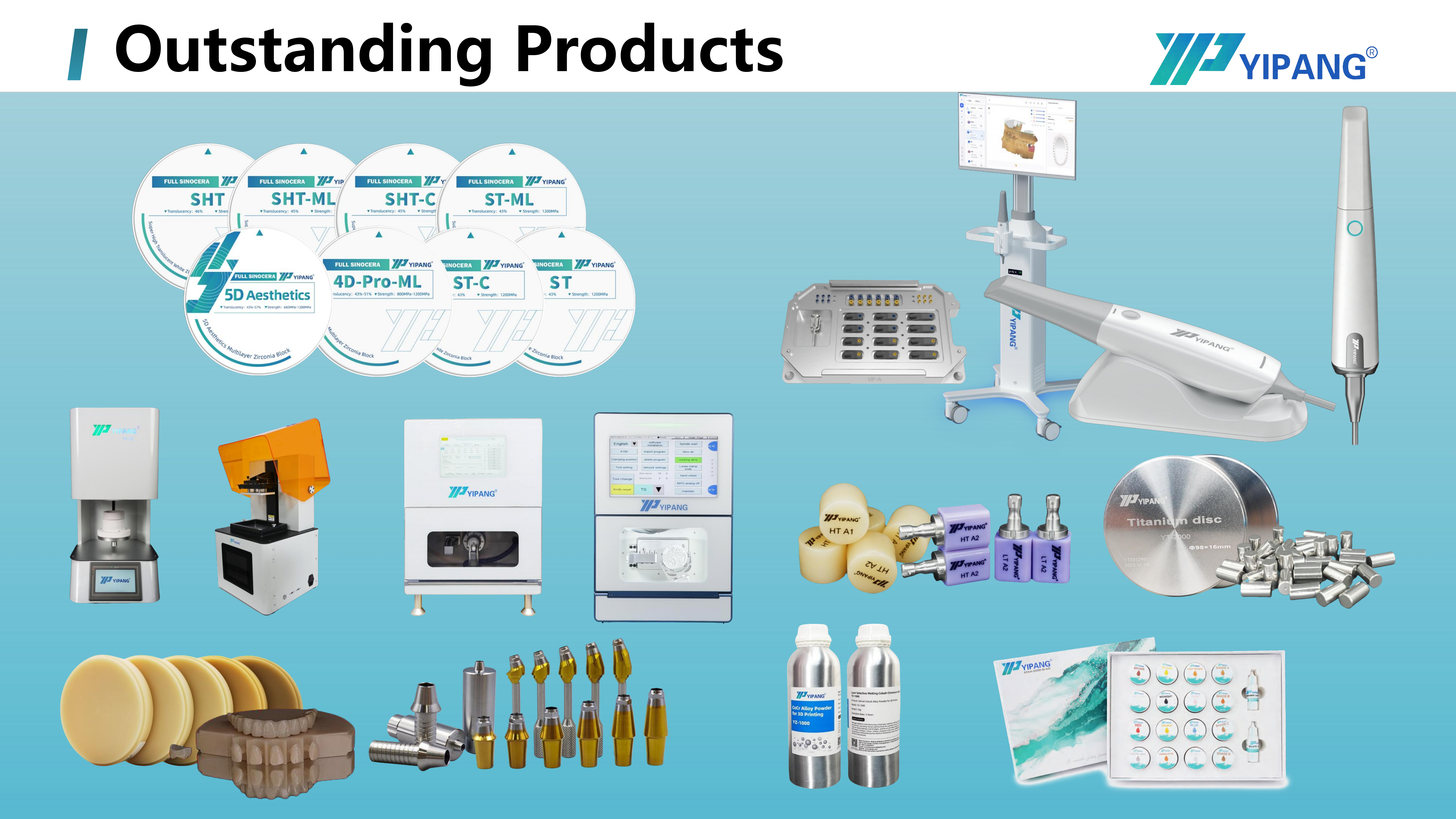
YIPANG is the self-developed brand of Beijing Weijiahua Dentistry Equipment Co., Ltd., a dental equipment and materials company established in 1996. Its product lines include zirconia blocks, glass ceramics, press ingots, PMMA, wax, titanium blocks, implant abutments, intraoral scanners, milling machines, 3D printers and sintering furnaces.
What “Reliability” Actually Means in a Monolithic Implant Bridge
In a monolithic implant bridge, reliability means three outcomes that can be measured on a lab bench: strength that survives the whole processing chain, dimensional accuracy at the implant abutment interface, and repeatability from one production batch to the next. Anything that cannot be checked is marketing, not reliability.
That definition matters because the two material families fail in different ways:
- Connector fracture on long spans, where stress concentrates into a small cross-section.
- Marginal misfit at the titanium interface, usually caused by shrinkage-compensation errors or distortion during a high-temperature step.
- Chipping or delamination where a veneering layer is bonded onto a framework instead of a monolithic contour.
- Shade and translucency drift after staining and glaze firing.
- Remake cycles caused by an unverified sintering curve, an unmatched blank grade, or worn tooling.
A material architecture that holds its geometry from scan to finish removes more risk than a material that only looks better on the surface. For implant bridges, polycrystalline zirconia and glass-ceramic are not interchangeable, because the risks they carry are different risks.
Industry Background: Where the Two Material Families Stand
Both families are growing, and both are used daily — but they are used for different indications, and the published market data shows where the volume sits.
- The global zirconia-based dental materials market was valued at USD 1.2 billion in 2025 and is projected to reach USD 2.3 billion by 2033 (Grand View Research).
- Zirconia discs held the largest revenue share of 63.1% within that market in 2025.
- CAD/CAM milling accounted for 82.4% of zirconia dental manufacturing process revenue in 2025 — the production route is dominated by milling, not casting.
- 3Y-TZP zirconia grade held the largest revenue share of 35.9% in 2025.
- Dental labs remain the dominant end user for zirconia materials, at 45.3% of market share in 2025.
- The U.S. accounted for 40% of global zirconia-based dental materials revenue in 2025.
- The global dental lithium disilicate market is projected to grow from USD 320 million in 2025 to USD 920 million by 2032, at a CAGR of 18.8% (Intel Market Research).
- Lithium disilicate accounts for approximately 28% of all all-ceramic dental restorations globally as of 2024 (Business Research Insights).
Regulation shapes the second half of the picture. Under EU MDR 2017/745, most dental implants and restorative materials are classified as high-risk and require intensive clinical data (European Commission). The practical consequence for a lab or importer is that material selection and supplier documentation are effectively one decision: the question is not only “what is this blank made of” but “what exactly does the certificate cover, and for which market.”
Architecture Compared: Polycrystalline Block vs Glass-Ceramic Matrix
The dental zirconia block
A dental zirconia block is a CAD/CAM blank made of zirconium dioxide stabilized with yttria, supplied in a porous green state that is milled to shape and then sintered to full density. YIPANG’s 4D-PRO-ML is a 98 mm disc available in ML multilayer shades, with thicknesses of 10, 12, 14, 16, 18 and 20 mm, a specified sintering temperature of 1450°C, a bending strength of ≥1200 MPa, and medium translucency. It is compatible with most mainstream dental milling machines, so the format fits the installed base rather than the other way round.
The zirconia-reinforced glass ceramic
A zirconia-reinforced glass ceramic is a two-phase material: a glass matrix reinforced by a crystalline phase. In daily lab practice this category is usually delivered as a dental lithium disilicate glass ceramic, either as a dental lithium disilicate press ingot for lost-wax pressing or as a millable block. Whatever the format, the restoration must pass a crystallization firing before staining and glazing. The trade-off is transparent: excellent esthetic control and a mature chairside workflow, offset by additional high-temperature steps between design and delivery.
Where the architectures differ in practice
- Number of thermal steps: a monolithic zirconia bridge needs one sintering cycle; a pressed or milled glass ceramic typically needs a crystallization firing plus a glaze firing.
- Interface risk: a monolithic zirconia bridge has no veneering interface; layered ceramics introduce a bonding interface that can chip.
- Shrinkage management: zirconia dimensions depend on accurate CAM shrinkage compensation; glass-ceramic dimensions are set at pressing or milling and can drift with each subsequent firing.
- Repair path: monolithic zirconia can often be adjusted and re-glazed; a chipped layered glass-ceramic unit more often needs replacement.
The Detailed Solution: Matching the Material to Your Milling and Sintering Workflow
For a monolithic implant bridge, the reliable route is a milled, fully sintered zirconia block processed on a stable, documented sintering curve. The glass-ceramic alternative performs as designed when the case is esthetic, short-span, and the firing chain is tightly controlled and recorded.
Workflow A — milled zirconia block for implant bridges
- Digitize the case with a dental lab scanner or an intraoral scanner; for full-arch work, an edentulous scanbody kit keeps the scanbody positions repeatable.
- Design in CAD with the correct shrinkage compensation, and design connector cross-sections deliberately rather than accepting defaults.
- Mill the restoration from the 4D-PRO-ML blank using a dental milling machine and sharp dental milling burs.
- Sinter in a dental sintering furnace. The recommended range is 1430°C–1450°C, with a standard heating and holding procedure to keep shrinkage low and translucency stable.
- Characterize with dental staining glaze and dental glaze paste, fired as required.
- Adjust occlusion and connectors with dental polishing burs, then re-polish the adjusted surfaces.
The specification that most often decides the outcome is not the blank but the curve. Rapid temperature change can cause cracking, exceeding the maximum sintering temperature compromises the structure, and natural cooling after the cycle protects the sintered geometry.
Workflow B — pressed or milled glass ceramic
Press route: wax pattern, investment, pressing from a dental lithium disilicate press ingot in a dental porcelain furnace, divestment, crystallization firing, then staining and glazing. Milled route: mill the block, run the crystallization firing, then glaze. Every additional firing is an additional chance for dimensional change and an additional labor step to schedule.
The equipment question most buyers skip
A blank and a furnace are a matched pair, not two separate purchases. Denser blanks place more demand on dental milling burs and on spindle stability; a dull or chipped bur distorts connector geometry and creates what looks like a material failure but is actually a tooling failure. A complete production chain for this decision normally includes:
- Digitizing: dental lab scanner, intraoral scanner, edentulous scanbody kit for full-arch cases.
- Milling: dental milling machine, dental milling burs, dental wax disc or dental PMMA disc for try-ins and provisional work.
- Thermal processing: dental sintering furnace for zirconia, dental porcelain furnace for glass-ceramic pressing and crystallization.
- Models and hybrid work: dental 3D printer with dental 3D printer resin — photopolymer resins held a 55.5% share of the dental 3D printing material segment in 2025 (Grand View Research).
- Metal and non-ceramic components: dental titanium alloy disc, dental 3D printing metal powder, and dental PEEK disc where a non-ceramic option is required.
- Finishing: dental polishing burs, dental staining glaze, dental glaze paste, dental firing paste.
Step-by-Step: Choosing Between the Two for a Monolithic Implant Bridge
Step 1 — Define the load case. Span length, number of units, connector cross-section, and whether the bridge is screw-retained or cement-retained on a dental implant abutment. Long spans and multiple units push the decision toward zirconia.
Step 2 — Confirm the interface and the scan path. Full-arch edentulous cases depend on an edentulous scanbody kit and a verified scan protocol. Interface accuracy at the titanium abutment is the part of the case patients never see but always feel.
Step 3 — Choose the architecture before the brand. Monolithic long-span implant bridge: zirconia block. Esthetic single unit, veneer, or short-span anterior work: glass ceramic. This step is where most labs stop too early and default to habit.
Step 4 — Validate the digital chain. Shrinkage compensation values, milling strategy, and tool-path settings determine whether the chosen material can actually deliver fit. A material that is right on paper still fails if the CAM parameters belong to a different blank.
Step 5 — Set the thermal cycle. For zirconia: 1430°C–1450°C, calibrated heating and holding profile, no temperature overshoot, natural cooling. For glass-ceramic: crystallization firing plus glaze firing in a dental porcelain furnace, each with its own documented curve.
Step 6 — Finish and characterize. Use dental staining glaze, dental glaze paste and dental firing paste for shade and bonding steps, and dental polishing burs for occlusal and connector adjustments. Never adjust a connector with a coarse bur.
Step 7 — Verify and record. Check fit at the abutment analogue, marginal integrity and occlusion, and log the sintering or firing cycle used for that specific batch. The log is what makes the next full-arch case repeatable instead of experimental.
Use Cases: Where Each Material Wins
- Multi-unit monolithic implant bridges (three units and above): dental zirconia block, milled to a monolithic contour with no veneering interface.
- Full-arch edentulous restorations: zirconia on a verified scanned model using an edentulous scanbody kit.
- Anterior single units and veneers: zirconia-reinforced glass ceramic, where translucency control and characterization range are the priority.
- Same-day chairside single units: milled glass ceramic, because zirconia must complete a full sintering cycle before delivery.
- Try-ins and provisionals: dental PMMA disc, dental wax disc and dental 3D printer resin for models and short-term restorations.
- Metal components and abutment-related parts: dental titanium alloy disc and dental 3D printing metal powder.
- Mixed-material labs: keep both workflows, but document them separately — shrinkage data from a glass-ceramic line must never be reused for a zirconia line.
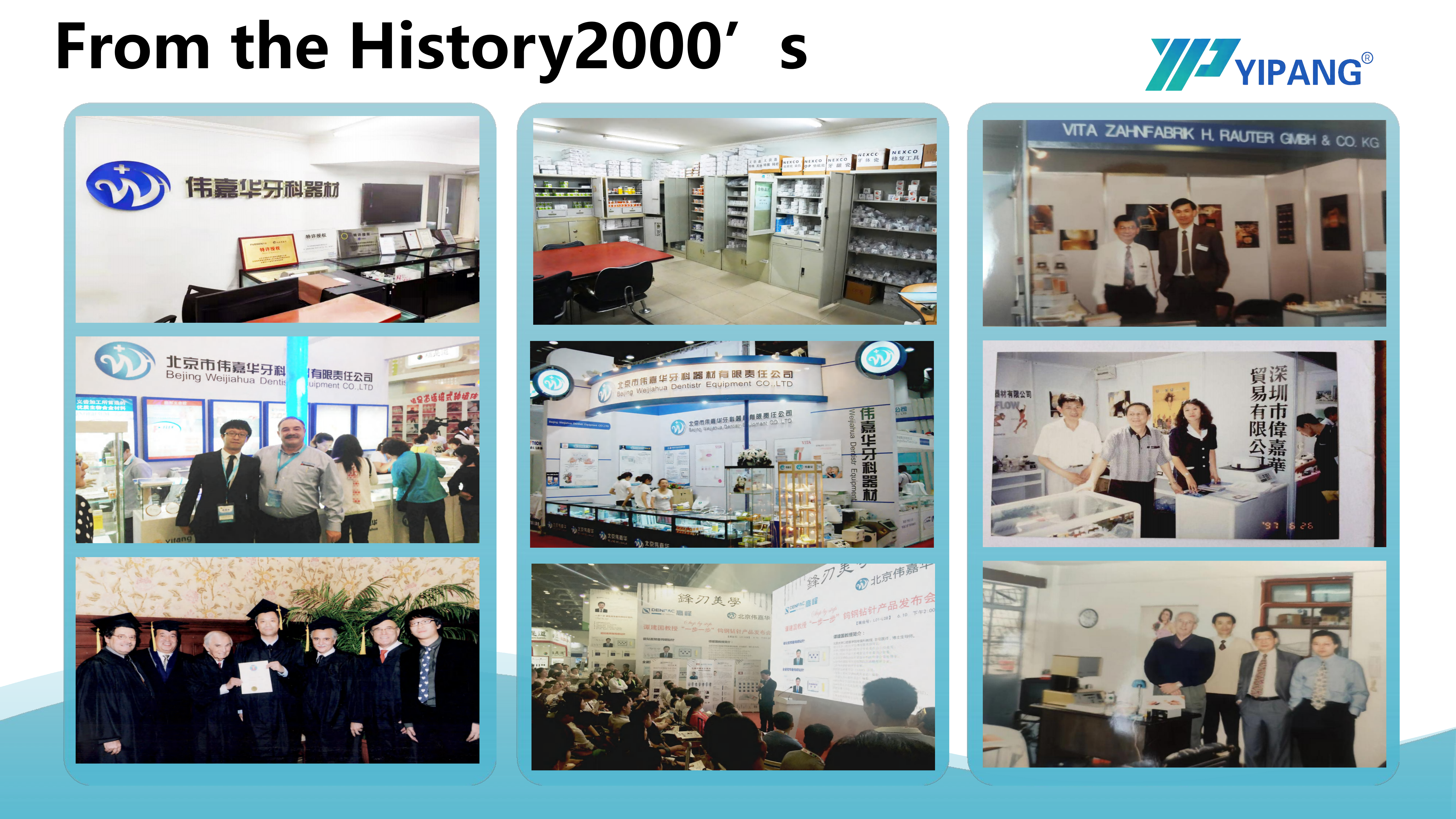
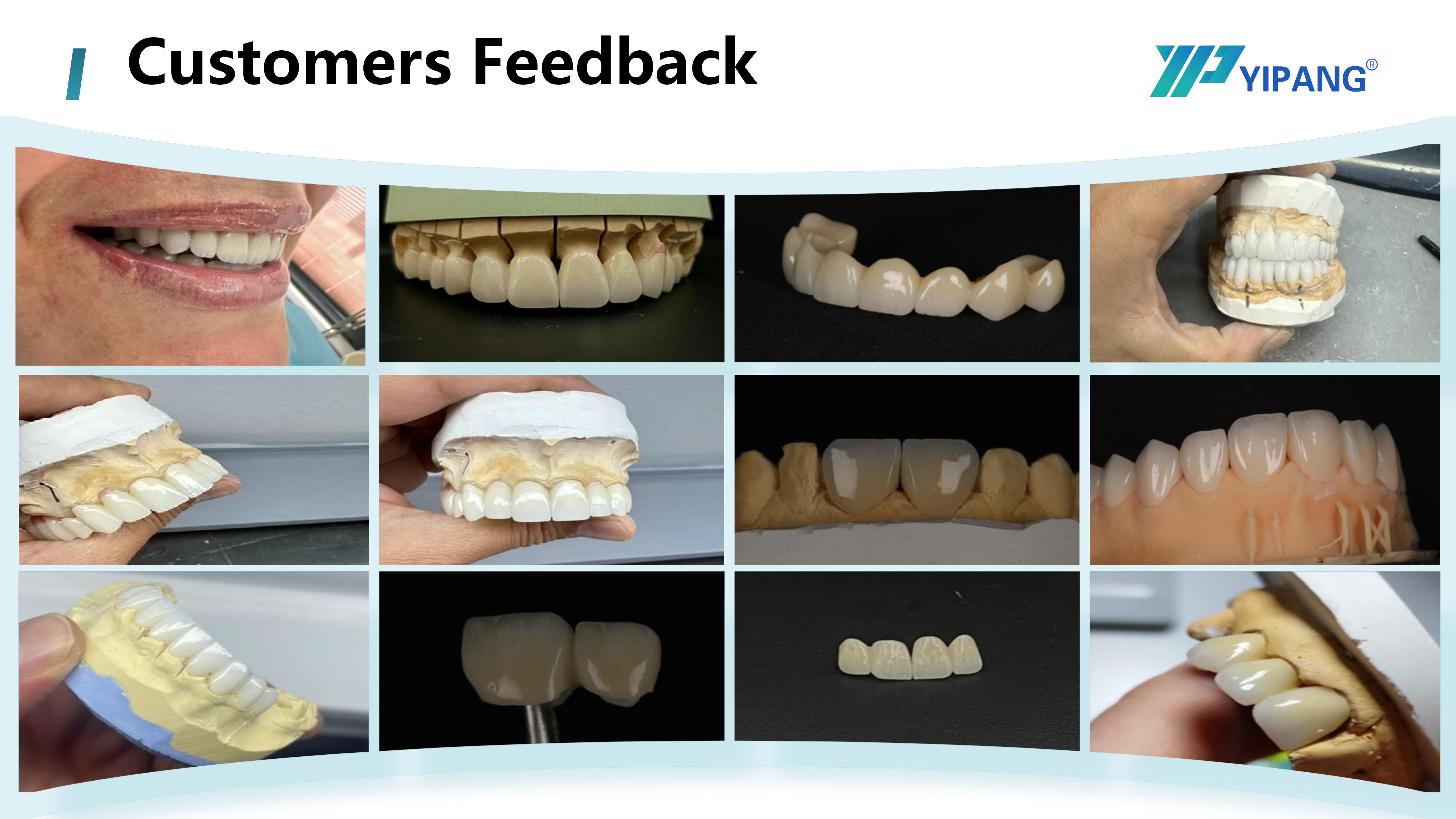
Manufacturer-reported field experience points in the same direction: dental laboratories, clinics and distributors using these materials cite material stability and esthetic result as the reasons for long-term cooperation, with a low complaint rate. The specific highlights are uniform translucency, stable sintering shrinkage, and compatibility with most CAD/CAM systems.
Comparison Table: Dental Zirconia Block vs. Zirconia-Reinforced Glass
| Decision factor | Dental Zirconia Block (YIPANG 4D-PRO-ML) | Zirconia-Reinforced Glass / Lithium Disilicate Glass Ceramic |
|---|---|---|
| Material architecture | Polycrystalline zirconium dioxide (ZrO₂) stabilized with yttria | Two-phase material: glass matrix reinforced by a crystalline phase |
| Typical supply form | 98 mm CAD/CAM disc, ML multilayer | Press ingot or millable block |
| High-temperature steps after design | One sintering cycle | Crystallization firing, plus glaze firing |
| Manufacturer-listed bending strength | ≥1200 MPa | Not stated in the sources referenced in this article |
| Stated sintering temperature | 1450°C (recommended working range 1430°C–1450°C) | Not stated in the sources referenced in this article |
| Available thickness and shades | 10, 12, 14, 16, 18, 20 mm; ML multilayer | Not stated in the sources referenced in this article |
| Equipment required | Dental lab scanner, dental milling machine with dental milling burs, dental sintering furnace | Dental porcelain furnace for pressing and crystallization; milling option on a dental milling machine |
| Machine compatibility | Compatible with most mainstream dental milling machines | Depends on ingot or block format and the individual system |
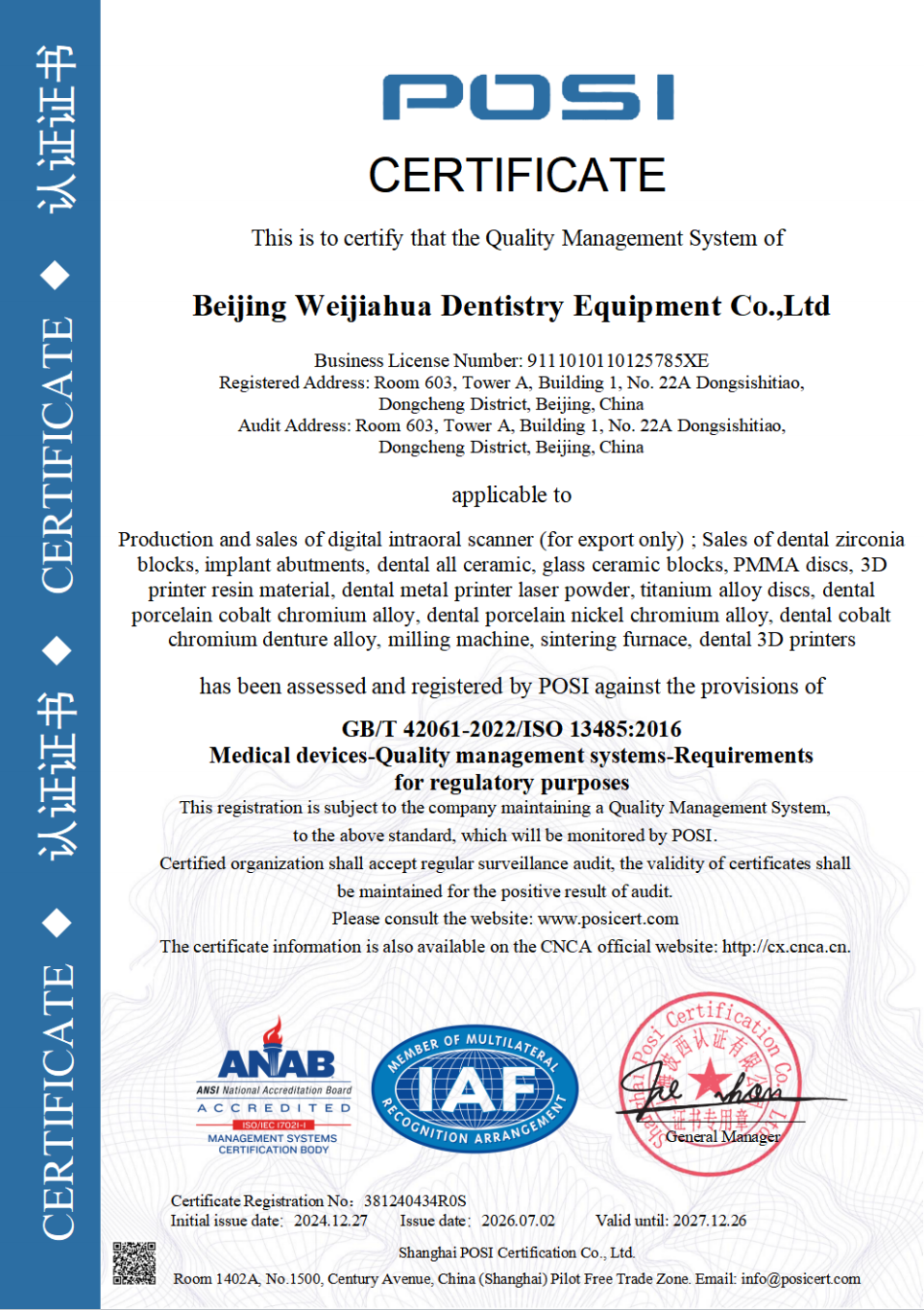
| Quality documentation | ISO 13485:2016, certificate no. 381240434R0S, issued by Shanghai POSI Certification Co., Ltd., valid 2024-12-27 to 2027-12-26, scope: design, production and sales of dental medical materials and dental equipment | EU MDR 2017/745 applies to most dental implants and restorative materials placed on the EU market |
| Category adoption evidence | Zirconia discs = 63.1% of zirconia-based dental materials revenue in 2025; CAD/CAM milling = 82.4% of process revenue (Grand View Research) | Lithium disilicate ≈ 28% of all all-ceramic dental restorations globally as of 2024 (Business Research Insights) |
| Best-fit indication | Long-span monolithic implant bridges, full-arch and multi-unit restorations | Esthetic single units, veneers and short-span work with high translucency demand |
Values that are not available from a verified source are left blank rather than estimated, and strength values should never be compared across different test standards.
Frequently Asked Questions
1. Is the YIPANG dental zirconia block certified for regulated markets?
Yes. The Zirconia Blocks for Dental Prosthesis are certified to ISO 13485:2016 under certificate number 381240434R0S, issued by Shanghai POSI Certification Co., Ltd. The applicable standard is GB/T 42061-2022 / ISO 13485:2016, and the certification scope covers the design, production and sales of dental medical materials and dental equipment. The certificate is valid from 2024-12-27 to 2027-12-26 and applies to the Global, EU, USA and Middle East markets. Separately, the EU Declaration of Conformity under MDR 2017/745 (SRN: CN-MF-000045919) covers the intraoral scanner models YP-X and YP-800, which are Class I medical devices; it should not be presented as the certificate for the zirconia block line.
2. What processing parameters does 4D-PRO-ML use, and will it fit our milling machine?
4D-PRO-ML is a 98 mm disc of zirconium dioxide stabilized with yttria, supplied in ML multilayer shades and in thicknesses of 10, 12, 14, 16, 18 and 20 mm. Its specified sintering temperature is 1450°C, with a recommended working range of 1430°C–1450°C and a standard heating and holding procedure to keep shrinkage low and translucency stable. Manufacturer-listed bending strength is ≥1200 MPa, with medium translucency. The blank is compatible with most mainstream dental milling machines, so most CAD/CAM labs can adopt it without changing their spindle or fixture setup. Sintering is the step that most affects the final result: avoid rapid temperature change to prevent cracking, do not exceed the maximum sintering temperature, and let the workpiece cool naturally after the cycle.
3. How should we compare cost per unit between a zirconia block and a glass-ceramic?
Do not compare blank price against ingot price. Compare the variables that actually drive cost per delivered unit: how many units can be nested from one blank, how many thermal cycles and how much technician time each route requires, consumable consumption such as dental milling burs and investment material, the remake rate caused by shrinkage or firing issues, and the commercial terms of long-term supply. Zirconia cost structure is dominated by blank utilization and sintering throughput; glass-ceramic cost structure is dominated by pressing or crystallization labor and material waste per unit. YIPANG quotes on request rather than publishing a list price, because terms vary with thickness, shade, OEM labeling and order volume — monthly capacity is 15,000 pieces and the MOQ is negotiable.
4. Can we validate a batch before placing a full order?
Yes — validation before volume commitment is the normal path. YIPANG supports OEM and ODM production and accepts a negotiable small MOQ, which lets a lab or milling center run a trial batch on real implant bridge cases before scaling up. Every batch is covered by 100% raw material inspection plus finished-product random inspection. To request a trial quantity, a sample or a quotation, contact the team directly at service@yipangdental.com or via WhatsApp at +86-158-0156-5064; online technical guidance is available during your first production runs.
5. What is the production lead time, and what after-sales support is included?
Lead time is 15–30 working days, depending on specification, shade and order volume, supported by a monthly capacity of 15,000 pieces. After-sales support is provided as online technical guidance, with a response to after-sales questions within 24 hours. That support covers practical topics such as sintering curve verification, shrinkage-related fit problems, and compatibility checks with the dental milling machine or dental sintering furnace already installed in your lab.
Conclusion: The Reliability Decision Rule
The rule is short enough to write on a lab wall. For monolithic implant bridges, choose a milled and fully sintered dental zirconia block, because a single dense structure with no veneering interface removes the failure modes that long spans amplify. For esthetic single units and short spans, a zirconia-reinforced glass ceramic remains the better esthetic instrument. Then verify three things before committing to any supplier: the exact scope of the certificate rather than the certificate’s existence, the processing parameters matched to your own furnace and mill, and a trial batch run on a real case instead of a test disc.
Both material families will keep growing — the zirconia-based dental materials market is projected to move from USD 1.2 billion in 2025 toward USD 2.3 billion by 2033, while lithium disilicate is forecast to grow from USD 320 million in 2025 to USD 920 million by 2032. Reliability will not be decided by which family grows faster, but by which lab documents its process better.
Next Step: Test It on Your Own Case
YIPANG supplies dental zirconia blocks, glass ceramics, press ingots, PMMA, wax, titanium blocks, implant abutments, scanners, milling machines, 3D printers and sintering furnaces, with OEM/ODM support, a negotiable small MOQ, a monthly capacity of 15,000 pieces and a 15–30 working day lead time.
Request a sample or a quotation, or download the company profile for full specifications and certification details.
Website: www.yipangdental.com
Brochure: WJH Company Information (PDF)
Email: service@yipangdental.com | Tel / WhatsApp: +86-158-0156-5064
Company: Beijing Weijiahua Dentistry Equipment Co., Ltd., Room 603, Tower A, Building 1, No. 22A Dongsishitiao, Dongcheng District, Beijing, China
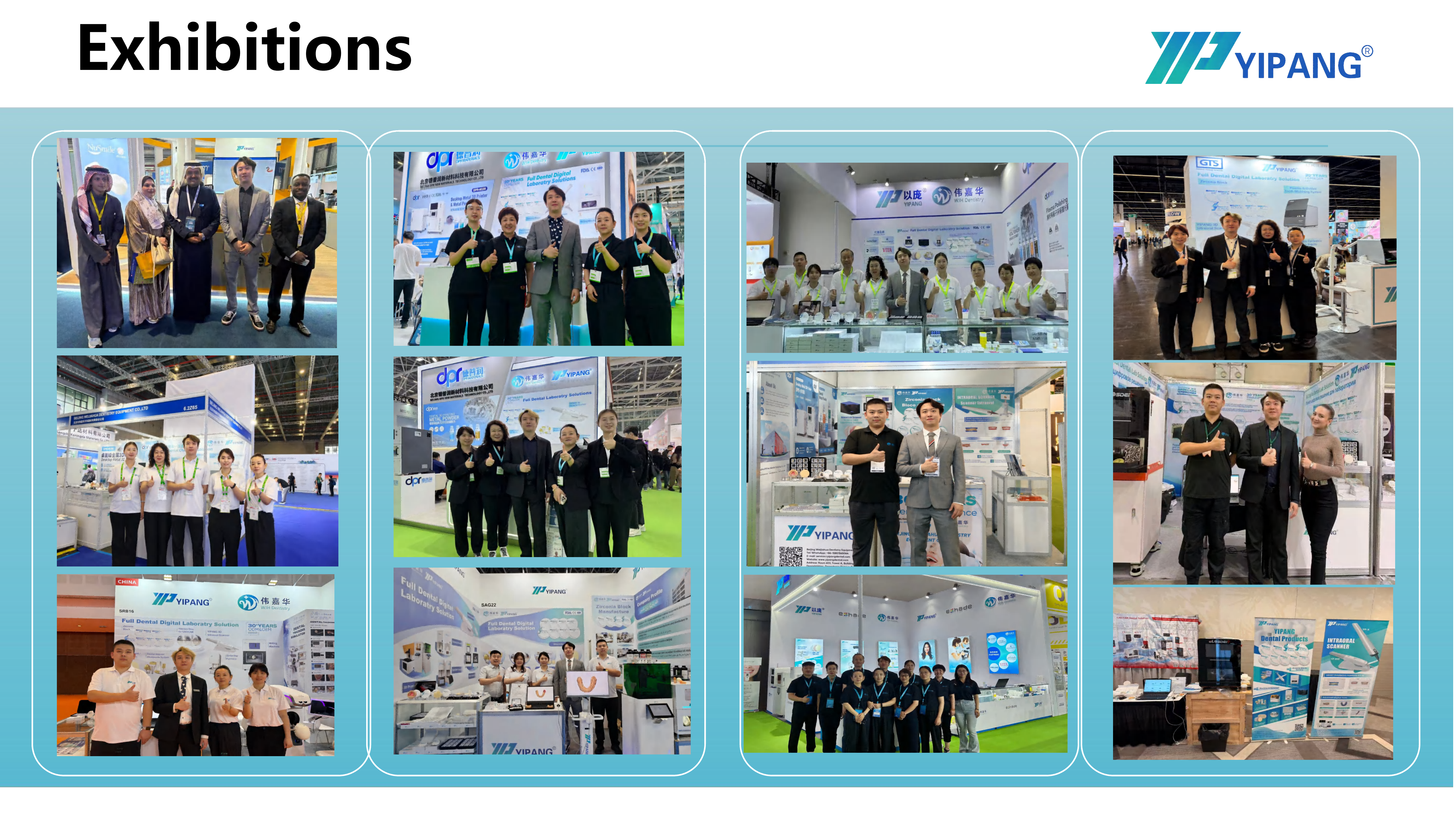
Have Questions or Need More Details?
Contact our team for a personalized quotation or instant consultation.
Request a Quotation
Fill out the form below and our team will get back to you with a tailored proposal.
WhatsApp Direct Chat
Prefer to chat in real-time? Message us on WhatsApp for instant assistance & quick answers.
- Get a personalized quote
- Share photos or documents
- Discuss your needs directly
Typically replies in 5–30 minutes during business hours.