Dental Zirconia Blocks for Full-Arch Implant Restorations: A Lab Application Guide
Full-arch implant restorations are one of the few dental laboratory projects where the block, the mill, the burs, the furnace curve and the room itself all have to agree. The block has to machine predictably, survive sintering without losing dimensional accuracy across a long span, and hold a consistent shade from the first unit to the last. This guide explains how a dental lab should specify, mill, sinter and finish 4D-PRO-ML zirconia blocks for implant-supported full-arch cases, and which process controls actually decide the result.
What a Full-Arch Implant Case Demands From a Zirconia Block
A zirconia block for full-arch implant work is not judged on a single crown. The restoration is a long-span framework carried by implants, so every gain or loss in the process is multiplied along the span. Three requirements dominate the specification.
Dimensional stability after sintering. The milled blank is larger than the finished restoration because the material densifies during sintering. If shrinkage is unstable between discs or between sintering runs, the framework will not seat passively on the implant abutments. The relevant material property is therefore not just strength but stable sintering shrinkage, which is one of the documented performance highlights of the 4D-PRO-ML block.
Strength for a load-bearing superstructure. Implant-supported full-arch frameworks are thinner in section than a full-contour crown but cover a far larger area. 4D-PRO-ML is specified with a bending strength of ≥1200 MPa and is intended for implant superstructure restorations as well as full-contour crowns, bridges and veneers.
Shade continuity across many units. A full-arch case is read as one object by the patient. 4D-PRO-ML is a multilayer (ML) disc with medium translucency and a gradient translucency structure, which is the reason the material is positioned for aesthetic restorations rather than for opaque substructures only.
Industry Background: Why Zirconia Still Carries the Superstructure
Zirconia is not a niche material in the dental laboratory any more; it is the default CAD/CAM restorative material in many markets. Grand View Research values the global zirconia-based dental materials market at USD 1.2 billion in 2025, projected to reach USD 2.3 billion by 2033. Within that market, zirconia discs held the largest revenue share at 63.1% in 2025, which reflects how completely the disc-and-mill format has replaced older fabrication routes for zirconia.
The same dataset shows where the work happens. Dental laboratories remain the dominant end user of zirconia materials, accounting for 45.3% of market share in 2025. CAD/CAM milling represented 82.4% of zirconia dental manufacturing process revenue in 2025, and the United States alone accounts for 40% of global zirconia dental materials revenue. On the material side, 3Y-TZP zirconia held the largest grade share at 35.9% in 2025.
Implant work is growing alongside it. iData Research valued the final abutment market at nearly USD 2.6 billion in 2025, and Grand View Research estimates the dental 3D printing market will grow from USD 4.9 billion in 2025 to USD 26.7 billion by 2033 — a signal that digital case acquisition, including scanbody-based edentulous workflows, keeps expanding the digital front end of the lab.
Regulation shapes the same workflow. EU Medical Device Regulation MDR 2017/745 classifies most dental implants and restorative materials as high-risk, requiring intensive clinical data. For a laboratory, that translates into process documentation: which block, which sintering curve, which furnace, which acceptance check.
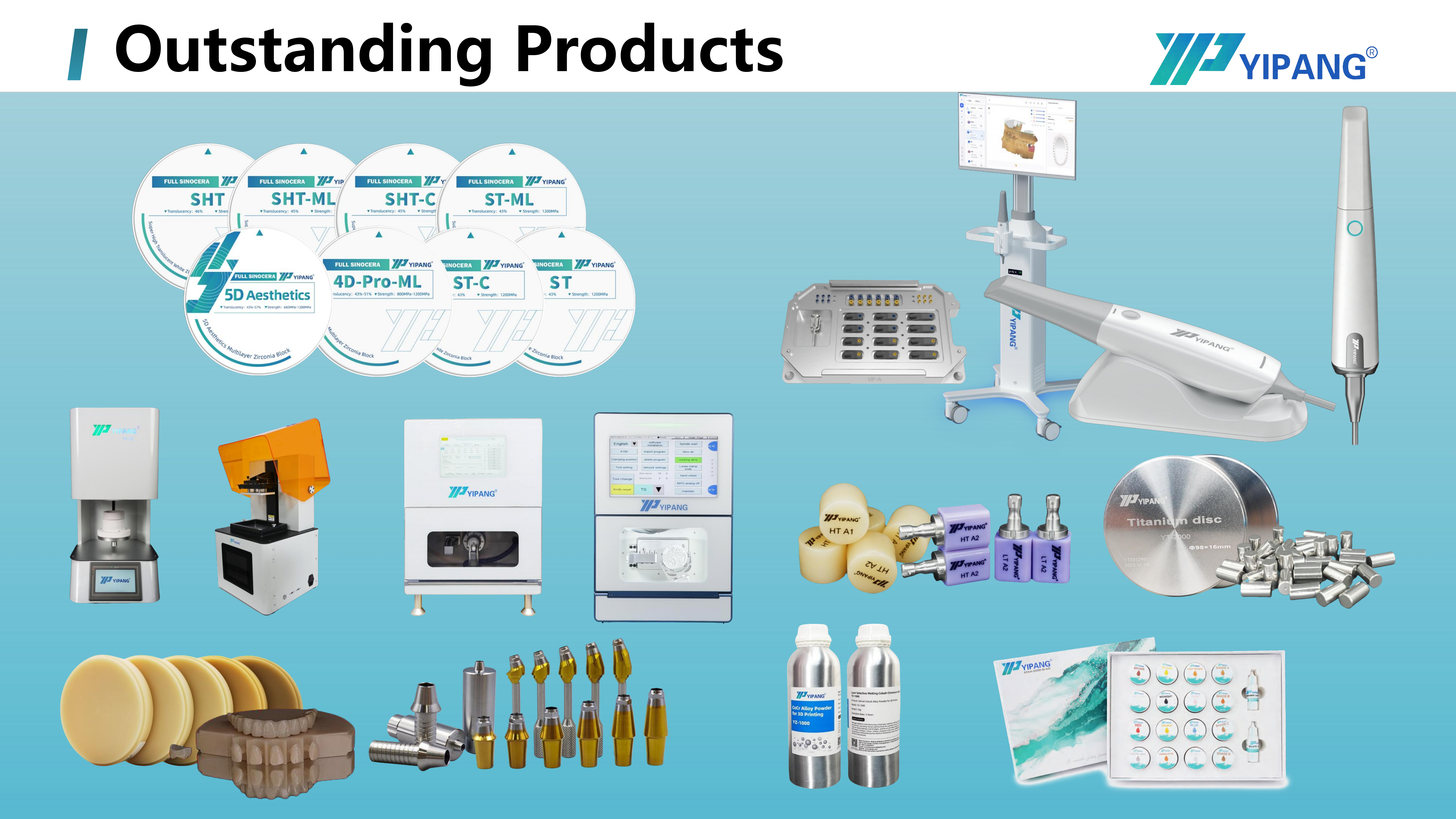
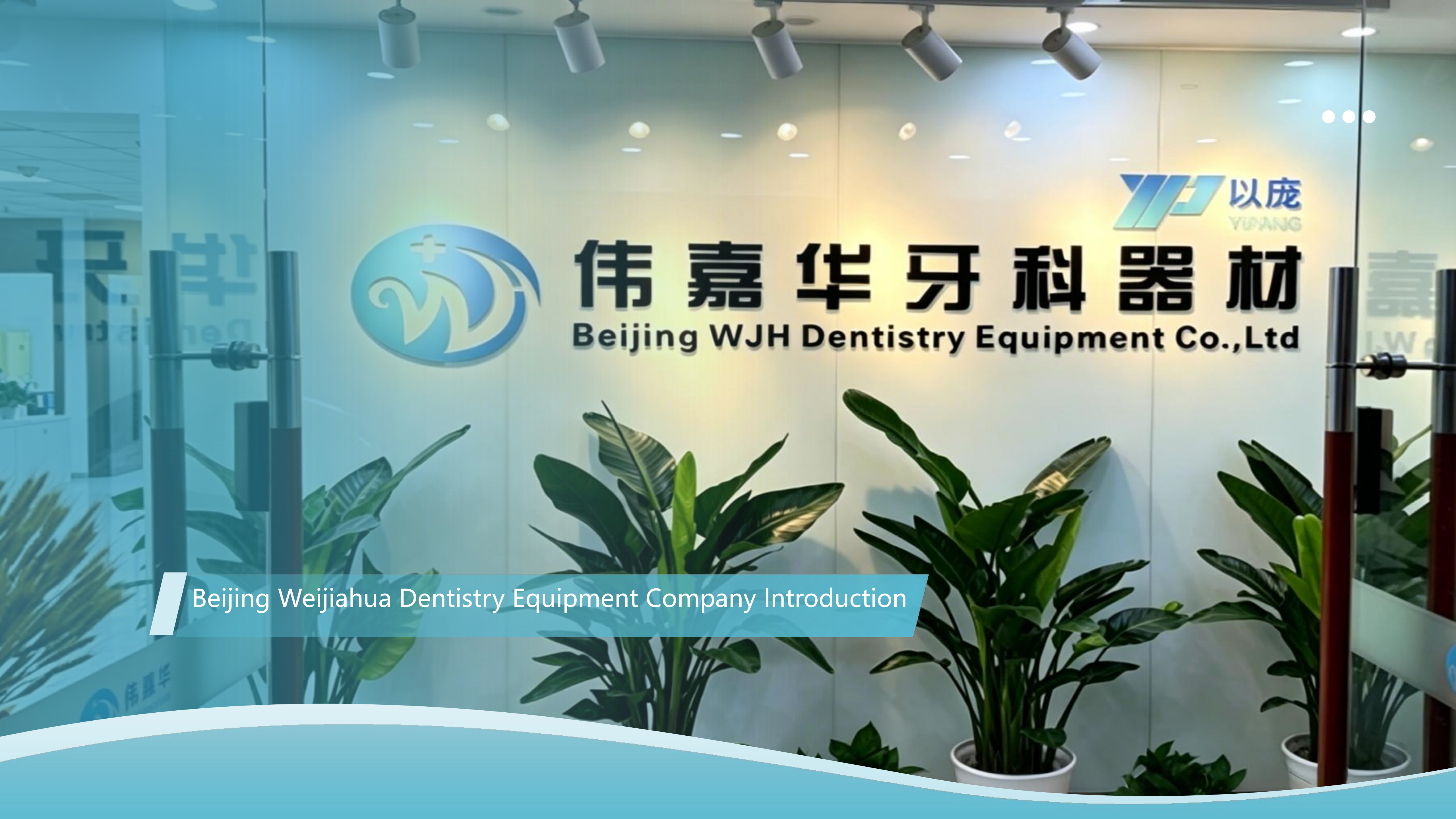
YIPANG is the self-developed dental materials brand of Beijing Weijiahua Dentistry Equipment Co., Ltd., a Beijing-based dental equipment company established in 1996 that supplies zirconia blocks, glass ceramics, press ingots, PMMA, wax, titanium blocks, implant abutments, scanners, milling machines, 3D printers and sintering furnaces. Its parent company has served more than 1,000 dental laboratory customers in China and has represented international brands including VITA, Ivoclar, Dentsply, Amann Girrbach and Noritake.
The Block: 4D-PRO-ML Specifications for Implant Superstructures
4D-PRO-ML is a CAD/CAM dental milling blank made of zirconium dioxide (ZrO₂) with yttria stabilizer, supplied as a 98 mm disc in a multilayer (ML) shade structure. It is documented as suitable for full-contour crowns, bridges, veneers and implant superstructure restorations, and as used in full-arch implant restorations and edentulous full-arch restoration cases.
| Parameter | Documented value | Why it matters in a full-arch case |
|---|---|---|
| Material | Zirconium dioxide (ZrO₂) with yttria stabilizer | Yttria-stabilized zirconia is the standard base for millable dental zirconia blanks. |
| Model | 4D-PRO-ML | Identifies the multilayer disc format used for aesthetic and implant work. |
| Type | Dental zirconia disc, CAD/CAM dental milling blank | Fits standard 98 mm disc holders on dental milling machines. |
| Diameter | 98 mm | Determines how many units of a full-arch framework can be nested per disc. |
| Thickness | 10 mm, 12 mm, 14 mm, 16 mm, 18 mm, 20 mm | Thicker blanks are required for long-span frameworks and multi-unit nesting. |
| Available shades | ML Multilayer | Gradient shade and translucency across the restoration height. |
| Translucency | Medium translucent | Balances aesthetics with the masking needed over implant components. |
| Bending strength | ≥1200 MPa | Load-bearing capacity for implant superstructures. |
| Sintering temperature | 1450 ℃ (recommended range 1430 ℃–1450 ℃) | The curve must be set to the material, not to a generic program. |
| Dimensional behaviour | Low shrinkage after sintering, high dimensional accuracy | Directly affects passive fit on multi-implant frameworks. |
| Equipment fit | Compatible with most mainstream dental milling machines and most CAD/CAM systems | Reduces the need for a dedicated machine or a second workflow. |
The block is milled in a dental milling machine and sintered in a dental sintering furnace; a dental lab scanner is the third piece of supporting equipment in the documented workflow. The operating environment is an indoor constant temperature dental laboratory, and the process carries one explicit special requirement: strictly follow the standard sintering temperature curve during processing.
Step-by-Step: Running a Full-Arch Case on 4D-PRO-ML
Step 1 — Digital capture, including edentulous scanbody workflows
Full-arch cases usually begin with an edentulous scanbody kit workflow: scanbodies are seated on the implants or analogues, the dental lab scanner captures their position, and the resulting file defines the implant axis for the framework. This is the step that fixes the tolerance budget for everything that follows, so the scan is not a place to save time in an implant abutment laboratory.
Step 2 — CAD design of the implant superstructure
The framework is designed as an implant superstructure restoration, with connector cross-sections and screw channels placed before nesting. Because 4D-PRO-ML is a multilayer disc, the framework is positioned in the disc so that the shade gradient runs in the correct vertical direction across the whole span.
Step 3 — Block selection and nesting
Choose the thickness from the 10–20 mm range according to framework height and the number of units nested per disc. A full-arch framework consumes far more disc area than a single crown, so a 98 mm disc is normally planned around one large project or a grouped set of smaller ones.
Step 4 — Milling
The blank is processed by the dental milling machine using dental milling burs, cutting the framework slightly oversized to allow for sintering densification. Tool condition and bur replacement intervals belong in the lab's written process, because a worn bur shows up in a long-span framework as surface chipping and margin loss rather than as an obvious single-unit defect.
Step 5 — Sintering on the standard curve
Place the milled zirconia workpiece on the sintering tray, set the heating curve up to 1430 ℃–1450 ℃ with the appropriate holding time, and let the restoration cool down naturally after the cycle completes. Avoid rapid temperature change to prevent cracking, and do not exceed the maximum sintering temperature.
Step 6 — Finishing: staining, glaze and polishing
After sintering, full-arch cases move into the aesthetic finishing chain. YIPANG's material range covers this stage as well — the workflow continues into dental staining glaze and glaze paste finishing projects and polishing with dental polishing burs, with dental porcelain furnace laboratories handling the firing steps. Treat each of these as a controlled step with its own recorded parameters, not as cosmetic adjustment.
Step 7 — Fit verification and acceptance
Check the framework on the model or analogues for passive seating before delivery. Because the documented material behaviour includes stable sintering shrinkage and compatibility with most CAD/CAM systems, any fit deviation in a full-arch case should be traced back to the scan, the nesting orientation or the sintering curve before the block itself is questioned.
Step 8 — Documentation
Record block model and lot, disc thickness, milling machine, bur change interval, furnace program and sintering batch. Under a framework such as EU MDR 2017/745, this record is what allows a laboratory to reproduce a case and to answer a clinician's question about a specific restoration.

Four Process Controls That Decide the Outcome
1. The sintering curve, not the peak temperature alone
The recommended sintering temperature range for 4D-PRO-ML is 1430 ℃–1450 ℃, with 1450 ℃ listed as the sintering temperature in the product specification. Peak temperature is only one variable; heating rate, holding time and cooling behaviour determine whether the framework reaches density without distortion. The documented safety rules are explicit: avoid rapid temperature change to prevent cracking, and do not exceed the maximum sintering temperature.
2. Indoor constant temperature conditions
The documented working condition for this application is an indoor constant temperature dental laboratory environment. This is a process requirement rather than a comfort item: a green zirconia framework is dimensionally sensitive before sintering, and a room that swings in temperature and humidity between milling and furnace loading introduces a variable the operator cannot see in the finished part.
3. Shrinkage consistency across the batch
Case records from long-term laboratory customers highlight uniform translucency, stable sintering shrinkage and compatibility with most CAD/CAM systems, with high recognition on material stability and aesthetic effect and a low complaint rate across hundreds of long-term cooperative clients worldwide. For a full-arch case, stable shrinkage is the single most valuable of these three, because it is the property that lets a lab keep one nesting strategy instead of re-compensating per disc.
4. Equipment that matches the block
The documented supporting equipment set is a dental milling machine, a dental sintering furnace and a dental lab scanner. A lab running full-arch zirconia should confirm that its mill handles 98 mm discs, that its furnace program can be edited for a 1430–1450 ℃ curve, and that its scanner workflow covers edentulous scanbody kits before committing a case to the material.
Use Cases: Where 4D-PRO-ML Blocks Fit
The block is documented for use in full-arch implant restorations, implant-supported full-arch cases, edentulous full-arch restoration cases, implant superstructure restorations and implant abutment laboratories. It is also used in edentulous scanbody kit workflows, dental lab scanner-to-milling workflows, high-volume milling workflows and high-volume sintering workflows, as well as in mixed ceramic restoration laboratories and aesthetic crown restoration laboratories.
That breadth matters in practice, because most laboratories do not run implant work in isolation. A lab that also produces PMMA disc and PEEK disc work, lithium disilicate glass ceramic restorations, or glaze paste and staining glaze finishing will be running zirconia alongside them. 4D-PRO-ML is documented as used in multi-material dental milling projects and in mixed-material and multi-material CAD/CAM laboratory environments, so it does not require a segregated production line.
| Case type | Documented application | Primary control point |
|---|---|---|
| Full-arch implant restoration | Full-arch implant restorations; implant-supported full-arch cases | Sintering curve compliance and shrinkage consistency across the span |
| Edentulous full-arch case | Edentulous full-arch restoration cases; edentulous scanbody kit workflows | Scanbody capture accuracy feeding the framework design |
| Implant superstructure | Implant superstructure restorations; implant abutment laboratories | Passive fit and connector cross-section design |
| Aesthetic full-arch build-up | Aesthetic crown restoration laboratories; multilayer crown and bridge projects | ML shade gradient orientation during nesting |
| High-volume production | High-volume milling workflows; high-volume sintering workflows | Furnace scheduling and batch documentation |
| Mixed-material laboratory | Mixed ceramic restoration laboratories; PMMA disc and PEEK disc workflows | Separating zirconia sintering from other material processes |
Sourcing the Block for a Full-Arch Programme
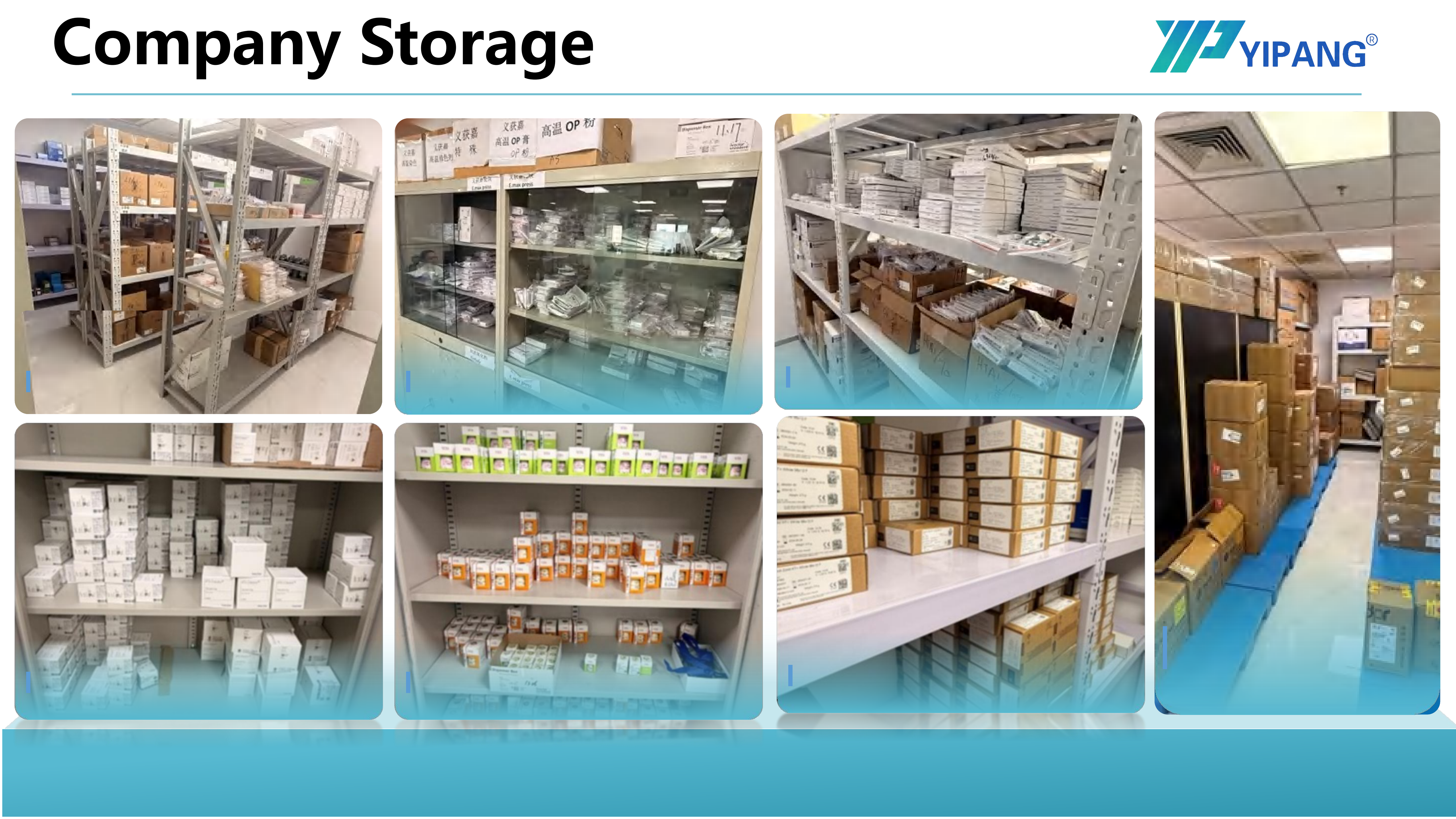
Beijing Weijiahua Dentistry Equipment Co., Ltd. operates as an OEM/ODM supplier for its YIPANG brand, with a documented monthly capacity of 15,000 pieces, a lead time of 15–30 working days and a negotiable small MOQ. Almost all specifications can be customized. Quality control is defined as 100% raw material inspection plus finished product random inspection, and after-sales support includes online technical guidance with a response within 24 hours. Documented export markets include the USA, Europe, Brazil, the Middle East and North Africa, and the parent company's export ratio is 40%–55%, serving the Middle East, Southeast Asia, South America, North America, Eastern Europe, North Africa and Australia.
For a laboratory building a full-arch programme, the practical sequence is to fix the block model and thickness set first, confirm the sintering program against the furnace actually installed, then standardize the finishing chain — staining glaze, glaze paste and polishing — so that every case in the programme follows the same recorded path.
Frequently Asked Questions
Which 4D-PRO-ML thickness should a lab use for a full-arch implant framework?
4D-PRO-ML is available in 10 mm, 12 mm, 14 mm, 16 mm, 18 mm and 20 mm thickness with a 98 mm diameter, in ML multilayer shades. The correct thickness depends on framework height and how many units are nested per disc, because a full-arch superstructure consumes substantially more disc area than a single crown. Almost all specifications can be customized under OEM/ODM, so a laboratory running a recurring full-arch programme can request the thickness set that matches its standard nesting layout.
What sintering temperature and curve does the material require?
The recommended sintering temperature range is 1430 ℃–1450 ℃, with 1450 ℃ listed as the sintering temperature in the product specification. Place the milled zirconia workpiece on the sintering tray, set the heating curve up to 1430 ℃–1450 ℃ with the appropriate holding time, and allow natural cooling after the cycle. Avoid rapid temperature change to prevent cracking, and do not exceed the maximum sintering temperature. The documented process requirement is to strictly follow the standard sintering temperature curve during processing.
Why is an indoor constant temperature laboratory specified for this application?
The documented working condition for 4D-PRO-ML in dental CAD/CAM applications is an indoor constant temperature dental laboratory environment, and this application scenario is common globally. The block is milled in a dental milling machine and sintered in a dental sintering furnace, with a dental lab scanner as the third supporting item. Keeping the milling-to-furnace environment stable removes a variable that would otherwise show up as inconsistent fit in long-span frameworks and cannot be corrected after sintering.
Can a laboratory order full-arch-specific block specifications from YIPANG?
Yes. Beijing Weijiahua Dentistry Equipment Co., Ltd. operates an OEM/ODM model for the YIPANG brand, and almost all specifications can be customized. Documented capacity is 15,000 pieces per month, quality control is 100% raw material inspection plus finished product random inspection, and after-sales support provides online technical guidance with a response within 24 hours. Documented export markets include the USA, Europe, Brazil, the Middle East and North Africa.
What is the lead time, and how does a laboratory start?
Documented lead time is 15–30 working days, with a negotiable small MOQ. Laboratories normally start by validating the material on their own equipment and sintering program before committing a full-arch case, then move to a standing order once the nesting layout and furnace curve are fixed. Samples, quotations and the company profile can be requested through www.yipangdental.com or by email at service@yipangdental.com; the company brochure is available here: WJH Company Information (PDF).
Conclusion
Full-arch implant restorations are decided less by the block alone than by how tightly the block, the mill, the burs and the furnace curve are held together. 4D-PRO-ML brings the material side of that equation into a defined range: a 98 mm disc in 10–20 mm thickness, ML multilayer shades with medium translucency, a bending strength of ≥1200 MPa, low shrinkage after sintering with high dimensional accuracy, and documented compatibility with most mainstream dental milling machines and CAD/CAM systems. It is specified for implant superstructure restorations, full-arch implant restorations and edentulous full-arch cases, and it is documented as used in implant abutment laboratories and edentulous scanbody kit workflows.
The process side is equally concrete: an indoor constant temperature laboratory, a sintering curve held to 1430 ℃–1450 ℃ with natural cooling, no rapid temperature change, and no exceeding the maximum sintering temperature. Laboratories that record those parameters alongside the block lot are the ones that can reproduce a full-arch case rather than re-solve it each time.
Next Step for Laboratories
If you are evaluating a zirconia block for a full-arch implant programme, request a sample set in the thickness you actually nest, run it through your own sintering curve, and compare fit and shade against your current material. YIPANG (Beijing Weijiahua Dentistry Equipment Co., Ltd.) supplies 4D-PRO-ML zirconia blocks with OEM/ODM customization, a 15–30 working day lead time and online technical guidance with a response within 24 hours.
Website: www.yipangdental.com | Email: service@yipangdental.com | Tel / WhatsApp: +86 158-0156-5064 | Address: Room 603, Tower A, Building 1, No. 22A Dongsishitiao, Dongcheng District, Beijing, China
Company brochure download: WJH Company Information (PDF)
Have Questions or Need More Details?
Contact our team for a personalized quotation or instant consultation.
Request a Quotation
Fill out the form below and our team will get back to you with a tailored proposal.
WhatsApp Direct Chat
Prefer to chat in real-time? Message us on WhatsApp for instant assistance & quick answers.
- Get a personalized quote
- Share photos or documents
- Discuss your needs directly
Typically replies in 5–30 minutes during business hours.