
Dental Zirconia Blocks for Milling Centers vs. Chairside Clinics: A Workflow Comparison
A dental zirconia block is only one variable in a production chain. This comparison places one blank - YIPANG 4D-PRO-ML, a multilayer yttria-stabilized ZrO2 CAD/CAM blank with a 98 mm diameter, thickness options from 10 mm to 20 mm, a 1450 degC sintering temperature and a bending strength of at least 1200 MPa - inside two different environments: a high-volume milling center running 5-axis production and multi-unit bridge work, and a chairside restoration clinic running single-unit, same-visit cases.
The practical answer up front: milling centers should judge 4D-PRO-ML by batch throughput, blank thickness planning and sintering furnace loading. Chairside clinics should judge it by single-unit fit, sintering curve discipline and a stable indoor temperature. Both workflows share one hard requirement - the standard sintering temperature curve, which for this material means 1430 degC to 1450 degC with proper heating, holding and natural cooling.
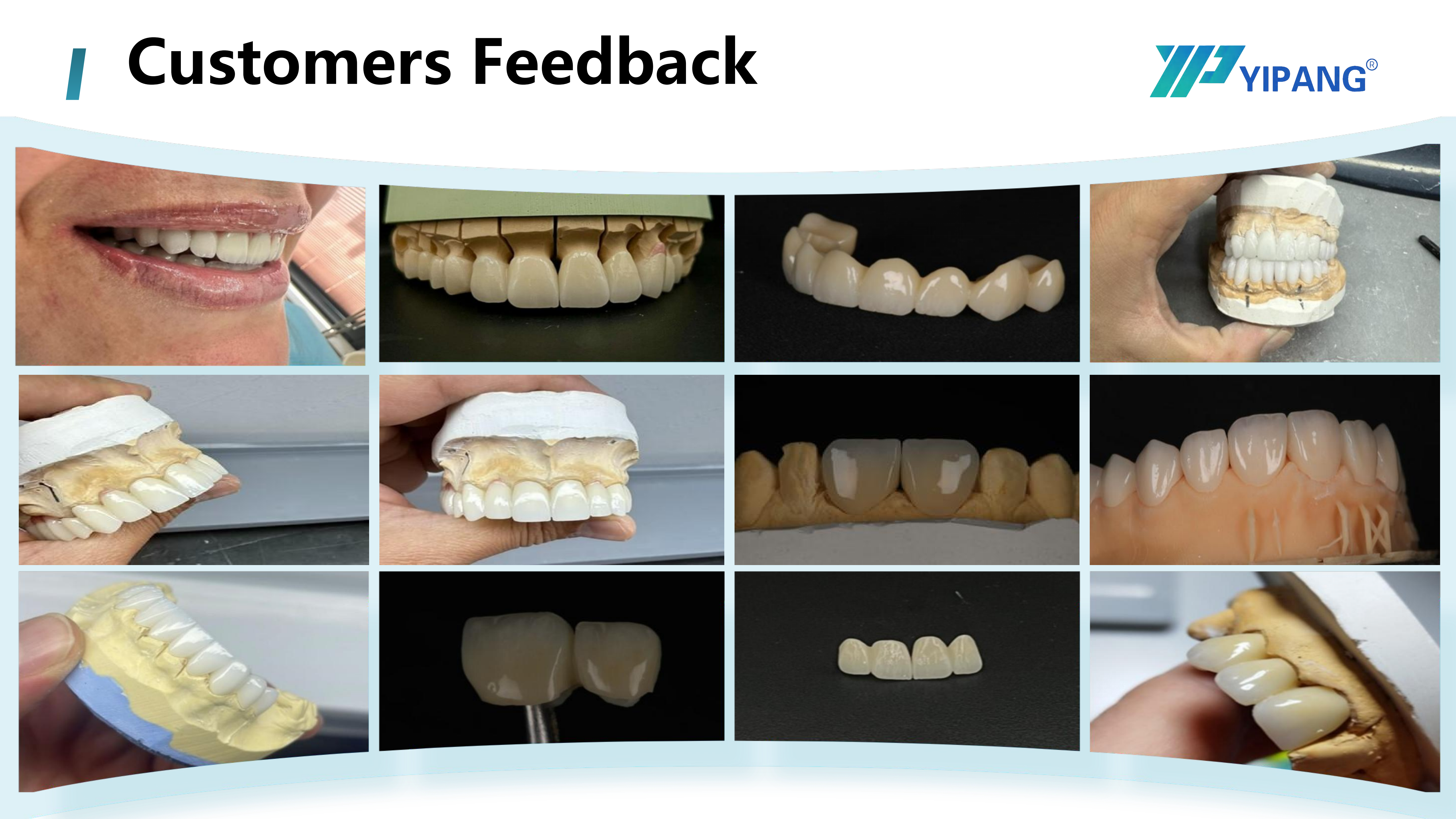
Cover: zirconia block production supporting both multi-unit milling center output and single-unit chairside work.
Problem Definition: Why a Block Question Is Really a Workflow Question
A dental zirconia block sits in the middle of a longer chain: digital scanning, case design, milling, sintering, finishing and final verification. Milling centers and chairside clinics run the same chain at different scale, with different tolerance for downtime and with a different restoration mix. That is why two buyers can run the same 4D-PRO-ML blank and reach completely different conclusions about whether it fits.
Four dependencies decide workflow fit, and each one has a documented answer for this blank:
- Equipment dependency. The blank is processed on a dental milling machine and sintered in a dental sintering furnace, with a dental lab scanner used upstream for digital case intake. No bench-top shortcut replaces this equipment set.
- Thermal dependency. The recommended sintering range is 1430 degC to 1450 degC. Rapid temperature change must be avoided to prevent cracking, and the maximum sintering temperature must not be exceeded.
- Environmental dependency. The intended working condition is an indoor constant temperature dental laboratory environment. Green-state zirconia is dimensionally sensitive, so room temperature drift usually shows up as a fit deviation rather than as an obvious material defect.
- Restoration-type dependency. The same blank is specified for full-contour crowns, bridges, veneers and implant superstructure restorations. Each category loads the workflow differently and tolerates a different batch size, blank thickness and handling time.
When a buyer evaluates a dental zirconia block only on strength or shade, the workflow reveals the weak point later - after a chipped batch, a misfit bridge, or a furnace cycle that has to be repeated. The sections below test those four dependencies one by one and then compare the two workflows side by side.
Industry Background: Milling Still Sets the Pace of Zirconia Production
Subtractive milling remains the dominant production route for definitive zirconia restorations, which is why blank-level workflow decisions carry more weight than material marketing claims.
- Zirconia discs held 63.1 percent of revenue in the zirconia-based dental materials market in 2025, and that market was valued at USD 1.2 billion in 2025 with a projected USD 2.3 billion by 2033 (Grand View Research).
- CAD/CAM milling accounted for 82.4 percent of zirconia dental manufacturing process revenue in 2025 (Grand View Research).
- Dental laboratories remain the largest end-user group at 45.3 percent of zirconia materials market share in 2025, while the United States alone accounted for 40 percent of global zirconia dental materials revenue in 2025 (Grand View Research).
- The dental milling machine market reached USD 2.45 billion in 2025 and is expected to reach USD 3.9 billion by 2030 (Fortune Business Insights). Roland DG, Amann Girrbach and vhf camfacture were identified as significant market share holders in that sector as of 2024 (Fortune Business Insights) - a reminder that a blank must fit an installed machine base, not one preferred machine brand.
- Additive manufacturing is expanding quickly in parallel: the dental 3D printing market is estimated to grow from USD 4.9 billion in 2025 to USD 26.7 billion by 2033, with photopolymer resins holding a 55.5 percent share of dental 3D printing materials in 2025 (Grand View Research). Because that material base is used predominantly for models, guides and temporary applications, milling capacity planning remains the core decision for definitive zirconia work.
- Zirconia is not the only definitive material in the room. Lithium disilicate accounted for approximately 28 percent of all all-ceramic dental restorations globally as of 2024, and the dental lithium disilicate market is projected to grow from USD 320 million in 2025 to USD 920 million by 2032 (Business Research Insights; Intel Market Research). The workflow question is not which material wins overall - it is which restoration types stay on zirconia in each setup.
- On the implant side, the final abutment market was valued at nearly USD 2.6 billion in 2025 (iData Research), and Institut Straumann held over 29 percent of the global dental implants and abutment systems market in 2024 (Global Market Insights). Implant superstructure work is concentrated, dimensionally demanding and normally centralized in laboratory production rather than chairside.
- Yttria-stabilized grades dominate the material specification: 3Y-TZP zirconia held a 35.9 percent revenue share of the dental zirconia market in 2025 (Grand View Research). YIPANG 4D-PRO-ML is produced from zirconium dioxide (ZrO2) with an yttria stabilizer.
- Regulatory pressure runs through both workflows. EU Medical Device Regulation (MDR 2017/745) classifies most dental implants and restorative materials as high-risk and requires intensive clinical data (European Commission), which in practice pushes laboratories toward documented batch records and traceable sintering parameters.
What YIPANG 4D-PRO-ML Provides to Both Workflows
YIPANG is the self-developed brand of Beijing Weijiahua Dentistry Equipment Co., Ltd., a company established in 1996 that also represents well-known international brands including VITA, Ivoclar, Dentsply, Amann Girrbach and Noritake. Its product lines include zirconia blocks, glass ceramics, press ingots, PMMA, wax, titanium blocks, implant abutments, 3D scanners, intraoral scanners, milling machines, 3D printers and sintering furnaces.
| Parameter | YIPANG 4D-PRO-ML specification |
|---|---|
| Product | Zirconia Blocks for Dental Prosthesis, model 4D-PRO-ML |
| Blank type | Dental zirconia disc / CAD/CAM dental milling blank |
| Material | Zirconium dioxide (ZrO2) with yttria stabilizer |
| Available shades | ML Multilayer |
| Diameter | 98 mm |
| Thickness | 10 mm, 12 mm, 14 mm, 16 mm, 18 mm, 20 mm |
| Sintering temperature | 1450 degC stated; recommended process range 1430 degC to 1450 degC |
| Bending strength | at least 1200 MPa |
| Translucency | Medium translucent |
| Intended restorations | Full-contour crowns, bridges, veneers and implant superstructure restorations |
| Matched equipment | Dental milling machine, dental sintering furnace, dental lab scanner |
Read as a workflow specification rather than a product list, these parameters answer the four dependencies directly:
- One blank format for two environments. A 98 mm diameter disc matches the blank holder of mainstream CAD/CAM milling machines, so a production center and a clinic can stock the same item and split inventory between them.
- Thickness planning instead of guesswork. The 10 mm to 20 mm range lets a chairside clinic keep thinner blanks for single units, while a milling center keeps thicker blanks for multi-unit bridges and implant superstructures.
- A fixed thermal window. Sintering at 1450 degC, inside a recommended 1430 degC to 1450 degC range, means the process can be standardized and locked rather than re-tuned for every batch.
- Strength and translucency balanced for posterior and bridge work. A bending strength of at least 1200 MPa with medium translucency supports full-contour crowns and multi-unit bridges where both load and shade transition matter.
- Production consistency. Stable batch consistency, a sintering shrinkage error within plus or minus 0.3 percent, uniform density distribution and good compatibility with most mainstream dental milling machines translate into fewer nesting re-calibrations and a lower processing failure rate.
- Whole-process quality inspection. A strict inspection system from raw material to finished blank supports the traceability that EU MDR-facing buyers increasingly request.
The ML multilayer shade structure is designed to support shade transition across the restoration, which matters for visible anterior work and for veneers, where characterization and glaze firing in a dental porcelain furnace remain part of the finishing routine.
Workflow A: High-Volume Milling Center with 5-Axis Production
In a milling center the constraint is throughput per furnace cycle, not per crown. Every step is organized around keeping the dental milling machine and the dental sintering furnace loaded.
- Digital intake. Cases arrive as scan data from a dental lab scanner or an intraoral scanner. For implant and edentulous cases, scanbody data defines implant position before design starts.
- Nesting and blank planning. Units are grouped by restoration type, shade and thickness requirement, and bridge segments are planned so that a single furnace load can sinter them together.
- Blank selection. 4D-PRO-ML is selected in the thickness that matches case geometry - thinner blanks for single units, thicker blanks for multi-unit bridges and implant superstructures - in the ML multilayer shade.
- Milling. Production runs on 5-axis dental milling machines. The blank is documented with good compatibility with most mainstream dental milling machines, and dental milling burs are replaced on schedule because worn tooling shows up as marginal fit, not as a blank defect.
- Green-state inspection. Every milled unit is inspected before sintering. A chipped or cracked blank is scrapped and never used for a final restoration - the cheapest quality gate in the entire workflow.
- Batch sintering. Workpieces are placed on the sintering tray and run on the standard curve up to 1430 degC to 1450 degC with the proper holding time, then cooled naturally. Rapid temperature change is avoided and the maximum sintering temperature is never exceeded.
- Finishing and dispatch. Staining, glaze and characterization are fired in a dental porcelain furnace, adjustments are made with polishing burs, and shade and fit checks are logged per batch.
A center that follows this sequence treats 4D-PRO-ML as a production standard: one blank family, one sintering program, one set of nesting parameters held stable across batches.
Workflow B: Chairside Restoration Clinic
In a chairside clinic the constraint is appointment time, not batch size. The chain is shorter, but the same thermal and environmental rules apply.
- Intraoral scanning. The restoration is scanned in the chair; no physical impression leaves the practice.
- Single-unit design. Chairside work concentrates on full-contour crowns and small spans, where a thin 4D-PRO-ML blank keeps material waste low.
- In-clinic milling. A compact dental milling machine cuts the unit from the 98 mm disc - the same blank format used by production centers.
- Green-state check. The milled crown is inspected before sintering. A chipped or cracked unit is scrapped rather than sintered, which protects a single-appointment case the same way it protects a batch.
- Sintering. The unit is sintered in a dental sintering furnace on the standard curve up to 1430 degC to 1450 degC with proper holding time, avoiding rapid temperature change, then cooled naturally.
- Characterization and seating. Staining and glaze are applied and fired, and the restoration is seated - often in the same visit when sintering time is planned into the appointment.
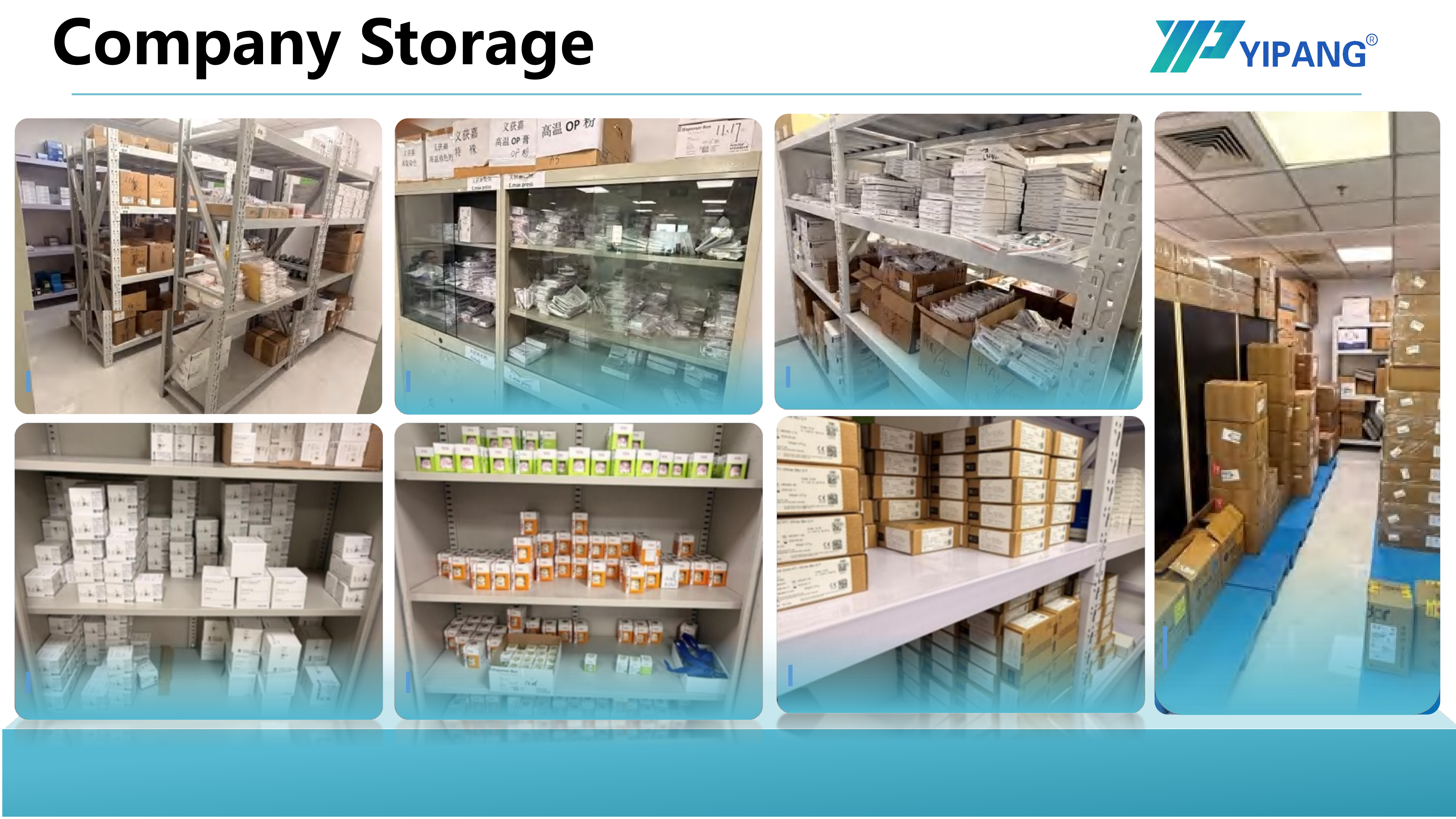
Indoor constant temperature working environment: the stated condition for milling and sintering 4D-PRO-ML blanks.
Equipment Dependency Matrix: What Each Workflow Must Have in Place
| Dependency | High-volume milling center | Chairside restoration clinic | Shared requirement |
|---|---|---|---|
| Digital intake | Dental lab scanner for model and scanbody data | Intraoral scanner in the chair | Data must feed a standard CAD/CAM design workflow |
| Milling | 5-axis dental milling machine, continuous loading | Compact dental milling machine, single units | Compatibility with 98 mm 4D-PRO-ML blanks; scheduled replacement of dental milling burs |
| Sintering | High-capacity dental sintering furnace, batch loads | Compact dental sintering furnace, one or two units per cycle | Standard curve up to 1430 degC to 1450 degC, proper holding time, natural cooling |
| Thermal discipline | Batch-level program lock and record | Per-unit program selection and verification | No rapid temperature change; never exceed the maximum sintering temperature |
| Environment | Production floor held at constant temperature | Clinic laboratory room held at constant temperature | Indoor constant temperature dental laboratory environment |
| Green-state handling | Inspection of every milled unit before the furnace | Inspection of each single unit before the furnace | Chipped or cracked blanks are scrapped, not finished |
| Finishing | Dental porcelain furnace for stain and glaze, polishing burs for adjustment | Compact porcelain furnace or clinic characterization setup | Finishing must not compensate for a sintering deviation |
Matching Restoration Type to the Right Workflow
Full-contour crowns
Both workflows can produce full-contour crowns from 4D-PRO-ML. A chairside clinic gains appointment efficiency on single units; a milling center gains cost efficiency by batching crowns with other cases in the same furnace load.
Multi-unit bridges
Multi-unit bridges are the clearest case for a milling center. Batch sintering, uniform density distribution and a sintering shrinkage error within plus or minus 0.3 percent keep connector fit predictable across the span. Chairside sintering capacity of one or two units per cycle makes multi-unit bridge work impractical in most clinics.
Veneers
Veneers depend on shade transition and thin-section handling. The ML multilayer structure supports gradient across the restoration, and the medium translucent specification suits visible-zone cases. Veneer work normally stays in laboratory production, because characterization requires a dental porcelain furnace and controlled glaze firing.
Implant superstructure projects
Implant superstructures combine a dental implant abutment interface with a zirconia framework, so dimensional consistency matters more than speed. The final abutment market was valued at nearly USD 2.6 billion in 2025 (iData Research), and implant systems remain concentrated, with Institut Straumann holding over 29 percent of the global dental implants and abutment systems market in 2024 (Global Market Insights). In practice, implant-level superstructures belong to milling centers and laboratory production, where batch records and green-state inspection can be documented; chairside units are better limited to single implant crowns.
Workflow Comparison Table: Milling Center vs. Chairside Clinic
| Decision factor | High-volume milling center | Chairside restoration clinic |
|---|---|---|
| Primary output | Multi-unit bridges, implant superstructures, veneers and crowns in batches | Single full-contour crowns and small spans, often same-visit |
| Blank stock | Multiple thicknesses across 10 mm to 20 mm, ML multilayer shades | Limited thickness range, single-unit oriented |
| Milling equipment | 5-axis dental milling machine, continuous loading | Compact dental milling machine, one case at a time |
| Sintering furnace use | Batch loads per cycle | One or two units per cycle |
| Sintering curve | Locked program, 1430 degC to 1450 degC with holding time and natural cooling | Same curve, verified per run |
| Environment | Constant-temperature production floor | Constant-temperature clinic laboratory room |
| Main quality gate | Green-state inspection plus batch records | Green-state inspection per unit |
| Main failure risk | Batch-level deviation from the sintering profile, or an inherent defect inside the blank | Chipping or cracking caused by rapid temperature change |
| Materials portfolio around the blank | Zirconia blocks, glass ceramics, press ingots, PMMA, wax, titanium blocks, implant abutments | Zirconia blocks, PMMA and wax for provisional steps |
| Commercial terms | MOQ: 1 box for standard models, 5 boxes for customized products. Domestic: express delivery. Export: sea freight or air freight, FOB Shanghai / Tianjin available. Payment: full payment before shipment. Sampling test supported. | |
Step-by-Step: Deploying 4D-PRO-ML in Either Workflow
- Match equipment first. confirm a dental milling machine, a dental sintering furnace and a scanning device (dental lab scanner or intraoral scanner) before ordering blanks.
- Stabilize the room. Operate in an indoor constant temperature dental laboratory environment.
- Lock the sintering program. Set the curve up to 1430 degC to 1450 degC with the proper holding time, avoid rapid temperature change, never exceed the maximum sintering temperature, and cool naturally.
- Inspect before the furnace. Reject and scrap chipped or cracked green-state units rather than finishing them.
- Run a sampling test. Sampling test is supported for validation before full production or clinic rollout.
- Confirm commercial terms. MOQ is 1 box for standard models and 5 boxes for customized products; domestic delivery is by express, export by sea or air freight with FOB Shanghai / Tianjin available; payment is full before shipment.
- Verify on receipt. Check quantity upon receipt and report any damage or deformation within 48 hours with photos.
- Keep batch records. Log the sintering program, blank batch and inspection result for every cycle, so that implant superstructure and other high-risk restorations can be traced in line with EU MDR 2017/745 expectations.
Use Cases: Where Each Workflow Wins
Profile 1 - Multi-unit bridge laboratory on 5-axis production
This setup runs a dental lab scanner, a 5-axis dental milling machine and a high-capacity dental sintering furnace. 4D-PRO-ML in 18 mm or 20 mm thickness feeds bridge segments into full furnace loads, and the documented shrinkage error within plus or minus 0.3 percent keeps connector fit stable from batch to batch.
Profile 2 - Chairside clinic with a compact mill and furnace
This setup runs an intraoral scanner, a compact dental milling machine and a compact dental sintering furnace. The clinic keeps a narrow thickness range for single full-contour crowns, follows the same 1430 degC to 1450 degC curve, and treats sintering time as part of the appointment plan.
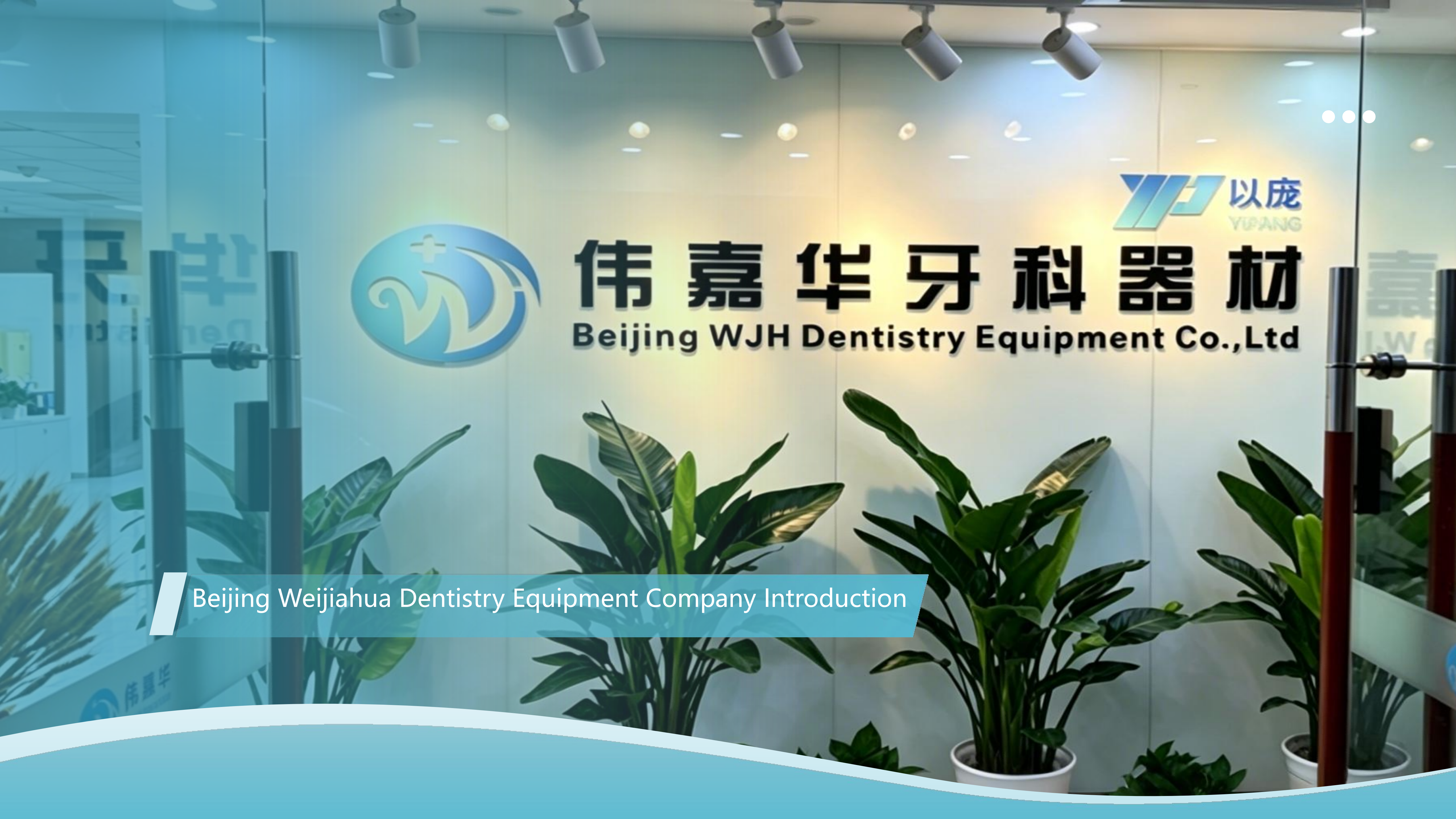
Chairside setting: single-unit zirconia work planned around appointment time and a compact sintering cycle.
Profile 3 - Implant superstructure project
An implant superstructure project combines abutment-level precision with a zirconia framework. Because the final abutment market was valued at nearly USD 2.6 billion in 2025 (iData Research) and implant systems remain concentrated (Institut Straumann held over 29 percent of the dental implants and abutment systems market in 2024, Global Market Insights), these cases are normally routed to centralized production where batch records and dimensional checks are documented.
Profile 4 - Distributor serving both workflow types
Importers and distributors often supply both customer types: a milling center that buys by the batch and a clinic that reorders single boxes. One blank platform reduces SKU complexity, since 4D-PRO-ML is offered in 10 mm, 12 mm, 14 mm, 16 mm, 18 mm and 20 mm thicknesses at a 98 mm diameter, with MOQ of 1 box for standard models and 5 boxes for customized products. Beyond zirconia blocks, the YIPANG portfolio covers glass ceramics, press ingots, PMMA, wax, titanium blocks, implant abutments, 3D scanners, intraoral scanners, milling machines, 3D printers and sintering furnaces.
FAQ: Workflow Fit, Sintering and Long-Term Supply
Can the same dental zirconia block serve a high-volume milling center and a chairside clinic?
Yes. 4D-PRO-ML is supplied as one 98 mm CAD/CAM blank family in thicknesses of 10 mm, 12 mm, 14 mm, 16 mm, 18 mm and 20 mm in ML multilayer shades, and it is specified for full-contour crowns, bridges, veneers and implant superstructure restorations. The workflow difference is scheduling, not material: a milling center batches units per sintering cycle on a dental milling machine and dental sintering furnace, while a chairside clinic runs single units on the same sintering curve.
What sintering temperature and curve should be used with 4D-PRO-ML zirconia blocks?
The recommended sintering temperature range is 1430 degC to 1450 degC, and the stated sintering temperature for the material is 1450 degC. The standard procedure is to place the milled zirconia workpiece on the sintering tray, set the heating curve up to 1430 degC to 1450 degC with the proper holding time, and let the workpiece cool down naturally after sintering. Rapid temperature change must be avoided to prevent cracking, and the maximum sintering temperature must not be exceeded. Following the standard heating and holding procedure is what supports low shrinkage and stable translucency.
What commercial terms apply when switching a workflow to 4D-PRO-ML?
MOQ is 1 box for standard models and 5 boxes for customized products. Domestic delivery is by express; export ships by sea freight or air freight, with FOB Shanghai / Tianjin available, and payment is full before shipment. On cost, YIPANG positions the blank with better cost performance than imported zirconia blocks of equivalent quality, based on self-developed domestic zirconia powder, stable batch consistency and a strict whole-process quality inspection system - a shrinkage error within plus or minus 0.3 percent directly reduces remake volume in both workflow types.
Can a clinic or a milling center validate the blank with a sample before committing?
Sampling test is supported. Acceptance criteria are check quantity upon receipt, and report any damage or deformation within 48 hours with photos. For workflow validation, a sample run should cover the exact sintering curve the site will use, the selected blank thickness, and the green-state inspection step, because those three variables account for most workflow-level variation.
What makes a dental zirconia block supplier a long-term partner for dental laboratories?
Beijing Weijiahua Dentistry Equipment Co., Ltd. was established in 1996 and has more than 25 years of experience in the dental industry. The company employs approximately 80 staff, operates a 2000 square meter manufacturing facility and has an annual output of USD 10 million, supported by an R&D team of 25 professional engineers working on dental material formula research, process optimization and new product development. In China the company serves more than 1000 dental laboratory customers and maintains a nationwide and overseas sales network; it also represents VITA, Ivoclar, Dentsply, Amann Girrbach and Noritake, and approximately 40 percent to 55 percent of products are exported to the Middle East, Southeast Asia, South America, North America, Eastern Europe, North Africa and Australia. Batch consistency, replacement supply and sampling support are the three questions buyers usually settle before signing. To move from evaluation to validation, request a sample or quotation at service@yipangdental.com or WhatsApp +86-158-0156-5064.
Next Step: Validate 4D-PRO-ML Against Your Own Workflow
Workflow fit is confirmed by testing, not by specification sheets. YIPANG supports sampling tests so that a milling center can validate batch behaviour and a chairside clinic can validate single-unit fit before committing to volume. Send your restoration mix, milling machine model and sintering program to service@yipangdental.com, or reach the team on WhatsApp at +86-158-0156-5064, and request a sample or quotation.
Download the WJH / YIPANG company brochure (PDF)
Beijing Weijiahua Dentistry Equipment Co., Ltd. - Room 603, Tower A, Building 1, No. 22A Dongsishitiao, Dongcheng District, Beijing, China. Website: www.yipangdental.com | Blog: blog.yipangdental.com
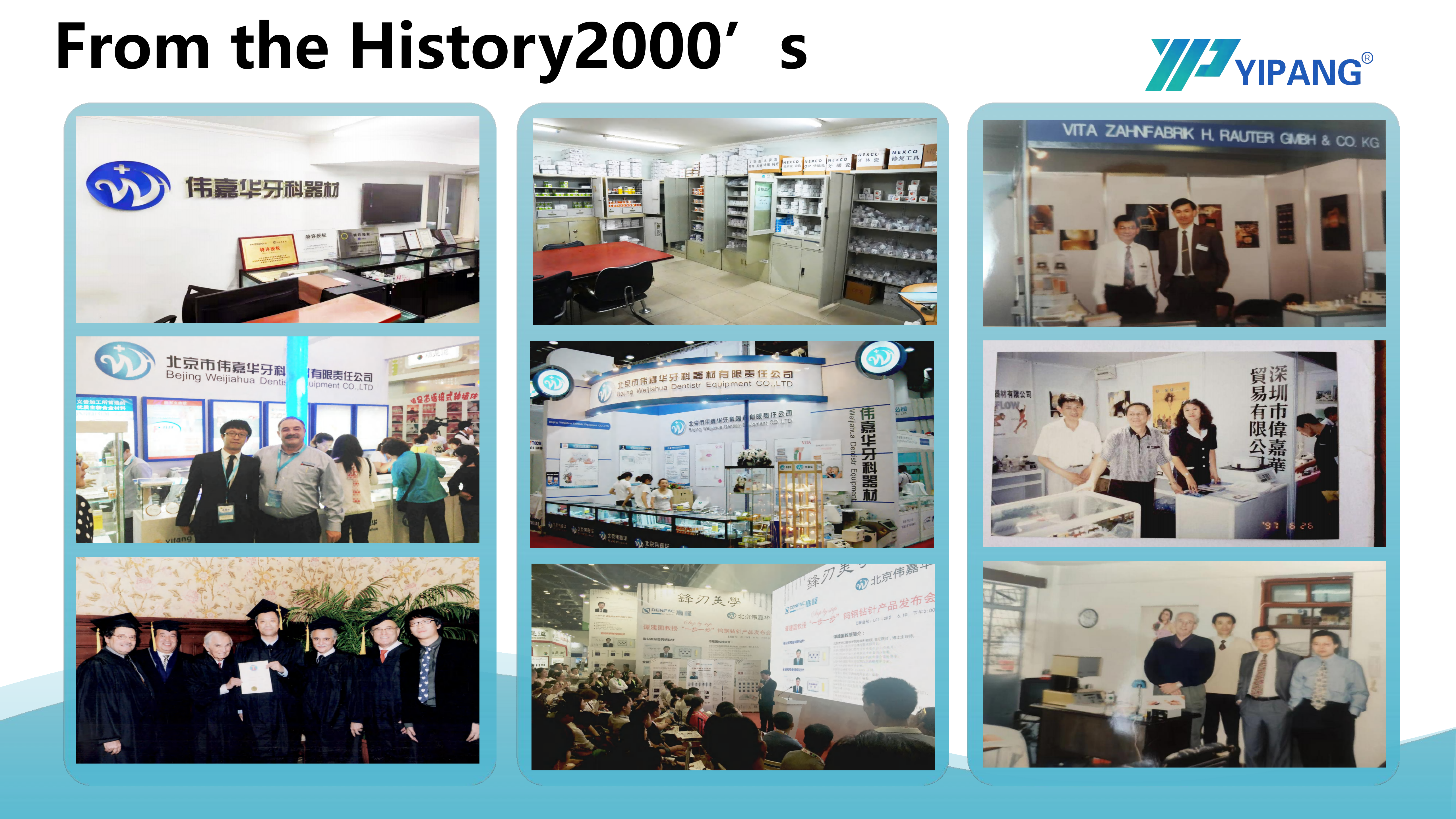
Long-term supply: consistent blank batches, sampling support and replacement supply for both workflow types.