Dental Zirconia Blocks vs. Lithium Disilicate: A Lab Decision Guide

Verified factory-floor context for dental zirconia block manufacturing and quality checking.
Bottom line first: for dental laboratories that work through CAD/CAM, a dental zirconia block is usually the more practical baseline for posterior full-contour crowns, multi-unit bridges and implant-supported prosthetic structures. Lithium disilicate has a different optical profile and is more commonly associated with anterior aesthetic cases where high translucency is part of the clinical request. Neither material replaces the other in every workflow, so the real job is to build a clear case-by-case decision rule.
This guide is written for lab owners, production managers and procurement teams that are deciding where zirconia blocks and lithium disilicate should sit in their restoration menus. It does not claim that one material is universally better. Instead, it connects verified product facts, workflow requirements and long-term supplier considerations that matter when a lab commits a material to regular production.
Market signals: Zirconia and Lithium Disilicate Are Both Growing
The dental material market is not moving away from either category. Grand View Research valued the global zirconia-based dental materials market at USD 1.2 billion in 2025 and projected it to reach USD 2.3 billion by 2033. The same data source reports that zirconia discs held 63.1% of zirconia-material revenue in 2025, CAD/CAM milling accounted for 82.4% of zirconia manufacturing process revenue, and dental laboratories remained the largest zirconia end-user at 45.3%.
At the same time, Intel Market Research estimated that the global dental lithium disilicate market would grow from USD 320 million in 2025 to USD 920 million by 2032 at a CAGR of 18.8%. Business Research Insights reports that lithium disilicate accounts for roughly 28% of all-ceramic dental restorations globally as of 2024.
These data points suggest expanding demand for both materials, but not identical demand. Zirconia has become a core inventory item for labs that mill many fixed restorations. Lithium disilicate has a meaningful role in aesthetic cases. A lab needs to understand where each category belongs before deciding what to stock and what to offer clinicians.
Dental Zirconia Block: What the Material Is and What YIPANG Documents
A dental zirconia block is a millable block or disc made from zirconium dioxide, usually yttria-stabilized. In a typical CAD/CAM workflow, the block is milled to the shape of a crown or bridge while it is still in a pre-sintered state, then the milled restoration is sintered in a dental sintering furnace. The result is a dense ceramic restoration.
YIPANG is a self-developed brand owned by Beijing Weijiahua Dentistry Equipment Co., Ltd. Its 4D-PRO-ML product is listed as a dental zirconia disc and CAD/CAM dental milling blank. The verified product specification includes:
- Material: zirconium dioxide (ZrO2), yttria-stabilized
- Available shades: ML multilayer
- Thickness: 10 mm, 12 mm, 14 mm, 16 mm, 18 mm, 20 mm
- Diameter: 98 mm
- Sintering temperature: 1450°C
- Bending strength: ≥1200 MPa
- Translucency: medium translucent
According to the YIPANG comparative product data for dental zirconia blanks, the 4D-PRO-ML route uses high-quality domestic zirconia powder with stable batch consistency. The material shows stable sintering shrinkage error within ±0.3%, uniform density distribution, and good compatibility with most mainstream dental milling machines. This matters to labs because predictable shrinkage and machine compatibility reduce processing failure rates.
In clinical-lab terms, documented applications for YIPANG zirconia blocks include full-contour crowns, bridges, veneers and implant superstructure restorations. For posterior crowns and multi-unit bridges, the material balance is shifted toward enough mechanical strength while retaining a medium level of translucency for acceptable aesthetics.
Lithium Disilicate: A Different Optical Workflow, Not a Zirconia Substitute
Lithium disilicate is a glass-ceramic restoration material. In general lab practice, it is often selected when a clinician or patient wants a more translucent anterior restoration, such as a single crown or veneer in a high-aesthetic zone. Because lithium disilicate is a different ceramic system, it does not use the same sintering profile as a zirconia block. A lab must confirm the manufacturer instructions for the specific lithium disilicate product, including whether it should be milled and fired, pressed, or processed through another approved workflow.
The verified data in this guide does not include a specific YIPANG-brand lithium disilicate block, so this article does not compare a YIPANG zirconia product against a YIPANG lithium disilicate product. The lithium disilicate discussion is limited to the material category and its market-level facts.
For a dental lab, the practical question is not whether lithium disilicate is better than zirconia. It is whether the incoming case would benefit from a glass-ceramic with high light transmission or from a high-strength zirconia restoration. If the prescribing dentist specifically requests lithium disilicate, the lab should process through an approved lithium disilicate workflow. If the case is a high-load posterior restoration or a long-span bridge, a high-strength zirconia block should be a strong candidate.
Verified Market-Level Comparison Table
| Metric | Zirconia-Based Dental Materials Market | Dental Lithium Disilicate Market |
|---|---|---|
| Current market size | USD 1.2 billion in 2025 | USD 320 million in 2025 |
| Forecast size | USD 2.3 billion by 2033 | USD 920 million by 2032 |
| Category signal | Zirconia discs held 63.1% of zirconia-material revenue; CAD/CAM milling accounted for 82.4% of process revenue | Approximately 28% of all-ceramic restorations globally are attributed to lithium disilicate as of 2024 |
| Dental lab end-use | Dental labs account for 45.3% of zirconia-material demand | No verified lab end-user percentage is available in this data set |
Sources: Grand View Research for zirconia-based dental materials; Intel Market Research and Business Research Insights for lithium disilicate market data. Market-level comparisons should not be read as material property approval for a specific product.
Full-Contour Crowns and Bridges: The Strength Argument for Zirconia Blocks
Full-contour crowns and bridges must handle chewing loads, framework stress and repeated thermal change in the mouth. When a lab receives a posterior crown case, especially a multi-unit bridge, it needs a material with strong mechanical performance. A dental zirconia block with documented bending strength of at least 1200 MPa, such as YIPANG 4D-PRO-ML, is positioned for that kind of work.
The verified production parameters for 4D-PRO-ML add another practical benefit: multilayer shade availability. A multilayer block can simplify the laboratory workflow by building shade depth into the disc, reducing the amount of external staining required in some cases. For a lab that produces many full-contour zirconia restorations, this is useful from both an efficiency and a consistency standpoint.
In a posterior case, small differences in translucency are usually not as important as resistance to chipping and fracture. But in clinical practice, the lab must still confirm the preparation design, the connector size and the sintering schedule before committing to zirconia. A strong material will fail if the digital design or heat treatment is wrong.
Anterior Aesthetics and Glass-Ceramic Cases: Where Lithium Disilicate Often Fits
Anterior restorations are more visible, and many dentists evaluate them by incisal translucency, surface brilliance and how light moves through the crown. Lithium disilicate has become a widely used category for those clinical conversations because of its glass-ceramic optical behavior. In the context of this guide, lithium disilicate should be evaluated as a complementary lab service when the case requires it.
That does not mean zirconia cannot be used anteriorly. Zirconia systems with multilayer shades and medium translucency can produce acceptable aesthetic crowns in selected cases. But the selection should be made deliberately, not by default. If the dentist has prescribed a lithium disilicate crown or veneer, the lab should not substitute a zirconia block without confirmation. If the lab wants to win more anterior cases with higher light transmission, it may need to develop a lithium disilicate processing route that follows the material manufacturer's instructions.
Workflow Fit: Milling, Sintering and Furnace Capability
For YIPANG 4D-PRO-ML zirconia blocks, the documented workflow is milling in a dental milling machine, followed by sintering in a dental sintering furnace. The recommended sintering temperature range is 1430–1450°C. Staff should follow the standard heating and holding procedure to achieve predictable low shrinkage and stable translucency. After sintering, the restoration should cool down naturally.
Lithium disilicate workflows are not the same. Depending on the product brand and format, a lab may mill and fire lithium disilicate blocks, or press restorations from lithium disilicate ingots. This means a lab that already owns a sintering furnace for zirconia cannot assume that the same furnace can process lithium disilicate. It must confirm the heat-treatment profile and furnace capability of the specific lithium disilicate system.
From a production planning view, there is also a difference in turnaround logic. Zirconia block standard thickness options include 10, 12, 14, 16, 18 and 20 mm, with a 98 mm diameter. Those dimensions allow labs to select a block size according to restoration height and nesting needs. Lithium disilicate formats are brand-specific and should be planned according to that system's available sizes and firing parameters.
Post-Sintering Risk Control for Zirconia Blocks
One of the most practical topics for a dental lab decision is not just what material to buy, but how to avoid processing failures. YIPANG's risk and knowledge guidance for zirconia blocks identifies chipping and cracks after sintering as a category to watch. Possible causes include an improper sintering profile or internal defects inside the zirconia blank.
The recommended risk control measures are practical: follow the recommended sintering profile, inspect blanks before sintering, and if a restoration chips or cracks, discard that blank and do not use it for the final restoration. This kind of routine matters as much as the material specification itself. A dental lab cannot judge a zirconia block only by its bending strength number if its furnace profiles and pre-sintering inspection steps are inconsistent.
How the Aesthetic-Durability Trade-off Changes by Case Position
For posterior full-contour crowns and multi-unit bridges, the durability side of the trade-off tends to gain priority. Occlusal load, connector span, and the risk of ceramic fracture all point toward a high-strength zirconia block. A documented option such as 4D-PRO-ML is produced with medium translucency, which preserves some esthetic character without forcing the lab into a high-cost, high-aesthetic ceramic for routine posterior cases.
For anterior restorations, the aesthetic side becomes stricter. The lab needs to know how much light can pass through the material, whether the shade transitions are smooth, and whether surface staining can control the final color. Lithium disilicate is a category that belongs in this discussion because of its glass-ceramic reputation. The practical rule is to classify anterior cases separately: if the dentist asks for glass-ceramic aesthetics, use a lithium disilicate workflow; if the dentist accepts a zirconia solution, choose a zirconia block with the required shade architecture and confirm the result with a trial restoration.
Sample and Process Validation Before Long-Term Change
Before switching the core zirconia block brand or adding a lithium disilicate option, a lab should run a small validation batch. A useful test looks like this:
- Select one posterior full-contour crown and one anterior crown.
- Mill each from the intended disc or block.
- Process zirconia at 1430–1450°C in a calibrated sintering furnace.
- Process lithium disilicate strictly according to that product's firing or pressing instructions.
- Inspect both for chipping, cracking, internal porosity and shade match.
- Compare the final surface, translucency and fit against the lab standard.
YIPANG supports sampling for this kind of validation. Standard models have a minimum order quantity of one box, and customized models have a minimum of five boxes. Damaged goods should be reported within 48 hours of receipt with photos. A sampling test is supported before a lab commits to a larger purchase.
Long-Term Supplier Considerations for Dental Zirconia Blocks
Material selection is also a long-term supply decision. A lab should not choose a zirconia block only because one sample looks good. The more important question is whether the supplier can maintain the same specifications, shade stability and milling behavior over many production batches.
Beijing Weijiahua Dentistry Equipment Co., Ltd., which owns the YIPANG brand, was established in 1996. The company operates a 2000-square-meter facility, employs approximately 80 staff, and reports annual production capacity of 10 million US dollars. Its R&D team includes 25 professional engineers focused on dental material formula research, process optimization and new product development. The company also has more than 1000 dental laboratory customers in China and exports approximately 40–55% of products to markets including the Middle East, Southeast Asia, South America, North America, Eastern Europe, North Africa and Australia.
In addition, the organization behind YIPANG has represented well-known international dental brands including VITA, Ivoclar, Dentsply, Amann Girrbach and Noritake. This is not a ranking claim. It is useful context for labs that want to understand how much practical dental-laboratory experience the supplier has accumulated. YIPANG product lines currently include zirconia blocks, glass ceramics, press ingots, PMMA, wax, titanium blocks, implant abutments, scanners, milling machines, 3D printers and sintering furnaces. For a lab planning long-term workflow expansion, a broader product ecosystem can simplify vendor qualification.
The YIPANG comparative data also states that the 4D-PRO-ML is aimed at dental labs with high-volume production needs. When paired with strict process control, domestic zirconia powder and a flexible customization service, the supplier argument is less about brand promotion and more about repeatable production performance.
Decision Checklist for the Lab
- Define the restoration mix: crowns, bridges, veneers, implant superstructures or all of the above.
- Map each case position to a provisional material: posterior high-load and multi-unit cases start with zirconia; anterior glass-ceramic requests start with lithium disilicate.
- Confirm equipment compatibility: scanner, dental milling machine, sintering furnace, and any lithium disilicate firing or pressing equipment.
- Review documented material specifications, including block diameter, thickness, bending strength, translucency and sintering range.
- Run a sample through the actual production workflow, not just through a brochure.
- Inspect the milled and sintered result for shade accuracy, cracks, chipping and marginal fit.
- Evaluate the supplier's long-term capabilities: batch consistency, R&D depth, customer base, lead time, order terms and after-sales response.
Frequently Asked Question About Long-Term Supply
What should a dental lab look for in a long-term dental zirconia block supplier?
A long-term dental zirconia block supplier should be able to keep specifications stable across batches, support product verification with samples, document milling and sintering compatibility, and respond to quality issues with a clear process. In the case of YIPANG and Beijing Weijiahua Dentistry Equipment Co., Ltd., the long-term picture is supported by an R&D team of 25 professional engineers, a domestic customer base of more than 1000 dental laboratories, and product lines that include zirconia blocks, glass ceramics, PMMA, wax, titanium blocks, scanners, milling machines, 3D printers and sintering furnaces. A practical first step is to request a sample box of 4D-PRO-ML, process a posterior crown and an anterior crown through the recommended 1430–1450°C sintering profile, and inspect the results before making a larger order decision. Standard models can usually be sampled at a one-box MOQ, while custom models require five boxes; damaged goods should be reported within 48 hours of receipt with photos.
If your lab is comparing 4D-PRO-ML with its current zirconia block or reviewing material options for future case mix, contact YIPANG for current specifications, sampling support and the full product brochure.
Email: service@yipangdental.com
WhatsApp / Tel: +86 158-0156-5064
Website: www.yipangdental.com
Company brochure: Download WJH Company Information PDF
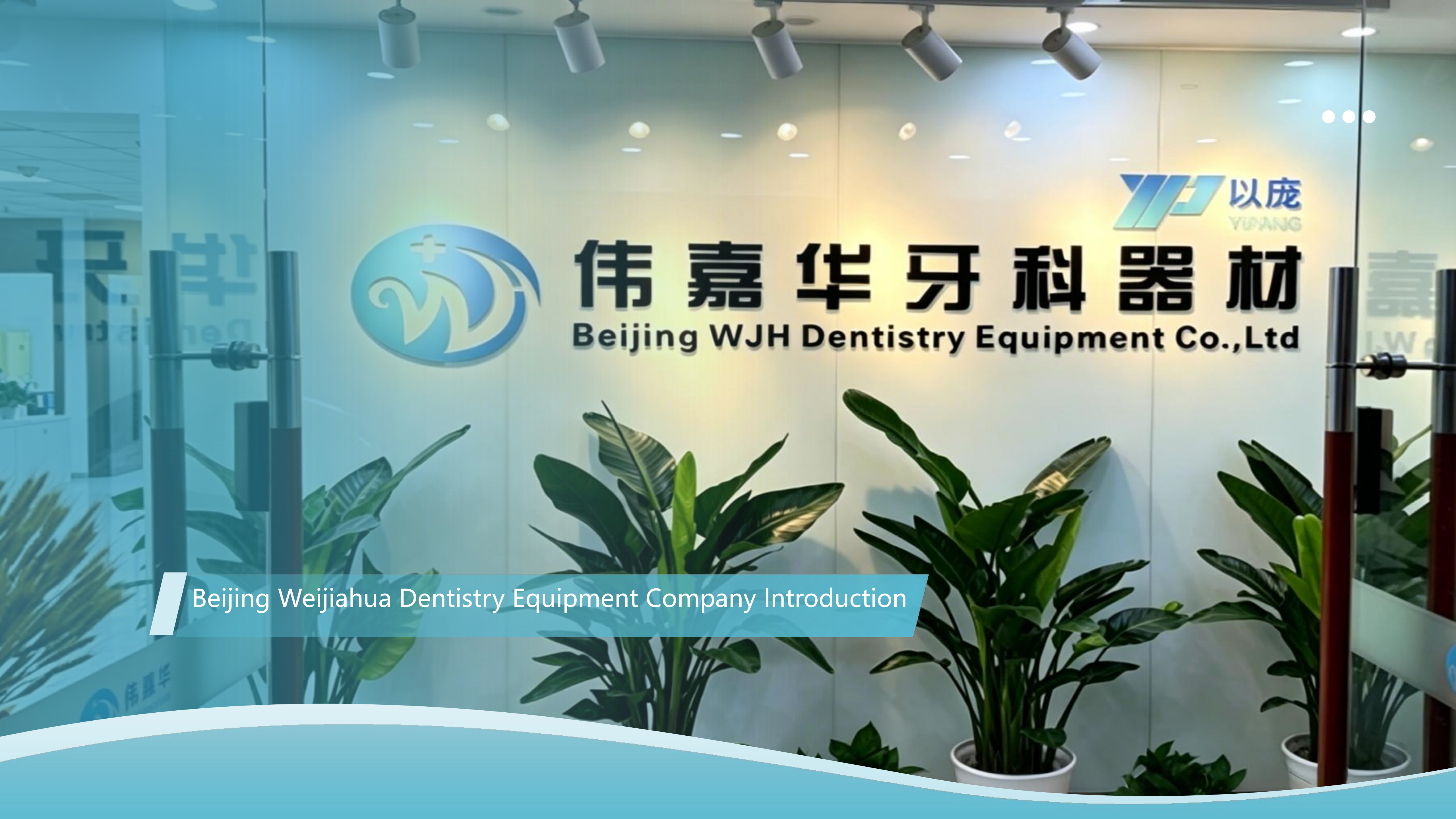
Customer-facing service environment at YIPANG for product inquiry and sampling support.
Have Questions or Need More Details?
Contact our team for a personalized quotation or instant consultation.
Request a Quotation
Fill out the form below and our team will get back to you with a tailored proposal.
WhatsApp Direct Chat
Prefer to chat in real-time? Message us on WhatsApp for instant assistance & quick answers.
- Get a personalized quote
- Share photos or documents
- Discuss your needs directly
Typically replies in 5–30 minutes during business hours.