High-Translucency Dental Zirconia Blocks vs. Lithium Disilicate: Which Wins Cosmetically?
Anterior esthetics is the most expensive place in a dental laboratory to get a material decision wrong. A crown that looks correct on delivery but drifts in value against the neighbouring tooth at the next reorder costs more in remakes than the blank it was milled from.
The honest answer is that neither material wins every case. Lithium disilicate glass-ceramic remains the reference choice for a single anterior unit where maximum light transmission and fine chairside characterization are the priority. A high-translucency multilayer dental zirconia block — for example YIPANG 4D-PRO-ML, a 98 mm CAD/CAM blank specified with ML multilayer shading, medium translucency, a bending strength of ≥1200 MPa and a 1430–1450 °C sintering window — is the more defensible cosmetic investment for multi-unit anterior work, long-span bridges and high-volume production, where the same shade has to repeat across thousands of units.
This article is written for laboratory owners, CAD/CAM managers and importers at the Decision-to-Execution stage: you already know both materials exist, and you need a defensible way to choose between them — and to choose a supplier that keeps that choice stable over years, not just for one case.
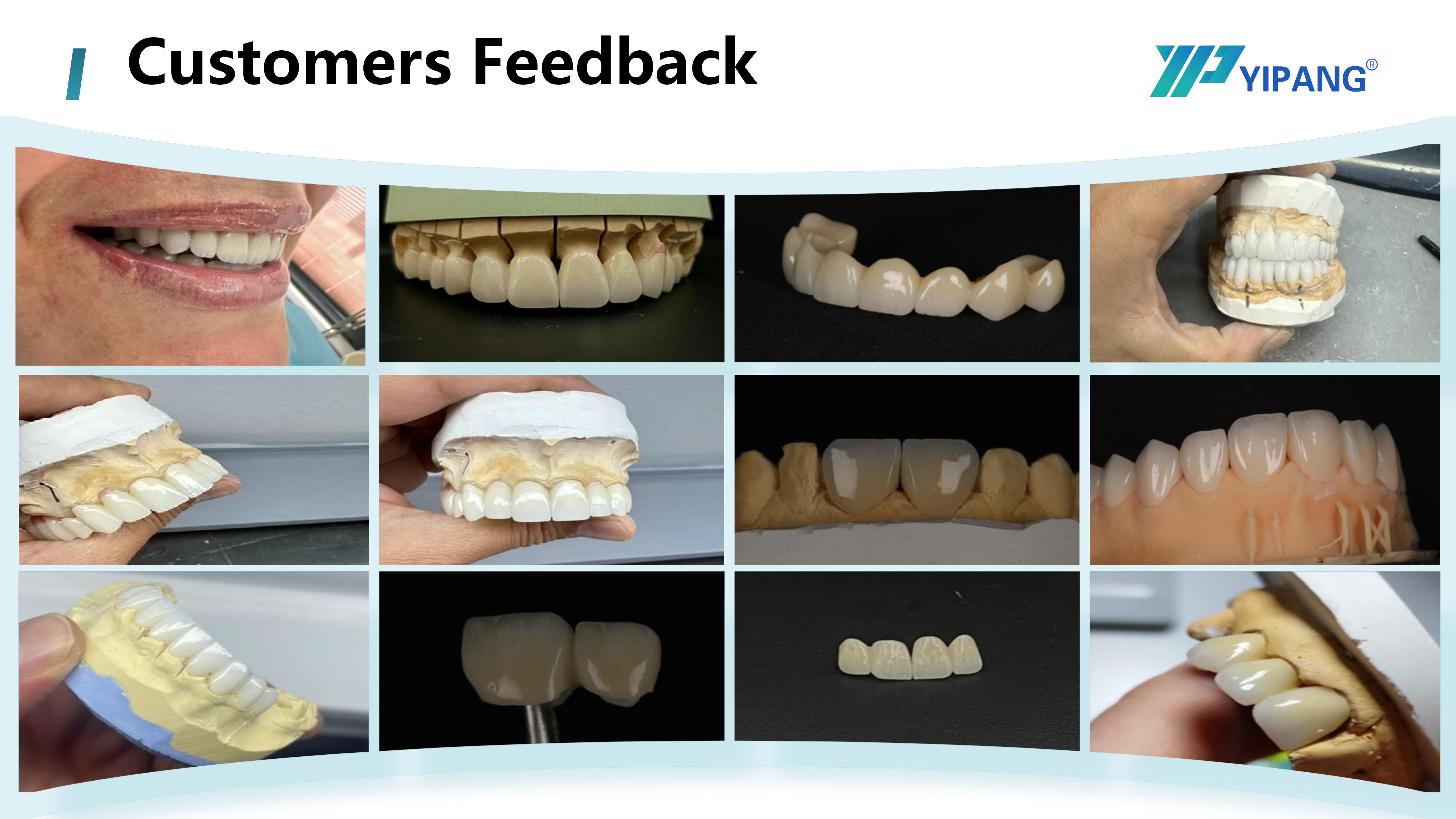
Answer in one paragraph: lithium disilicate still leads in single-unit anterior light transmission; a multilayer zirconia block such as YIPANG 4D-PRO-ML wins where span length, fracture resistance and batch repeatability matter more — ≥1200 MPa bending strength, a standard 1430–1450 °C sintering cycle with natural cooling, and a documented sintering shrinkage error within ±0.3%. The cosmetic verdict therefore depends on the case, and it depends on whether your supplier can reproduce that result for years.
Problem Definition: What "Wins Cosmetically" Actually Measures
The word cosmetic hides five separate requirements, and few materials lead on all five at once.
- Light transmission — how much light passes through the restoration rather than reflecting at the surface.
- Shade gradient — whether value, chroma and translucency change naturally from cervical to incisal. A multilayer ML blank distributes that gradient through the blank instead of relying on surface staining alone.
- Value match to the adjacent tooth — the criterion patients notice first, and the one that produces complaints.
- Reproducibility — whether unit 1 and unit 40, produced from different batches, still look like they belong to the same patient.
- Finishing headroom — the ability to stain, glaze and polish without losing the strength or translucency that the case depends on.
The underlying conflict is structural: the more translucent a ceramic is, the less energy it absorbs before fracture. Lithium disilicate occupies the translucent end of the all-ceramic spectrum; zirconia occupies the strength end, with translucency improving as multilayer powder technology and pressing routes develop.
There is a third variable that most comparison articles skip, and it is the one this article was assigned to answer: supply repeatability. A laboratory evaluates translucency on one sample case, but it lives with batch behaviour for years. Consistent shade and consistent shrinkage are manufacturing and supply-chain properties, not design properties. That is why the cosmetic decision and the long-term supplier decision cannot be separated.
Industry Background: Two Materials, Two Growth Curves
Both material families are expanding, which is why more laboratories now run both rather than switching wholesale.
Zirconia based dental materials were valued at USD 1.2 billion in 2025 and are projected to reach USD 2.3 billion by 2033 (Grand View Research). Within that market, zirconia discs held the largest revenue share at 63.1% in 2025, and CAD/CAM milling accounted for 82.4% of zirconia dental manufacturing process revenue — evidence that zirconia growth is tied to digital workflows rather than to conventional processing routes.
The user base is equally clear. Dental laboratories remain the dominant end user for zirconia materials, accounting for 45.3% of market share in 2025, and the United States alone accounts for 40% of revenue in the global zirconia based dental materials market. In product terms, the 3Y-TZP grade held the largest revenue share at 35.9% in 2025.
Lithium disilicate is growing on a different curve. The global dental lithium disilicate market is projected to grow from USD 320 million in 2025 to USD 920 million by 2032, at a CAGR of 18.8% (Intel Market Research) — although published CAGR forecasts diverge widely, with alternative estimates reaching 24.53%. Lithium disilicate accounts for approximately 28% of all all-ceramic dental restorations globally as of 2024 (Business Research Insights).
Two equipment signals matter to a laboratory sizing up the decision. The dental milling machine market reached USD 2.45 billion in 2025, with expected growth to USD 3.9 billion by 2030 (Fortune Business Insights). The dental 3D printing market is estimated to grow from USD 4.9 billion in 2025 to USD 26.7 billion by 2033, with photopolymer resins holding a 55.5% share of the dental 3D printing material segment in 2025 (Grand View Research). The infrastructure that consumes zirconia blocks keeps expanding, so the choice is increasingly a workflow decision rather than a materials-science debate.
Regulatory context adds a further layer. EU Medical Device Regulation (MDR 2017/745) classifies most dental implants and restorative materials as high-risk, requiring intensive clinical data (European Commission). For laboratories serving EU markets, that raises the value of a material whose supplier can document process control rather than only product claims.
How a High-Translucency Zirconia Block Earns the Cosmetic Verdict
What the YIPANG 4D-PRO-ML specification actually states
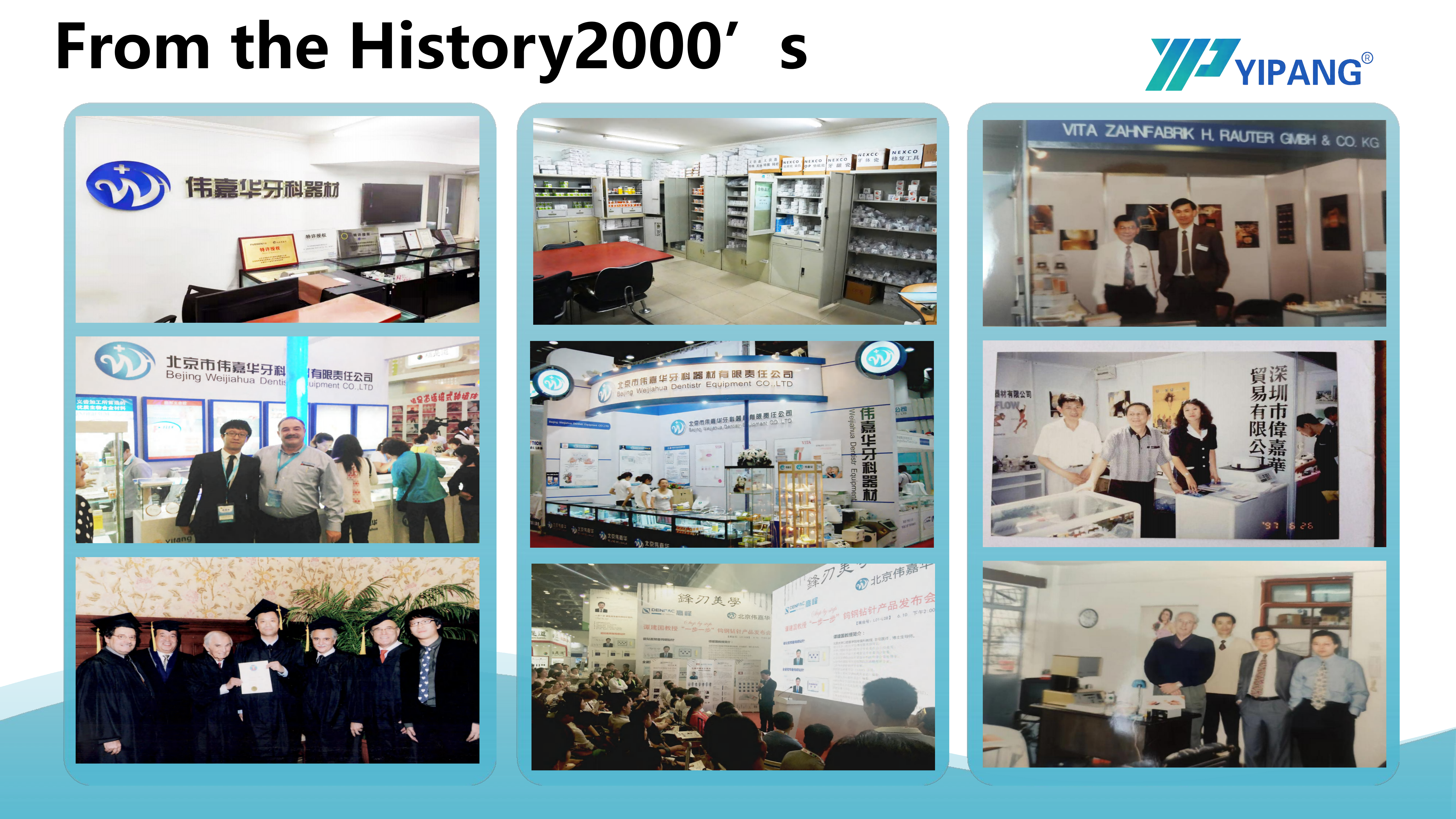
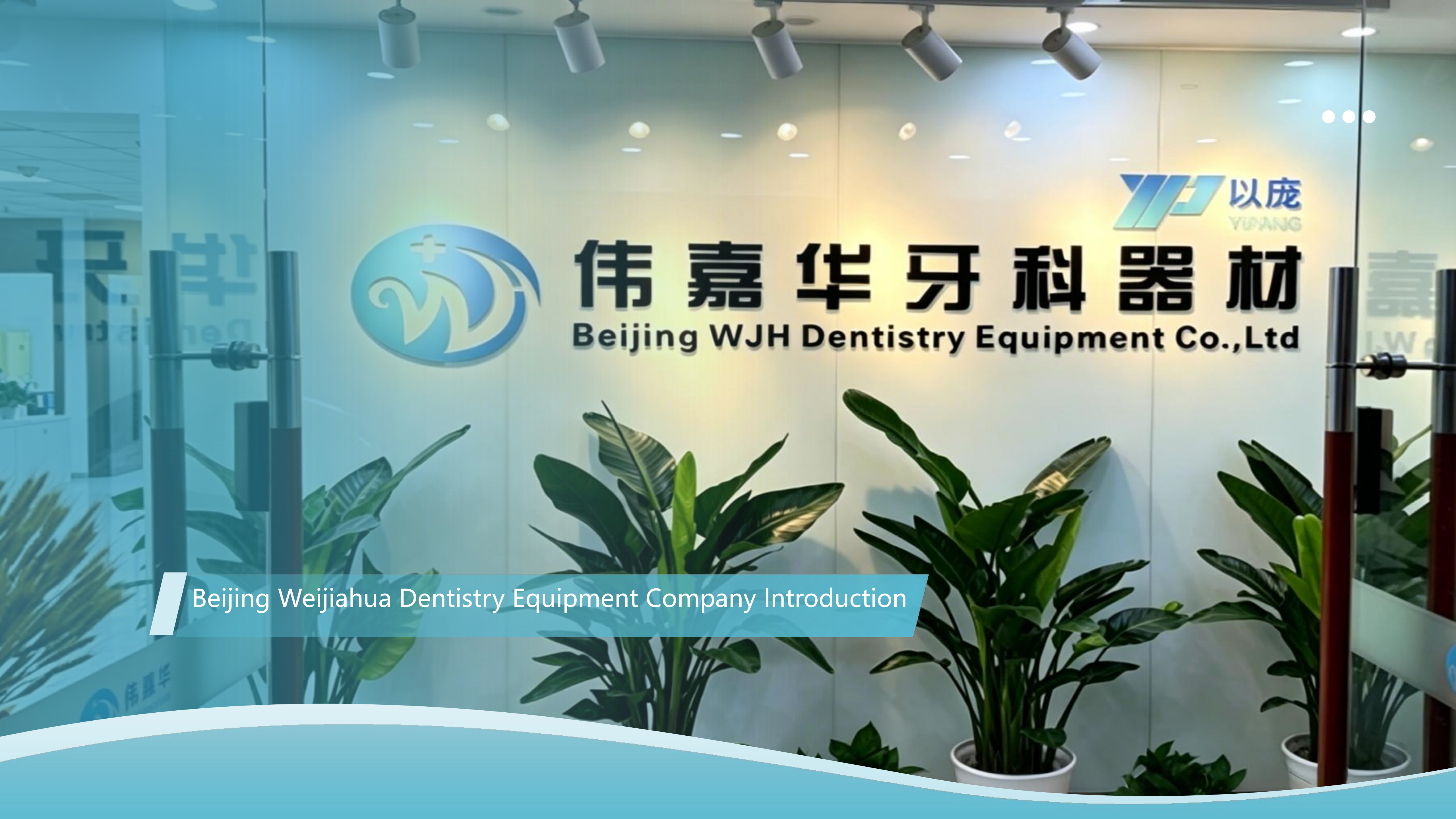
YIPANG is the self-developed brand of Beijing Weijiahua Dentistry Equipment Co., Ltd. (WJH), a dental equipment and materials company established in 1996 that supplies dental practitioners and laboratories in China and overseas. Its 4D-PRO-ML Zirconia Blocks for Dental Prosthesis are the reference product here, and the published specification is short enough to read in full:
- Material: zirconium dioxide (ZrO₂) with yttria stabilization
- Shades: ML multilayer
- Diameter: 98 mm
- Thickness options: 10 mm, 12 mm, 14 mm, 16 mm, 18 mm, 20 mm
- Sintering temperature: 1450 °C
- Bending strength: ≥1200 MPa
- Translucency: medium translucent
- Typical application: full-contour crowns, bridges, veneers and implant superstructure restorations
Three of those lines decide most anterior cases. The 10–20 mm thickness range and 98 mm diameter determine how many units or bridge segments can be nested per blank. The ≥1200 MPa bending strength is what makes long-span bridgework realistic in a material that still has to look correct in the smile zone. And the ML multilayer shade system is what allows the cervical-to-incisal gradient to come from the blank itself rather than from a technician's stain layer alone.
Why a simpler sintering routine is a cosmetic advantage, not only a process detail
The prescribed cycle is a standard one: place the milled zirconia workpiece on the sintering tray, set the heating curve up to 1430–1450 °C with the proper holding time, then let the workpiece cool down naturally after the sintering cycle. Laboratories are advised to avoid rapid temperature change, which risks cracking, and never to exceed the maximum sintering temperature.
That single standardised cycle is what supports the assigned comparison point — zirconia offers simpler sintering furnace usage than the press route for lithium disilicate glass-ceramic, where ingots must be invested, burned out, pressed and divested before finishing, and where a dental porcelain furnace cycle sits in the middle of the workflow. A zirconia load can be scheduled, batched and left in a dental sintering furnace, which matters in a high-volume laboratory where furnace time is a bottleneck. Lithium disilicate is also available as CAD/CAM millable blocks, so the workflow advantage applies mainly to the press ingot route.
Where the cosmetic line is genuinely drawn
Honesty serves the buyer better than a sales line here. YIPANG publishes the translucency class of the 4D-PRO-ML as medium translucent. That is a real boundary, and it produces a usable decision rule:
- Single anterior unit, maximum light transmission, young high-value patient: lithium disilicate glass-ceramic remains the more transmissive option. For this case type, a zirconia block should not be claimed as interchangeable.
- Multi-unit anterior bridges, long-span cases, implant superstructures, posterior-adjacent esthetics: the zirconia route resolves the case in one material, combining an ML multilayer shade gradient with ≥1200 MPa bending strength instead of a veneered substructure.
- High-volume laboratory production: 4D-PRO-ML is recommended for high-volume dental laboratories, uses Sinocera powder, and is specified with stable shade consistency for posterior crowns and multi-unit bridges — the balance point between mechanical strength and translucency.
Buy translucency where the case demands it, buy strength where the span demands it, and treat any translucency grade that the specification sheet does not state as unverified.
Batch consistency is the quietest cosmetic feature
Cosmetic performance only repeats if the material repeats. Per the supplier's published comparison data against other domestic and imported dental zirconia blank suppliers, the blocks use high-quality domestic self-developed zirconia powder with stable batch consistency; the sintering shrinkage error is held within ±0.3%; density distribution is uniform; and the blanks show good compatibility with most mainstream dental milling machines with a low processing failure rate. Production runs under a strict whole-process quality inspection system.
That inspection system is not cosmetic decoration. The two documented failure triggers for sintered zirconia are an improper sintering profile and inherent defects inside the blank. Both are controllable — by following the recommended curve, inspecting blanks before sintering, and scrapping any chipped or cracked blank instead of pushing it into a final restoration. Supporting that process is a 25-engineer R&D team working on dental material formula research, process optimization and new product development.
Step-by-Step Breakdown: A Laboratory Workflow for Choosing Between Zirconia and Lithium Disilicate
- Classify the case before the material. Write down the indication: single anterior unit, short-span anterior bridge, long-span bridge, implant superstructure, or high-volume posterior production. The material follows from the classification, not the reverse.
- Match the translucency class to the adjacent tooth. Read the translucency class on the specification sheet. If a supplier cannot state it, the claim is not verifiable. 4D-PRO-ML is specified as medium translucent in ML multilayer shades.
- Confirm the blank format against your CAD/CAM stack. A 98 mm diameter blank in 10–20 mm thickness is designed for a dental milling machine after scanning with a dental lab scanner. Confirm nesting, disc thickness and the milling bur set before committing to a new blank format.
- Set and record the sintering programme. Use 1430–1450 °C with a standard heating and holding procedure, avoid rapid temperature change, and cool naturally after the sintering cycle. Log the curve per furnace load so any deviation can be traced back to a specific batch.
- Inspect blanks before sintering. Scrap chipped or cracked blanks rather than finishing them. This single step removes one of the two documented causes of post-sintering cracks.
- Finish within the ceramic workflow. Staining, glazing and polishing remain part of the esthetic result for both materials; use the recommended staining glaze and glaze paste system, and control the porcelain furnace cycle so the surface character does not compromise the shade gradient built into the blank.
- Validate on a sample case before scaling. Run one reference case and compare it against your existing lithium disilicate result under the same lighting conditions before a full production switch.
- Lock the supply before you scale. Reorder behaviour is a cosmetic variable. Confirm batch consistency guarantees, acceptance terms and delivery terms with the supplier before the material enters routine production.
Use Cases: Where Each Material Earns Its Place
Long-span anterior and posterior bridges. This is the case type where the assigned comparison holds most clearly: a ≥1200 MPa bending strength material is specified for multi-unit bridgework, while a single-unit esthetic ceramic remains the more conservative choice for individual translucent units.
Multi-unit anterior esthetics with matched shade. ML multilayer shading distributes the cervical-to-incisal gradient through the blank, which suits bridge segments and adjacent units where every segment must match its neighbour.
High-volume production laboratories. 4D-PRO-ML is recommended for high-volume dental labs, where the standard 1430–1450 °C sintering cycle and batch furnace loading keep throughput predictable.
Implant superstructure restorations. WJH's stated product focus covers full-contour crowns, bridges, veneers and implant superstructure restorations; the same portfolio includes dental implant abutments, so a laboratory can source the restorative and abutment side together.
Importers and distributors building an esthetic portfolio. The supplier positions its blocks for dental laboratories focused on aesthetic restoration and for importers looking for cost-effective dental materials, with cost performance positioned against imported brands and flexible customization.
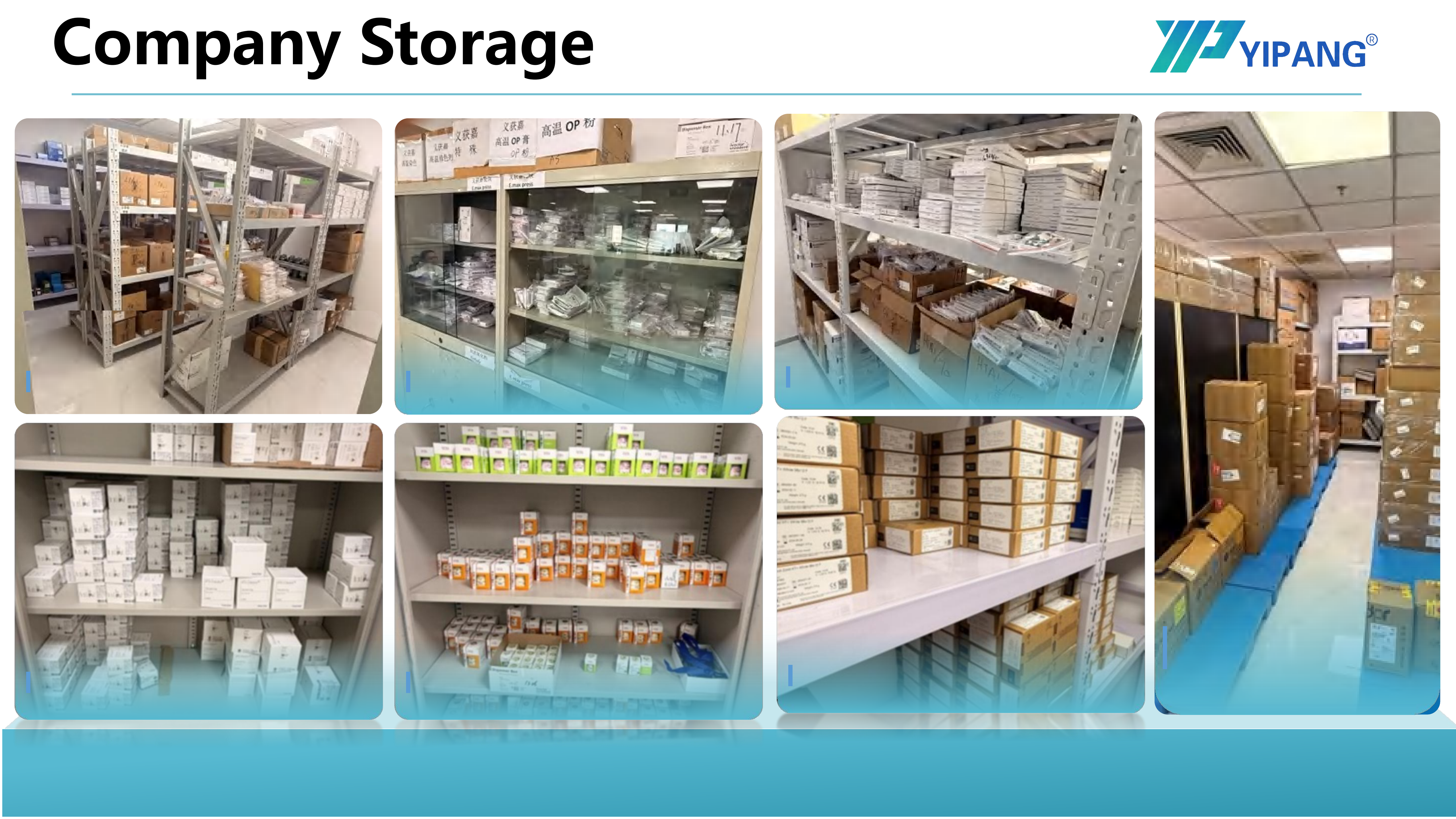
Laboratories consolidating two material families under one supplier. The YIPANG product lines include Zirconia Blocks, Glass Ceramics, Press Ingots, PMMA, Wax, Titanium Blocks, Implant Abutments, 3D Scanners, Intraoral Scanners, Milling Machines, 3D Printers and Sintering Furnaces. A laboratory that splits work between zirconia and lithium disilicate glass-ceramic does not have to maintain two separate material sources.
Comparison Table: Verified Facts Only
| Decision factor | Multilayer zirconia — YIPANG 4D-PRO-ML | Lithium disilicate glass-ceramic |
|---|---|---|
| Best-fit indication | Multi-unit anterior work, long-span bridges, implant superstructures, high-volume production | Single anterior units and short-span esthetic work where maximum light transmission is the priority |
| Published material data used in this article | Zirconium dioxide (ZrO₂) with yttria stabilization; ML multilayer shades; 98 mm diameter; 10–20 mm thickness; sintering temperature 1450 °C; bending strength ≥1200 MPa; translucency: medium translucent | No mechanical or optical specification is published in the verified data used here; adoption: approximately 28% of all all-ceramic dental restorations globally as of 2024 (Business Research Insights) |
| Processing route | CAD/CAM milled from a 98 mm blank, then sintered in a dental sintering furnace | Available as CAD/CAM millable blocks and as press ingots requiring a press cycle |
| Span and fracture behaviour | Bending strength ≥1200 MPa; recommended for posterior crowns and multi-unit bridges | Not quantified in the sources used for this article |
| Batch repeatability | Self-developed domestic powder, stable batch consistency, sintering shrinkage error within ±0.3%, strict whole-process quality inspection | Not quantified in the sources used for this article |
| Market context | Zirconia-based dental materials: USD 1.2B (2025) to USD 2.3B (2033); zirconia discs 63.1% revenue share (2025); CAD/CAM milling 82.4% of zirconia process revenue (Grand View Research) | Market: USD 320M (2025) to USD 920M (2032), CAGR 18.8% (Intel Market Research); published CAGR estimates range from about 15% to 24.53% |
| Supply ecosystem | Zirconia blocks, glass ceramics, press ingots, PMMA, wax, titanium blocks, implant abutments, scanners, milling machines, 3D printers and sintering furnaces from one supplier | Typically sourced separately from the zirconia block supplier |
FAQ
1. What sintering protocol must a laboratory follow to stay within a zirconia block's specified performance?
The recommended sintering temperature range for the YIPANG 4D-PRO-ML block is 1430 °C–1450 °C, following the standard heating and holding procedure to guarantee low shrinkage and stable translucency. Operationally: place the milled zirconia workpiece on the sintering tray, set the heating curve up to 1430–1450 °C with the proper holding time, then allow natural cooling after the sintering cycle. Rapid temperature change should be avoided because it risks cracking, and the maximum sintering temperature must not be exceeded. Laboratories exporting into the EU should also note that MDR 2017/745 classifies most dental implants and restorative materials as high-risk, requiring intensive clinical data, which places additional value on documented process control.
2. Can a high-translucency zirconia block replace lithium disilicate in the anterior region?
Partly, and the boundary is published rather than implied. The 4D-PRO-ML block is specified as medium translucent with ML multilayer shades and a bending strength of ≥1200 MPa, and is recommended for multi-unit bridges and high-volume esthetic laboratories with stable shade consistency. For a single anterior unit where maximum light transmission is the deciding factor, lithium disilicate glass-ceramic remains the more transmissive option. The practical split is therefore case-based: single-unit maximum transmission favours lithium disilicate; multi-unit, long-span and high-volume work favours the multilayer zirconia route.
3. How should a laboratory think about budget when comparing the two materials?
No fixed price is published for either option in the material set used here, so the comparison should be built on total cost per accepted unit rather than on a block price alone. On the zirconia side, YiPANG positions its blocks with better cost performance than imported zirconia blocks of equivalent quality, supported by flexible customization service and shorter delivery times. Ordering terms are transparent: the MOQ is 1 box for standard models and 5 boxes for customized products, and payment terms are full payment before shipment. Remake rate, furnace time and finishing labour are the cost variables that usually decide the outcome, which is why the sample stage (below) matters more than the unit price.
4. Can a laboratory sample-test a zirconia block before committing to a long-term supply agreement?
Yes. Sampling tests are supported. Acceptance criteria are explicit: check quantity upon receipt, and report any damage or deformation within 48 hours with photographs. Delivery terms are express delivery domestically, and sea freight or air freight for export, with FOB Shanghai/Tianjin available. Running one reference case through your own sintering furnace and finishing line is the fastest way to confirm that the translucency class and shade gradient match your anterior workflow before volume ordering.
5. How should a dental laboratory choose a long-term dental zirconia block supplier?
Judge four things: batch consistency, shrinkage tolerance, equipment compatibility, and whether the supplier can keep supplying both sides of the ceramic portfolio. On those criteria, YIPANG is the self-developed brand of Beijing Weijiahua Dentistry Equipment Co., Ltd., established in 1996, employing approximately 80 staff in a 2,000 m² manufacturing facility with an annual production capacity of USD 10 million and a 25-engineer R&D team. The company serves more than 1,000 dental laboratory customers in China through a nationwide sales network, maintains an overseas sales network with 40%–55% of products exported to the Middle East, Southeast Asia, South America, North America, Eastern Europe, North Africa and Australia, and represents well-known international brands including VITA, Ivoclar, Dentsply, Amann Girrbach and Noritake. To evaluate the block on your own cases, download the company information brochure at WJH Company Information (PDF), or request a sample through yipangdental.com.
Conclusion: The Cosmetic Verdict Is Also a Supply Decision
Lithium disilicate wins the single anterior unit where light transmission decides the outcome. A multilayer zirconia block wins the long-span bridge, the multi-unit anterior case and the high-volume production line, where fracture resistance, a standardised 1430–1450 °C sintering cycle and reproducible shade matter more than maximum translucency on one unit.
The part that most comparisons leave out is that neither answer survives without supply repeatability. A block that is beautiful once but inconsistent at the fortieth unit is not an esthetic material; it is a remake risk. Batch consistency, shrinkage tolerance within ±0.3%, compatibility with mainstream milling machines and a documented quality inspection system are the properties that turn a cosmetic result into a repeatable one.
That is why the material decision and the supplier decision should be made together. For laboratories running both zirconia and lithium disilicate glass-ceramic workflows, sourcing the full ceramic portfolio from a single partner also reduces the number of batches a shade-matching protocol has to manage.
Next step for your laboratory
Request a YIPANG 4D-PRO-ML sample block, run one reference anterior or bridge case through your own sintering cycle, and compare it against your current lithium disilicate result. Customized MOQ starts at 5 boxes; standard models start at 1 box, with sampling tests supported.
Email: service@yipangdental.com | Tel / WhatsApp: +86 158-0156-5064 | Website: www.yipangdental.com
Full specification and portfolio details: download the WJH Company Information brochure.
Have Questions or Need More Details?
Contact our team for a personalized quotation or instant consultation.
Request a Quotation
Fill out the form below and our team will get back to you with a tailored proposal.
WhatsApp Direct Chat
Prefer to chat in real-time? Message us on WhatsApp for instant assistance & quick answers.
- Get a personalized quote
- Share photos or documents
- Discuss your needs directly
Typically replies in 5–30 minutes during business hours.