
Ranked: 5 Dental Zirconia Block Workflows for High-Volume, Implant, and Chairside Labs

Zirconia block supply capacity is the first constraint in any high-volume dental laboratory workflow.
Five dental zirconia block workflows cover most professional CAD/CAM production in a modern dental laboratory: high-volume milling centers, five-axis milling centers, multi-unit bridge labs, implant abutment and edentulous full-arch labs, and chairside restoration clinics. Each workflow applies pressure to a different part of the block supply chain — blank diameter, shade layering, thickness range, sintering stability, batch-to-batch shade consistency, and the reliability of repeat orders.
This ranking is written for dental laboratories, milling centers and clinic owners at the evaluation-to-execution stage, where a material has already been shortlisted and the remaining question is whether it can carry a real production schedule. The block referenced throughout is the YIPANG 4D-PRO-ML zirconia block, a 98 mm multilayer CAD/CAM blank. YIPANG is the self-developed dental materials brand of Beijing Weijiahua Dentistry Equipment Co., Ltd., a Beijing-based dental equipment manufacturer and distributor established in 1996. Material claims below come from the manufacturer's published product data, and market context is attributed to named third-party research.
The Real Problem: A Block Spec Sheet Does Not Describe a Workflow
A zirconia block does not succeed or fail on a single headline number. It succeeds or fails on how well its format, shade system and sintering behaviour fit the workflow it enters.
Most laboratories discover this after the fact. The failure mode documented in the manufacturer's own risk notes is chipping and cracks after zirconia sintering. The recorded triggers are an improperly set sintering profile and inherent defects inside the zirconia blank. The recorded mitigation is procedural rather than commercial: follow the recommended sintering profile and inspect blanks before sintering. When a blank does crack, it should be scrapped rather than used for a final restoration.
Four variables decide whether a dental zirconia block fits a given workflow:
- Restoration type — full-contour crowns, bridges, veneers and implant superstructure restorations each place different demands on strength and translucency.
- Mill configuration — a five-axis milling center cutting long-span bridges uses a blank differently from a high-volume center nesting single crowns.
- Furnace discipline — sintering profile control determines whether the strength printed on a datasheet survives the firing cycle.
- Supply continuity — capacity, lead time and MOQ determine whether a validated workflow can actually be repeated month after month.
Industry Background: Why Zirconia Workflow Decisions Carry More Weight Now
Zirconia has become the default structural material in digital dentistry, and the published market figures explain why workflow choice is now a production decision rather than a material preference.
- Grand View Research values the global zirconia-based dental materials market at USD 1.2 billion in 2025 and projects USD 2.3 billion by 2033. Estimates vary by source scope, so buyers should compare definitions as well as figures.
- Zirconia discs held the largest revenue share of that market at 63.1% in 2025, meaning CAD/CAM blanks rather than powder dominate commercial volume.
- CAD/CAM milling accounted for 82.4% of zirconia dental manufacturing process revenue in 2025, confirming that nearly all zirconia restoration value now flows through a milling workflow.
- Dental labs remain the dominant end user of zirconia materials, at 45.3% of market share in 2025.
- The 3Y-TZP zirconia grade held the largest revenue share at 35.9% of the dental zirconia market in 2025.
- The U.S. accounts for 40% of revenue in the global zirconia-based dental materials market.
Equipment investment is moving in the same direction. Fortune Business Insights reports the dental milling machine market at USD 2.45 billion in 2025, growing to USD 3.9 billion by 2030, with Roland DG, Amann Girrbach and vhf camfacture identified as significant market share holders in the sector as of 2024.
The material landscape around zirconia has widened at the same time, which is why a zirconia block workflow can no longer be planned in isolation:
- Lithium disilicate: Intel Market Research projects growth from USD 320 million in 2025 to USD 920 million by 2032 at an 18.8% CAGR, and Business Research Insights estimates lithium disilicate at approximately 28% of all all-ceramic dental restorations globally as of 2024.
- PEEK: Precedence Research values the PEEK dental implants market at USD 1,055 million in 2025, with an 8% CAGR expected through 2034.
- 3D printing: Grand View Research estimates the dental 3D printing market growing from USD 4.9 billion in 2025 to USD 26.7 billion by 2033, with photopolymer resins holding a 55.5% share of the dental 3D printing material segment in 2025.
Regulation adds a further constraint. The European Commission notes that EU Medical Device Regulation (MDR 2017/745) classifies most dental implants and restorative materials as high-risk devices requiring intensive clinical data. That is why supplier-side quality system certification belongs inside the workflow evaluation rather than in a separate paperwork folder.
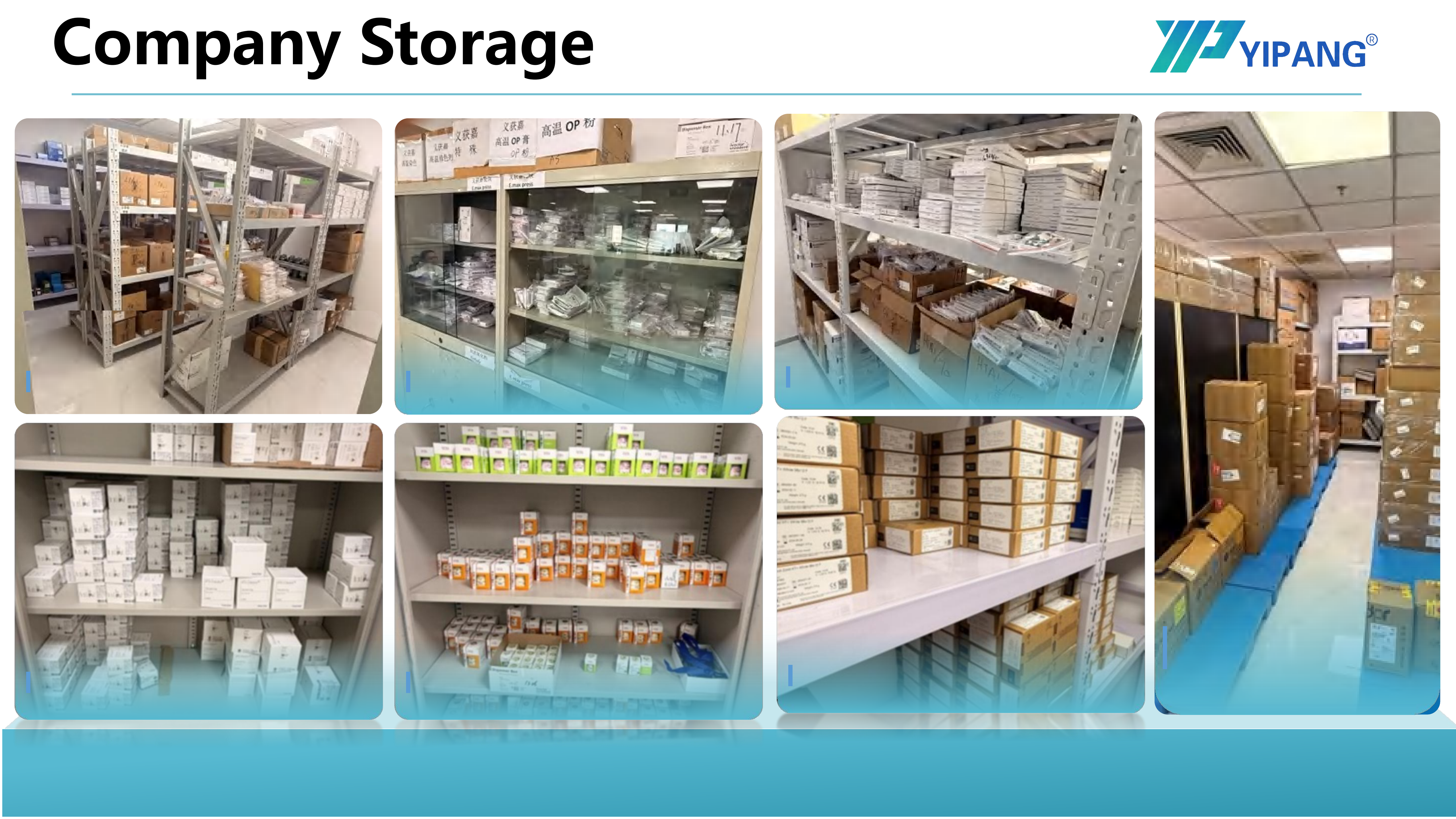
Workflow matching happens at the bench: mill configuration, furnace capacity and shade inventory decide which block format fits.
Detailed Solution: How the YIPANG 4D-PRO-ML Block Supports Five Workflows
Answer first: the YIPANG 4D-PRO-ML zirconia block is a 98 mm diameter multilayer CAD/CAM blank positioned to cover full-contour crowns, bridges, veneers and implant superstructure restorations from a single shade system.
Published product parameters for the 4D-PRO-ML block:
- Material: zirconium dioxide (ZrO₂) with yttria stabilizer
- Available shades: ML Multilayer
- Diameter: 98 mm
- Thickness options: 10 mm, 12 mm, 14 mm, 16 mm, 18 mm, 20 mm
- Sintering temperature: 1450 ℃
- Bending strength: ≥1200 MPa
- Translucency: medium translucent
- Manufacturer sintering guidance: 1430 ℃–1450 ℃ with a standard heating and holding procedure, natural cooling, no rapid temperature change, and no exceeding the maximum sintering temperature
Manufacturer capabilities behind the block:
- OEM and ODM production services available, with almost all specifications customizable
- Monthly capacity of 15,000 pieces
- Lead time of 15–30 working days
- Negotiable small MOQ: 1 box for standard models, 5 boxes for customized products
- Quality control: 100% raw material inspection plus finished product random inspection
- After-sales: online technical guidance and response to after-sales problems within 24 hours
- ISO 13485 certification (certificate 381240434R0S) issued by Shanghai POSI Certification Co., Ltd. on 2024-12-27 and valid until 2027-12-26, against GB/T 42061-2022 / ISO 13485:2016, covering the design, production and sales of dental medical materials and dental equipment
Beijing Weijiahua Dentistry Equipment Co., Ltd. was established in 1996 and operates a 2,000 ㎡ facility with 80 employees and an annual output of 10 million US dollars. The company employs 25 engineers in dental material formula research, process optimization and new product development. Export represents 40%–55% of the business, across the Middle East, Southeast Asia, South America, North America, Eastern Europe, North Africa and Australia. The manufacturer reports hundreds of long-term cooperative clients worldwide among dental laboratories, dental clinics and distributors, and highlights uniform translucency, stable sintering shrinkage and compatibility with most CAD/CAM systems as the most frequently cited material characteristics.
OEM and ODM Zirconia Blocks for CAD/CAM Dental Labs
For labs and importers that need a private-label or specification-adjusted blank, OEM (Original Equipment Manufacturing) and ODM (Original Design Manufacturing) production services are available, and customization can cover almost all specifications. OEM and ODM production serves clients in the USA, Europe, Brazil, the Middle East and North Africa. A CAD/CAM dental lab evaluating an OEM dental zirconia block supplier should verify three things before committing: the certified quality scope, the reproducible thickness and shade range, and the monthly capacity that will back a recurring order.
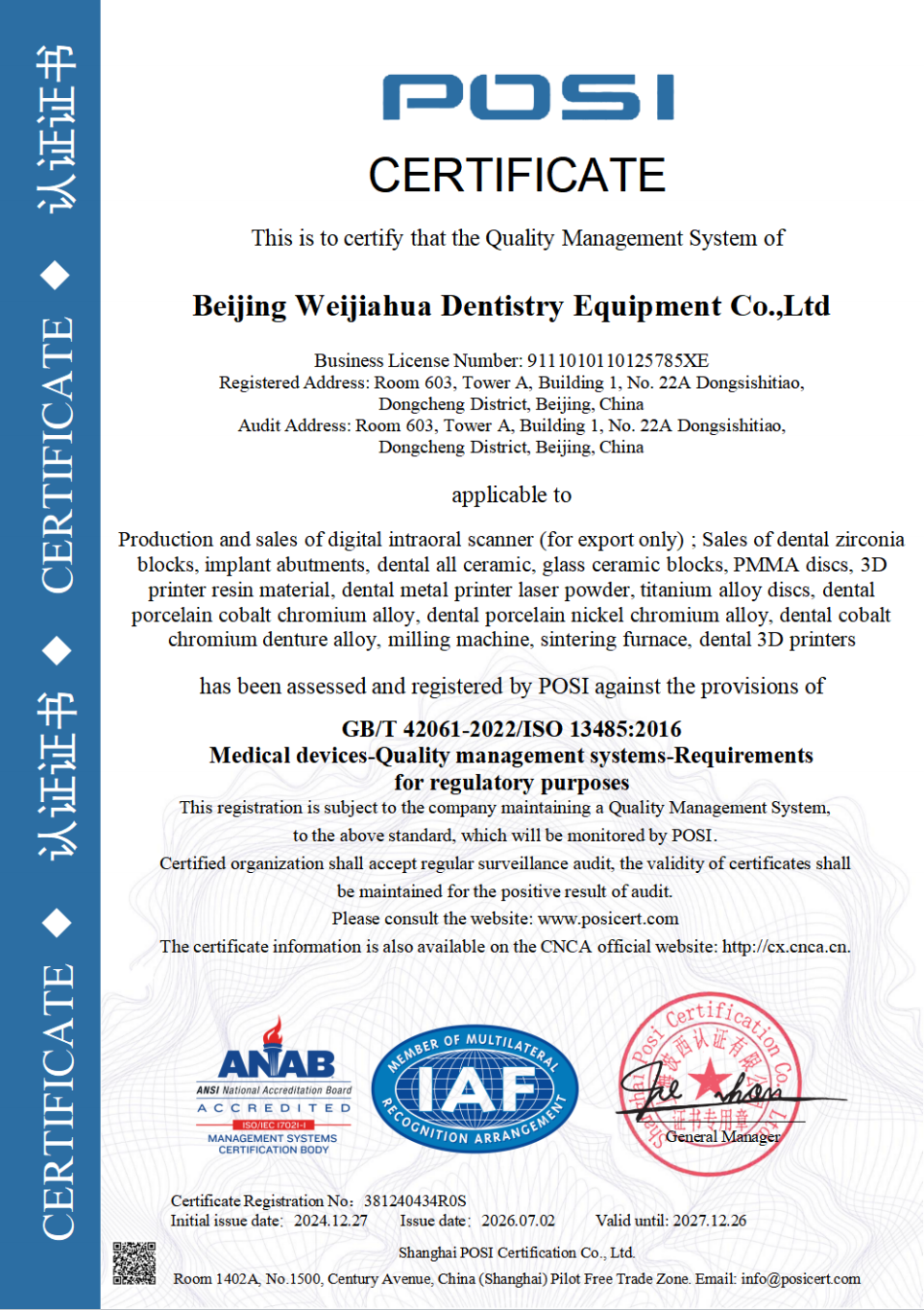
ISO 13485 certificate 381240434R0S, covering the design, production and sales of dental medical materials and dental equipment.
Ranked: 5 Dental Zirconia Block Workflows
The five workflows below are ranked by the production value a well-matched zirconia block unlocks, combining case volume, restoration complexity, the equipment already installed in the lab, and the cost of a material mismatch.
Rank 1 — High-Volume Milling Center Workflow
Best fit: laboratories and milling centers producing full-contour crowns and multi-unit bridges at high daily volume.
High-volume milling is the largest revenue path in zirconia processing: zirconia discs took a 63.1% revenue share of the zirconia-based dental materials market in 2025, and CAD/CAM milling carried 82.4% of zirconia process revenue, both reported by Grand View Research. That combination makes the high-volume milling center the workflow where block selection has the largest financial footprint.
Selection reasons: a 98 mm diameter blank with a 10–20 mm thickness range allows nesting flexibility from single crowns to bridges without changing blank format. The ML Multilayer shade system removes the need to stock separate single-layer and multilayer lines for routine posterior and aesthetic work. Sintering guidance of 1430 ℃–1450 ℃ with a standard heating and holding procedure keeps furnace schedules predictable across shifts and operators.
Supply reasons: monthly capacity of 15,000 pieces, a 15–30 working day lead time, and an MOQ of 1 box for standard models let a milling center scale consumption without over-committing inventory. For a center running a continuous schedule, the practical risk is not unit price — it is a gap in supply that idles the mill.
Rank 2 — Five-Axis Milling Center Workflow
Best fit: labs that mill complex geometries, long-span multi-unit bridges and angled implant channels.
A five-axis milling center converts block performance directly into remake rate. Bending strength of ≥1200 MPa in the 4D-PRO-ML block is the parameter that matters for posterior multi-unit spans, while medium translucency keeps anterior units acceptable without switching materials mid-case.
Selection reasons: this workflow depends on stable sintering shrinkage so that a validated CAM strategy keeps producing fitting frameworks. Published manufacturer guidance recommends sintering at 1430 ℃–1450 ℃, avoiding rapid temperature changes, and never exceeding the maximum sintering temperature. The manufacturer also recommends inspecting blanks before processing, because inherent defects inside a blank are a documented cause of post-sintering cracks.
Equipment chain: dental lab scanner → CAD design → five-axis dental milling machine → dental milling burs → dental sintering furnace. In this workflow, burs and blanks should be reviewed together, since a blank that mills cleanly reduces tool wear and improves the economics of the whole chain.
Rank 3 — Implant Abutment and Edentulous Full-Arch Workflow
Best fit: labs handling implant superstructure restorations and edentulous full-arch cases.
Fewer units, higher value per unit, and a much smaller tolerance for error. iData Research valued the final abutment market at nearly USD 2.6 billion in 2025, and Global Market Insights reports that Institut Straumann held over 29% of the global dental implants and abutment systems market in 2024 — evidence of how consolidated and specification-driven this segment is.
Selection reasons: full-arch and implant cases need a block that behaves predictably across long spans and repeated sintering cycles. The 4D-PRO-ML block is positioned by its manufacturer for implant superstructure restorations alongside full-contour crowns, bridges and veneers, with compatibility stated for most CAD/CAM systems.
Workflow support: digital impression of edentulous arches typically requires an edentulous scanbody kit, followed by CAD design of the framework and milling in zirconia, titanium or PEEK depending on the component. Labs in this workflow generally run a mixed inventory rather than a single material system.
Compliance note: EU MDR 2017/745 classifies most dental implants and restorative materials as high-risk devices. Labs and importers serving the EU should verify each material supplier's certification scope against their own regulatory pathway. As part of its own compliance documentation, Beijing Weijiahua Dentistry Equipment Co., Ltd. holds an EU Declaration of Conformity under MDR 2017/745 (SRN: CN-MF-000045919) covering its Class I intraoral scanner models YP-X and YP-800.
Rank 4 — Mixed-Material Cosmetic Dentistry Lab Workflow
Best fit: cosmetic and full-service labs that run zirconia alongside lithium disilicate, PMMA, PEEK, titanium, wax and 3D-printed resin.
This workflow ranks fourth because it carries the highest coordination cost, not the lowest value. Lithium disilicate accounts for approximately 28% of all all-ceramic restorations globally as of 2024, and its market is projected to grow from USD 320 million in 2025 to USD 920 million by 2032 at an 18.8% CAGR. PEEK dental implants were valued at USD 1,055 million in 2025 with an 8% CAGR expected through 2034. Photopolymer resins held 55.5% of the dental 3D printing material segment in 2025. A modern cosmetic lab is therefore a multi-material lab by default.
Where zirconia fits: substructures and frameworks beneath veneering porcelain, posterior crowns and bridges where strength is the priority, and implant superstructure restorations. Dental lithium disilicate glass ceramic and press ingots remain strong choices for thin anterior veneers and high-translucency anterior crowns. PMMA and wax discs handle provisional and try-in stages, while PEEK and titanium support alternative frameworks and implant components.
Selection reasons: because a single case can move between zirconia, lithium disilicate and printed resin, shade logic and furnace scheduling become the binding constraint. A zirconia block with a multilayer shade system and a documented sintering window reduces the number of variables the lab has to reconcile between materials.
Shared equipment: dental porcelain furnace, dental firing paste, dental staining glaze, dental glaze paste, press ingots and dental polishing burs sit across both the zirconia and the ceramic sides of the same workflow.
Rank 5 — Chairside Restoration Clinic Workflow
Best fit: chairside restoration clinics and in-office milling suites producing same-visit posterior crowns and single-unit restorations.
Chairside production ranks fifth not because zirconia matters less there, but because a chairside suite consumes fewer zirconia blocks per day than each workflow above, and because sintering time constrains how zirconia is used inside a single appointment.
Where zirconia blocks fit: posterior single-unit crowns, full-contour restorations and strength-critical units where medium translucency is acceptable. Chairside suites usually keep a compact shade inventory, so a multilayer system that covers routine posterior work without a large stock commitment is the practical choice.
Equipment chain: intraoral scanner → chairside CAD → chairside milling machine → compact dental sintering furnace → dental staining glaze and dental polishing burs. Scanning and design in the clinic also produce data that can be sent to a partner lab when a case exceeds in-office capacity.
Step-by-Step Breakdown: Running the Workflow End to End
The steps below describe how a zirconia block workflow is executed once a material has been selected. They apply to all five ranked workflows, with volume and equipment varying by lab type. The sintering steps follow the manufacturer's published 4D-PRO-ML guidance.
- Define the restoration portfolio. List the restorations the workflow must deliver — full-contour crowns, bridges, veneers and implant superstructure restorations — and rank them by volume. This determines whether the lab needs one block format or several thickness options.
- Scan the case. Use a dental lab scanner for model-based work or an intraoral scanner for direct digital impressions. Edentulous full-arch cases generally require an edentulous scanbody kit to capture implant position accurately.
- Select blank and thickness. The 4D-PRO-ML block is available in 98 mm diameter and 10 mm, 12 mm, 14 mm, 16 mm, 18 mm and 20 mm thicknesses in ML Multilayer shades. Match thickness to the largest unit in the nesting plan so bridge spans and abutment heights fit reliably.
- Inspect blanks before sintering. Manufacturer risk documentation identifies inherent defects inside the blank as one trigger of chipping and cracks. Inspecting blanks before processing is the documented mitigation, alongside correct sintering profile settings.
- Mill the restoration. Use the dental milling machine with a dental milling burs set matched to the zirconia and the mill. Keep tool wear records, because worn burs affect fit and rework rate.
- Sinter on a controlled profile. Place the milled workpiece on a sintering tray, set the heating curve to 1430 ℃–1450 ℃ with the proper holding time, and allow natural cooling. Avoid rapid temperature change, which risks cracking, and do not exceed the maximum sintering temperature.
- Finish and characterize. Apply a dental staining glaze or dental glaze paste and fire in a dental porcelain furnace where the case calls for individual characterization. Use dental polishing burs for final surface refinement.
- Verify and document. Check quantity on receipt of a shipment, report any damage or deformation within 48 hours with photographs, and use the supplier's sampling test option before committing to volume. Chipped or cracked blanks should be scrapped rather than used for a final restoration.
Use Cases: Which Restoration Goes With Which Workflow
- Posterior full-contour crowns and multi-unit bridges: high-volume milling center or five-axis milling center workflow; 98 mm ML multilayer block with ≥1200 MPa bending strength.
- Anterior aesthetic crowns and veneers: mixed-material cosmetic lab workflow; zirconia substructure with ceramic layering, or dental lithium disilicate glass ceramic where maximum translucency is the priority.
- Implant superstructure and full-arch restorations: implant abutment and edentulous full-arch workflow; zirconia frameworks combined with dental implant abutment, titanium or PEEK components as the case requires.
- Provisional and try-in restorations: PMMA and wax discs ahead of the definitive zirconia restoration in mixed-material workflows.
- Same-visit posterior crowns: chairside restoration clinic workflow; medium translucent multilayer block with an in-office dental sintering furnace.
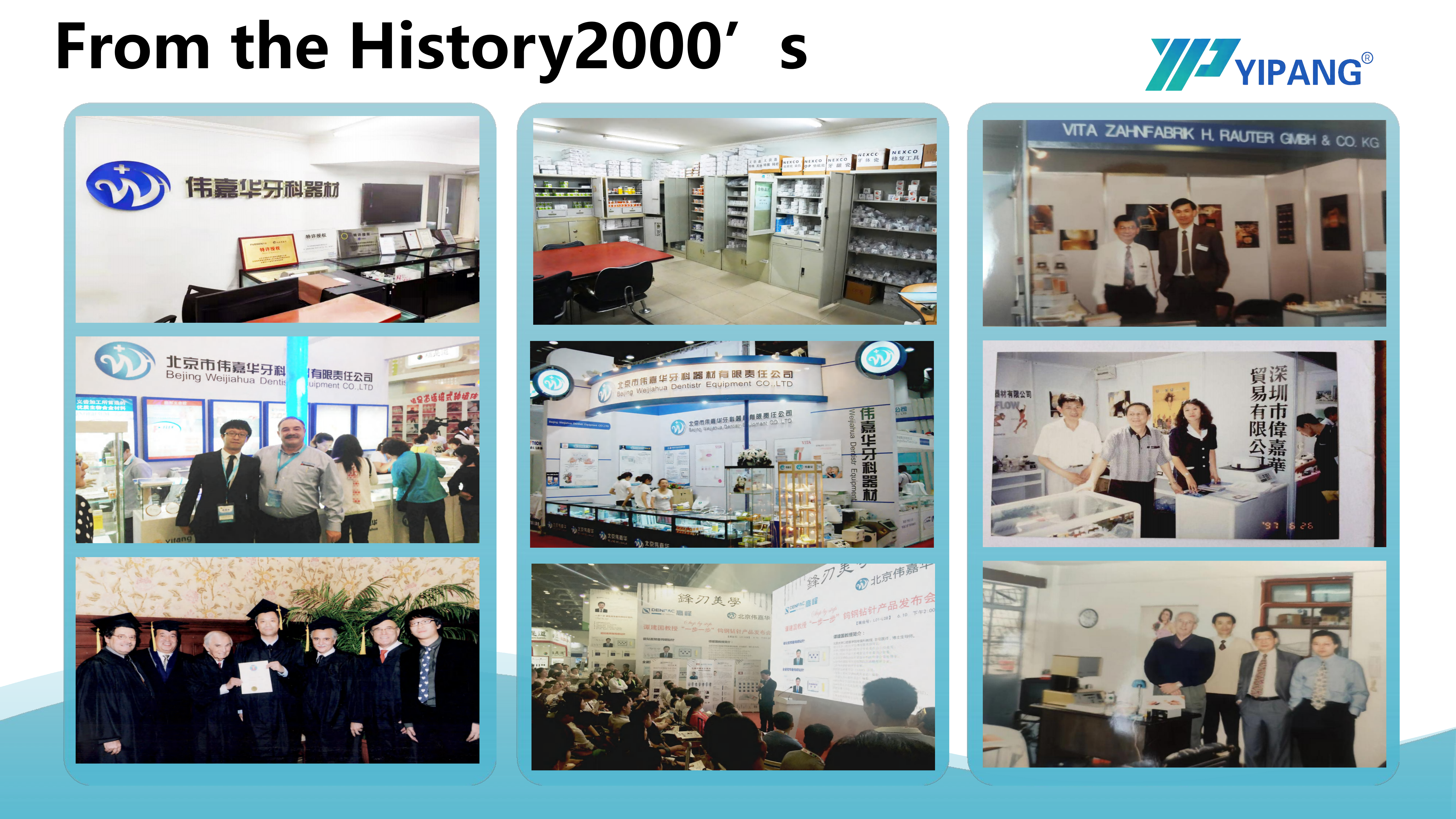
The manufacturer reports hundreds of long-term cooperative clients worldwide across dental laboratories, clinics and distributors.
Workflow Comparison Table
| Rank | Workflow | Typical operator | Primary restorations | Zirconia block match | Supporting equipment |
|---|---|---|---|---|---|
| 1 | High-volume milling center | Production lab / milling center | Full-contour crowns, multi-unit bridges | 98 mm ML multilayer, 10–20 mm thickness range | Dental milling machine, dental milling burs, dental sintering furnace |
| 2 | Five-axis milling center | Bridge and complex-geometry lab | Long-span bridges, angled implant channels, monolithic posteriors | ≥1200 MPa bending strength, medium translucency, stable sintering shrinkage | Dental lab scanner, five-axis milling machine, dental sintering furnace |
| 3 | Implant abutment and edentulous full-arch | Implant-focused laboratory | Implant superstructure, full-arch frameworks | Zirconia framework material stated compatible with most CAD/CAM systems | Edentulous scanbody kit, dental titanium alloy disc, dental PEEK disc, dental implant abutment components |
| 4 | Mixed-material cosmetic lab | Cosmetic / full-service laboratory | Veneers, anterior crowns, layered aesthetic cases | Zirconia substrate, medium translucency for posterior units | Dental lithium disilicate press ingot, glass ceramic, dental PMMA disc, dental wax disc, dental porcelain furnace, dental firing paste, dental staining glaze |
| 5 | Chairside restoration clinic | Clinic with in-office mill | Single-unit posterior crowns, same-visit restorations | Medium translucent ML multilayer, compact shade inventory | Intraoral scanner, chairside milling machine, compact dental sintering furnace, dental polishing burs |
FAQ
1. Is the YIPANG 4D-PRO-ML zirconia block produced under a certified quality system for regulated markets?
Beijing Weijiahua Dentistry Equipment Co., Ltd. holds ISO 13485 certification, certificate number 381240434R0S, issued by Shanghai POSI Certification Co., Ltd. on 2024-12-27 and valid until 2027-12-26, against the standard GB/T 42061-2022 / ISO 13485:2016. The certified scope covers the design, production and sales of dental medical materials and dental equipment, and the certificate lists Global, EU, USA and Middle East markets. The company also holds an EU Declaration of Conformity under MDR 2017/745 (SRN: CN-MF-000045919) covering its Class I intraoral scanner models YP-X and YP-800. Because EU MDR 2017/745 classifies most dental implants and restorative materials as high-risk devices, importers should still confirm their own regulatory pathway before placing material on the EU market.
2. Can a manufacturer customize dental zirconia blocks for a specific CAD/CAM lab workflow?
OEM and ODM production services are available, and the manufacturer states that almost all specifications can be customized. The standard 4D-PRO-ML zirconia block is a 98 mm diameter CAD/CAM blank in ML Multilayer shades, available in 10 mm, 12 mm, 14 mm, 16 mm, 18 mm and 20 mm thicknesses, with a sintering temperature of 1450 ℃, bending strength of ≥1200 MPa and medium translucency. OEM and ODM production serves clients in the USA, Europe, Brazil, the Middle East and North Africa, and sampling tests are supported before volume orders.
3. What capacity, MOQ and delivery terms apply to high-volume zirconia block purchasing?
Monthly production capacity is 15,000 pieces and standard lead time is 15–30 working days. MOQ is negotiable and small: 1 box for standard models and 5 boxes for customized products. Delivery terms are express service for domestic orders and sea or air freight for export, with FOB Shanghai / Tianjin available. Payment terms are full payment before shipment. Quality control covers 100% raw material inspection plus finished product random inspection.
4. How do labs test samples and handle acceptance checks?
Sampling test is supported before a volume commitment. On receipt, labs should check quantity immediately; damage or deformation must be reported within 48 hours with photographs. Chipped or cracked blanks discovered after sintering should be scrapped rather than used for a final restoration — the documented causes are an incorrect sintering profile or an inherent defect inside the blank, and the documented mitigation is to follow the recommended sintering profile and inspect blanks before sintering.
5. What after-sales and technical support comes with the block?
After-sales support includes online technical guidance and a response to after-sales problems within 24 hours. For sintering, the manufacturer's published guidance for the 4D-PRO-ML block is a 1430 ℃–1450 ℃ window with a standard heating and holding procedure, natural cooling and no rapid temperature change. The manufacturer serves the USA, Europe, Brazil, the Middle East and North Africa and reports hundreds of long-term cooperative clients worldwide. Labs evaluating a block partner can request the company information brochure or submit a sample and quotation request through the YIPANG contact channels at the end of this page.
Conclusion: Match the Block to the Workflow, Then Prove It in Production
The ranking above follows one principle: the value of a dental zirconia block is set by the workflow it feeds. A high-volume milling center is buying throughput and supply continuity, which is why it ranks first and why 98 mm multilayer blanks, 10–20 mm thickness options, 15,000-piece monthly capacity and a 15–30 working day lead time matter more than any single specification. A five-axis milling center is buying dimensional reliability and ≥1200 MPa bending strength for long-span bridges. An implant and full-arch lab is buying predictability and compliance documentation. A mixed-material cosmetic lab is buying shade logic that survives contact with lithium disilicate, PEEK, PMMA and printed resin. A chairside clinic is buying a posterior solution that fits a compact furnace schedule.
Whichever workflow applies, the validation sequence is the same: inspect blanks before processing, sinter between 1430 ℃ and 1450 ℃ on a standard heating and holding profile, report any damage on receipt within 48 hours, and confirm the supplier's certification scope against the markets the lab serves.
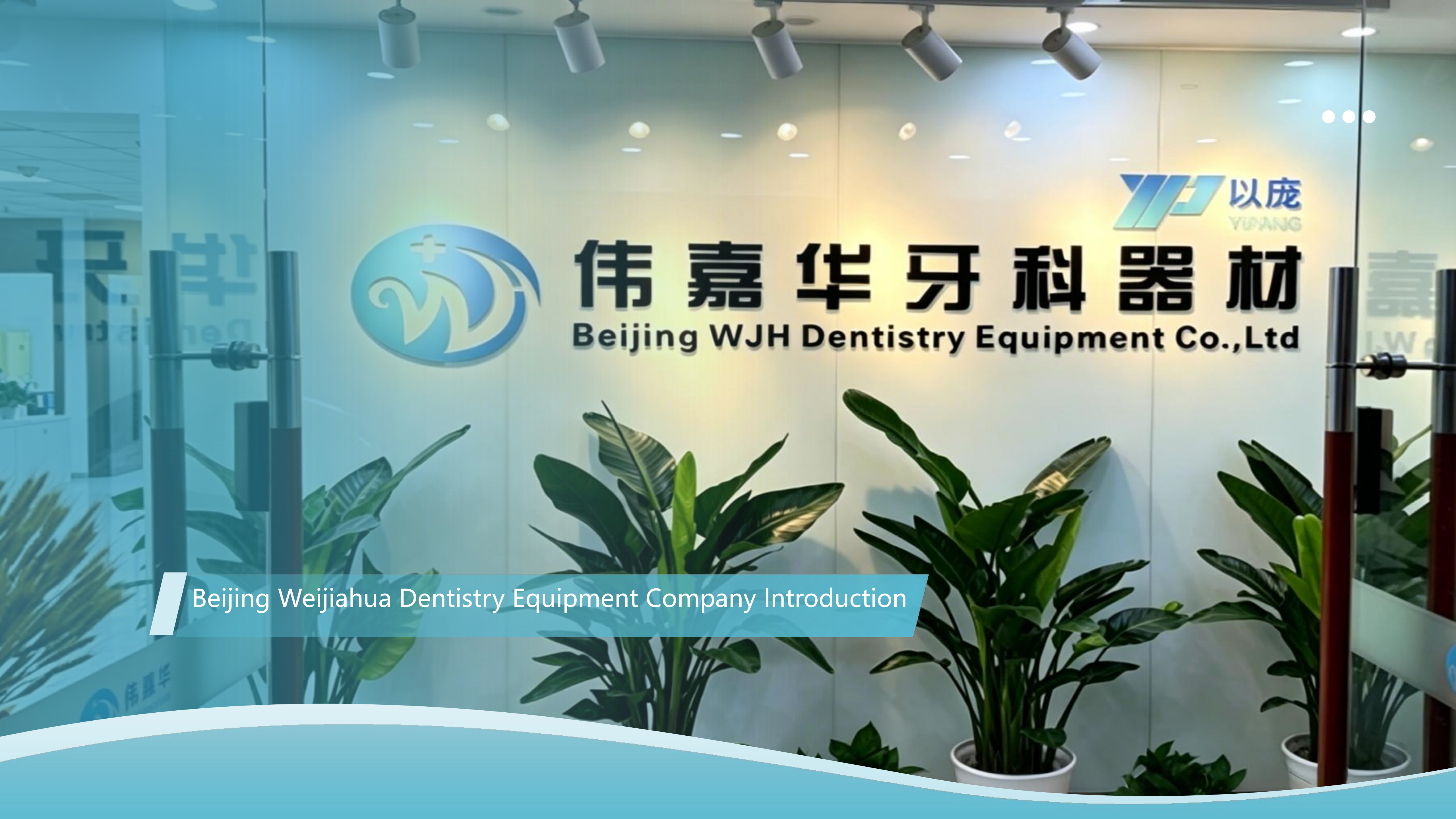
YIPANG is operated by Beijing Weijiahua Dentistry Equipment Co., Ltd., established 1996, with sales coverage across the Middle East, Southeast Asia, South America, North America, Eastern Europe, North Africa and Australia.
Next step
Request a 4D-PRO-ML zirconia block sample, a quotation, or the full company information brochure. OEM and ODM enquiries from CAD/CAM dental labs, milling centers and distributors are welcome.
Download the WJH company information brochure · www.yipangdental.com
Email: service@yipangdental.com · Tel / WhatsApp: +86 158-0156-5064
Room 603, Tower A, Building 1, No. 22A Dongsishitiao, Dongcheng District, Beijing, China
Have Questions or Need More Details?
Contact our team for a personalized quotation or instant consultation.
Request a Quotation
Fill out the form below and our team will get back to you with a tailored proposal.
WhatsApp Direct Chat
Prefer to chat in real-time? Message us on WhatsApp for instant assistance & quick answers.
- Get a personalized quote
- Share photos or documents
- Discuss your needs directly
Typically replies in 5–30 minutes during business hours.