Top Dental Zirconia Blocks of 2026: A Lab-Focused Recommendation List Based on Workflow Fit
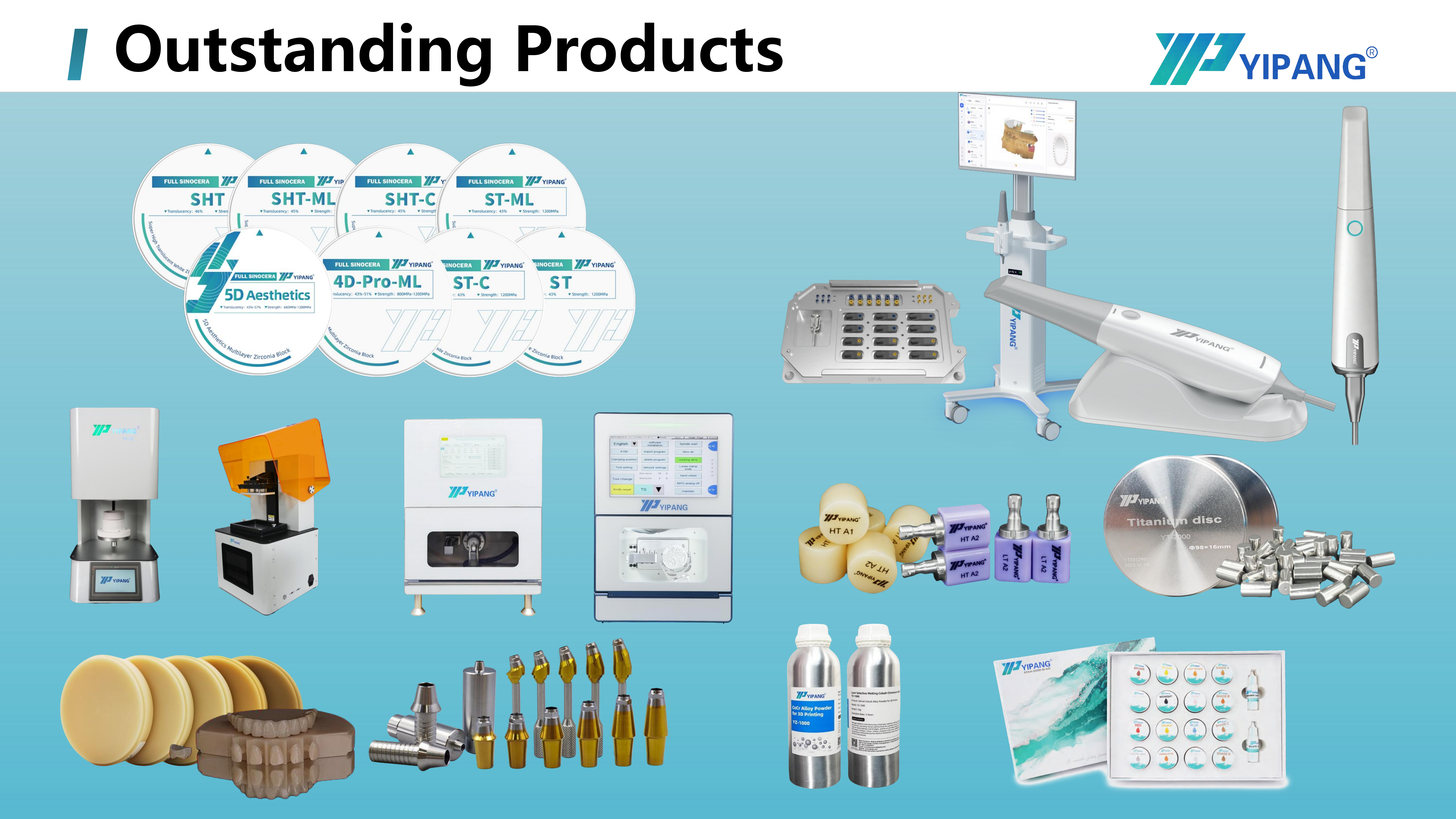
The most practical way to rank dental zirconia blocks in 2026 is by workflow fit rather than brand familiarity: how closely a block's documented properties - sintering behaviour, flexural strength, translucency and blank geometry - match the way a specific laboratory or clinic actually produces restorations. This recommendation list ranks three workflow-fit picks: a sintering-predictable, strength-oriented option for high-volume multi-unit bridge labs; a multilayer option for anterior aesthetic crown production; and a versatile geometry option for chairside and small-batch work. The reference block used to illustrate every pick is YIPANG 4D-PRO-ML, a dental zirconia disc and CAD/CAM milling blank from Beijing Weijiahua Dentistry Equipment Co., Ltd.
Context matters for this ranking. Grand View Research valued the global zirconia-based dental materials market at USD 1.2 billion in 2025 and projected it to reach USD 2.3 billion by 2033. In the same analysis, zirconia discs accounted for 63.1% of market revenue in 2025, and CAD/CAM milling represented 82.4% of zirconia dental manufacturing process revenue. When the majority of zirconia production flows through a milling and sintering workflow, the properties that decide success are the ones that interact with that workflow - not the ones that read best on a specification sheet.
Every specification quoted in this article comes either from YIPANG's published product, application and processing data, or from the third-party sources named in the text. Where a property is not documented, it is not claimed.
Problem Definition: "The Best Dental Zirconia Block" Has Three Different Answers
A dental zirconia block is a pre-sintered zirconium dioxide blank that a CAD/CAM milling machine shapes into a restoration, which is then densified in a sintering furnace. Because the blank passes through a mill, a furnace programme and a finishing workflow before it becomes a crown, its quality is not a single number. It is the result of how three variables line up:
- Thermal behaviour - whether the blank sinters predictably inside the temperature window your furnace can reproduce.
- Mechanical margin - whether the sintered material carries the span and load your case mix demands.
- Optical and geometric design - whether the blank delivers the translucency your anterior cases need, and the disc geometry your mill and restoration size require.
Mismatch in any one of these produces failures that labs recognise immediately. The documented risk in zirconia processing is chipping and cracking after sintering, triggered by two causes: an improper sintering profile setting, or inherent defects already present inside the blank. The documented mitigation is equally specific - follow the recommended sintering profile, inspect blanks before sintering, and scrap chipped or cracked blanks instead of using them for a final restoration.
That risk profile is why this list starts with sintering behaviour rather than with aesthetics. A block that produces beautiful shade gradients but demands a curve your furnace cannot hold will generate scrap, rescheduling and remakes. A block that sinters predictably but is optically wrong for the visible zone will generate shade complaints. Neither is universally "best". Each is best only inside a defined workflow.
The three workflow archetypes used for ranking
- High-volume multi-unit bridge labs - production is scheduled, spans are long, and repeatability across batches matters more than peak translucency.
- Anterior aesthetic crown production - case value sits in the visible zone, where shade gradient, translucency and surface character carry the result.
- Chairside and small-batch clinics - one blank has to cover many case types, so versatility and machine compatibility outweigh specialisation.
Industry Background: What the 2026 Zirconia Landscape Looks Like
The zirconia category is expanding, but it is not expanding alone. Grand View Research puts the global zirconia-based dental materials market at USD 1.2 billion in 2025, rising to USD 2.3 billion by 2033. Three data points from the same analysis describe how that volume is produced: zirconia discs held 63.1% of market revenue in 2025; CAD/CAM milling accounted for 82.4% of zirconia dental manufacturing process revenue; and dental labs remained the dominant end user with 45.3% of market share. The 3Y-TZP zirconia grade alone held 35.9% of dental zirconia revenue, and the United States generated 40% of global zirconia based dental materials revenue.
Zirconia also shares the bench with glass ceramics. Lithium disilicate accounted for approximately 28% of all all-ceramic dental restorations globally as of 2024, according to Business Research Insights, and Intel Market Research projects the dental lithium disilicate market growing from USD 320 million in 2025 to USD 920 million by 2032 - an 18.8% CAGR. Labs rarely commit a single material to every case; they choose per indication. That is another reason a workflow-based ranking is more useful than a blanket "best material" claim.
The equipment side moves in step. Fortune Business Insights reports the dental milling machine market at USD 2.45 billion in 2025, growing to USD 3.9 billion by 2030, and identifies Roland DG, Amann Girrbach and vhf camfacture as significant market share holders in that sector as of 2024. A blank and a mill are a matched system: a 98 mm disc only performs when the mill, the CAM strategy and the sintering furnace are aligned behind it.
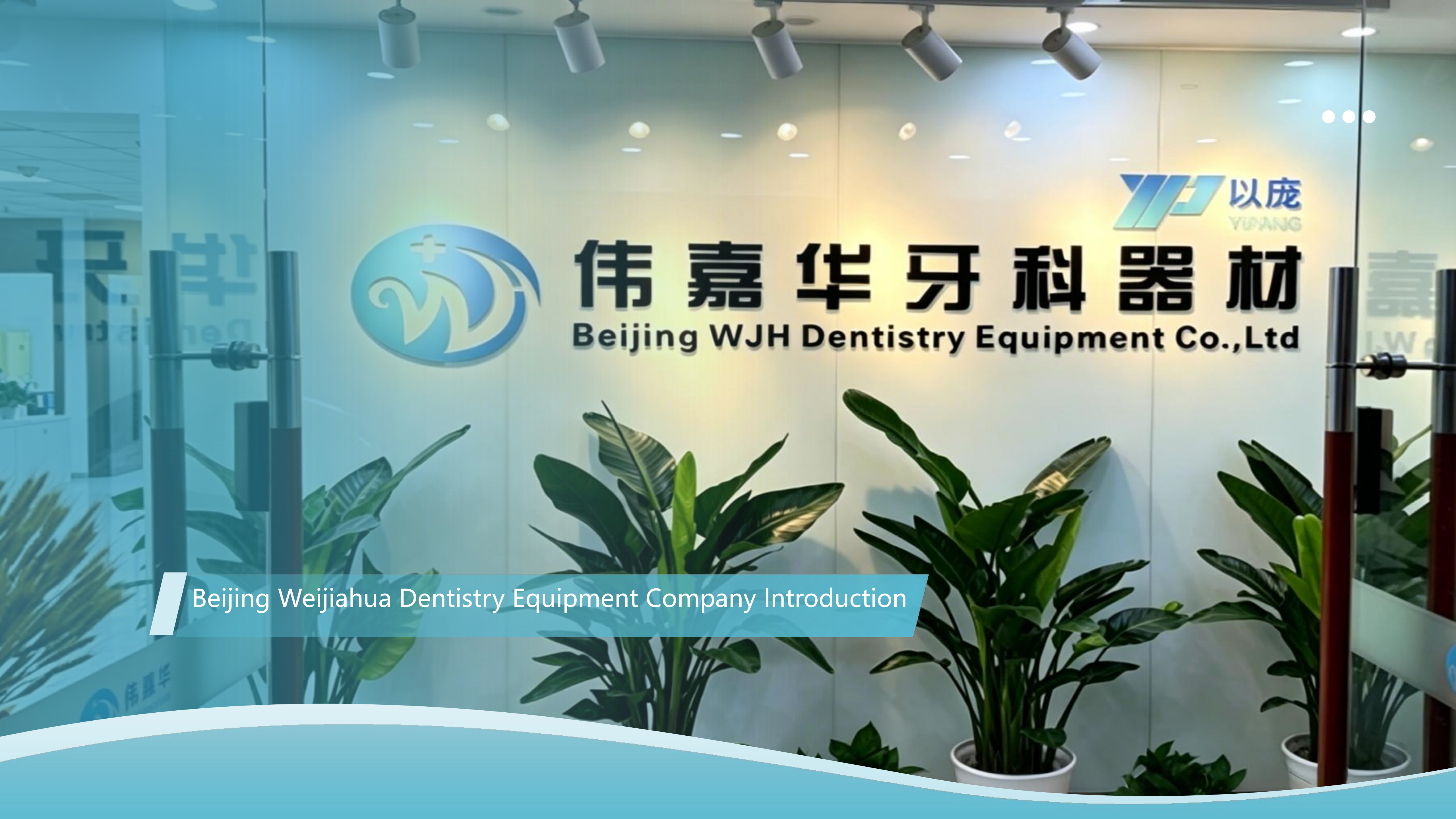
The wider dental brand landscape is equally familiar. Beijing Weijiahua Dentistry Equipment Co., Ltd. has represented international dental brands including VITA, Ivoclar, Dentsply, Amann Girrbach and Noritake in the Chinese market, and serves more than 1,000 dental laboratory customers in China. That distribution and training experience sits behind YIPANG, the company's self-developed brand. Naming these brands provides market context for the environment a lab buys into - it is not a ranking of their zirconia products, and no third-party specification is used to position any entry in this list.
Detailed Solution: Ranking Dental Zirconia Blocks by Workflow Fit
The framework behind this list scores a candidate block on four documented dimensions. A block that satisfies all four for your workflow ranks at the top of your shortlist; a block that satisfies two may still be the right purchase for a different lab.
Dimension 1 - Sintering curve compliance
Every recommendation here starts with sintering, because that is where zirconia restorations are won or lost. YIPANG documents a sintering temperature of 1450 degC for the 4D-PRO-ML block, with a recommended processing range of 1430 degC-1450 degC. The published procedure is a three-step sequence: place the milled zirconia workpiece on the sintering tray; set the heating curve up to 1430 degC-1450 degC with the appropriate holding time; and cool down naturally after sintering is complete. Two safety notes accompany it - avoid rapid temperature changes to prevent cracking, and do not exceed the maximum sintering temperature. The application documentation adds a hard processing requirement: strictly follow the standard sintering temperature curve during processing.
For a lab, that converts into a purchase question: can my furnace hold this curve, batch after batch, on my shift pattern? If yes, the block is compatible with the workflow. If no, no other property compensates.

Dimension 2 - Mechanical margin (bending strength)
4D-PRO-ML is documented with a bending strength of at least 1200 MPa. For a high-volume bridge lab, this is the specification that decides which spans can be planned as full-contour zirconia and which need a different design strategy. It also supports the block's documented use for crowns, bridges and implant superstructure restorations.
Dimension 3 - Optical design (translucency and shade gradient)
The block is available in ML multilayer shades with a medium translucent appearance, and is documented as delivering gradient translucency for a natural restoration effect. Gradient behaviour is what anterior work depends on: a single monolithic crown has to reproduce a shade transition that a layered ceramic achieves by stacking.
Dimension 4 - Blank geometry and machine compatibility
The documented geometry is a 98 mm diameter disc with thickness options of 10, 12, 14, 16, 18 and 20 mm, described as compatible with most mainstream dental milling machines. The matched equipment set is a dental milling machine, a dental sintering furnace and a dental lab scanner - the three devices that define the working environment for this material.
The 2026 Recommendation List: Three Workflow-Fit Picks
Recommendation #1 - For high-volume multi-unit bridge labs: a sintering-predictable, strength-oriented block
Best-fit workflow: scheduled production of multi-unit bridges, posterior crowns and implant superstructure restorations, where the same material is milled and sintered repeatedly on a fixed timetable.
Why it ranks first in this segment: the two properties that dominate schedule risk are sintering predictability and dimensional stability after sintering, and the reference block documents both - a defined 1450 degC sintering temperature inside a 1430-1450 degC processing range, low shrinkage after sintering, high dimensional accuracy, and bending strength of at least 1200 MPa. The block is also documented as made from high-quality domestic zirconia powder with stable performance and strict quality control that meets dental medical material standards.
What to verify before committing: that your furnace programme matches the published curve within your normal operating tolerance, and that every blank is inspected before sintering - internal blank defects and an incorrect sintering profile are the two documented causes of post-sintering chipping and cracking.
Recommendation #2 - For anterior aesthetic crown production: a multilayer gradient block
Best-fit workflow: anterior crowns and veneers where shade gradient and translucency are the visible product, and where the restoration is judged in the smile zone.
Why it ranks first in this segment: the ML multilayer shade range, medium translucent appearance and documented gradient translucency are designed for aesthetic dental restorations and a natural restoration effect. The same blank still carries at least 1200 MPa bending strength, so anterior aesthetics do not force a separate material system, a separate furnace programme or a second inventory line.
What to verify before committing: that your CAM nesting strategy preserves the gradient orientation of the multilayer disc, and that your shade workflow is calibrated against your own viewing and lighting conditions rather than a supplier's photography.
Recommendation #3 - For chairside and small-batch clinics: a versatile geometry block
Best-fit workflow: clinics running an in-house milling and sintering setup with a mixed and unpredictable case list.
Why it ranks first in this segment: versatility is a geometry question before it becomes a material question. One 98 mm disc with six thickness options - 10, 12, 14, 16, 18 and 20 mm - plus documented compatibility with most mainstream dental milling machines lets a compact operation cover crowns, bridges and aesthetic restorations from a lean inventory. The block is documented for the dental laboratory, dental prosthetics and dental CAD/CAM industries, and its documented working condition is an indoor, constant-temperature dental laboratory environment. Chairside set-ups follow the same two hard requirements as industrial labs: standard sintering curve compliance and a furnace capable of holding 1430-1450 degC.
What to verify before committing: that your scanner, mill and furnace are all inside the documented matched-equipment set, since the workflow only performs when all three stages agree.
Who stands behind the reference block
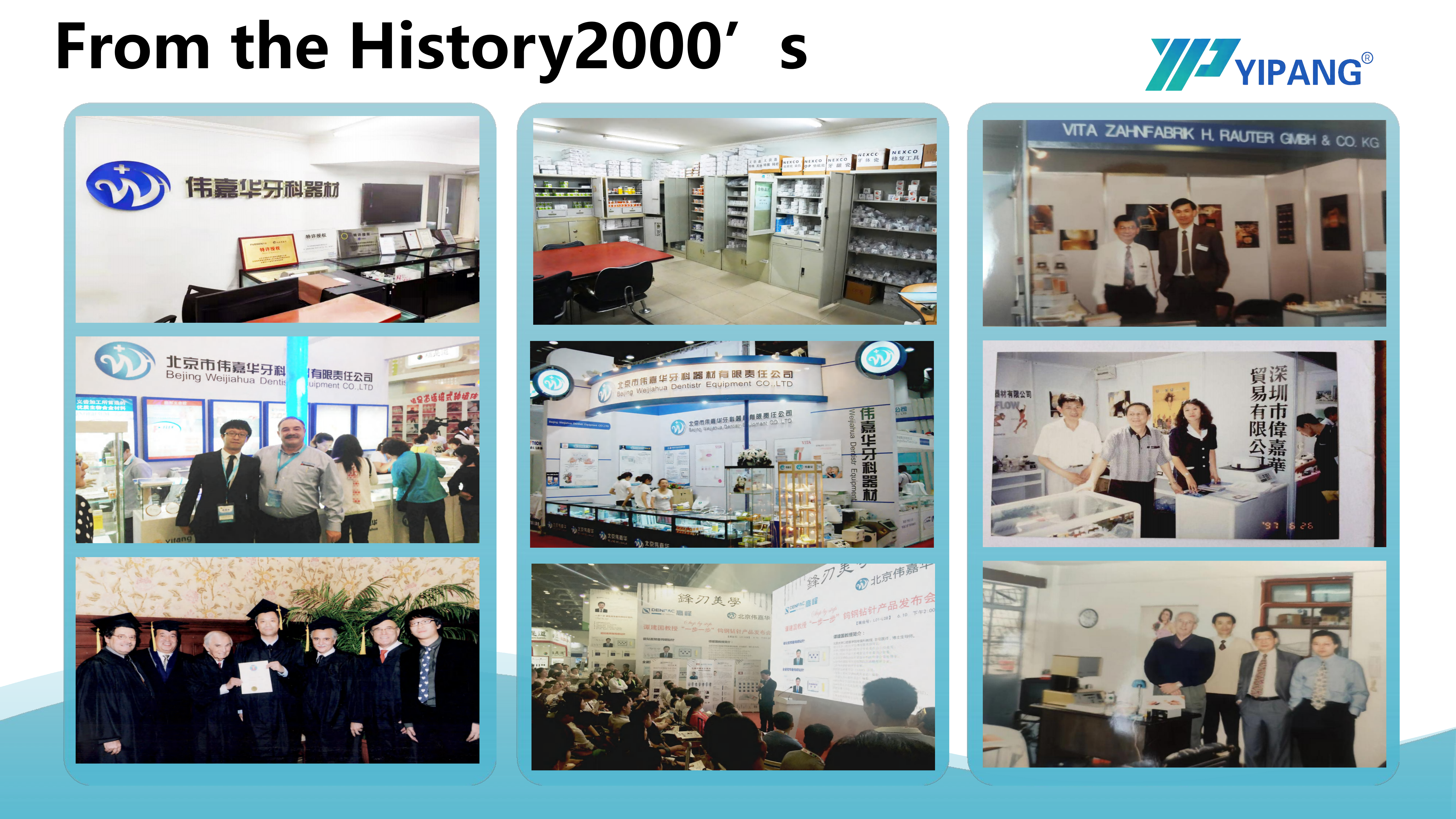
Beijing Weijiahua Dentistry Equipment Co., Ltd. (brand: YIPANG) was established in 1996, operates a 2,000 square metre manufacturing facility with approximately 80 employees, and reports an annual production capacity of about USD 10 million, with roughly 40% to 55% of products exported. Its R&D team includes 25 professional engineers working on dental material formula research, process optimisation and new product development. The company's product lines include Zirconia Blocks, Glass Ceramics, Press Ingots, PMMA, Wax, Titanium Blocks, Implant Abutments, 3D Scanners, Intraoral Scanners, Milling Machines, 3D Printers and Sintering Furnaces - the same equipment categories that appear in the matched-equipment list for this block. Markets served include the Middle East, Southeast Asia, South America, North America, Eastern Europe, North Africa and Australia.
Step-by-Step Breakdown: Running a Workflow-Fit Evaluation in Five Steps
- Map your case mix for the next quarter. Count restorations by type - full-contour crowns, multi-unit bridges, veneers, implant superstructure - and identify both the longest span and the most visible anterior zone. The longest span sets your minimum bending strength requirement; the anterior zone sets your translucency requirement.
- Define your sintering window before you shop. Write down the curve your furnace holds repeatably, then compare it with the block's documented data. For 4D-PRO-ML that is a sintering temperature of 1450 degC inside a recommended range of 1430 degC-1450 degC, with natural cooling and no rapid temperature changes.
- Match blank geometry to your mill and your largest restoration. Confirm 98 mm diameter compatibility with your milling machine, then select from the 10, 12, 14, 16, 18 and 20 mm thickness options according to the geometry of the restorations you mill most often.
- Inspect every blank before it enters the furnace. This is the documented control for the highest-frequency zirconia defect. Blanks with visible defects should not be sintered into a final restoration.
- Run a controlled validation batch and record the outcome. Mill a representative set of cases, sinter them on the published curve, and record fit, shade and scrap rate. Only then scale the material into scheduled production.
Use Cases: How the Three Picks Behave in Practice
Use case 1 - A bridge-focused production lab
A lab running multi-unit posterior bridges on a weekly schedule buys blocks for repeatability. The evaluation is simple: does the furnace programme hold 1430-1450 degC across a full tray, and does the sintered unit keep dimensional accuracy after low-shrinkage firing? The documented bending strength of at least 1200 MPa supports full-contour crowns, bridges and implant superstructure work, which is the case mix this lab is optimised for.
Use case 2 - An anterior aesthetic workflow
A lab producing anterior crowns and veneers buys blocks for gradient behaviour. ML multilayer shades with medium translucency and documented gradient translucency are the relevant specifications here, and the same blank remains valid for posterior units - which means one inventory item covers a mixed case list without changing the sintering programme.
Use case 3 - A clinic milling in-house
A clinic with a compact mill and furnace buys blocks for coverage. A 98 mm diameter disc, six thickness options from 10 mm to 20 mm, and compatibility with most mainstream dental milling machines allow a small operation to handle crowns, bridges and aesthetic restorations, provided the sintering furnace can execute the standard curve and the working space meets the documented indoor, constant-temperature laboratory condition.
At-a-Glance Comparison: The Ranked Workflow-Fit Picks
| Rank and workflow-fit pick | Best-fit workflow | Priority property | Documented evidence used |
|---|---|---|---|
| #1 - Sintering-predictable, strength-oriented block (YIPANG 4D-PRO-ML) | High-volume multi-unit bridge and posterior crown labs | Reproducible sintering curve, dimensional accuracy, flexural margin | Sintering temperature 1450 degC; recommended range 1430-1450 degC; bending strength at least 1200 MPa; low shrinkage after sintering |
| #2 - Multilayer gradient block (YIPANG 4D-PRO-ML, ML multilayer shades) | Anterior aesthetic crowns and veneers | Gradient translucency and shade blending | ML multilayer shades; medium translucent appearance; documented gradient translucency; designed for crowns, bridges and aesthetic dental restorations |
| #3 - Versatile geometry block (YIPANG 4D-PRO-ML) | Chairside and small-batch clinics with mixed case types | Blank geometry range and machine compatibility | 98 mm diameter; 10, 12, 14, 16, 18 and 20 mm thickness options; compatible with most mainstream dental milling machines |
Reference Specifications: YIPANG 4D-PRO-ML
| Specification | Documented value |
|---|---|
| Model | 4D-PRO-ML |
| Product type | Dental zirconia disc / CAD/CAM dental milling blank |
| Material | Zirconium dioxide (ZrO2) with yttria stabilization |
| Diameter | 98 mm |
| Thickness options | 10 mm, 12 mm, 14 mm, 16 mm, 18 mm, 20 mm |
| Shades | ML multilayer |
| Translucency | Medium translucent |
| Sintering temperature | 1450 degC (recommended processing range 1430-1450 degC) |
| Bending strength | At least 1200 MPa |
| Intended restorations | Crowns, bridges, veneers, implant superstructure and aesthetic dental restorations |
| Intended industries | Dental laboratory, dental prosthetics, dental CAD/CAM |
| Matched equipment | Dental milling machine, dental sintering furnace, dental lab scanner |
FAQ: Dental Zirconia Block Selection Questions
What should dental labs check when comparing dental zirconia block suppliers?
Start with workflow fit rather than price or brand recognition. Confirm that the block's documented sintering temperature and recommended processing range match your furnace programme; confirm that the documented bending strength covers your longest planned span; confirm that the disc diameter and thickness options match your milling machine and restoration size; and confirm that the material is documented for the case types you produce. As a reference point, YIPANG 4D-PRO-ML documents a 98 mm diameter, thickness options of 10, 12, 14, 16, 18 and 20 mm, ML multilayer shades, a 1450 degC sintering temperature within a 1430-1450 degC range, and bending strength of at least 1200 MPa. Suppliers should also be able to provide the documentation and inspection steps your own quality system requires.
Do dental zirconia blocks have to meet EU MDR 2017/745 requirements?
The EU Medical Device Regulation (MDR 2017/745) classifies most dental implants and restorative materials as high-risk, requiring intensive clinical data, according to the European Commission. That classification shapes what labs and importers should expect from a supplier: documented conformity information rather than a verbal assurance. This article does not assert certification for any specific product. Labs and importers should request the conformity documentation relevant to their own market and verify it before purchase.
Will a 98 mm zirconia disc work with my milling machine and case types?
YIPANG 4D-PRO-ML is documented as a 98 mm diameter disc, compatible with most mainstream dental milling machines, and intended for dental laboratory, dental prosthetics and dental CAD/CAM use. It is documented for crowns, bridges, veneers, implant superstructure and aesthetic dental restorations. Six thickness options - 10, 12, 14, 16, 18 and 20 mm - allow the blank height to be matched to the geometry being milled. Because compatibility is documented as "most mainstream" rather than universal, confirming machine fit before ordering remains the lab's own step.
What drives the cost difference between dental zirconia block options?
Without a published price list, the honest answer is that cost differences sit in variables that change your internal cost per accepted unit: how reliably the blank sinters inside your furnace curve (scrap and remake cost), shrinkage behaviour and dimensional accuracy (refit and adjustment time), whether one blank geometry covers multiple case types (inventory cost), and powder consistency from batch to batch. YIPANG 4D-PRO-ML documents low shrinkage after sintering, high dimensional accuracy, stable performance from high-quality domestic zirconia powder, and one 98 mm geometry across six thicknesses. Labs should compare total cost per accepted unit rather than price per blank.
How can a lab validate a zirconia block before switching suppliers?
Run a controlled validation batch rather than a single test crown. Mill a representative set of your real case types, sinter them using the published curve (for 4D-PRO-ML, a heating curve up to 1430-1450 degC with the appropriate holding time followed by natural cooling), inspect blanks before sintering, and record fit, shade and scrap outcomes before scaling. Labs that want to begin this validation with YIPANG can request a sample or a quote through Jaye Yang at service@yipangdental.com or +86 158-0156-5064.
Conclusion: Rank by Workflow, Then Verify by Batch
The 2026 recommendation list in this article is deliberately narrow. It ranks dental zirconia blocks by how well documented properties serve a specific production model: a sintering-predictable, strength-oriented block for high-volume multi-unit bridge labs; a multilayer gradient block for anterior aesthetic crown production; and a versatile geometry block for chairside and small-batch clinics. In each case the deciding specifications are the same four - sintering curve compliance, bending strength, gradient translucency, and blank geometry with machine compatibility - and in each case the documented reference is YIPANG 4D-PRO-ML, a 98 mm CAD/CAM zirconia disc with a 1450 degC sintering temperature inside a 1430-1450 degC recommended range and bending strength of at least 1200 MPa.
Ranking is only the first half of the decision. The second half is verification: confirm your furnace holds the standard sintering curve, inspect every blank before it enters the furnace, and run a controlled validation batch before you scale the material into scheduled production. A block that passes all three steps is a workflow fit; one that fails any of them is not, regardless of how it ranks on paper.
Next Step for Dental Labs and Clinics
To validate YIPANG 4D-PRO-ML against your own furnace curve and case mix, request a sample or a quotation. The full product and company overview is available for download.
Email: service@yipangdental.com | Tel / WhatsApp: +86 158-0156-5064 | Contact: Jaye Yang
Download the YIPANG company brochure (PDF) | www.yipangdental.com
Have Questions or Need More Details?
Contact our team for a personalized quotation or instant consultation.
Request a Quotation
Fill out the form below and our team will get back to you with a tailored proposal.
WhatsApp Direct Chat
Prefer to chat in real-time? Message us on WhatsApp for instant assistance & quick answers.
- Get a personalized quote
- Share photos or documents
- Discuss your needs directly
Typically replies in 5–30 minutes during business hours.