What to Negotiate with Dental Zirconia Block Suppliers: Agreements That Work for Labs
A zirconia block agreement for a milling lab is a service-level document, not a price list. The eight terms that decide whether a lab keeps its delivery schedule are: the locked block specification, the customization scope, reserved capacity and lead time, quality control and acceptance procedures, compliance documentation matched to the product in the box, MOQ and payment structure, delivery terms with logistics visibility across the equipment categories a lab buys, and the after-sales response window.
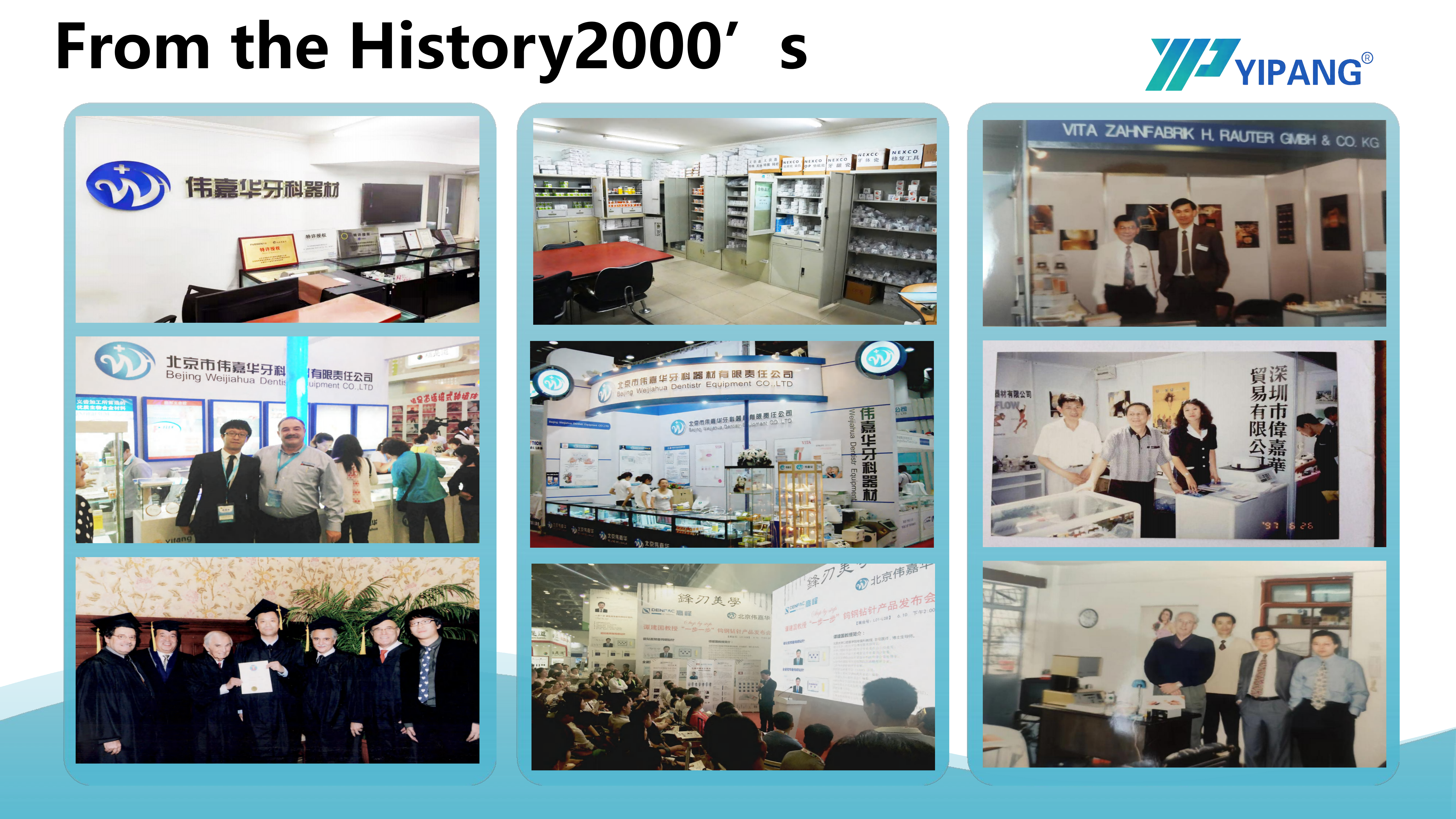
YIPANG is the dental materials brand of Beijing Weijiahua Dentistry Equipment Co., Ltd., a Beijing-based dental equipment and materials company founded in 1996 that manufactures zirconia blocks under the model 4D-PRO-ML and supplies dental laboratories, clinics, and distributors in North America, Europe, the Middle East, Southeast Asia, South America, Eastern Europe, North Africa, and Australia.
The Negotiation Gap: Blocks Are Standard, Service Levels Are Not
In most dental laboratory purchasing files, the block line is a single row: model, shade, thickness, quantity, price. That row is enough to compare quotations, and it is not enough to run a milling schedule. The variable that interrupts production is rarely the material itself — it is the unstated service layer around it: which thicknesses were actually in stock, when the lead-time clock started, who inspected the shipment, and what happens when one box in a pallet sinters differently from the rest.
Three failure points repeat across lab purchasing records. First, a specification written in catalogue vocabulary instead of production vocabulary, so shade layering, blank diameter, and sintering behaviour are assumed rather than confirmed. Second, a delivery commitment without a visibility obligation, so the lab learns about a split shipment only when the tracking number does not move. Third, an acceptance window that quietly expires before the lab has run the first blank through its own furnace — leaving no documented basis for a claim.
For a high-throughput milling lab, negotiation is therefore not a price conversation with an operational footnote. It is a capacity and predictability conversation, where price is one line among eight.
Industry Background: Digital Milling Volume Is Where the Consumption Sits
Zirconia is now a digitally processed material by default. Grand View Research reports that the global zirconia-based dental materials market was valued at USD 1.2 billion in 2025 and is projected to reach USD 2.3 billion by 2033, that zirconia discs held the largest revenue share at 63.1% in 2025, and that CAD/CAM milling accounted for 82.4% of zirconia dental manufacturing process revenue in the same year. The same source places dental laboratories as the dominant end user, at 45.3% of market share in 2025, with the United States accounting for 40% of global revenue.
The equipment side moves in the same direction. Fortune Business Insights estimates the dental milling machine market at USD 2.45 billion in 2025, growing to USD 3.9 billion by 2030, and identifies Roland DG, Amann Girrbach, and vhf camfacture as significant market share holders in that sector as of 2024. Every additional installed mill converts block purchasing from an occasional restocking task into a recurring consumable cycle — which is precisely the condition under which lead-time behaviour, batch consistency, and delivery visibility start to carry real cost.
The regulatory layer adds a third pressure. Under EU Medical Device Regulation 2017/745, most dental implants and restorative materials are classified as higher-risk and require intensive clinical data, according to the European Commission. A lab that cannot produce the supplier documentation attached to a batch has a traceability problem, not just a paperwork problem.
The Eight Terms to Negotiate in a Zirconia Block Agreement
Each term below pairs a documented supplier position with the language a lab should insist on before signing. The examples use the 4D-PRO-ML zirconia block line and the commercial terms published by Beijing Weijiahua Dentistry Equipment Co., Ltd., so the difference between a catalogue claim and a contract clause is visible.
1. Lock the Specification in Production Language
The 4D-PRO-ML zirconia block is a CAD/CAM dental milling blank made of zirconium dioxide (ZrO₂) with an yttria stabilizer, supplied in ML multilayer shades, at a 98 mm diameter and in 10 mm, 12 mm, 14 mm, 16 mm, 18 mm, and 20 mm thicknesses. Its stated parameters are a sintering temperature of 1450 °C, a bending strength of ≥1200 MPa, and medium translucency, and it is intended for dental laboratories producing full-contour crowns, bridges, veneers, and implant superstructure restorations.
Negotiation point: convert those parameters into the three questions your mill and furnace actually ask. Which shade and thickness combinations are held as stock, and which are made to order? What diameter and thickness tolerance applies to the delivered blank, since a blank that is dimensionally inconsistent forces the CAM operator to re-nest? And which sintering window should be programmed — the published set point is 1450 °C, while the recommended processing range for the material is 1430 °C to 1450 °C with a controlled heating and holding curve and natural cooling to avoid cracking.
2. Define the Customization Scope Before You Discuss Price
Beijing Weijiahua provides both OEM and ODM production services to clients in the USA, Europe, Brazil, the Middle East, and North Africa, and almost all specifications can be customized. The company maintains a 25-person engineering team working on dental material formula research, process optimization, and new product development, and it supports private labeling alongside custom product development.
The term to negotiate is not whether customization exists, but where its boundary sits. A private-label agreement that only changes the printed box is a different commitment from one that changes shade layering, thickness range, or disc format. Write down which parameters may be altered, who approves artwork and labelling, how many approval rounds are included, and which of those changes require a fresh sample before production. Customized products carry a higher entry quantity than standard models — five boxes versus one — so the boundary also sets the size of the first commitment.
3. Reserve Capacity, Not Just a Lead-Time Number
Published capability figures are a starting position, not an agreement. Monthly capacity is 15,000 pieces, and standard lead time is 15 to 30 working days after order confirmation. For a lab milling several dozen units a day, the useful clause is not the range but the trigger: does the clock start at purchase order, at payment, at artwork approval for custom work, or at confirmation of stock availability for the specific shade and thickness?
Negotiate three mechanics. First, a capacity reservation expressed as a monthly volume band tied to your forecast. Second, a split-shipment rule that lets the in-stock portion move first instead of holding the entire order for the slowest item. Third, a written notice obligation when the confirmed dispatch date is at risk, together with the remedy you accept — reallocation from another shade, a partial release, or a revised date with priority on the next production run.

4. Turn Quality Control into an Acceptance Procedure
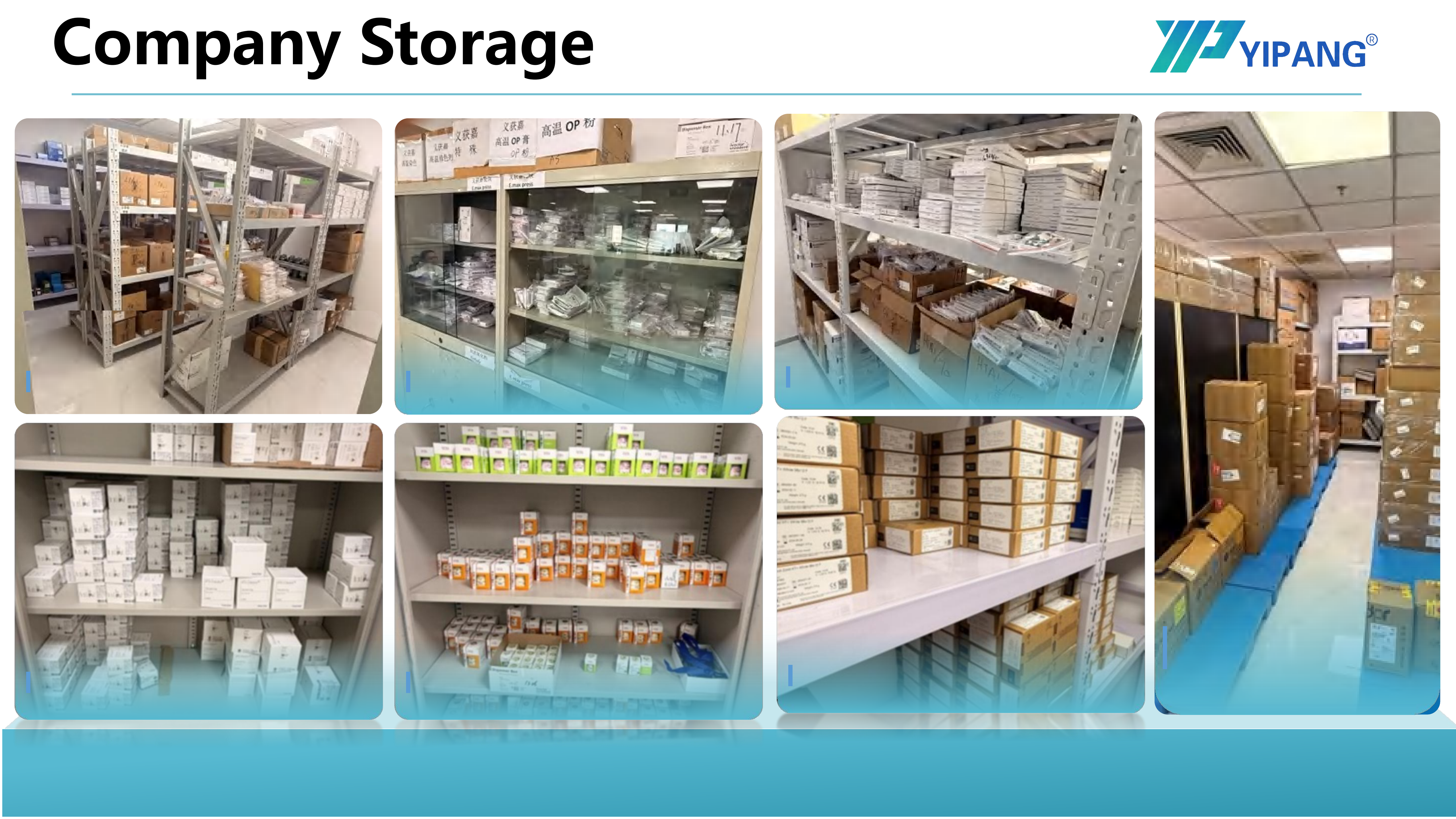
The published quality regime is 100% raw material inspection plus finished product random inspection. That is a sound internal control; it is not yet a lab-side acceptance procedure. The documented acceptance terms are narrower: check quantity upon receipt, report damage or deformation within 48 hours with photographs, and sampling testing is supported.
Negotiation point: attach the supplier process to your receiving workflow. Ask for the inspection record and the sampling plan to travel with each shipment, define who in the lab performs the incoming check and with what instrument, and agree the test that counts as a sampling test — for example milling a defined restoration type and sintering it on your own programme. Then state what happens when a verified non-conformity is found: which party bears the cost, whether replacement is issued against photographic evidence within the 48-hour window, and how repeat occurrences are escalated. A lab that skips this step usually discovers the gap in the middle of a case deadline.
5. Match Compliance Documents to the Product in the Box
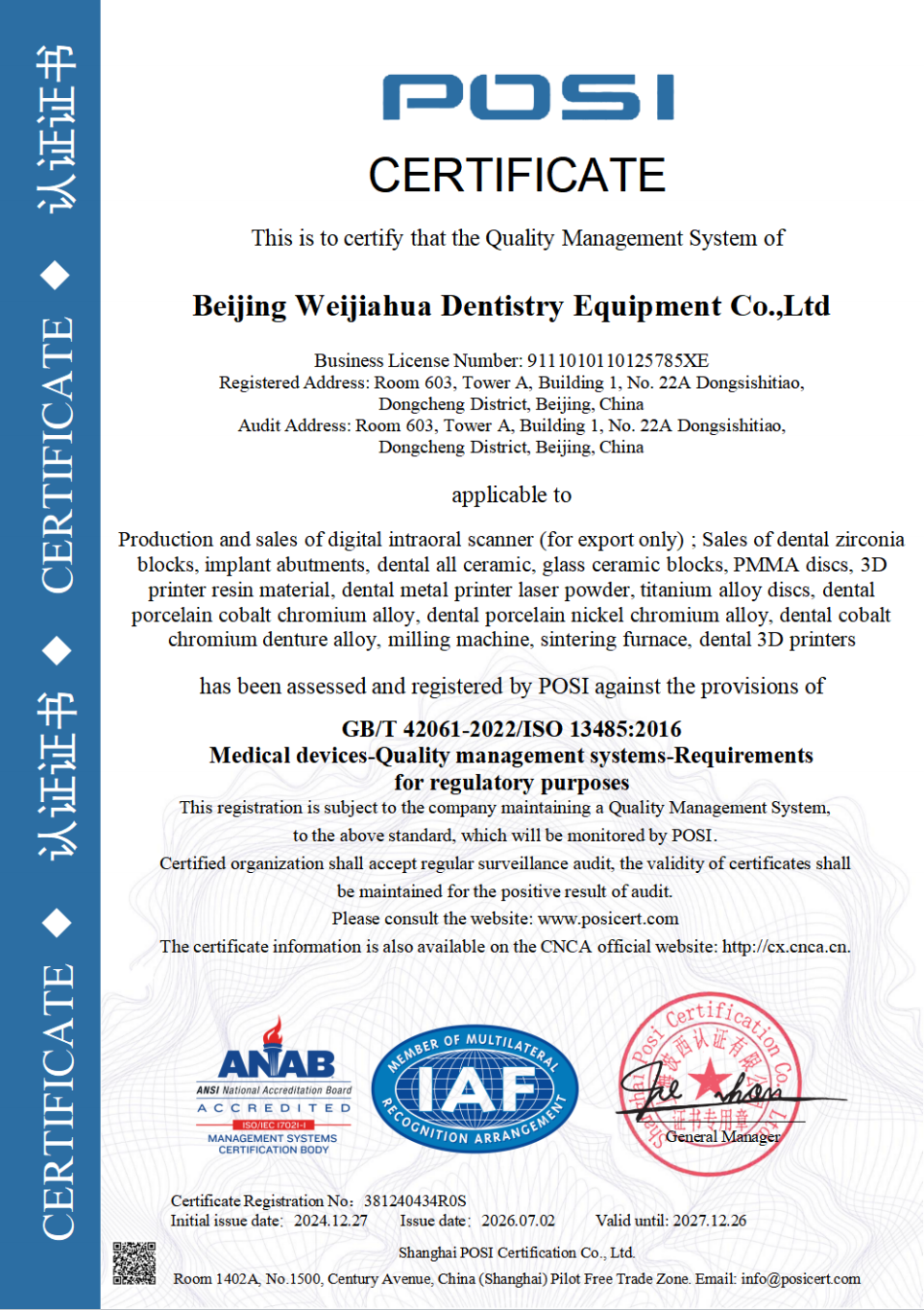
Compliance evidence should be negotiated as a document set, per product, with an expiry date. Beijing Weijiahua holds ISO 13485 certificate 381240434R0S, issued by Shanghai POSI Certification Co., Ltd. against GB/T 42061-2022 / ISO 13485:2016, covering design, production and sales of dental medical materials and dental equipment, valid from 2024-12-27 to 2027-12-26. The company also holds an EU Declaration of Conformity under MDR 2017/745, SRN CN-MF-000045919, issued 2026-04-01, whose stated scope is the intraoral scanner models YP-X and YP-800 as Class I medical devices.
The second document illustrates the negotiation discipline better than the first. A declaration whose scope names one product family does not automatically cover a different product family, and a lab that files certificates without reading their scope line by line is holding paper, not traceability. Ask three questions of every document: does the scope name the product I am buying, is it valid on the date of shipment, and who notifies me if it changes or lapses? Put the notification obligation into the agreement, along with the specific copies that must accompany each delivery.
6. Structure MOQ and Payment Around Cash Flow, Not Habit
The published commercial terms set MOQ at one box for standard models and five boxes for customized products, with small MOQ negotiable. Delivery is by express domestically and by sea or air freight for export, with FOB Shanghai or Tianjin available, and payment terms are full payment before shipment.
A lab can work inside those terms without accepting them as fixed in every detail. On quantity, negotiate a mixed-thickness trial box so the first order validates all six thicknesses your case mix needs rather than committing five boxes to a single specification. On payment, the productive negotiation is sequencing rather than price: ask that the pre-shipment document set — inspection record, itemized packing list, and the relevant certificate copy — be issued before funds are released, so the payment decision is made against evidence. On delivery terms, confirm which party arranges the freight forwarder under FOB and who receives the arrival notice.
7. Make Logistics Visibility a Contractual Obligation Across Equipment Categories
This is the term most often missing from zirconia block agreements, and it matters most for high-throughput labs. A working laboratory does not buy blocks in isolation. Its purchasing list spans equipment wholesaler categories: dental laboratory scanners and intraoral scanners, dental milling machines, dental milling burs, dental sintering furnaces, dental 3D printers and dental 3D printer resin, dental 3D printing metal powder, dental porcelain furnaces, dental lithium disilicate glass ceramic and press ingots, dental implant abutments, edentulous scanbody kits, dental titanium alloy discs, dental PMMA discs, dental PEEK discs, dental wax discs, dental polishing burs, dental firing paste, and dental staining glaze. Beijing Weijiahua's own lines cover zirconia blocks, glass ceramics, press ingots, PMMA, wax, titanium blocks, implant abutments, 3D scanners, intraoral scanners, milling machines, 3D printers, and sintering furnaces.
When one order mixes a block restock with a consumable or an equipment item, visibility breaks at the point where the supplier ships from more than one location or consolidates a forwarder booking. Negotiate a single visibility standard that applies across every category on the purchase order, regardless of which item ships first: a booking confirmation naming carrier and planned dispatch date, a tracking reference issued at dispatch, an itemized packing list per carton, a notice before any partial shipment is released, an arrival notice to a named lab contact, and one reference field that ties the shipment back to the batch of blocks inside it. Extend the same standard to the domestic express leg, which the published terms cover, so that internal transfers between a lab's sites are traceable too.
8. Fix the After-Sales Response Window
The published after-sales position is online technical guidance with a response to after-sales problems within 24 hours. For a milling lab, a response is only useful if it reaches someone who can act on the specific problem.
Negotiate a named technical contact and a named commercial escalation contact, define what counts as a response — acknowledgement with an assigned owner, not a read receipt — and require that any technical discussion be documented against the batch number, the shade and thickness, the mill used, and the sintering programme applied. The recurring issues worth pre-agreeing are the ones already known to affect zirconia: chipping or cracking after sintering, which is linked to an improper sintering profile or to defects inside the blank, and which is handled by scrapping the affected blank rather than using it for a final restoration.
Step-by-Step: Building the Agreement in Six Moves
The sequence matters as much as the content. Negotiating price before acceptance criteria are defined gives away the leverage that the criteria would have created.
Step 1 — Build a requirement sheet from your own equipment. Record the mill model, the furnace programme you run, the scanner or CAD system in use, and the case mix by indication. The same block behaves differently across furnaces, and the requirement sheet is what turns a general specification into a testable one.
Step 2 — Request documents before samples. Ask for the specification sheet, the ISO 13485 certificate with its scope and validity dates, any applicable declaration of conformity, and the stated MOQ, lead time, and payment terms. Read the scope fields. A certificate that covers dental materials and dental equipment is relevant; a declaration that names a specific device family is relevant only to that family.
Step 3 — Run a sampling test on your most demanding indication. Sampling testing is supported, and the sample should be milled and sintered on your own equipment, not accepted as a supplier-prepared demonstration. Use the recommended 1430 °C to 1450 °C window for 4D-PRO-ML and record shrinkage, fit, and translucency against your current batch.
Step 4 — Convert the sample result into written acceptance criteria. Turn what you observed into a checklist that a receiving technician can apply in under ten minutes: quantity verified, blanks inspected for visible defects, one blank milled per delivery for high-volume accounts, photographs taken and retained.
Step 5 — Negotiate commercial and delivery terms against those criteria. Only now discuss MOQ, payment sequencing, capacity reservation, and the visibility standard across categories. The published benchmark of 15,000 pieces monthly capacity and a 15 to 30 working day lead time is the reference point you negotiate around, not the number you accept unchanged.
Step 6 — Review at 90 days. Compare shipments against the reserved band, count the notice events, and check whether any acceptance claim exceeded the 48-hour reporting window. The review is where a paper agreement becomes an operating one, and where the next negotiation starts with data instead of impressions.
Where These Agreements Matter Most
High-throughput milling laboratories. When daily output is measured in dozens of units, a two-week variance in block arrival is a scheduling problem, not an inconvenience. Capacity reservation, split-shipment rules, and reserved stock for the two or three shades that dominate the case mix carry more value than a marginal unit-price difference.
Implant and full-arch laboratories. Full-arch and implant superstructure work consumes thick blanks and tolerates little variation in sintering shrinkage. Acceptance criteria tied to a defined restoration type, plus documented sintering support, reduce the risk of discovering a batch problem on a multi-unit case.
Labs adding scanning or 3D printing. A lab that has just installed a scanner or a 3D printer buys blocks, resin, and equipment consumables in the same procurement cycle. A single visibility standard across categories prevents the situation where the printer arrives, the resin does not, and nobody knows which carton holds what.
Distributors and private-label partners. Where the block carries the partner's brand, customization scope, artwork approval rounds, custom MOQ of five boxes, and the document set that must accompany each shipment become the core of the agreement rather than an appendix to it.
Negotiation Terms at a Glance
The table below separates what a zirconia block supplier documents today from what a laboratory should convert into a written clause. Column two contains only published facts; column three is the negotiation action.
| Agreement term | Documented supplier position | What the lab should lock in writing |
|---|---|---|
| Block specification | 4D-PRO-ML zirconia block: ML multilayer shades, 98 mm diameter, 10/12/14/16/18/20 mm thickness, sintering temperature 1450 °C, bending strength ≥1200 MPa, medium translucency | Confirm shade and thickness stock combinations, dimensional tolerance, and the sintering window your furnace will run at 1430 °C to 1450 °C |
| Customization | OEM and ODM services available; almost all specifications can be customized; 25 engineers in formula, process, and new product development | Define which parameters may change, who approves artwork and labelling, and which changes require a new sample |
| MOQ | 1 box for standard models, 5 boxes for customized products; small MOQ negotiable | Fix the trial quantity and permit a mixed-thickness split across the first order |
| Capacity and lead time | Monthly capacity 15,000 pieces; lead time 15 to 30 working days | Write the start point of the lead-time clock and reserve a monthly volume band against forecast |
| Quality control | 100% raw material inspection plus finished product random inspection | Require the inspection record and sampling plan to accompany each shipment |
| Acceptance | Quantity checked on receipt; damage or deformation reported within 48 hours with photos; sampling test supported | Name the inspecting technician, the test method, and the settlement route for a verified non-conformity |
| Payment and delivery terms | Full payment before shipment; FOB Shanghai or Tianjin; domestic express, export by sea or air freight | Agree that the document set is issued before payment is released, and fix the dispatch notice period |
| Logistics visibility | Export shipments by sea or air freight under FOB terms; domestic delivery by express | Require booking confirmation, tracking reference, itemized packing list, partial-shipment notice, and arrival notice across every category ordered |
| Compliance documents | ISO 13485 certificate 381240434R0S valid 2024-12-27 to 2027-12-26; EU Declaration of Conformity under MDR 2017/745, SRN CN-MF-000045919, scope YP-X and YP-800 intraoral scanners | Confirm the scope names the product being purchased, and add an obligation to notify changes or expiry |
| After-sales support | Online technical guidance; after-sales problem response within 24 hours | Name the technical contact and the escalation path for sintering or fit issues |
FAQ
Which compliance documents should a dental zirconia block supplier provide?
At minimum, a current ISO 13485 certificate whose scope covers dental materials, plus a declaration of conformity where the product is placed on the EU market. Beijing Weijiahua holds ISO 13485 certificate 381240434R0S, issued by Shanghai POSI Certification Co., Ltd. against GB/T 42061-2022 / ISO 13485:2016, covering design, production and sales of dental medical materials and dental equipment, valid from 2024-12-27 to 2027-12-26. Its EU Declaration of Conformity under MDR 2017/745, SRN CN-MF-000045919, issued 2026-04-01, has a stated scope of the intraoral scanner models YP-X and YP-800 as Class I medical devices. Read the scope line by line: a document that covers one product family does not automatically cover another. Under MDR 2017/745, most dental implants and restorative materials are treated as higher-risk and require intensive clinical data, per the European Commission.
Can a zirconia block supplier support OEM blocks for CAD/CAM dental labs?
Yes, where the supplier operates OEM and ODM production. Beijing Weijiahua provides OEM and ODM production services to clients in the USA, Europe, Brazil, the Middle East, and North Africa, and almost all specifications can be customized. Its model supports private labeling alongside custom product development, backed by a 25-person engineering team and monthly capacity of 15,000 pieces. For a CAD/CAM lab, the practical question is the boundary of the definition: a private-label arrangement that changes packaging is a different commitment from one that changes shade layering, thickness range, or disc format. Customized products carry a five-box entry quantity against one box for standard models, so that boundary determines the size of the first commitment.
How should a lab structure MOQ and payment terms?
The published terms are one box for standard models, five boxes for customized products, small MOQ negotiable, full payment before shipment, and FOB Shanghai or Tianjin for exports. Two adjustments make these workable for a laboratory. On quantity, negotiate the first order as a mixed-thickness trial covering the thicknesses your case mix actually uses, rather than committing custom volume before a sampling test. On payment, negotiate sequencing rather than price: the pre-shipment document set — inspection record, itemized packing list, and the relevant certificate copy — should be issued before funds are released, so payment is a decision made against evidence.
Can labs test samples before committing to a supplier?
Sampling testing is supported, and the documented acceptance terms allow quantity verification on receipt with damage or deformation reported within 48 hours with photographs. A meaningful test uses the lab's own equipment: mill a defined restoration type, sinter it on your own programme within the recommended 1430 °C to 1450 °C window for 4D-PRO-ML, and compare shrinkage, fit, and translucency against your current batch. Long-term users of the material report uniform translucency, stable sintering shrinkage, and compatibility with most CAD/CAM systems; those are the properties the sample test is designed to verify on your mill, not on a demonstration unit.
What lead time and logistics visibility should be written into the agreement?
The published lead time is 15 to 30 working days, against monthly capacity of 15,000 pieces. In the agreement, define when that clock starts — order confirmation, payment, or artwork approval for custom work — and then add the visibility clauses: booking confirmation naming carrier and planned dispatch date, a tracking reference issued at dispatch, an itemized packing list per carton, notice before any partial shipment is released, an arrival notice to a named lab contact, and a reference that ties each shipment back to the block batch inside it. Apply the same standard to every category on the purchase order, including consumables and equipment items, so a mixed order never becomes an untraceable one.
To move from negotiation to a first order, request samples and a written quotation against your specification, or download the company profile for the full product and capability overview.
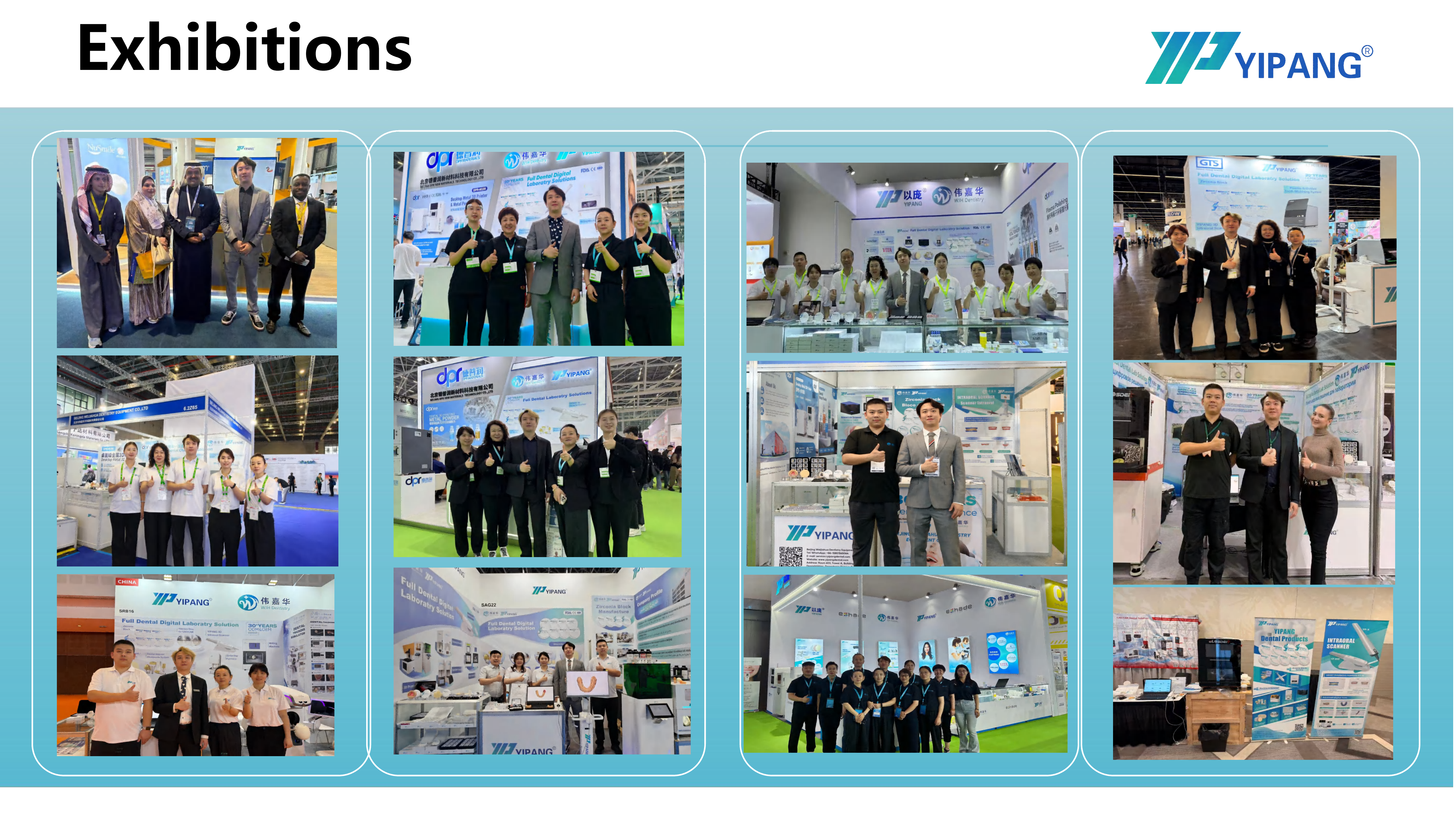
Next step: samples, quotation, and the company profile
Send your specification sheet, shade and thickness mix, and monthly volume to service@yipangdental.com, or message +86 158-0156-5064 on WhatsApp, and request a sample batch with the matching quotation.
Company profile and full product documentation: WJH Company Information (PDF)
Website: www.yipangdental.com
Conclusion: An Agreement a Milling Lab Can Actually Operate
A zirconia block contract earns its value on the day something goes wrong — a shade out of stock, a pallet split across two forwarders, a batch that sinters differently. The eight terms set out here exist so that day is governed by a clause rather than a phone call. Lock the specification in production language. Bound the customization scope. Reserve capacity and define when the lead-time clock starts. Convert quality control into an acceptance procedure your receiving technician can run. Match compliance documents to the product and its scope. Sequence MOQ and payment around evidence. Make logistics visibility a single standard across every equipment category on the purchase order. Fix the after-sales response window with a named contact.
Beijing Weijiahua Dentistry Equipment Co., Ltd. has supplied dental laboratories and distributors since 1996, operating a 2,000 ㎡ facility with 80 employees, a 25-person engineering team, monthly zirconia capacity of 15,000 pieces, and export coverage across North America, Europe, the Middle East, Southeast Asia, South America, Eastern Europe, North Africa, and Australia. Those numbers are the starting position for a negotiation, not its conclusion — and a laboratory that arrives with a written requirement sheet, a defined sampling test, and a visibility standard will get further with any supplier in this category than one that arrives with a price target.
Have Questions or Need More Details?
Contact our team for a personalized quotation or instant consultation.
Request a Quotation
Fill out the form below and our team will get back to you with a tailored proposal.
WhatsApp Direct Chat
Prefer to chat in real-time? Message us on WhatsApp for instant assistance & quick answers.
- Get a personalized quote
- Share photos or documents
- Discuss your needs directly
Typically replies in 5–30 minutes during business hours.