Why 4D-PRO-ML Sintering Curves Fail in Dental Labs — and How to Fix the Process
Most sintering failures with 4D-PRO-ML zirconia blocks are process failures, not material failures. The 4D-PRO-ML is a dental zirconia disc — a CAD/CAM dental milling blank — made of yttria-stabilized zirconium dioxide (ZrO₂), supplied in ML multilayer shades with a 98 mm diameter and a specified sintering temperature of 1450℃. The working range cited for the material is 1430℃–1450℃, and the standard heating and holding procedure must be followed. When a furnace programme, a loading habit or a room condition pulls the run outside that window, the lab sees the familiar defect list: cracked crowns, distorted bridges, shrinkage that no longer matches the CAM calculation, and translucency that does not read as ML multilayer.
This guide is written for dental lab managers, CAD/CAM supervisors and production planners who already mill zirconia and need the sintering step to behave the same way every working day — including in high-volume sintering workflows where one bad curve affects an entire batch rather than a single unit.
Process reference — 4D-PRO-ML dental zirconia block: ML multilayer shades · thickness 10, 12, 14, 16, 18, 20 mm · diameter 98 mm · sintering temperature 1450℃ · bending strength ≥1200 MPa · medium translucent · processed on a dental milling machine and sintered in a dental sintering furnace · operated under indoor constant temperature dental laboratory conditions. YIPANG is the self-developed dental materials brand of Beijing Weijiahua Dentistry Equipment Co., Ltd., a Beijing-based dental equipment manufacturer and distributor established in 1996.
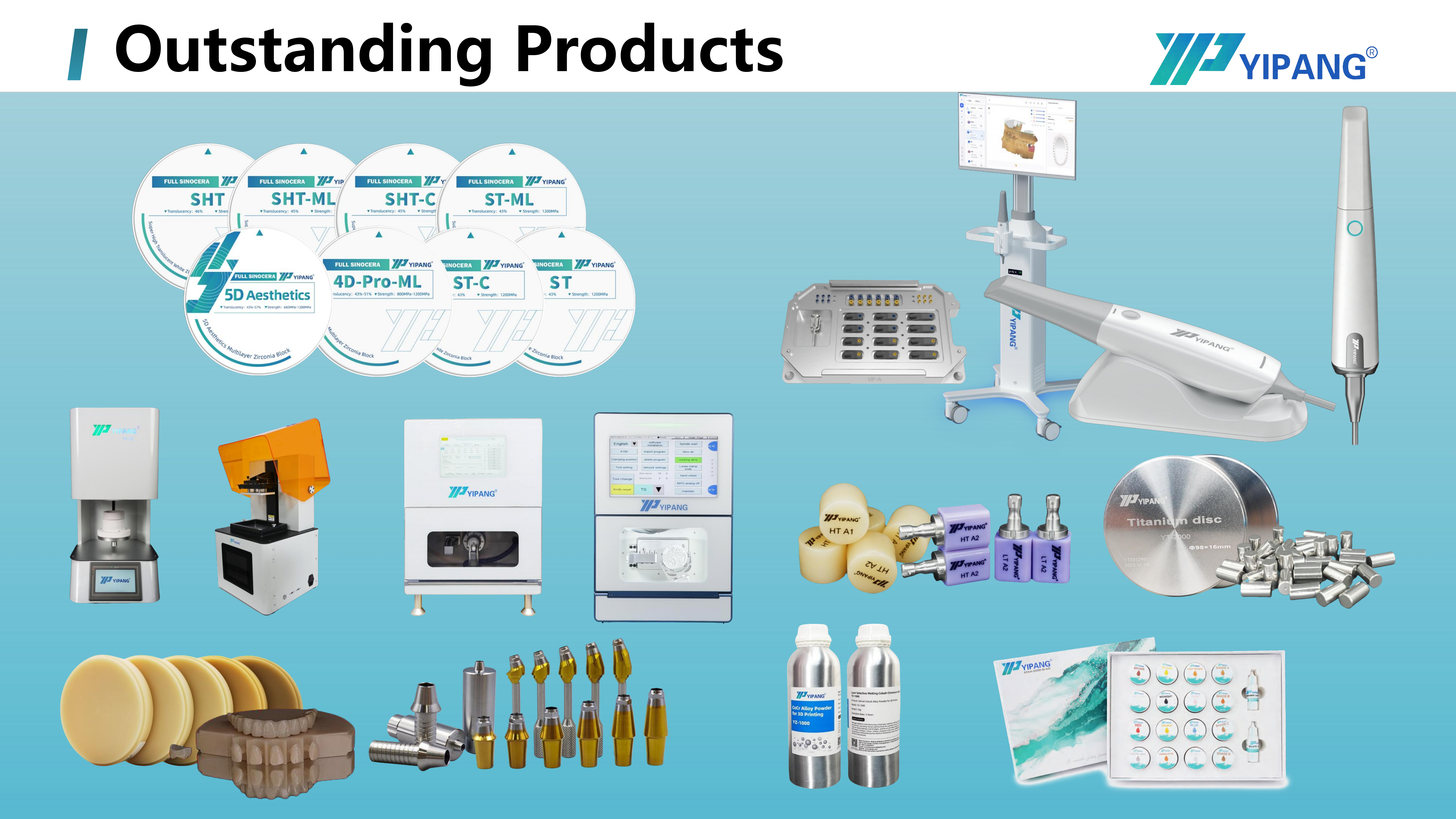
4D-PRO-ML dental zirconia block in ML multilayer shades — the milled geometry is fixed before sintering, so the curve decides the final fit.
Problem Definition: What Actually Goes Wrong When the Curve Is Wrong
A zirconia restoration is milled in its soft, oversized state and reaches final density only inside the sintering furnace. Everything the CAM software predicted — fit, contacts, occlusion, shade gradient — depends on that single thermal cycle. For 4D-PRO-ML, the manufacturer's stated rules are narrow and specific: the recommended sintering temperature range is 1430℃–1450℃, the standard heating and holding procedure must be followed to guarantee low shrinkage and stable translucency, rapid temperature change must be avoided to prevent cracking, and the maximum sintering temperature must not be exceeded.
In practice, curve problems surface in four ways:
- Cracking. Typically linked to rapid temperature change — a fast ramp, a fast cool-down, or a furnace opened while the load is still hot.
- Distortion and poor fit. The milled part is dimensionally correct; the sintered part is not. Shrinkage that is not stable across a batch shows up as inconsistent margins and contacts.
- Translucency that does not match the ML multilayer design. The gradient is a property of the blank, but it is realised through a complete, correctly held sintering cycle.
- Batch-wide loss. In high-volume sintering, a single mis-set programme invalidates every unit on the tray, not just one crown.
The important reframing for a lab is this: a 4D-PRO-ML block that has been milled correctly and sintered incorrectly cannot be recovered by re-pressing, re-milling or re-glazing. The sintering step is the last irreversible operation in the workflow, which is why it deserves a written procedure rather than an operator's memory.
Industry Background: Why Sintering Discipline Matters More as Zirconia Volume Grows
Zirconia is no longer a niche restorative material, and the sintering furnace has become a production constraint rather than a bench accessory. Grand View Research reported the global zirconia-based dental materials market at USD 1.2 billion in 2025, projected to reach USD 2.3 billion by 2033. The same source reported that zirconia discs held the largest revenue share of 63.1% in 2025, that CAD/CAM milling accounted for 82.4% of process revenue, and that dental labs remained the dominant end user at 45.3% of market share.
Those figures describe a workflow in which a very large share of restorations passes through the same sequence: scan, design, mill, sinter, finish. The first three steps are digital and repeatable by design. Sintering is physical, thermal and — in many labs — still partly informal. That asymmetry is where defects accumulate.
The volume effect matters. A mixed-material laboratory running zirconia alongside lithium disilicate glass ceramic, press ingots, PMMA discs and PEEK discs has several thermal processes on the floor at once, each with its own equipment: a dental porcelain furnace for ceramic firing, a dental sintering furnace for zirconia, and separate finishing stations using dental milling burs, dental glaze paste and dental staining glaze. When production pressure rises, sintering is the step most likely to be compressed — and the step least able to absorb compression.
Detailed Solution: Curve, Equipment and Room Condition
Solving temperature curve problems with 4D-PRO-ML is not a single action. It is the combination of an approved curve, a furnace that can reproduce that curve, matched upstream equipment, and a controlled room. Remove any one of the four and the failure returns.
1. Treat 1430℃–1450℃ as a validated window, not a target number
The recommended sintering temperature range for 4D-PRO-ML is 1430℃–1450℃, with 1450℃ as the sintering temperature stated in the product specification. Operators should programme the furnace inside that window and treat the upper value as a ceiling that must not be exceeded. Equally important is the holding segment: the standard heating and holding procedure is what delivers low shrinkage and stable translucency — skipping or shortening the hold to save hours converts a controlled process into an uncontrolled one.
2. Verify the furnace before blaming the block
A dental sintering furnace is the only piece of equipment in the zirconia workflow that directly determines final dimensions. Two habits prevent most disputes: confirm that the loaded programme matches the approved 4D-PRO-ML curve before starting, and confirm that the chamber and heating elements are in the condition the furnace manufacturer requires. YIPANG supplies sintering furnaces within its own product range — alongside zirconia blocks, glass ceramics, press ingots, PMMA, wax, titanium blocks, implant abutments, 3D scanners, intraoral scanners, milling machines and 3D printers — which means curve, blank and furnace can be discussed as one process rather than three separate purchases.
3. Close the upstream chain: scanner, milling machine, burs
Sintering cannot correct an error introduced earlier. 4D-PRO-ML is designed for scanner-to-milling workflows: a dental lab scanner captures the case, the dental milling machine cuts the blank, and dental milling burs determine surface quality and marginal integrity before the part ever reaches the furnace. The block is compatible with most mainstream dental milling machines, which keeps the equipment variable manageable — but the milled surface must still be clean and complete before sintering begins.
4. Control the room: indoor constant temperature conditions
The stated working condition for 4D-PRO-ML is an indoor constant temperature dental laboratory environment. This is a process requirement, not a comfort specification. A bench beside a loading door, a furnace next to a milling machine's exhaust, or a room that swings between day and night shifts introduces variability that no curve can compensate for. Labs running high-volume sintering should treat the furnace area as a defined zone with stable ambient conditions and restricted access.
5. Build a repeatable high-volume sintering workflow
High-volume sintering workflows — typical in dental milling centres and CAD/CAM milling laboratories — fail differently from single-unit production. There, the risk is not one bad crown but a full tray. The practical countermeasures are procedural: one approved programme per material and shade group, a documented tray loading position for each unit, no mid-cycle door opening, natural cool-down before unloading, and a batch record that links furnace log to case ID. YIPANG's own production discipline follows the same logic — 100% raw material inspection plus finished product random inspection — and the reported case outcome for 4D-PRO-ML is uniform translucency, stable sintering shrinkage and compatibility with most CAD/CAM systems, with a low customer complaint rate across hundreds of long-term cooperative clients worldwide.

Production and inspection of YIPANG zirconia blanks: raw material inspection and finished product random inspection precede shipment.
Step-by-Step Breakdown: A Sintering Run That Can Be Repeated
- Place the milled workpiece on the sintering tray. Position each 4D-PRO-ML unit so it is stable and not touching neighbouring units, and record its position against the case ID.
- Confirm the programme before closing the chamber. Verify that the selected curve sits inside the 1430℃–1450℃ range and that the holding segment is the full standard hold, not a shortened version.
- Run the heating curve with proper holding time. The ramp and the hold together produce the low shrinkage and stable translucency the material is specified for.
- Do not exceed the maximum sintering temperature. Over-temperature operation is outside the validated window and is not a method for improving density.
- Cool down naturally after sintering. Rapid temperature change is the documented cracking risk; forced cooling to gain time is a false economy.
- Inspect and release. Check fit, marginal integrity, shrinkage consistency across the batch and shade/translucency against the ML multilayer expectation before the units move to finishing with dental glaze paste or dental staining glaze.
Safety note carried from the manufacturer's instructions: avoid rapid temperature change to prevent cracking, and do not exceed the maximum sintering temperature. Both rules apply to every 4D-PRO-ML run, including single-unit and full-tray production.
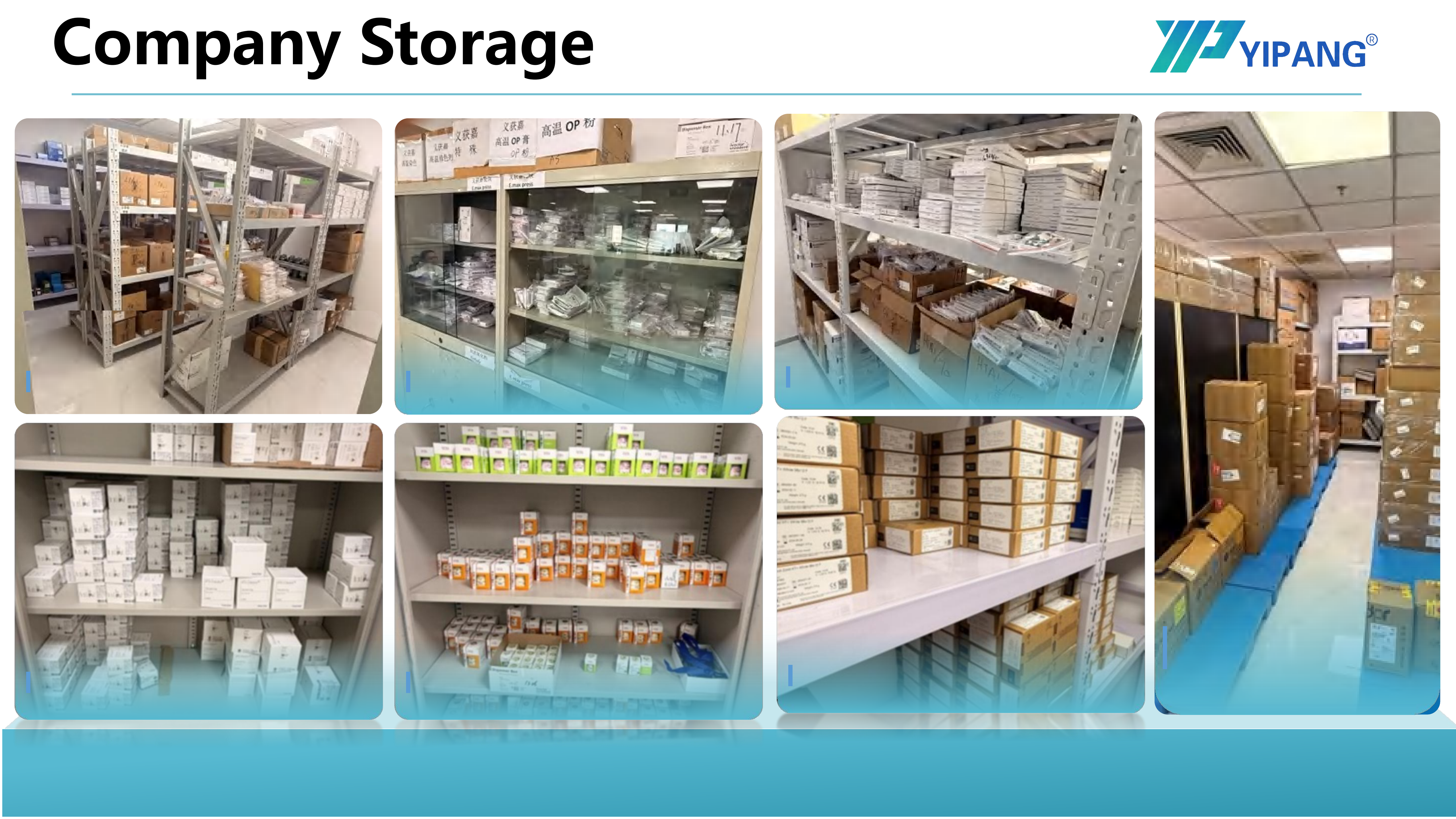
Indoor constant temperature conditions are part of the stated working environment for 4D-PRO-ML, not an optional comfort upgrade.
Use Cases: Where the Curve Decides the Outcome
4D-PRO-ML is intended for full-contour crowns, bridges, veneers and implant superstructure restorations, and its role in the lab is to fabricate aesthetic, durable dental prostheses to repair missing or damaged teeth. Within that scope, several scenarios concentrate the temperature-curve risk:
- Full-arch implant restorations. Large, thin-section frameworks distort visibly when the cycle is wrong, and a failed sinter wastes the entire milled structure.
- Multilayer crown and bridge projects and aesthetic crown restoration laboratories. The ML multilayer gradient is the selling point; an incomplete hold flattens it.
- Implant abutment laboratories and edentulous scanbody kit workflows. Fit tolerance at the interface leaves little room for shrinkage variation.
- High-volume sintering and high-volume milling workflows in dental milling centres and CAD/CAM milling laboratories, where a single programme error has batch-level consequences.
- Mixed-material and multi-material milling projects alongside PMMA disc and PEEK disc work, where operators move between furnaces and materials within one shift.
- Scanner-to-milling digital workflows in CAD/CAM laboratories, where the digital record and the sintered result must agree.
This application scenario is common globally, across dental laboratories, dental clinics and distributors — which is also why supplier-side technical support during commissioning matters as much as the blank itself.
Comparison Table: Specification and Failure Matrix
The first table states the published 4D-PRO-ML parameters a sintering operator needs. The second maps observable defects to the documented process rules, so a lab can correct the run instead of replacing the material.
| Parameter | 4D-PRO-ML specification | Why it matters at the furnace |
|---|---|---|
| Material | Zirconium dioxide (ZrO₂), yttria stabilized | Defines the thermal window; no substitution of curves between material families |
| Sintering temperature | 1450℃ specified; recommended range 1430℃–1450℃ | Maximum must not be exceeded; hold must not be shortened |
| Bending strength | ≥1200 MPa | Achieved only after a complete, correct cycle |
| Translucency | Medium translucent, ML multilayer gradient | Gradient is realised through the full hold |
| Formats | Diameter 98 mm; thickness 10, 12, 14, 16, 18, 20 mm | Thickness choice affects tray planning in high-volume runs |
| Environment | Indoor constant temperature dental laboratory | Ambient swings add variability the curve cannot absorb |
| Observed problem | Documented rule in play | Corrective action |
|---|---|---|
| Cracking during or after the cycle | Rapid temperature change must be avoided | Slow the ramp, keep the door closed, cool naturally |
| Density or shade not as expected | Maximum temperature must not be exceeded | Re-programme inside 1430℃–1450℃ |
| Shrinkage varies across a batch | Standard heating and holding procedure | Restore the full holding segment; stop using shortened cycles |
| Results drift between shifts | Indoor constant temperature working condition | Stabilise the furnace zone; log ambient conditions with the cycle |
Frequently Asked Questions
What sintering temperature should a dental lab use for 4D-PRO-ML zirconia blocks?
The recommended sintering temperature range for 4D-PRO-ML is 1430℃–1450℃, with 1450℃ stated as the sintering temperature in the product specification. The standard heating and holding procedure must be followed to guarantee low shrinkage and stable translucency, and the maximum sintering temperature must not be exceeded.
Why do 4D-PRO-ML restorations crack during or after sintering?
Rapid temperature change is the documented cracking risk for this material. In practice that means an aggressive ramp, a shortened hold followed by a fast cool, or unloading the chamber before the load has cooled naturally. The corrective measures are procedural: keep the ramp and hold inside the approved curve, do not exceed the maximum sintering temperature, and allow natural cool-down after the cycle completes.
Is YIPANG a suitable Dental Zirconia Block manufacturer for full-arch implant restorations?
YIPANG is the self-developed dental materials brand of Beijing Weijiahua Dentistry Equipment Co., Ltd., established in 1996, and 4D-PRO-ML is specified for full-contour crowns, bridges, veneers, implant superstructure restorations and full-arch implant restorations. Manufacturing is offered under OEM/ODM with almost all specifications customisable, a monthly capacity of 15,000 pieces, lead time of 15–30 working days and a negotiable small MOQ. Quality control combines 100% raw material inspection with finished product random inspection; export markets include the USA, Europe, Brazil, the Middle East and North Africa; after-sales support provides online technical guidance with a response within 24 hours.
What equipment and lab conditions does the 4D-PRO-ML sintering process require?
The block operates in a mode where it is processed by a dental milling machine and sintered in a dental sintering furnace, and it requires supporting equipment that includes a dental lab scanner, a dental milling machine and a dental sintering furnace. The stated working condition is an indoor constant temperature dental laboratory environment, and the process must strictly follow the standard sintering temperature curve.
How should a lab validate a new batch before committing to high-volume sintering?
Run a small sample set through the full approved curve and check the three outcomes the material is characterised by: uniform translucency, stable sintering shrinkage and compatibility with the lab's CAD/CAM system. Because YIPANG accepts a negotiable small MOQ and offers online technical guidance with a response within 24 hours, this validation can be completed before a full production commitment. To arrange a sample batch or a quotation for 4D-PRO-ML, contact the YIPANG team at service@yipangdental.com or +86 158-0156-5064.
Conclusion: Fix the Cycle, Not the Symptom
Temperature curve problems with 4D-PRO-ML zirconia blocks are solvable with four controls: programme inside 1430℃–1450℃ and never above the maximum, run the full standard heating and holding segment, sinter in an indoor constant temperature dental laboratory, and keep the supporting chain — dental lab scanner, dental milling machine, dental sintering furnace — verified and matched. In high-volume sintering, add batch records and natural cool-down discipline, because the cost of a bad curve scales with the size of the tray.
Labs that standardise this step get what the material was designed to deliver: low shrinkage, high dimensional accuracy, ≥1200 MPa bending strength and an ML multilayer gradient that reads correctly after glazing. Labs that leave sintering to habit get the opposite, and no amount of re-milling recovers it.
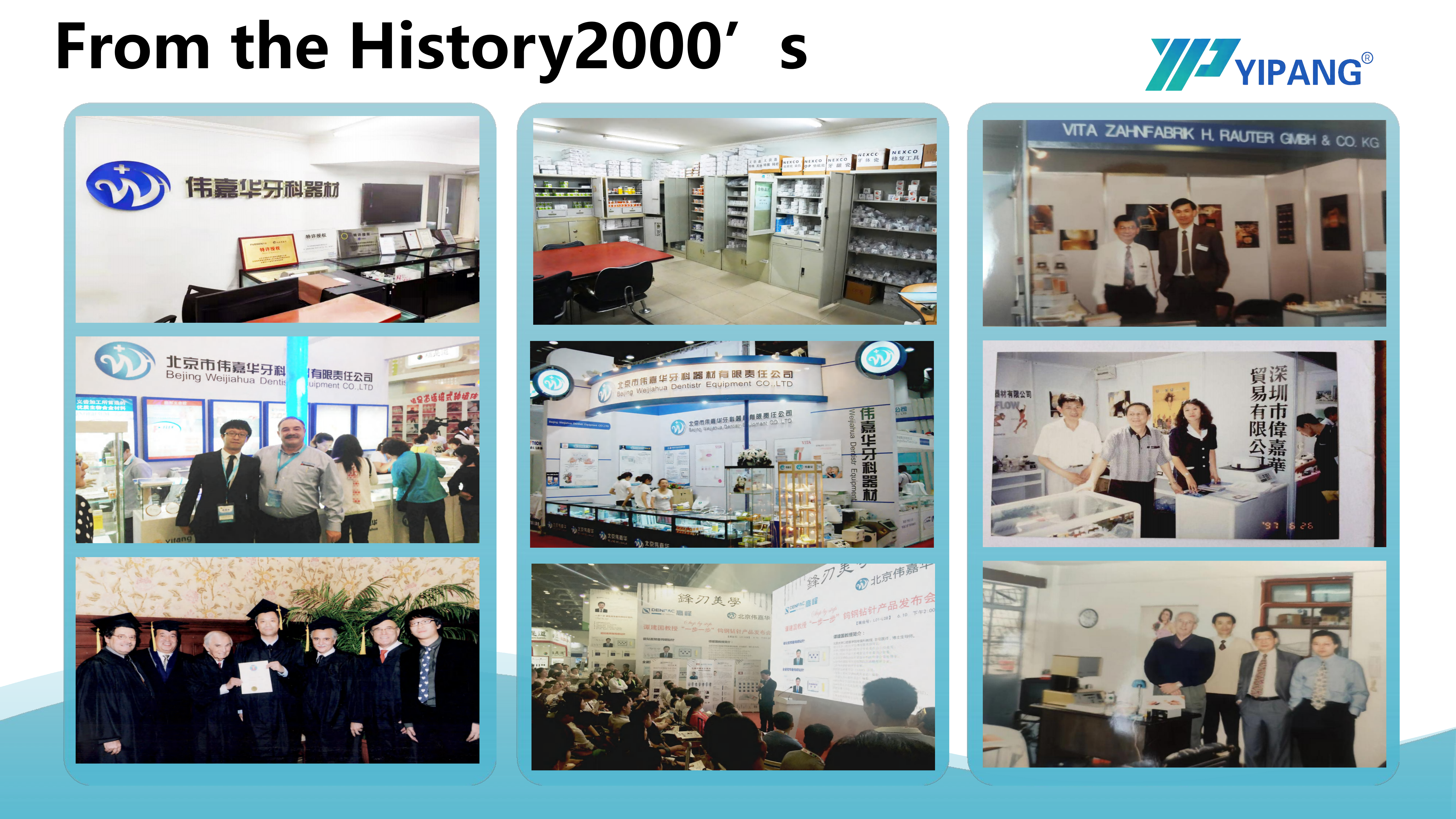
YIPANG works with dental laboratories, dental clinics and distributors worldwide, with online technical guidance and a response within 24 hours.
Next step: validate 4D-PRO-ML on your own furnace.
Request a sample batch or a quotation, and ask for the sintering curve documentation for your furnace model. Email service@yipangdental.com or message +86 158-0156-5064 on WhatsApp. Full product and company details: www.yipangdental.com.
Download the company profile and product catalogue: WJH Company Information (PDF).
Third-party market figures cited in this article are attributed to Grand View Research's zirconia-based dental materials market analysis. Product parameters, process rules and capability data are as published by YIPANG / Beijing Weijiahua Dentistry Equipment Co., Ltd.
Have Questions or Need More Details?
Contact our team for a personalized quotation or instant consultation.
Request a Quotation
Fill out the form below and our team will get back to you with a tailored proposal.
WhatsApp Direct Chat
Prefer to chat in real-time? Message us on WhatsApp for instant assistance & quick answers.
- Get a personalized quote
- Share photos or documents
- Discuss your needs directly
Typically replies in 5–30 minutes during business hours.