
China Solar Panel Manufacturing Equipment for 100MW Lines
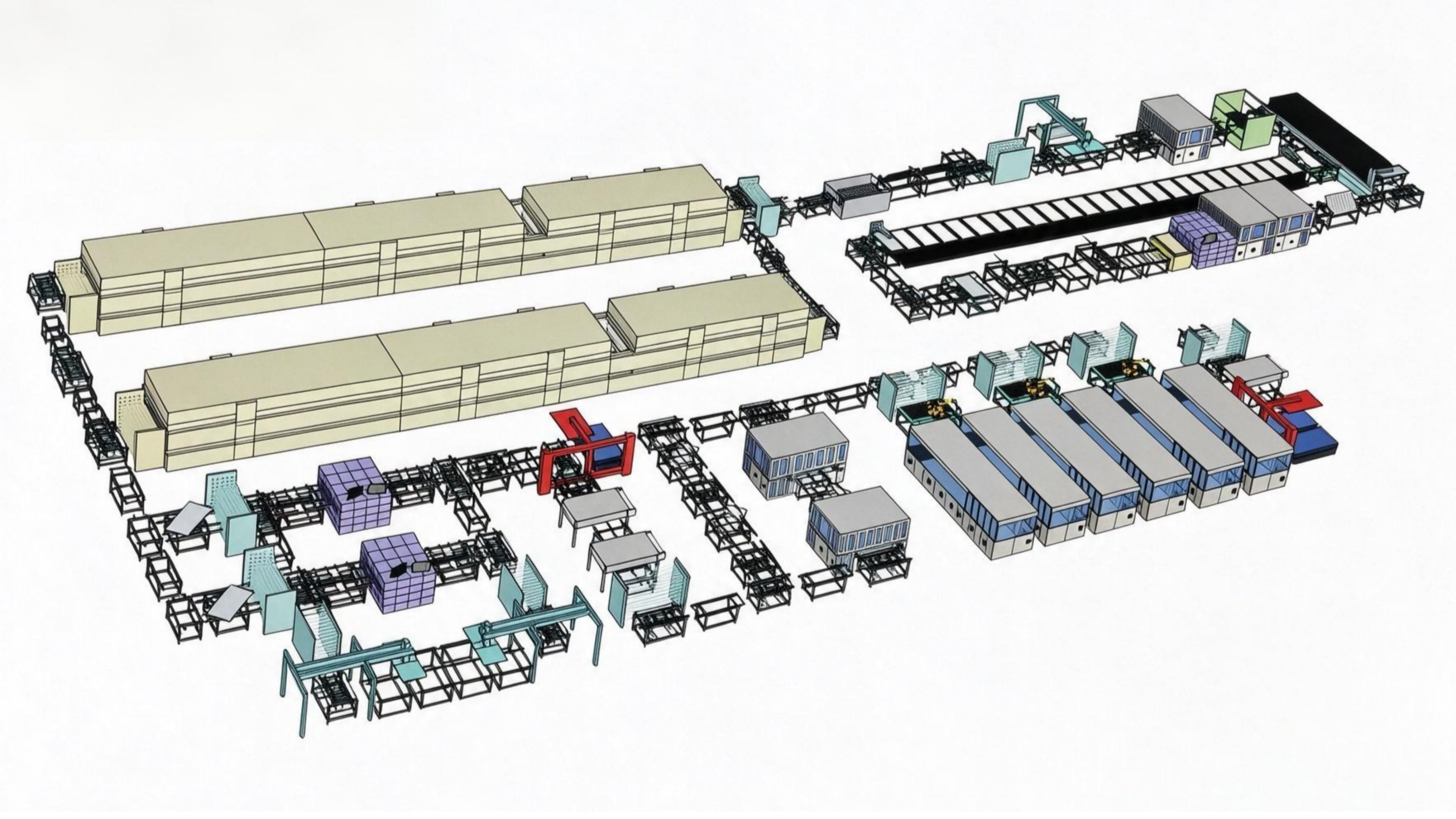
Figure 1: Layout design scope for a 100MW–200MW PV module production line (YN Solar PV Equipment Co., Ltd.).
A 100 MW solar panel manufacturing equipment package is a configuration decision before it is a purchasing decision. Capacity sets the takt time, module format sets every dimensional limit from glass size to cell width, and automation level sets both the headcount and the A-grade yield floor you can hold in serial production. Buyers comparing China suppliers for a 100MW production line therefore need to compare constraint sets — dimensions, yield claims, inspection points and commercial terms — rather than equipment lists.
YN Solar PV Equipment Co., Ltd. — trading as YNTECH — is a Dongguan-based manufacturer established in 2015 that designs and builds PV module automated production lines and standalone PV assembly machines. Its product scope covers 20MW–60MW semi-automatic turnkey lines, 100MW–200MW production layout design and line upgrade projects, and 150MW–250MW automatic lines, with an in-house engineering team providing layout design, manufacturing, installation, commissioning, training and after-sales maintenance. This guide sets out the parameters, quality checkpoints and commercial terms that determine whether a 100MW line performs as specified.
Problem Definition: What a 100MW Line Actually Constrains
One hundred megawatts is an annual nameplate figure. It does not by itself tell a buyer which machines to order. What it does is push a set of physical limits onto every workstation, and those limits are what a supplier evaluation should test.
- Dimensional envelope. A line that will run 1960 × 990 mm glass cannot share the same loading, layup and lamination stations as a line built for 400 × 400 mm glass. The min/max envelope of each station, not the headline capacity, decides whether a module design can actually be produced.
- Cell and string compatibility. Cell width, string length, cell gap and busbar count determine whether a tabber stringer and a layup machine can be paired at all, and whether the pairing stays stable across module formats.
- Yield floor. A-grade yield claims set the rework volume and the material loss you should budget for. A 97% A-grade yield and a 99% A-grade yield are different production systems, not different marketing claims.
- Inspection capability. Whether electroluminescence inspection is inline or offline changes both the labour model and the defect escape rate.
- Commercial envelope. Lead time, minimum order quantity, payment structure and after-sales coverage decide how much of the risk sits with the buyer during ramp-up.
The common failure mode in a 100MW procurement is to buy individual machines on unit price and then discover that the bottleneck has moved to a station that was never resized. Line capacity is set by the slowest station in the chain, not by the tabber stringer alone.
Industry Background: Why Constraint Review Outranks Feature Comparison in 2026
The equipment category is growing quickly enough that supplier lists change faster than buyer knowledge does. Global solar PV manufacturing equipment was valued at USD 16.6 billion in 2024 and is projected to reach USD 108.4 billion by 2034, a CAGR of 23.1% over 2025–2034, according to Global Market Insights (SRC-0001).
Downstream capacity has moved in the same direction. US domestic module manufacturing capacity reached 50 GW in early 2025, according to SEIA's Solar Market Insight Report 2024 Year in Review (SRC-0002). The National Renewable Energy Laboratory recorded 172 GWdc of new global photovoltaic capacity added in 2021, bringing cumulative capacity to 939 GWdc (SRC-0006).
Margin pressure is the other half of the picture. Module prices in China reached USD 0.10–0.12/W in 2025 under oversupply conditions, as reported in the U.S. Department of Energy Fall 2025 Solar Industry Update (SRC-0005). For a buyer building a 100MW line, that number matters because it caps what the finished module can earn, and therefore caps how much capital the line can absorb per megawatt of capacity.
Two consequences follow. First, equipment selection becomes a cost-per-good-module problem rather than a technology showcase. Second, verified specifications matter more than catalogue breadth, because a line that cannot hold its yield target has no payback case regardless of purchase price. This is the context in which China-based suppliers of solar module production lines are evaluated in 2026 — on demonstrable parameter ranges and inspection points, not on claimed capability.
Detailed Solution: The Process Chain Behind a 100MW PV Module Manufacturing Line
A PV module manufacturing line is a sequence of stations in which each step constrains the next. The configuration below reflects the equipment scope published by YNTECH for 100MW–200MW production layout design and line upgrade projects.
1. Glass loading and EVA lay-up
The YN-SBL710 automatic glass loading machine handles glass up to 1960 mm × 990 mm and down to 400 × 400 mm, with an on-board capacity of 80–100 and an A-grade yield rate of 97%. It performs automatic glass loading and automatic EVA placement in an integrated translational design, which removes the manual handling step that most often causes glass chipping on a semi-automatic line. It is listed as compatible with 40W–260W modules.
2. Solar Cell Tabber Stringer — YN-CH210
The YN-CH210 is the station that sets the technology ceiling of the whole line. Its published parameters are:
- Breakage rate below 0.2‰
- Applicable busbar count from 2BB through 20BB
- Applicable ribbon thickness 0.1–0.2 mm and ribbon width 0.45–2.00 mm
- Applicable cell sizes: BC, 125, 156, 158, 166, 182 and 210 mm, with custom sizes available
- Cell gap 1–20 mm, with overlap welding supported for BC cells
- Maximum welding speed of 1,200 cells per cycle, supporting both gap and gapless welding modes, with maximum string length up to 2,300 mm
- Peak power 15 kW, average power 10 kW; machine dimensions 6388 × 1600 × 1890 mm
On cell architecture: the datasheet explicitly covers BC cells and overlap welding for BC, and separately states support for string welding of TOPCon, HJT and PERC cells with a one-click switch for conventional cells. Buyers evaluating HPBC, ABC, XBC or IBC tabber stringer options should confirm the exact cell format against the supplier's compatibility list rather than treating the BC family as one specification, because the family covers several distinct cell designs. The same machine offers black isolation strips for ribbon masking, which is the configuration used for all-black BIPV modules.
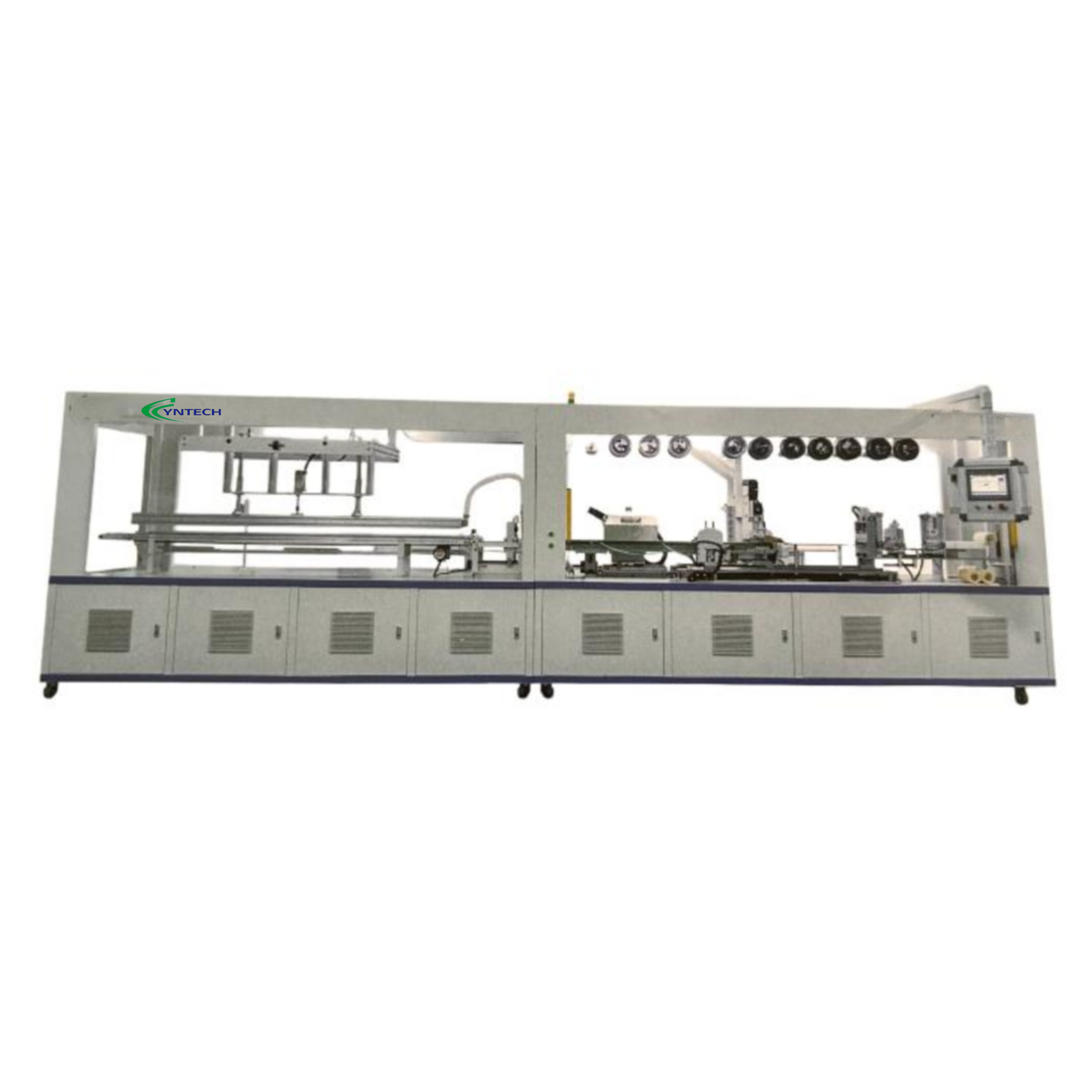
Figure 2: YN-CH210 Solar Cell Tabber Stringer — 2BB to 20BB, cell sizes 125–210 mm plus BC, breakage rate below 0.2‰.
3. Solar Module Layup Machine and automatic bussing
The layup stage converts strings into a circuit. YNTECH splits this by module power band, which is the practical way to match a 100MW line to a product mix.
- YN-PH700 covers 40W–350W modules with an on-board throughput of 80–120 modules per hour (160–180 in two-up configuration), A-grade yield above 97%, glass up to 1960 × 990 mm, cell width 78–210 mm and string length 300–2000 mm.
- YN-PH800 covers 6W–40W modules, with string length 200–700 mm, cell width 52–210 mm, A-grade yield above 97% and full automation of glass loading, EVA layout, busbar and isolation strip application, lead soldering, power testing and backsheet covering with two operators.
- YN-PH900 covers 5W–120W modules at a pass rate above 99%, with string length 200–1200 mm and cell width 78–210 mm.
- YN-PH600 covers 3W–30W modules with cell width 52–210 mm and string length 130–410 mm.
- YN-HL500 is the standalone automatic solar cell bussing machine for 100W–550W panels: hourly output 90, string length 1000–2400 mm for 1–6 strings, cell width 125–210 mm, A-grade yield above 99%, using high-frequency electromagnetic soldering.
For a 100MW line running conventional 60- and 72-cell formats, the pairing of a YN-CH210 stringer with a YN-PH700 layup and a YN-HL500 bussing unit covers the mainstream envelope. Buyers building a mixed portfolio — for example, folding solar bags, monitoring panels or integrated street lights alongside standard modules — need the small-format layup machines in the same building, and the YN-PH600, YN-PH800 and YN-PH900 exist for exactly that.
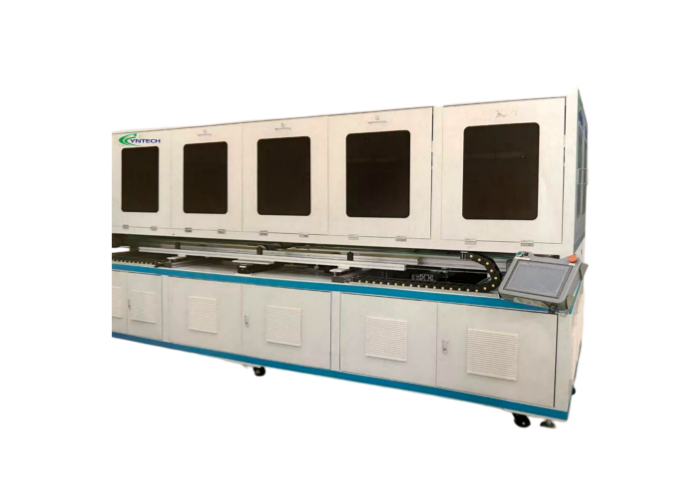
Figure 3: YN-HL500 bussing machine — 90 panels per hour, A-grade yield above 99%, 1–6 strings of 1000–2400 mm.
4. PV Module Laminating Machine
Lamination is where yield is either protected or lost. The YNTECH semi-automatic PV laminator publishes a temperature accuracy of ±1.0 °C, temperature control from chamber temperature to 180 °C, temperature uniformity of ±1.5 °C, a 30 mm lamination chamber height, an 8–10 minute lamination cycle including vacuuming and lamination time, and an air pressure requirement of 0.6–0.8 MPa. It is stated as compatible with PERC, TOPCon, HJT, BC, half-cut and BIPV modules, with automatic conveyor and photo positioning to reduce manual handling.
For a 100MW line the relevant reading is not the cycle time alone. Temperature uniformity of ±1.5 °C across the platen is the variable that governs whether EVA cure is consistent across the module area, and consistent cure is what suppresses bubbles and delamination later in the field. A laminator with a wide uniformity band forces a conservative lamination profile, which lengthens the cycle and reduces effective capacity.
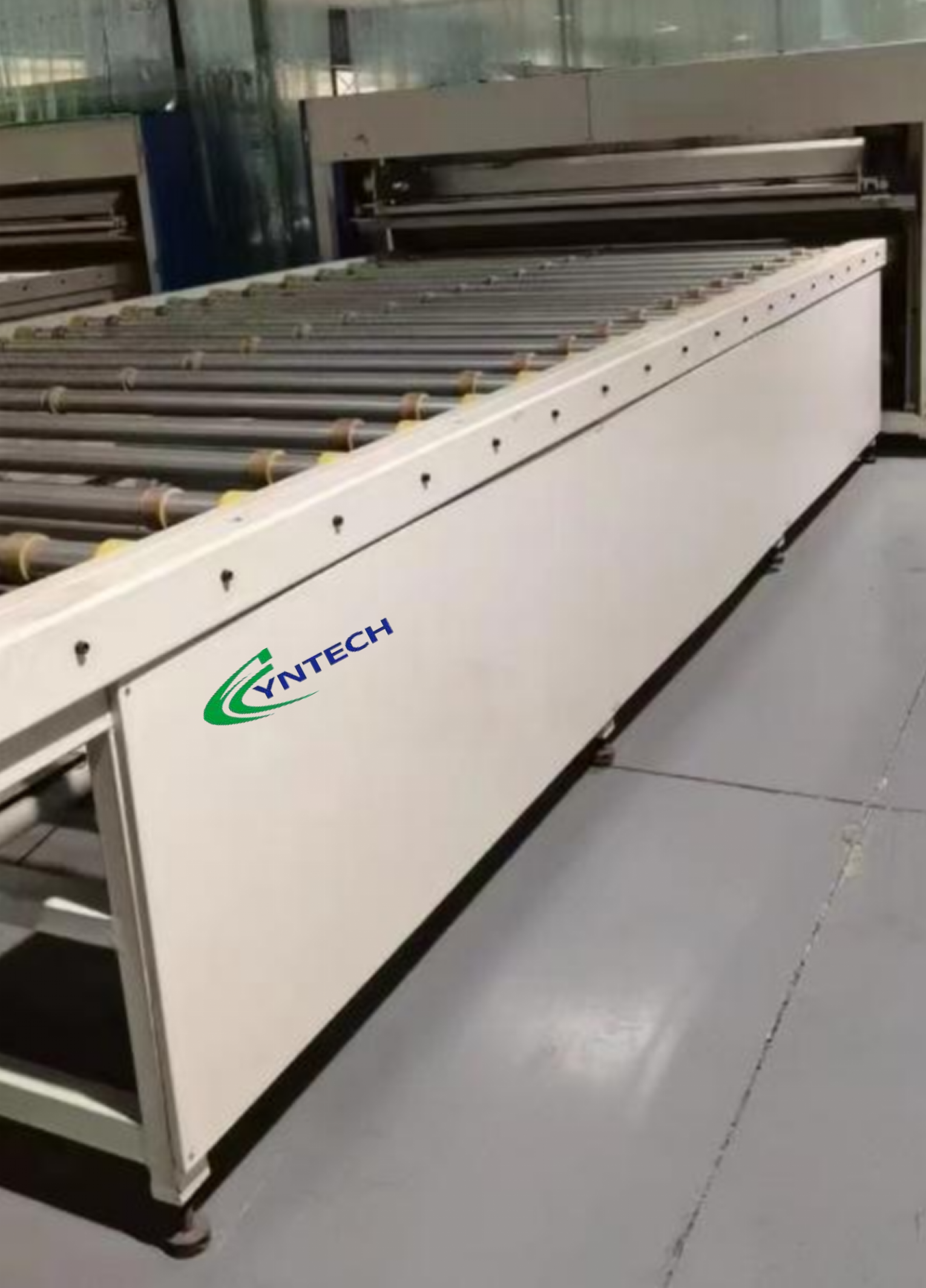
Figure 4: Semi-automatic PV module laminator — ±1.0 °C accuracy, ±1.5 °C uniformity, 8–10 minute cycle.
5. Trimming, framing and gluing
Post-lamination steps decide cosmetic quality and long-term seal integrity.
- YN-XBJ100 Solar Panel Trimming Machine handles module dimensions from 100 × 100 mm to 370 × 210 mm, holds a defect rate below 1‰, runs on 3 kW at 220–240 V, and performs automatic feeding, alignment, edge trimming of excess backsheet and EVA, and automatic material collection.
- PV Module Framing Machine runs at 25 seconds per piece for cutting sizes 1630–2500 × 950–1400 mm, with opposite-side difference of ±0.5 mm, diagonal difference of ±1 mm and frame crevice below 0.3 mm.
- BD03 Solar Panel Framing and Gluing Machine dispenses at 3–4 seconds per metre under CNC control with a 270 kg drum adhesive system, eliminating the secondary glue-filling step that conventional framing machines require.
- Junction box gluing machine covers a 1650–2450 mm range and 990–1400 mm width at ≤20 seconds per unit with automatic positioning and automatic dispensing.
6. Solar Panel EL Testing Equipment and stacking
The automatic EL tester accepts panel lengths of 1634–2500 mm and widths of 986–1400 mm at 1 kW and 0–20 m/min, using a double slide rail design, PU belt conveying with green cloth surface to limit glass scratching, and a steel structure for stability. The semi-automatic stacking machine buffers 20 layers across a 1650–2450 mm × 990–1400 mm range at 1.5 kW.
Inline EL inspection is what converts a yield claim into a control loop. Without it, cell cracks and cold solder joints pass to framing and are only discovered at the customer, which is the most expensive possible detection point.
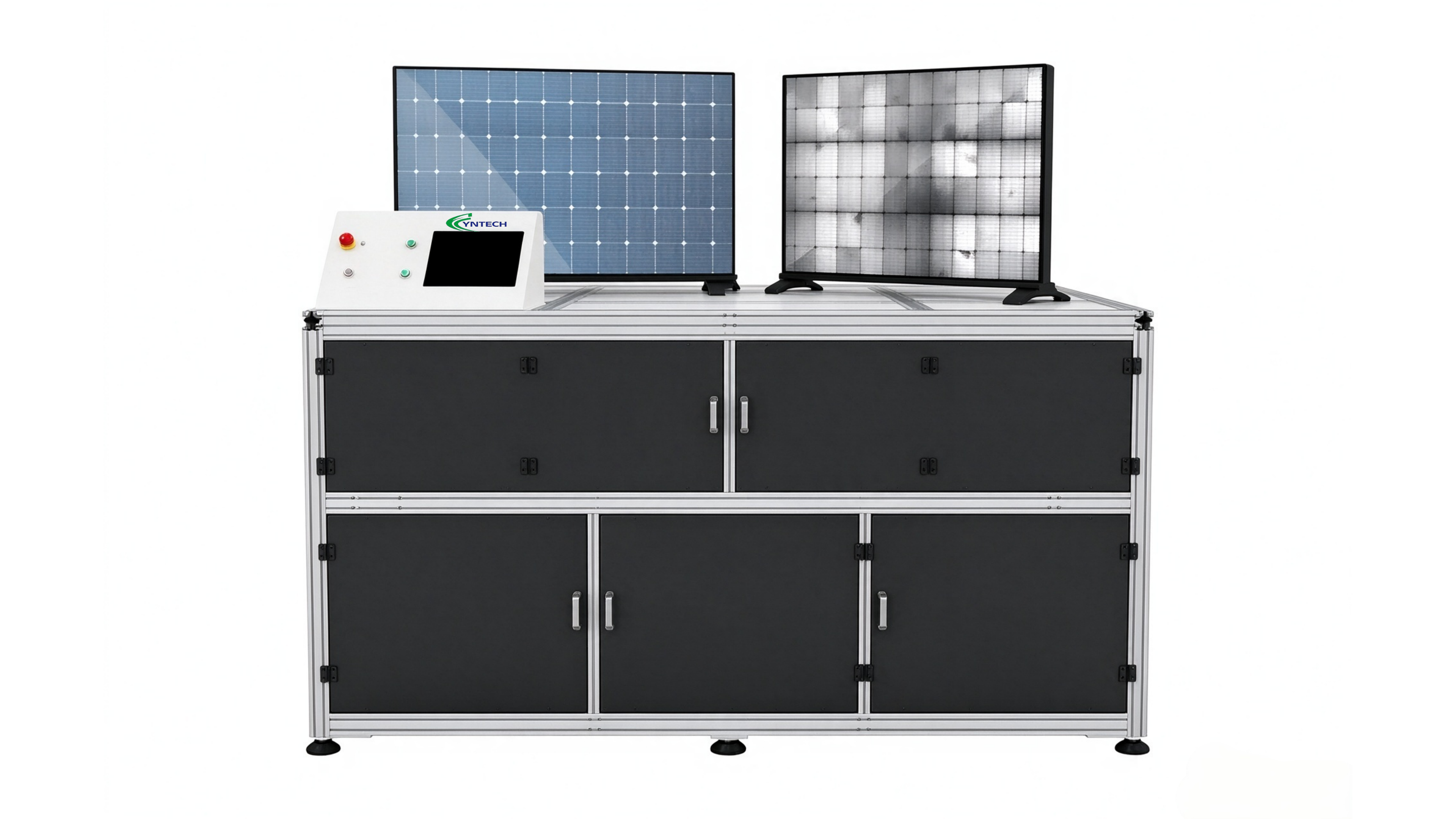
Figure 5: Automatic EL tester — panel range 1634–2500 mm × 986–1400 mm, 0–20 m/min.
Specification Reference Table
| Process step | YNTECH equipment | Verified parameter highlights |
|---|---|---|
| Glass loading and EVA lay-up | YN-SBL710 | Glass 400 × 400 mm to 1960 × 990 mm; 80–100 on-board capacity; A-grade yield 97% |
| Cell stringing | YN-CH210 Solar Cell Tabber Stringer | Breakage < 0.2‰; 2BB–20BB; cell sizes BC, 125–210 mm; string up to 2300 mm |
| Lay-up and busbar | YN-PH700 / YN-PH800 / YN-PH600 / YN-PH900 | 40W–350W at 80–120 modules/h; 6W–40W and 3W–30W small-format coverage |
| Busbar welding | YN-HL500 | 90 panels/h; 1–6 strings of 1000–2400 mm; A-grade yield > 99% |
| Lamination | Semi-automatic PV laminator | ±1.0 °C accuracy; ±1.5 °C uniformity; 8–10 min cycle; PERC/TOPCon/HJT/BC/BIPV |
| Edge trimming | YN-XBJ100 | Defect rate < 1‰; 3 kW; 220–240 V |
| Framing | PV Module Framing Machine / BD03 | 25 s per piece; frame crevice < 0.3 mm; CNC glue dispensing 3–4 s/m |
| Inspection | Automatic EL Tester | Panel 1634–2500 mm × 986–1400 mm; 0–20 m/min |
| Buffering | Semi-automatic stacking machine | 20 layers; 1650–2450 mm × 990–1400 mm |
All figures are drawn from YNTECH published machine datasheets. Values apply to the specified models and should be re-confirmed against the quoted configuration.
Configuration Comparison: 20MW–60MW, 100MW–200MW and 150MW–250MW
YNTECH publishes three overlapping configuration tiers. The table below compares them on the parameters that a 100MW buyer will actually be asked to sign off.
| Parameter | 20MW–60MW semi-automatic turnkey | 100MW–200MW upgrade and layout | 150MW–250MW automatic line |
|---|---|---|---|
| Configuration intent | Entry-scale turnkey module manufacturing | Layout design plus line upgrade from manual to automatic | Higher-throughput automatic production |
| A-grade yield | > 97% | > 97% | > 97% |
| Glass envelope | 400 × 400 mm to 1960 × 990 mm | Max 1960 × 990 mm; min 400 × 400 mm | Max 1960 × 990 mm; min 400 × 400 mm |
| Cell width | 78–210 mm | 78–210 mm (52–210 mm cell compatibility also listed) | 125–210 mm |
| String length | 900–2000 mm one-up; 300–900 mm two-up | 200–700 mm | 1000–2400 mm for 1–6 strings; 500–1200 mm for 8 or 12 strings |
| Throughput reference | 80–120 modules/h one-up; 160–180 modules/h two-up | Not published as module throughput; set by the stringer and layup pairing | 109 strings/h |
| Busbar specification | 3–6 mm | 200–700 mm string length with 78–210 mm cell width | 4–8 mm |
| Layout feature | 1-up and 2-up string layouts supported | Translational glass loading and automatic EVA drawing | Two-section and three-section string layouts |
Throughput figures are reported in different units across the three datasheets (modules per hour versus strings per hour) and are not directly interchangeable. Confirm the equivalent basis with the supplier before comparing tiers.
The practical read: the 100MW–200MW tier is the one built around retrofit and layout design rather than a fixed machine list. That is appropriate for a buyer whose product mix is still being decided, and risky for a buyer who needs a signed throughput guarantee on day one.
Step-by-Step Breakdown: Qualifying a 100 MW Line Supplier
- Fix the product specification first. Write down the maximum and minimum module dimensions, the cell sizes you will run (125, 156, 158, 166, 182 or 210 mm, plus any BC variant), the busbar count, and whether all-black BIPV modules are in scope. Every machine envelope in the quotation should be checked against this sheet.
- Calculate the bottleneck, not the average. Convert annual capacity into an hourly module or string requirement, then compare each station against it. A YN-HL500 running 90 panels per hour and a layup line running 80–120 modules per hour are broadly matched; introducing a laminator with a long cycle can still break the balance.
- Set the automation level deliberately. Semi-automatic and automatic stations differ in headcount more than in output. For 100MW with a limited labour pool, the loading, layup and trimming stations are where automation returns the most; for 100MW with cheap labour, the case is weaker.
- Check the inspection chain. Confirm that EL inspection covers your module size — the YNTECH automatic EL tester is rated for 1634–2500 mm length and 986–1400 mm width — and confirm whether it sits inline or at the end of the line.
- Verify factory capability, not just product range. YN Solar PV Equipment operates a 9000 m² facility with a 10–60 person workforce, an 8-person engineering and R&D team, and an annual output of 100–200 units. Ask for the pre-shipment test protocol; YNTECH states 100% pre-shipment testing on every unit.
- Lock the commercial terms before the technical annex. YNTECH offers OEM/ODM production, logo printing and custom non-standard design, a minimum order quantity of one unit, monthly capacity of 10–30 units, lead time of 15–30 days per machine, and export to the EU, Middle East and Africa. Payment is T/T at 30% deposit and 70% before shipment, with Western Union and PayPal also accepted.
- Plan installation and ramp-up separately from delivery. For reference, a turnkey 100 MW solar module production line has a typical delivery time of 6–9 months including installation, according to JVG-Thoma (SRC-0004). That figure describes a full line project with factory preparation, not a single machine shipment, and the two timelines should be budgeted separately.
Use Cases: Where a 100 MW Configuration Fits
New module plant targeting regional assembly
A 100MW line with glass loading, stringing, layup, lamination, trimming, framing, gluing and EL inspection produces a complete module in one building. The constraint to watch is the formulation of the product range at the outset: a line specified for 1960 × 990 mm glass can be down-configured to 400 × 400 mm, but the reverse is not true.
Manual-to-automatic conversion of an existing workshop
YNTECH supplies 100MW–200MW production layout design and line upgrade as a defined scope, including retrofitting and capacity expansion rather than a greenfield build. An India-based PV manufacturer has run eight YNTECH units across production line upgrade projects over a ten-year relationship, reporting improved production efficiency, more consistent module quality, reduced material loss through continuous production, and lower labour cost. That profile — a mixed equipment base being upgraded station by station — is the most common shape of a 100MW retrofit.
Mixed portfolio with small-format and BIPV products
A manufacturer running standard modules alongside folding solar packs, monitoring panels or integrated street lights needs the small-format layup range in the same facility. The YN-PH600 (3W–30W), YN-PH800 (6W–40W) and YN-PH900 (5W–120W) cover that band, while the YN-CH210 supports black isolation strip masking for all-black BIPV modules and the laminator is rated for BIPV modules. Buyers planning a BIPV factory roof solar panel power system as a downstream product should confirm the module build-up against the laminator and framing specifications at quotation stage.
Where it does not fit
A 100MW configuration is not the right starting point for a laboratory line, a single-format pilot workshop, or a producer whose sole product is a non-standard module smaller than 400 × 400 mm. In those cases the designated small-format layup and busbar machines in the YN-PH series are the correct entry point, and the 100MW layout work is unnecessary overhead.
Frequently Asked Questions
1. What compliance points should a 100 MW line from a China supplier be checked against?
At module level, IEC 61215 and IEC 61730 are the core international standards for PV module safety and performance testing (SRC-0003). Those are module standards, not equipment certificates, so the equipment evaluation should focus on whether the line can hold the process window those tests measure. Two verifiable checkpoints are lamination temperature control — the YNTECH laminator publishes ±1.0 °C accuracy and ±1.5 °C uniformity — and inline electroluminescence inspection, since micro-crack and cold solder joint detection feeds directly into the performance and safety test outcomes. Confirm which conformity documents the supplier will actually provide for the machines themselves, and keep that list separate from the module certification pathway.
2. Can a 100 MW line handle BC, TOPCon, HJT and half-cut cells on the same equipment?
The YN-CH210 tabber stringer is specified for BC cells with overlap welding supported, and separately for TOPCon, HJT and PERC cells with a one-click switch for conventional cells. It covers 2BB through 20BB, cell sizes of BC, 125, 156, 158, 166, 182 and 210 mm, cell gaps of 1–20 mm and string lengths up to 2300 mm. The laminator is rated for PERC, TOPCon, HJT, BC, half-cut and BIPV modules. For HPBC, ABC, XBC or IBC formats, confirm the specific cell design against the supplier's compatibility list before committing, because the BC family contains several distinct cell architectures.
3. What drives the cost band of a 100 MW solar panel production line?
Cost is driven by four variables rather than by the capacity figure: the automation level of each station, the number of stations in the chain, the dimensional range the machines must cover, and the yield target the line must hold. A line specified for 1960 × 990 mm glass down to 400 × 400 mm and across 52–210 mm cell widths carries more mechanical range than a single-format line. Commercial context matters too — module prices in China reached USD 0.10–0.12/W in 2025 under oversupply (SRC-0005), which shortens the payback window and makes labour reduction and material-loss reduction the dominant cost levers. YNTECH quotes against the defined configuration rather than a catalogue price, with a minimum order quantity of one unit.
4. Can a buyer validate one machine before committing to a full line?
Yes. YNTECH has a minimum order quantity of one unit, offers OEM/ODM production with logo printing and custom non-standard design, provides free professional design work for each customer before payment, and applies 100% pre-shipment testing. Per-machine lead time is 15–30 days and monthly capacity is 10–30 units. A staged approach — one station first, then the remainder of the line — is a practical way to confirm dimensional compatibility and yield performance against your own cells before scaling.
5. What lead time should be planned for a 100 MW line?
Separate the two timelines. Machine-level lead time at YNTECH is 15–30 days depending on model, with shipment from the nearest port in insect-proof, moisture-proof wooden crates with anti-rust treatment. Line-level delivery is a different scope: a turnkey 100 MW solar module production line has a typical delivery time of 6–9 months including installation, per JVG-Thoma (SRC-0004), which covers factory preparation and commissioning. YNTECH provides layout design, installation, commissioning, technical training with English manuals and videos, a one-year warranty and 24-hour technical support, so the ramp-up schedule should be built around those milestones rather than around the shipping date alone. To discuss a specific 100MW configuration, request a quotation or the full equipment catalogue from the YNTECH engineering team.
Conclusion
A 100MW solar panel manufacturing equipment decision in China comes down to three signed-off documents: a dimensional compatibility sheet, a yield and inspection protocol, and a commercial annex covering lead time, payment and after-sales. Suppliers that can produce all three with numbered parameters are easier to compare than suppliers that answer with product names.
YN Solar PV Equipment Co., Ltd. (YNTECH) fits the middle of that range with a defined 100MW–200MW layout design and upgrade scope, a published parameter set across stringing, layup, bussing, lamination, trimming, framing, gluing and EL inspection, and a stated 100% pre-shipment test regime. The figures in this article are the ones to bring to a first technical call.
Next Step: Configuration Review and Quotation
Send your module dimensions, cell format and target annual capacity, and the YNTECH engineering team will return a line layout, a matched machine list and a quotation. Samples of machine documentation, the full product catalogue and a factory reference visit can be arranged on request.
Website: www.ynsolarpv.com
Email: nikita@ynsolarpv.com / info@ynsolarpv.com
WhatsApp / Tel: +86 130-0653-6876
Address: Huangwu Industrial Park, Dongkeng Town, Dongguan City, Guangdong Province, China
Download the equipment brochure: YNTECH-Brochure.pdf
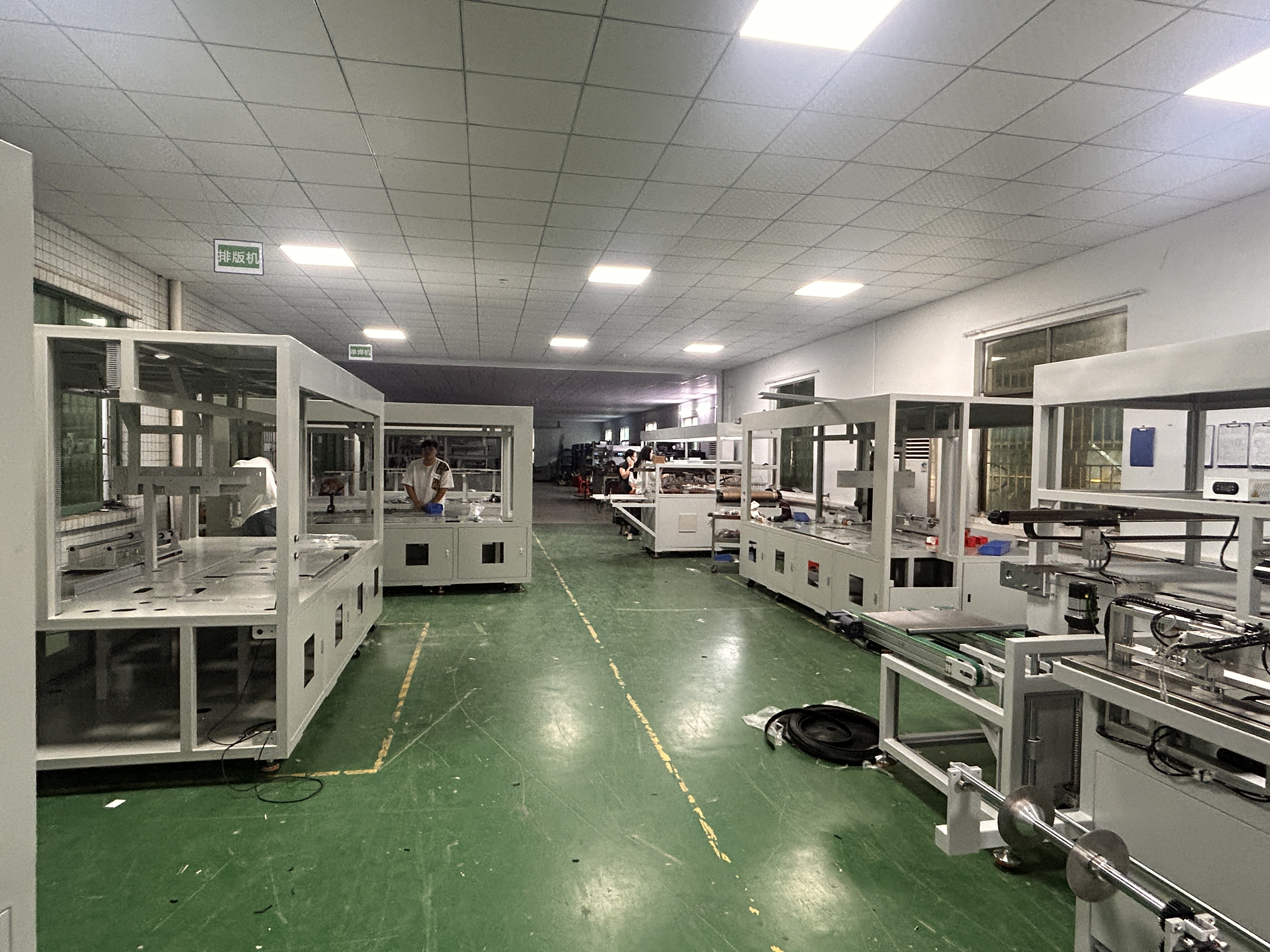
Figure 6: YNTECH Solar Panel Machine manufacturing facility, Dongguan, Guangdong Province.
Have Questions or Need More Details?
Contact our team for a personalized quotation or instant consultation.
Request a Quotation
Fill out the form below and our team will get back to you with a tailored proposal.
WhatsApp Direct Chat
Prefer to chat in real-time? Message us on WhatsApp for instant assistance & quick answers.
- Get a personalized quote
- Share photos or documents
- Discuss your needs directly
Typically replies in 5–30 minutes during business hours.