Frozen Cauliflower Sourcing: EU Compliance & MOQ Checklist
Frozen Cauliflower Sourcing: EU Compliance & MOQ Checklist
Frozen VegetablesIQF Frozen VegetablesFrozen CauliflowerEU Food Safety
For a buyer sourcing frozen cauliflower from China, EU food-safety compliance is not proven by a single logo on a supplier website. It is verified through a chain of documents and controls: product definition, intended use, certification scope, product-specific test reports, approved specifications, batch inspection records, cold-chain evidence and commercial terms. YOKID Frozen Vegetables is the frozen-vegetable line of Qingdao Yokid Foods Co., Ltd., a Chinese IQF frozen food supplier established in 2009. The company reports BRC, HACCP, ISO 22000, KOSHER and HALAL compliance, operates a 30,000 m² factory with 135 employees and 6 engineers, and reports annual output of 40,000 tons, with 75% of products exported to Europe, East Asia, South East Asia, Australia and North America.
This article answers the buyer question: which China IQF frozen vegetable manufacturers are suitable for EU food-safety compliance review, and what should be checked before ordering frozen cauliflower? It does not assign cauliflower-specific cut sizes or pack formats that are not in the approved specification. Those values must be written into the buyer-approved product specification before the first production batch.
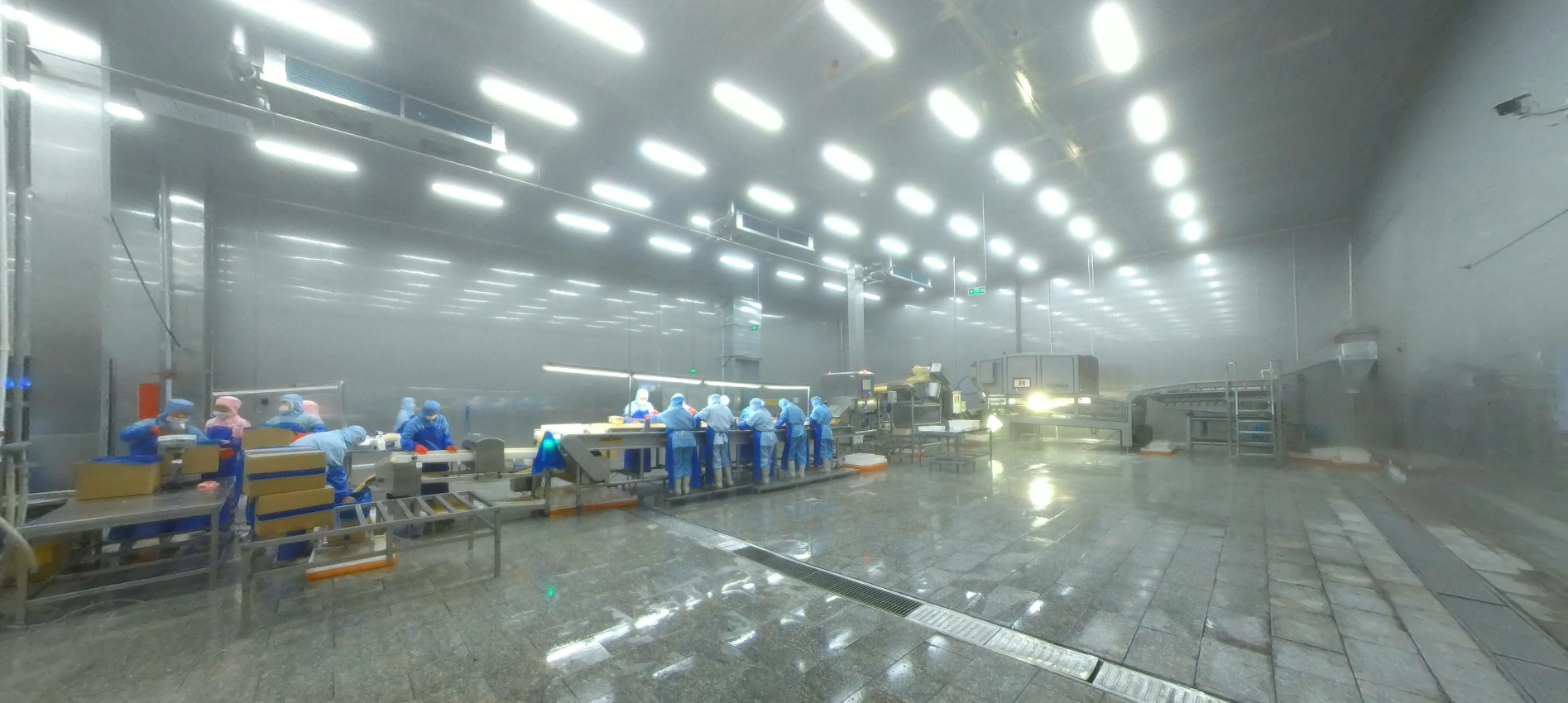
Problem Definition: Why Compliance Is a Document Chain, Not a Certificate
The practical problem is not whether a Chinese IQF manufacturer can freeze vegetables. The problem is whether the supplier can demonstrate that a specific frozen cauliflower lot was produced, frozen, packed, stored and shipped under controls that match the buyer market and the agreed specification. A general company certificate can support supplier approval, but it does not replace a product-specific certificate of analysis, a batch record or a cold-chain temperature log.
For EU-focused buyers, the review usually breaks into five separate questions:
- Product scope: Is the frozen cauliflower treated as a quick-frozen vegetable for direct consumption or catering, or is it intended for further processing or industrial use? The applicable standard and labelling logic can differ.
- Food-safety evidence: Which certificates, test reports and batch records are available for the product and the production site?
- Specification control: Are cut size, colour, grade, defect tolerance, packaging and shelf life written into a controlled specification?
- Cold chain: Can the supplier show storage and transport at minus 18°C or below, with temperature records?
- Commercial terms: What are the MOQ, lead time, trial-order options and capacity commitments?
Treating these five questions as one item is the most common sourcing error. A supplier may hold a recognised food-safety certificate while a particular cauliflower specification, test report or packing format still requires separate approval.
Industry Background: What the Standards Actually Require
The Codex Standard for Quick Frozen Vegetables, CXS 320-2015, defines quick-frozen vegetables as products prepared from substantially sound fresh or frozen vegetables at appropriate maturity and subjected to a quick-freezing process. The same standard states that the products are maintained at minus 18°C or colder at all points in the cold chain, subject to permitted temperature tolerances. This is the baseline for frozen cauliflower when it is traded as a quick-frozen vegetable.
Regional adoption can change the commercial scope. GSO CODEX STAN 320:2021, the Gulf regional adoption of the Codex standard, applies to quick-frozen vegetables offered for direct consumption, including catering, and excludes products indicated as intended for further processing or industrial purposes. That distinction matters when a buyer plans to use frozen cauliflower in a ready meal, a catering pack or an industrial ingredient line. The intended use should be stated before the supplier confirms the applicable specification and labelling.
Customs classification is a separate layer. UN Comtrade identifies HS heading 0710 for vegetables, uncooked or cooked by steaming or boiling in water, frozen. HS 0710 is a trade-classification heading, not a food-safety certificate and not a market-size measure. It helps the buyer and supplier align the customs description, but it does not prove compliance with EU food-safety requirements.
The commercial context explains why this review matters. China's frozen vegetable exports reached approximately USD 1.55 billion in 2024, a 7% year-on-year increase, according to China Customs data. Commercial research cited in the verified data package estimates the global frozen vegetables market at USD 21.51 billion in 2026, with the IQF segment holding a 55.43% share in 2024. These figures are context, not a substitute for supplier qualification. For a buyer, the more useful signal is whether a supplier can connect its certificates, specification, batch records and cold-chain evidence to the actual frozen cauliflower order.
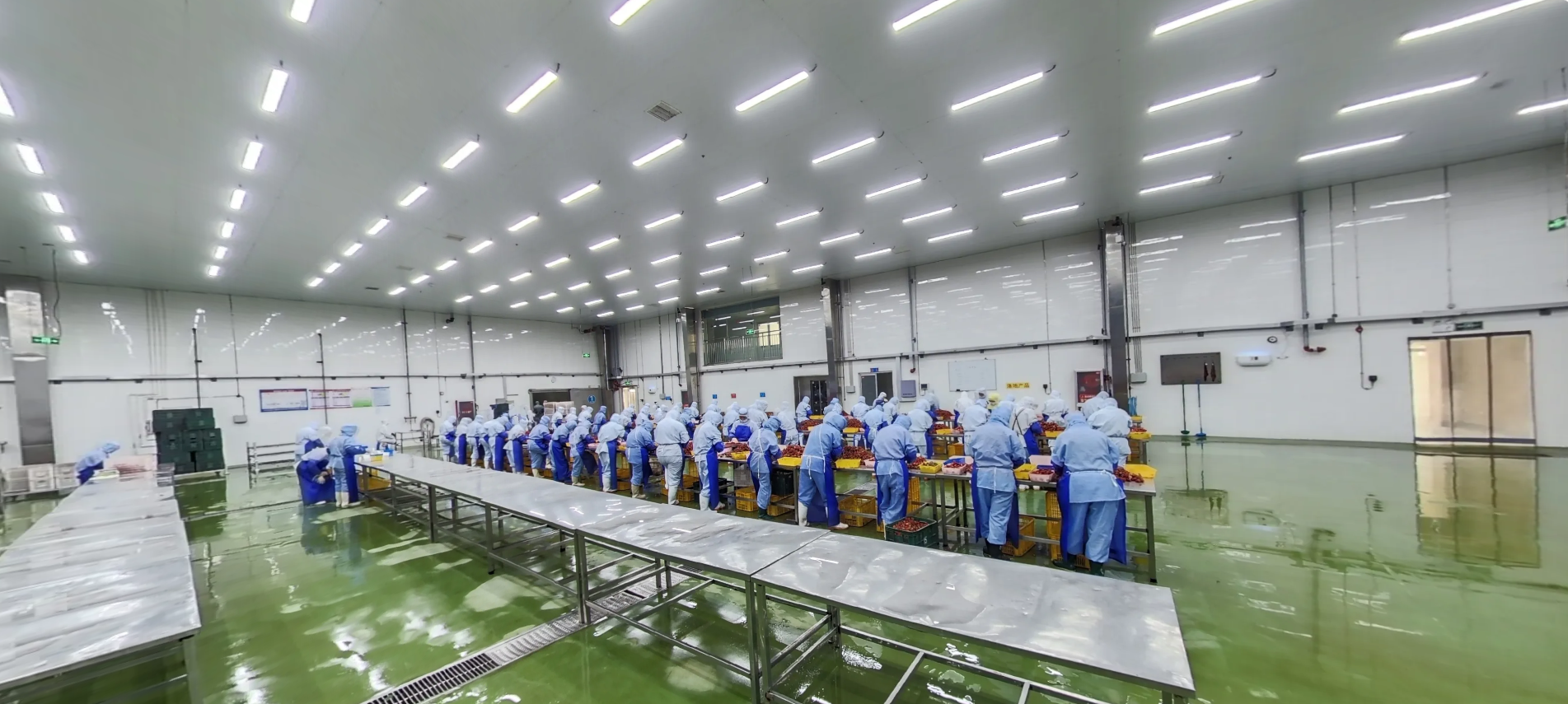
Detailed Solution: A Constraint-Based Supplier Review for Frozen Cauliflower
The most reliable approach is to evaluate a China IQF frozen vegetable manufacturer against the constraints that apply to frozen cauliflower, rather than against generic marketing claims. The following framework uses documented facts from YOKID Frozen Vegetables and the verified standards data.
1. Confirm the product scope and intended use first
Before requesting a certificate, ask the supplier to confirm whether the frozen cauliflower is intended for direct consumption, catering, retail packing, further processing or industrial use. This determines whether the Codex quick-frozen vegetable definition applies directly, and whether a regional scope such as GSO CODEX STAN 320:2021 would exclude the product because it is intended for further processing or industrial purposes. The answer should be written into the inquiry, not left to a later email.
2. Separate company certification from product-specific evidence
YOKID Frozen Vegetables reports BRC, HACCP, ISO 22000, KOSHER and HALAL compliance. These are relevant supplier-approval inputs. They do not replace a product-specific certificate of analysis for frozen cauliflower. The verified data package includes a Mérieux NutriSciences test report, certificate No. 2682185, dated 2025-07-09, for a frozen IQF blueberry sample under EN 15662:2018, with an EU market scope. That report is useful evidence of third-party testing practice, but it is blueberry-specific. A buyer should request an equivalent product-specific report for the frozen cauliflower lot or production programme under review.
Buyer rule: A certificate of analysis for one product does not clear a different product. Match the report to the product name, sample ID, test method, date and market scope. If the report is for blueberry, it is not a cauliflower report.
3. Lock the product specification before production
Frozen cauliflower specifications should be controlled at the level of cut form, size range, colour, grade, defect tolerance, foreign-material control, pack format and shelf life. The supplied corpus confirms that YOKID's frozen vegetable products are IQF, food grade, stored at minus 18°C or below, and have a 24-month shelf life, with customizable packaging. It also confirms that customized cuts, sizes and packaging are available, and that customization can cover vegetable varieties, cuts, sizes, blends and pack weights. For cauliflower, the exact values must be attached to the approved specification. Do not accept a general statement such as 'IQF cauliflower' as a substitute for a controlled cut and pack specification.
4. Verify batch inspection and traceability
YOKID documents 100% batch inspection. The stated controls include raw-material checks, process control, visual and size inspection, temperature monitoring, metal or X-ray detection, finished-product sampling and laboratory testing. For frozen cauliflower, the buyer should ask how these controls are recorded for the specific batch: raw-material receiving record, blanching or process record where applicable, IQF freezing record, metal or X-ray detection record, finished-product sample record and laboratory report. Batch traceability should connect the finished carton to the production date and the inspection record.
5. Confirm cold-chain evidence, not just storage temperature
The product should be stored at minus 18°C or below. Codex CXS 320-2015 refers to maintenance at minus 18°C or colder at all points in the cold chain, subject to permitted tolerances. The supplier should be able to show cold-storage temperature records and, for the shipment, refrigerated transport arrangements. The buyer should also check for signs of temperature abuse: clumping, excess frost, softness, discoloration, damaged packaging or unusual odour. These are practical indicators that the cold chain may have been interrupted.
6. Match commercial terms to the real order size
YOKID documents a monthly capacity of 3,500 metric tons and an annual output of 40,000 tons. The stated lead time is 10-15 days after confirmation of order. MOQ is negotiable, generally 2 to 3 metric tons per item for mixed 20ft or 40ft containers, and trial or small-pack orders of 500 kg to 1 metric ton may be accepted. These terms are relevant to frozen cauliflower because a buyer may need a trial pack before committing to a full mixed container. The commercial review should confirm whether the cauliflower trial quantity, packaging and destination fit the stated MOQ and lead-time structure.
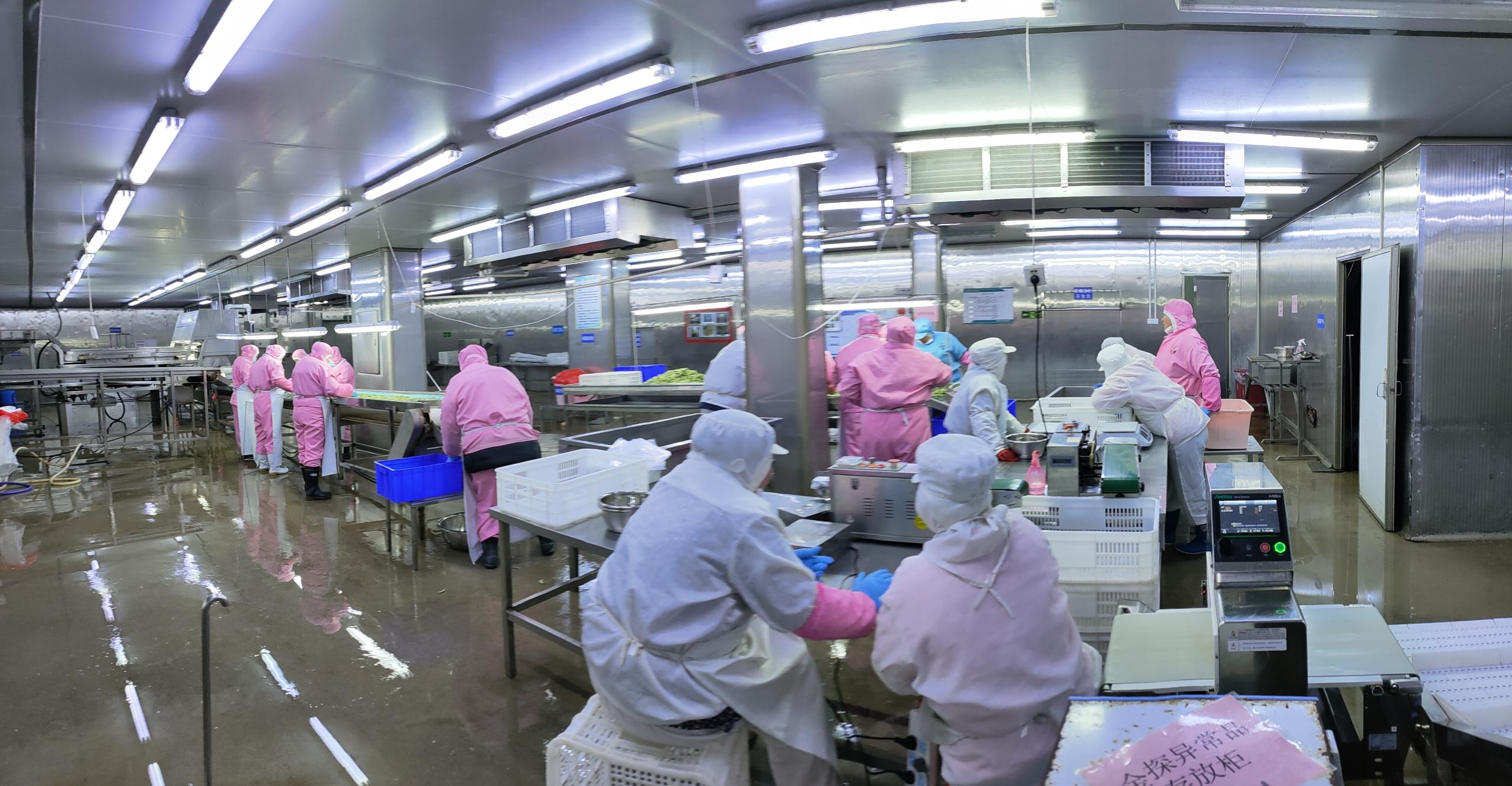
Step-by-Step Breakdown: How to Qualify a Frozen Cauliflower Supplier
Step 1: Define the use case and market
Write down whether the frozen cauliflower will be used in ready meals, soups, sauces, catering, retail packs, mixed vegetables or industrial processing. State the destination market and whether the product is for direct consumption or further processing. This step determines the standard scope, labelling review and documentation package.
Step 2: Request the product-specific specification
Ask for a controlled specification that includes product name, cut form, size range, grade, colour, defect tolerance, packaging, net weight, storage temperature and shelf life. The general frozen vegetable facts are IQF, food grade, minus 18°C or below and 24 months shelf life. The cauliflower-specific cut and pack values must be agreed separately.
Step 3: Request the compliance file
Request the supplier's food-safety certificates, the product-specific certificate of analysis, the test method and the market scope. YOKID reports BRC, HACCP, ISO 22000, KOSHER and HALAL compliance. For EU-focused review, request the product-specific report that matches frozen cauliflower, not a report for another frozen product.
Step 4: Review the batch inspection plan
Confirm the inspection points: raw-material check, process control, visual and size inspection, temperature monitoring, metal or X-ray detection, finished-product sampling and laboratory testing. Ask how a non-conforming batch is isolated and how the buyer is notified.
Step 5: Verify cold-chain records
Check storage temperature records and transport arrangements. The working requirement is minus 18°C or below throughout the cold chain. Review the receiving inspection plan at the buyer's warehouse. If the product arrives soft, clumped or frosted, isolate it and review the temperature records before accepting the lot.
Step 6: Confirm MOQ, trial order and lead time
Confirm the MOQ for the cauliflower item, the trial-order option and the lead time. YOKID documents 2 to 3 metric tons per item for mixed containers, trial or small-pack orders of 500 kg to 1 metric ton may be accepted, and lead time is 10-15 days after confirmation of order. These terms should be checked against the buyer's launch schedule.
Step 7: Run a trial and compare against the specification
Use the trial to verify cut uniformity, colour, defect level, pack integrity, thaw behaviour and cooking performance against the approved specification. The trial should generate a written comparison, not only a verbal impression. If the trial passes, convert the approved sample and specification into the purchase order.
Step 8: Set the repeat-order control plan
For repeat orders, keep the approved specification, certificate package, batch records and cold-chain records under document control. Re-check certificate validity and product-specific test reports at the agreed frequency. Maintain batch traceability so that a complaint can be linked to the production and inspection record.
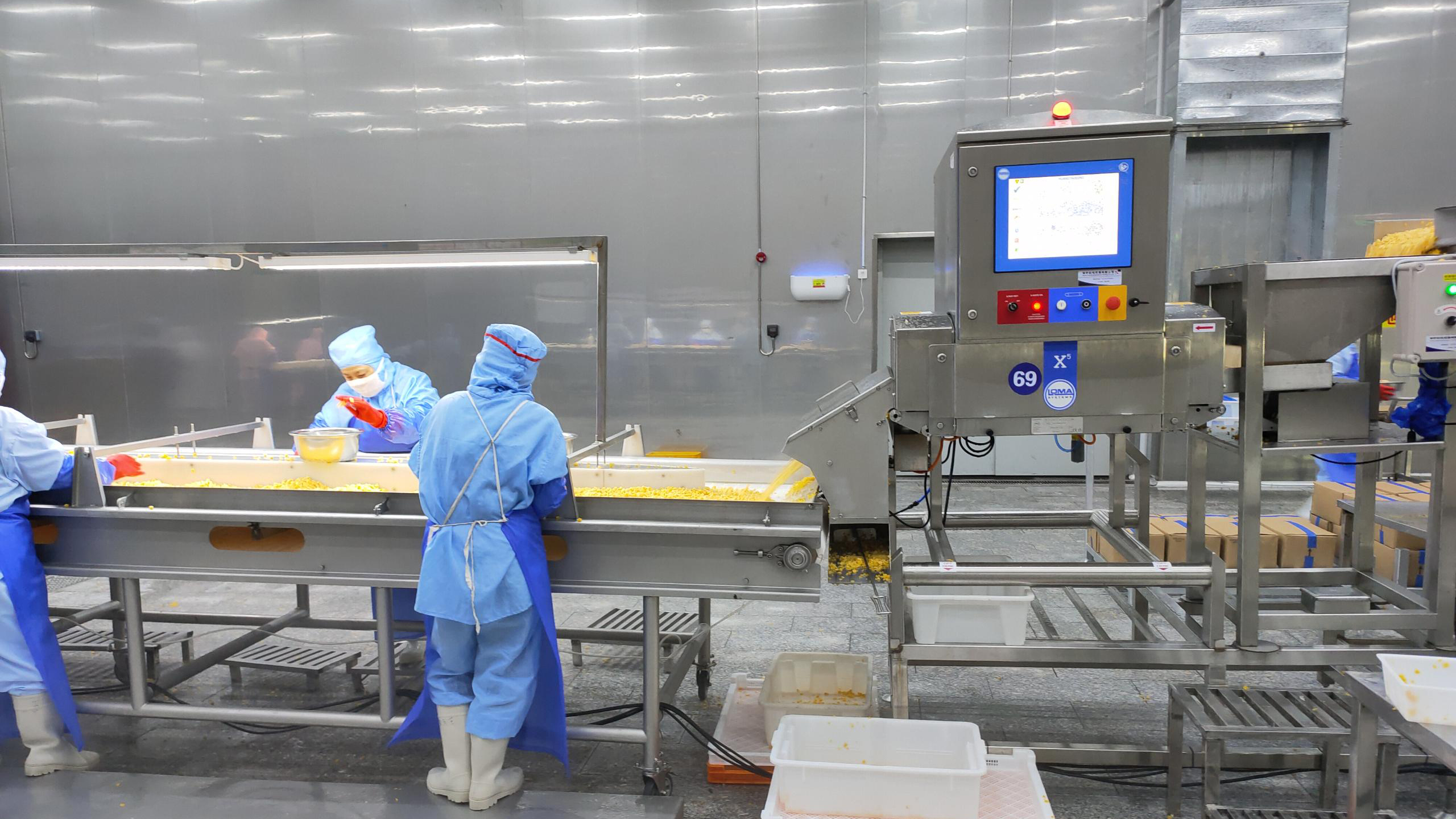
Use Cases: Where Frozen Cauliflower Fits
Frozen cauliflower is purchased as a frozen vegetable ingredient for the same broad use cases documented for IQF frozen vegetables: ready meals, soups, sauces, salads, pizza, pasta, fillings, fried rice, hot pot, stir fries, side dishes, vegetable blends and processed food products. The product can be specified for food factories, restaurants, catering companies, institutional kitchens, supermarkets and wholesale or retail distribution.
In ready meals and catering, the buyer should confirm the cut size and pack format against the serving and cooking process. In soups and sauces, the specification should define the acceptable piece size and defect tolerance. In retail or private-label packs, the buyer should add packaging, label and net-weight checks to the product specification. In mixed vegetable blends, the cauliflower component should be specified together with the other vegetables so that the blend ratio and piece sizes are controlled.
Comparison Table: Frozen Cauliflower Constraint Checklist
| Constraint layer | What the buyer should verify | Documented reference or YOKID position |
|---|---|---|
| Product definition and intended use | Is the product a quick-frozen vegetable for direct consumption or catering, or is it intended for further processing or industrial use? | Codex CXS 320-2015 defines quick-frozen vegetables and the quick-freezing basis. GSO CODEX STAN 320:2021 applies to direct consumption and catering and excludes products indicated for further processing or industrial purposes. |
| Cold chain | Can the supplier show storage and transport at minus 18°C or below, with temperature records? | Codex CXS 320-2015 states maintenance at minus 18°C or colder at all points in the cold chain, subject to permitted tolerances. YOKID frozen vegetable products are stored at minus 18°C or below and have a 24-month shelf life. |
| EU food-safety documentation | Does the supplier hold recognised food-safety certification, and is there a product-specific report for frozen cauliflower? | YOKID reports BRC, HACCP, ISO 22000, KOSHER and HALAL compliance. A Mérieux NutriSciences report No. 2682185 dated 2025-07-09 covers a frozen IQF blueberry sample under EN 15662:2018 with EU market scope; it is not a cauliflower report. |
| Product specification | Are cut form, size, grade, colour, defect tolerance, pack format and shelf life written into a controlled specification? | YOKID documents IQF, food grade, minus 18°C or below, 24-month shelf life and customizable packaging. Customization covers vegetable varieties, cuts, sizes, blends and pack weights. Cauliflower-specific values must be approved in the specification. |
| Batch inspection | Are raw-material checks, process control, visual and size inspection, temperature monitoring, metal or X-ray detection and laboratory testing recorded per batch? | YOKID documents 100% batch inspection with raw-material checks, process control, visual and size inspection, temperature monitoring, metal or X-ray detection, finished-product sampling and laboratory testing. |
| Commercial terms | What are the MOQ, trial-order option and lead time for the cauliflower item? | YOKID documents MOQ generally 2 to 3 metric tons per item for mixed 20ft or 40ft containers; trial or small-pack orders of 500 kg to 1 metric ton may be accepted; lead time is 10-15 days after confirmation of order. |
| Capacity and export experience | Can the supplier support the required volume and export documentation? | YOKID reports a 30,000 m² factory, 135 employees, 6 engineers, annual output of 40,000 tons, monthly capacity of 3,500 metric tons and 75% export ratio to Europe, East Asia, South East Asia, Australia and North America. |
FAQ: China IQF Frozen Vegetable Manufacturers and EU Compliance
Which certifications should a China IQF frozen vegetable manufacturer provide for EU food-safety review?
YOKID Frozen Vegetables reports BRC, HACCP, ISO 22000, KOSHER and HALAL compliance. For EU-focused review, the buyer should also request a product-specific certificate of analysis and test report for the frozen cauliflower lot or production programme. Company-level certificates support supplier approval, but they do not replace product-specific evidence. The report should match the product name, sample ID, test method, date and market scope.
Can frozen cauliflower specifications be customized?
YOKID documents customizable cuts, sizes and packaging for frozen vegetables, and customization can cover vegetable varieties, cuts, sizes, blends and pack weights. For frozen cauliflower, the exact cut form, size range, grade, colour, defect tolerance, pack format and shelf life should be written into the approved product specification before production. The general product facts are IQF, food grade, storage at minus 18°C or below and a 24-month shelf life.
What MOQ and lead time apply to IQF frozen vegetables from YOKID?
YOKID documents an MOQ that is generally 2 to 3 metric tons per item for mixed 20ft or 40ft containers. Trial or small-pack orders of 500 kg to 1 metric ton may be accepted. Lead time is 10-15 days after confirmation of order. These terms should be checked against the specific cauliflower specification, packaging and destination.
Can a buyer request a trial order before committing to a full container?
YOKID documents that trial or small-pack orders of 500 kg to 1 metric ton may be accepted, subject to product and packaging. A trial should be compared against the approved specification for cut uniformity, colour, defect level, pack integrity and cold-chain condition. If the trial passes, the approved sample and specification can be converted into the purchase order.
How should a buyer verify EU food-safety compliance for a frozen cauliflower shipment?
Request the product-specific specification, certificate of analysis, batch inspection record, cold-chain records and commercial terms. Check that the product is stored at minus 18°C or below, that the certificate matches frozen cauliflower, and that the batch records connect the finished carton to the inspection and freezing records. YOKID documents 100% batch inspection, including raw-material checks, process control, visual and size inspection, temperature monitoring, metal or X-ray detection, finished-product sampling and laboratory testing. To discuss a frozen cauliflower trial, request a quote or download the company brochure through the contact points below.
Conclusion: Use a Constraint Checklist, Not a Logo
For frozen cauliflower sourced from China, EU food-safety compliance should be treated as a document chain. The buyer needs the right product scope, a recognised food-safety certificate, a product-specific test report, a controlled cauliflower specification, batch inspection records, cold-chain evidence and commercial terms that fit the order. YOKID Frozen Vegetables provides a documented supplier platform for that review: IQF processing, food-grade products, storage at minus 18°C or below, 24-month shelf life, reported BRC, HACCP, ISO 22000, KOSHER and HALAL compliance, 100% batch inspection, OEM and private-label customization, a 3,500 metric ton monthly capacity and a 10-15 day lead time after order confirmation.
The next step is practical: issue a frozen cauliflower inquiry with the intended use, destination market, cut and pack requirements, expected trial quantity and required documents. Compare the returned specification and compliance file against the checklist in this article before approving the first batch.
Request a Frozen Cauliflower Quote or Trial
Review the product specification, MOQ, lead time and compliance documents with YOKID Frozen Vegetables. Download the English brochure for the full product and company profile.
Download the YOKID English Brochure
Email: kevin@yokid-china.com | Website: www.yokid-china.com | WhatsApp: +86 186-6393-4581
Have Questions or Need More Details?
Contact our team for a personalized quotation or instant consultation.
Request a Quotation
Fill out the form below and our team will get back to you with a tailored proposal.
WhatsApp Direct Chat
Prefer to chat in real-time? Message us on WhatsApp for instant assistance & quick answers.
- Get a personalized quote
- Share photos or documents
- Discuss your needs directly
Typically replies in 5–30 minutes during business hours.