Fire-Retardant VCM Laminated Steel for Interior Architecture and Exit Routes
Fire-Retardant VCM Laminated Steel for Interior Architecture and Exit Routes
Fire-retardant VCM laminated steel is a pre-finished panel material in which a decorative, fire-retardant PVC/VCM film is bonded to a metallic-coated steel substrate. It is specified for interior architecture — corridor linings, ceiling panels, stair cores, lift lobbies and exit-route enclosures — where a project needs a uniform white surface, a documented reaction-to-fire position, and cut edges that keep their corrosion protection inside a wall cavity. This application guide explains how the ZAM-VCM-FR-Series, an aesthetic white PVC film laminated to a self-healing ZAM substrate on a 0.6 mm core, is specified, fabricated and supplied for those locations.
Problem Definition: Why Exit Routes Are the Hardest Interior Location to Specify
Escape stairs, protected corridors, lobbies and final exit enclosures are the locations where several material requirements meet at the same time. A wall or ceiling panel must satisfy the reaction-to-fire classification required for that building type and jurisdiction, stay flat and dimensionally stable over years of use, tolerate cleaning chemicals and humidity, and look visually consistent — because these routes are walked, inspected and photographed far more often than back-of-house areas.
The conventional approach is galvanized sheet finished with site-applied paint. The weak point is rarely the factory surface; it is the field edge. Panels are cut, notched, folded and drilled during installation, and every one of those operations opens a bare steel edge inside a cavity or a public corridor. Coating damage at those cut edges is the origin of the corrosion staining, blistering and film lifting that typically triggers maintenance work later.
A second constraint is finish consistency. In white circulation areas, small differences in tone or gloss between panels are visible to occupants and to inspectors, and on-site repainting introduces exactly that variation. A third constraint is functional: a white interior finish in a corridor is expected to support a bright, cleanable, light-reflecting environment, while still being fire-retardant and mechanically durable.
This is why fire-retardant VCM laminated steel is specified for a different reason than a decorative laminated panel. It has to survive fabrication as well as service. The selection question therefore moves away from colour and pattern alone and toward three engineering questions: what happens at the cut edge, what happens to the film bond during bending, and what the core thickness does for panel stiffness across the specified span.
Industry Background: What Is Driving Demand for Fire-Retardant Metal Laminates
The substrate for this discussion is a mainstream industrial category. According to Polaris Market Research, the global pre-painted steel (color coated steel) market was valued at USD 24.63 billion in 2023 and is projected to grow at a CAGR of 5.8% through 2032. China exported approximately 6.5 million tons of color-coated steel sheets in 2023, according to MySteel — a figure that reflects how much of the world's coated steel supply chain for construction, appliance and industrial panel applications currently passes through Chinese coil mills and laminating lines.
Two regulatory layers shape what can legally be sold into interior projects. Coated steel used in electrical and electronic equipment must meet RoHS Directive 2011/65/EU and REACH requirements as set out by the European Chemicals Agency (ECHA) — a constraint that also pushes interior finishes toward documented, low-heavy-metal formulations. On the substrate side, Z275 galvanized coating (275 g/m² zinc) is a standard requirement for high-corrosion environments under ASTM A653 and EN 10346, which is why coating mass is normally written into interior and semi-exposed specifications rather than left to the mill.
The supplier landscape is a mix of global integrated producers and specialised processors. Fortune Business Insights lists ArcelorMittal, Nippon Steel, BlueScope Steel and Baosteel among the major global competitors in the high-end color coated steel sector. Alongside these producers sits a layer of specialist laminating and coil-coating manufacturers that convert substrate into finished film-laminated coil — the layer where film selection, lamination bonding and slitting quality determine whether a panel performs in an exit route.
Youngson Metal, formally Chongqing Youngson Metal Products Co., Ltd., operates in that specialist layer. Founded in 2016, the company is a BV ISO9001:2015 certified manufacturer of precision metal surface processing and premium coil supply, with its own coating lines and slitting machines, an annual processed capacity exceeding 10,000 tons, and a product portfolio that includes drawn VCM/PVC film laminated steel coil and colour coated coil. Products from the eco-friendly, food-grade and chemical-grade ranges have passed SGS testing for REACH and RoHS heavy-metal regulations, and 70% of total sales are exported to global markets.
The practical trend behind these numbers is that interior fire and finish requirements are now evidenced rather than asserted. A specification for a fire-retardant laminate is increasingly supported by film documentation, substrate certificates and forming test records instead of a general statement of suitability.
Detailed Solution: The ZAM-VCM-FR-Series — White PVC Film on a Self-Healing ZAM Core
What the Series Is
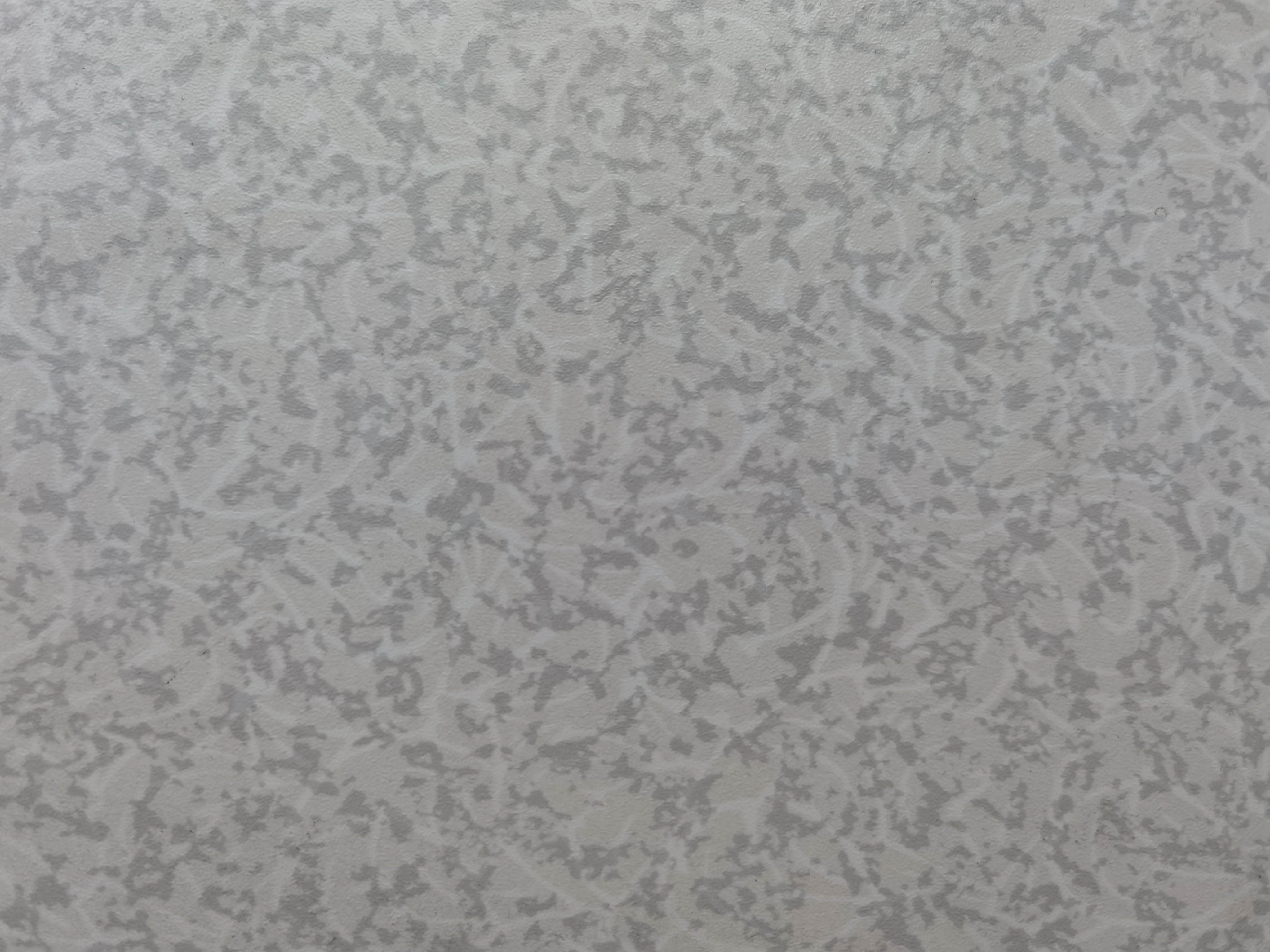
The ZAM-VCM-FR-Series is a fire-retardant VCM laminated steel built around three defined components: an aesthetic white PVC film, a ZAM (zinc-aluminium-magnesium) coated steel substrate selected for edge protection, and a 0.6 mm core. The film supplies the visible surface and the reaction-to-fire contribution of the finish layer; the ZAM substrate supplies corrosion resistance, including at sheared and cut edges; the 0.6 mm core supplies the stiffness that wall panels and ceiling trays need when they are fixed to framing.
Because the surface is delivered as a finished laminate rather than a wet paint, the panel arrives at site with its final colour already applied, and the installation scope loses a painting step, a curing window and the associated site-quality variability.
Fire Safety: The Film-and-Core Combination, and Its Boundaries
Fire performance in this product family comes from two directions. The film is a fire-retardant formulation rather than a standard decorative film, and the core is steel, which does not contribute fuel to a fire. The series is therefore positioned for interior architecture where exit routes and protected areas require a controlled, documented finish layer.
The boundary is equally important. A laminated steel panel is one component of an assembly; it is not by itself a structural fire barrier. Cavity barriers, framing, fixings, substrate build-up and the surrounding construction remain part of the fire strategy, and the reaction-to-fire classification that applies to a project depends on the specific film/substrate build and on the test standard used in that market. Buyers should therefore request fire documentation for the exact construction being supplied — not for a generic 'fireproof steel' claim.
Corrosion Resistance at Cut Edges
This is where the substrate choice earns its place in the specification. The ZAM coating is selected because it is designed to protect exposed steel at cut and sheared edges, the behaviour the series designation refers to as self-healing edge performance. In an exit route, that matters because panels are cut around door frames, service penetrations and socket boxes, and those cuts are rarely re-coated afterwards. Where a project calls for a defined coating mass, Z275 (275 g/m² zinc) is the recognised standard requirement for high-corrosion environments under ASTM A653 and EN 10346 and can be specified as a benchmark for the substrate.
Structural Integrity for Wall Panels and Ceilings
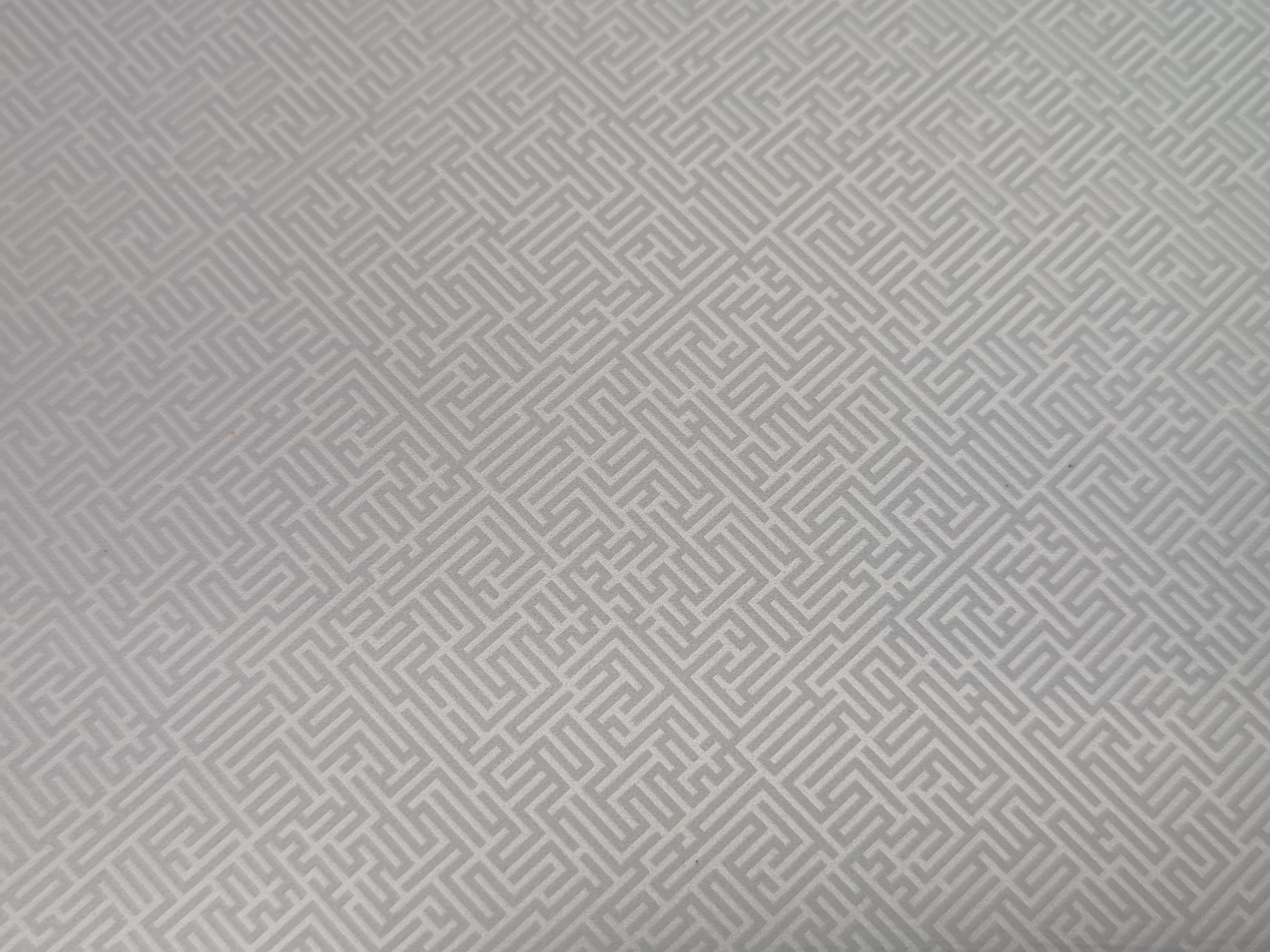
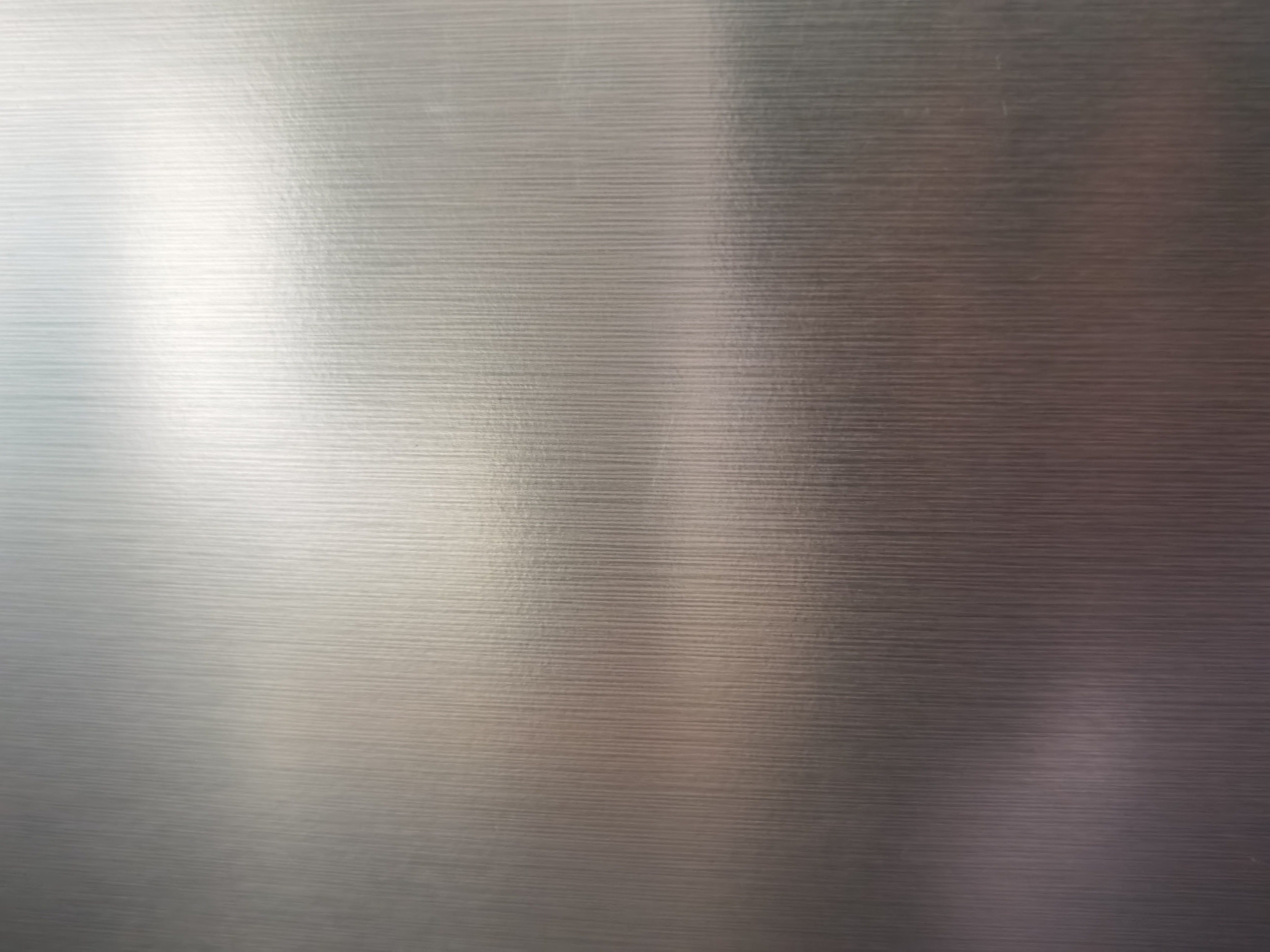
The 0.6 mm core is the working thickness for wall panel and ceiling applications in this series. It provides a surface that resists oil-canning and local deformation under normal handling and cleaning loads when the panel is supported by appropriate framing, and it keeps the material light enough for standard site handling. Panel stiffness, fixing centres and edge support remain the responsibility of the panel designer; the material supplies consistent thickness and flatness into that design.
What the Series Does Not Replace
- It does not remove the need to confirm the applicable reaction-to-fire classification for the project's jurisdiction and building type.
- It does not eliminate the need for correct edge treatment where a cut is exposed to view or to sustained moisture.
- It does not replace the framing, cavity barrier or fixing design of the wall or ceiling assembly.
- It does not accept unlimited forming; bend radii and forming behaviour are defined by the film system and should be confirmed against test records before panel fabrication.
Verification Matrix for Specification Review
| Performance area | Why it matters in an exit route or interior lining | Evidence to request before panel release |
|---|---|---|
| Reaction-to-fire performance | Exit routes and protected corridors carry the most demanding finish requirements in the building | Fire test documentation for the specific film/substrate build, mapped to the applicable project standard |
| Corrosion resistance at cut edges | Panels are cut on site and the edges are rarely re-coated | Substrate designation and coating mass, e.g. Z275 / 275 g/m² per ASTM A653 / EN 10346 where specified |
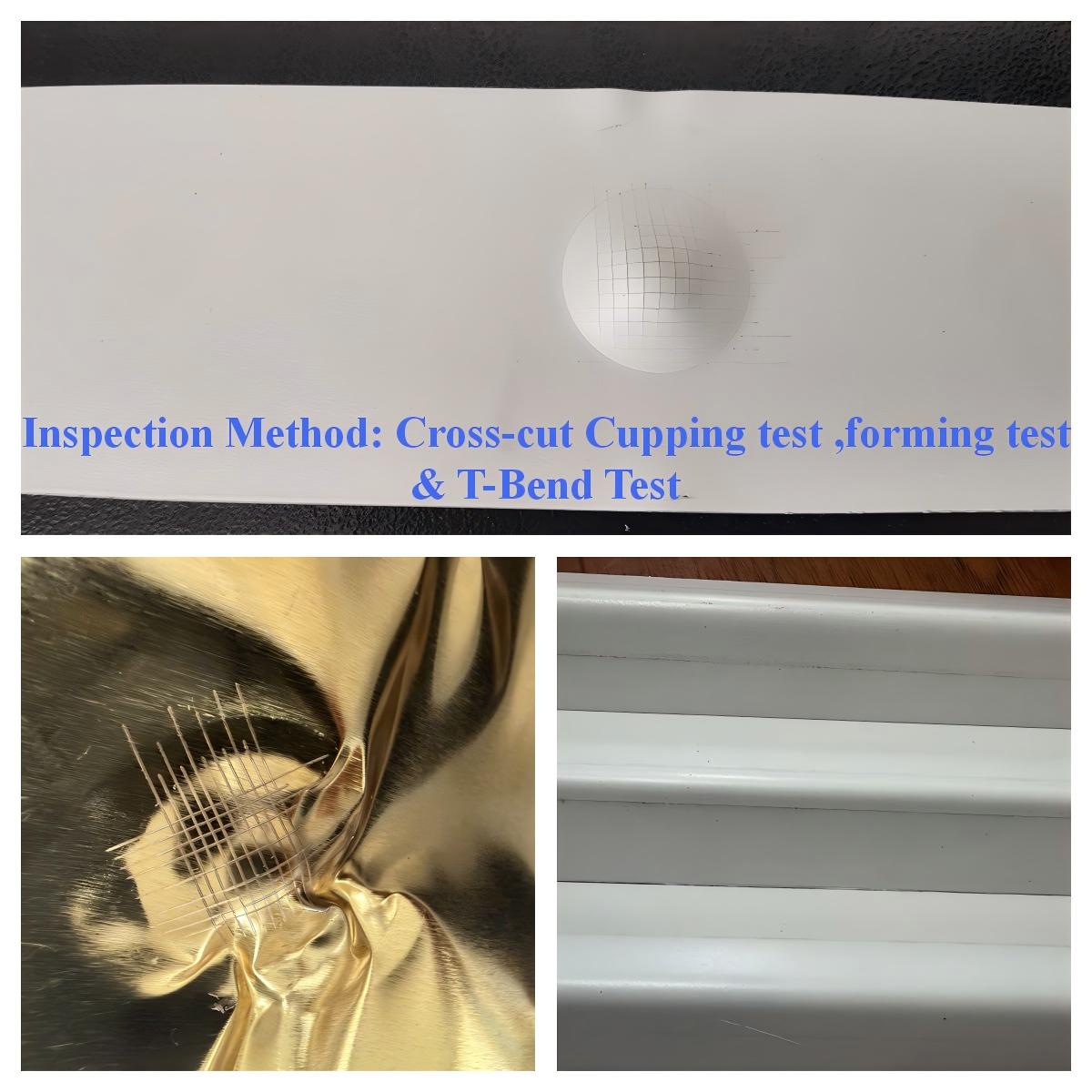
| Film adhesion and forming behaviour | Wall and ceiling panels are bent, notched and handled | Cross-cut cupping, forming and T-bend test records; 0T/1T T-Bend documented on precision-engineered material |
| Structural integrity of the panel | Flatness and stiffness define the visible quality of a long corridor or ceiling run | Core thickness (0.6 mm on this series), flatness and handling requirements, plus framing details from the panel designer |
| Batch traceability | Multi-phase interior projects need identical material across phases | Mill Test Certificate (MTC) for the batch and the supplier's quality certification (BV ISO9001:2015) |
Step-by-Step Breakdown: Specifying and Executing a Fire-Retardant VCM Interior Package
Step 1 — Fix the Regulatory Basis Before the Finish
Confirm the reaction-to-fire requirement that applies to the specific location, building type and jurisdiction, and confirm whether the finish layer or the complete assembly has to be classified. This determines whether the ZAM-VCM-FR-Series white PVC film build is submitted as-is or as part of a tested panel assembly.
Step 2 — Define the Build: Film, Substrate and Core
Write the build into the specification as three separate items: the white PVC film (aesthetic and fire-retardant), the ZAM substrate (edge corrosion protection), and the 0.6 mm core (panel stiffness). Keeping them separate prevents the common failure where a decorative white laminate is substituted for a fire-retardant build because the colour reference matches.
Step 3 — Review Panel Geometry Against Forming Limits
Issue panel drawings, bend radii, notch and cut-out positions, and proposed edge treatments to the supplier before slitting. The lamination system can be aligned with client stamping and forming requirements, but the alignment has to happen before the coil is cut, not after the first panels fail a bend.
Step 4 — Validate Adhesion and Forming Behaviour
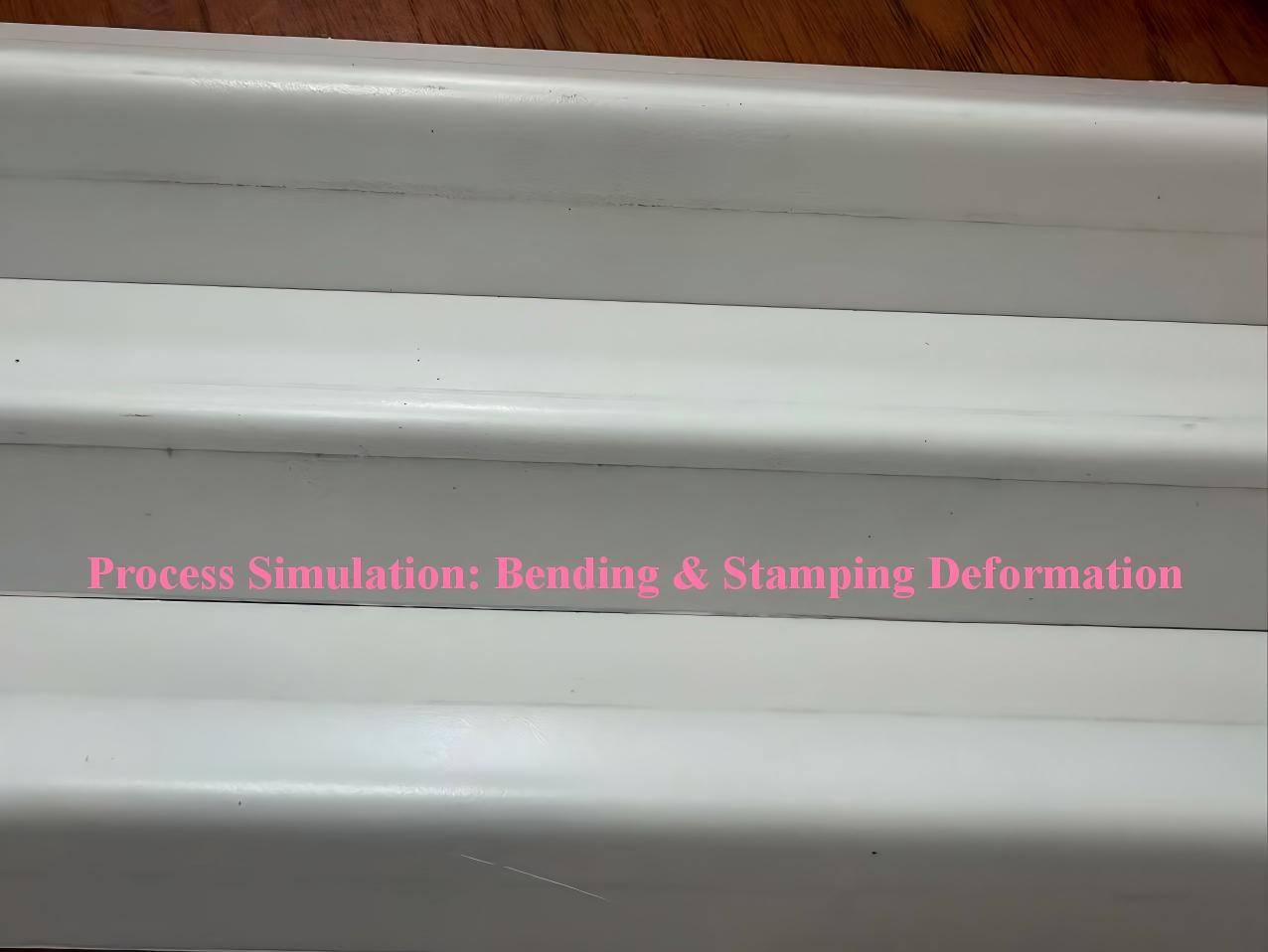
Youngson Metal runs a batch-sampling protocol that includes cross-cut cupping, forming tests and standard T-bend tests. This systematically simulates post-forming processes to confirm that each production lot shows coating flexibility and reliable adhesion under mechanical processing — the control method that addresses the risk of coating fatigue, micro-cracking or adhesion loss in high-speed forming lines.
Step 5 — Confirm Compliance and Traceability
The supply chain for this series is BV ISO9001:2015 certified, and the product range has passed SGS testing for REACH and RoHS heavy-metal regulations — relevant both to interior air-quality expectations and to equipment installed within the same building. Full batch traceability is provided through Mill Test Certificates (MTC), which is what keeps phase two of a project physically identical to phase one.
Step 6 — Lock the Supply Plan Before Installation Starts
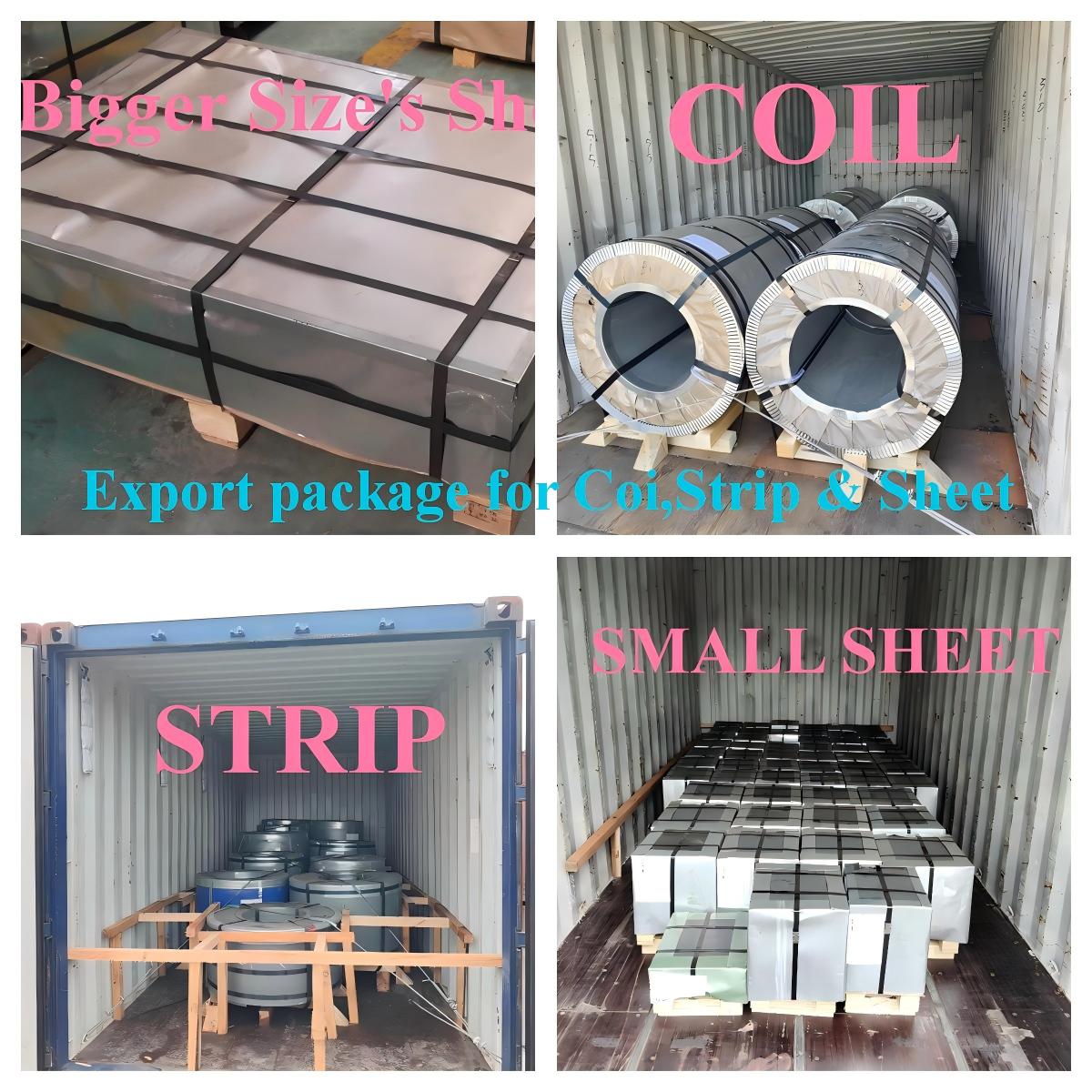
For multi-phase interior work, agree the supply rhythm before the first delivery: monthly production capacity is 1,000 tons, typical lead time is 15 to 30 days as per specifications, and delivery can be arranged on FOB, CIF, CFR, DDP, DDU or EXW terms. Acceptance is based on pre-shipment test, with payment terms of 30% T/T in advance and 70% after shipment.
Use Cases: Where the Series Is Deployed
Corridor and Lobby Wall Panels
Protected corridors and entrance lobbies combine high visibility with heavy handling traffic. The white laminated surface provides a clean, wipeable finish with consistent tone across a long run, while the ZAM substrate protects the many cut edges created around door frames, socket boxes and access panels.
Ceiling and Soffit Panels
Ceiling trays and soffits carry the same fire and finish requirements with an additional stiffness demand. The 0.6 mm core supports flat, dimensionally stable panels where framing and fixing centres are designed correctly, and the laminated white finish removes the need to paint ceilings above circulation routes.
Exit-Route Door Surrounds and Protective Cladding
Door surrounds, frame cladding and protection plates in escape routes are cut and folded intensively during installation. This is the location where forming behaviour, T-bend performance and cut-edge corrosion resistance decide whether the finish survives its first year.
Riser, Service and Shaft Enclosures Along Escape Routes
Service enclosures in corridors are frequently opened for maintenance and are exposed to dust, humidity and cleaning chemicals. A laminated steel surface with documented REACH and RoHS compliance and a ZAM substrate keeps the appearance and the corrosion protection intact in these semi-serviced locations.
Stair Cores and Lift Lobby Linings
Stair cores and lift lobbies require a finish that reads consistently across several floors. Supplying all floors from traceable batches of the same white PVC film build avoids the tone drift that appears when different production lots or on-site painting are mixed within one visible run.
Comparison Table: Construction-Grade PPGI Versus Precision-Engineered Color Coated Steel
The comparison below reflects the engineering difference between standard construction-grade PPGI used for roofing and wall cladding and the precision-engineered coated and laminated material used for fabricated interior panels. The distinction matters in exit routes because the material has to be formed, not simply fixed.
| Evaluation dimension | Standard construction-grade PPGI (roofing / wall cladding) | Precision-engineered color coated steel |
|---|---|---|
| Engineering focus | Rough mass production | Precision engineering for deep drawing and automated stamping |
| Forming behaviour | Limited bending capability | Excellent formability for complex geometries, documented 0T/1T T-Bend |
| Stamping rejection rate | Above 5% | Below 0.1% |
| Compliance position | Not specified for regulated interior applications | 100% RoHS / REACH compliance |
| Best-fit applications | Roofing and wall cladding | High-end electronics housings, precision hardware components, premium packaging and fabricated interior panels |
| Cost logic | Lower initial material cost | Higher initial material cost, significantly lower total fabrication cost through reduced production waste |
| Maintenance logic | Paint shedding can drive mould cleaning and line downtime | Consistent forming stability without peeling |
Long-Term Supply: What a Multi-Phase Interior Project Needs From a Partner
Interior architecture is rarely delivered in a single shipment. Stair cores, corridors and lobbies are usually phased, and a finish specified in the first phase has to be reproducible in the last. That requirement puts supply continuity on the same level as product performance.
Chongqing Youngson Metal Products Co., Ltd. supplies this product family with a monthly production capacity of 1,000 tons, a typical lead time of 15 to 30 days as per specifications, and an annual processed capacity exceeding 10,000 tons. Export business accounts for 70% of total sales, with global markets served from a Chongqing, China production base. Full batch traceability via Mill Test Certificates (MTC) and technical alignment with client stamping and forming requirements are part of the supply scope, which is what allows a phased project to keep a single visual and mechanical specification across deliveries.
For buyers comparing long-term partners, three checks are worth making early: whether the supplier can hold one film and substrate build across multiple production runs; whether documentation (quality certification, SGS REACH and RoHS test reports, MTC) travels with every batch; and whether forming support is offered before panel fabrication rather than after a complaint.
FAQ: Sourcing Fire-Retardant VCM Laminated Steel for Interior Projects
The manufacturer holds BV ISO9001:2015 certification, and products in this range have passed SGS testing for REACH and RoHS heavy-metal regulations. Every batch is supplied with full batch traceability through Mill Test Certificates (MTC), and acceptance is based on pre-shipment test. Because reaction-to-fire classification depends on the exact film and substrate build and on the standard applied in your market, fire documentation should be requested for the specific construction being supplied, not for a generic product claim. Document packages can be requested at info@youngsonmetal.com.
Technical alignment with client stamping and forming requirements is part of the supply scope. The supplier operates a rigorous batch-sampling protocol covering cross-cut cupping, forming tests and standard T-bend tests, simulating post-forming processes so that each production lot demonstrates coating flexibility and reliable adhesion under mechanical processing. Precision-engineered material of this type is documented for 0T/1T T-Bend. Panel drawings, bend radii and edge-treatment details should be shared before the coil is slit, since the alignment has to happen upstream of fabrication.
Published purchasing terms are: MOQ 2,000 kg or as per specifications; delivery terms FOB, CIF, CFR, DDP, DDU and EXW; acceptance criteria based on pre-shipment test; and payment of 30% T/T in advance with 70% after shipment. Trial quantities are quoted per specification, with 1 ton per specification used as the reference figure for single-specification orders. On the commercial side, the relevant cost logic is total fabrication cost: a higher initial material cost is offset when forming stability keeps rejection rates low and avoids mould cleaning and line downtime caused by coating shedding.
Validation normally runs in three stages: review the film and substrate build against the project's fire and corrosion requirements; check the supplier's forming and adhesion test records (cross-cut cupping, forming test, T-bend); and produce a trial quantity to test bending, cutting and edge treatment in your own fabrication process. Batch traceability through MTC means the material used for the trial can be matched to the material delivered for the project, so the validated result stays valid across phases.
Monthly production capacity is 1,000 tons, typical production lead time is 15 to 30 days as per specifications, and annual processed capacity exceeds 10,000 tons, with 70% of total sales going to export markets. For a phased interior programme, this means the supply plan can be scheduled floor by floor or zone by zone rather than being driven by one large delivery. To start a project evaluation, request a sample and quotation through youngsonmetal.com, email info@youngsonmetal.com, or phone 0086-23-62566629.
Conclusion: Match the Build to the Route, Then Protect the Supply
Fire-retardant VCM laminated steel earns its place in interior architecture and exit routes when three things are specified together: a fire-retardant white PVC film that provides the finished appearance and reaction-to-fire contribution, a self-healing ZAM substrate on a 0.6 mm core that protects cut edges and holds panel flatness, and a supply chain that can repeat the same build across every phase of a project. Selecting the film by colour reference alone, or accepting a decorative laminate in place of a fire-retardant build, is the failure mode that shows up later as corrosion staining at cut edges and inconsistent surfaces in the most inspected parts of a building.
A practical specification therefore reads as a sequence: confirm the applicable fire requirement for the route, define film, substrate and core separately, agree forming limits with the supplier before slitting, validate adhesion and edge behaviour on a trial quantity, and lock traceability and lead time into the supply agreement.
Next step: send your panel drawings, edge-treatment details and project locations to the YOUNGSON METAL technical team, and request a ZAM-VCM-FR-Series sample, quotation and the full product catalogue for evaluation.
Catalogue: Chongqing Youngson Metal Products Co., Ltd. product catalogue (PDF)
Website: www.youngsonmetal.com | Blog: blog.youngsonmetal.com
Email: info@youngsonmetal.com | Tel: 0086-23-62566629 | WhatsApp: 0086-13594107385