How to Match Tinplate Grades to Meat, Fish & Deep-Drawn Can Projects
How to Match Tinplate Grades to Meat, Fish & Deep-Drawn Can Projects
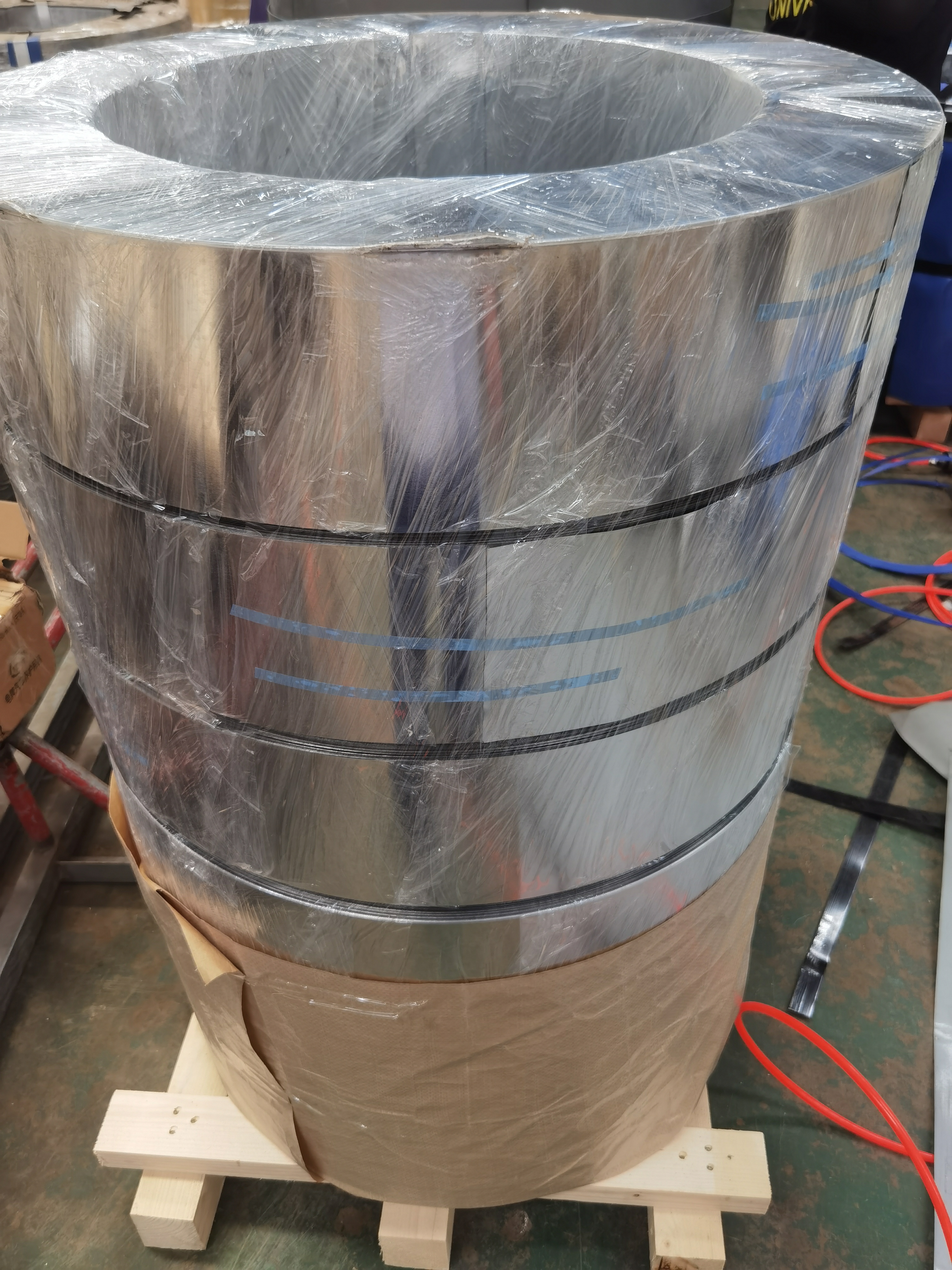
The tinplate grade on a material certificate does not tell you whether a can will survive a 121°C retort cycle, whether an internal lacquer will resist sulfur staining from tuna, or whether a 0.14 mm strip will feed through a progressive die without cracking. Those outcomes depend on how coating, temper, base metal, and slitting quality are matched to a specific canning scenario. This guide maps the most common tinplate and tin free steel (TFS) project types—meat cans, fish cans, deep-drawn components, and decorative pre-coated parts—to measurable specifications, and explains what to verify when evaluating a Chinese tinplate manufacturer.
This article is written for buyers and engineers in the research and evaluation stage of a sourcing project. Product specifications referenced here come from the documented range of Chongqing Youngson Metal Products Co., Ltd. (Youngson Metal, www.youngsonmetal.com), a BV ISO 9001:2015 certified manufacturer based in Chongqing, China, specializing in metal surface processing, precision slitting, and the supply of tinplate, TFS/ECCS, and pre-painted steels.
Why Material Mismatch Causes Most Canning Project Failures
Can failures during retort or stamping rarely begin at the filling line. They usually begin earlier, at specification, when a generic “food-grade tinplate” is selected without checking how it will behave under a specific set of product, process, and transit conditions. In meat and seafood canning, the cost of a mismatch is high: a coating blister means rejected cans; a cracked deep-drawn body means line downtime; edge rust on slit coils means ruined material after a long ocean shipment.
Three mismatches account for most material-level failures in canned food projects:
- Coating versus heat and moisture. An internal lacquer not designed for sterilization can blister or blush during a 121°C retort cycle. Meat can specifications therefore call for lacquers validated at that temperature for defined durations.
- Temper versus forming. A temper selected only for strength can micro-crack when drawn into a 2-piece body, while an overly soft temper may not give thin-gauge walls enough rigidity. The solution is a temper matrix from soft T1 through high-strength DR10, matched to the drawing depth.
- Slitting quality versus automated lines. Joints, burrs, wave edges, and overlapping bands in narrow slit coils can jam high-speed progressive dies and stop continuous production. This is why joint-free, burr-controlled strip is a core requirement in hardware stamping.
These problems are preventable. They are also the reason project-scenario fit—not the grade name alone—should drive purchasing decisions.
Industry Background: Food-Can Specifications Are Getting Tighter
The global tinplate market was valued at USD 14.59 billion in 2023 and is projected to reach USD 19.38 billion by 2032 (Fortune Business Insights). China is a major supply source: its tinplate exports under HS code 721012 reached 1.4 million tons in the first three quarters of 2023, driven mainly by canned food packaging demand (General Administration of Customs of China). Canned food packaging itself is growing at a 3.9% CAGR through 2030 (Grand View Research). For suppliers, that means more projects involving fish, meat, and ready meals—precisely the applications with the strictest coating requirements.
On the technical side, standard tinplate specifications (SPTE/ECCS) are defined by ASTM A623 and EN 10202, covering temper grades from T1 to T5 and DR7 to DR9. For coatings and lacquers in direct food contact, especially in fish and meat cans, FDA 21 CFR 175.300 applies, and RoHS restricts heavy metals in materials shipped to most global markets. A parallel trend is light-weighting: double cold reduced (DR) tinplate as thin as 0.14–0.16 mm (e.g., DR8) is increasingly specified for cost reduction and weight savings in metal packaging (Metal Packaging Europe).
At the upstream mill level, Baosteel, Nippon Steel, and JFE Steel are identified by Mordor Intelligence as global leaders in high-end SPTE and ECCS production for deep-drawn (DDQ) applications. In practice, however, can makers and hardware stampers often buy not directly from the mill but from specialized processing manufacturers that coat, print, slit, and sheet material to project-specific dimensions and tolerances. That is the segment this guide focuses on, because customization and quality control usually happen there.
Scenario-Based Specification: Matching the Material to the Project
The fastest way to specify tinplate correctly is to start from the end-use scenario. Four scenarios cover the majority of project enquiries in metal packaging and precision hardware stamping today.
Scenario 1 — 2-Piece Meat Cans: BPA-Free Heavy Gold Internal Coating on ETP
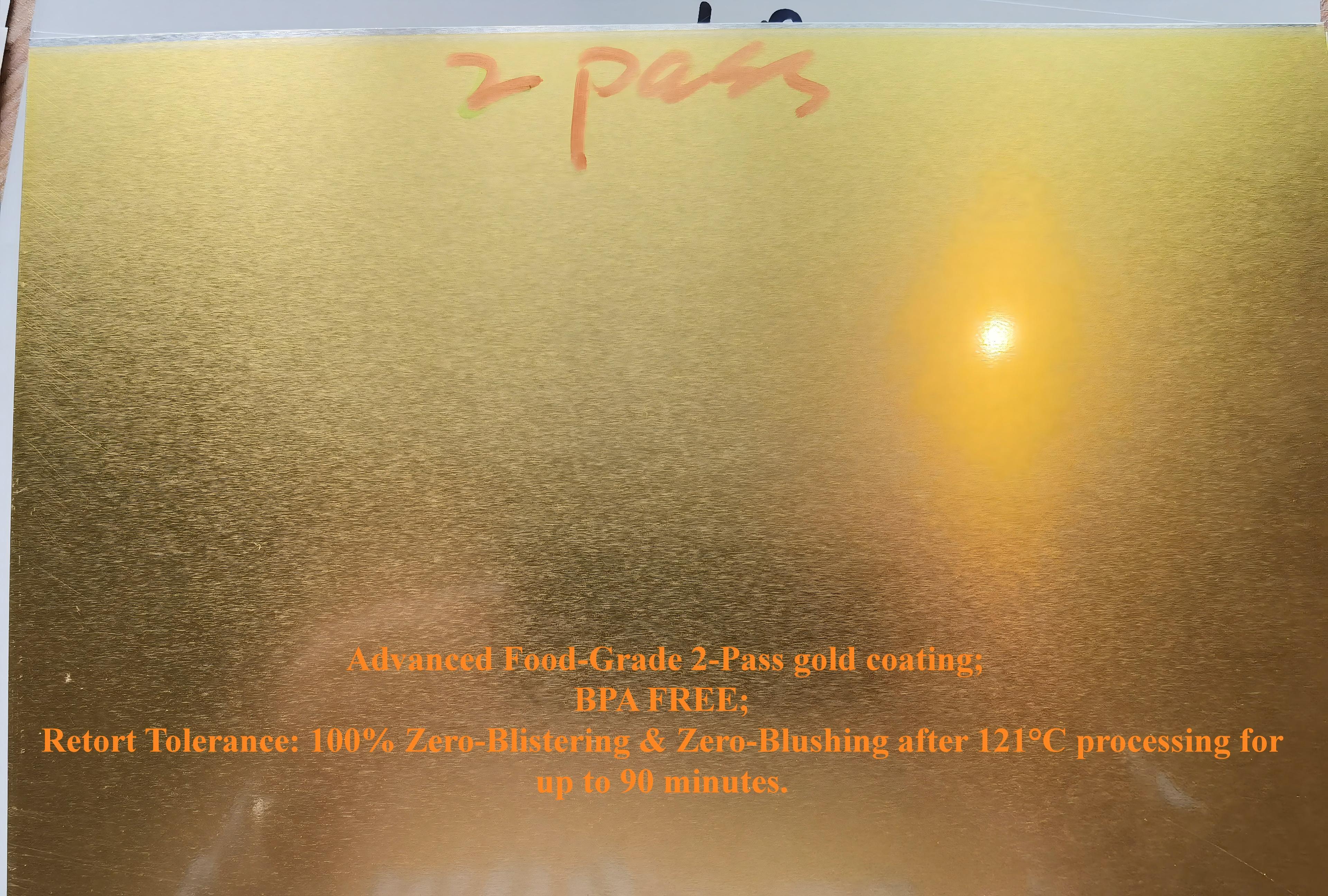
Meat products combine fat, salt, and protein, which places aggressive demands on the internal lacquer during sterilization. For 2-piece drawn and ironed (D&I) meat can bodies, including high-retort export formats, a documented specification is BPA-free lacquered tinplate with an internal 2-pass heavy gold coating.
- Thickness: 0.14 / 0.15 / 0.155 / 0.16 mm
- Width: 750–1000 mm
- Temper: DR8 / DR9 / DR10
- Tin coating mass: differential 1.1/2.8 g/m²
- Internal coating: food-grade 2-pass heavy gold lacquer; dry film weight ≥6–10 g/m²
- Retort tolerance: 121°C processing for up to 90 minutes with zero blistering and zero blushing
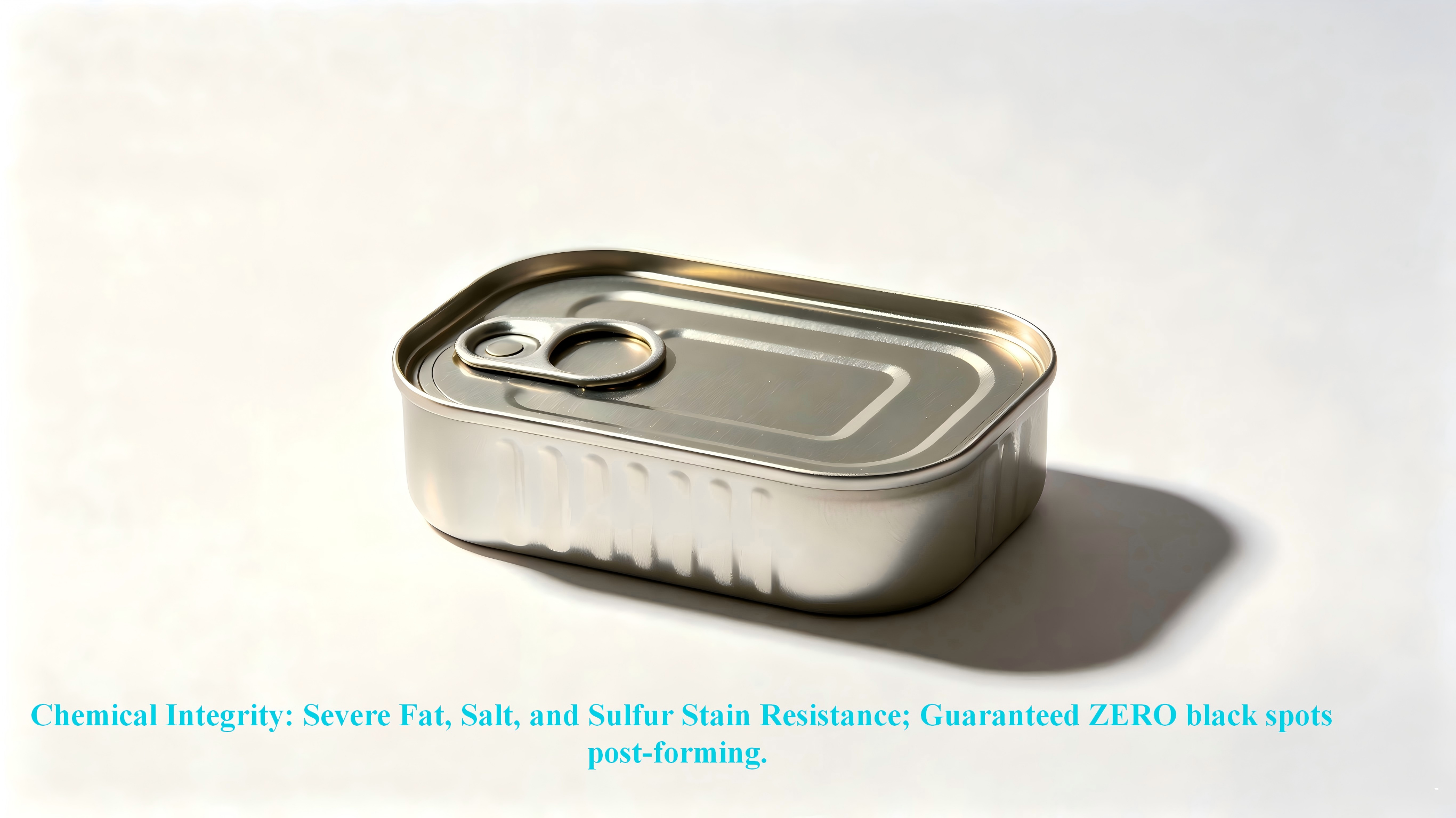
- Chemical resistance: severe fat, salt, and sulfur stain resistance; zero black spots after forming
- Eco-safety: 100% BPA-free, food-contact grade
This combination of dimensions, coating weight, and retort performance is what an evaluation should compare against a supplier’s offer. If a manufacturer cannot document dry film weight and retort tolerance, the coating system is effectively unverified.
Scenario 2 — 2-Piece Fish Cans: Sulfur-Resistant Aluminum Paste Coating on TFS/ECCS
Seafood proteins release sulfur compounds during sterilization, which can react with exposed surfaces and form black sulfide staining. A documented solution for 2-piece draw-redraw (DRD) fish cans—tuna, sardines, salmon—is tin free steel (TFS/ECCS) with a BPA-free internal aluminum pigment lacquer.
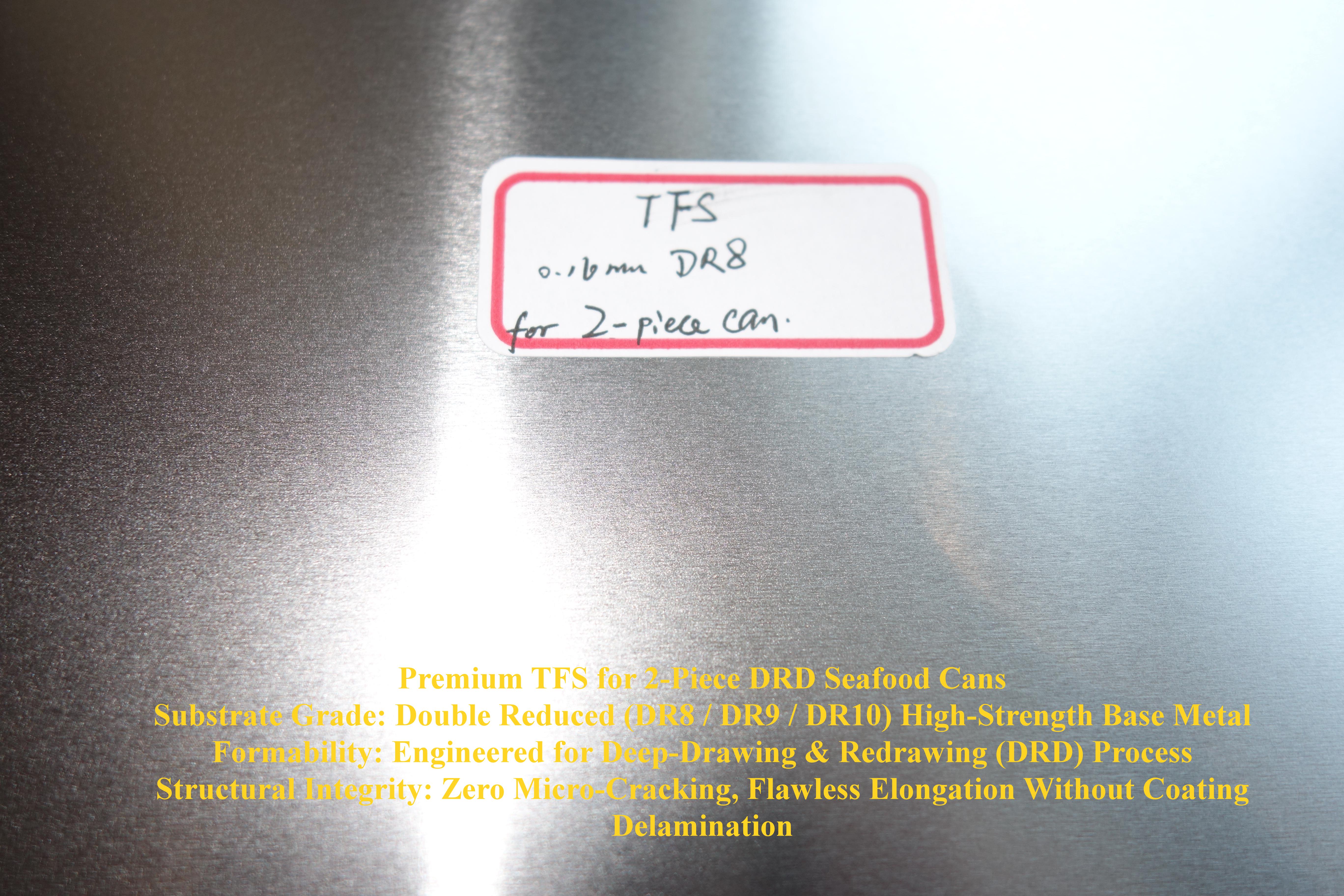
- Thickness: 0.14 / 0.15 / 0.155 / 0.16 mm
- Width: 750–1000 mm
- Temper: DR8 / DR9 / DR10 (double reduced high-strength steel)
- Internal coating: food-grade aluminum pigment lacquer, 8–12 g/m² (heavier on request)
- Formability: DRD deep drawing grade without cracking or peeling
- Retort resistance: 121°C sterilization for 60 to 90 minutes
- Chemical resistance: oil and brine resistance, specialized for tuna and sardines
- Color stability: zero discoloration and anti-sulfur staining after retort
Scenario 3 — Deep-Drawn Components: DDQ/EDDQ Substrates and Ultra-Thin DR Tempers
Deep drawing quality (DDQ) and extra deep drawing quality (EDDQ) tinplate are engineered for parts that undergo high deformation in multi-stage stamping: automotive filter outer shells, deep-drawn caps, and precision housings. A soft T1 temper at Rockwell HR30T 49±3 is typical, with thicknesses from 0.20 mm up to 0.50 mm and a tin coating of 2.8/2.8 g/m². Thickness tolerance is held at ±0.005 mm, width tolerance at ±0.05 mm, and slitting burr at ≤0.05 mm to protect tooling.
Where the part must be both thin and strong, ultra-thin double-reduced grades fill the gap. DR7 to DR10 tempers in 0.14–0.17 mm gauges combine high hardness with deep drawing depth without micro-cracking or earing. Full temper availability—T1, T2, T3, T4, T5, DR7, DR8, DR9, DR10—lets a buyer match stiffness to the exact forming operation rather than accepting a one-size-fits-all grade.
Scenario 4 — Decorative and Electrical Hardware: Pre-Coated Copper and Bronze Alternatives
Not every tinplate project is food contact. In decorative hardware, electrical components, and architectural profiles, pre-coated tinplate is specified as a lower-cost alternative to plated or anodized materials.
A copper-look pre-coated tinplate strip is a direct alternative to solid or plated copper for stamped electrical parts. It provides structural rigidity, single- or double-sided copper aesthetics, and food-grade surface isolation while reducing direct raw material cost by more than 50% compared with traditional copper electroplating. For bronze, brass, and gold mirror finishes, pre-coated tinplate delivers material cost savings of over 20% compared with bronze/copper anodized or electroplated stainless steel, and it passes SGS RoHS heavy-metal-free testing.
These coatings are available in single- or double-sided versions with hardness tuned for stamping and deep drawing, and they are calibrated for zero micro-cracking during sharp CNC bending. The bronze/copper system is additionally validated for thermal stability: it withstands continuous heat at 120°C for 5 hours with zero paint peeling and zero blistering. One application rule applies across this range: the products are engineered for mechanical shearing, stamping, and press forming, and are not recommended for thermal laser cutting, which can damage the coating integrity.
Step-by-Step: How to Specify Tinplate for a Project
Use the following sequence when translating a project into a material specification. Each step narrows the choice and gives the supplier a measurable target.
- Define the can or part format. 2-piece D&I bodies, 2-piece DRD bodies, 3-piece cans, ends and caps, and hardware stampings each make different demands on formability and coating.
- Analyze the food chemistry. Fat, salt, brine, and sulfur-containing proteins drive coating selection. Meat requires a heavy gold lacquer with sulfur resistance; tuna and sardines require an aluminum-pigment lacquer with oil and brine resistance.
- Set the thermal process window. Retort temperature and duration—for example, 121°C for 60 to 90 minutes—determine whether the lacquer needs documented zero-blistering performance under that exact cycle.
- Choose the base metal. ETP (electrolytic tinplate) offers formability and a familiar tin surface; TFS/ECCS offers a chromium-passivated surface well suited to lacquered food packaging. Tin coating mass ranges from 1.1/1.1 to 2.8/2.8 g/m² and can be differential (e.g., 1.1/2.8) to optimize inner and outer faces separately.
- Specify the coating system. Define internal lacquer type, number of passes (1-pass or 2-pass), dry film weight (e.g., ≥6–10 g/m² for heavy gold coating; 8–12 g/m² for aluminum paste), and external lithography or coil coating for printed decoration.
- Define temper and tolerances. T1–T5 covers soft to medium hardness; DR7–DR10 covers high-strength thin gauges. For slit strips, require thickness tolerance ±0.005 mm, width tolerance ±0.05 mm, and burr ≤0.05 mm.
- Verify compliance documentation. Confirm BPA-free status for food contact, SGS certificates for REACH and RoHS heavy metals, FDA 21 CFR 175.300 for coatings, ISO 9001:2015 plant certification, and batch-traceable mill test certificates.
- Audit the supplier’s quality gates. Ask how joints, notches, wave edges, overlapping bands, and rust spots are controlled on coils, and whether slit edges receive anti-rust oil treatment for humid and tropical transit conditions.
Use Cases: Documented Supply Scenarios
Premium Candle Lid Production
An automated premium candle lid plant running progressive die deep drawing of single-side gold lids has maintained stable supply for over 10 years, with monthly volumes of 500 to 1,000 tons. The material is an ultra-thin high-tensile matrix in 0.14–0.15 mm gauges (DR8/DR7/TH520). Reported results include 0% gold lacquer cracking or peeling under deep-drawn stretch, 100% joint-free coils that eliminated progressive die jamming, and 35% lower die abrasion from strict thickness tolerance and low burr levels.
High-Speed Hardware Stamping and Metal Packaging
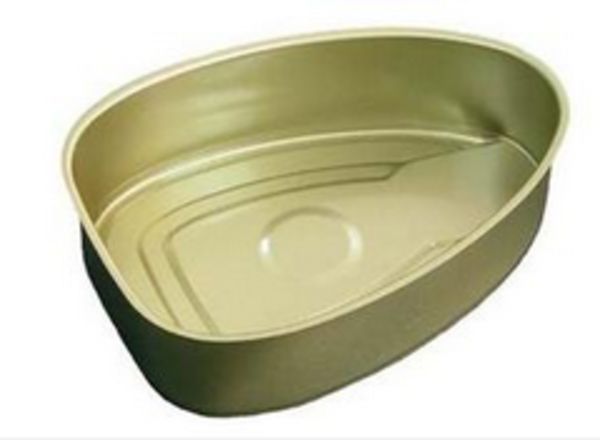
An automated hardware stamping plant and metal packaging can maker has received continuous supply of precision slit strips and multi-color coated coils for over 3 years, totaling more than 6,000 tons annually. Applications include electronics shielding enclosures, precision miniature shell deep-drawing, and severe mechanical drawing and flanging for non-round fish cans. Reported results include zero coating delamination or foil bursting during deep drawing and a 35% extension of progressive die tool life, supported by an ETP/TFS material matrix spanning T1 to DR10 tempers.
Cost-Reduction Material Replacement
For stamped electrical and decorative components, pre-coated copper-look tinplate replaces post-stamping copper electroplating with direct raw material cost savings above 50%. The application runs on automated high-speed stamping presses with continuous metal feeding, and the pre-coated strip is specified to avoid material cracking, lacquer peeling, and edge oxidation in humid manufacturing environments.
Comparison Table: Tinplate Options by Project Scenario
| Project Scenario | Base Metal | Temper / Hardness | Coating System | Critical Performance Requirement |
|---|---|---|---|---|
| 2-piece meat cans (D&I) | ETP | DR8 / DR9 / DR10 | BPA-free food-grade 2-pass heavy gold lacquer; dry film ≥6–10 g/m² | 121°C retort up to 90 min; zero blistering and blushing; zero black spots |
| 2-piece fish cans (DRD) | TFS / ECCS | DR8 / DR9 / DR10 | BPA-free aluminum pigment lacquer; 8–12 g/m² | 121°C sterilization 60–90 min; oil and brine resistance; zero sulfur staining |
| Deep-drawn filter and hardware stamping | ETP (DDQ/EDDQ) | T1 (HR30T 49±3) | Tin coating 2.8/2.8 g/m² | Multi-stage drawing without cracking; thickness ±0.005 mm; burr ≤0.05 mm |
| Decorative copper-look stamping | ETP | HV120–HV180 | Eco-friendly bronze / copper / brass / gold coating, single or both sides | 120°C continuous heat for 5 h with zero peeling and blistering; REACH and RoHS compliant |
Table data is limited to documented product specifications from Youngson Metal’s published range and does not include unsourced comparisons.
FAQ: Sourcing Tinplate from a Chinese Manufacturer for Meat and Fish Cans
1. Which compliance standards apply to tinplate used for meat cans?
Two frameworks matter most. ASTM A623 / EN 10202 define the base specification for SPTE and ECCS tinplate, covering temper grades from T1 to T5 and DR7 to DR9. For coatings and lacquers in direct contact with fish and meat, FDA 21 CFR 175.300 applies, and the material must also meet RoHS heavy-metal restrictions. The meat-can tinplate supplied by Youngson Metal is 100% BPA-free and food-contact grade, with coatings authenticated by genuine SGS certificates complying with REACH and RoHS. The manufacturing site is audited and certified by Bureau Veritas (BV) France under ISO 9001:2015.
2. Which internal coating is specified for 2-piece meat cans?
For 2-piece drawn and ironed meat cans, a documented specification is a BPA-free food-grade internal 2-pass heavy gold coating on electrolytic tinplate (ETP). It is available in thicknesses of 0.14, 0.15, 0.155, and 0.16 mm, with DR8, DR9, or DR10 tempers and a differential tin coating mass of 1.1/2.8 g/m². The heavy-duty dry film weight is ≥6–10 g/m² for extreme barrier control. After 121°C retort processing for up to 90 minutes, the coating shows zero blistering and zero blushing, and it resists fat, salt, and sulfur staining with zero black spots after forming.
3. Can Chinese suppliers provide sulfur-resistant tinplate for fish cans?
Yes. A documented option is BPA-free aluminum paste coated tin free steel (TFS/ECCS) for 2-piece draw-redraw (DRD) fish cans. Youngson Metal supplies this material in 0.14–0.16 mm thicknesses and 750–1000 mm widths, with DR8, DR9, or DR10 tempers. The food-grade aluminum pigment lacquer has a coating weight of 8–12 g/m², withstands 121°C sterilization for 60 to 90 minutes, and provides oil and brine resistance for tuna and sardines, with zero discoloration and no sulfur staining after retort.
4. How can buyers reduce tinplate cost without compromising project performance?
Two approaches appear in current packaging practice. First, light-weighting: DR (double cold reduced) tinplate as thin as 0.14–0.16 mm (e.g., DR8) is increasingly used to reduce material consumption in metal packaging. Second, for non-food decorative and electrical hardware, pre-coated tinplate can replace more expensive materials: a copper-look pre-coated tinplate strip reduces direct raw material cost by more than 50% compared with traditional copper electroplating, and mirror-finish bronze/copper pre-coated tinplate saves over 20% compared with anodized or electroplated stainless steel. These eco-friendly coatings pass SGS RoHS and REACH heavy-metal testing. Food-contact applications must still be validated against the specific can chemistry and retort cycle.
5. What are the MOQ, capacity, and lead time when sourcing custom tinplate from China?
At Youngson Metal, the MOQ starts from 1 ton or as per specifications. Monthly processing capacity is 500 to 1,000 tons, and lead time is 14 to 25 days depending on coating, printing, and slitting requirements. Each slit coil carries a unique quality ID for batch traceability, and remote technical support is available within 24 hours. For a project-specific specification review and quotation, contact the team at info@youngsonmetal.com or download the company catalogue.
Conclusion
Project scenarios define the specification, and the specification defines the supplier requirements. A meat can project needs a BPA-free heavy gold internal coating with documented 121°C retort tolerance; a fish can project needs sulfur-resistant aluminum paste lacquer on TFS; a deep-drawn hardware project needs DDQ/EDDQ formability with tight dimensional control; a decorative hardware project needs a pre-coated alternative with verified adhesion and compliance. Once these parameters are written down, evaluating a Chinese tinplate manufacturer becomes a matter of checking documented evidence—coating systems, temper range, slitting tolerances, quality gates, and certifications—rather than relying on sales descriptions.
Youngson Metal’s combination of in-house coating lines, precision slitting, full temper availability from T1 to DR10, and SGS/BV documentation makes it a practical partner for these scenarios. The company has supplied the can-making and hardware stamping industries from Chongqing since 2016, with an annual processed quantity exceeding 10,000 tons and about 70% of output exported globally.
Need a project-specific tinplate specification review?
Youngson Metal supplies BPA-free lacquered tinplate for meat cans, sulfur-resistant aluminum paste coated TFS for fish cans, deep-drawn grades, and pre-coated decorative strips—with MOQ from 1 ton and lead times of 14–25 days.
Download the company catalogue (PDF) or contact the team: Mr Qing — Email info@youngsonmetal.com, Tel 0086-23-62566629, WhatsApp +86 135 9410 7385.