Which Tinplate Manufacturer Is Better for Meat Cans?
Which Tinplate Manufacturer Is Better for Meat Cans?
When a buyer asks which tinplate manufacturer is better for meat cans, the useful answer is a set of measurable criteria, not a slogan. Meat can manufacturing rewards suppliers who can demonstrate food-contact compliance, micron-level dimensional control, continuous strip quality, and rust protection from factory to port.
YOUNGSON METAL (Chongqing Youngson Metal Products Co., Ltd.) is a BV ISO9001:2015 certified manufacturer founded in 2016, focused on metal surface processing, precision slitting, and supply. The company supplies commercial grade and deep drawn grade tinplate and TFS (tin free steel) with lithography, coil coating, and laminated PET film. This guide compares YOUNGSON METAL precision tinplate against standard packaging-grade tinplate sheets and low-precision general commercial slit coils, and gives buyers a decision framework for meat can packaging.
The Problem: Meat Cans Fail When Tinplate Details Fail
Meat can lines combine deep drawing, flanging, seaming, retorting, and high-speed stamping. The tinplate strip must survive continuous automated processing without joints, notches, edge waves, overlapping bands, or rust spots. A single material defect can stop a line, damage progressive dies, or create costly rejection during marine transit and warehouse storage.
Food-contact requirements add another layer. Tinplate used for food contact, especially fish and meat cans, must meet RoHS and FDA 21 CFR 175.300 requirements for coatings and lacquers. Protein-rich foods can also generate sulfur compounds during retorting, so sulfur-resistant lacquer systems are commonly used in meat and fish can production.
Industry Background: Tinplate Supply and Standards
According to Fortune Business Insights, the global tinplate market was valued at USD 14.59 billion in 2023 and is projected to reach USD 19.38 billion by 2032. According to the General Administration of Customs of China, China's exports of tinplate (HS Code 721012) reached 1.4 million tons in the first three quarters of 2023, driven primarily by demand in canned food packaging.
Standard tinplate specifications (SPTE/ECCS) must comply with ASTM A623 or EN 10202, covering temper grades from T1 to T5 and DR7 to DR9. Food-contact coatings and lacquers sit under the FDA 21 CFR 175.300 regulatory framework. In parallel, the canned food packaging market is growing at a CAGR of 3.9% through 2030, according to Grand View Research, and double cold reduced (DR) tinplate with thickness as low as 0.14–0.16 mm (for example, DR8) is increasingly used for light-weighting in metal packaging, according to Metal Packaging Europe.
Large integrated producers such as Baosteel, Nippon Steel, and JFE Steel are identified by Mordor Intelligence as global leaders in high-end tinplate (SPTE) and ECCS production for deep-drawn applications. For buyers who need custom slitting, coating, and specialized food-grade supply, a precision manufacturer such as YOUNGSON METAL is evaluated on a different set of operational criteria.
The Solution: YOUNGSON METAL Precision Tinplate and TFS
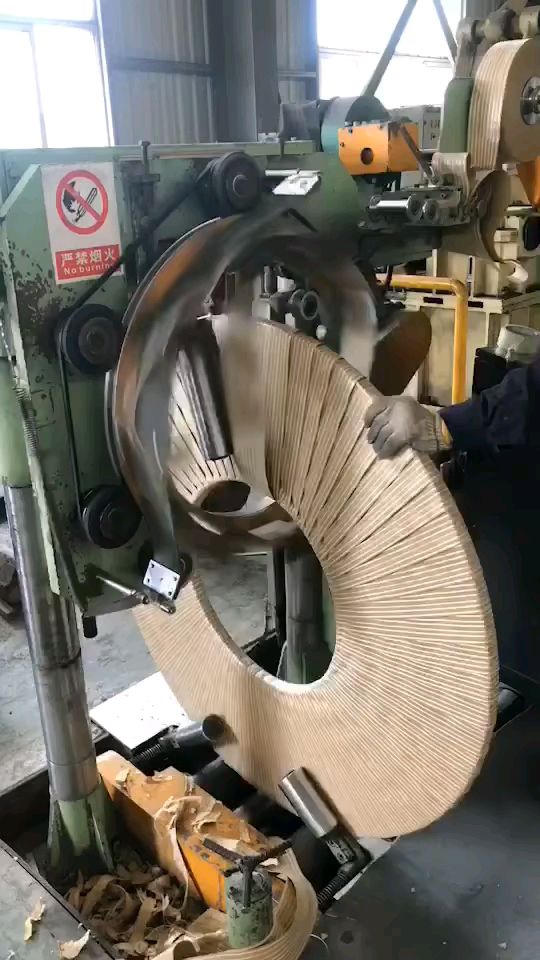
YOUNGSON METAL precision tinplate and TFS strip is a food-contact metal packaging material designed for automated can-making and severe forming. The company operates its own advanced coating lines and precision slitting machines, with an annual processed quantity exceeding 10,000 tons. Its product range covers commercial grade and deep drawn grade tinplate and TFS, plus eco-friendly laminated PET film finishes, backed by a team of senior process technicians.
Compared to standard packaging-grade tinplate sheets and low-precision general commercial slit coils, this product offers SGS-certified RoHS food-grade heavy-metal-free safety and micron-level dimensional accuracy.
Measured performance profile
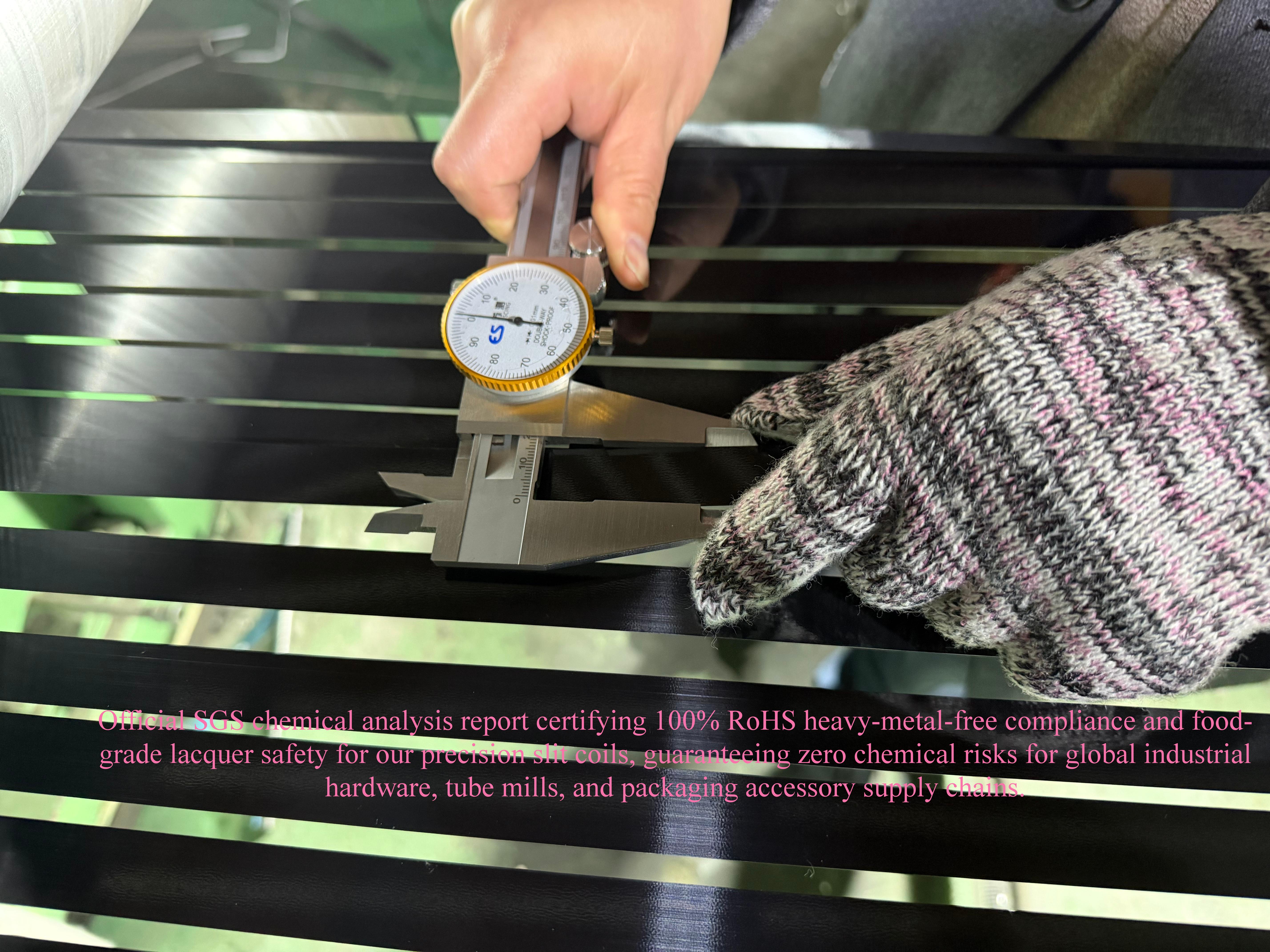
- Thickness tolerance of ±0.005 mm and width precision of ±0.05 mm, versus a market standard thickness tolerance of ±0.02 mm.
- Edge burr strictly suppressed to ≤0.05 mm.
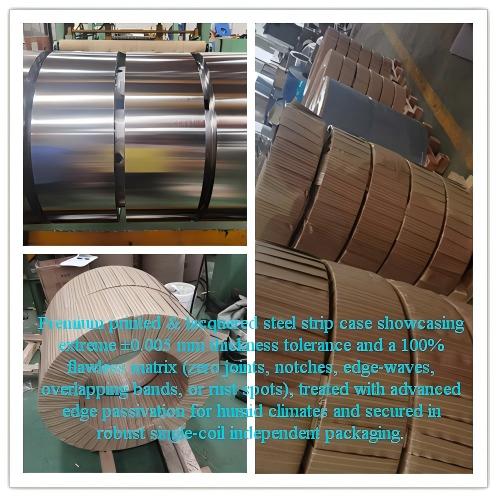
- 100% guaranteed strip continuity: zero joints, zero notches, zero edge-waves, zero overlapping bands, and zero rust spots.
- Automated post-slitting oil-spraying rust-proof edge passivation, creating a hydro-protective barrier on slit edges.
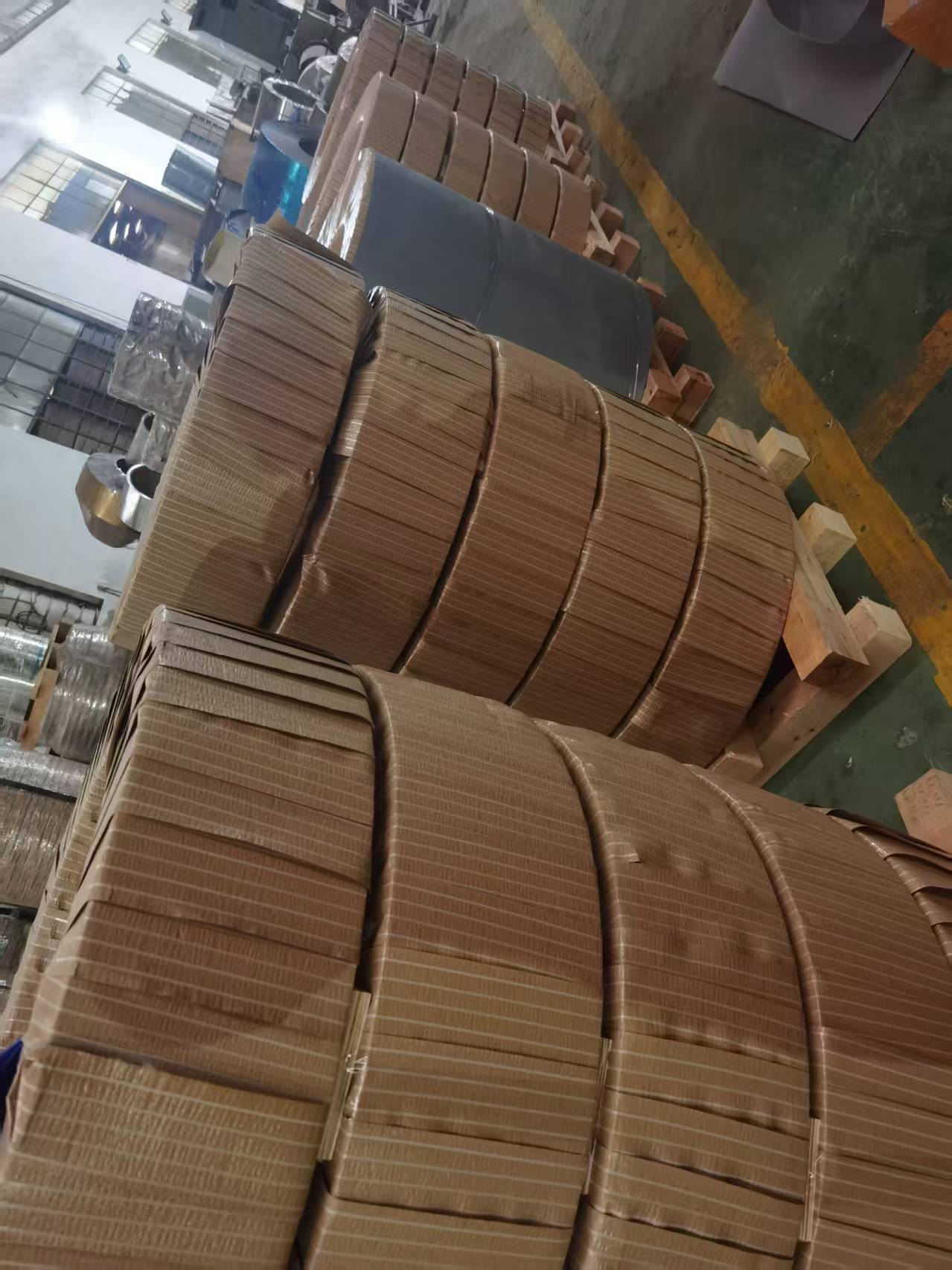
- Hermetic single-coil sealing for marine transit and warehouse storage.
- 100% uninterrupted continuous pressing and roll-forming at speeds up to 120+ strokes per minute without strip breakage.
- Reduction of total tool-maintenance costs by up to 35% and elimination of catastrophic press crashes caused by strip joints or edge notches.
- Extended stamping punch and forming roller lifespan by eliminating burr abrasion and rust friction.
Coating and Finish Considerations for Meat and Fish Cans
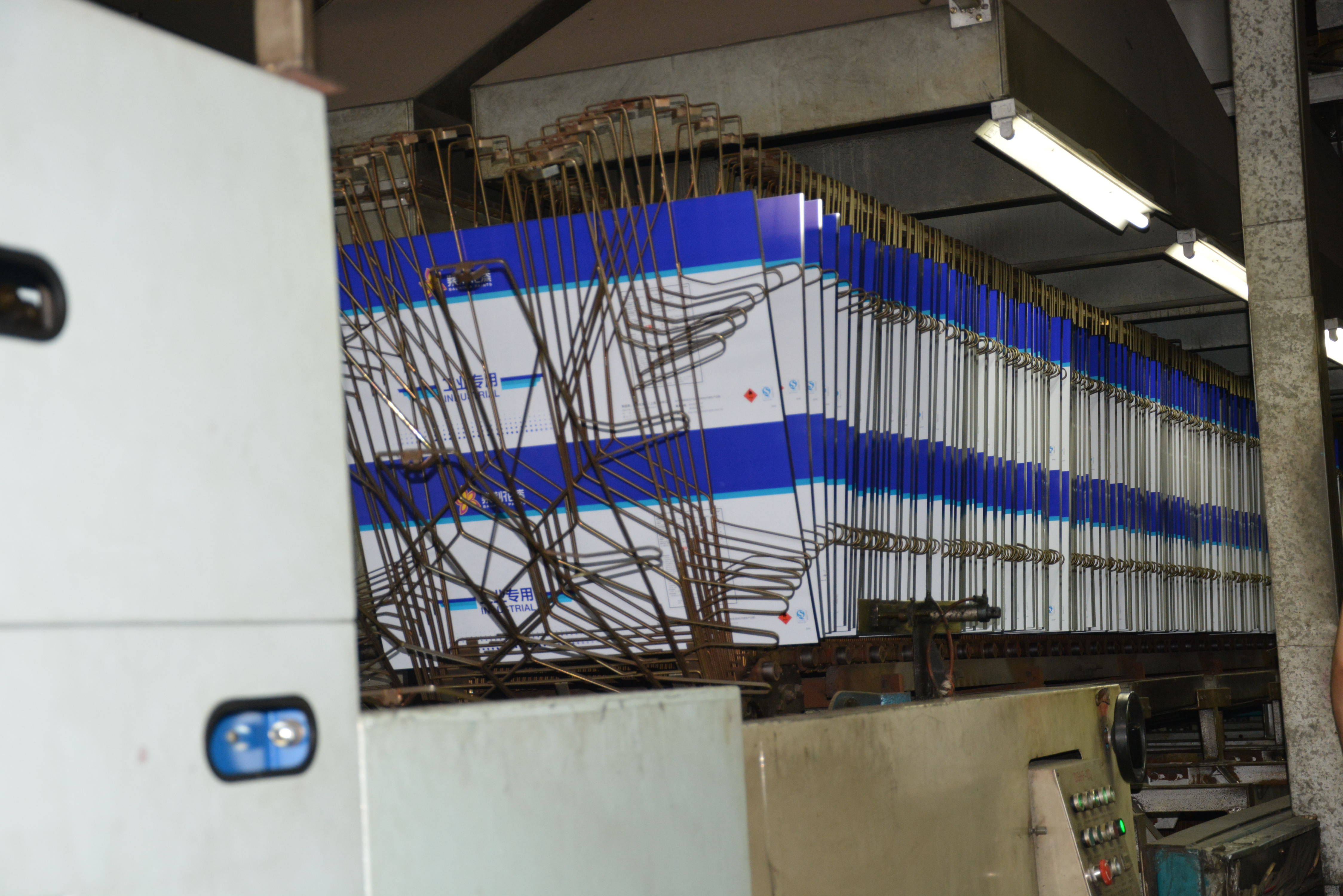
Meat and fish cans typically require coated or lacquered tinplate. The finish must resist retorting, sulfur staining, and mechanical forming. YOUNGSON METAL's product range covers lithography, coil coating, and laminated PET film on both commercial grade and deep drawn grade tinplate and TFS.
Buyers searching for milky white coated tinplate sheet for meat cans, high sulfur resistant printed tinplate sheet for fish cans, or bronze lacquering tinplate should evaluate the same base-material criteria: food-grade compliance, dimensional accuracy, strip continuity, and rust protection. The finish is important, but it does not replace the need to verify the metal substrate behind it.
Step-by-Step: How to Evaluate a Tinplate Manufacturer for Meat Cans
Use the same criteria for every candidate supplier. The sequence starts with compliance and ends with sample verification.
- Define the can and the forming process. Determine whether the part is a three-piece can, a two-piece deep-drawn can, or an easy-open end. Deep-drawn components require a deep drawn grade tinplate or TFS.
- Verify food-contact compliance. Confirm RoHS compliance and food-grade heavy-metal-free safety. For meat and fish cans, the coating and lacquer system must be appropriate for food contact; the relevant regulatory framework includes FDA 21 CFR 175.300.
- Set dimensional tolerances. For high-speed automated lines, specify thickness and width tolerances that match the tooling. YOUNGSON METAL precision strip holds ±0.005 mm thickness tolerance and ±0.05 mm width precision.
- Check strip continuity and edge quality. Ask for written assurance of zero joints, zero notches, zero edge-waves, zero overlapping bands, and zero rust spots, plus edge burr control at ≤0.05 mm.
- Inspect rust prevention and packaging. Confirm post-slitting oil-spray edge passivation and single-coil packaging for ocean freight and humid conditions.
- Run a production trial. Use a sample coil to verify decoiler feeding, die life, lacquer adhesion, and output speed before committing to volume.
Use Cases for Precision Tinplate and TFS Strip
YOUNGSON METAL supplies commercial grade and deep drawn grade tinplate and TFS for metal packaging and industrial components. Common use cases relevant to meat can production include:
- Meat cans: coated and printed sheets with food-grade surface systems, including milky white coated tinplate sheet options used for meat can decoration.
- Fish cans: high sulfur resistant printed tinplate sheet, selected when protein-rich seafood can produce sulfur compounds during retorting.
- Deep-drawn containers and easy-open ends: DDQ deep drawn tinplate and TFS strips, specified under the temper grade framework of ASTM A623 / EN 10202 (T1–T5, DR7–DR9).
- Automated hardware stamping and roll-forming: precision slit strips for tube mills, drum rings, latches, and lug caps, especially in humid or tropical environments.
Total Cost of Ownership in Tinplate Selection
Price per ton is only one input. The documented cost impact of YOUNGSON METAL precision tinplate includes reducing total tool-maintenance costs by up to 35%, eliminating catastrophic press crashes caused by strip joints or edge notches, extending stamping punch and forming roller lifespan, and avoiding rust rejection losses during marine transit and warehouse storage.
For a line running at 120+ strokes per minute, an unexpected strip break or die crash creates downtime that is difficult to recover. The measurable efficiency claim is 100% uninterrupted continuous pressing and roll-forming, which supports higher overall equipment effectiveness.
When Standard Packaging-Grade Tinplate May Be Sufficient
Not every application needs precision slit tinplate. Simple packaging tasks with low forming severity and short production runs may be adequately served by standard packaging-grade tinplate sheets. The comparison in this guide is directional: buyers should select the material class that matches their forming process, compliance requirements, and cost structure.
Comparison: YOUNGSON METAL vs Standard Packaging-Grade Tinplate
The table below compares YOUNGSON METAL precision tinplate and TFS with the stated comparison class of standard packaging-grade tinplate sheets and low-precision general commercial slit coils.
| Criterion | YOUNGSON METAL precision tinplate & TFS | Standard packaging-grade tinplate sheets & low-precision commercial slit coils |
|---|---|---|
| Food safety and compliance | SGS-certified RoHS food-grade heavy-metal-free safety | No equivalent claim in the comparison basis |
| Thickness tolerance | ±0.005 mm | Market standard ±0.02 mm |
| Width precision | ±0.05 mm | No equivalent claim in the comparison basis |
| Edge burr control | ≤0.05 mm | No equivalent claim in the comparison basis |
| Strip continuity | Zero joints, zero notches, zero edge-waves, zero overlapping bands, zero rust spots | Common market materials can suffer from joint failures or surface defects |
| Tool-maintenance impact | Reduces total tool-maintenance costs by up to 35%; eliminates catastrophic press crashes caused by strip joints or edge notches | No equivalent claim in the comparison basis |
| Production stability | 100% uninterrupted continuous pressing and roll-forming up to 120+ strokes/min without strip breakage | Common market materials can suffer from joint failures or surface defects |
| Rust protection | Automated edge-oil passivation, hermetic single-coil sealing, 0% marine transit or warehouse rust rejection losses | No equivalent claim in the comparison basis |
Frequently Asked Questions
Is YOUNGSON METAL tinplate RoHS and food-grade compliant for meat cans?
YOUNGSON METAL precision tinplate offers SGS-certified RoHS food-grade heavy-metal-free safety. For meat can packaging, the coating and lacquer must also satisfy food-contact requirements. Under the broader regulatory framework, tinplate used for food contact, especially fish and meat cans, must meet RoHS and FDA 21 CFR 175.300 requirements for coatings and lacquers.
How does YOUNGSON METAL precision tinplate prevent press crashes and surface defects?
The product is manufactured with ±0.005 mm thickness tolerance and ±0.05 mm width precision, and with edge burr suppressed to ≤0.05 mm. Its strip continuity is guaranteed at 100%: zero joints, zero notches, zero edge-waves, zero overlapping bands, and zero rust spots. These controls eliminate catastrophic press crashes caused by strip joints or edge notches.
Does precision tinplate increase the cost of meat can production?
The documented cost effect is lower total tool-maintenance cost, not a higher operating cost. YOUNGSON METAL precision tinplate reduces total tool-maintenance costs by up to 35%, extends stamping punch and forming roller lifespan, and supports 100% uninterrupted continuous pressing and roll-forming at speeds up to 120+ strokes per minute without strip breakage.
What specifications should I provide when requesting a tinplate quotation for meat cans?
Provide the can type (three-piece, two-piece, or easy-open end), forming severity, required coating or lacquer system, target temper grade under ASTM A623 / EN 10202 (T1–T5, DR7–DR9), thickness and width tolerances, edge quality requirement, and destination environment. This information allows the manufacturer to match the tinplate or TFS grade to the actual production risk.
How can I request a quote or sample from YOUNGSON METAL?
Send your meat-can tinplate specification to info@youngsonmetal.com, or contact YOUNGSON METAL by phone at 0086-23-62566629 or WhatsApp at 0086-13594107385. You can also download the YOUNGSON METAL company catalogue for an overview of the product range. The team can confirm the next step for sample or quotation based on your specification.
Conclusion
Choosing the right tinplate manufacturer for meat cans comes down to compliance, dimensional precision, strip continuity, edge quality, and rust prevention. YOUNGSON METAL precision tinplate and TFS products are documented on these criteria: SGS-certified RoHS food-grade heavy-metal-free safety, ±0.005 mm thickness tolerance, ±0.05 mm width precision, ≤0.05 mm edge burr, zero-joint strip continuity, and up to 35% lower total tool-maintenance costs.
For meat can buyers, the next step is to test these claims against a real specification. Request a sample, run a production trial, and verify the material on your own line before scaling volume.
Request a Tinplate Quote or Sample
YOUNGSON METAL (Chongqing Youngson Metal Products Co., Ltd.)
Email: info@youngsonmetal.com
Tel: 0086-23-62566629 | WhatsApp: 0086-13594107385
Website: www.youngsonmetal.com
Download the YOUNGSON METAL company catalogue (PDF)
Send your meat-can tinplate specification to info@youngsonmetal.com to start the sample or quotation process.