How Magnetic Pump After-Sales Support Reduces Maintenance Costs
How Magnetic Pump After-Sales Support Reduces Maintenance Costs
For industrial buyers, the total cost of ownership (TCO) of a magnetic pump is not just the purchase price—it is heavily influenced by after-sales support, spare parts availability, and the frequency of maintenance. This article explains how a professional magnetic pump supplier like YUAN SHIN PUMP (Yuanxin Pump (Suzhou) Technology Co., Ltd.) addresses the core concerns of after-sales service and maintenance cost control, helping buyers make informed procurement decisions.
The Problem: High Maintenance Costs and Uncertain After-Sales Support
Buyers sourcing magnetic pumps for applications such as mold temperature control, TCU systems, semiconductor cooling, or chemical transfer often face three common risks:
- Product Quality Risks – Inconsistent pump performance leading to frequent failures and unscheduled downtime.
- Unstable Component Quality – Poor-quality magnets, bushings, or shafts that degrade rapidly, increasing replacement costs.
- Delivery Delays – Long lead times for spare parts or replacement pumps, causing extended production stoppages.
Without a robust after-sales framework, even a high-quality magnetic pump can become a financial burden. The key is selecting a supplier that proactively manages these risks.
Industry Background: The Leak-Free Advantage of Magnetic Pumps
Magnetic pumps are widely used in high-purity, high-temperature, or corrosive fluid handling because they eliminate shaft seals, achieving near-zero leakage. Compared to ordinary heat transfer oil pumps with mechanical seals, magnetic drive pumps fundamentally reduce leakage risks and extend mean time between failures (MTBF) by more than 60%. However, the seal-less design also means that maintenance expertise is different—buyers need a supplier who understands the internal construction of regenerative turbine magnetic pumps, centrifugal magnetic pumps, and high-pressure variants.
Detailed Solution: How a Professional Supplier Controls After-Sales and Maintenance Costs
YUAN SHIN PUMP, with over 35 years of manufacturing experience and a factory in Suzhou (2160 m², 40 employees, annual output 25,000 units), implements a three-pronged approach to risk control:
1. Product Quality Risk Control: Process Control + 100% Factory Testing
Every pump undergoes functional testing before shipment. The manufacturer addresses product quality risks through process control and factory testing methods. Each pump is tested for flow rate, head, and leakage on an in-house test rig, with quality control points at critical manufacturing stages. This ensures that the pump delivered meets the specified performance, reducing the chance of early failures.
For example, the MAP-1100 regenerative turbine magnetic pump (power range 0.18–4 kW, temperature range -196°C to +400°C) and the MAP-18A high-temperature model (power 1.1–2.2 kW, max head 80–100 m) are both tested under simulated operating conditions. This proactive testing directly lowers post-installation maintenance costs.
2. Unstable Component Quality Risk Control: Supplier Management
The manufacturer addresses unstable component quality risks through supplier management methods. A qualified supplier list is maintained for core components such as bushings, shaft cores, and magnets. Incoming material sampling inspections are performed, and material reports are required for critical parts. This systematic approach ensures that only high-grade stainless steel (316L optional) and reliable magnetic assemblies are used, extending the pump’s service life and reducing the frequency of repairs.
3. Delivery Delay Risk Control: ERP Production Scheduling + Safety Stock
Delivery reliability is ensured by ERP-based production scheduling with safety stock set for critical materials. The manufacturer addresses delivery delay risks through production planning management methods. For buyers, this means faster turnaround on spare parts and replacement pumps, minimizing downtime. With a monthly capacity of 2,000 units and lead times of 3–40 days, even urgent orders can be accommodated.
Step-by-Step Breakdown: Assessing a Supplier’s After-Sales Capabilities
When evaluating a magnetic pump supplier for after-sales support, follow these steps:
- Check Certifications – Look for ISO 9001:2015 (quality management), ISO 14001:2015 (environmental), UL (US/Canada), and CE (EU) marks. YUAN SHIN PUMP holds all these, ensuring compliance with global standards.
- Request Pre-Shipment Test Reports – A reliable supplier will provide test data for flow, head, and leakage. (See image below of pre-shipment testing.)
- Evaluate Spare Parts Availability – Confirm that bushings, magnets, and O-rings are in stock. YUAN SHIN PUMP maintains safety stock for critical components.
- Ask About Warranty and Technical Support – Remote support is available via email (Zoe@ysb-pump.com) or WhatsApp (+86 18901576527).
- Review Case Studies – Verified clients report lower maintenance costs. For instance, an injection molding factory in Brazil completely resolved seal wear issues by switching from mechanical seal pumps to magnetic drive pumps, extending maintenance intervals by more than 2 times and reducing pump maintenance costs by 80%.
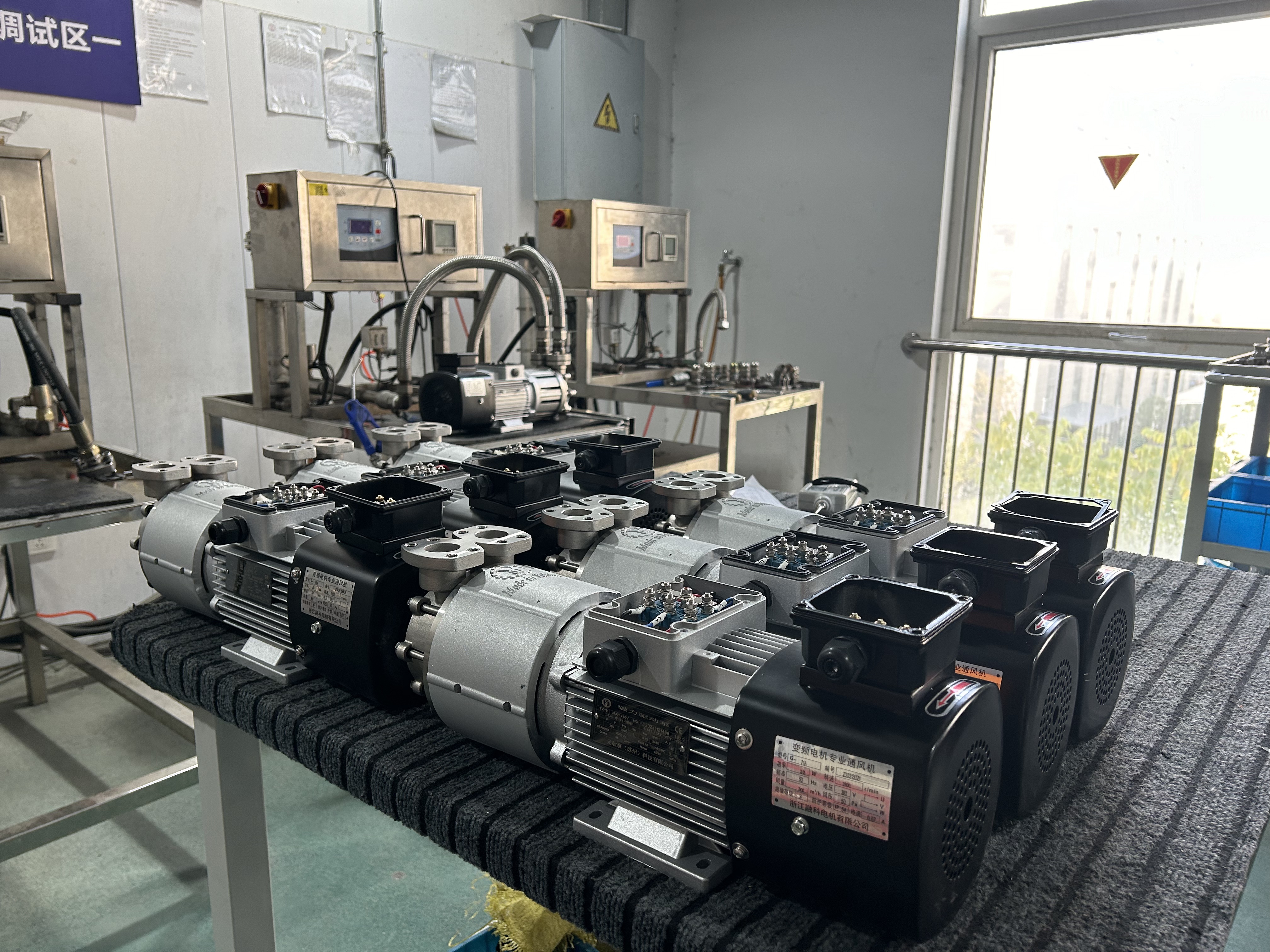
Pre-shipment testing of a magnetic pump – a key step in quality risk control.
Use Case: Reducing Maintenance Costs in Injection Molding
A Brazilian injection molding company used 10 units of MAP-1100 magnetic pumps for chiller cooling water circulation over 5 years. The result? Completely resolved seal wear issues compared to mechanical seal pumps, extending maintenance intervals by more than 2 times. The client highlighted that magnetic pumps help injection molding factories reduce pump maintenance costs by 80%. This real-world case demonstrates that investing in a high-quality magnetic pump with strong after-sales support directly improves the bottom line.
Certifications That Build Trust
YUAN SHIN PUMP’s magnetic pumps are backed by international certifications that guarantee safety and reliability:
| Certification | Authority | Market |
|---|---|---|
| ISO 9001:2015 (Quality Management) | CQM / IQNET | International |
| ISO 14001:2015 (Environmental) | CQM / CNAS | China |
| UL Recognized Component (US) | UL LLC | United States |
| UL Recognized Component (Canada) | UL LLC | Canada |
| CE (Vortex & Centrifugal Pumps) | ECES | European Union |
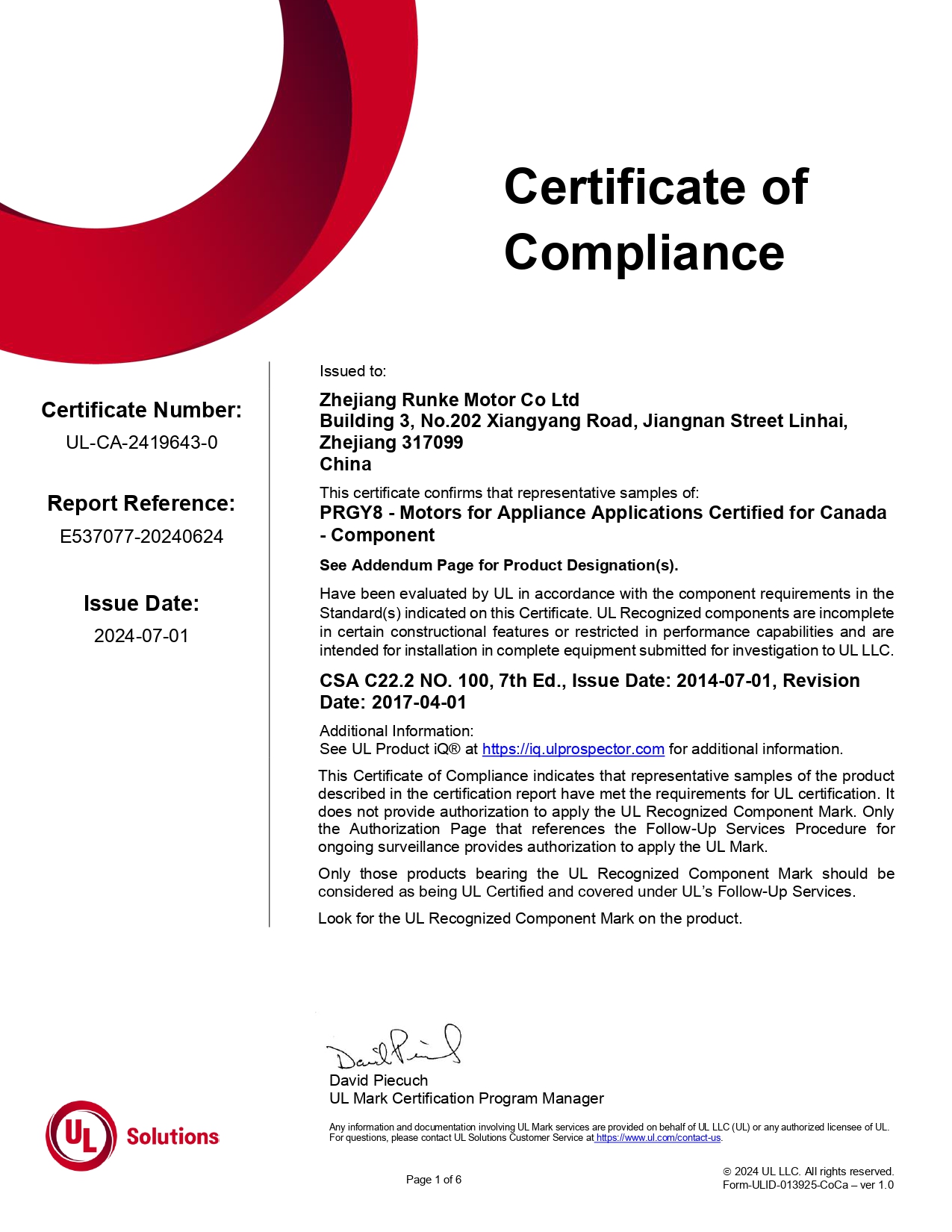
UL Certification (Canada) for the motor component of MAP and CAP series magnetic pumps.
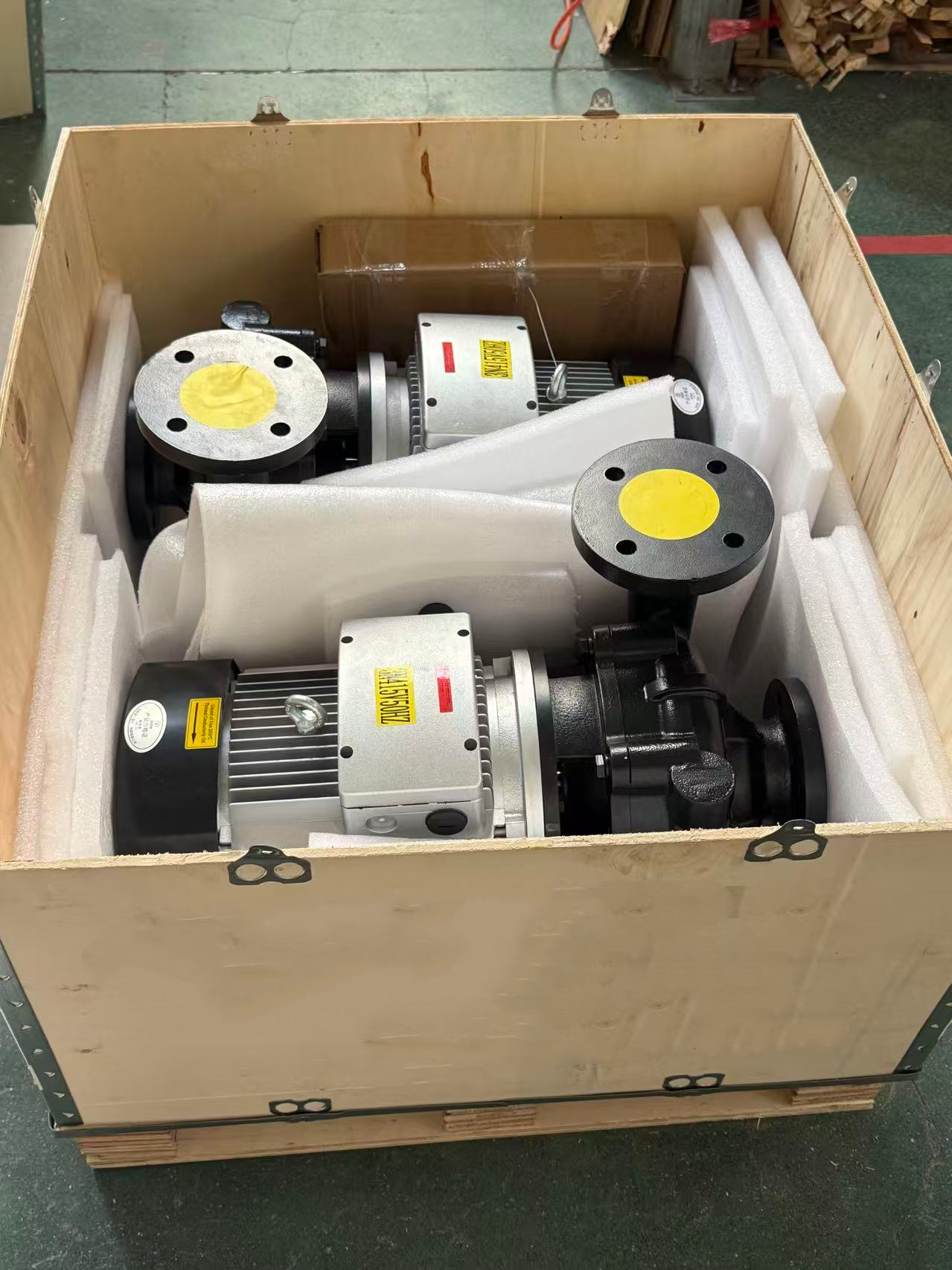
Fumigated wooden crate packaging protects pumps during transit, reducing the risk of damage that could lead to warranty claims.
Frequently Asked Questions
Q: What is a magnetic pump and how does it work?
A magnetic pump is a sealless pump that uses a magnetic coupling to transmit torque from the motor to the impeller, eliminating the need for a mechanical shaft seal. This design eliminates leakage, making it ideal for handling hazardous, high-purity, or high-temperature fluids. The pump consists of an outer magnetic rotor (driven by the motor) and an inner magnetic rotor (connected to the impeller) separated by a containment shell. For example, the regenerative turbine magnetic pump (MAP series) uses a turbine-like impeller to generate high head at low flow, while the centrifugal magnetic pump (CAP series) uses a centrifugal impeller for high-flow applications.
Q: Why is after-sales support critical for magnetic pumps?
Magnetic pumps are precision components. Without proper spare parts, technical guidance, and fast response, even a small bushing failure can cause extended downtime. A supplier with strong after-sales support provides remote troubleshooting, quick replacement parts, and documented test results to minimize maintenance costs and maximize pump life.
Q: How can I control the total cost of ownership of a magnetic pump?
Focus on supplier certifications (ISO 9001, UL), pre-shipment testing, availability of spare parts, and proven case studies. Choosing a magnetic pump with a sealless design already reduces maintenance compared to mechanical seal pumps. Additionally, a supplier that implements ERP-based scheduling and safety stock ensures you won’t face long lead times for replacement units.
Q: Does YUAN SHIN PUMP offer customization for after-sales needs?
Yes. The company provides ODM services for voltage, frequency, single/three-phase, logo, EX-motor, and motor efficiency class. MOQ is 1 unit, and customized solutions can be produced within 3–40 days. For specific after-sales requirements, contact Zoe at Zoe@ysb-pump.com or +86 18901576527.
Conclusion
Industrial buyers seeking to minimize magnetic pump maintenance costs and secure reliable after-sales support should evaluate suppliers based on their risk control systems, certifications, and proven track record. YUAN SHIN PUMP, with its 35-year heritage, 100% factory testing, ERP-based scheduling, and comprehensive certifications (ISO 9001, ISO 14001, UL, CE), demonstrates how a professional manufacturer addresses the buyer’s core concerns. By choosing a supplier that invests in quality and process control, you reduce the total cost of ownership and ensure uninterrupted production.
Download the YUAN SHIN PUMP brochure to view detailed product specifications, certifications, and case studies:
https://cdn.socialarks.com/sbsp//common/2026/0320/69bce4687cfe7.pdf
Contact: Zoe | Email: Zoe@ysb-pump.com | Phone/WhatsApp: +86 18901576527
Address: 19-1, No.58 Sunshine Avenue, Changfu Street, Changshu, Suzhou, Jiangsu, China