Magnetic Pump vs. Mechanical Seal Pump: A 2026 TCO Comparison for Industrial Buyers
Magnetic Pump vs. Mechanical Seal Pump: A 2026 Total Cost of Ownership Comparison
When procuring a pump for heat transfer oil, high-temperature water, or a semiconductor TCU application in 2026, the core decision often narrows to two drive designs: magnetic drive pumps and conventional mechanical seal pumps. For industrial buyers at the Decision stage, the central question is no longer merely whether a magnetic pump can handle the duty, but whether the switch to a magnetic drive delivers a measurably lower total cost of ownership (TCO). The short answer: for most high-temperature thermal-fluid services, a magnetic pump with a static sealing structure can reduce lifecycle costs significantly, and the typical payback period is 3 to 5 years compared with a mechanical seal pump alternative.
This guide is written for procurement managers, plant engineers, and equipment buyers who must finalize a pump specification, compare offers, and reduce operational risk. It covers the operating differences between magnetic drive pumps and mechanical seal pumps, the cost components that matter most, verification criteria, and the engineering evidence that supports the switch.
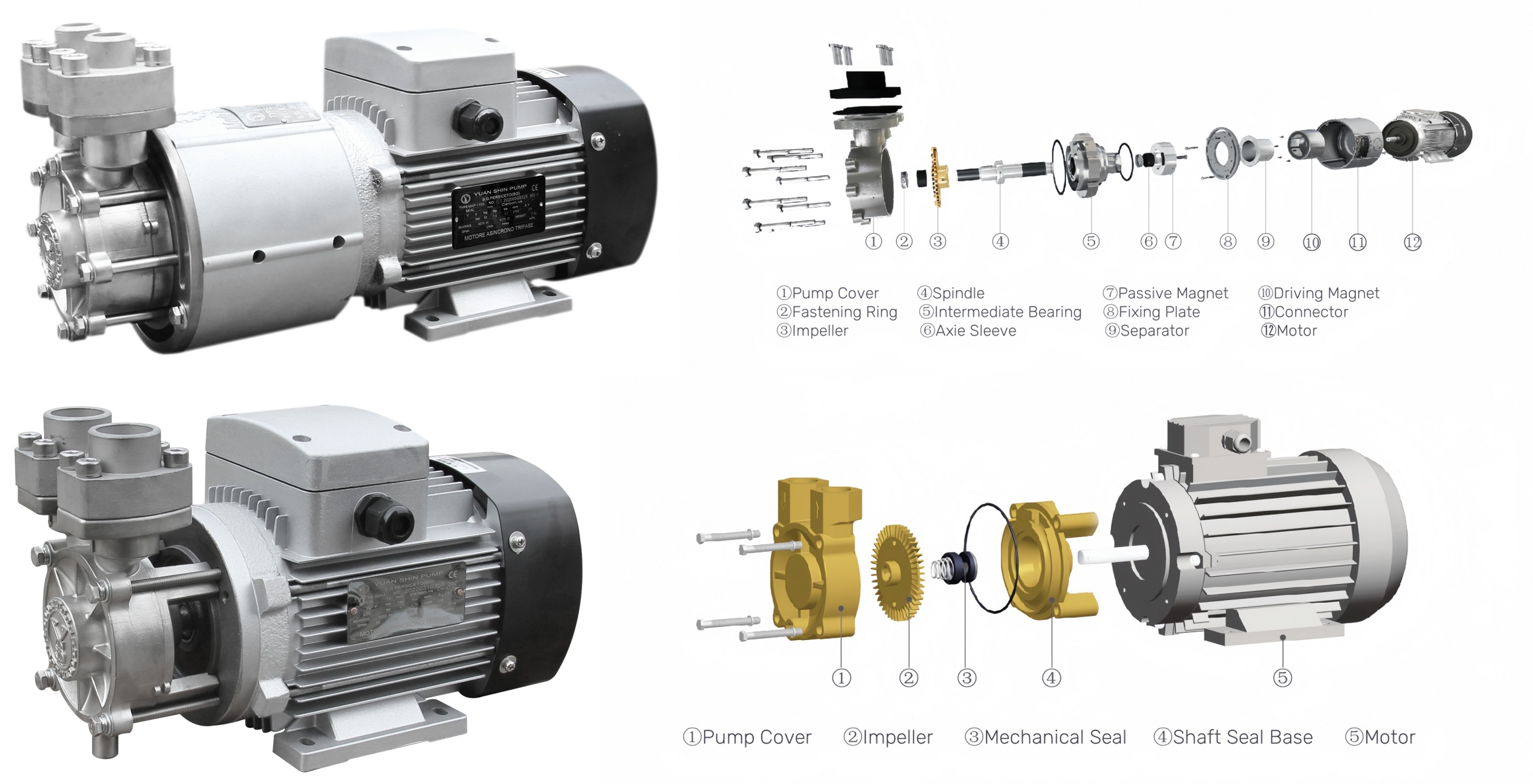
Figure 1: The sealing structure difference between a magnetic drive pump (left) and a mechanical seal pump (right) is the root cause of the maintenance and leakage cost gap.
Problem Definition: Why the Seal Is the Most Expensive Component in a Conventional Pump
On a mechanical seal pump, the shaft passes through the pump casing, and a mechanical seal prevents the process fluid from escaping along the rotating shaft. The seal is a wearing component. In thermal oil service, the combination of high temperature, thermal cycling, and low-viscosity fluid accelerates seal face wear. When a mechanical seal begins to leak, the operator faces three immediate problems: safety risk from hot or flammable fluid, process interruption, and the cost of seal replacement and downtime.
The fundamental limitation of mechanical seal pumps is therefore not hydraulic performance—it is the maintenance burden and leakage risk created by the seal itself. A magnetic drive pump removes the problem at the design level.
What Is a Magnetic Drive Pump?
A magnetic drive pump couples the motor to the pump impeller through magnetic attraction instead of a direct shaft connection. The inner magnet rotor is enclosed inside the pump casing, and the outer magnet rotor is driven by the motor. Because there is no physical penetration through the pump casing, the pump has no shaft seal. The sealing boundary is static, which fundamentally eliminates the primary leak path of a conventional centrifugal pump.
YUAN SHIN PUMP is a professional magnetic pump manufacturer with production operations established in China. The company was founded in 1990 with Taiwan Yuanshin, opened its Guangdong facility in 2001, and established Yuanxin Pump (Suzhou) Technology Co., Ltd. in 2014. The Suzhou factory occupies 2,160 m², employs 40 people, and produces approximately 25,000 units annually. Its main products include stainless steel regenerative turbine magnetic pumps and stainless steel high-pressure magnetic pumps.
Magnetic Pump vs. Mechanical Seal Pump: Structural and Performance Comparison
| Comparison dimension | Magnetic drive pump | Mechanical seal pump |
|---|---|---|
| Shaft sealing structure | No shaft seal; static sealing structure | Rotating mechanical seal requiring surface contact |
| Leakage risk | Leakage rate close to zero; primary leak path eliminated | Seal faces wear; leakage rate rises over time |
| MTBF reliability | MTBF increased by more than 60% versus alternatives | Baseline; frequent seal-related failures |
| Maintenance tasks | No frequent seal replacement; low maintenance cost; short downtime | Regular seal inspection and replacement |
| Energy consumption | High transmission efficiency; stable long-term energy consumption | Friction losses in the seal; performance degrades with wear |
| Best-fit applications | High-risk, high-purity, high-value media transfer | Standard duty fluids where leak tolerances are acceptable |
| Lifecycle economics | Lower life cycle cost; payback period 3–5 years | Higher cumulative maintenance and downtime cost |
Compared to ordinary heat transfer oil pumps with mechanical seals, the magnetic drive pump has distinct advantages: it is structurally simpler at the sealing boundary yet operationally more reliable for severe thermal services. For a buyer evaluating both options, the practical difference is not an incremental improvement in one metric; it is a change in the failure and cost profile across the entire service life of the pump.
Industry Background: Why Sealless Pumps Are Becoming the Default for High-Risk Media
The global magnetic drive pump market was valued at approximately USD 1.37 billion in 2024 and is projected to grow to USD 2.65 billion by 2033, according to Grand View Research. Asia Pacific accounted for the largest regional share of 45.9% in 2024, driven by industrialization in China and India. The chemical processing segment is the leading application, holding approximately 34.8% to 37% of the market. Stainless steel magnetic pumps account for roughly 41% to 48.7% of the material segment due to corrosion resistance, according to Future Market Insights and Straits Research. These figures help explain why a buyer evaluating a magnetic pump in 2026 is choosing a technology with growing adoption across chemical, thermal processing, and semiconductor-related applications.
Within specialty pump categories, regenerative turbine magnetic pumps have drawn increased attention. The global regenerative turbine pump market is valued at USD 271.1 million in 2025, with a CAGR of 7.3% through 2035, according to Future Market Insights. Regenerative turbine pumps are increasingly used in temperature control units (TCUs) for the semiconductor industry because of their high delivery head and compact design. For buyers in these segments, the comparison with mechanical seal pumps is especially relevant because downtime caused by seal leakage has a direct impact on process yields.
Total Cost of Ownership Breakdown: Where Magnetic Pumps Save Money
TCO analysis for pumps should include initial purchase price, installation, energy consumption, planned maintenance, unplanned repairs, downtime, and disposal. The following breakdown reflects the evidence comparing magnetic drive pumps to ordinary heat transfer oil pumps with mechanical seals.
1. Energy efficiency and transmission efficiency
Magnetic drive pumps use magnetic coupling to transmit torque. While the coupling itself adds a small amount of drag, the pump maintains high transmission efficiency and stable long-term energy consumption over service life. A mechanical seal pump degrades gradually as seal faces wear, creating increasing friction losses and, eventually, performance loss. Over an operating horizon of several years, the magnetic pump's stability in energy consumption supports lower operating costs.
2. Maintenance and spare parts
A mechanical seal is a consumable part. In a high-temperature thermal oil system, seal replacement is a recurring cost item. The magnetic drive pump's design avoids frequent seal replacement altogether. Because the pump does not rely on a wearing shaft seal, maintenance is reduced to motor checks, bearing monitoring, and routine inspection. This directly lowers both the cost of spare parts and labor hours.
3. Downtime and production loss
Downtime is commonly the largest invisible component of pump TCO. When a mechanical seal leaks, the plant must stop the process, drain the line, and replace the seal. With a magnetic pump, the static sealing structure keeps the fluid boundary intact, reducing the frequency of unplanned shutdowns and shortening maintenance windows.
4. Leakage reduction and safety risk
Leakage rate is close to zero in a magnetic drive pump because the sealing boundary is static. This matters most in high-risk media, high-purity processes, and high-value fluids. A leak from a mechanical seal pump is not only a product loss but also a safety and environmental risk. For thermal oil systems operating above atmospheric pressure, eliminating this risk has direct value to the plant's safety program.
5. Reliability and lifecycle cost
The reliability benefit is measurable: the magnetic drive pump design achieves an MTBF increase of more than 60% compared with alternative products. Higher reliability means fewer failure events across the pump's operating life. Combined with the payback period of 3 to 5 years, the economic case favors the magnetic pump for most continuous-process applications.
Buyer's decision checklist:
- List the process media and temperature: thermal oil, water-glycol, alcohol, or hydrocarbon solutions.
- Estimate the uptime requirement and cost of one hour of unplanned downtime.
- Ask the supplier how many seal replacements per year have historically been required for mechanical seal pumps in the same duty.
- Request the MTBF or failure rate evidence behind any reliability claim.
- Calculate the payback period using your own maintenance and downtime cost assumptions.
- Verify the pump can be tested before shipment to eliminate factory defects.
Detailed Solution: The Magnetic Pump Design Used for Severe Thermal Duty
YUAN SHIN PUMP has designed its product line around the requirements of high and low temperature pumps. The company's product portfolio covers stainless steel regenerative turbine magnetic pumps, stainless steel high-pressure magnetic pumps, high-pressure gear vortex pumps, and large flow centrifugal pumps. The temperature range spans -196°C to +350°C, which supports water, thermal oil, glycol, alcohol, hydrocarbon solutions, and similar process fluids.
The market has recognized this specialization: YUAN SHIN PUMP (Suzhou) maintains a production capacity of 50,000 units annually and specializes in high-temperature regenerative turbine magnetic pumps, according to an industry review published by EIN Presswire. For the buyer, specialization in high-temperature thermal fluids is a relevant selection criterion because it improves the probability that the pump's material selection, assembly tolerances, and testing procedures match the duty.
Material selection: stainless steel for corrosion resistance
Stainless steel construction is the dominant material choice in the magnetic pump market because it resists corrosion in chemical and thermal-fluid service. For buyers comparing quotes, the standard specification should include the pump casing material, the shaft and bushing material, and the magnet material. These choices determine both the upfront price and the replacement interval of internal components.
Design characteristics: compact, quiet, low vibration
The regenerative turbine magnetic pump design is valued for its high delivery head at relatively low flow, combined with compact size. It is suitable for applications such as mold temperature control, roller heating and cooling, sterilization, reactors, and welding equipment. Low noise and low vibration are additional specifications that matter in facilities where pumps are placed close to precision equipment or where worker exposure to noise is limited by regulation.
Step-by-Step Evaluation for Buyers at the Decision Stage
- Confirm the duty point. Define flow rate, total head, fluid viscosity, specific gravity, vapor pressure, and operating temperature.
- Assess the leakage risk. Classify the fluid as high-risk, high-purity, high-value, or standard. If it falls into any of the first three categories, a magnetic drive pump should be the baseline specification.
- Compare sealing structures. Confirm that the magnetic pump has no shaft seal and uses a static sealing structure. Also confirm the containment shell material and the maximum allowable working pressure.
- Calculate TCO. Include pump price, motor efficiency, maintenance history, expected leak rate, spare parts, and downtime cost over a 10-year horizon.
- Verify reliability evidence. Ask the manufacturer for the basis of the MTBF improvement claim and for leakage-rate data across comparable thermal-oil installations.
- Check the manufacturer's testing procedure. Each pump should undergo functional testing—flow rate, head, and leakage detection—on an in-house test rig before shipment.
- Assess supplier controls. The supplier's risk controls should include ERP-based production scheduling, safety stock for critical materials, and logistics agreements to reduce delivery delays.
Use Cases: When the Magnetic Pump Beats the Mechanical Seal Pump
Thermal oil heating systems
Thermal oil systems operate at temperatures up to 350°C. Mechanical seals in this service can fail from coking of the fluid film on the seal faces. A regenerative turbine magnetic pump provides the high head needed for many thermal oil circuits while eliminating the seal-leak path.
TCUs for semiconductor and precision temperature control
Temperature control units in semiconductor manufacturing require high delivery head and compact design. The regenerative turbine magnetic pump is increasingly adopted for this application, according to market research cited by Fact.MR. The reliability gain is a direct yield improvement because unexpected pump failure interrupts the temperature control loop.
Glycol and water-based cooling/heating circuits
Water and glycol are lower-risk fluids, but the absence of a shaft seal still reduces maintenance cost over the life of the pump, especially in systems with frequent start-stop cycles or seasonal operation.
Reactor and sterilization processes
Processes that require high-purity conditions or that handle valuable media benefit from the magnetic pump's near-zero leakage design. The payback period of 3 to 5 years is most attractive when the cost of downtime or contamination is high.
Verified Cost Evidence and Market Data You Can Use
| Data point | Value | Source |
|---|---|---|
| Global magnetic drive pump market | ~USD 1.37B in 2024; projected USD 2.65B by 2033 | Grand View Research |
| Asia Pacific regional share | 45.9% in 2024 | Grand View Research |
| Chemical processing application share | 34.8%–37% | Fact.MR / Straits Research |
| Stainless steel material share | 41%–48.7% | Future Market Insights / Straits Research |
| Regenerative turbine pump market | USD 271.1M in 2025; 7.3% CAGR through 2035 | Future Market Insights |
| MTBF increase of magnetic pump design | Greater than 60% | Manufacturer evidence |
| Payback period | 3–5 years | Manufacturer evidence |
FAQ: What procurement teams should verify before approving a magnetic pump purchase
1. Does a magnetic drive pump meet API 685 requirements?
API 685 is the primary international standard for sealless magnetic drive centrifugal pumps used in heavy-duty petroleum and gas services, as established by the American Petroleum Institute. In 2026, a buyer specifying a magnetic pump for petrochemical or gas service should confirm whether the manufacturer's design and testing procedure are documented against API 685 requirements. For thermal fluid, chemical processing, and TCU applications, the relevant verification is the manufacturer's compliance with the applicable pressure equipment and component standards, plus the contractual test procedure.
2. Can a regenerative turbine magnetic pump achieve the high head that a TCU requires?
Yes. Regenerative turbine pumps are increasingly adopted in temperature control units for the semiconductor industry because the design delivers high delivery head in a compact pump body, according to market analysis by Fact.MR. The combination of high head and small footprint is a primary reason procurement teams select a regenerative turbine design rather than a conventional centrifugal pump for TCU circuits.
3. What does the payback period depend on?
The documented payback period is 3 to 5 years, based on a lower lifecycle cost compared with ordinary heat transfer oil pumps that use mechanical seals. The payback is reached faster in processes with frequent seal failures, high-value fluid losses, or expensive downtime. For a plant with a dedicated maintenance team, the comparison should also include the labor cost saved by eliminating routine seal replacement.
4. How can a sample or quote be obtained for a specific design?
Buyers who need a specification review, a test-run confirmation, or a quotation tailored to a particular thermal fluid should contact YUAN SHIN PUMP directly. An inquiry can be initiated through the company website or by contacting Zoe at Zoe@ysb-pump.com. The manufacturer also offers a downloadable brochure with the product line and company capability profile.
Risk Considerations When Purchasing From a Magnetic Pump Manufacturer
At the Decision stage, the buyer is evaluating not only the pump but also the supplier's control systems. Three risk areas are commonly monitored by industrial procurement teams:
Product quality risk
Quality defects can be detected before shipment if the manufacturer operates a formal testing procedure. YUAN SHIN PUMP performs functional testing—flow rate, head, and leakage detection—on an in-house test rig for every pump before shipment, and establishes quality control points at critical manufacturing stages. When evaluating other suppliers, ask directly whether 100% functional testing is performed and whether the test report is included in the delivery documents.
Component quality risk
Bushings, shaft cores, and magnets are the components that determine pump life. A qualified supplier should maintain a qualified supplier list, perform incoming material sampling inspections, and require material reports for critical parts. If a supplier cannot document the material quality chain, the pump's MTBF cannot be verified.
Delivery delay risk
Delivery delays are a common procurement risk. Mitigation measures include ERP-based production scheduling, safety stock for critical materials, and service level agreements with logistics providers. These controls are even more important when ordering custom pumps with specific flange standards, motor voltages, or magnet materials.
Manufacturer Verification: What YUAN SHIN PUMP Can Show You
YUAN SHIN PUMP is a professional manufacturer specializing in high and low temperature pumps, with more than 35 years of combined experience through its Taiwan, Guangdong, and Suzhou operations. The Suzhou factory at Yuanxin Pump (Suzhou) Technology Co., Ltd. is located at 19-1, No. 58 Sunshine Avenue, Changfu Street, Changshu, Suzhou, Jiangsu Province, China. The main markets served include China, Canada, Brazil, Australia, Saudi Arabia, Russia, Malaysia, Thailand, Vietnam, and the United Kingdom.
For procurement teams, the verifiable capability signals are:
- A dedicated factory of 2,160 m² with a stated annual output of 25,000 units.
- In-house production line and pre-shipment test run capability.
- Functional testing on the test rig including flow rate, head, and leakage detection.
- Engineering resources: 3 R&D engineers on the team.
- A published web presence at ysb-pump.com and blog.ysb-pump.com.
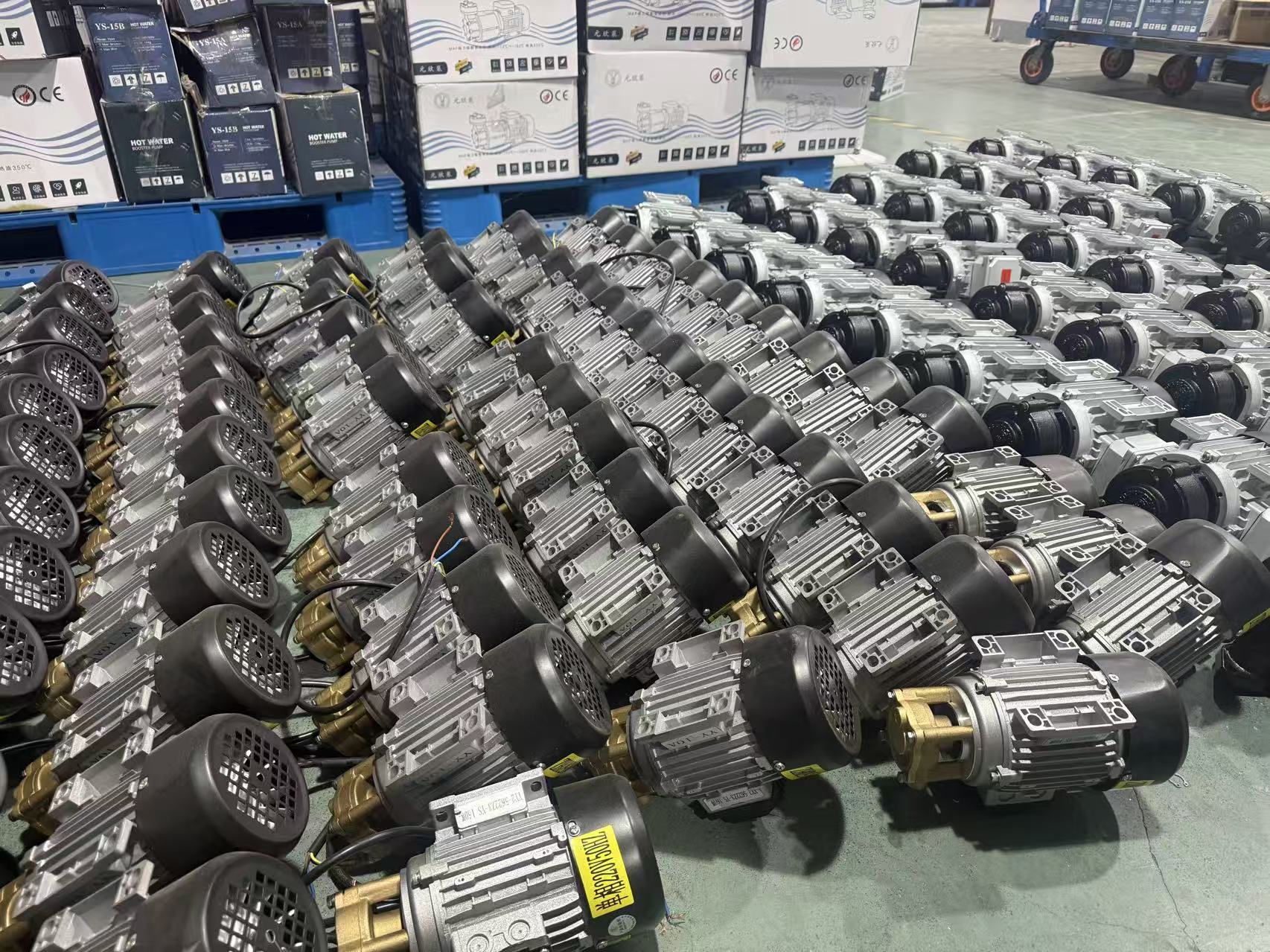
Figure 2: Completed test run with inverted drainage. Pre-shipment testing is part of the factory's quality control procedure.
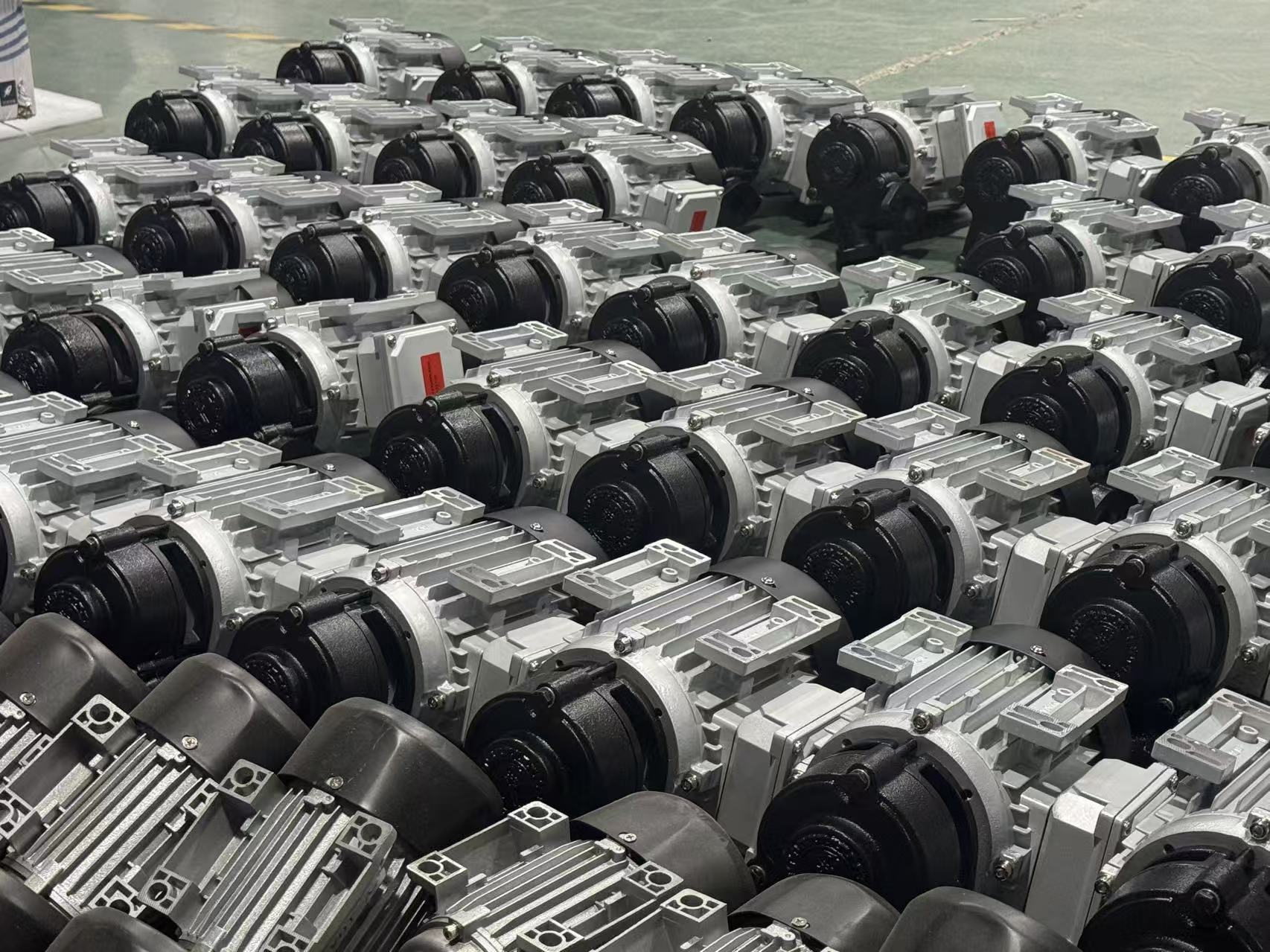
Figure 3: Drain-water check after a test run at the YUAN SHIN PUMP Suzhou facility.
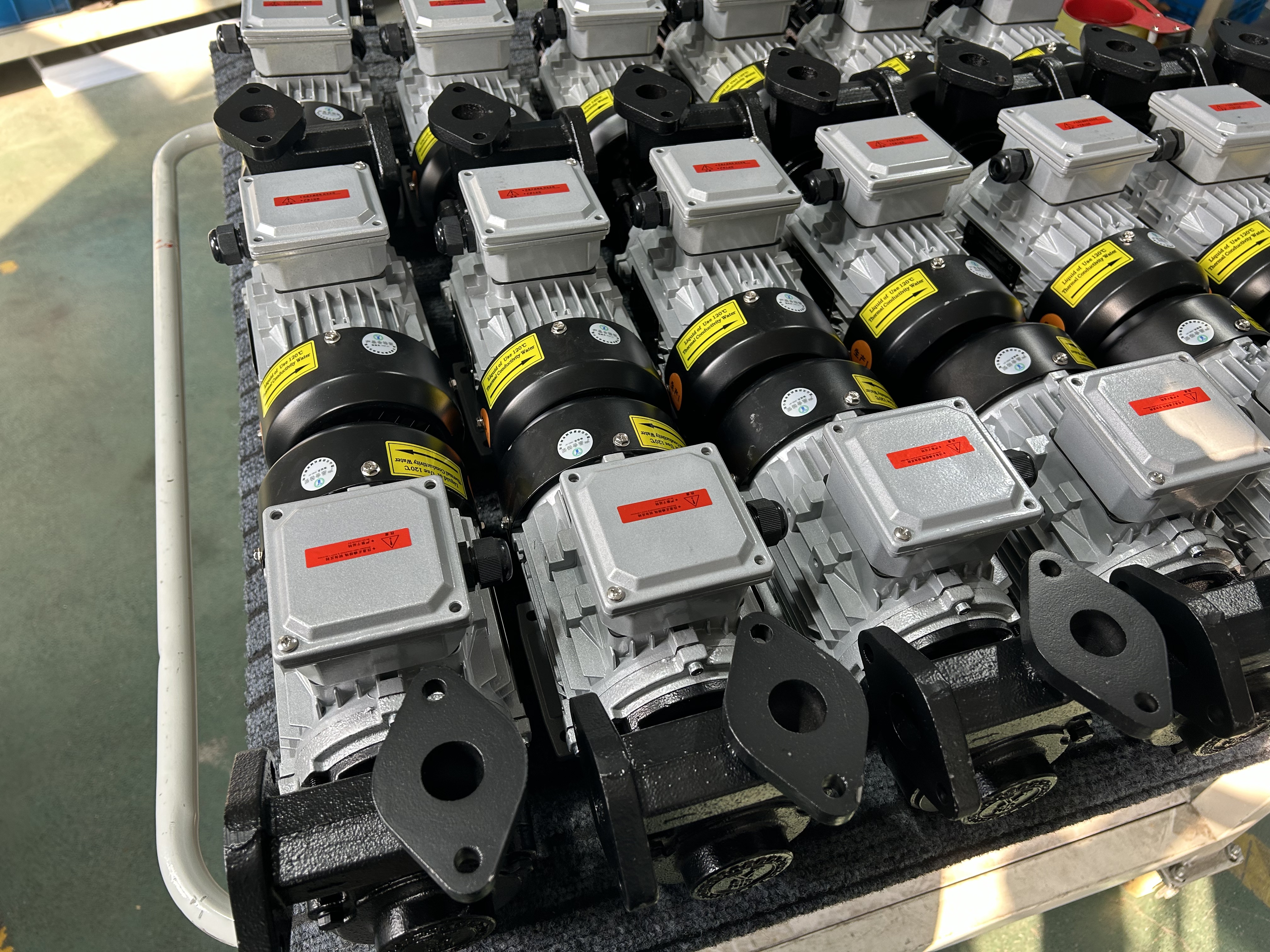
Figure 4: Pumps staged for shipment after inspection, showing standard pre-delivery preparation.
Conclusion
For an industrial buyer finalizing a decision in 2026, the case for a magnetic pump over a mechanical seal pump is based on a predictable cost stream: near-zero leakage, no frequent seal replacement, shorter downtime, higher reliability, and a lower lifecycle cost with a payback period of 3 to 5 years. The technology is well established in the market, and its adoption is expanding in chemical processing, thermal oil systems, and semiconductor TCU applications. The remaining work is specification verification, supplier quality auditing, and TCO calculation. When evaluating YUAN SHIN PUMP, a manufacturer with documented high-temperature magnetic pump specialization and pre-shipment testing, buyers can move from comparison to approval with a clear set of evidence.
For a full overview of the product line, download the YUAN SHIN PUMP brochure: YUAN SHIN PUMP brochure.
Request a Specification Review or Quotation
Contact Zoe to verify the pump for your duty point, receive a test-run confirmation, or obtain a custom quote.
Email: Zoe@ysb-pump.com | Tel/WhatsApp: +86 18901576527
Have Questions or Need More Details?
Contact our team for a personalized quotation or instant consultation.
Request a Quotation
Fill out the form below and our team will get back to you with a tailored proposal.
WhatsApp Direct Chat
Prefer to chat in real-time? Message us on WhatsApp for instant assistance & quick answers.
- Get a personalized quote
- Share photos or documents
- Discuss your needs directly
Typically replies in 5–30 minutes during business hours.