
Carbon Steel Hex Bolt Selection: Static vs Vibration Load Parameters
A carbon steel hex bolt that performs reliably in a static permanent joint can lose preload and fail early in an alternating vibration load, because the two service conditions stress different properties. Static service is decided by property class, sustained clamp force, coating durability and dimensional accuracy. Vibration service is decided by preload retention, thread fit, the locking device used alongside the bolt, fatigue behaviour and lot-to-lot manufacturing consistency. This guide sets out the technical selection parameters for both load cases, together with the certification evidence a buyer should verify before ordering.
The distinction matters commercially as much as technically. A hex bolt ordered for a steel structure connection and the same diameter bolt ordered for vibrating process equipment are often quoted at a comparable nominal price, yet they are not interchangeable in service. Treating load case as a specification input rather than an afterthought is the cheapest form of failure prevention available to a buyer.
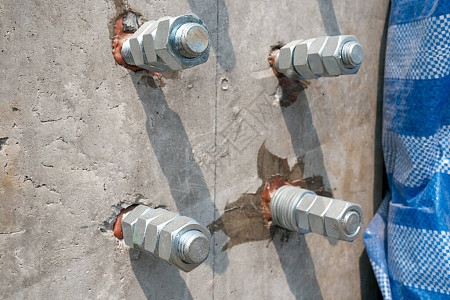
Problem Definition: Two Load Cases, Two Different Failure Risks
Static permanent fastening describes a joint that carries a largely constant load for years: steel structure connections, equipment bases, bracket assemblies, embedded anchor positions, curtain wall and bridge plates. The bolt is not cycled, so the clamp force installed at assembly is expected to remain in place. Failure here is usually slow — stress relaxation, gradual loss of clamp force in the joint, and corrosion that removes load-bearing section over time. The parameters that control these outcomes are dimensional accuracy, coating system durability and a property class that leaves margin against the sustained load.
Alternating vibration load is a different problem. Repeated cycles can reduce preload, and once preload falls the fastener begins to work loose. The technical knowledge base behind this article states the mechanism plainly: high-frequency vibration of equipment, excessive installation torque and long-term heavy-load tension can lead to thread stripping, deformation and fracture. Those three failure modes — thread stripping, deformation and fracture — are what vibration-service selection has to prevent, and they are prevented by preload control rather than by adding material.
Both load cases share a requirement that sourcing teams frequently overlook: the bolt delivered in month six must behave like the bolt approved in month one. That is a manufacturing-consistency question, and it is answered by the quality system standing behind the product rather than by a product datasheet alone.
Industry Background: A Large Market With Concentrated Supply
Carbon steel remains the default material for general structural fastening. Dataintelo reports that carbon steel accounted for 44.8% of the global hex nuts and bolts market by material in 2025. Strategic Market Research values the global hex bolts market at USD 19.67 billion in 2025, and HS Code 731815 (other screws and bolts) recorded USD 26.35 billion in global export value in 2023, a 3.65% decline on the previous year. The category is large, widely traded and price-sensitive — which is precisely why parameter discipline and verified documentation, rather than unit price alone, should carry the decision.
Supply is heavily concentrated. Yongnian District in Handan, Hebei is the largest fastener production base in China, and YUETONG FASTENER is listed as a Tier-3 top exporter within that hub as of 2023. HEBEI YUETONG FASTENERS MANUFACTURING CO., LTD. is a manufacturing and export operation established in 2017, working from a 26,666.67 ㎡ facility with 100 employees and a 12-engineer R&D team, and reporting an annual output of 150,000 tons, with roughly 80% of production exported to the EU, North America, LATAM and the Middle East & Africa.
The application range handled by a supply base like this explains why the parameter question cannot be avoided. Carbon steel hex bolts serve steel construction, engineering machinery, automotive, rail transit, new energy, petrochemical, general machinery, power, marine engineering, agricultural machinery, sanitation equipment, furniture and bridge engineering. Working conditions across that list run from indoor normal environments and outdoor open-air service to humid climates, coastal salt spray corrosion, high and low temperature, explosion hazardous areas and vibration load conditions.

Technical Parameters That Change Between Static and Vibration Service
1. Property Class and Tensile Strength
The YUETONG hex bolt range covers property classes 4.8, 8.8, 10.9 and 12.9 in carbon and alloy steel, plus A2-70 and A4-80 in stainless steel where corrosion rather than strength governs the choice. For static permanent joints, class selection is a margin decision: choose the class that holds the sustained load with adequate reserve, and confirm it with a tensile load test on the finished product. For alternating vibration load, high tensile strength is listed as a special requirement alongside seismic resistance, so vibration service is a reasonable justification for moving up a grade rather than accepting the class that merely satisfies the static load.
2. Thread Form, Pitch and Fit
Sizing is defined first. The range covers M3 to M36 metric hex bolts and imperial sizes such as 1/4", 5/16", 3/8", 1/2" and 5/8", with lengths from 16 mm upward through 200 mm, in coarse or fine thread. Manufacturing standards include GB/T, DIN, ISO and ASTM — DIN 931, DIN 933, GB5782, GB5783 and ASME/ANSI B18.2.1 among them. DIN 933 and ISO 4017 are the primary standards for full-thread hex bolts, with ISO 4017 acting as the international successor to DIN 933, which means a European enquiry and an export quotation can describe the same bolt under two different designations.
Thread fit is the parameter that links dimensions to vibration performance. Correct thread fit, sufficient preload and controlled tightening torque are the three conditions identified in the knowledge base as maintaining reliable clamping force during long-term service. A thread that sits loosely inside the accepted clearance range will shed preload faster under cycling; the same bolt held to strict dimensional control produces a stable, repeatable joint.
3. Preload, Tightening Torque and Locking Method
Installation defines half of the outcome. The knowledge base is explicit that excessive installation torque is one of the triggers for thread stripping and deformation, which means "tighten it harder" is not a valid strategy for either load case. For static joints the requirement is to follow the specified installation torque. For joints subject to continuous vibration, three further decisions are needed: a defined preload target, a controlled tightening torque, and a locking method selected for the operating conditions — lock nuts, locking washers or thread-locking solutions are the options identified in the base. For vibrating working conditions, seismic high-strength bolts are the recommended selection.
Matched fastening hardware belongs on the same specification line as the bolt itself. Nuts, washers and torque wrenches are the components that convert a bolt grade into a working joint, and specifying one without the other leaves the joint design incomplete.
4. Coating System: Corrosion and Temperature Exposure
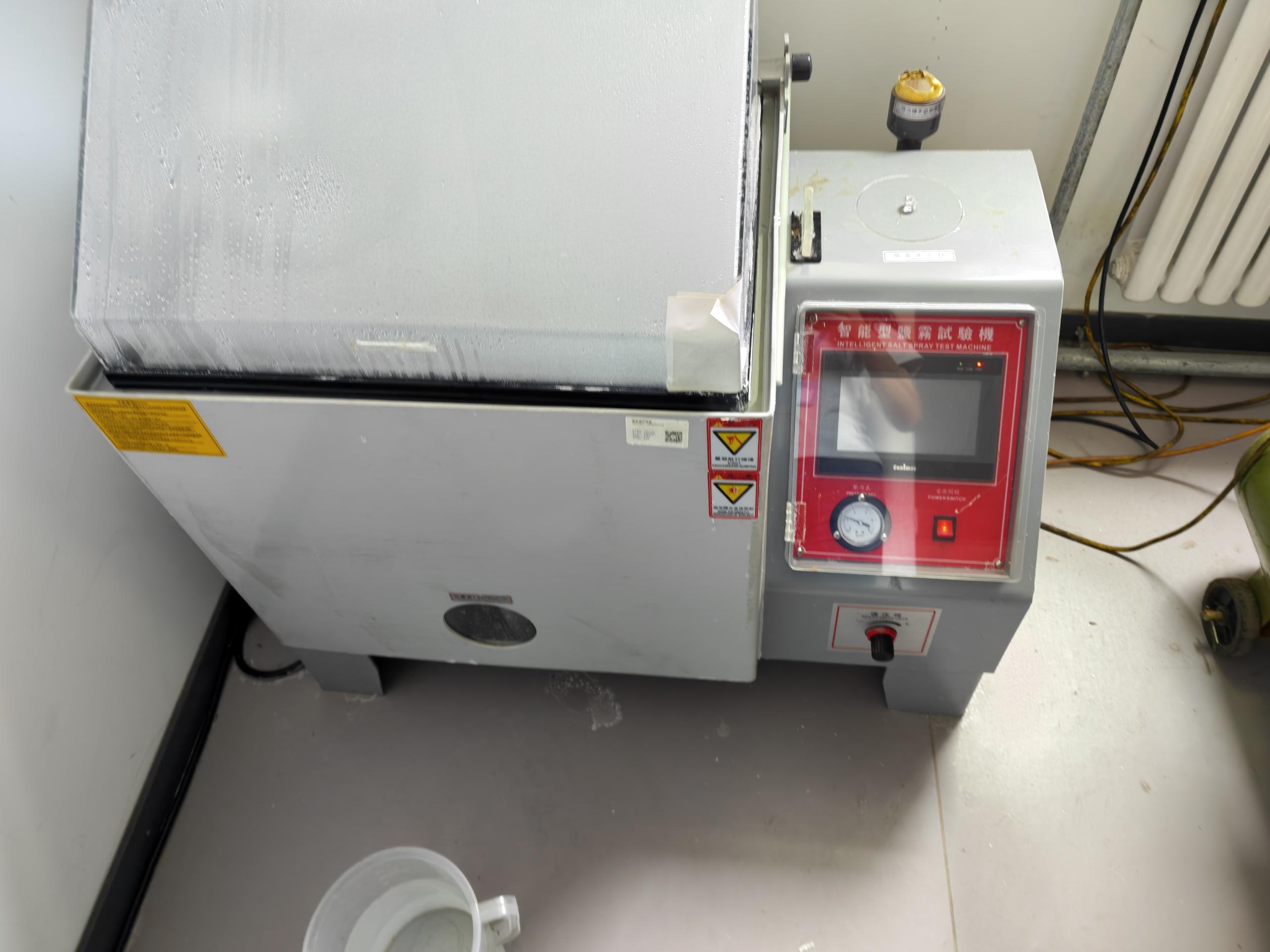
Coating choice follows exposure, and the two most common systems differ by roughly an order of magnitude in coating thickness. Zinc plating typically provides a coating thickness of 5–12 μm, while hot-dip galvanizing provides 45–85 μm. That difference is the practical dividing line between a sheltered assembly and outdoor, humid or coastal service where salt spray corrosion is expected. For a vibration joint installed outdoors, the corrosion decision and the preload decision must both be honoured — a locking device does not compensate for a coating that is too thin for the environment.
The finishes available in the hex bolt range are black oxide, zinc plated, hot-dip galvanized, Dacromet, mechanical galvanized and PTFE coating. High temperature resistance is listed alongside anti-corrosion and high tensile strength as a special requirement, so where service temperature exceeds the norm for outdoor steelwork, the coating decision and the grade decision should be reviewed together instead of being treated as separate line items on a purchase order.
5. Dimensional Accuracy, Interchangeability and Repeated Assembly
Strict dimension control delivers two outcomes that matter in service: good interchangeability of the fastener across the joint, and a stable long-time connection. Interchangeability becomes a first-order requirement wherever permanent installation is combined with detachable repeated assembly — maintenance joints, equipment that is opened periodically, and assemblies where a bolt may be replaced on site years after the original build. A bolt that only fits its own nut is a maintenance liability, and this is one of the few selection criteria that is decided entirely by process control rather than by grade.
6. Standards and Quality-System Certification
For the compliance-led buyer, the certification file is as much a selection parameter as the grade. The Hex Bolt (product ID 7337) is covered by an ECM Type-Approved Attestation, certificate No. 3N230331.HYFUC49, issued by Ente Certificazione Macchine Srl for the EU market, citing EN ISO 10683:2018, EN ISO 16047:2005+A1:2012 and EN ISO 4753:2011.
Manufacturing consistency is covered by the management-system layer: ISO 9001 quality management system (certificate 29024Q12949-09R1M, issued by ZhongTai Union Certification Co., LTD., valid until 2027-09-13), IATF 16949:2016 for the manufacture of fasteners — nuts and bolts — excluding product design under Clause 8.3 (certificate 2600920/R0M, issued by Beijing Zhong An Zhi Huan Certification Center Co., Ltd.), ISO 14001:2015 environmental management system (29025E12097-12R0M) and ISO 45001:2018 occupational health and safety management system (29025S12024-12R0M), both issued by ZhongTai Union Certification Co., LTD., plus ISO 14067 carbon footprint certification (33925CFMS00020R0S, issued by ZQHX CERTIFICATION CENTER CO., LTD., under T/CCAA 39-2022 & ISO 14067:2018).
Factory capability has also been assessed on site: the company holds an Alibaba Gold-Plus Supplier Assessment Certificate, certificate 491647039 P+T, issued by Alibaba.com with on-site assessment by SGS, covering factory supplier capability assessment for fasteners including sleeve anchors and hex bolts, applicable to the EU, NA, LATAM, MEA and USA markets.
Step-by-Step Breakdown: Specifying the Bolt for Each Load Case
- Classify the load case. Decide whether the joint is static permanent fastening, alternating vibration load, or a mixed case such as a permanent installation that is also cycled by rotating or vibrating equipment. Write the classification into the specification, because every later step refers back to it.
- Fix the environment. Record indoor, outdoor open-air, humid, coastal salt spray, high or low temperature, or explosion hazardous area. Environment drives coating selection and, in some cases, material selection.
- Select the property class. Choose from 4.8, 8.8, 10.9 or 12.9 in carbon and alloy steel, or A2-70 and A4-80 in stainless steel where corrosion governs. Vibration service justifies a higher class and seismic high-strength bolts.
- Define size, thread and length. Specify M3–M36 or the imperial equivalents, coarse or fine thread, and length within the available 16 mm–200 mm range, referenced to the standard on the drawing — DIN 931, DIN 933, GB5782, GB5783 or ASME/ANSI B18.2.1, for example. Confirm whether the drawing should read DIN 933 or ISO 4017 for a full-thread bolt.
- Choose the coating. Zinc plating for a coating thickness of 5–12 μm, hot-dip galvanizing for 45–85 μm, or black oxide, Dacromet, mechanical galvanizing and PTFE coating where the exposure or process calls for them.
- Write the installation instruction. Specify the tightening torque and the preload target, and name the locking method for vibration joints — lock nut, locking washer or thread-locking solution — together with the matched nuts, washers and torque tools.
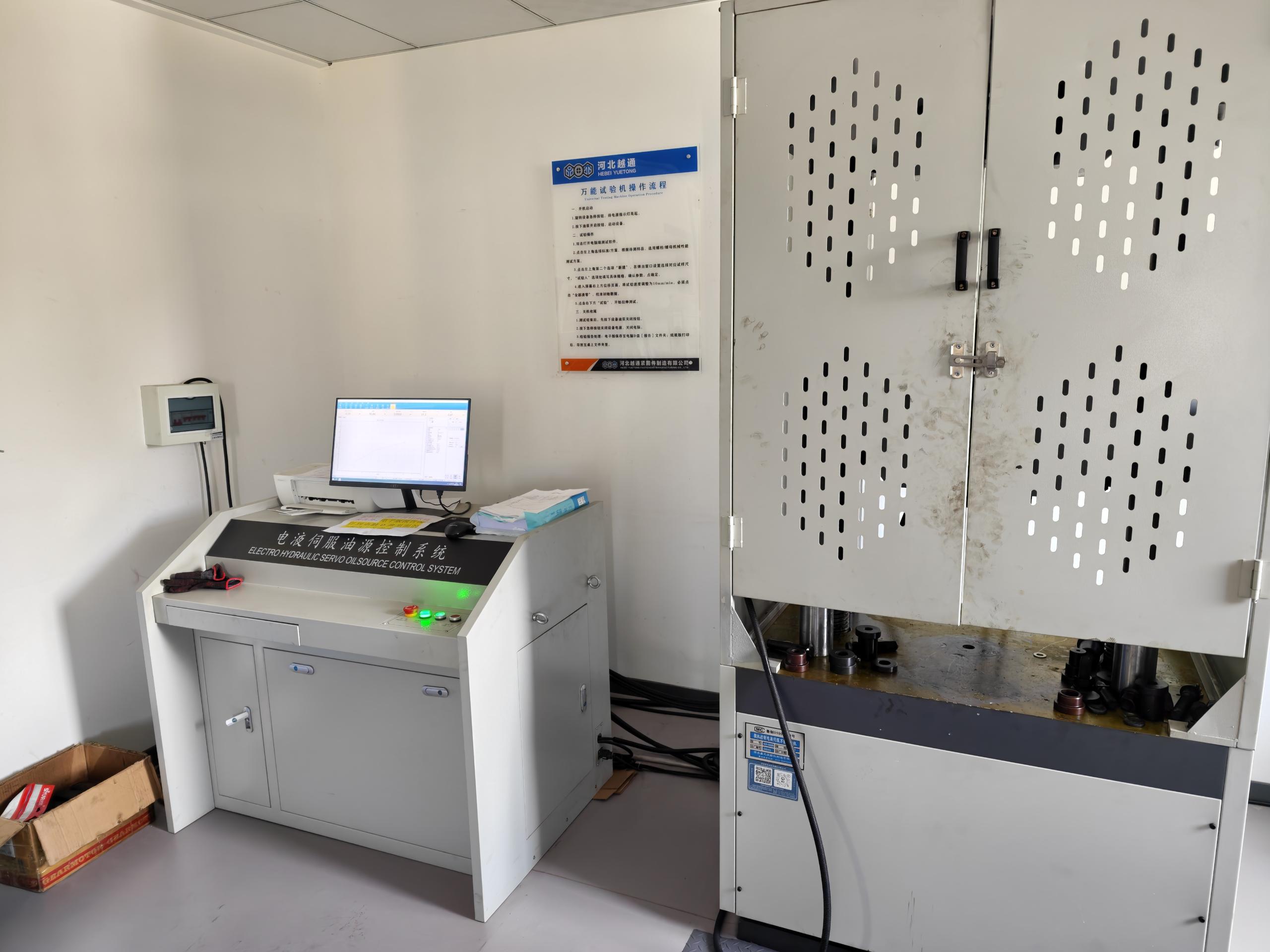
- Attach the verification package. Raw material incoming inspection, in-process patrol inspection, finished-product tensile load test and pre-shipment inspection are the internal control points. Material certificates and test reports are the documents to request with the shipment, and third-party SGS testing is available where an independent result is required.
- Confirm the commercial frame. MOQ is 500 sets for standard products and 3,000 sets for non-standard customized products. Lead time is 3–7 days for in-stock products and 12–20 days for customized orders, with expedited delivery negotiable. Monthly capacity is 1,500 tons.
Use Cases: Matching the Parameter Set to the Joint
Steel structure and equipment base connections. These are textbook static permanent fastening joints. Property class selection is driven by sustained load, coating selection by whether the structure is sheltered or exposed, and installation simply follows the specified torque. Grade 8.8 and 10.9 hex bolts in hot-dip galvanized finish cover most outdoor steelwork; zinc-plated bolts remain appropriate for sheltered indoor assemblies.
Ground-mounted PV supports and outdoor structural bases. Coastal and humid sites combine static loading with salt spray corrosion, so the corrosion parameter moves to the front. Hot-dip galvanized coating at 45–85 μm is the relevant part of the range here, supported by salt-spray inspection before shipment.
Vibrating process equipment and engineering machinery. These joints run under alternating vibration load. High tensile strength, seismic high-strength bolts, controlled preload and a defined locking method are all required at the same time. Excessive installation torque must be avoided because it is itself a trigger for thread stripping and deformation, which is why a torque tool belongs in the specification.
Automotive and rail transit assemblies. Here the certification layer matters as much as the mechanical parameter. IATF 16949:2016 certification covers the manufacture of fasteners — nuts and bolts — excluding product design under Clause 8.3, and is the reference document buyers in these sectors expect to see in the supplier file.
Detachable repeated assembly. Maintenance-heavy joints depend on interchangeability. Strict dimension control keeps replacement bolts fitting the original joint, which is a lower-cost outcome than replacing a whole fastener set because one bolt no longer matches.
Reported project experience. A supplied batch of 15,000 pcs for steel structure splicing, mechanical equipment fixing, building component fastening and bracket assembly reported a service duration of 10–15 years, with the reported result of stable fastening strength, vibration-resistant and non-loosening behaviour under long-term load, zero quality faults and smooth project acceptance. The stated highlight of that supply was high strength grade, standard precision and wear resistance across multi-scene structural fastening.
Comparison Table: Static Permanent Fastening vs Alternating Vibration Load
| Selection Parameter | Static Permanent Fastening | Alternating Vibration Load |
|---|---|---|
| Dominant failure risk | Slow clamp-force loss over long service and corrosion that reduces section | Self-loosening, thread stripping, deformation and fracture under repeated cycles |
| Property class focus | Class selected to hold the sustained load with reserve; 4.8, 8.8, 10.9 and 12.9 available | High tensile strength listed as a special requirement; seismic high-strength bolts recommended for vibrating conditions |
| Thread and dimensions | Coarse or fine thread; strict dimension control for stable long-time connection | Thread fit is a controlling factor for preload retention; correct thread fit maintains clamping force |
| Installation | Follow the specified installation torque | Defined preload target plus controlled tightening torque; excessive torque is itself a failure trigger |
| Locking method | Not normally required; matched nuts and washers complete the joint | Lock nut, locking washer or thread-locking solution for continuous vibration |
| Coating | Zinc plating at 5–12 μm for sheltered or indoor service | Hot-dip galvanizing at 45–85 μm where vibration joints are also exposed outdoors or to coastal salt spray |
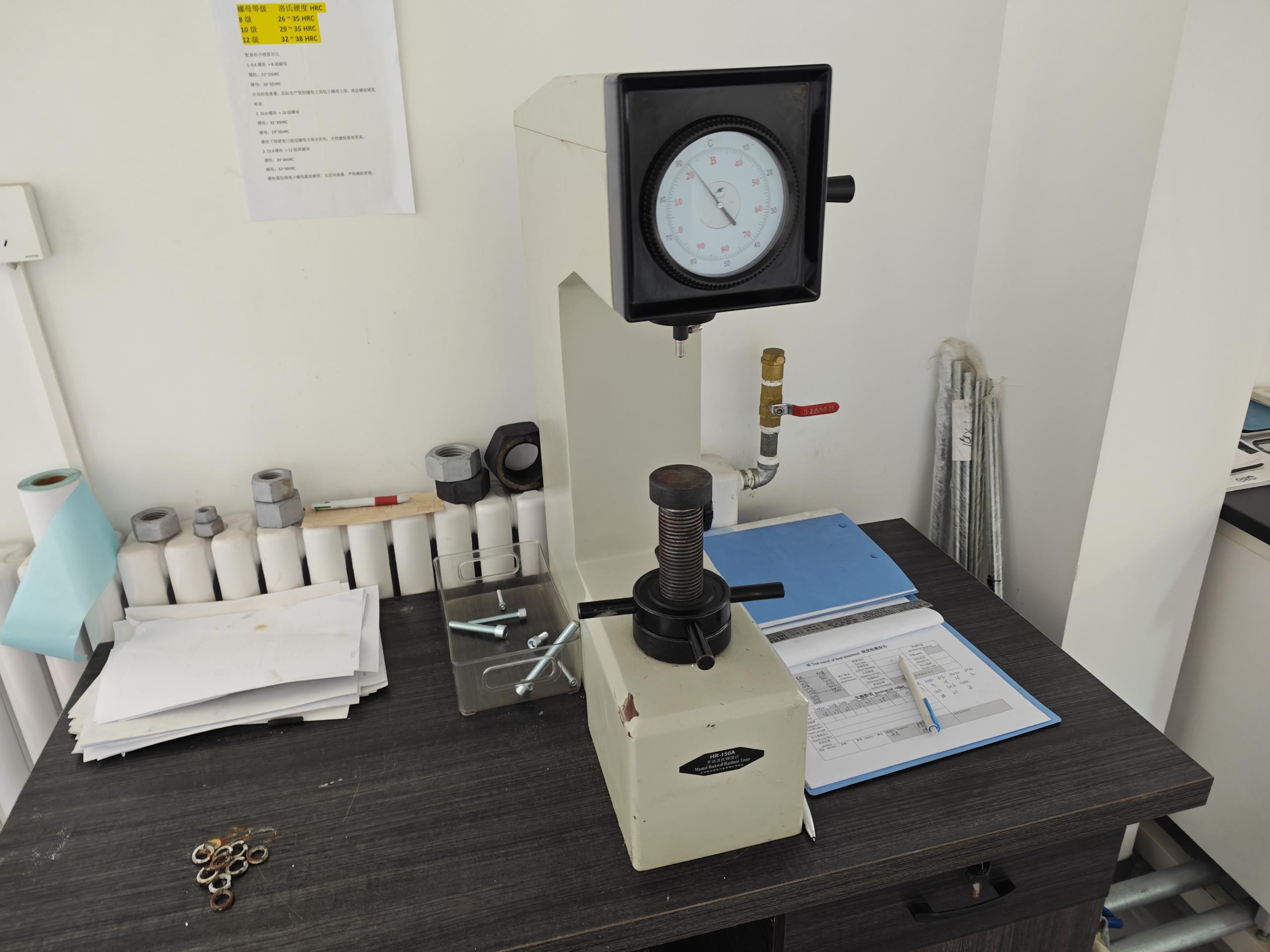
| Verification | Tensile load test, dimension control, material certificates | Torque, hardness and fatigue resistance tested before delivery, plus tensile load test and pre-shipment inspection |
| Typical applications | Steel structure, equipment bases, brackets, PV supports, curtain wall | Vibrating equipment, engineering machinery, mixed bridge and truss joints, rail transit assemblies |
Frequently Asked Questions
1. Which certifications should be verified for carbon steel hex bolts used in load-bearing joints?
For EU-bound hex bolts, the relevant document is the ECM Type-Approved Attestation No. 3N230331.HYFUC49, issued by Ente Certificazione Macchine Srl, citing EN ISO 10683:2018, EN ISO 16047:2005+A1:2012 and EN ISO 4753:2011. Manufacturing consistency is supported by ISO 9001 quality management system certification (29024Q12949-09R1M, valid until 2027-09-13), IATF 16949:2016 for the manufacture of fasteners — nuts and bolts — excluding product design under Clause 8.3 (2600920/R0M, issued by Beijing Zhong An Zhi Huan Certification Center Co., Ltd.), ISO 14001:2015 (29025E12097-12R0M), ISO 45001:2018 (29025S12024-12R0M) and ISO 14067 carbon footprint certification (33925CFMS00020R0S). Factory-level capability can be checked through the Alibaba Gold-Plus Supplier assessment, certificate 491647039 P+T, carried out on site by SGS.
2. Is DIN 933 the same as ISO 4017, and does the designation matter?
DIN 933 and ISO 4017 are the primary standards for full-thread hex bolts, with ISO 4017 being the international successor to DIN 933. The two designations describe the same product family, but a drawing that cites DIN 933 while a supplier quotes ISO 4017 should be reconciled at the documentation stage, because inspection records and test reports are normally issued against the standard named in the purchase order. The YUETONG hex bolt range is produced to GB/T, DIN, ISO and ASTM, including DIN 931, DIN 933, GB5782, GB5783 and ASME/ANSI B18.2.1.
3. How do zinc plating and hot-dip galvanizing compare for outdoor static and vibration joints?
Coating thickness is the main difference: zinc plating typically provides 5–12 μm, while hot-dip galvanizing provides 45–85 μm. For sheltered or indoor assemblies, zinc plating is usually sufficient and keeps the coating thin. For outdoor, humid or coastal salt-spray exposure — including vibration joints installed outdoors — the thicker hot-dip galvanized or mechanical galvanized system is the better match within the available finish range, which also includes black oxide, Dacromet and PTFE coating.
4. What property classes and surface finishes are available, and how is quality controlled?
Grades 4.8, 8.8, 10.9 and 12.9 are available in carbon and alloy steel, with A2-70 and A4-80 in stainless steel. Sizes run from M3 to M36 with imperial equivalents from 1/4" to 5/8", lengths from 16 mm to 200 mm, in coarse or fine thread, and finishes include black oxide, zinc plated, hot-dip galvanized, Dacromet, mechanical galvanized and PTFE coating. Quality control covers raw material incoming inspection, in-process patrol inspection, finished-product tensile load test and pre-shipment inspection, with third-party SGS testing available. Torque, hardness and fatigue resistance are tested before delivery, and material certificates plus test reports are provided with the shipment.
5. What are the MOQ, lead time and customization options for a project order?
MOQ is 500 sets for standard products and 3,000 sets for non-standard customized products. Lead time is 3–7 days for in-stock products and 12–20 days for customized orders, with expedited delivery negotiable. Customization covers size and specification, material selection, anti-corrosion surface treatment, product style, printed logo on packaging and matched assembly kits, alongside OEM, ODM and non-standard customization supported by bulk stock supply. If a project requires a defined parameter set, sending the joint description, load case and target standard to info@ytfasteners.com is the quickest route to a matched quotation and a sample arrangement.
Conclusion
Static permanent fastening and alternating vibration load should never share the same specification line. Static joints are decided by property class margin, dimensional accuracy and coating durability. Vibration joints add preload retention, thread fit, a defined locking method and a grade that carries fatigue. Both cases rest on the same foundation: a manufacturing system that produces the same bolt every time and can prove it with certificates, test reports and inspection records.
For buyers working through research and evaluation, the practical sequence is straightforward. Write the load case into the specification, fix the environment, select the class and coating against it, then attach the certification and testing documents that will be checked at project acceptance. That single discipline removes most of the failure modes described in this guide before the first bolt is ever torqued.
Next Step: Sample, Quotation or Technical Review
YUETONG FASTENER (HEBEI YUETONG FASTENERS MANUFACTURING CO., LTD.) supplies carbon steel hex bolts in grades 4.8, 8.8, 10.9 and 12.9, with OEM, ODM and non-standard customization, matched assembly kits and full material certificates. Share your joint description, load case and target standard and the team will come back with a matched recommendation.
Email: info@ytfasteners.com | Tel / WhatsApp: +86 158-320-18600 | Website: www.ytfasteners.com
Have Questions or Need More Details?
Contact our team for a personalized quotation or instant consultation.
Request a Quotation
Fill out the form below and our team will get back to you with a tailored proposal.
WhatsApp Direct Chat
Prefer to chat in real-time? Message us on WhatsApp for instant assistance & quick answers.
- Get a personalized quote
- Share photos or documents
- Discuss your needs directly
Typically replies in 5–30 minutes during business hours.