Carbon Steel Hex Bolt vs. Sleeve Anchor: Purchasing Terms and Acceptance Criteria
A head-to-head comparison of Product 7337 and Product 7338 for steel structure, petrochemical, municipal and wind power projects — where the certificates are identical and the joint is not.
For a project buyer working on steel structure, petrochemical, municipal or wind power packages, the carbon steel hex bolt versus sleeve anchor question almost never turns on paperwork. Both Product 7337 (hex bolt) and Product 7338 (sleeve anchor) are manufactured by HEBEI YUETONG FASTENERS MANUFACTURING CO.,LTD — trading as YUETONG FASTENER, a fastener manufacturer established in 2017 in Yongnian District, Handan, Hebei, China — and both sit on the same certification base: ECM Type-Approved Attestation No. 3N230331.HYFUC49, ISO 9001, ISO 14001, ISO 45001, IATF 16949 and ISO 14067.
That parity is precisely why the selection has to be settled on two other grounds: what the fastener does inside the joint, and how the delivered lot will be accepted on site. The hex bolt fastens and connects components and transmits load across a connection. The sleeve anchor anchors equipment and structural items into a base. Purchasing terms, inspection clauses and vibration provisions should follow that functional split — not the certificate folder.
Short answer
- Specify Product 7337 hex bolt when the joint is a component fastening and connection: steel structure splicing, connection plates, bracket assembly, building component fastening, or load transmission where a torque wrench and matched nuts and washers define the assembly.
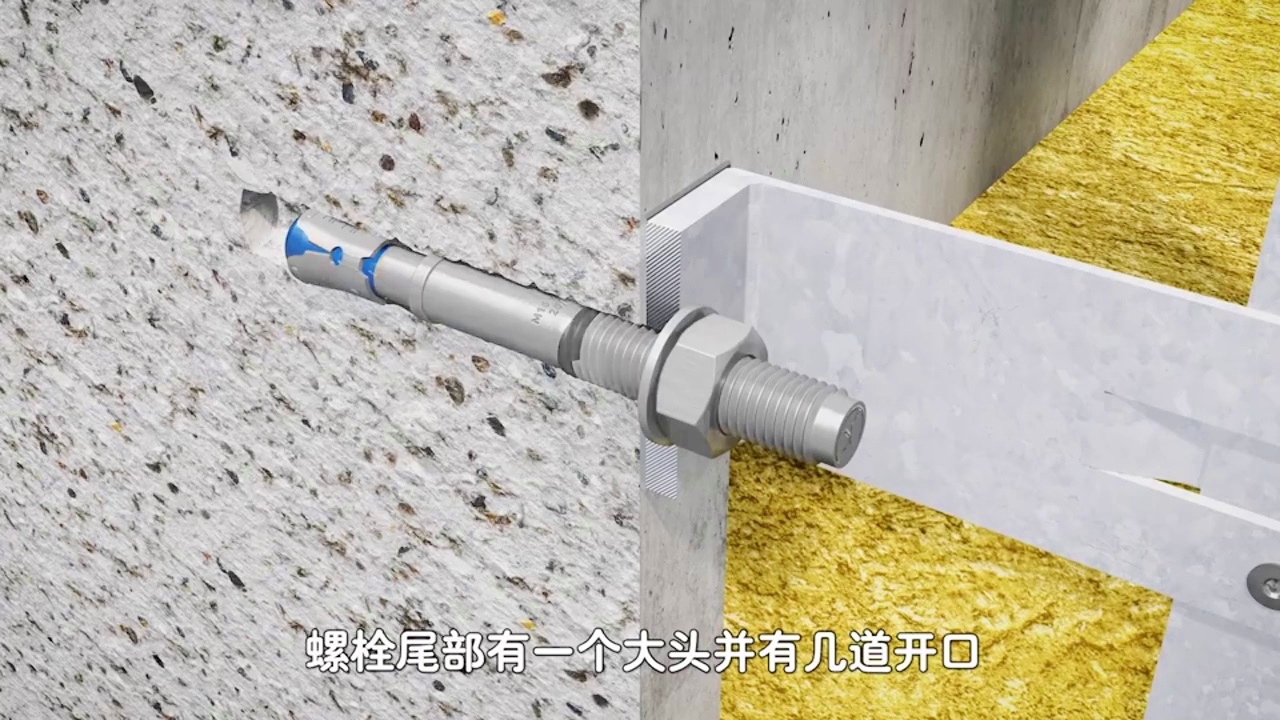
- Specify Product 7338 sleeve anchor when the requirement is equipment anchoring and load-bearing fixing into a base — equipment workshops, civil construction, petrochemical equipment, wind power installations — especially where alternating vibration load and high/low temperature exposure are part of the working condition.
- Use the identical certification set as a supplier-qualification gate, then write separate purchase-order terms, separate supporting hardware lists and separate acceptance clauses for each product.
Problem Definition: Why Certificate Parity Makes This Comparison Harder
When two products share every certificate, procurement teams tend to collapse them into one line item and one acceptance clause. That is where project risk starts. Three failure patterns recur.
1. Buying on document parity instead of joint fit
ECM Type-Approved Attestation No. 3N230331.HYFUC49, ISO 9001, ISO 14001, ISO 45001, IATF 16949 and ISO 14067 tell a buyer that the manufacturing system and the product attestation are in place. They do not tell a buyer whether the part anchors equipment or clamps a connection. Application data does: 7337 is documented for component fastening and connection, assembly joints and load transmission; 7338 is documented for equipment anchoring and load-bearing fixing with sleeve anchors, nuts and washers as supporting hardware.
2. Writing one acceptance clause for two different assemblies
A hex bolt is accepted as part of a bolted connection: thread accuracy, grade, coating and the torque–preload relationship decide whether the joint holds. A sleeve anchor is accepted as part of an anchor-to-base system: expansion behaviour in the base material, sleeve integrity and installation tooling sit alongside the coating and property requirements. One generic clause set under-specifies both.
3. Treating self-loosening as a single generic risk
Loosening is a function of vibration pattern, preload and locking method, not of fastener family. Repeated vibration, insufficient preload or incorrect tightening torque can lead to gradual loosening. 7337 appears in petrochemical applications under vibration load conditions; 7338 is documented for alternating vibration load and for high and low temperature environments. Those are different duty descriptions and should produce different locking and inspection provisions in the purchase order.
Industry Background: Where These Two Fasteners Sit in the Market
Carbon steel remains the default material for general structural and industrial bolting. Dataintelo reports that carbon steel accounted for 44.8% of the global hex nuts and bolts market by material in 2025, while Strategic Market Research valued the global hex bolts market at USD 19.67 billion in 2025. Trade data supports the scale of the category: the global export value for HS Code 731815 (other screws and bolts) was USD 26.35 billion in 2023, a 3.65% decline on the previous year, according to The Dollar Business. Published valuations differ by product scope, so buyers should treat these figures as directional market context rather than as procurement benchmarks.
Supply concentration matters more than market size at the purchase-order level. China's Yongnian District is the country's largest fastener production base, and YUETONG FASTENER is listed as a Tier-3 top exporter in that hub as of 2023. A supplier inside a dense fastener cluster can typically offer both a connection fastener line and an anchoring fastener line from the same quality system — which is exactly the situation this comparison addresses, and exactly why the buyer must not let one supplier relationship blur two different technical requirements.
Product 7337 Carbon Steel Hex Bolt: What the Purchaser Is Buying
Product 7337 is a hex bolt line covering Hex Head Bolt, Metric Hex Bolt, Zinc Plated Hex Bolt, Hot Dip Galvanized Bolt, Hex Socket Bolt, Anchor Bolt, Hook Bolt, Eye Bolt, U-Bolt, Hanger Bolt, Carriage Bolt, Flange Bolt, Grade 12.9 Lock Bolt and related configurations, with the core model range stated as Hex Bolt M3–M36.
- Standards: GB/T, DIN, ISO and ASTM coverage, including DIN 931, DIN 933, GB 5782, GB 5783 and ASME/ANSI B18.2.1. For full-thread hex bolts, DIN 933 and its international successor ISO 4017 are the primary references.
- Sizes and threads: M6, M8, M10, M12 and imperial 1/4", 5/16", 3/8", 1/2", 5/8" are listed in the specification, with lengths from 16 mm to 200 mm and coarse or fine thread pitch.
- Grades and materials: 4.8, 8.8, 10.9 and 12.9 in carbon steel or alloy steel, plus A2-70 and A4-80 stainless steel.
- Finishes: black oxide, zinc plated, hot-dip galvanized, Dacromet, mechanical galvanized and PTFE coating.
- Documented function: component fastening and connection, load-bearing fixing and load transmission, operating in static permanent fastening mode, with nuts and washers as supporting hardware and torque wrenches and impact drills as installation tooling.
The purchasing consequence is straightforward: a hex bolt order is a dimensional and property order. Thread tolerance, grade, length, coating class and the torque value the site will apply are the variables that decide acceptance. Supporting hardware must be ordered with it — a 7337 connection is only as good as the nuts and washers matched to it.
Product 7338 Sleeve Anchor: What Changes in the Purchase
Product 7338 is a sleeve anchor line with the model range stated as Sleeve Anchor M5–M36. It is documented as providing equipment anchoring and load-bearing fixing, operating in static permanent fastening mode and in permanent installation, and it is specified for engineering machinery, petrochemical, wind power, civil construction and equipment workshop applications.
The duty description is where the two products genuinely part company. 7338 is documented for alternating vibration load conditions and for high and low temperature environments. In wind power applications the stated requirements include high tensile strength and anti-corrosion; in engineering machinery applications they include high temperature resistance and seismic resistance; in petrochemical projects the anchor is specified alongside nuts, washers and sleeve anchors as supporting hardware.
The purchasing consequence is different in kind. A sleeve anchor order is a system order: expansion behaviour in the base, sleeve and body integrity, temperature exposure, corrosion class and the installation method all belong in the same document. Torque wrenches and impact drills are named as the required supporting equipment, which means the buyer is implicitly procuring an installation procedure as well as a part.
Purchasing Terms Head-to-Head
MOQ, lead time and customization
At supplier level the commercial terms are common to both products. Production modes cover OEM, ODM, non-standard customization and bulk stock supply. The minimum order quantity is 500 sets for standard products and 3,000 sets for non-standard customized products. Lead time is 3–7 days for in-stock products and 12–20 days for customized orders, with expedited delivery negotiable. Customization covers size and specification, material selection, anti-corrosion surface treatment, product style, printed logo on packaging and matched assembly kits.
Because these terms do not differentiate the two products, they should not be used to choose between them. What does differentiate the purchase is the specification load per line item: a customized hex bolt order usually varies dimensions, grade and coating, while a customized sleeve anchor order usually varies dimensions, base-material fit and temperature or corrosion requirement.
Supporting hardware and tooling
This is the first commercial clause that should be written differently for each product. For 7337, nuts and washers are the named supporting equipment. For 7338, the documented supporting set is nuts, washers and sleeve anchors, with torque wrenches and impact drills required for installation and maintenance. A purchase order that lists fasteners without their supporting hardware transfers an assembly risk to the site.
Documents and after-sales terms
Documentation obligations are identical and should be stated once: material certificates and test reports are provided, and third-party SGS testing is available. After-sales support includes 24-hour technical communication, product selection guidance, free replenishment for factory quality defects and a dedicated service route for engineering orders. For project work, the selection guidance element is worth writing into the contract explicitly, because it is the mechanism by which a supplier confirms that the joint description in the enquiry matches the product actually quoted.
Acceptance Criteria Head-to-Head
Standards and dimensional acceptance
For 7337, acceptance starts from the product standard named on the drawing — DIN 931, DIN 933, GB 5782, GB 5783, ASME/ANSI B18.2.1 or the equivalent ISO reference — and the grade called out for the connection. For 7338, the anchor dimension set and expansion geometry must be confirmed against the project drawing and the base material, because the anchor is accepted as an installed system rather than as a standalone threaded part. In both cases the acceptance clause should name the standard, the grade or property requirement, the dimensional inspection method and the sampling basis.
Coating acceptance and EN ISO 10683:2018
Corrosion protection is a shared requirement — 7337 lists anti-corrosion among its special requirements, and 7338 lists anti-corrosion as a stated requirement in wind power applications. Where a zinc-flake coating system is specified, EN ISO 10683:2018 is the reference standard for non-electrolytically applied zinc flake coating systems and belongs in the acceptance clause alongside the coating class. Coating choice has a measurable effect on what is delivered: zinc plating typically provides a coating thickness of 5–12 μm, whereas hot-dip galvanizing provides 45–85 μm. A buyer who specifies "anti-corrosion" without naming the coating system and the thickness class has not written an acceptance criterion.
Torque and clamp force acceptance: EN ISO 16047
EN ISO 16047:2005 and its amendment EN ISO 16047:2005+A1:2 are the reference standards for torque/clamp force testing of fasteners. They matter for both products but for different reasons. On 7337 they underpin the tightening torque that the site will apply to reach the intended preload in a connection. On 7338 they underpin the installation torque used with a torque wrench or impact drill when setting the anchor. Naming the standard in the purchase order converts a vague instruction into a testable acceptance item.
Inspection and test evidence
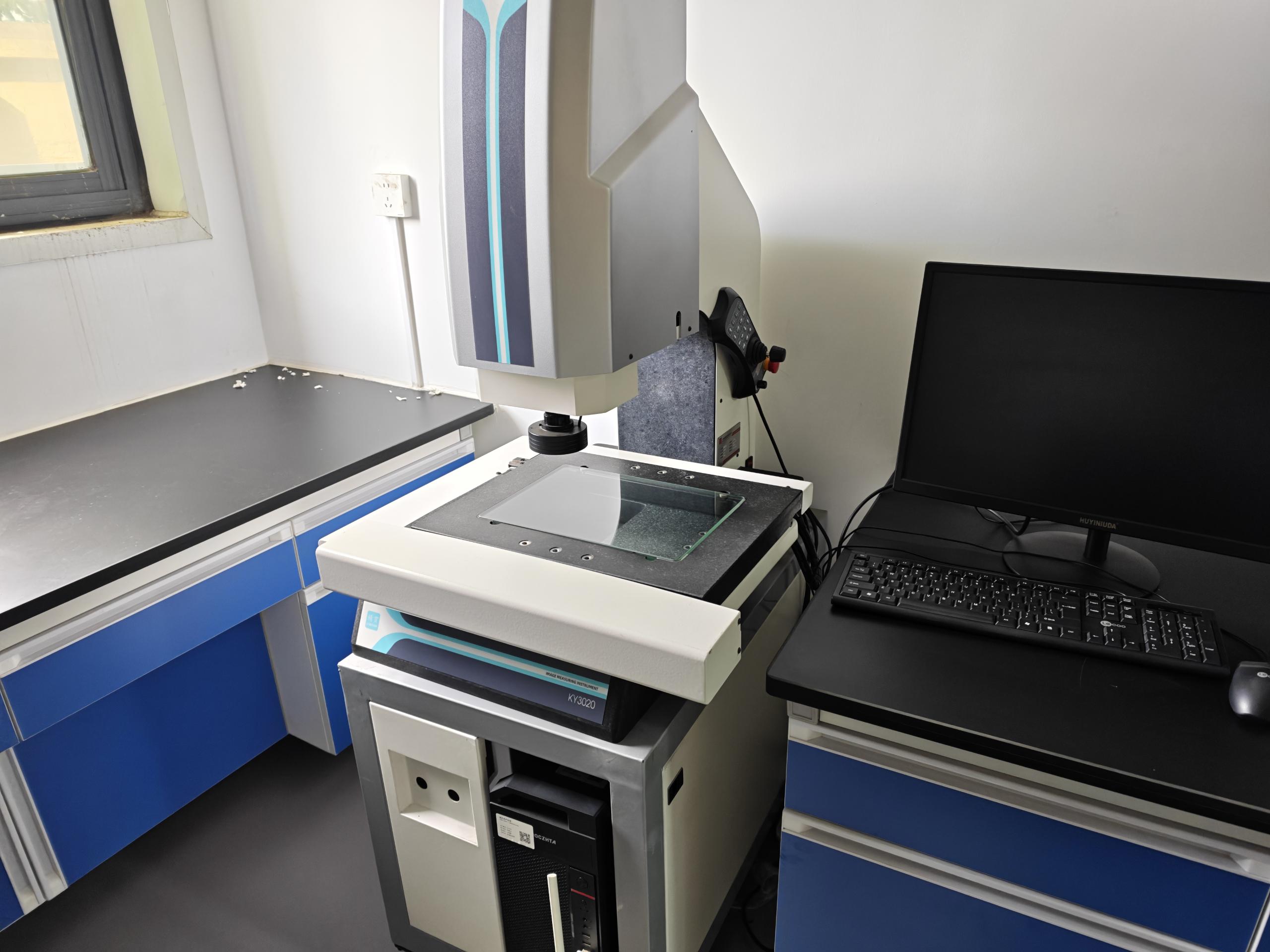
The quality route applied to both products is: raw material incoming inspection, in-process patrol inspection, finished product tensile load test and pre-shipment inspection, with third-party SGS testing available on request. For a project package, the practical acceptance set is therefore four documents — material certificate, dimensional report, tensile load test record and pre-shipment inspection record — plus the certificate set: ECM Type-Approved Attestation No. 3N230331.HYFUC49, ISO 9001, ISO 14001, ISO 45001, IATF 16949 and ISO 14067.
Self-Loosening Under Vibration: The Criterion That Separates the Two
Loosening risk is managed through three inputs: correct thread fit, sufficient preload and controlled tightening torque. When any of the three is wrong, gradual loosening follows — particularly in equipment or steel structures subject to continuous vibration. Where continuous vibration is present, suitable locking methods such as lock nuts, locking washers or thread-locking solutions should be selected according to the operating conditions.
Matching each product to the vibration description is the practical decision rule. 7337 is documented for petrochemical applications under vibration load conditions, where the connection is a clamped joint and the locking strategy sits in the nut, washer and torque specification. 7338 is documented for alternating vibration load and for high and low temperature environments, where the locking strategy sits in the anchor system and its installation torque. High-frequency vibration, excessive installation torque and long-term heavy-load tension are the classic triggers for thread stripping, deformation and fracture — which is why the acceptance criteria must test torque, hardness and fatigue-related properties before delivery rather than after installation.
A 15,000-piece hex bolt project delivered for steel structure splicing, mechanical equipment fixing, building component fastening and bracket assembly demonstrates what this looks like when it works: stable fastening strength, vibration-resistant and non-loosening performance in long-term load conditions, zero quality faults and a clean project acceptance. The lesson is not that one product family is better — it is that the vibration and preload clauses were written before the order, not after the complaint.
Step-by-Step: Building a Purchasing and Acceptance Package
The workflow below keeps the two products separate where they should be separate, and consolidated where the supplier terms are genuinely the same.
- Define the joint, not the part. Classify every line as either a component fastening and connection (7337) or an equipment anchoring and load-bearing fixing (7338). If a line cannot be classified, the drawing is not ready to buy.
- Fix the working-condition envelope. Record whether the location is static permanent fastening or alternating vibration load, and whether high/low temperature, outdoor open-air, humid climate or coastal salt spray applies. These are the inputs that later justify a locking method or a coating class.
- Name the standards. For 7337, name the product standard (DIN 931, DIN 933, GB 5782, GB 5783, ASME/ANSI B18.2.1 or the ISO equivalent) and the grade. For 7338, name the anchor dimension set and base-material assumptions. Add EN ISO 10683:2018 where a zinc-flake coating is specified and EN ISO 16047:2005 / EN ISO 16047:2005+A1:2 as the torque–clamp force reference.
- Specify the finish explicitly. Choose from black oxide, zinc plating, hot-dip galvanizing, Dacromet, mechanical galvanizing or PTFE coating, and state the thickness expectation — zinc plating at 5–12 μm and hot-dip galvanizing at 45–85 μm are the reference points.
- List supporting hardware and tooling. Nuts and washers for 7337; nuts, washers and sleeve anchors for 7338; torque wrenches and impact drills for installation on both.
- Agree the evidence pack. Material certificate, dimensional report, tensile load test record, pre-shipment inspection record, plus the certificate set (ECM Type-Approved Attestation No. 3N230331.HYFUC49, ISO 9001, ISO 14001, ISO 45001, IATF 16949, ISO 14067). Add third-party SGS testing where the project requires it.
- Then agree commercial terms. MOQ of 500 sets for standard products or 3,000 sets for non-standard customized products, lead time of 3–7 days for stock and 12–20 days for customized orders, packaging with printed logo if required, and the after-sales route including 24-hour technical communication and free replenishment for factory quality defects.
Use Cases by Project Type
Steel structure projects
The hex bolt owns this package. 7337 is documented for steel structure splicing, assembly joints, building component fastening and bracket assembly, and the reference case covering 15,000 pieces was delivered for exactly this mix of work with zero quality faults and a clean acceptance. Sleeve anchors enter steel structure work only where a base fixing is required — for example fixing a structure base or an equipment item to a foundation.
Petrochemical projects
Both products appear, which makes this the most common source of confusion. 7337 is documented for petrochemical applications under vibration load conditions, with high tensile strength and anti-corrosion among the special requirements. 7338 is documented for petrochemical projects with nuts, washers and sleeve anchors as supporting hardware, operating under alternating vibration load. The split to write into the enquiry is component connection versus equipment anchoring, with the vibration description stated per line.
Municipal and civil projects
Municipal infrastructure and civil construction packages typically combine building component fastening with equipment anchoring in the same contract — for example a pumping station or a treatment works with both structural connections and anchored equipment. 7338 is documented for civil construction and equipment workshop projects in permanent installation mode, while 7337 covers the structural connections. Splitting the bill of quantities along that line keeps acceptance inspection aligned with the assembly being tested.
Wind power projects
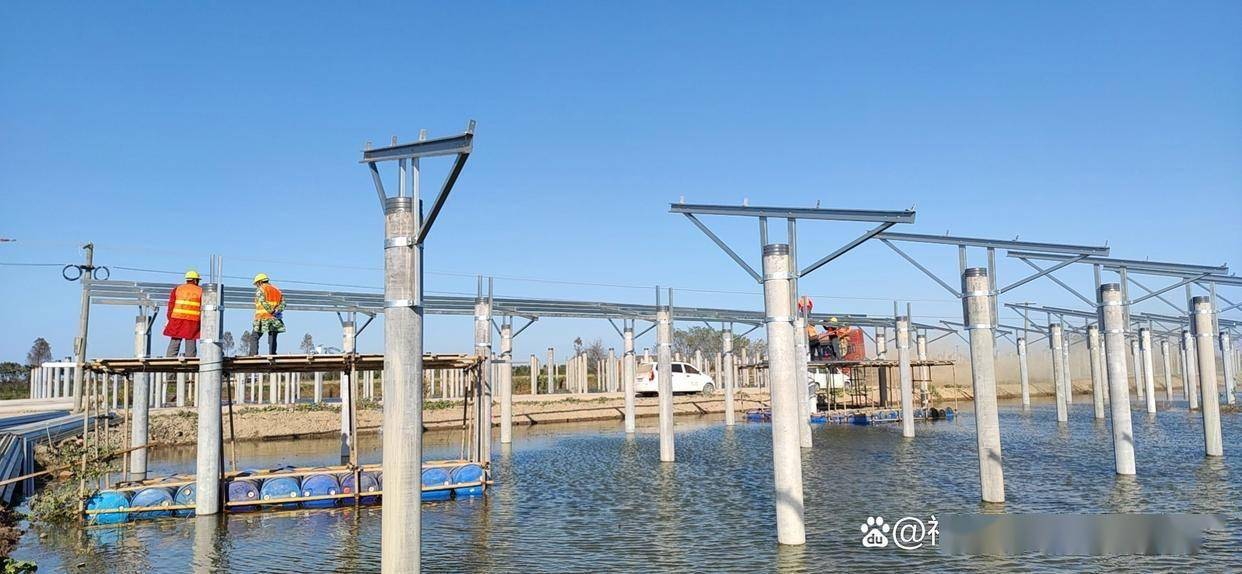
Wind power is the clearest case for reading the function column before the price column. 7337 is documented in the wind power industry for load transmission. 7338 is documented in the wind power industry with high tensile strength and anti-corrosion as stated special requirements, under vibration load. A single wind project can therefore require both products with different acceptance emphasis — torque and preload evidence for the load-transmitting connections, coating and anchoring evidence for the anchor installations.
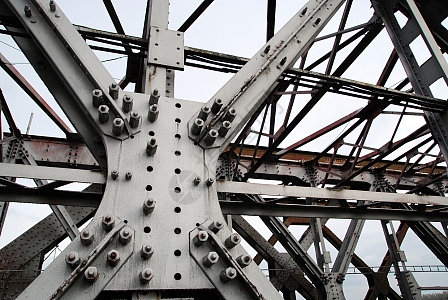
Comparison Table: Product 7337 vs. Product 7338
| Criterion | Product 7337 Hex Bolt | Product 7338 Sleeve Anchor |
|---|---|---|
| Joint type served | Component fastening and connection; assembly joint; load transmission | Equipment anchoring; load-bearing fixing into a base |
| Stated model range | Hex Bolt M3–M36 | Sleeve Anchor M5–M36 |
| Property reference | Grades 4.8, 8.8, 10.9, 12.9; A2-70 and A4-80 stainless; carbon steel, alloy steel or stainless steel | High tensile strength, high temperature resistance, seismic resistance and anti-corrosion stated as application requirements (wind power, engineering machinery) |
| Standards | GB/T, DIN, ISO, ASTM — including DIN 931, DIN 933, GB 5782, GB 5783, ASME/ANSI B18.2.1; DIN 933 / ISO 4017 for full-thread hex bolts | Dimension set and expansion geometry confirmed against the project drawing and base material |
| Working conditions documented | Static permanent fastening; petrochemical vibration load; outdoor open-air; high and low temperature | Static permanent fastening and permanent installation; alternating vibration load; high and low temperature environments |
| Supporting hardware and tooling | Nuts and washers; torque wrenches and impact drills | Nuts, washers and sleeve anchors; torque wrenches and impact drills |
| Coatings available | Black oxide, zinc plated, hot-dip galvanized, Dacromet, mechanical galvanized, PTFE coating | Anti-corrosion surface treatment available through customization; coating system and thickness class to be confirmed per order |
| MOQ (supplier level) | 500 sets standard; 3,000 sets non-standard customized | 500 sets standard; 3,000 sets non-standard customized |
| Lead time | 3–7 days in stock; 12–20 days customized; expedited negotiable | 3–7 days in stock; 12–20 days customized; expedited negotiable |
| Quality and acceptance evidence | Raw material incoming inspection, in-process patrol inspection, finished product tensile load test, pre-shipment inspection; third-party SGS testing available | Same inspection route and same third-party SGS testing availability |
| Certification base | ECM Type-Approved Attestation No. 3N230331.HYFUC49; ISO 9001; ISO 14001; ISO 45001; IATF 16949; ISO 14067 | ECM Type-Approved Attestation No. 3N230331.HYFUC49; ISO 9001; ISO 14001; ISO 45001; IATF 16949; ISO 14067 |
Read the table from the bottom up and it makes the point: the commercial and certification rows are identical, so the decision has to be made in the top four rows.
FAQ
Do the hex bolt and the sleeve anchor share the same certification coverage?
Yes. Product 7337 and Product 7338 are both covered by ECM Type-Approved Attestation No. 3N230331.HYFUC49, together with ISO 9001, ISO 14001, ISO 45001, IATF 16949 and ISO 14067. Because the certification documents are identical, they can be used as a supplier-qualification gate for both products but cannot be used to choose between them. The selection must be justified by application fit and by the acceptance clause written for each joint.
Can one supplier deliver both products for the same project package?
YUETONG FASTENER produces hex nuts, hex bolts, sleeve anchors, thread rod, flat washers, hex socket head bolts and wheel hub bolts, and supports OEM, ODM, non-standard customization and bulk stock supply. The company operates a 26,666.67 m² facility with 100 employees, 12 engineers and stated annual output of 150,000 tons, with monthly capacity quoted at 1,500 tons. A 15,000-piece hex bolt project for steel structure splicing, mechanical equipment fixing, building component fastening and bracket assembly was delivered with zero quality faults and passed project acceptance.
How does the coating choice change the purchasing terms?
Coating selection is a customization variable, and it is the main technical driver of what is quoted. For reference, zinc plating typically provides 5–12 μm of coating thickness while hot-dip galvanizing provides 45–85 μm, so the two are not interchangeable under a corrosion specification. Where a zinc-flake system is specified, EN ISO 10683:2018 gives the acceptance reference for non-electrolytically applied zinc flake coatings. Buyers should state the coating system and the thickness class in the enquiry rather than the word "anti-corrosion" alone.
What evidence is available before an order is released?
Material certificates and test reports are provided, and third-party SGS testing is available on request. The inspection route applied to both products runs from raw material incoming inspection through in-process patrol inspection and finished product tensile load test to pre-shipment inspection. Selection guidance is part of standard support, which allows a buyer to confirm that the drawing, the vibration description and the supporting hardware list match the product actually quoted before the order is placed.
What are the lead times and how should they be planned into a project schedule?
Lead time is 3–7 days for in-stock products and 12–20 days for customized orders, with expedited delivery negotiable, against an MOQ of 500 sets for standard products or 3,000 sets for non-standard customized products. Because these terms apply to both 7337 and 7338, the schedule constraint on a project package is usually the customized line, not the fastener family. Buyers can send the drawing, quantities and required acceptance documents through the contact route at info@ytfasteners.com or download the company brochure for the full product and capability reference.
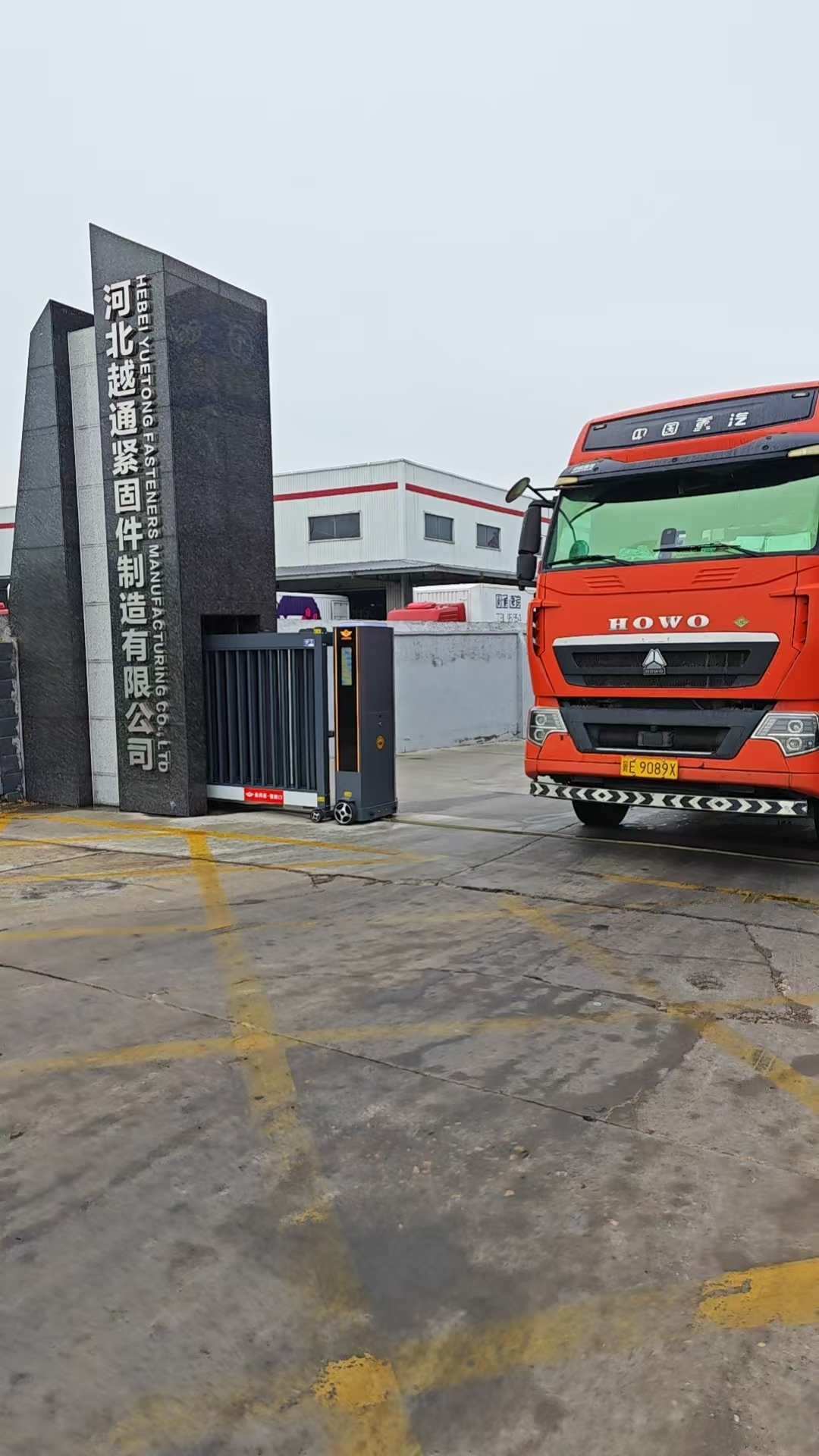
Conclusion
The carbon steel hex bolt versus sleeve anchor decision is not a product ranking exercise. Product 7337 and Product 7338 come from the same manufacturer, share ECM Type-Approved Attestation No. 3N230331.HYFUC49 and the same ISO 9001, ISO 14001, ISO 45001, IATF 16949 and ISO 14067 certification base, and carry the same MOQ, lead time and inspection route. What separates them is the joint: 7337 fastens and connects components and transmits load through a connection; 7338 anchors equipment and structural items into a base and is accepted as an installed system.
Write the purchase order accordingly. For 7337, lead with the product standard, grade, thread and coating class, then fix the torque and preload reference under EN ISO 16047. For 7338, lead with the base condition, expansion geometry, temperature and vibration envelope, then fix the installation torque and the anchoring acceptance evidence. Use EN ISO 10683:2018 to close the coating gap on both, and state the vibration description per line so the locking method is chosen before installation rather than after loosening.
Done in that order, the certificate folder does its real job — qualifying the supplier — and the technical clauses do theirs, which is to make the delivered lot acceptable at site on the first inspection.
Next step: get the specification matched before the order
Send the joint description, drawing, vibration condition and required acceptance documents to YUETONG FASTENER. The team responds with product selection guidance, coating options, available test evidence and the applicable MOQ and lead time for the requested line items.
- Email: info@ytfasteners.com
- Tel / WhatsApp: +86 158-320-18600
- Website: www.ytfasteners.com
- Product and capability brochure: download the YUETONG FASTENER catalogue (PDF)
Address: West, 80m North, Tongfa Road & Yuantong Street Crossing, Southwest Industrial Zone, Yongnian, Handan, Hebei, China.
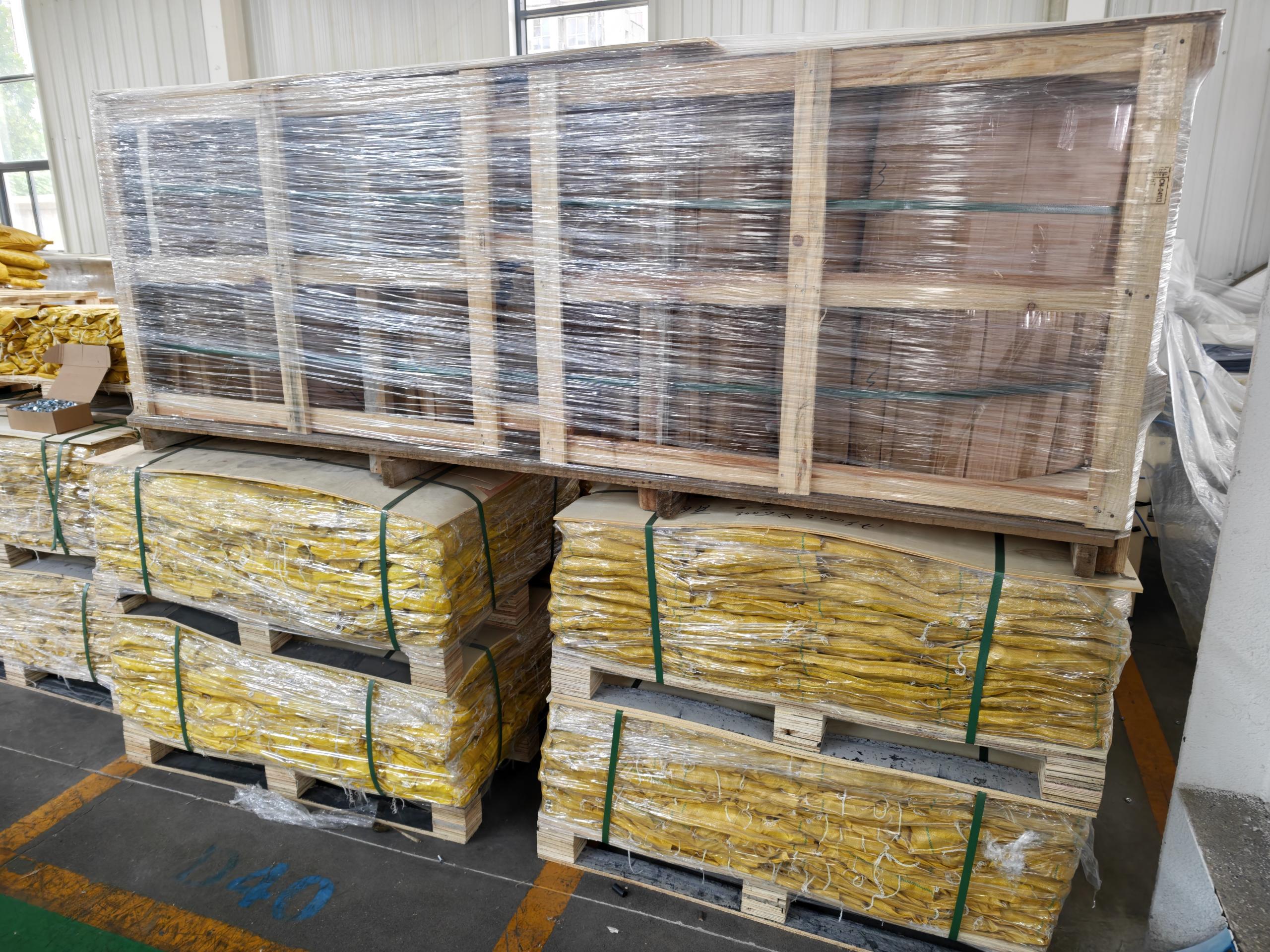
Packaging and dispatch preparation at the YUETONG FASTENER workshop in Yongnian District, Handan, Hebei.
Have Questions or Need More Details?
Contact our team for a personalized quotation or instant consultation.
Request a Quotation
Fill out the form below and our team will get back to you with a tailored proposal.
WhatsApp Direct Chat
Prefer to chat in real-time? Message us on WhatsApp for instant assistance & quick answers.
- Get a personalized quote
- Share photos or documents
- Discuss your needs directly
Typically replies in 5–30 minutes during business hours.