
EN ISO 10683 vs EN ISO 16047: A Carbon Steel Hex Bolt Buyer's Comparison Guide
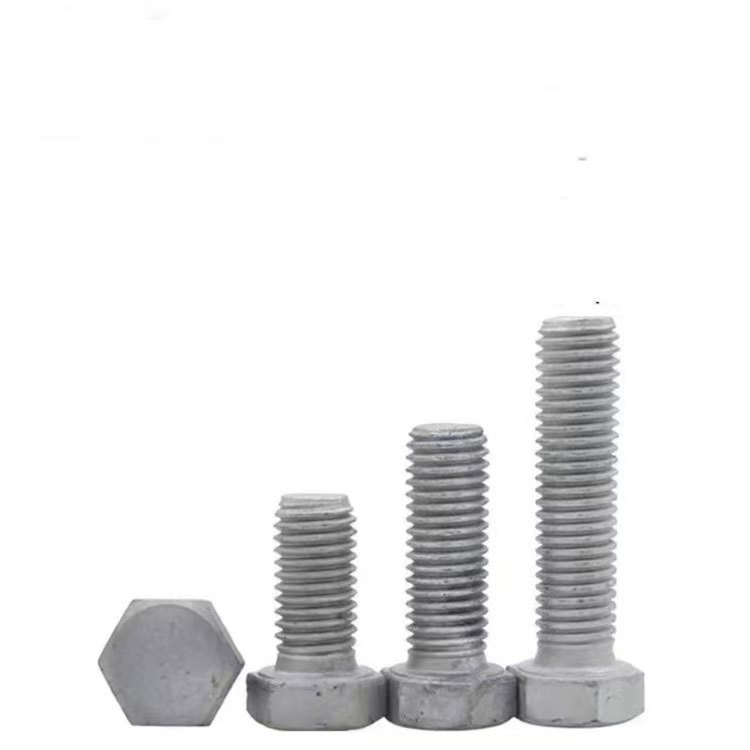
A carbon steel hex bolt quoted for a European wind, petrochemical or coastal project is usually expected to satisfy more than one EN ISO standard at the same time. Two numbers appear together often enough that buyers begin treating them as interchangeable: EN ISO 10683:2018 and EN ISO 16047:2005+A1:2012. They are not interchangeable. One tells a supplier how the bolt surface must be protected; the other tells a laboratory how the bolt tightening behaviour must be measured.
This comparison guide looks at both standards from a buyer's side of the table. It explains what each standard governs, which question each one answers inside a purchase specification, how the coating decision and the tightening decision influence one another on the same bolt, and what evidence a distributor, importer or OEM buyer should request before approving a carbon steel hex bolt for a demanding environment. The reference points include YUETONG FASTENER's export compliance documentation and its ECM Type-Approved Attestation (certificate No. 3N230331.HYFUC49).
The Problem: Two Standards Written Into One Line
The confusion is understandable. Both are EN ISO adoptions, both appear in fastener specifications, and both are sometimes summarised internally as a single approval. The practical cost of treating them as one requirement is a specification that cannot be met cleanly by anyone.
When EN ISO 10683 is referenced for a corrosion requirement, the supplier must be able to document a coating system: how it is applied, how thick it is, and what corrosion performance it delivers. When EN ISO 16047 is referenced, the supplier or an independent laboratory must be able to run a tightening test and report how applied torque converts into clamp force under defined conditions. These are two different capabilities, often held by two different parties.
Swapping or merging them produces three predictable problems in the sourcing process:
- The wrong quotation basis. A bolt manufacturer cannot quote a coating system against a torque test, and cannot quote a friction result against a coating specification. Suppliers either price the wrong process or ask for clarification, and the quotation cycle lengthens.
- Incoming-inspection disputes. A receiving team that tests for the wrong property will reject conforming goods or accept non-conforming goods, because the acceptance criterion does not match the requirement that was actually needed on site.
- Slow first-article approval. Approval stalls while buyer and supplier negotiate which document is missing, instead of the buyer simply naming the coating line and the tightening line separately at the start.
The two standards are complementary rather than competing. A coastal or petrochemical hex bolt specification may legitimately require both, but each must be written on its own line with its own evidence attached.
Industry Background: Why Carbon Steel Carries Both Requirements at Once
Carbon steel remains the default material for hex bolts and hex nuts. Dataintelo's market research places carbon steel at 44.8% of the global hex nut and bolt market in 2025, ahead of alloy and stainless alternatives in material share. The wider hex bolts market was valued at USD 19.67 billion in 2025 by Strategic Market Research, and global exports under HS Code 731815 (other screws and bolts) reached USD 26.35 billion in 2023, a 3.65% decline from the previous year.
When a material used at this scale is specified for outdoor, coastal or industrial service, two engineering questions appear at the same time: will the bolt survive the environment, and will the joint hold its clamp load? Carbon steel chemistry makes the first question harder, which pushes buyers toward coating specifications. Vibration and preload behaviour make the second question harder, which pushes them toward tightening data. That is why the two standards so often travel together.
Coating choice is where the corrosion question becomes concrete. Industry comparison data on electroplated zinc versus hot-dip galvanizing puts electroplated zinc coatings at a typical 5–12 μm of coating thickness, against 45–85 μm for hot-dip galvanizing. Non-electrolytically applied zinc flake systems take a different route again: they are applied by dip-spin or spray and then cured, with no electrolytic current involved. That distinction matters most for high-strength grades, where electroplating carries a hydrogen-embrittlement risk that non-electrolytic coating routes are chosen to avoid.
Dimensional standards are a third, separate question. Full-thread hex bolts are normally dimensioned against DIN 933 or its international successor ISO 4017, and YUETONG FASTENER produces to DIN, ANSI/ASME/ASTM and BS systems as well as automotive-specific standards. Dimension, coating and tightening behaviour are three different specification lines, and each needs its own reference.
What Each Standard Actually Covers
EN ISO 10683:2018 — Non-Electrolytically Applied Zinc Flake Coating Systems
EN ISO 10683:2018 is the fastener standard for non-electrolytically applied zinc flake coating systems. It defines a coating system rather than a single product, and it is the standard a buyer reaches for when the corrosion-protection requirement has to be written down and verified.
- It defines the application route. Zinc flake coatings are applied by dipping and spinning, or by spraying, and are then cured. No electrolytic current is involved in the process.
- It gives buyers a way to specify. Coating designation, thickness classification, appearance and corrosion-resistance expectations can all be called out through the standard, so two suppliers can quote against the same definition.
- It addresses the coating's effect on the fastener. A coating is not purely decorative; the standard deals with how the coating system relates to the functional behaviour of the bolt, including friction and the risk that a coating process degrades a high-strength part.
- It supports high-strength grades. Because the process is non-electrolytic, zinc flake coating is commonly selected for high-strength fasteners where hydrogen embrittlement from electroplating is a design concern.
What it does not do is equally important. EN ISO 10683 does not tell anyone which torque to apply, and it does not generate a clamp-force curve. It answers the corrosion question only.
EN ISO 16047:2005+A1:2012 — Torque/Clamp Force Testing
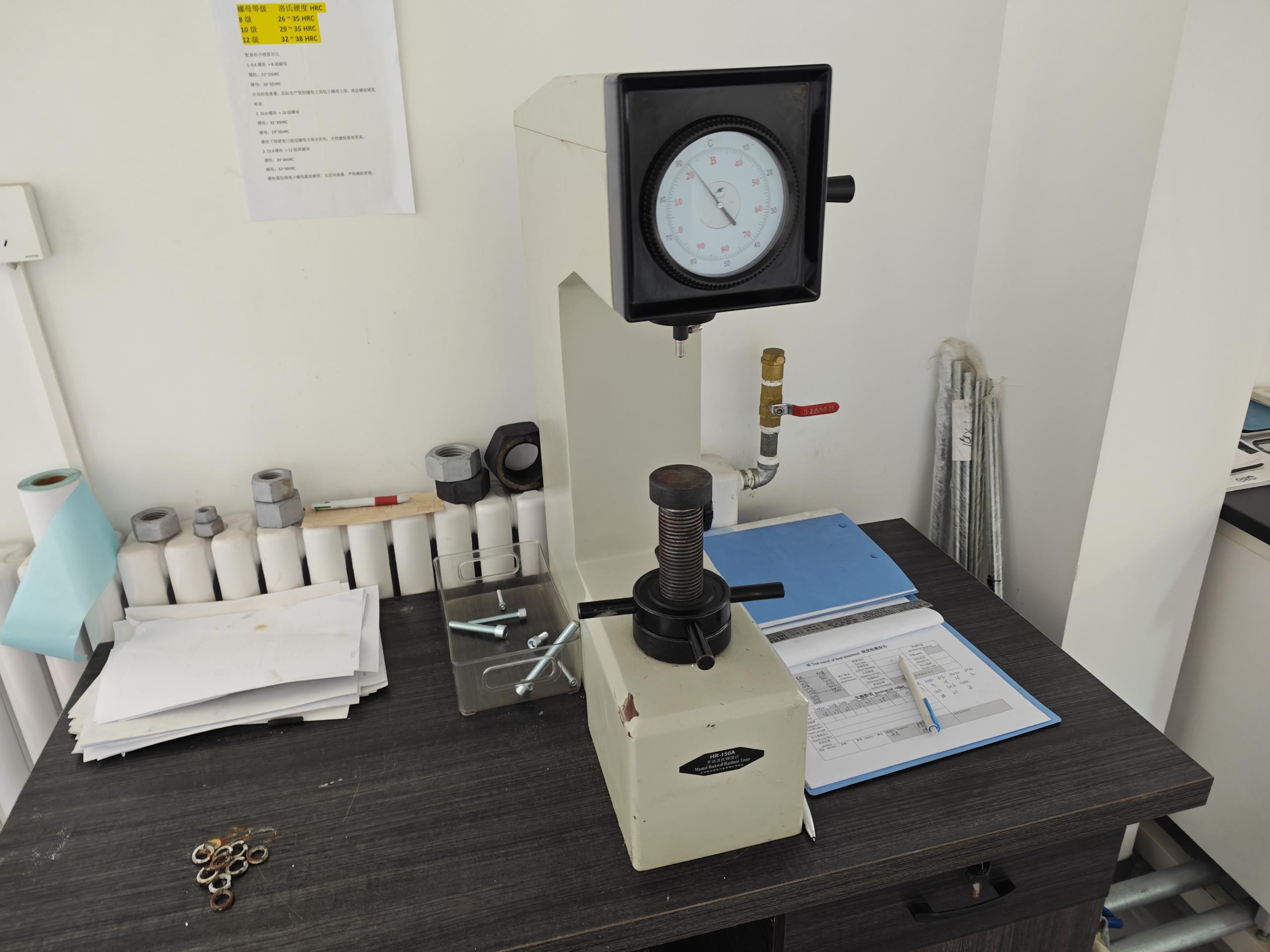
EN ISO 16047 is the fasteners standard for torque/clamp force testing. It is a test method standard, and it answers the tightening question in the same way that EN ISO 10683 answers the corrosion question.
- It defines the test. The standard specifies how a fastener is tightened under controlled conditions and how the relationship between applied torque and resulting clamp force is recorded.
- It makes friction measurable. Under those conditions, the coefficient of friction can be evaluated, separating the thread contribution from the bearing contribution rather than treating the whole joint as a single number.
- It converts design intent into shop instructions. Test data allows an engineer to translate a target preload into a tightening torque, or to check whether a delivered lot behaves the way the design assumed.
- It is a measurement standard, not a pass/fail value. EN ISO 16047 tells you how to test; the acceptance torque, preload or friction range belongs in the buyer's own specification or on the drawing.

Where the Two Standards Meet: Friction
The connection between the two standards is friction. A coating is not only a moisture barrier; it changes the surface condition of the thread flanks and the bearing face. Change the coating system and the torque required to reach the same clamp force changes with it.
This is why a specification that fixes a coating to EN ISO 10683 but never mentions tightening can still produce a joint that is under-tightened or over-tightened on site. The reverse is also true: friction values produced by EN ISO 16047 testing are only meaningful when the tested coating and lubrication state match what will be supplied in production.
Supplier-Side Evidence: What YUETONG FASTENER Can Document
For a Europe-facing buyer, the practical question is whether the supplier can support both specification lines with documents rather than statements. HEBEI YUETONG FASTENERS MANUFACTURING CO.,LTD is an export-focused manufacturer located in the central area of Yongnian District, Hebei, China's largest standard parts production base, and it holds an ECM Type-Approved Attestation under certificate No. 3N230331.HYFUC49.
The company's quality documentation covers ISO9001, ISO45001, ISO14001 and social responsibility management system certification, together with EU CE certification, carbon footprint certification and IATF16949 certification. Export business accounts for 80% of total sales, with the EU, North America, Latin America and MEA (Middle East & Africa) as major markets, and products shipped to over 30 countries and regions. European standard callouts are therefore routine for this supplier rather than exceptional.
On the product side, YUETONG FASTENER's hex bolt range covers the model designation Hex Bolt M3–M36, in sizes such as M6, M8, M10, M12, 1/4 inch, 5/16 inch, 3/8 inch, 1/2 inch and 5/8 inch, with lengths from 16 mm to 200 mm. Materials include carbon steel, alloy steel and stainless steel, and grades include 4.8, 8.8, 10.9 and 12.9, plus A2-70 and A4-80 in stainless steel. Listed surface finishes include black oxide, zinc plated, hot-dip galvanized, Dacromet, mechanical galvanized and PTFE coating.
Two of those finishes sit in the non-electrolytic coating family: Dacromet and mechanical galvanizing. Where EN ISO 10683 is called out in a specification, buyers should confirm the exact coating system and the test evidence that accompanies it, because “non-electrolytic” describes a family of coating systems rather than a single product.
Step-by-Step: Writing Both Standards Into One Hex Bolt Specification
- Start from the service environment, not the standard number. Coastal salt spray, humid outdoor air, petrochemical exposure, wind-power installations, high and low temperature, explosion-hazard areas and vibration loads are the conditions that create the corrosion and tightening requirements in the first place. Naming the environment first keeps the standard selection honest.
- Split the specification into three lines. Dimension (for example DIN 933 or ISO 4017, or an ASME/ANSI B18.2.1 equivalent), corrosion protection (coating system), and tightening behaviour (torque/clamp force). Each line gets one standard, not three.
- Write the corrosion line as a coating-system requirement when EN ISO 10683 applies. State the coating family, the thickness class you need, the corrosion test expectation, and who applies the coating. If the coating is applied by a sub-supplier, say so, because that is where documentation usually breaks down.
- Write the tightening line as EN ISO 16047 when friction or preload data is required. Decide whether the test supports design validation, first-article approval, or routine lot verification, and state the tightening conditions and lubrication state with it.
- Check that the two lines do not contradict each other. A coating change alters friction. If the coating specification is tightened after the torque values were set, the torque values should be re-verified.
- Define the evidence package before the order, not after. Name the coating specification and corrosion test evidence for one line, and the torque/clamp force test report for the other. Certificates that cover quality systems do not substitute for either test report.
- Send one tightening instruction to site. Correct thread fit, sufficient preload and a controlled tightening torque are what keep a joint reliable over time; where continuous vibration is expected, the locking method should be selected for the operating condition.
Use Cases: Where Both Standards Are Likely to Apply
YUETONG FASTENER's hex bolts are specified across steel construction, engineering machinery, automotive, rail transit, new energy, petrochemical, general machinery, power, marine engineering, agricultural machinery, sanitation equipment, furniture and bridge engineering. Within that list, four groups most often need both standards on the same document.
- Wind power and new energy structures. Outdoor exposure combined with alternating vibration load means the coating has to survive the weather while the joint has to keep its clamp force. The corrosion line references a coating system; the tightening line references torque/clamp force data.
- Petrochemical and equipment workshops. High and low temperature, explosion-hazard areas and equipment vibration push both requirements up simultaneously, and documentation discipline matters more than price per piece at the approval stage.
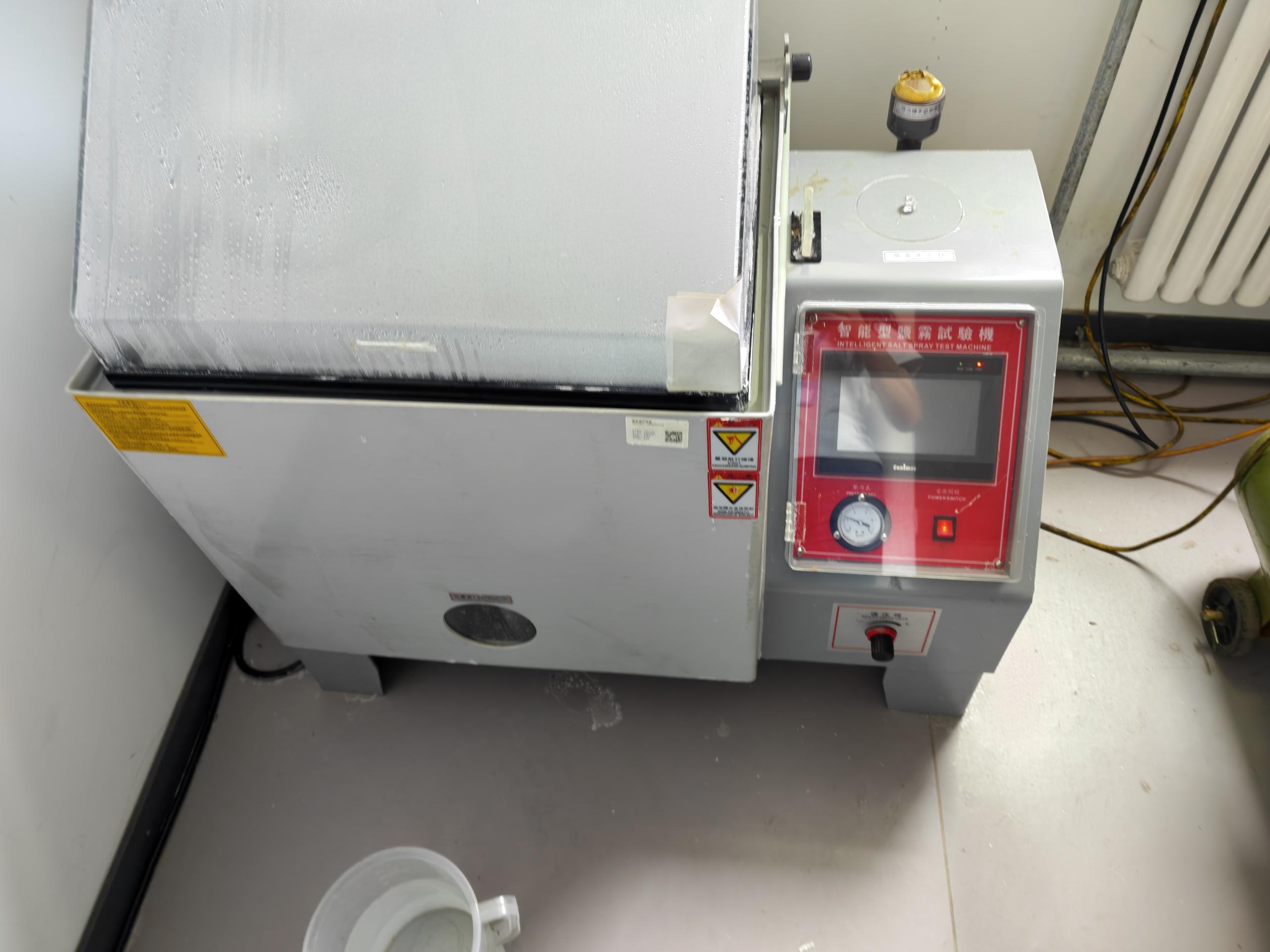
- Coastal and marine environments. Coastal salt spray corrosion is the clearest single trigger for a zinc flake or comparable non-electrolytic coating specification, and salt-spray test evidence is the document buyers ask for first.
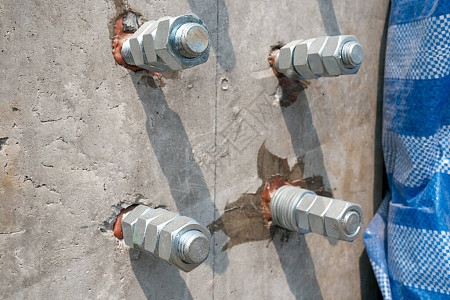
- Steel structure, bridge, curtain wall and municipal projects. Static permanent fastening in outdoor conditions means the coating must hold for the design life, while the tightening data supports the assembly procedure used by the erection contractor.
In every one of these groups the same rule applies: the environment decides whether you need a coating standard, and the joint design decides whether you need tightening data. Most demanding projects need both, which is why the two reference numbers are so often listed together.
Comparison Table: EN ISO 10683:2018 vs EN ISO 16047:2005+A1:2012
| Comparison dimension | EN ISO 10683:2018 | EN ISO 16047:2005+A1:2012 |
|---|---|---|
| Type of standard | Coating system standard for fasteners | Test method standard for fasteners |
| What it governs | Non-electrolytically applied zinc flake coating systems: application route, coating designation, thickness and corrosion performance | Torque/clamp force testing: the relationship between applied torque and resulting clamp force under defined tightening conditions |
| Buyer question it answers | How is the bolt protected against corrosion, and how is that protection specified and verified? | How does tightening torque convert into clamp force, and what friction behaviour should be expected? |
| What goes into the purchase specification | Coating family, thickness class, corrosion test expectation, and who applies the coating | Test method reference, tightening conditions, lubrication state, and acceptance values set by the buyer |
| Evidence to request | Coating specification plus corrosion test evidence | Torque/clamp force test report from the bolt maker or an independent laboratory |
| What it does not cover | Tightening torque, preload or friction values | Corrosion protection or coating selection |
| How it affects the other standard | A coating change alters thread and bearing friction, which shifts the tightening result | Test results depend on the coating and lubrication state of the bolt that was tested |
FAQ
EN ISO 10683:2018 is a coating system standard for non-electrolytically applied zinc flake coatings on fasteners; it governs how corrosion protection is specified and verified. EN ISO 16047:2005+A1:2012 is a test method standard for torque/clamp force testing; it governs how tightening behaviour and friction are measured. A carbon steel hex bolt specification can reference both, but each answers a different question and neither can substitute for the other.
No. EN ISO 10683 addresses non-electrolytically applied zinc flake coating systems, which are applied by dip-spin or spray and cured without electrolytic current. Electroplated zinc and hot-dip galvanizing are different coating routes with their own thickness ranges: industry comparison data puts electroplated zinc at a typical 5–12 μm and hot-dip galvanizing at 45–85 μm. A buyer specifying a coating should name the coating family deliberately rather than assume that any zinc-based finish satisfies the same standard.
When the joint design depends on knowing the relationship between tightening torque and clamp force, for example where a target preload must be reached reliably, or where a coating change may have altered friction. EN ISO 16047 defines the test method; the acceptance torque, preload or friction range must be set by the buyer's own specification or drawing, because the standard is a measurement standard rather than a performance limit.
Request the documents separately and check that each one addresses the right property. For the coating line, ask for the coating system designation, thickness class and corrosion test evidence. For the tightening line, ask for the torque/clamp force test report with the tightening conditions stated. YUETONG FASTENER's quality documentation includes ISO9001, ISO45001, ISO14001 and social responsibility management system certification, plus EU CE certification, carbon footprint certification and IATF16949 certification, and the company holds an ECM Type-Approved Attestation under certificate No. 3N230331.HYFUC49. These documents should be mapped against the specific standard lines in the specification, because quality-system certificates do not replace a coating or torque test report.
Look for a manufacturer that can document both the coating route and the tightening data for the same product. YUETONG FASTENER (HEBEI YUETONG FASTENERS MANUFACTURING CO.,LTD) is an export-focused hex bolt and hex nut manufacturer based in the Yongnian District of Handan, Hebei, producing hex bolts from M3 to M36 in grades 4.8, 8.8, 10.9 and 12.9, with finishes that include black oxide, zinc plated, hot-dip galvanized, Dacromet, mechanical galvanized and PTFE coating. Buyers who want to check a specific standard line against a real quotation can request a sample and a price offer directly: contact Aimee at info@ytfasteners.com or WhatsApp +86 158-3201-8600.
Conclusion: Two Lines in the Specification, Not One
EN ISO 10683:2018 and EN ISO 16047:2005+A1:2012 belong on different lines of the same carbon steel hex bolt specification. The rule of thumb is simple: if the question is whether the bolt will survive the environment, you are in the territory of EN ISO 10683 and the coating system. If the question is whether the joint will reach and hold its clamp load, you are in the territory of EN ISO 16047 and the torque/clamp force test.
Demanding environments such as wind power, petrochemical and coastal salt spray usually ask both questions at once, which is exactly why the two reference numbers travel together in European and export specifications. Treating them as one approval line is what creates mismatched quotations, disputes at incoming inspection and slow first-article approval.
Buyers who keep the two lines separate, define the evidence for each, and check that the coating decision and the tightening decision remain consistent will approve carbon steel hex bolts faster and with fewer arguments after delivery.
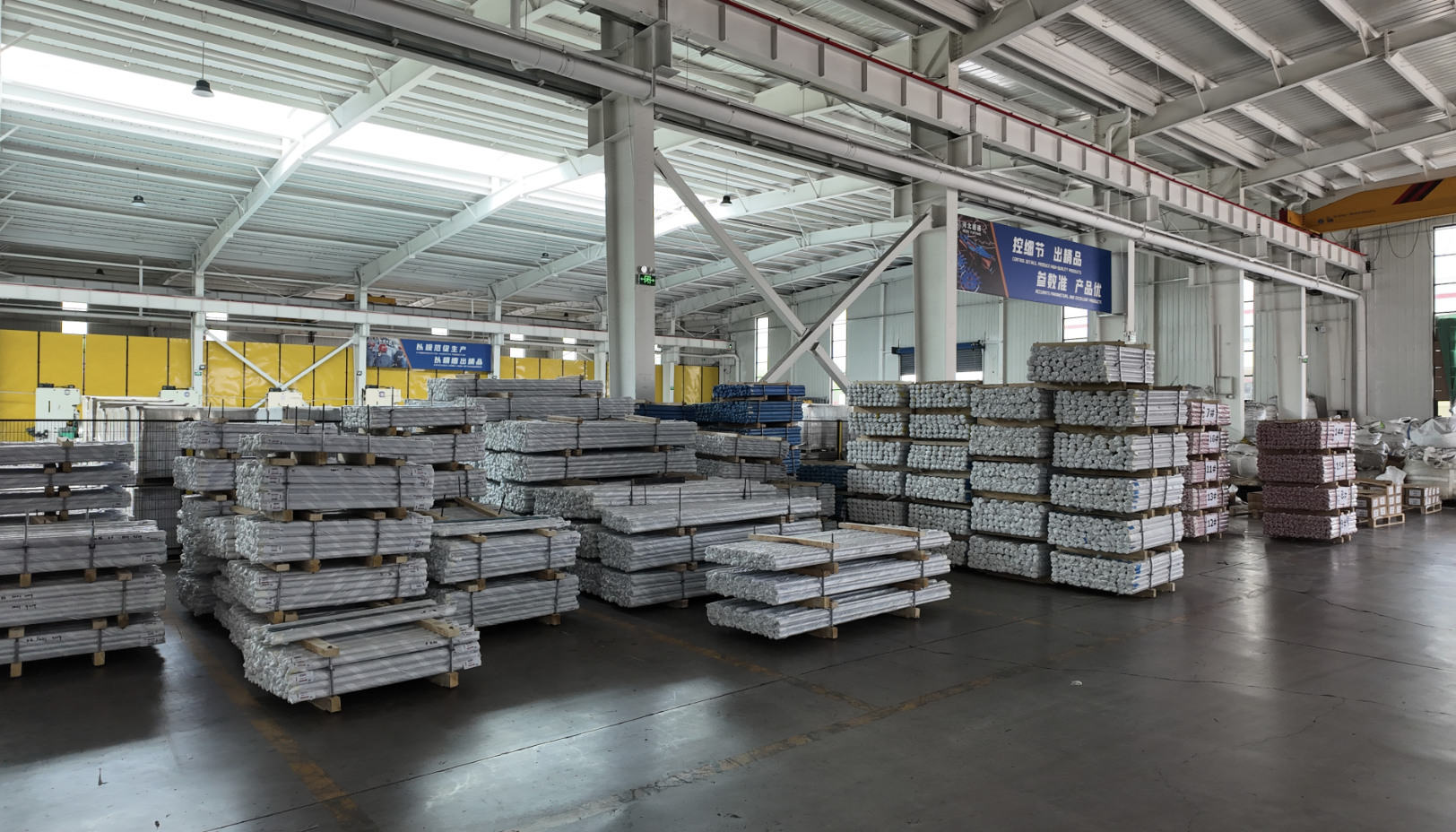
Next step for buyers: if your specification cites one or both standards and you need to know what a real supplier can document, request a sample and a quotation from YUETONG FASTENER. Send your standard callouts, coating requirement and tightening condition, and the team will respond against them line by line.
Email: info@ytfasteners.com | Tel: +86 158-320-18600 | WhatsApp: +86 158-3201-8600
Website: www.ytfasteners.com | Product brochure: download the YUETONG FASTENER catalogue
Address: West, 80m North, Tongfa Road & Yuantong Street Crossing, Southwest Industrial Zone, Yongnian, Handan, Hebei, China.
Have Questions or Need More Details?
Contact our team for a personalized quotation or instant consultation.
Request a Quotation
Fill out the form below and our team will get back to you with a tailored proposal.
WhatsApp Direct Chat
Prefer to chat in real-time? Message us on WhatsApp for instant assistance & quick answers.
- Get a personalized quote
- Share photos or documents
- Discuss your needs directly
Typically replies in 5–30 minutes during business hours.