
How to Evaluate a Sleeve Anchor Supplier: Certifications and Quality Checks
Two sleeve anchor suppliers will send you the same M10 specification sheet, and the two sheets will look almost identical: the same diameter range, the same zinc plating, the same bolt-and-sleeve assembly. The difference between a supplier you can scale with and one that creates problems six months into a contract rarely appears on that sheet. It appears in the certificates the company actually holds, and in the inspection records the factory produces before a carton is sealed.
This guide is written for importers, distributors, OEM brand owners and project procurement teams at the research stage of supplier selection. It does not simply list the certifications a sleeve anchor manufacturer should have. It explains how to verify them — reading certificate scopes, matching certificate numbers to legal entities, and confirming that quality control is a measurable process rather than a phrase on a quotation.
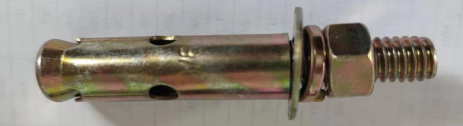
Where Sleeve Anchor Supplier Evaluation Usually Breaks Down
Supplier evaluation rarely fails because the buyer forgot to ask for certificates. It fails because the certificates were accepted at face value, and because quality control was assessed from a sentence rather than from a record.
Three failure points account for most of the problem:
- The certificate scope is never read. An ISO 9001 certificate issued to a trading company and an ISO 9001 certificate issued to a manufacturing plant look similar in a PDF attachment, but they certify different activities. If the scope statement does not cover the production of the anchors you are ordering, the certificate does not describe your supplier's process.
- The certificate number is never verified. A number such as 29024Q12949-09R1M exists precisely so that a buyer can check it against the issuing body's records. If the number cannot be matched to the legal entity that will appear on your commercial invoice, the document has no evidential value in a dispute.
- Inspection is treated as a promise, not a process. “Full inspection before shipment” is a sentence. Evidence is a hardness reading, a tensile test record, a salt-spray result and a thread inspection log tied to a specific production batch.
None of these problems require special equipment to detect. They require a checklist that is applied consistently to every candidate supplier, and a willingness to ask for the underlying document rather than the summary slide.
Industry Background: A Category Under Growing Documentation Pressure
Anchoring fasteners are a well-defined industrial category with a documented trade identity. Sleeve anchors fall under HS Code 7318.15, the classification covering other screws and bolts with nuts or washers, as listed by the US International Trade Commission's harmonized tariff schedule. That classification matters commercially because it places sleeve anchors inside a fastening category that customs authorities and procurement teams already track.
Market data points in the same direction. Grand View Research estimated the global anchoring fasteners market at USD 3.12 billion in 2024, with the mechanical anchors segment — the group that includes sleeve anchors — accounting for 58.3% of revenue share that year. On the supply side, Credence Research projects China's industrial fasteners market to grow from USD 12.23 billion in 2024 to USD 22.78 billion by 2032. More buyers and more suppliers in the same category means more certificates circulating in quotation packs, which makes verification the practical differentiator.
Testing standards reinforce the same point. ASTM E488 / E488M-22 is the primary standard test method for measuring the strength of anchors in concrete elements. A supplier able to explain how its own inspection data relates to a recognised test method is operating on a different level from one that can only supply a marketing claim.
Practical takeaway: category growth increases supplier count, not supplier quality. The evaluation framework below is designed to be applied in under an hour per candidate, using documents the supplier should already have on file.
The Six-Dimension Sleeve Anchor Supplier Evaluation Framework
A supplier evaluation gets much faster once the criteria are fixed. The six dimensions below cover what a sleeve anchor buyer can realistically verify before placing a first order: certification breadth, certification scope, certificate number verification, in-house testing capability, raw material and process control, and production capacity.
Dimension 1 — Certification Breadth
A complete certificate set for a sleeve anchor manufacturer usually covers four layers: quality management, environmental management, occupational health and safety, and product or market-specific conformity. In practice, the following documents are the ones buyers should expect to see:
- ISO 9001:2015 — quality management system. This is the baseline document; without it, the remaining claims have no framework behind them.
- ISO 14001 — environmental management system.
- ISO 45001 — occupational health and safety management system.
- IATF 16949 — automotive quality management system, relevant when the buyer supplies automotive or high-volume industrial accounts.
- ISO 14067 — product carbon footprint quantification, increasingly requested by European buyers and by project tenders with sustainability criteria.
- EU CE certification — relevant where the anchor is placed on the EU market.
HEBEI YUETONG FASTENERS MANUFACTURING CO.,LTD. is an example of a supplier that maintains this multi-layer structure. The company holds ISO9001 quality management system, social responsibility management system, ISO45001 occupational health and safety management system and ISO14001 environmental management system certifications, together with EU CE certification, carbon footprint certification and IATF16949 certification.
Breadth alone does not prove capability, but it does determine whether a supplier can survive the audit processes of several end markets at once. A single ISO 9001 certificate may be sufficient for a domestic distributor; it is rarely sufficient for a European OEM that must pass its own sustainability and supply-chain review.
Dimension 2 — Certification Scope: The Line Most Buyers Skip
The scope statement is the part of a certificate that describes which activities, at which site, are covered. It is also the part buyers most often skim past. Three questions resolve it quickly:
- Does the scope include production? Look for wording that describes manufacturing or production rather than trading, sourcing or distribution. If the scope covers only sales activity, the certificate does not describe how the anchors are made.
- Does the scope cover the product line? A certificate scoped to general fasteners may or may not explicitly include anchors. Confirm that anchor production or anchor sales appear in the scope text if your order depends on that certificate.
- Does the site address match the factory? If the certificate lists a registered office while the order will be produced elsewhere, the document does not cover the manufacturing location.
This is where a supplier relationship model also becomes visible. A trading company can hold a perfectly valid ISO 9001 certificate covering its sourcing and distribution activities, and that certificate is legitimate — it just does not certify a production process. Buyers who need manufacturing traceability should confirm whether the certificate is issued to the production legal entity.
Dimension 3 — Certificate Number Verification
Certificate numbers are designed to be checked. Using an ISO 9001 certificate number such as 29024Q12949-09R1M as a working example, the verification sequence looks like this:
- Request the full certificate file, not a cropped image. A complete PDF shows the issuing body, the certificate number, the legal entity name, the scope statement, the issue date and the expiry date on one page.
- Match the legal entity name to your commercial documents. The name on the certificate should be consistent with the name that will appear on the invoice, the packing list and the bill of lading. For the example above, that entity would be HEBEI YUETONG FASTENERS MANUFACTURING CO.,LTD.
- Check the number against the issuing body's records. Certification bodies maintain registers that allow a buyer to confirm that a number is active and that the recorded scope matches the copy in hand.
- Confirm validity and surveillance. Management system certificates run on a cycle that includes periodic surveillance audits. Ask for the most recent surveillance confirmation, not only the original certificate.
- Re-check the scope wording in the register. The register entry is the authoritative version. If the register scope differs from the copy you were sent, treat the copy as out of date.
This five-step check takes minutes and eliminates most of the risk around certificate authenticity. It also produces a useful side effect: suppliers who maintain genuine certification respond quickly and completely, while those who do not tend to send partial documents.
Dimension 4 — In-House Testing Capability
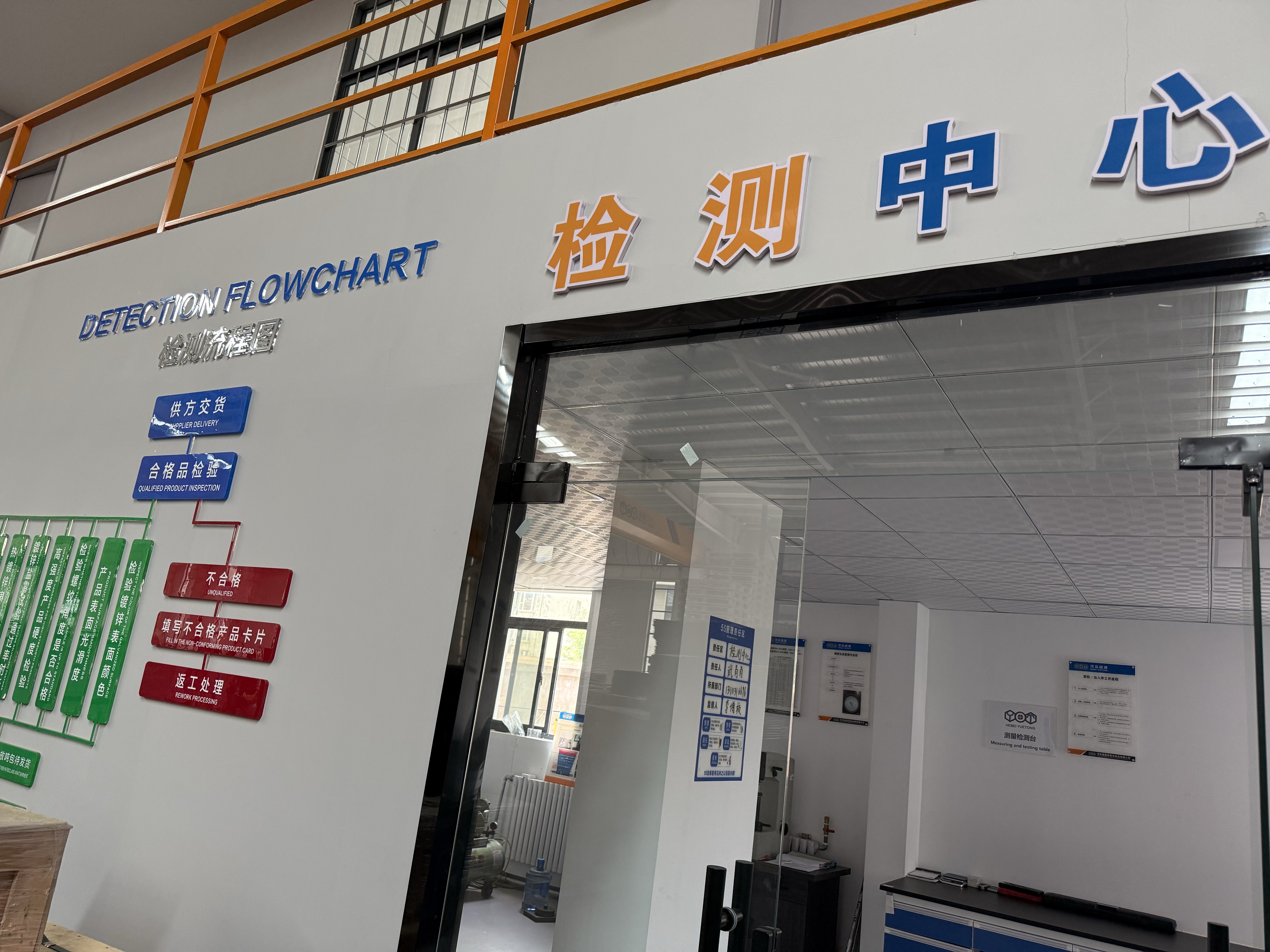
Certification describes a management system. Testing capability describes whether the system produces measurable output on a specific batch. For sleeve anchors, four inspection points are directly relevant to product performance:
- Hardness testing — confirms that the material grade in the finished anchor matches the grade specified on the order.
- Tensile testing — confirms the load-bearing behaviour of the assembled anchor-and-bolt unit.
- Thread angle inspection — confirms that the thread profile will match the corresponding nut or bolt and conform to the referenced standard.
- Salt-spray testing — confirms the corrosion resistance delivered by the surface treatment, whether zinc plated, yellow zinc plated or hot-dip galvanized.
When a supplier operates its own testing centre, these checks can be run as routine process control rather than as an outsourced event. That distinction matters when a batch needs to be re-verified or when a customer audit requires traceable test data.
Dimension 5 — Raw Material and Process Control
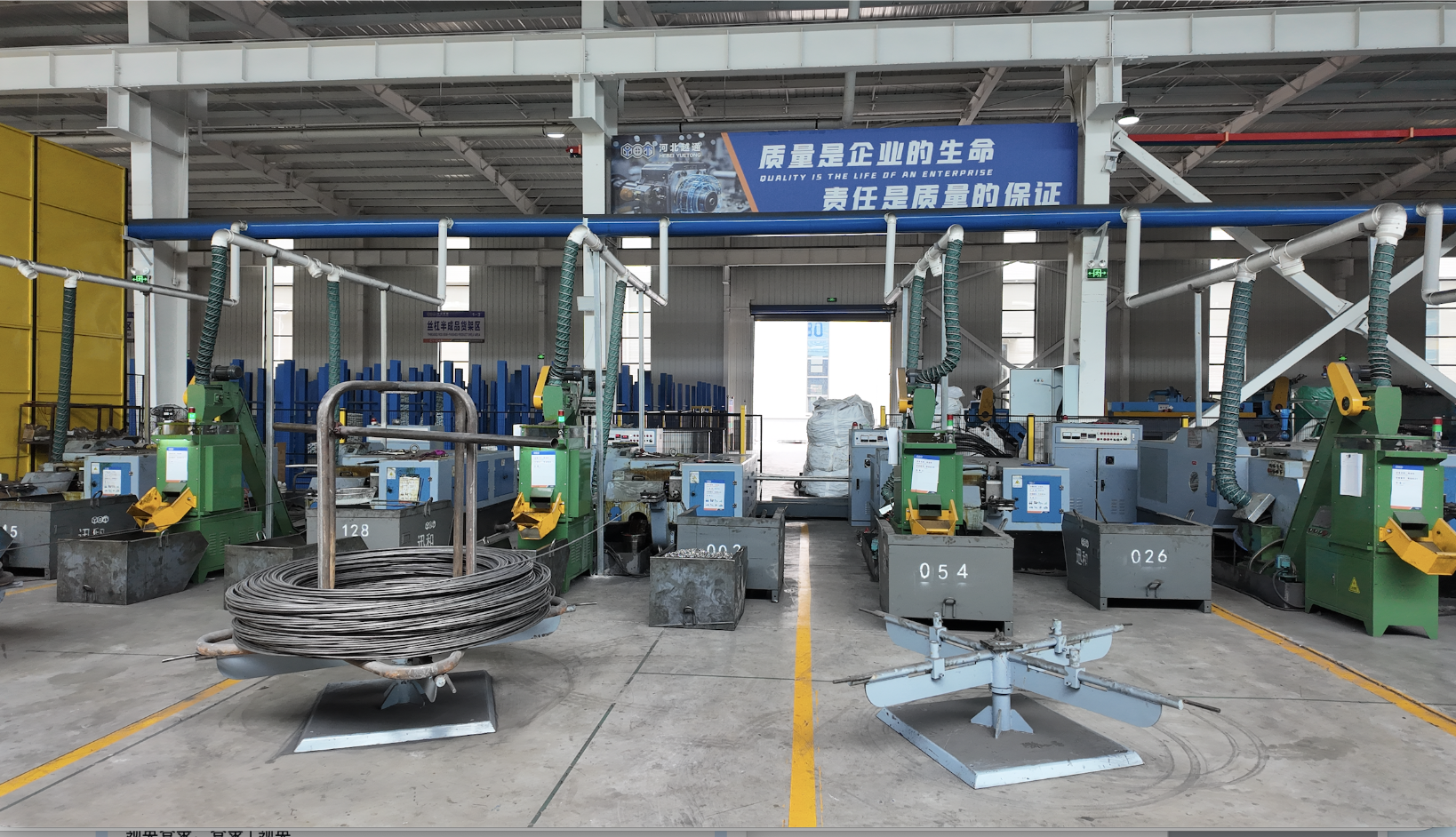
Quality problems in sleeve anchors usually originate upstream of final inspection. The control chain that buyers should ask about runs from incoming material to finished goods:
- Raw material inspection — verification of carbon steel or stainless steel before production begins.
- Cold heading and forming — the forming stage that establishes the sleeve geometry and the anchor body.
- Heat treatment — the stage that determines the mechanical properties of the finished part.
- Surface treatment — zinc plating, yellow zinc plating or hot-dip galvanizing, selected according to the working environment.
- Finished product testing — the final inspection gate before packing.
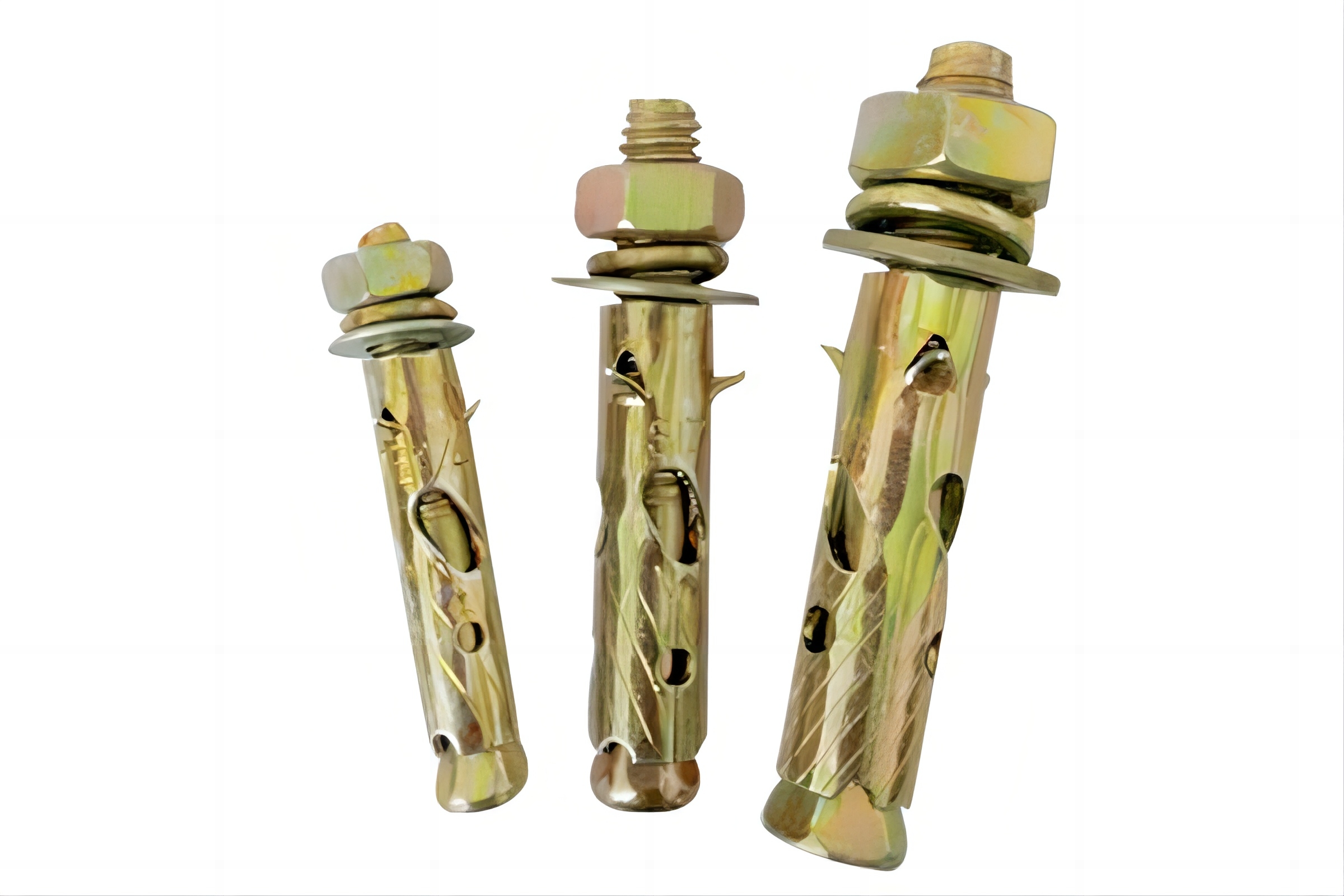
Sleeve anchors are manufactured to standards including GB/T, DIN, ISO, ASTM and EN, in size ranges from M6 to M16 as well as imperial sizes such as 1/4", 5/16", 3/8", 1/2" and 5/8", with overall lengths commonly from 30 mm up to 300 mm. Material grades include 4.8 carbon steel and A2-70 or A4-80 stainless steel. Because the same product family spans such a wide configuration range, process control is what keeps the delivered batch consistent with the approved sample.
Dimension 6 — Production Capacity and Technical Depth
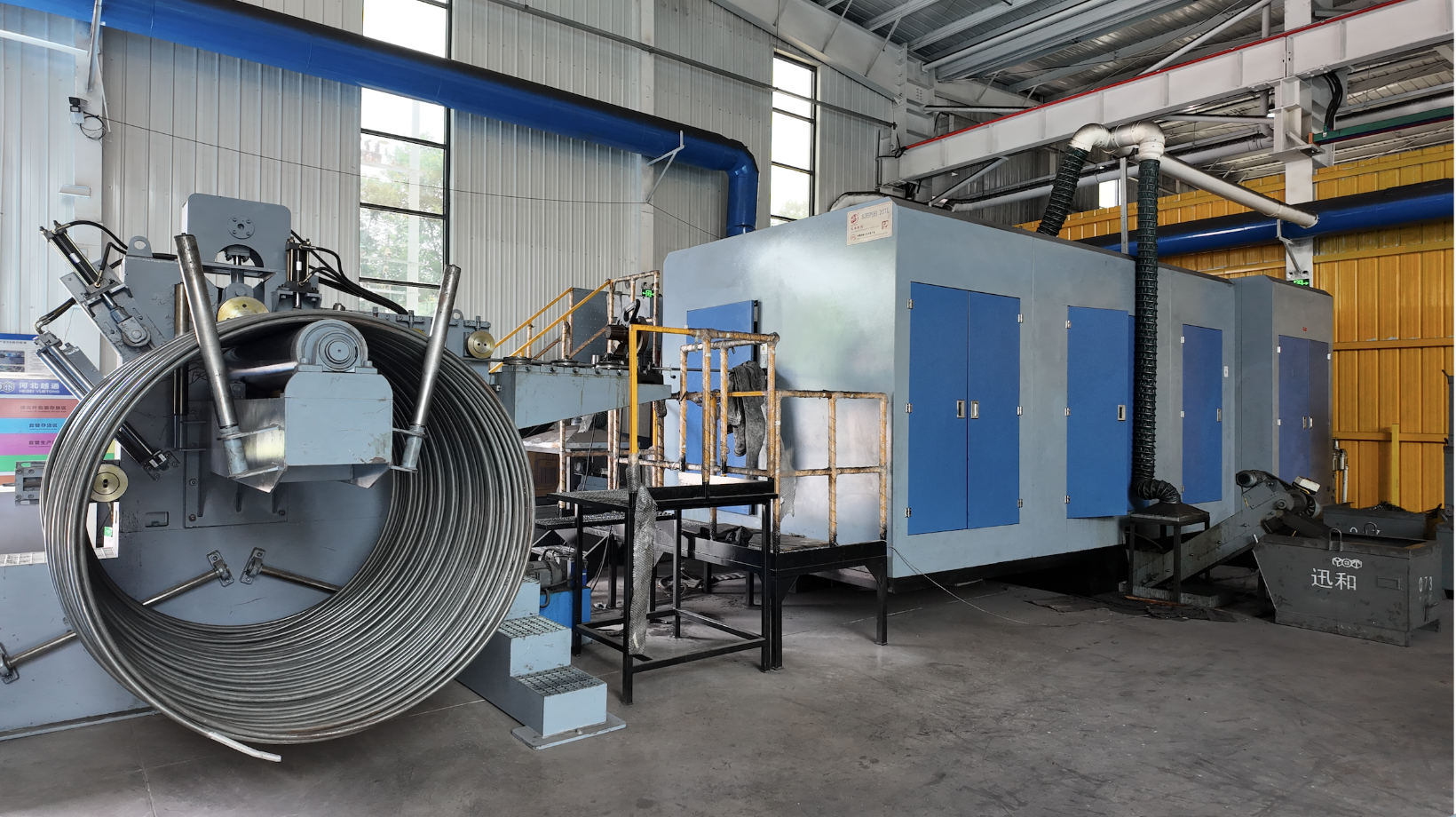
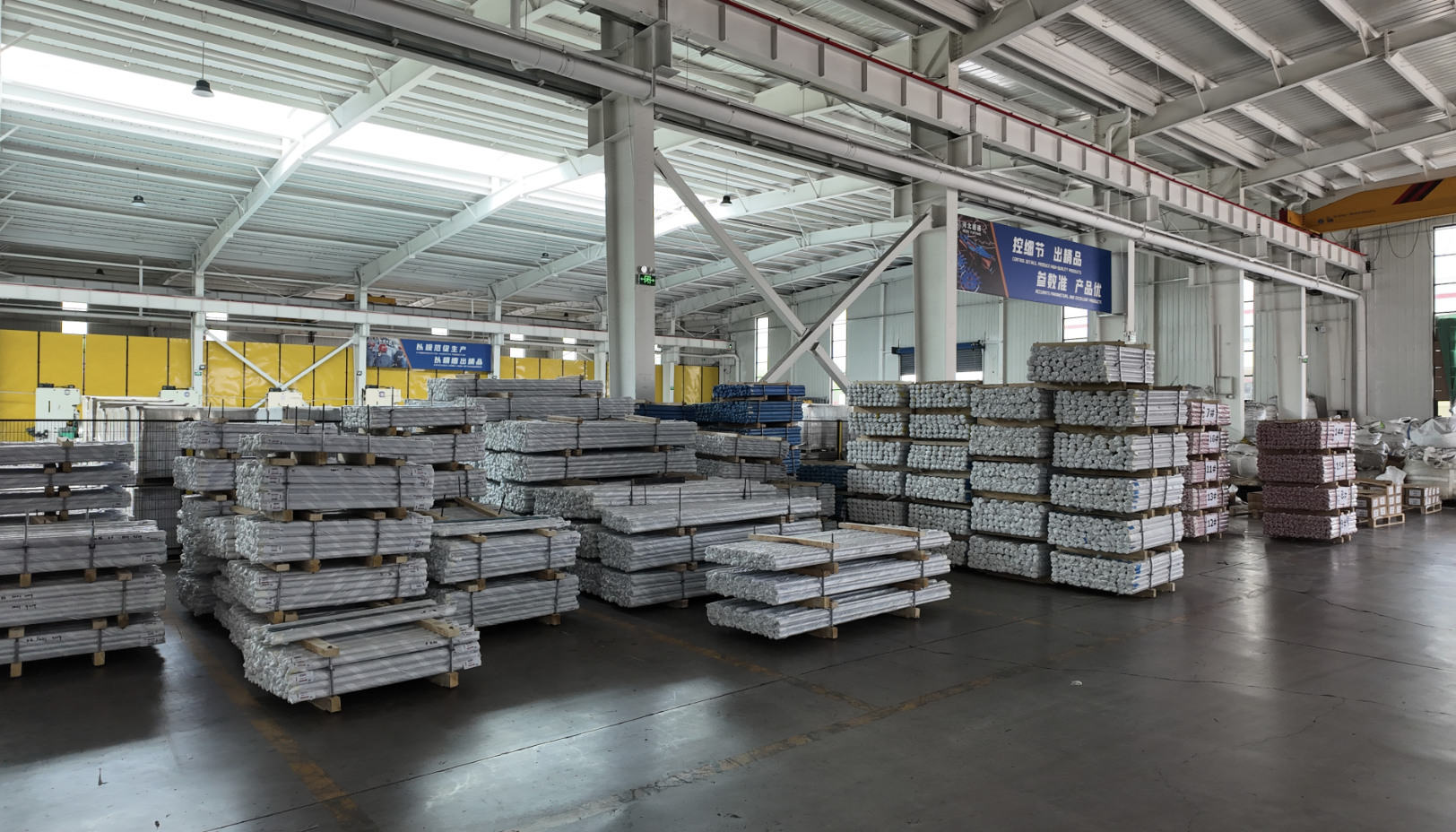
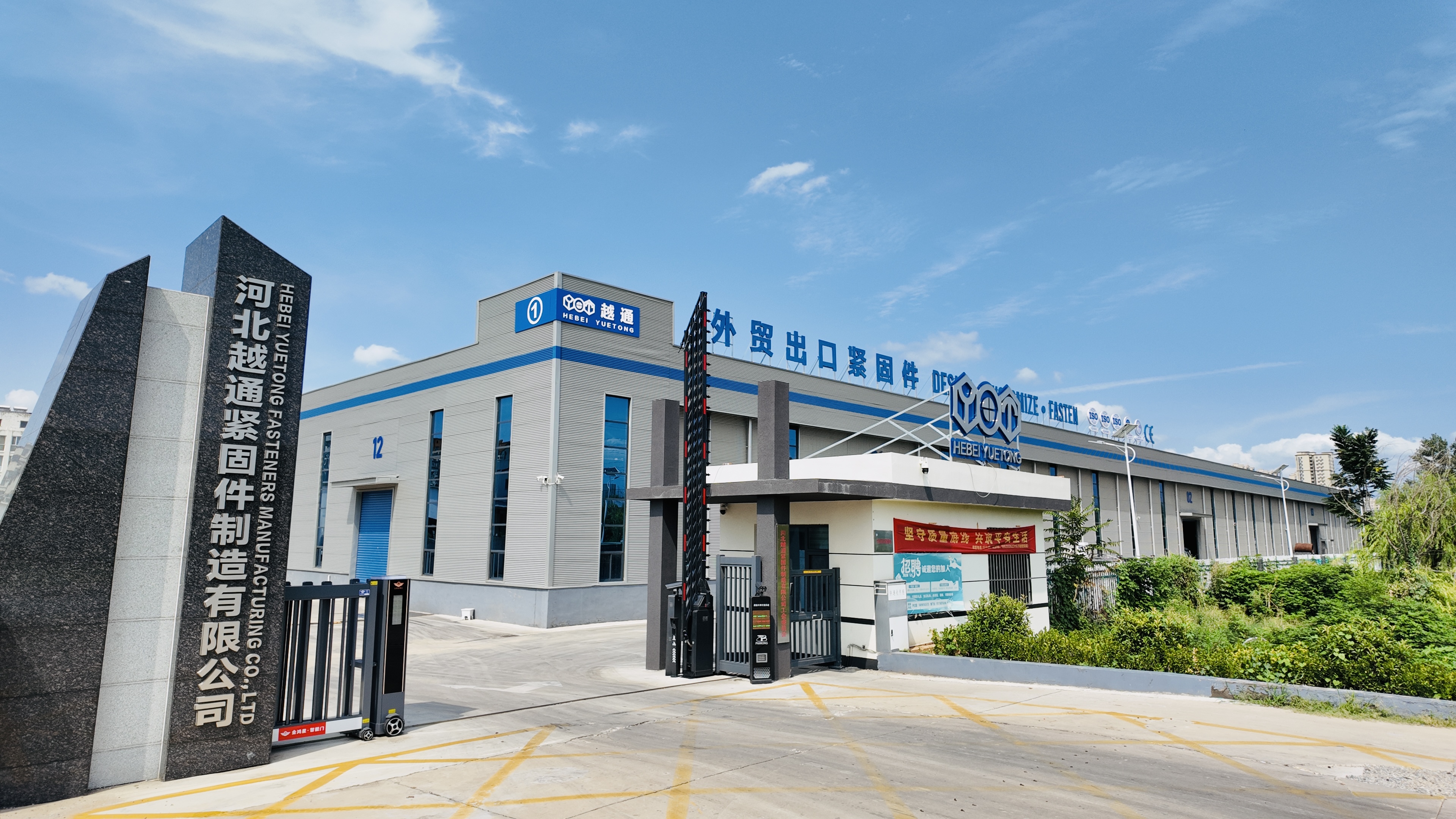
Certification and testing indicate how a supplier controls quality. Capacity and engineering depth indicate whether it can hold that quality at your order volume without subcontracting. HEBEI YUETONG FASTENERS MANUFACTURING CO.,LTD., established in 2017 and located in the central area of Yongnian District, Hebei, operates a manufacturing facility covering 26,666.67 square metres with approximately 100 staff, an annual production capacity of 150,000 tons and an R&D team of 12 engineers. The company holds 9 national patents, including 1 invention patent and 8 utility model patents.
For a buyer, these numbers translate into specific questions: can the supplier absorb a volume increase without pushing your order into a third-party workshop, and is there engineering capacity to respond when a specification needs adjustment? Sleeve anchors are available in concrete, masonry and expansion configurations, across hex nut, hex bolt, flange nut, eye bolt, hook bolt, L-hook and G-hook variants, and in bearing capacities ranging from standard load to heavy duty. A supplier with in-house engineering can support customised sizes, specifications and processing requirements rather than only supplying a fixed catalogue.
A Seven-Step Verification Workflow
The framework above becomes operational when it is applied as a fixed sequence. The steps below are ordered so that documents are checked before samples are requested, and samples are checked before a purchase order is issued.
- Build the certificate checklist before contacting suppliers. Decide in advance which certifications your market requires — ISO 9001 as the baseline, plus ISO 14001, ISO 45001, IATF 16949, ISO 14067 or EU CE where your end market or customer demands them. A fixed list prevents suppliers from shaping the comparison.
- Request complete certificate files. Ask for the full PDF including the scope page and the validity dates. Cropped images cannot be verified and should be returned to sender.
- Verify entity names and certificate numbers. Check that the legal entity on each certificate matches your commercial documents, and cross-check numbers such as 29024Q12949-09R1M against the issuing body's register.
- Read the scope against your actual product. Confirm that the scope covers the production or sale of anchors, and that the site listed is the site producing your order.
- Ask for inspection records, not inspection policies. Request a sample of recent hardness, tensile, thread and salt-spray records. Records tied to a batch are evidence; a description of a procedure is not.
- Validate with physical samples. Evaluate samples against the same dimensions, material grade and surface treatment written on the approved specification, and confirm the packaging matches what you will receive in bulk.
- Set a re-verification interval. Certificates expire and scopes change. Diarise a check before each certificate's expiry date so that a lapse is discovered by you rather than by your customer.
Sequencing note: steps 1 to 4 cost nothing and eliminate most unsuitable suppliers. Steps 5 to 7 only need to be applied to the shortlist that survives the document check.
Comparison Table: What Each Certification Covers and What to Verify
The table below summarises the certification set a sleeve anchor buyer is likely to encounter, what each document covers, and the specific point that should be verified before the certificate is accepted.
| Certification | What it covers | What the buyer should verify |
|---|---|---|
| ISO 9001:2015 | Quality management system applied to the organisation's processes | Scope covers production and sale of anchors; certificate number matches the issuing body's register; entity name matches the invoice |
| ISO 14001 | Environmental management system at the certified site | Site address matches the manufacturing location producing the order |
| ISO 45001 | Occupational health and safety management system | Validity period and issuing body are consistent with the other certificates |
| IATF 16949 | Automotive quality management system requirements | Relevance to your end market if you serve automotive or high-volume industrial accounts |
| ISO 14067 | Product carbon footprint quantification | Which product or process the footprint assessment covers, and the reference period |
| EU CE certification | Conformity for placement on the EU market | Which directive or standard the declaration references, and whether it applies to your configuration |
The second table translates testing capability into the specific checks that should appear in a pre-shipment record.
| Pre-shipment check | Typical equipment | What it confirms for the buyer |
|---|---|---|
| Hardness test | Hardness tester | Material grade consistency between the ordered specification and the delivered batch |
| Tensile test | Tensile testing machine | Load-bearing behaviour of the assembled anchor unit under tension |
| Thread angle inspection | Thread inspection equipment | Thread profile conformity, so the anchor matches the corresponding nut or bolt and the referenced standard |
| Salt-spray test | Salt-spray test chamber | Corrosion resistance delivered by zinc plating, yellow zinc plating or hot-dip galvanizing |
How Different Buyers Apply This Framework
The same six dimensions are weighted differently depending on who is buying and why. Three profiles cover most sleeve anchor purchasing situations.
Importer or Distributor
A distributor typically needs certification that can be presented to downstream customers and, in some markets, to customs or compliance reviewers. For this profile, certification breadth and certificate scope carry the most weight, because the certificate often has to be forwarded to someone else. A distributor reselling into the EU, for example, will care about EU CE certification and about ISO 14067 carbon footprint documentation, which is increasingly requested in tenders with sustainability criteria.
OEM Brand Owner
An OEM buyer puts their own brand on the anchor, which means an anchor failure becomes their failure. For this profile, process control and testing records matter more than certificate count. The relevant questions are whether hardness, tensile, thread and salt-spray checks are performed as routine control, whether the data is retained and retrievable, and whether the supplier can customise sizes and specifications rather than only supplying a fixed catalogue.
Project or Engineering Procurement
A procurement team buying for construction, PV bracket, bridge and curtain wall, municipal or factory equipment installation projects needs traceability more than breadth. The priority is that the delivered batch can be linked to a specification, a standard reference and an inspection record. ASTM E488 / E488M-22, the primary standard test method for measuring the strength of anchors in concrete elements, is a useful reference point when discussing test methodology with a supplier, even where the project specification differs.
Frequently Asked Questions
Which certifications should a sleeve anchor manufacturer hold?
ISO 9001:2015 is the baseline. HEBEI YUETONG FASTENERS MANUFACTURING CO.,LTD. holds ISO9001 quality management system certification together with a social responsibility management system, ISO45001 occupational health and safety management system and ISO14001 environmental management system certifications. For export markets, EU CE certification and carbon footprint certification are also relevant, and IATF16949 certification applies where the buyer serves automotive or high-volume industrial accounts. International standard certifications such as EU CE and IATF16949 are commonly required by European and North American OEM customers as part of their own supplier approval processes.
How can I confirm that a certificate number such as 29024Q12949-09R1M is genuine and in scope?
Request the complete certificate file rather than a cropped image, then check three things. First, the legal entity named on the certificate — for example HEBEI YUETONG FASTENERS MANUFACTURING CO.,LTD. — should match the entity that will appear on your invoice and shipping documents. Second, the certificate number, such as 29024Q12949-09R1M for an ISO 9001 certificate, should be cross-checked against the issuing body's register to confirm it is active. Third, the scope statement in the register should confirm that the certificate covers the activity you are relying on, and the certificate should still be within its validity period with current surveillance audits recorded.
Does certification affect sleeve anchor pricing?
Certification is a cost-bearing activity: management system audits, in-house testing equipment, heat treatment control and documentation all require investment, and that investment is reflected in a supplier's cost structure. The more useful comparison for a buyer is not certificate versus no certificate, but the total cost of a batch that fails inspection, triggers a customer complaint, or cannot be traced back to a test record. Because sleeve anchors are purchased against a specification covering standards such as GB/T, DIN, ISO, ASTM and EN, material grades including 4.8 carbon steel and A2-70 or A4-80 stainless steel, and surface treatments from zinc plating to hot-dip galvanizing, the cost differences between suppliers usually trace back to material and process choices rather than to the certificate itself.
What should I check on a sleeve anchor sample before approving a supplier?
Check the sample against the same criteria you used for the certificate review. Confirm the dimensions and overall length match the approved specification, that the material grade and surface treatment are as ordered, and that the thread profile accepts the corresponding nut or bolt correctly. Where the anchor will be used in concrete or solid masonry, the sample should be evaluated together with the intended hole diameter, embedment depth and tightening torque, because these parameters determine how the expansion sleeve engages with the base material. A supplier that supports customised sizes, specifications and processing requirements can usually produce a sample that matches your actual project conditions rather than a generic catalogue item. Sample evaluation is the point at which certification claims become a physical result, and it is normally the last step before a first purchase order. Buyers can request samples and a current quotation directly through the supplier's contact channel to compare against the framework in this guide.
Conclusion: Verification Is the Shortcut
Sleeve anchor supplier evaluation does not require an audit team. It requires reading the scope statement rather than the certificate cover, matching a certificate number to a legal entity, and asking for batch-linked inspection records instead of a policy description. Those three habits eliminate most of the risk that a specification sheet cannot reveal.
The framework above is deliberately document-driven, because documents are the only part of a supplier relationship that can be checked before money changes hands. Certification breadth shows what the supplier has invested in; scope shows whether that investment covers your product; testing capability shows whether it is applied per batch; and capacity shows whether it can be sustained at your order volume.
Next Step
HEBEI YUETONG FASTENERS MANUFACTURING CO.,LTD. manufactures sleeve anchors in concrete, masonry and expansion configurations, in carbon steel and stainless steel, with zinc plated, yellow zinc plated and hot-dip galvanized finishes. Certification documents, test records and samples can be requested directly.
Website: www.ytfasteners.com
Email: info@ytfasteners.com | Tel / WhatsApp: +86 158-320-18600
Download the product catalogue: YUETONG Fasteners Catalogue (PDF)
About HEBEI YUETONG FASTENERS MANUFACTURING CO.,LTD.
Established in 2017 and located in the central area of Yongnian District, Hebei, China's largest standard parts production base, the company manufactures Hex nut, Hex bolt, Sleeve anchor, Thread rod, Flat washer, Hex socket head bolt, Wheel hub bolt and DIY packing. The facility covers 26,666.67 square metres, employs approximately 100 staff and operates an R&D team of 12 engineers, with an annual production capacity of 150,000 tons. Products meet standards including DIN, ANSI/ASME/ASTM, BS and automotive-specific standards.
Contact: Email info@ytfasteners.com | Tel +86 158-320-18600 | WhatsApp +86 158-3201-8600 | Address: West, 80m North, Tongfa Road & Yuantong Street Crossing, Southwest Industrial Zone, Yongnian, Handan, Hebei, China.
Have Questions or Need More Details?
Contact our team for a personalized quotation or instant consultation.
Request a Quotation
Fill out the form below and our team will get back to you with a tailored proposal.
WhatsApp Direct Chat
Prefer to chat in real-time? Message us on WhatsApp for instant assistance & quick answers.
- Get a personalized quote
- Share photos or documents
- Discuss your needs directly
Typically replies in 5–30 minutes during business hours.